Beverage Temperatures
Espresso Extraction Parameters
Also: espresso brew parameters, espresso temperature, espresso pull
Optimal espresso brews at 90–96°C with 9 bar pressure over 25–30 seconds, targeting 18–22% extraction yield.
Espresso extraction parameters define the interplay of brew water temperature, pressure, dose, grind fineness, and time that together determine whether a shot is under-extracted (sour, thin), balanced, or over-extracted (bitter, astringent). The Specialty Coffee Association defines target extraction yield at 18–22% TDS (total dissolved solids) from a 1:2 to 1:2.5 dose-to-yield ratio. Temperature is the key lever that shifts which flavor compounds dissolve first.
In photos

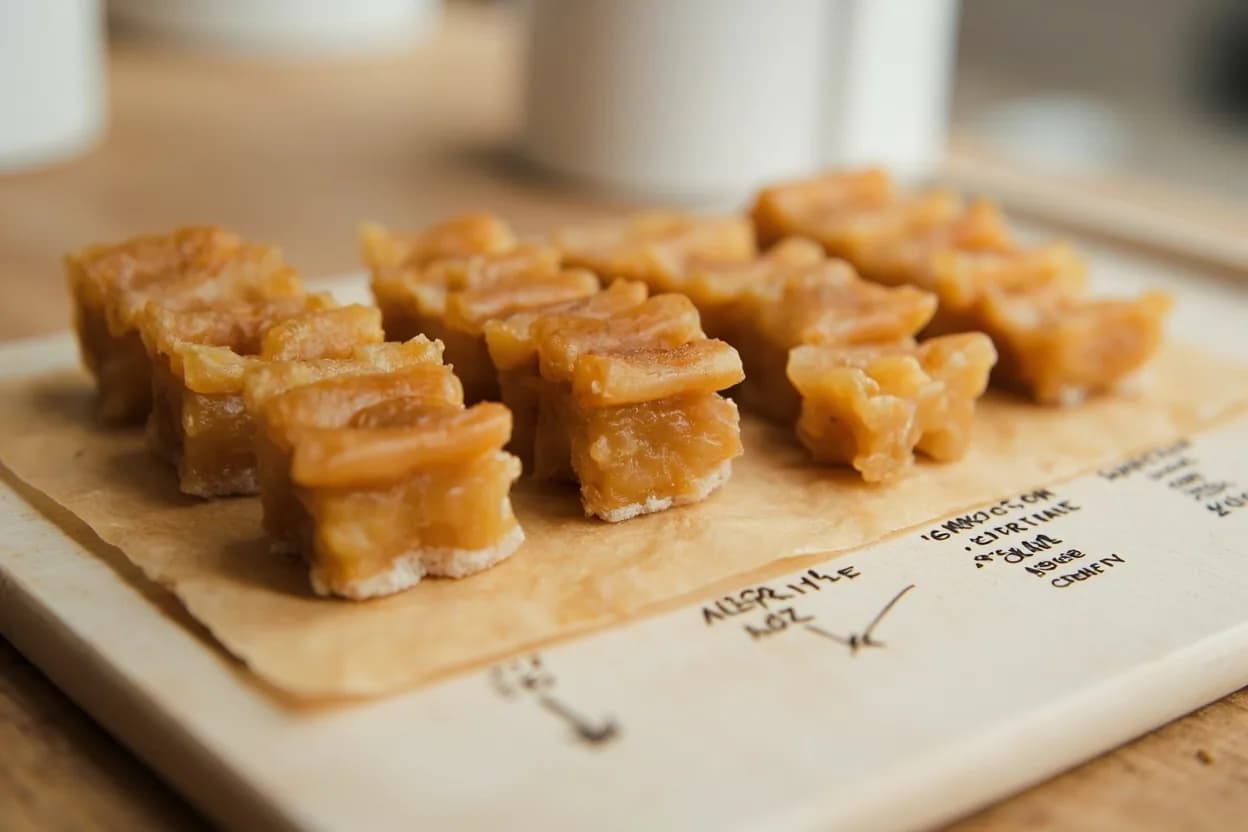
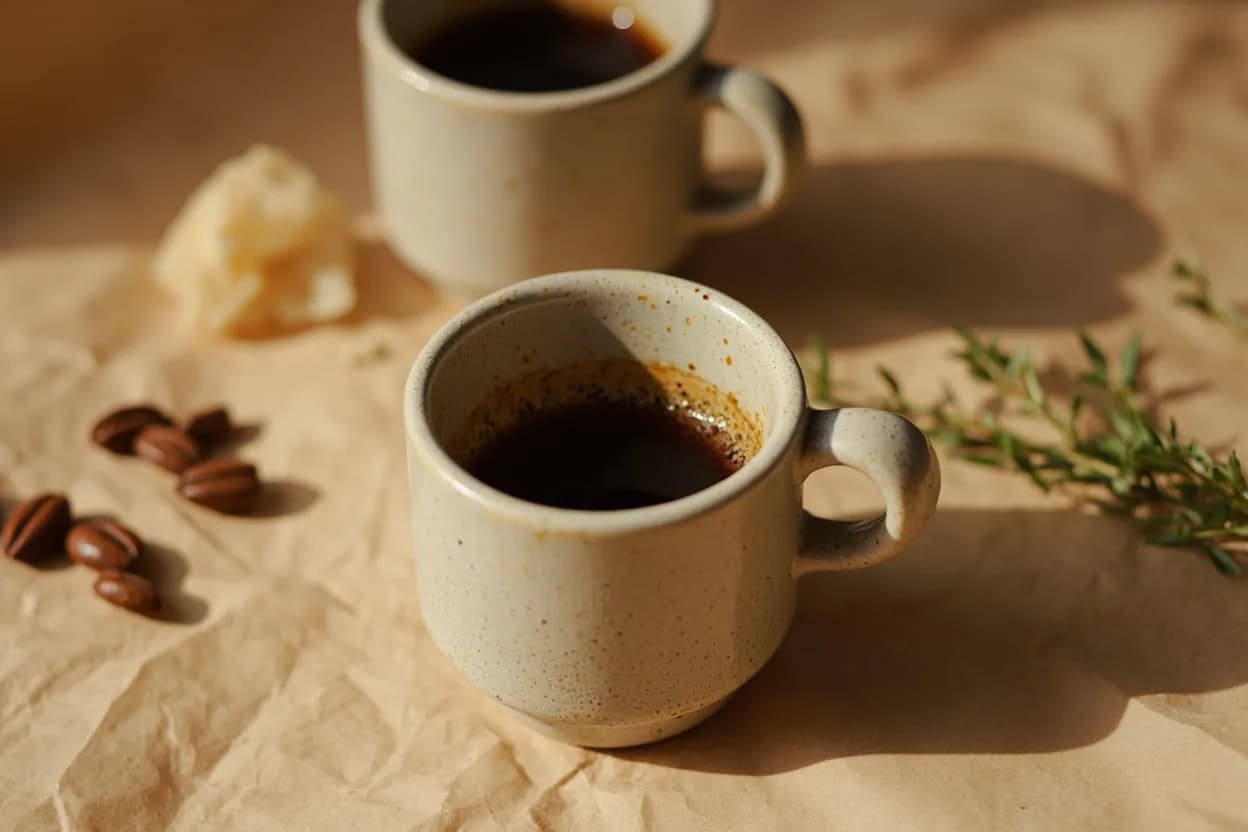
What happens
At 90–96°C, hot water under 9 bar (130 psi) of pressure forces through a ~7–9 g dose of finely ground coffee in 25–30 seconds. Lipids, Maillard compounds, sugars, and acids dissolve in a precise sequence: fruity acids extract first, sweetness and body compounds mid-extraction, and bitter phenolics last. Lighter roasts require higher temperatures (93–96°C) to dissolve more soluble compounds; darker roasts extract readily at 90–92°C before bitterness dominates. Pressure drives emulsification of oils, forming the characteristic crema.
What to look for
- Ideal shot runs honey-thick, reddish-brown with tiger-striping, transitioning to golden crema
- Aroma is complex: caramel, fruit, chocolate, or florals depending on roast and origin
- Taste is balanced between sweetness, acidity, and bitterness with no single note dominating
- Crema is hazelnut-coloured, 3–5 mm thick, and persists for 60–90 seconds
- Under-extracted shot: pale, thin, sour or grassy; over-extracted: very dark, thin, bitter and dry
How to check
- Refractometer (TDS meter): measure extraction yield on the finished shot; target 18–22%
- Shot timer: 25–30 seconds from first drop to end of pull for a 1:2 ratio
- Portafilter pressure gauge: confirm 9 bar maintained through extraction
- Thermometer probe at group head: dial in to 90–96°C before pulling
- Taste: adjust grind finer (slower, higher extraction) or coarser (faster, lower extraction) to correct sour or bitter balance
The science behind it
Roasting creates the soluble Maillard compounds espresso extracts
9-bar pressure emulsifies coffee oils into the water, forming crema
- Coffee bloom / degassing
Fresh coffee off-gasses CO2 which affects extraction evenness
- Grind size distribution
Finer grind increases surface area, raising extraction rate at fixed time
- Water hardness
Mineral content (50–150 ppm total hardness) affects compound solubility and scale
Appears in
References
- 1.The World Barista Championship Technical Rules — World Coffee Events / SCA
- 2.Hoffmann, James — The World Atlas of Coffee (2nd ed., 2018)
- 3.Rao, Scott — The Professional Barista's Handbook (2008)
- 4.Specialty Coffee Association Brewing Control Chart — SCA Standards (2017)
Confidence: high
Notes
Temperature and roast level
A common mistake is using a single temperature for all coffees. Light-roast single origins, which are denser and less porous, benefit from 94–96°C to dissolve enough soluble material. Dark roasts, already brittle and highly soluble, should be pulled at 90–92°C to avoid runaway bitterness. The relationship is not linear: a 1°C change can meaningfully shift cup character, especially in competition-level work.
Pressure profiling
Modern espresso machines allow dynamic pressure profiling — starting low (4–6 bar pre-infusion) before ramping to 9 bar, then tapering at the end of extraction. This gentler approach can reduce channeling and improve sweetness in fragile light roasts. Traditional nine-bar flat profiles remain the reference standard.