Frying Temperatures
Hot-Oil Flash Bloom Temperature
Also: chili oil bloom, hot oil pour, you po, 油泼, tempering oil aromatics
180–200°C oil poured over dried spices, garlic, or scallions in seconds — extracting and fixing volatile aromatics before they can burn.
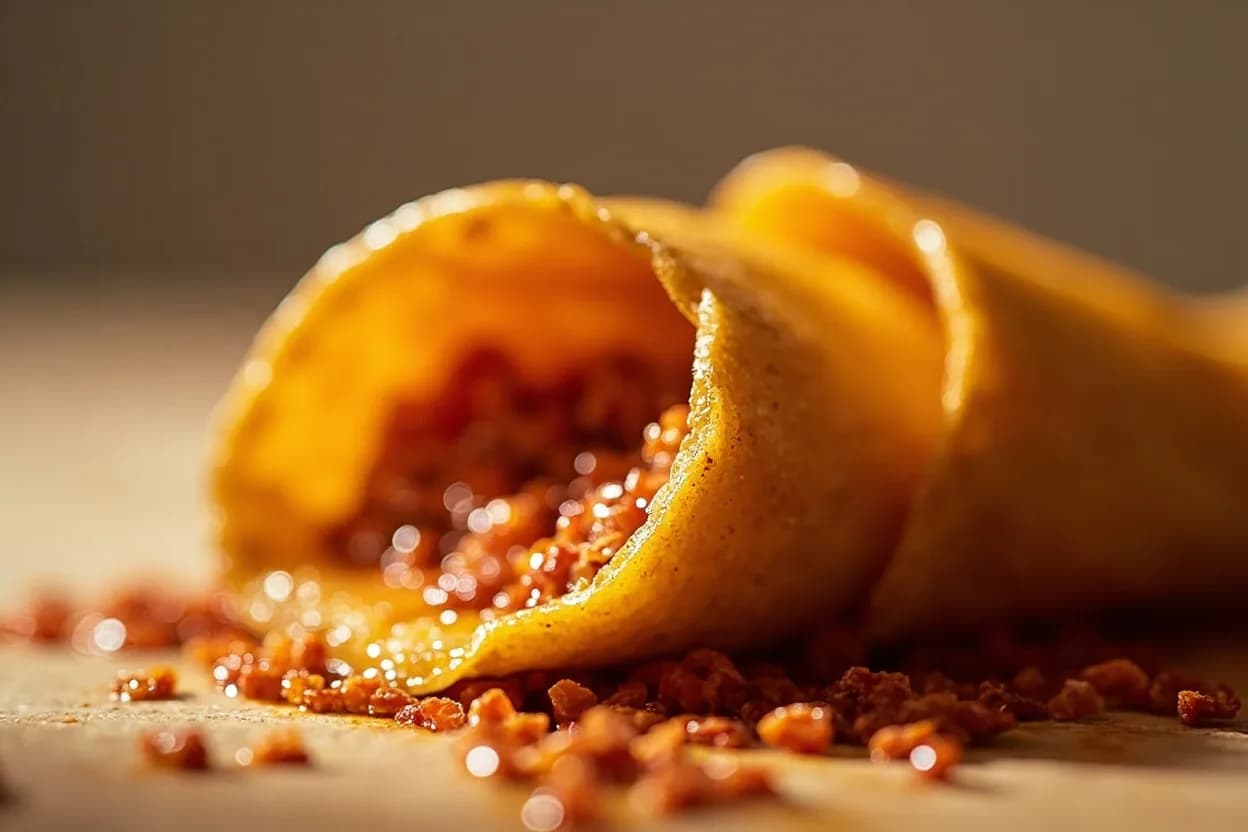
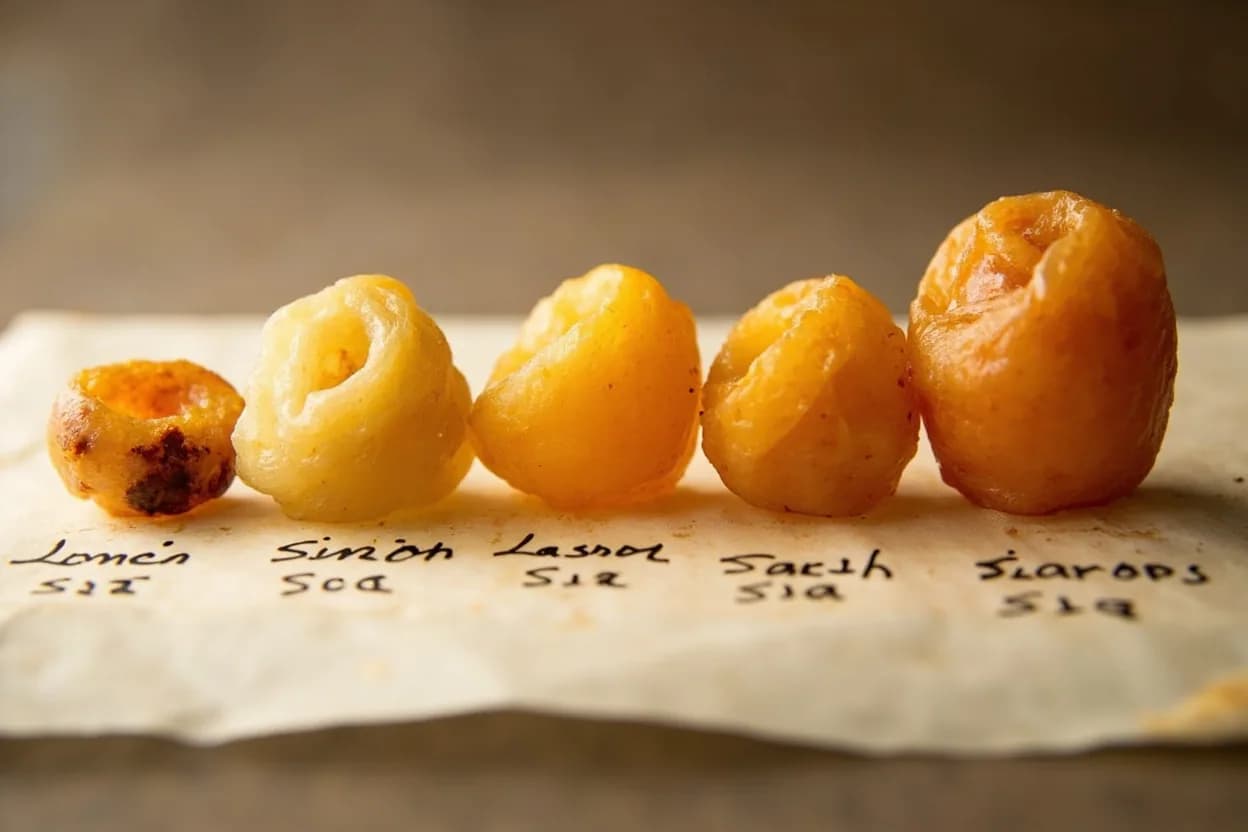
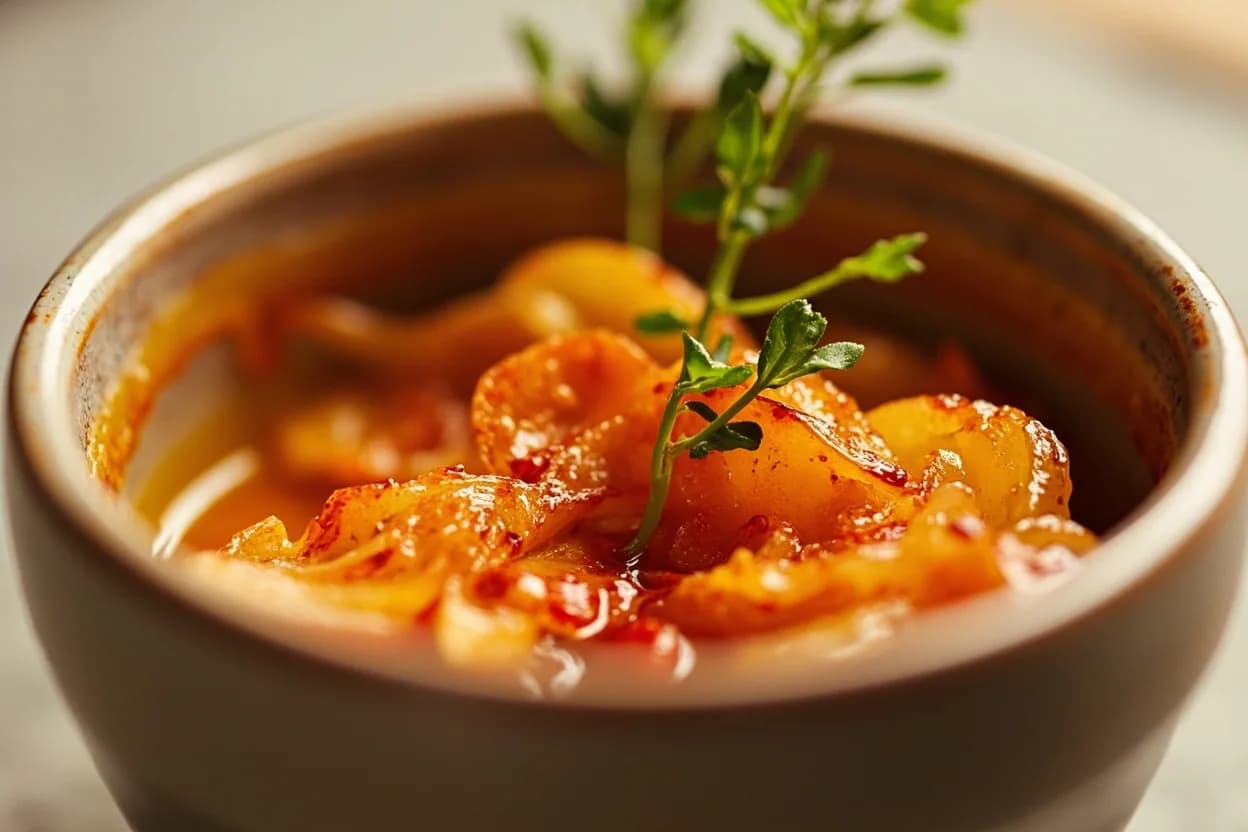
Hot-oil flash blooming (油泼, yóu pō in Chinese cooking) is the technique of heating oil to 180–200°C (356–392°F) and then pouring it in a controlled stream directly onto a bed of dried aromatics — chili flakes, Sichuan peppercorns, minced garlic, grated ginger, five-spice, or thinly sliced scallions. The sudden thermal shock causes fat-soluble aromatic compounds to dissolve instantly into the oil while simultaneously 'cooking' the raw edge off garlic and the astringency out of dried chili, without sustained heat that would char or turn them bitter. The oil temperature must be calibrated to the aromatic: more delicate ingredients such as scallions bloom safely at the lower end (around 180°C), while dried whole chilies and sesame seeds benefit from the higher end (195–200°C). The resulting infused oil becomes the flavour-delivery mechanism for the dish.
In photos
What happens
At 180–200°C oil is well above the boiling point of water (100°C), so any residual moisture in aromatics flash-vaporizes on contact, causing the vigorous bubbling and sizzle that signals proper blooming. Capsaicin, allicin, cinnamaldehyde, and other fat-soluble volatile compounds migrate rapidly into the hot oil within the first few seconds. The Maillard reaction begins at the surface of garlic cells and chili skin, adding roasted complexity. Because the pour takes only 3–5 seconds and the aromatics absorb heat energy, the effective contact temperature drops quickly — the oil does not sit long enough to push into char territory (above ~220°C for most dried spices). Sesame oil, if added at the end, is added after the heat dissipates slightly (below 160°C) to preserve its delicate toasty volatiles.
What to look for
- Vigorous, immediate bubbling and sputtering on contact with aromatics
- Loud sizzle that subsides within 2–3 seconds as moisture is expelled
- Rapid colour deepening of chili flakes from dull red to bright brick-red
- Pungent bloom of chili, garlic, or spice aroma rising as a visible steam
- Garlic turns pale golden but not brown in a properly calibrated pour
- Oil takes on an orange-red hue if chili flakes are present
How to check
- Instant-read or candy thermometer in the oil before pouring — look for 180–200°C
- Wooden chopstick test: insert tip into hot oil; rapid, steady bubbles indicate 160°C+; a more aggressive ring of fine bubbles and faint smoke marks the target range
- Visual: oil shimmers and moves fluidly; fine wisps of smoke appear at 190°C+
- Test pour: a pinch of chili flakes dropped in should sizzle immediately and colour brightens without darkening to brown
The science behind it
Stir-fry heat runs hotter (230°C+); flash blooming is a controlled, targeted lower temperature for aromatic infusion, not sustained cooking.
Refined neutral oils (refined sunflower, peanut, soybean) are chosen for blooming because their smoke points (225–232°C) clear the working range with margin.
- Chili Oil
The archetypal flash-bloom product: Sichuan chili oil (辣椒油) is made entirely by this technique.
- Tempering Spices (Tadka)
The South Asian equivalent — mustard seeds, curry leaves, dried chili bloomed in ghee or oil at similar temperatures.
Appears in
References
- 1.Land of Fish and Rice — Fuchsia Dunlop (W. W. Norton, 2016)
- 2.The Food of Sichuan — Fuchsia Dunlop (W. W. Norton, 2019)
- 3.The Wok: Recipes and Techniques — J. Kenji López-Alt (W. W. Norton, 2022)
- 4.On Food and Cooking — Harold McGee (Scribner, 2004)
Confidence: high
Notes
Order of aromatics matters
When layering multiple aromatics (e.g. chili flakes, sesame seeds, five-spice), place those that need more heat at the bottom and more delicate ones on top. The first pour — the hottest — hits the bottom layer; residual heat blooms the top.
Below and above the window
Oil below 170°C will not extract fat-soluble capsaicinoids efficiently and leaves a raw, grassy chili taste. Above 210°C, dried garlic scorches within seconds, turning acrid; chili flakes go from vivid red to dark brown and taste bitter. The 180–200°C window is deliberately narrow.