Fermentation & Culturing Temperatures
Lacto-Fermentation Brine Acidity Target
Also: fermentation pH target, lacto-ferment final pH, brine acidity goal
A finished lacto-ferment is safe and shelf-stable once its brine reaches pH 3.5–4.0, driven by lactic acid bacteria converting sugars to lactic acid.
Lacto-fermentation is complete — and the product is microbiologically safe — when the brine pH falls to 3.5–4.0. At this point lactic acid bacteria (primarily Lactobacillus species) have produced enough lactic acid to suppress pathogens including Listeria and E. coli. Salt concentration (typically 2–3% by weight of water) is the critical first inhibitor: it stresses undesirable microbes and creates a selective environment for salt-tolerant LAB in the first 24–48 hours before acidity builds. The pH target is not a temperature; it is an endpoint defined by pH measurement or proxy cues.
In photos
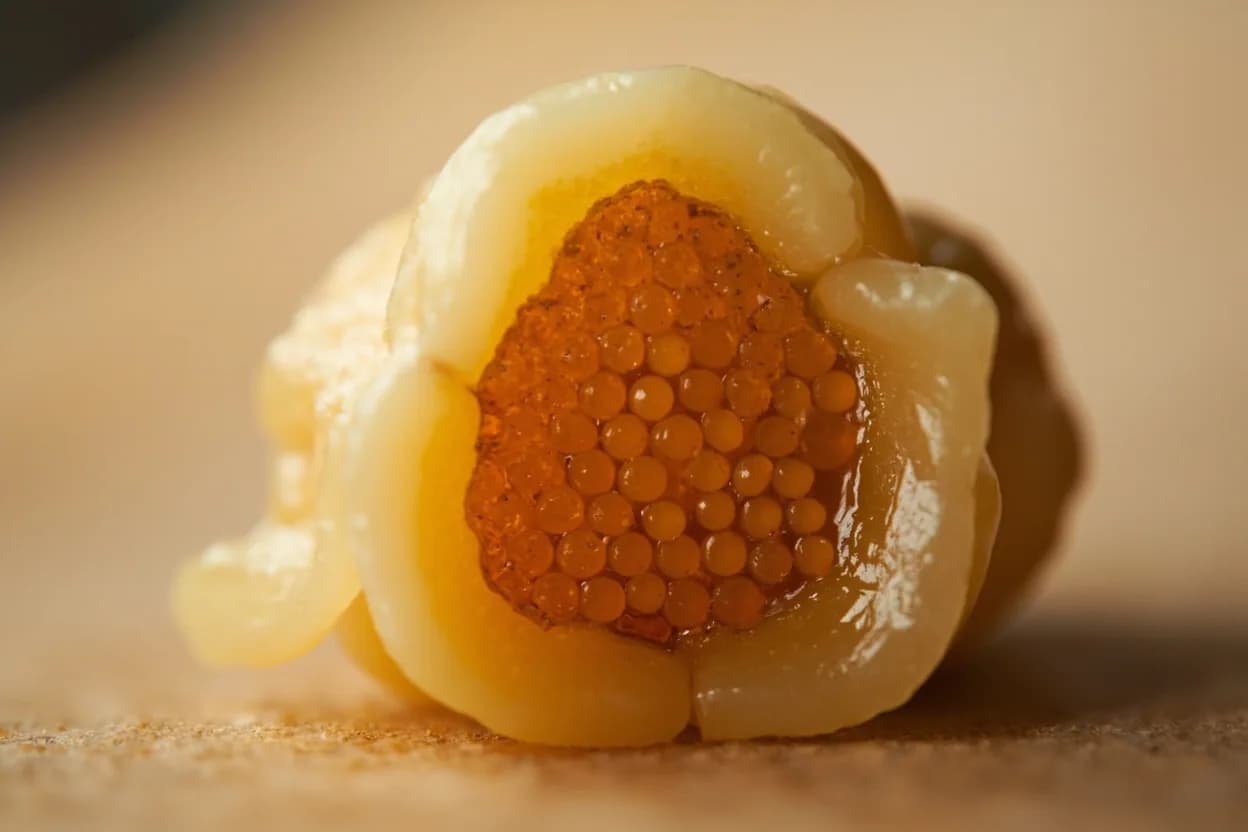
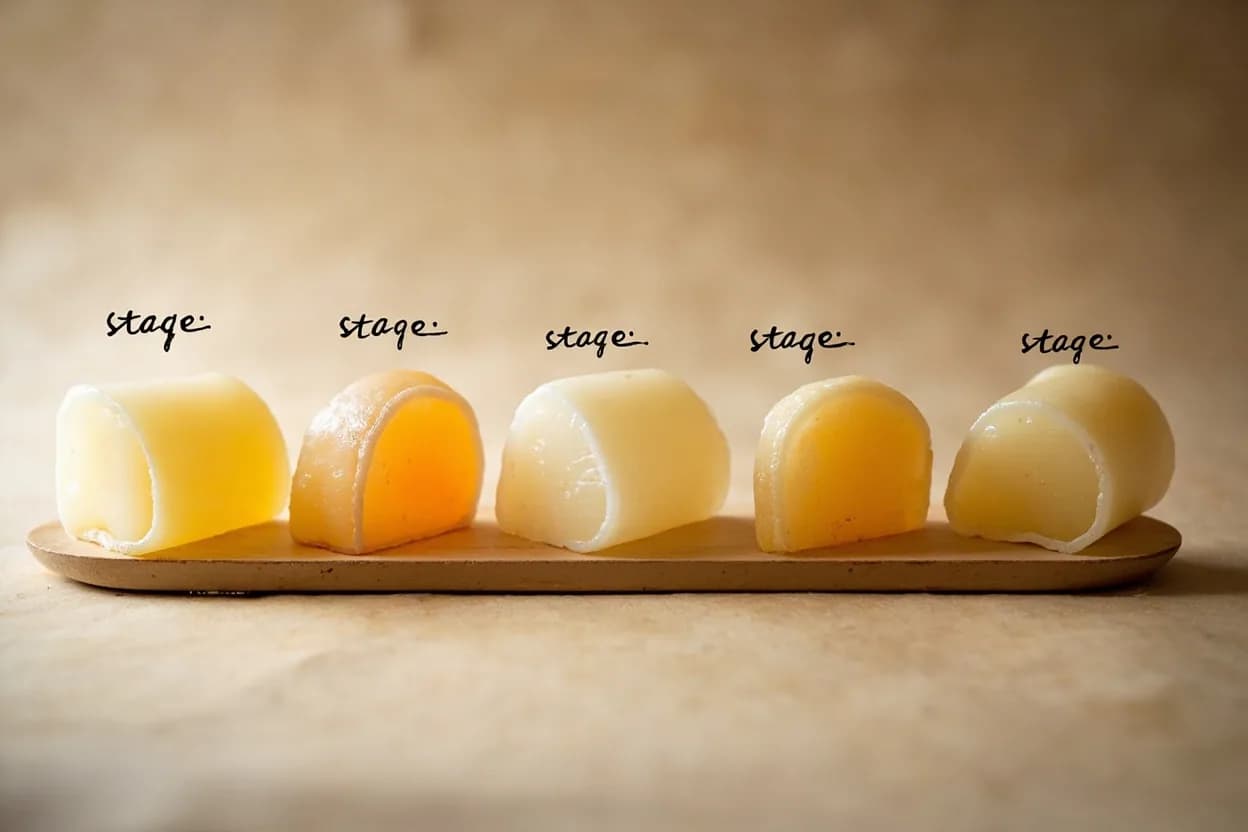
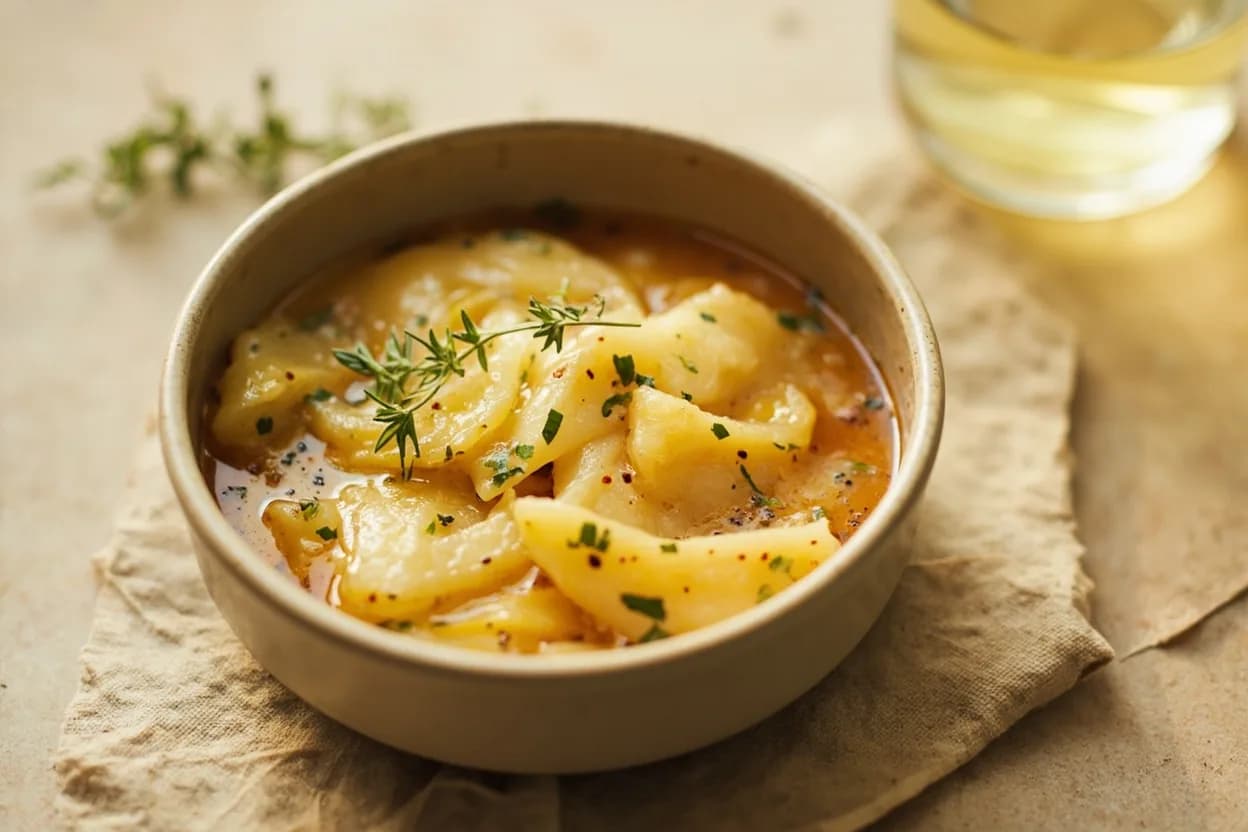
What happens
Lactic acid bacteria ferment residual sugars (glucose, fructose, sucrose) anaerobically, producing lactic acid and small amounts of CO₂ and acetic acid. As pH drops below 4.6 — the critical threshold for Clostridium botulinum inhibition — the environment becomes hostile to most pathogens. Below pH 4.0 even most spoilage yeasts are suppressed, giving the ferment long-term stability. The salt initially draws water from vegetable cells via osmosis, creating the brine that submerges the produce and provides the medium for LAB activity.
What to look for
- Brine turns cloudy from LAB cell mass and expelled starches
- Persistent bubbling slows or stops entirely as fermentable sugars are exhausted
- Sharp, clean sour aroma — tangy lactic acid note without off-smells
- Vegetables shift from raw-crisp to pleasantly firm-tender
- Brine tastes distinctly sour and salty, without sweetness
- No surface mold (kahm yeast may appear as a thin white film — removable, not dangerous)
How to check
- Dip a narrow-range pH strip (3.0–5.0) into the brine and compare to chart immediately
- Use a calibrated digital pH meter rinsed and dried between readings for precision to ±0.1 pH
- Taste the brine: sharp sourness with no residual sweetness signals acidity is sufficient
- Check that active bubbling has slowed or stopped — sugar exhaustion correlates with pH drop
Food safety
The science behind it
- Salt concentration
2–3% brine by water weight is the standard inhibitory range; below 1% risks pathogens, above 5% slows LAB activity
- Anaerobic environment
Submerging vegetables below brine prevents oxidation and suppresses mold-friendly aerobic bacteria
- Lactic acid bacteria
Lactobacillus plantarum, L. mesenteroides, and Pediococcus are the primary acidifying organisms
- pH meter calibration
Buffer solution (pH 4.0 and 7.0) calibration is essential for accurate fermentation monitoring
Harmless surface yeast that can off-flavor a ferment if not skimmed; distinct from dangerous molds
Appears in
References
- 1.The Art of Fermentation — Sandor Ellix Katz (2012)
- 2.Noma Guide to Fermentation — René Redzepi & David Zilber (2018)
- 3.Fermented Vegetables — Kirsten K. Shockey & Christopher Shockey (2014)
- 4.FDA Fermented and Pickled Foods Safety Guidance — U.S. Food & Drug Administration
Confidence: high
Notes
Salt-first, acid second
A common beginner misconception is that salt alone preserves a lacto-ferment. Salt is a selective inhibitor, not a preservative in the long run. Its role is to create a 24–72 hour window of suppression so that naturally occurring LAB on the vegetable surfaces can outcompete pathogens and build the acid environment that provides true long-term stability.
Temperature affects speed, not endpoint
Cooler temperatures (18–20°C) slow fermentation and favor complex flavor development; warmer temperatures (24–27°C) accelerate acid production. The pH endpoint remains the same regardless — only the time to reach it changes. Cold-packing a finished ferment in the refrigerator halts LAB activity and preserves the acidity achieved.