Cheese & Dairy Doneness
Milk Temperature for Starter Culture Addition
Also: culture inoculation temperature, milk ripening temperature, starter addition temperature, cheesemaking inoculation window
The 30–35°C (86–95°F) window at which pasteurized or raw milk is inoculated with starter cultures — warm enough to activate bacteria, cool enough to preserve them.
Before rennet is added in cheesemaking, milk must be 'ripened' by adding a starter culture — a selected population of lactic acid bacteria (LAB) whose primary role is to acidify the milk by converting lactose to lactic acid. This acidification lowers pH, aids coagulation, shapes the final flavor, and controls competitive spoilage organisms. The critical inoculation window of 30–35°C (86–95°F) supports the metabolic activity of mesophilic cultures (used for cheddar, gouda, brie, camembert) and the lower end of thermophilic culture ranges. Temperatures above 40°C begin to stress or kill starter bacteria; below 25°C they become sluggish, extending the ripening phase unpredictably.
In photos
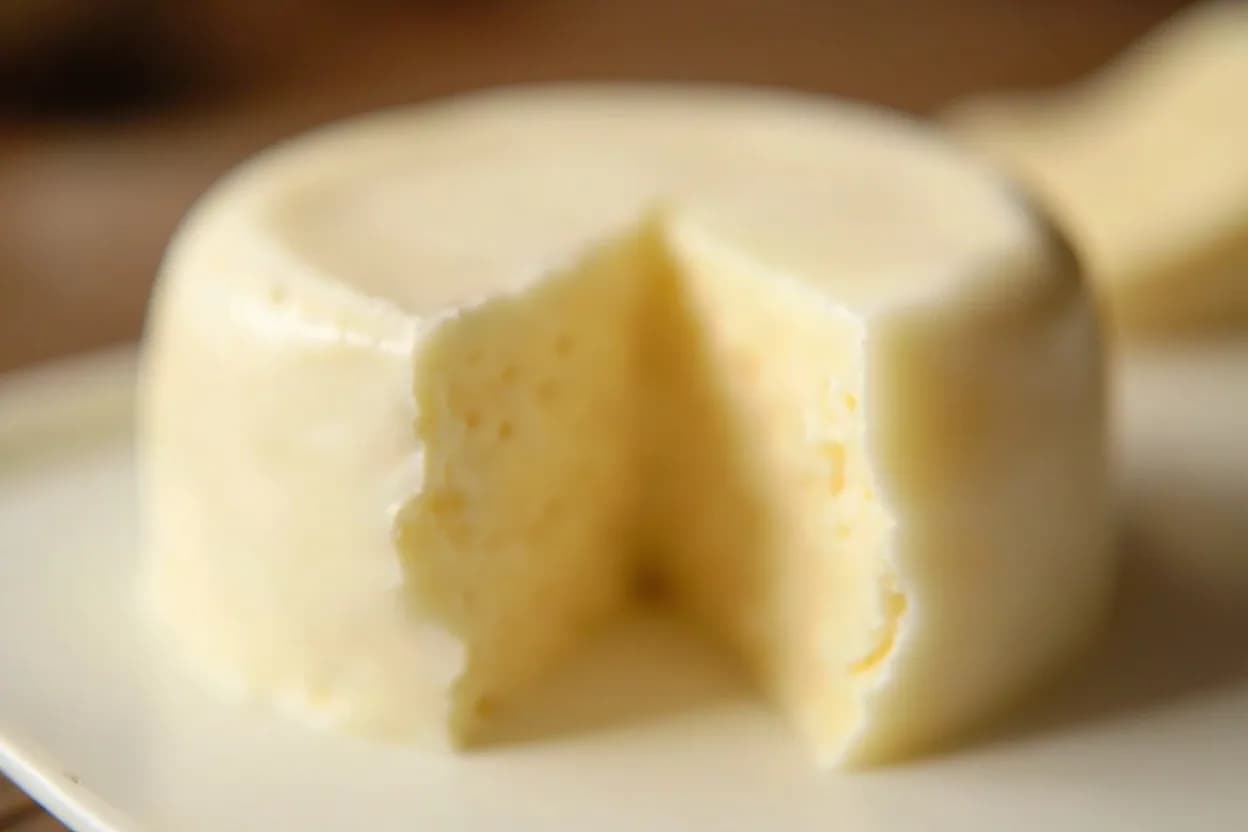

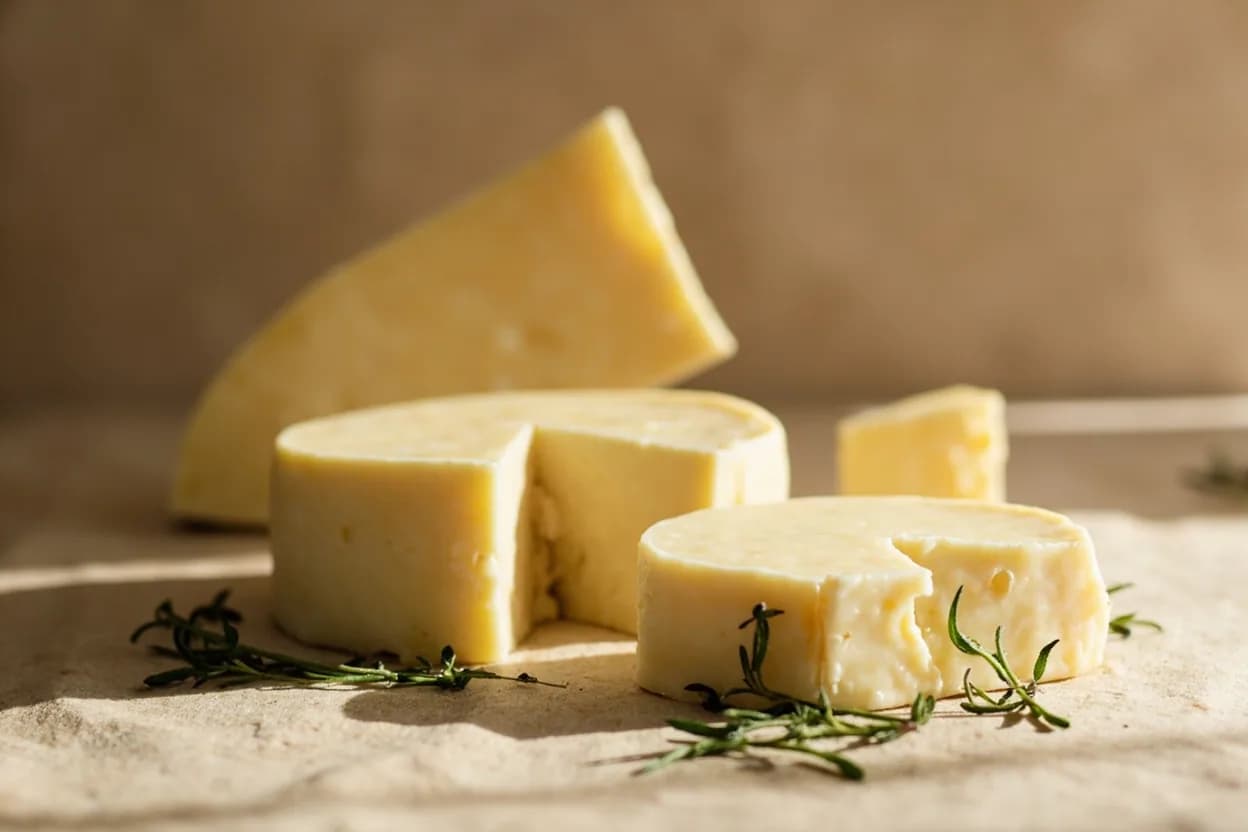
What happens
Lactic acid bacteria inoculated into milk at 30–35°C find conditions close to their optimal growth temperature and begin producing lactic acid from lactose via homofermentative or heterofermentative pathways. The pH of milk drops from ~6.7 toward 6.1–5.5 over the ripening period (30 minutes to 2 hours depending on style). This acidification causes casein micelles to progressively destabilize, preparing them for rennet-induced coagulation. Protease and lipase side-activities of the starter bacteria also begin contributing to long-term flavor development — the foundation of the cheese's characteristic taste profile. At temperatures above 40°C, heat shock begins denaturing bacterial enzymes; at 38°C+ mesophilic strains suffer reduced viability, yielding inconsistent acidification and defective cheese.
What to look for
- Milk should feel just warm to the inner wrist — similar to body temperature, not hot
- During ripening, no visible change occurs in the first 20–30 minutes; slight thickening of aroma may develop
- A faint, clean sour note beginning to develop after 45–60 minutes at temperature indicates active culture activity
- pH meter or litmus paper (optional but useful): pH should begin dropping from 6.7 toward 6.4–6.2 by end of ripening
How to check
- Use an instant-read or probe thermometer inserted at least 3 cm into the milk — not surface contact — before adding culture
- For vat cheesemaking, stir milk gently and check temperature at multiple depths as the vessel may have gradients
- After adding culture, maintain target temperature with a water bath or double boiler; avoid direct high heat which creates hot spots
- If temperature drifts above 38°C, cool the vat immediately; drift below 28°C will slow but not ruin the culture addition if corrected promptly
Food safety
The science behind it
The 20–25°C (68–77°F) range where mesophilic starters continue working during ambient-temperature cheese aging
104–113°F/40–45°C range required for thermophilic starters used in mozzarella and hard Italian cheeses
Milk must be cooled from pasteurization temperatures before cultures can safely be added
- Rennet Coagulation Temperature
Rennet is typically added at a similar or slightly cooler temperature after the ripening period
The core process initiated by starter culture addition — lowering milk pH to prepare for coagulation
Appears in
References
- 1.Mastering Artisan Cheesemaking — Gianaclis Caldwell (Chelsea Green, 2012)
- 2.Cheese and Fermented Milk Foods — Frank V. Kosikowski, Vikram V. Mistry (F.V. Kosikowski LLC, 1997)
- 3.Dairy Science and Technology — P. Walstra, J.T.M. Wouters, T.J. Geurts (CRC Press, 2006)
- 4.The Art of Natural Cheesemaking — David Asher (Chelsea Green, 2015)
Confidence: high
Notes
Why the window is narrow
Cheesemaking starter cultures are complex living communities shaped by decades of selection for optimal performance in a specific temperature band. Mesophilic organisms such as Lactococcus lactis subsp. cremoris and lactis have optimal growth near 30°C and suffer rapid death above 40°C. Adding culture to milk that is even 5°C too hot — a common mistake when transitioning from pasteurization — can kill a significant portion of the inoculum and lead to slow, erratic acidification that results in defective texture and flavor in the finished cheese.
Thermophilic vs. mesophilic inoculation
While the 30–35°C range covers mesophilic starters and the cooler end of thermophilic starters (used together in some Swiss styles), pure thermophilic cultures (Streptococcus thermophilus, Lactobacillus delbrueckii subsp. bulgaricus) can be added at temperatures approaching 40–42°C — overlapping with yogurt incubation. The cheesemaker's goal in either case is to add the culture at the warmest temperature the bacteria can tolerate, then hold that temperature through the ripening period.