Pasta & Grain Doneness
Sushi Rice Temperature (Body-Warm, ~37°C)
Also: sushi rice serving temperature, shari temperature, body-warm rice, neta temperature balance
Sushi rice served at body temperature (~37°C/98.6°F) achieves optimal texture and fat absorption, allowing fish neta to remain near-cold while the rice remains pliable and flavorful.
In traditional Edomae and contemporary nigiri-zushi craft, the serving temperature of seasoned sushi rice (shari) is a deliberate culinary parameter rather than a casual afterthought. Rice served at approximately body temperature — around 35–40°C (95–104°F), with 37°C (98.6°F) as the canonical target — retains the pliability needed for hand-shaping, delivers optimal flavor from the sushi vinegar seasoning, and creates the appropriate thermal contrast with cold or near-cold fish. Rice that is too hot will wilt delicate neta, accelerate fat oxidation in fatty fish, and taste overly acidic. Rice that is too cold stiffens, loses pliability, and the starch retrogrades slightly, creating a less cohesive, grainier texture.
In photos
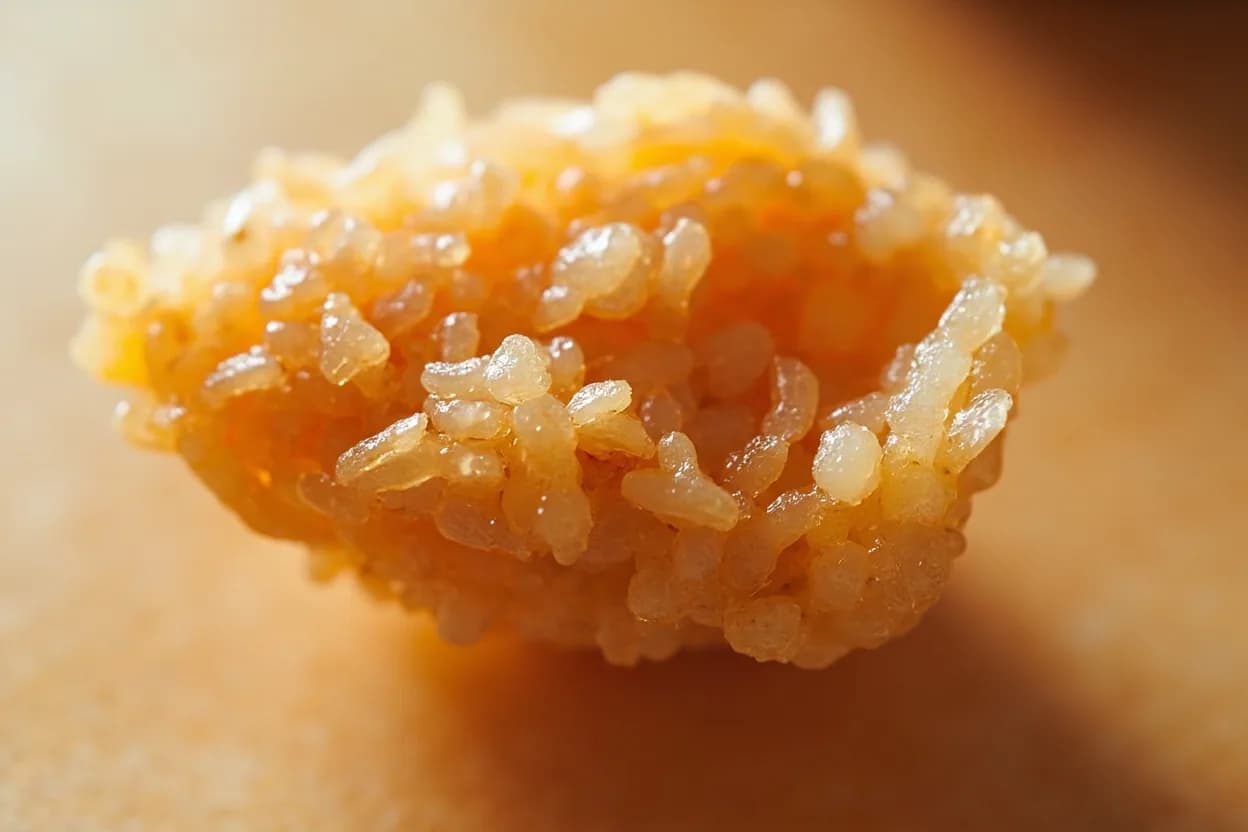
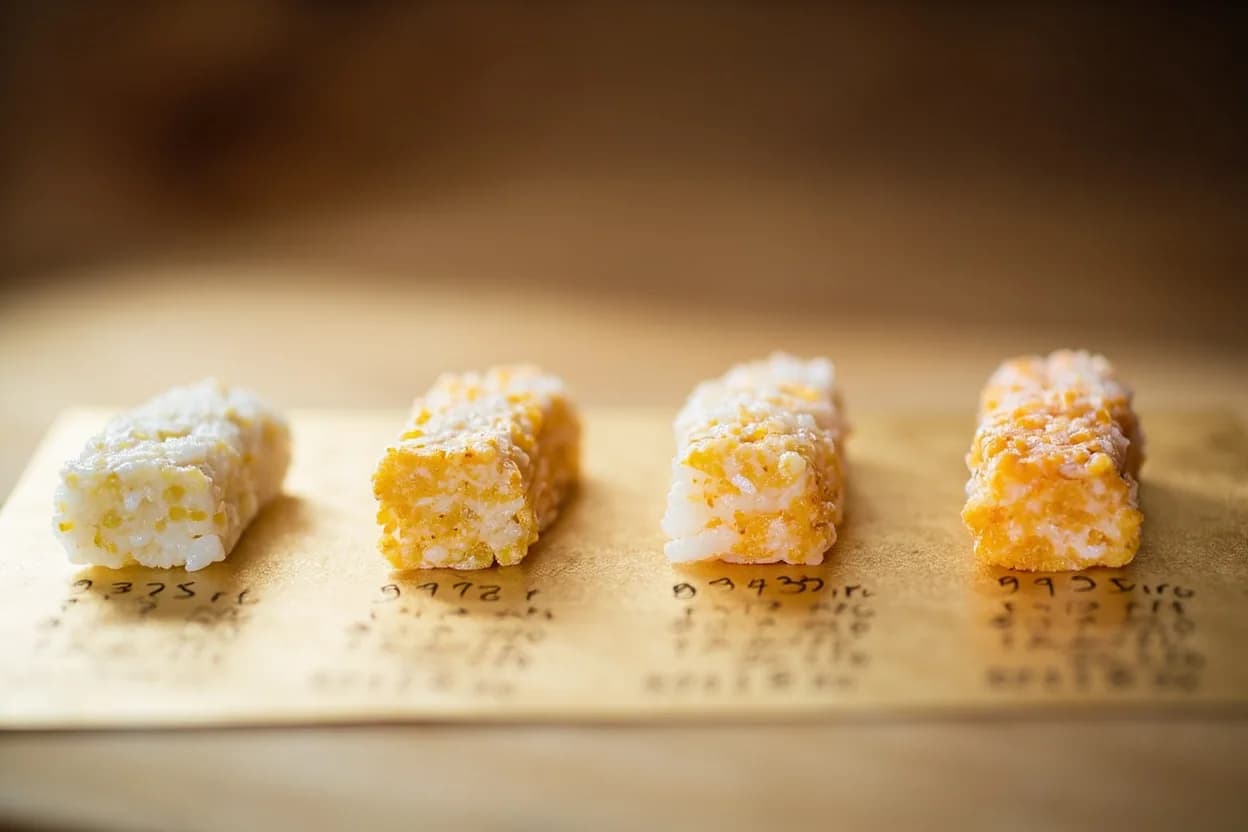
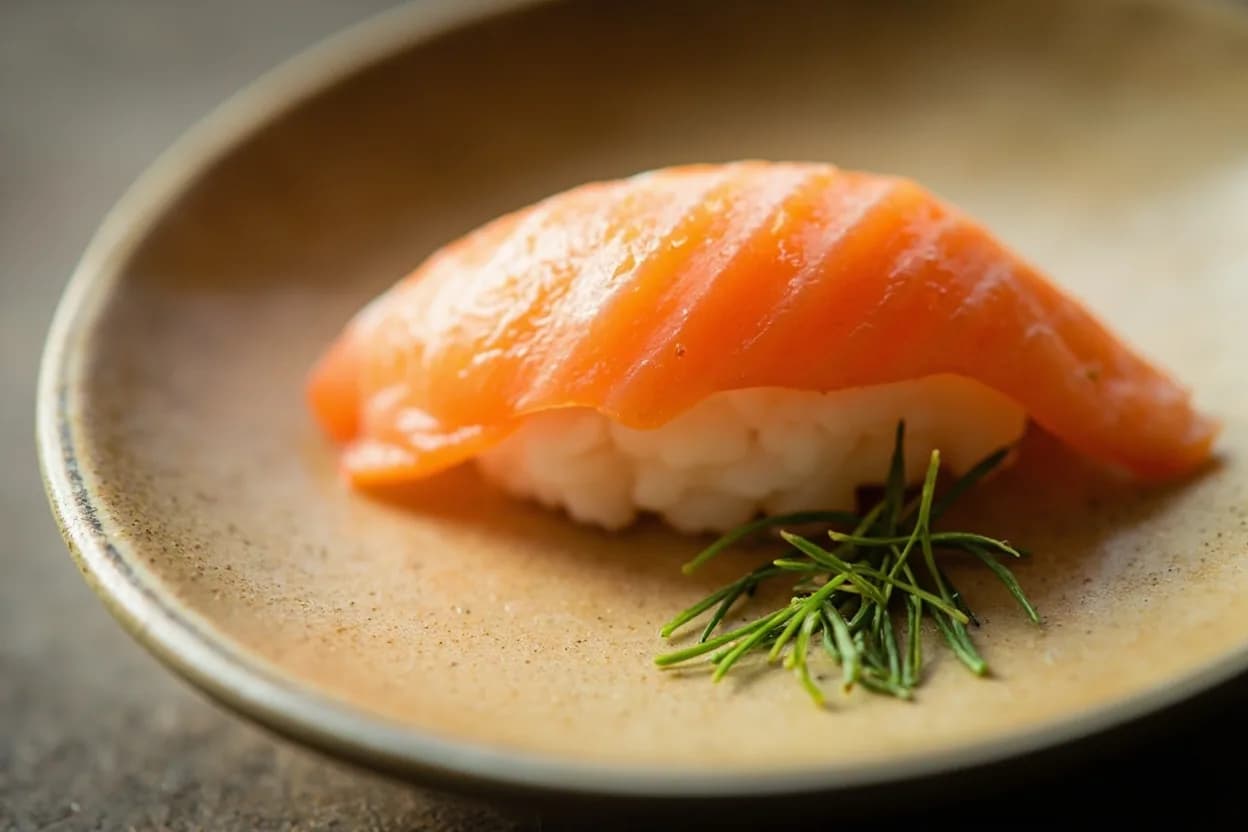
What happens
Cooked rice starch exists in a gelatinized, amorphous state immediately after cooking. As the rice cools, the starch chains — particularly amylose — begin to retrograde: they realign into a more crystalline structure, losing softness and cohesion. At body temperature, the starch is still largely in its amorphous, cooked state, giving the rice a soft, pliable, slightly sticky texture ideal for shaping. Sushi vinegar (a blend of rice vinegar, sugar, and salt) seasons the rice while it is still hot enough to absorb the mixture, then the rice is cooled to the serving temperature. At 37°C, the sugar-acid balance of the shari reads at its intended flavor profile — cooler temperatures suppress sweetness perception, while hotter temperatures amplify acidity. The fat in fish neta (particularly in toro, salmon, and yellowtail) also responds to temperature: warm rice slightly tempers the cold fat, improving mouthfeel and aroma release without causing the fat to fully melt or oxidize.
What to look for
- Rice feels warm but not hot when touched with the back of the hand or wrist — neither uncomfortable nor cool
- Grains hold together when squeezed lightly but separate with gentle pressure — not clumped into a solid mass
- A faint, pleasant vinegar aroma rises from the rice without sharp acidity
- The rice surface has a light sheen from the vinegar seasoning but is not wet or soggy
- When shaped into a nigiri bed, it holds form without crumbling or sticking aggressively to hands
How to check
- Instant-read thermometer inserted into the center of the shari mass in the hangiri (wooden sushi tub): target 35–40°C
- Wrist or back-of-hand test: rice at body temperature feels neutral (neither warm nor cool) against skin
- Shape a small test nigiri: the rice should compress without resistance and hold its shape without being gluey
- Time: after fanning and folding in a hangiri, high-quality sushi rice is typically served within 30–45 minutes of cooking for optimal temperature window
Food safety
The science behind it
The process by which cooked starch re-crystallizes on cooling; begins rapidly below 60°C and accelerates near refrigeration temperature, stiffening sushi rice
- Hangiri
The shallow cypress wood tub used to cool and season sushi rice; wood absorbs excess moisture, helping achieve proper texture
- Sushi vinegar (awasezu)
The seasoning blend of rice vinegar, sugar, and salt folded into hot rice; its flavor profile is temperature-dependent
- Neta
The topping on nigiri (fish, shellfish, egg); served cold or near-cold to contrast with warm shari
The Tokyo-origin tradition from which precise shari temperature control originates
- Shari
The Japanese term for seasoned sushi rice; distinguished from plain cooked rice by vinegar seasoning and temperature management
Appears in
References
- 1.Sushi: Taste and Techniques — Kimiko Barber and Hiroki Takemura
- 2.The Story of Sushi — Trevor Corson
- 3.On Food and Cooking — Harold McGee
- 4.Jiro Dreams of Sushi (documentary) — David Gelb
- 5.Sushi Shokunin: Japan's Culinary Masters — Andrea Fazzari
Confidence: high
Notes
The hangiri's role in temperature management
The cypress wood hangiri is not merely traditional aesthetic — it actively manages the temperature and moisture of sushi rice. Wood absorbs excess steam and surface moisture as the rice cools, preventing sogginess, and its thermal mass is low enough that it does not aggressively chill the rice the way a metal bowl would. Skilled itamae-san aim to reach serving temperature in the hangiri through fanning (uchiwa) and gentle folding, targeting 37°C by the time the first guests are seated.
Why cold rice ruins sushi
Many sushi restaurants outside Japan serve sushi rice that has been refrigerated, causing pronounced starch retrogradation. Retrograded starch produces hard, separate, grainy-textured rice that crumbles rather than cohering into nigiri shape. The flavor of the sushi vinegar is also muted and imbalanced at cold temperatures. Authentic high-end sushi restaurants never refrigerate shari after seasoning — they cook in small, timed batches to ensure the rice is always in its optimal temperature window.