Spices & Dried Aromatics
Allspice
Also: pimento, Jamaica pepper, myrtle pepper, newspice, toute-épice
The dried berry that tastes like clove, cinnamon, and nutmeg in one — the backbone of Jamaican jerk and a quiet hero of global pickling.
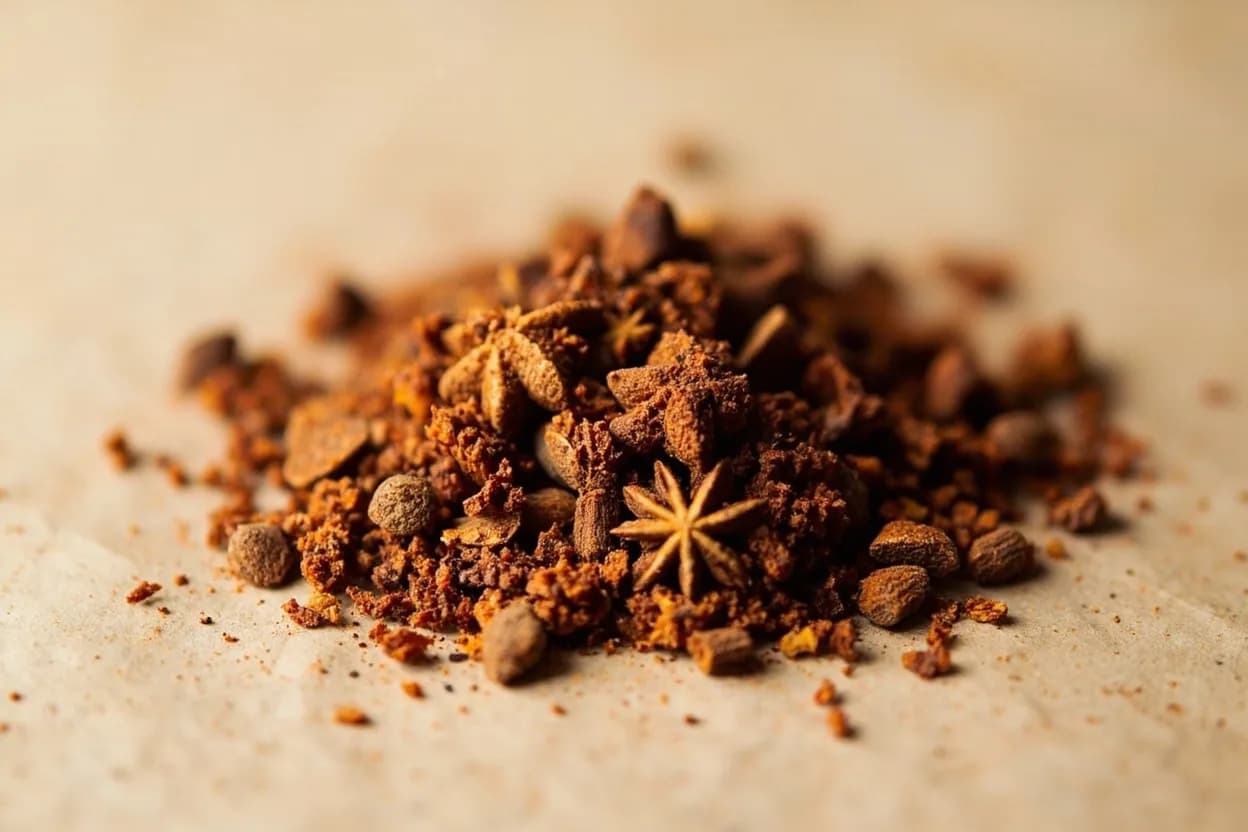
Allspice is the dried, unripe berry of Pimenta dioica, an evergreen tree native to the Caribbean and Central America. Christopher Columbus encountered it in Jamaica and named it 'pimienta' (pepper) — hence the trade name 'pimento.' The name 'allspice' was coined by English grocers who noted it seemed to combine the flavors of clove, cinnamon, and nutmeg. The berries contain eugenol (the dominant clove compound), cineole, and methyl eugenol, producing a warm, complex, sweet-spicy character that is simultaneously familiar and distinctive. Allspice is unique among spices in that it is grown almost exclusively in the Western Hemisphere, primarily Jamaica, Guatemala, and Mexico, making it one of the rare major spices that is not Asian in origin.
In photos
Flavour profile
Classic pairings
- Scotch bonnet pepper and thymeJamaican
The holy trinity of Jamaican jerk: allspice provides warm, complex depth beneath scotch bonnet's ferocious heat and fresh thyme's herbal lift — the flavor contract of the entire jerk tradition.
- Goat meatCaribbean
In Jamaican brown stew goat, Haitian legim, and Trinidadian goat curry, whole allspice berries braise with the meat for hours; the eugenol compounds break down into the sauce, masking the gaminess and building complexity.
- Pickling brineGlobal
Allspice is a standard component in mixed pickling spice blends worldwide — in American dill pickles, Scandinavian gravlax cure, and British piccalilli; its eugenol has mild antimicrobial properties that reinforce preservation.
- Dark rum and molassesCaribbean
The warm spice and eugenol of allspice mirror the barrel-aged char and cane sweetness of dark rum; the combination appears in Jamaican rum punch, Christmas cake, and Antiguan black pineapple rum.
- OxtailJamaican
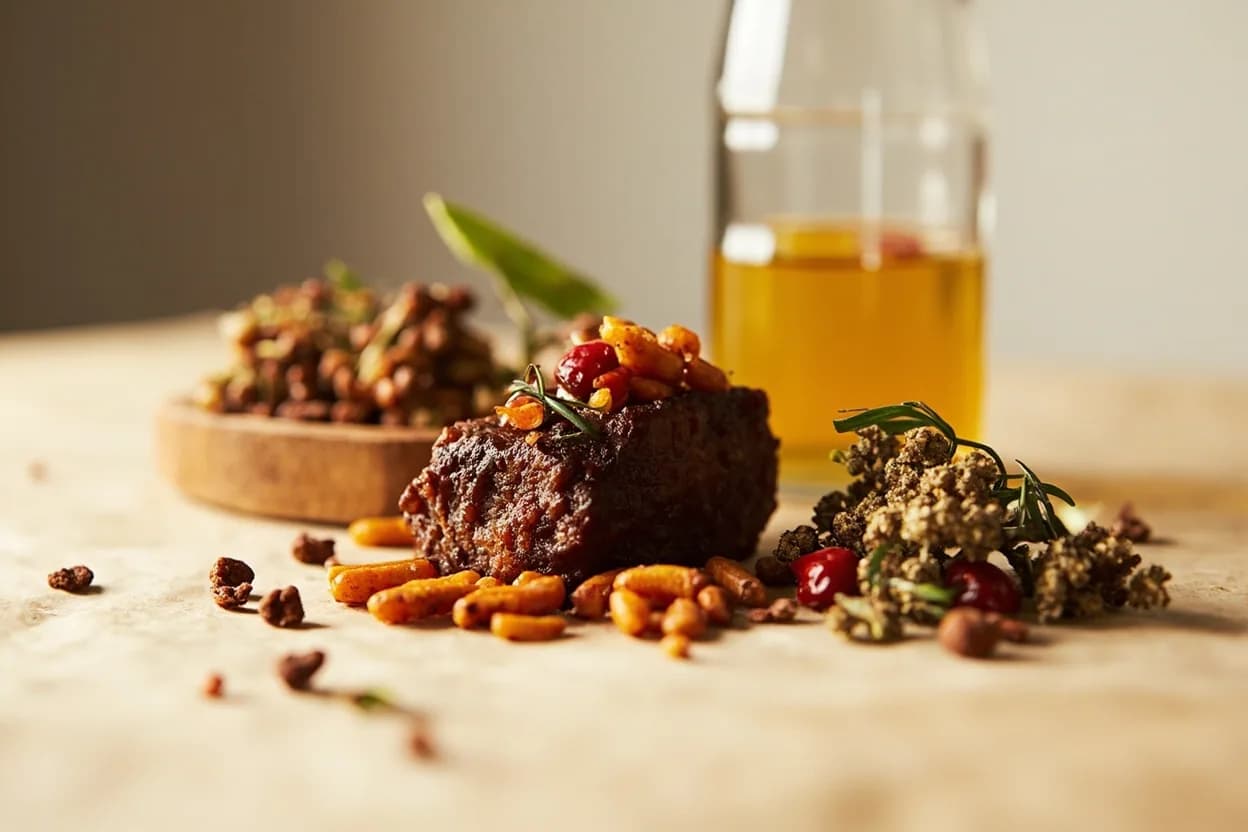
Jamaican oxtail stew is defined by whole allspice berries that dissolve their warm sweetness into the gelatinous braising liquid over 3–4 hours of slow cooking; no substitution is appropriate.
- Pumpkin and squashCaribbean / American
In Caribbean pumpkin soup and American pumpkin pie spice, allspice amplifies the sweet earthiness of cucurbit flesh; the clove note pairs especially well with the caramelized sugars that develop when squash is roasted.
- Cinnamon and clove (spice blends)Global
Allspice appears in quatre épices (French), baharat (Arabic), pumpkin pie spice (American), and Chinese hot-pot broths; its already-complex profile weaves the other spices together without creating redundancy.
Adventurous pairings
- Bittersweet chocolate
In Mexican mole negro and contemporary chocolate truffles, allspice bridges the cacao's bitter earthiness with sweetness in a way that neither clove alone (too sharp) nor cinnamon alone (too sweet) achieves.
- Lamb shoulder (slow-roasted)
Middle Eastern ma'amoul and Moroccan-influenced lamb preparations occasionally use allspice as a substitute for or complement to baharat; slow cooking over several hours allows eugenol to penetrate the deep lamb fat, creating a warm, almost smoky crust.
- Plum and damson (fruit preserves)
Allspice is underused in European stone-fruit preserves; a whole berry per jar in damson jam, plum chutney, or cherry compote introduces warm spice that deepens the fruit without announcing itself as any specific spice.
- Coffee (cold brew or espresso)
A single allspice berry cracked and added to coarsely ground coffee during cold brew steeping yields a rounded, warm-spice undertone that deepens the roast character without the aggressive punch of cinnamon.
- Venison and wild game
The gamy iron of venison, boar, or hare has an affinity with allspice's clove-forward warmth; in Austrian wildgericht and British game pies, allspice is the connecting spice that domesticates the gaminess.
- Red cabbage (braised)
Central European braised red cabbage (Rotkohl) often includes allspice berries alongside apple, vinegar, and juniper; the eugenol compounds bridge the acidic-sweet braising liquid and the slightly bitter brassica.
Tread carefully
- Delicate white fish or shellfishavoid
Allspice's eugenol intensity overpowers the subtle sweetness of sole, scallops, or langoustines; save it for robust-fleshed meats and slow-cooked preparations.
- Lemon-forward dishesavoid
The bright citric acidity of lemon clashes with allspice's warm depth; the two don't reinforce each other and produce a medicinal off-note. Use lime in Caribbean applications instead — lime's floral acid is more compatible.
- Mild grain dishes (plain risotto, congee)avoid
Allspice's assertive eugenol overwhelms the subtle starch sweetness that makes a well-made risotto or congee satisfying; these are spice-free canvases that are better flavored with butter, broth, and alliums.
How to use it
- Crack whole berries lightly with the flat of a knife or a mortar before adding to brines, braises, and slow-cook liquids to accelerate infusion
- Add whole berries to a jerk marinade along with scotch bonnet and fresh thyme and allow to macerate for at least 24 hours
- Grind freshly in a spice mill and use immediately in rubs, spice blends, or baked goods — the volatile eugenol oxidizes quickly
- Toast whole berries dry in a skillet for 90 seconds before grinding to deepen the clove-cinnamon note
- Make pimento dram (allspice liqueur) by macerating cracked berries in overproof rum for 2 weeks and sweetening with sugar syrup
Appears in
Related flavours
- Clove
Allspice's dominant compound (eugenol) is the same as clove's; clove is sharper and more astringent while allspice is rounder — often used interchangeably in small quantities
- Scotch bonnet
The canonical partner in Jamaican cooking; scotch bonnet's fruity heat and allspice's warm spice are the defining flavor pairing of Caribbean cuisine
Allspice echoes cinnamon's sweet warmth; frequently combined in spice blends, holiday baking, and pickling across multiple traditions
- Thyme
In Jamaican jerk and Caribbean stewing traditions, thyme's herbal lift provides the green counterbalance to allspice's warm depth
References
- 1.The Flavour Thesaurus — Niki Segnit
- 2.Vibration Cooking — Vertamae Smart-Grosvenor
- 3.The Food of Jamaica — John DeMers
- 4.On Food and Cooking — Harold McGee
- 5.Spices: The Story of a Temptation — Jack Turner
Confidence: high
Notes
The only major spice native to the Americas
While the spice trade that shaped world history was built almost entirely on Asian plants — pepper, cinnamon, clove, nutmeg — allspice stands as the only major spice of global commercial importance that originated in the Americas. For centuries, Jamaica held a virtual monopoly: Pimenta dioica requires specific tropical conditions and has resisted successful transplantation to Asia and Africa. This makes allspice both historically unusual and a point of genuine Caribbean culinary sovereignty.
Whole vs. ground
Whole allspice berries keep their volatile eugenol compounds well-sealed for up to 3 years; ground allspice loses most of its character within 3–6 months. For pickling brines and slow braises, whole berries provide slow, even infusion and can be fished out before serving. For jerk rubs, baking, and dry spice blends, freshly ground is essential. The difference between stale pre-ground allspice and freshly cracked berries is dramatic enough to transform a dish.