Spice Blends
Baharat Spice Blend
Also: baharat, baharat seasoning, Middle Eastern seven spices, bzar
The Middle East's warm, all-purpose aromatic blend — built on allspice, cinnamon, and pepper — that perfumes rice, slow-braised lamb, and köfte from Beirut to Baghdad.
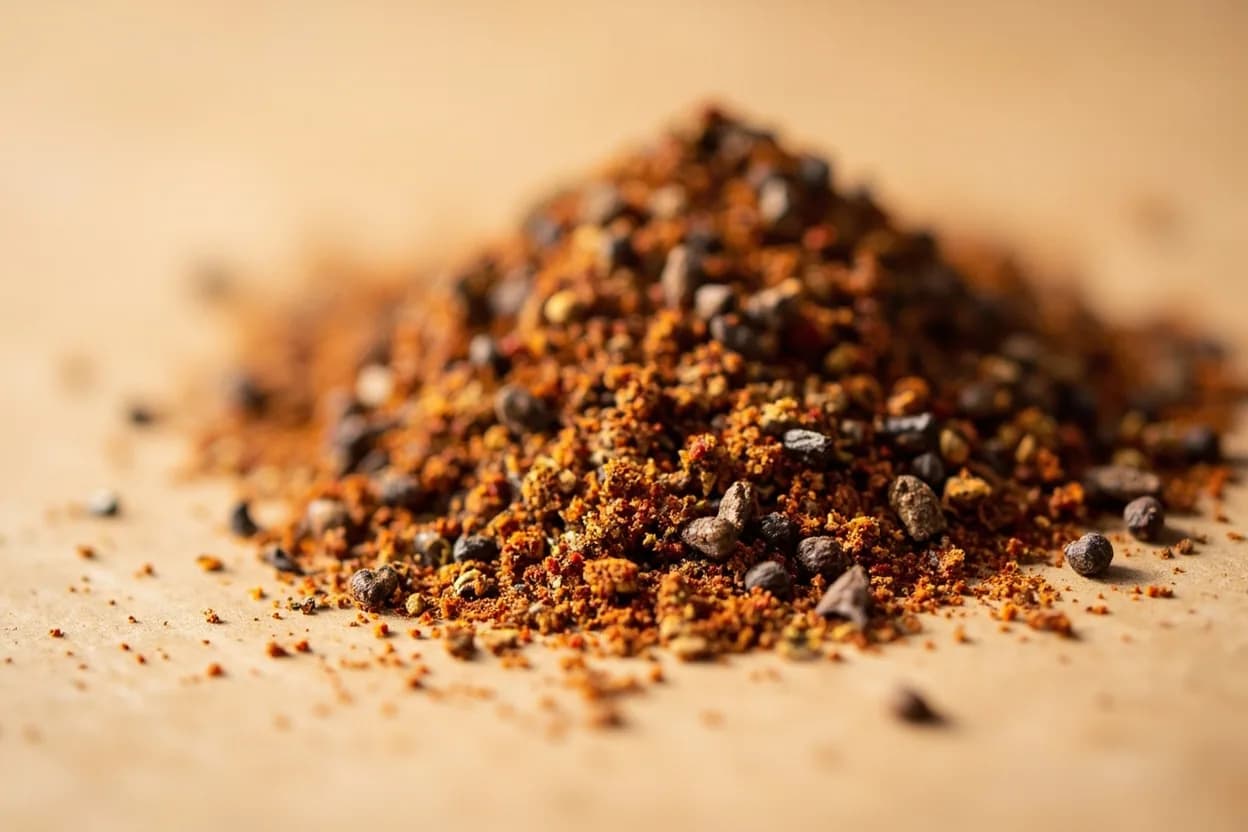
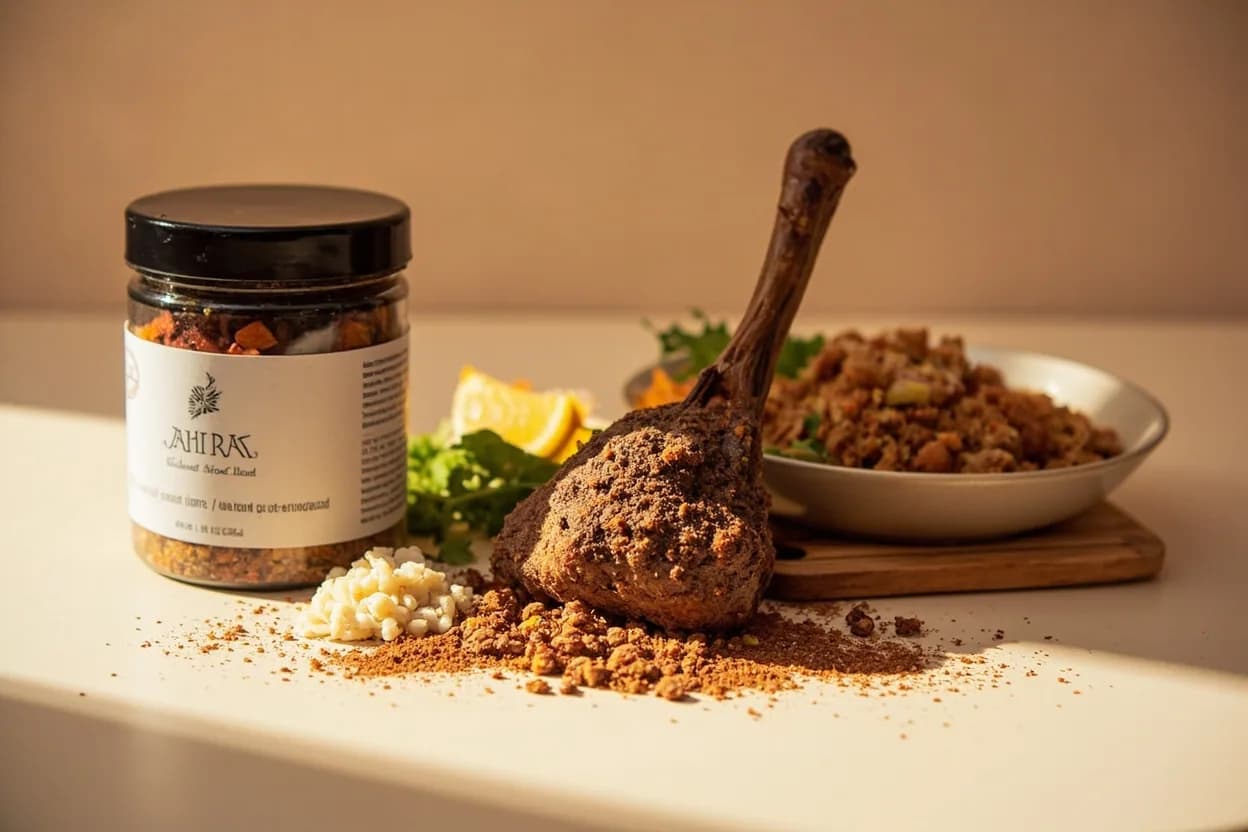
Baharat (Arabic: 'spices') is a warm, aromatic blend central to Levantine, Gulf, Turkish, and Iraqi cuisines. The Lebanese/Syrian version (known as 'seven spices') typically combines black pepper, allspice, cinnamon, coriander, cloves, nutmeg, and cumin. Gulf baharat may include dried rosebuds, cardamom, and saffron; Turkish versions lean toward mint and black pepper. The blend's overarching character is deeply warm and sweet-savory, with allspice providing the aromatic anchor, cinnamon adding fragrant sweetness, and black pepper lifting the entire composition. It is the everyday seasoning of countless slow-cooked stews, rice dishes, and grilled meats across the Arab world.
In photos
Flavour profile
Classic pairings
- lamb (shoulder, leg, ground)Levantine/Gulf
Baharat is lamb's most natural seasoning partner in the Arab world: slow-braised shoulder, kofte meatballs, and minced lamb in sfeeha all rely on it for aromatic depth.
- rice (pilaf, kabsa, mandi)Middle Eastern
Rice dishes from Lebanon's riz bi d'jaj to Saudi Arabia's kabsa build their aromatic character on baharat bloomed in rendered fat before the rice is added.
- chickenLevantine
Baharat-rubbed whole chicken or bone-in thighs slow-roasted over rice or in a tomato-onion braise is a weekday staple from Beirut to Amman.
- tomatoes (crushed, in sauce)Arab
Tomato-based lamb or beef stews bloom baharat early, letting the cinnamon and allspice sweeten the acid of the tomato into something rich and warming.
- pine nuts and raisinsLebanese
The sweet-savory garnish of toasted pine nuts and golden raisins on baharat-spiced rice is a classic Lebanese combination — all three elements reinforce the same warm register.
- eggplantLevantine
Baharat-spiced minced lamb stuffed into eggplant (sheikh el mehshi) is one of the most elegant expressions of this pairing across the Levant.
- lemon juice (finishing)Levantine
A squeeze of lemon over a baharat-spiced dish — especially rice or stew — brightens the warm spices and adds necessary acid relief.
Adventurous pairings
- pumpkin or butternut squash (roasted)
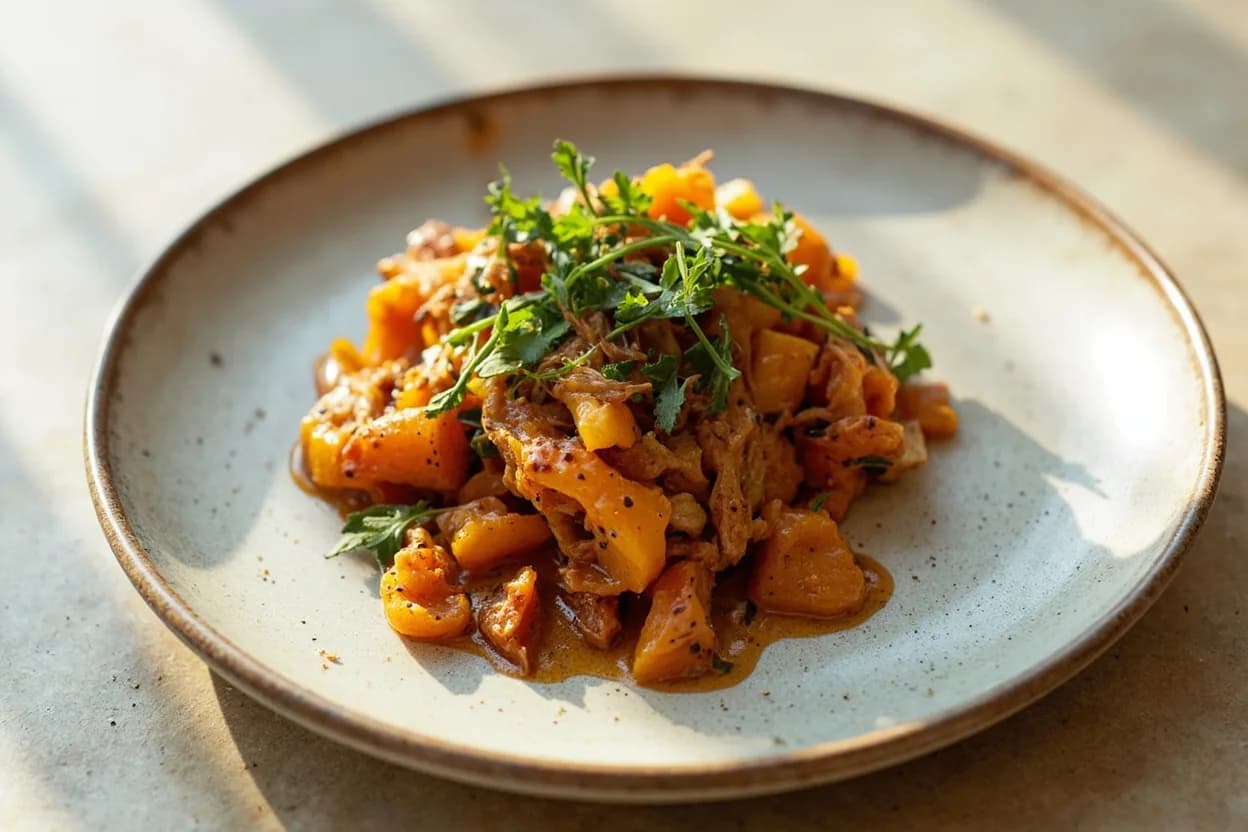
Baharat's cinnamon-allspice warmth amplifies the natural sweetness of winter squash; roasted cubes with tahini and pomegranate seeds is a modern mezze.
- dark lager or bock beer
Baharat's roasted warmth mirrors the malt richness of a dark lager; baharat-spiced lamb köfte with a cold bock is a surprisingly harmonious combination.
- lentil soup with pomegranate molasses
Adding baharat to a red lentil soup and finishing with pomegranate molasses creates a sweet-sour-warm Arabic flavor triad of great complexity.
- beef short ribs (slow-braised)
Baharat transforms braised short ribs in a way that gestures toward Persian khoresh — the collagen-rich cut absorbs the warm spices over 3+ hours into something profoundly savory.
- dark chocolate and coffee (dessert pairing)
Stirring baharat into a cardamom-heavy Arabic coffee or dusting a dark chocolate tart with it bridges the blend's spice register into after-dinner territory.
Tread carefully
- delicate white fish or scallopsavoid
Baharat's assertive cinnamon-allspice warmth overpowers subtle shellfish and lean white fish; for seafood, use a lighter charmoula or single-spice treatment instead.
- fresh herb-dominant saladsavoid
The warm, dry character of baharat clashes with bright fresh herb salads (tabbouleh, fattoush); those dishes use single spices (allspice, cinnamon) sparingly as accents.
- subtle dairy custardsavoid
Clove and allspice in baharat can make milk-based custards taste medicinal; use a single extracted spice (cinnamon stick infusion) instead.
How to use it
- Bloom in rendered lamb fat or butter at the start of a braise to release aromatics before adding onions
- Mix with minced lamb, onion, parsley, and pine nuts for kofte or stuffed vegetables
- Season rice 1:1 with bloomed spice by stirring into fat before adding liquid and grains
- Use as a dry rub on chicken or lamb, combined with olive oil and garlic, 2–12 hours before cooking
- Add 1 tsp to ground meat for burgers or meatballs to elevate flavor with minimal visible additions
- Stir into hummus or labneh for an instant warm-spiced dip
Appears in
Related flavours
- Allspice (whole berry)
Allspice is the defining single-spice within baharat; many Levantine recipes call for one or the other — understanding allspice explains half of baharat's character.
North Africa's complex warm blend is the closest parallel; ras el hanout is more floral and elaborate while baharat is warmer and more accessible for everyday cooking.
- Cinnamon (quill)
The sweet-spice backbone of baharat; whole cinnamon quills used in rice pilafs deliver a subtler version of the same aromatic warmth.
References
- 1.Anissa Helou, 'Feast: Food of the Islamic World' (2018)
- 2.Claudia Roden, 'The New Book of Middle Eastern Food' (2000)
- 3.Greg Malouf & Lucy Malouf, 'Arabesque: A Taste of Morocco, Turkey and Lebanon' (2007)
- 4.Oxford Companion to Food, Alan Davidson (3rd ed., 2014)
Confidence: high
Notes
Lebanese Seven Spices vs. Gulf Baharat
Lebanese baharat (sabaa bharat — seven spices) typically omits dried rosebuds and cardamom; Gulf versions (especially Saudi and Emirati) include rose, saffron, and loomi (dried lime). Iraqi bzar adds fenugreek. These are distinct blends sharing the same name and aromatic intent — confirm which regional variant a recipe uses before substituting.