Cheeses
Ayib (Ethiopian Fresh Cheese)
Also: ayib, iab, Ethiopian cottage cheese, Ethiopian fresh curd
Ethiopia's cool, crumbly fresh curd — the quiet peacemaker that balances the fire of a full injera platter.
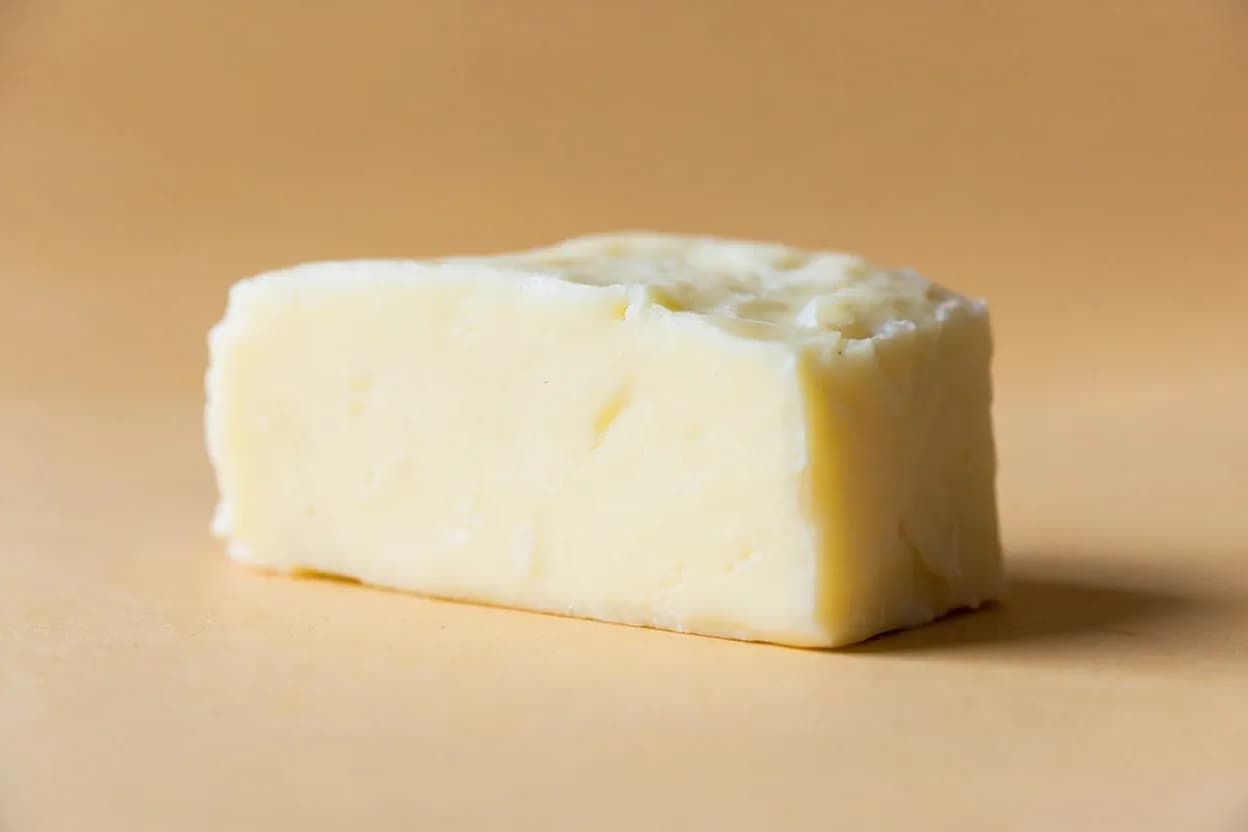
Ayib is Ethiopia's indigenous fresh cheese, made by heating soured buttermilk or whey until the curds separate, then draining them through cheesecloth. The result is a loose, crumbly white curd with a clean lactic acidity and mild salinity — similar in profile to ricotta or farmer's cheese but with a slightly more acidic tang from the fermentation of the base liquid. Ayib is never aged; it is eaten within 1–2 days. Its primary culinary function is as a cooling, neutral counterbalance to the intense heat and funk of fermented injera and spiced wats.
In photos
Flavour profile
Classic pairings
- Injera (fermented teff flatbread)Ethiopian
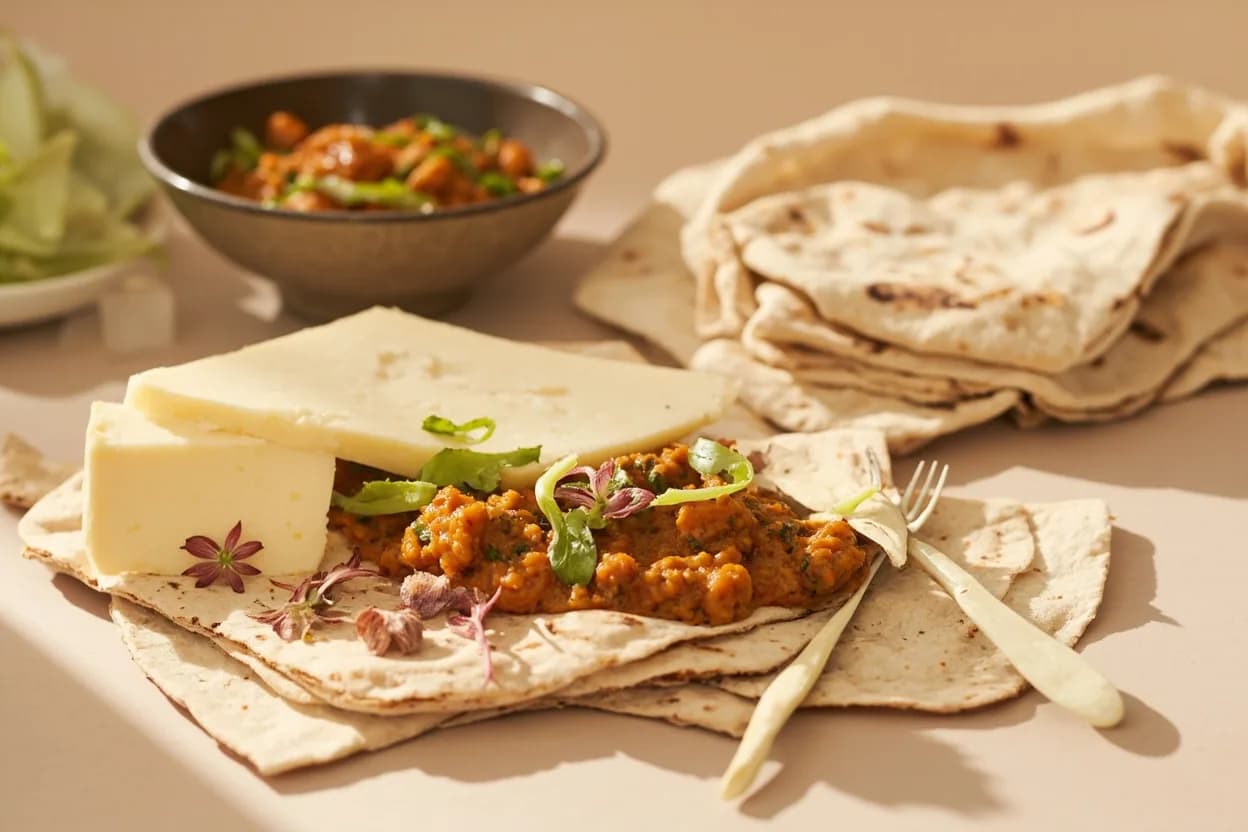
Ayib is served on the injera platter as a cool, mild counterpoint to the fermented sourness of the bread and the heat of the wats — its dairy neutrality resets the palate between bites.
- Mitmita spice blendEthiopian
The incendiary heat of mitmita (bird's eye chili, cardamom, clove) is directly soothed by a spoonful of ayib — this is the canonical cooling mechanism on Ethiopian festive platters.
- Misir wat (spiced red lentil stew)Ethiopian
Rich, heavily spiced red lentils are served alongside ayib precisely so each bite of heat can be followed by a scoop of cool, mild curd — a built-in textural and temperature contrast.
- Gomen (Ethiopian collard greens)Ethiopian
Blanched and spiced collards cooked with niter kibbeh and garlic are tempered by crumbled ayib; the bitter green and mild cheese create a balanced mouthful.
- Kitfo (Ethiopian steak tartare)Ethiopian
Finely minced raw or lightly warmed beef seasoned with mitmita and niter kibbeh is classically served with ayib on the side — the cheese's cool acid soothes the rich, spiced raw meat.
- Honey (raw Ethiopian honey)Ethiopian
Ayib crumbled over a drizzle of wild Ethiopian honey (often used in tej brewing) creates a simple dessert or breakfast eaten with injera, echoing the global affinity between fresh cheese and honey.
- Berbere-spiced vegetablesEthiopian
Any vegetable (cabbage, beets, potatoes) cooked in berbere and niter kibbeh is enriched with ayib as a cooling garnish — the pairing is structural to the Ethiopian fasting platter (ye'tsom beyaynetu).
Adventurous pairings
- Za'atar and olive oil
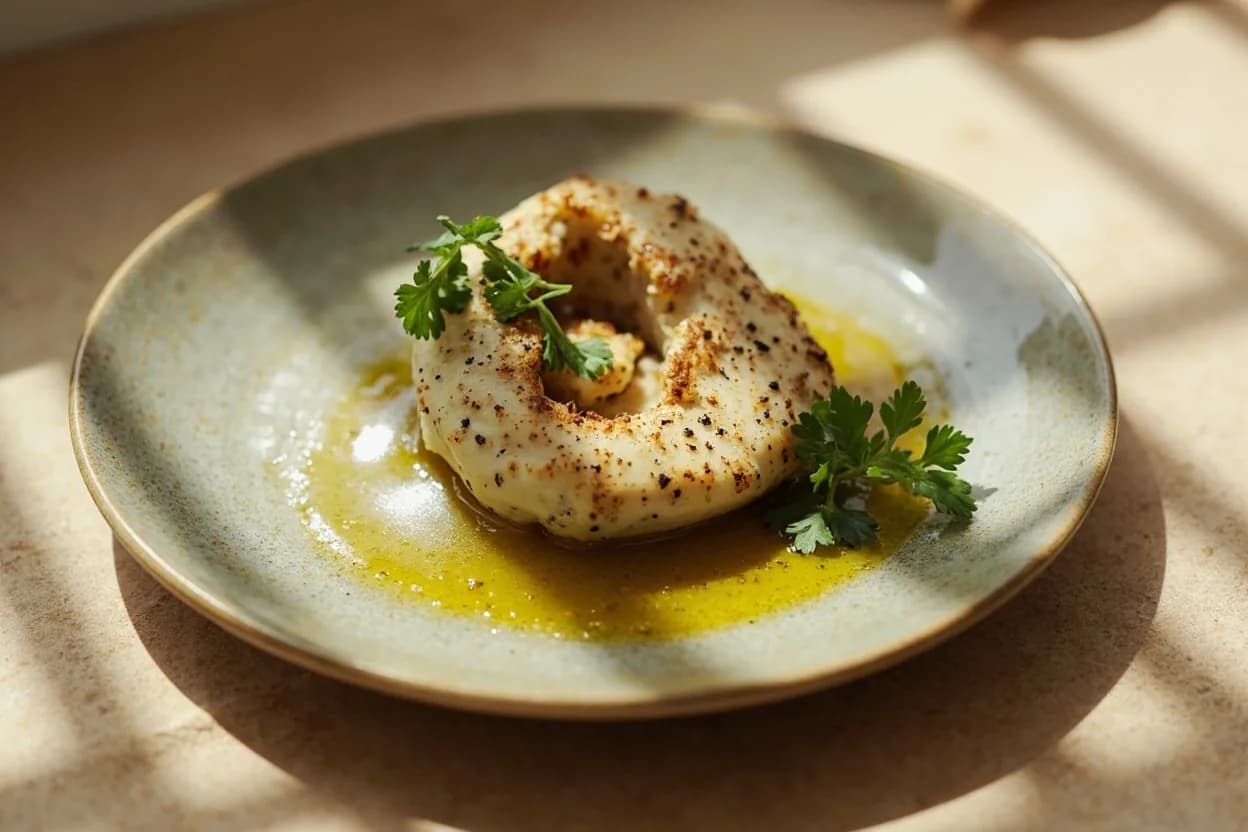
Ayib topped with za'atar herb blend and high-quality olive oil bridges Ethiopian and Levantine flavors — the mild curd carries the herbal-sesame mix in a way very similar to labneh, but lighter.
- Roasted beets and dukkah
Sweet roasted beets alongside crumbled ayib and Egyptian nut-spice blend (dukkah) creates a composed dish that honours the East African-North African spice continuum.
- Fresh herbs (mint, dill, parsley)
Folding chopped fresh mint and dill into ayib creates a spread analogous to Greek tzatziki without cucumber — the pairing works on flatbreads, grilled meats, and raw vegetables.
- Sumac and pomegranate seeds
The tartness of sumac and the jewel-like burst of pomegranate seeds against mild ayib create a visually striking and acidically coherent garnish for mezze-style platters.
- Dark teff porridge (genfo)
Ethiopian porridge made from roasted teff flour and served with a well of niter kibbeh is sometimes accompanied by ayib — the combination of earthy grain, spiced fat, and cool curd forms a complete breakfast.
Tread carefully
- Strong aged cheeses on the same plateavoid
Ayib's mild, neutral character is drowned entirely by the funk of aged or washed-rind cheeses — there is no contrast, only one dominant flavor.
- Cooking at high heatavoid
Ayib has high moisture and will weep liquid and tighten into rubbery curds under high heat; it is a fresh-serve cheese only. Warm it very gently at most.
- Intensely sweet dessert applicationsavoid
Unlike ricotta, ayib's lactic tang (from buttermilk fermentation) makes it resistant to heavy sweetening in desserts — the acid fights against sugar rather than dissolving into it.
How to use it
- Make fresh by heating soured buttermilk or whole milk to 82°C (180°F) until curds separate, then drain through cheesecloth for 30 minutes for a loose curd or 2 hours for a firmer one
- Season lightly with salt only — ayib's role is as a neutral, so do not over-season
- Serve at room temperature on a platter, not cold — cold ayib mutes the lactic character that provides contrast
- Fold in a small amount of niter kibbeh for a richer, more complex serving version (ayib with kibbeh)
- Crumble over finished dishes as a garnish in the last moment — do not stir it into hot sauces
Appears in
Related flavours
The closest Western analog — mild, fresh, lactic, and similarly used as a cooling or neutral element; ricotta is made from whey and tends slightly sweeter where ayib is more tangy.
Strained yogurt cheese from the Levant — similarly mild, fresh, and deployed as a cooling counterpoint to spiced foods; labneh is creamier and more yogurt-forward.
Mexican fresh cheese with the same loose-crumble texture and mild salt profile; queso fresco is less acidic but serves an identical culinary function as a taco or enchilada garnish.
References
- 1.Teff Love: Adventures in Vegan Ethiopian Cooking — Kittee Berns
- 2.The Ethiopia Cookbook — Ensieh Malek
- 3.Extending the Table: Recipes and Stories from Afghanistan to Zambia — Joetta Hendrich Schlabach
- 4.The Oxford Companion to Food — Alan Davidson
Confidence: high
Notes
Function over flavor
Ayib is unusual in that its culinary value is primarily functional rather than assertive. It does not add a dominant flavor note to a dish — it removes one. On a full Ethiopian platter loaded with berbere, mitmita, niter kibbeh, and fermented injera, ayib exists as the pause button: a cool, clean, lactic reset that makes the next bite of fiery wat more vivid. In this sense it is closer to plain yogurt in Indian cooking or sour cream in Mexican cooking than to a cheese that is meant to be noticed on its own terms.
Kitfo preparation variant
In kitfo — Ethiopia's most celebrated meat dish — ayib is used in two ways: as a side condiment for cooling, and sometimes blended directly into the meat (a preparation called 'tere kitfo' with cheese mixed in). The richer preparation (kitfo with mixed ayib) softens the rawness of the beef and creates a more cohesive texture while extending the mild dairy note throughout the dish.