Herbs
Kinome (Sansho Leaf)
Also: kinome, sansho leaf, Japanese pepper leaf, Zanthoxylum piperitum leaf, 木の芽
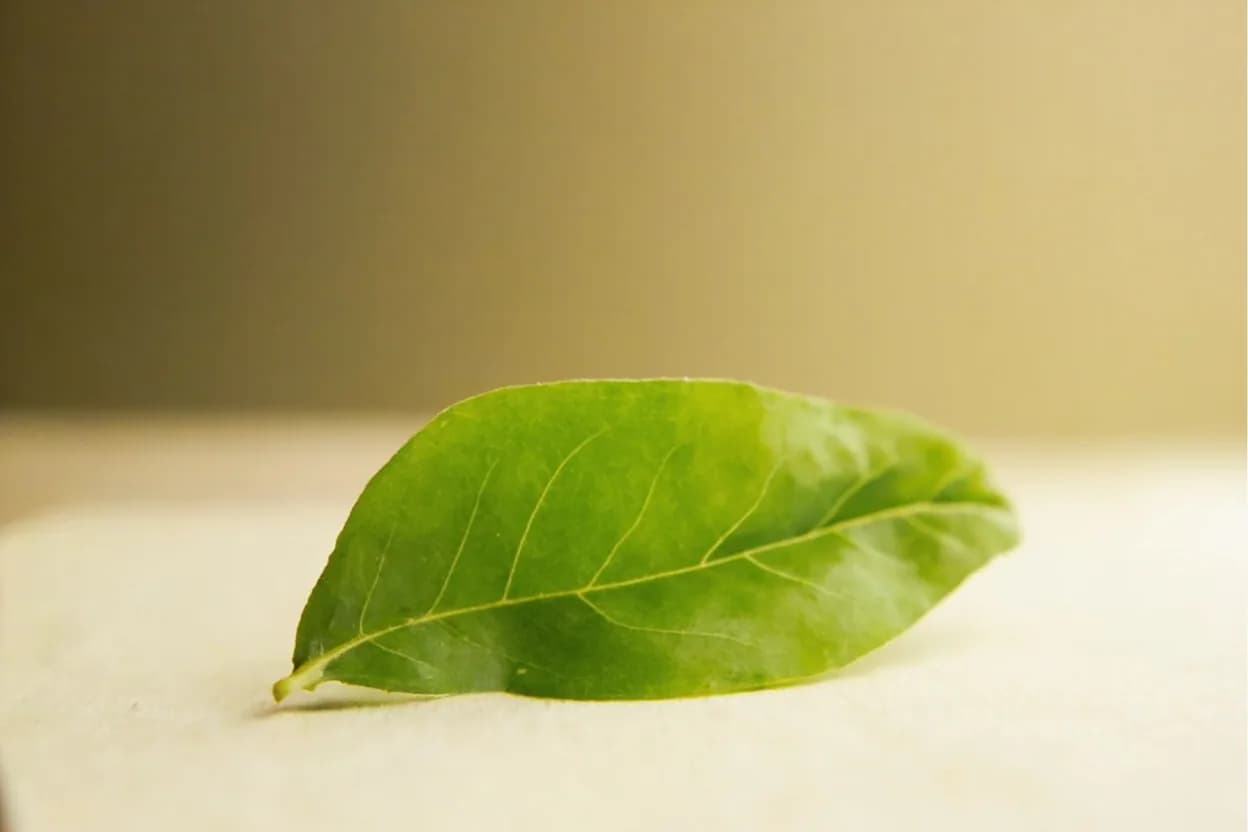
The young leaf of the Japanese pepper tree: intensely citrusy, mouth-tingling, and piercingly aromatic — kaiseki's most distinctive herb.
Kinome are the young spring sprigs of the sansho tree (Zanthoxylum piperitum), the Japanese relative of Sichuan pepper. Unlike the dried berry (sansho powder), the fresh leaf offers an entirely different, greener experience: a sharp, citrus-pine aroma with the tree's signature hydroxy-alpha-sanshool — the compound that triggers a mild electric tingling on the tongue. The flavor is simultaneously lime-peel bright, piney, and faintly minty, with the tingle lasting 30–60 seconds. Kinome is used almost exclusively as a whole-sprig garnish or bruised aromatic in Japanese spring and summer cuisine, where its intensity demands very small quantities.
In photos
Flavour profile
Classic pairings
- Bamboo shoots (takenoko)Japanese
The definitive pairing of Japanese spring cuisine: kinome miso (kinome-ae) draped over simmered bamboo is a kaiseki ritual, with the leaf's citrus-tingle cutting starchy earthiness.
- White fish (sea bream, flounder, sole)Japanese
Laid across poached or grilled shiromi, a single kinome sprig provides electric citrus contrast to lean, delicate flesh.
- Clear soup (suimono)Japanese
A single bruised sprig floated in dashi-based clear soup perfumes the bowl; guests are instructed to crush it against the rim to release aroma before drinking.
- TofuJapanese
Kinome-ae — a paste of bruised leaves, white miso, and mirin — coats silken or grilled tofu to create a spring appetizer of rare elegance.
- Egg dishes (chawanmushi, tamago)Japanese
The tingle and citrus of kinome brighten mild steamed egg custard; it appears as a garnish in refined chawanmushi.
- Yakitori no sauce (tare)Japanese
Minced kinome stirred into a sweet soy tare immediately before serving adds a brilliant aromatic counterpoint to caramelized chicken fat.
Adventurous pairings
- Burrata or fresh ricotta
Bruised kinome leaves over creamy fresh cheese with yuzu olive oil creates a Japan-Italy fusion that highlights the leaf's citrus register without clash.
- Oysters
A small kinome-vinegar mignonette amplifies the oceanic minerality of raw oysters; the tingle heightens brine perception in a way lemon alone cannot.
- Steamed lobster or crab
A kinome beurre blanc (classic butter sauce infused with bruised leaves, strained) echoes the leaf's citrus punch while matching the richness of crustacean.
A kinome-infused cream (steep bruised leaves 20 min, strain) yields a pale-green dessert where tingle and citrus play against dairy sweetness — unexpected and arresting.
Tread carefully
- Robust red meat (beef, lamb)avoid
Kinome's delicate citrus-electric character is annihilated by heavy iron flavors and strong marinades; sansho powder is a better choice for those proteins.
- Cream or butter sauces cooked >5 minutes with the leavesavoid
Prolonged heat destroys the volatile aromatic compounds; always infuse gently off-heat and strain promptly.
- Vinegar-heavy dressingsavoid
High acidity mutes the tingle compound and makes kinome taste merely bitter and grassy; use rice vinegar sparingly if at all.
How to use it
- Clap the sprig sharply between your palms to bruise and release maximum aroma before using as garnish
- Grind leaves with white miso, mirin, and a little dashi in a suribachi (Japanese mortar) for kinome-ae paste
- Steep bruised sprigs in warm dashi off-heat for 10 minutes to infuse a subtle tingle into soups and broths
- Chiffonade very finely and incorporate into compound butter (finish on heat off); press through a sieve
- Use only 2–5 leaves per portion — concentration of sanshool is high and restraint is essential
Appears in
Related flavours
- Sansho powder
Dried, ground sansho berry from the same tree; more peppery and less citrusy — the finishing condiment on eel (unaju) and grilled meats
Japan's other citrus aromatic; yuzu and kinome overlap in citrus brightness but kinome adds tingle while yuzu adds tartness — they appear in complementary courses
- Sichuan pepper
Botanical cousin; similar sanshool tingle but with a more floral, fruity dried aroma versus kinome's fresh green citrus-pine
- White miso
The base of kinome-ae paste; its sweet umami grounds the leaf's intensity and extends the tingle across the dish
References
- 1.Washoku: Recipes from the Japanese Home Kitchen — Elizabeth Andoh (Ten Speed Press, 2005)
- 2.Japanese Farm Food — Nancy Singleton Hachisu (Andrews McMeel, 2012)
- 3.The Flavor Bible — Karen Page & Andrew Dornenburg (Little Brown, 2008)
- 4.Modernist Cuisine: The Art and Science of Cooking — Myhrvold et al. (The Cooking Lab, 2011)
Confidence: high
Notes
Seasonality — spring only
Kinome is strictly a spring ingredient in Japan, available from March through May when new growth emerges on the sansho tree. Outside this window, dried or frozen kinome is a pale substitute; most chefs prefer sansho powder as the off-season alternative. Imported fresh kinome occasionally appears at Japanese specialty grocers in the US and UK during spring.
The sanshool effect
Hydroxy-alpha-sanshool in kinome (and its relative compound in Sichuan pepper) activates TRPV1 and TRPA1 ion channels simultaneously, producing a tactile tingling rather than true heat. This unique sensation — often compared to a mild electric current or light carbonation on the tongue — lasts 30–90 seconds and can amplify saltiness and umami perception, which is why chefs use it strategically in savory contexts.