Citrus & Floral
Yuzu
Also: Citrus junos, yuja (Korean), yuzu citrus, Japanese citron
Japan's prized aromatic citrus whose floral-tart zest and juice bridge lime, grapefruit, and mandarin in one complex fruit.
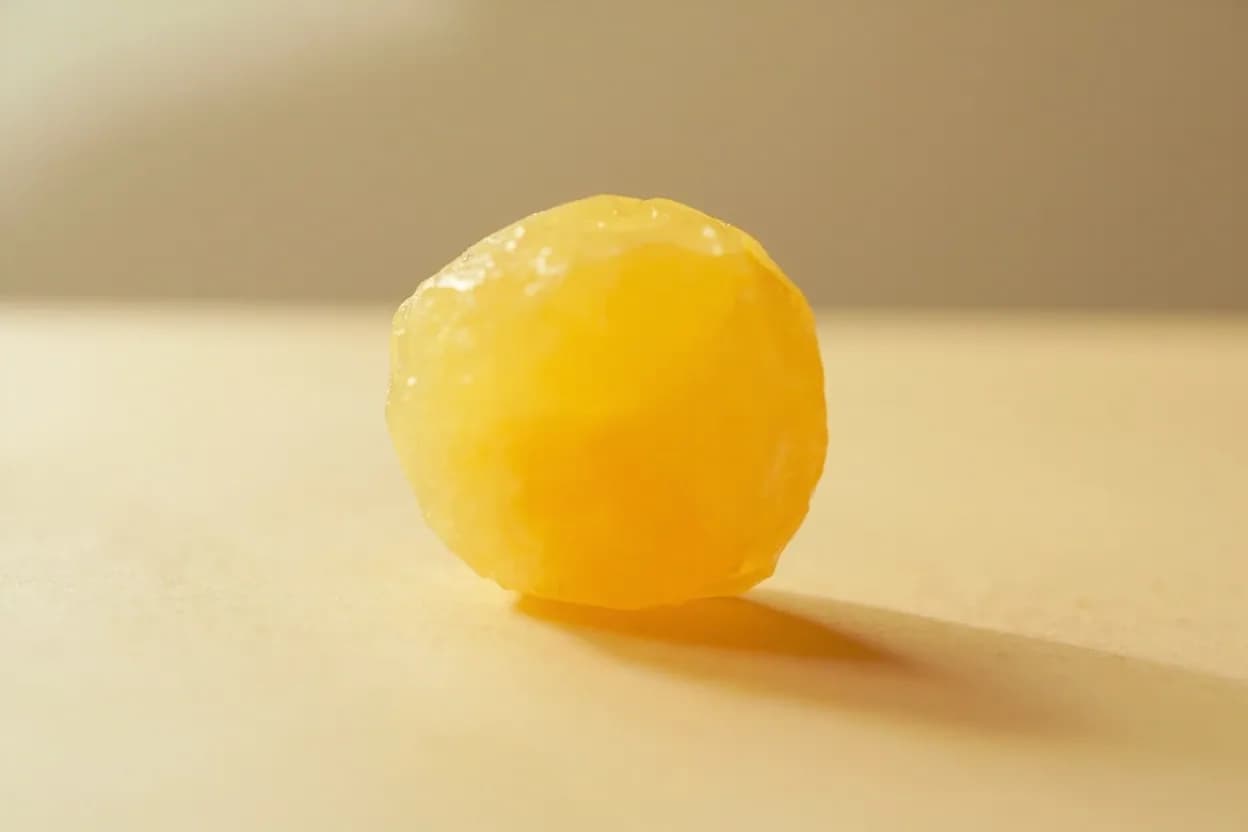
Yuzu (Citrus junos) is a small, intensely aromatic citrus fruit cultivated primarily in Japan, Korea, and China. It resembles a lumpy mandarin, ripening from green to yellow, and produces relatively little juice but extraordinary amounts of essential oil in its thick, knobbly rind. The flavor is famously unreducible: simultaneously reminiscent of lime (sharp acidity), grapefruit (gentle bitterness), mandarin (floral sweetness), and Meyer lemon (warm, honeyed quality) while being none of those things exactly. Key aroma compounds include yuzu ketone (a distinctive woody-floral note absent from other citrus), linalool, and limonene. The zest is more prized than the juice in professional kitchens—a microplaned curl transforms ponzu, dressings, desserts, and cocktails with a fragrance that dissipates rapidly with heat, so it is almost always added raw as a finishing element.
In photos
Flavour profile
Classic pairings
- Ponzu sauceJapanese
Yuzu juice is the defining acid in ponzu—combined with soy sauce, mirin, and kombu, it produces Japan's essential citrus-soy condiment for shabu-shabu, tataki, and grilled fish.
- White fish (tai, flounder, halibut)Japanese
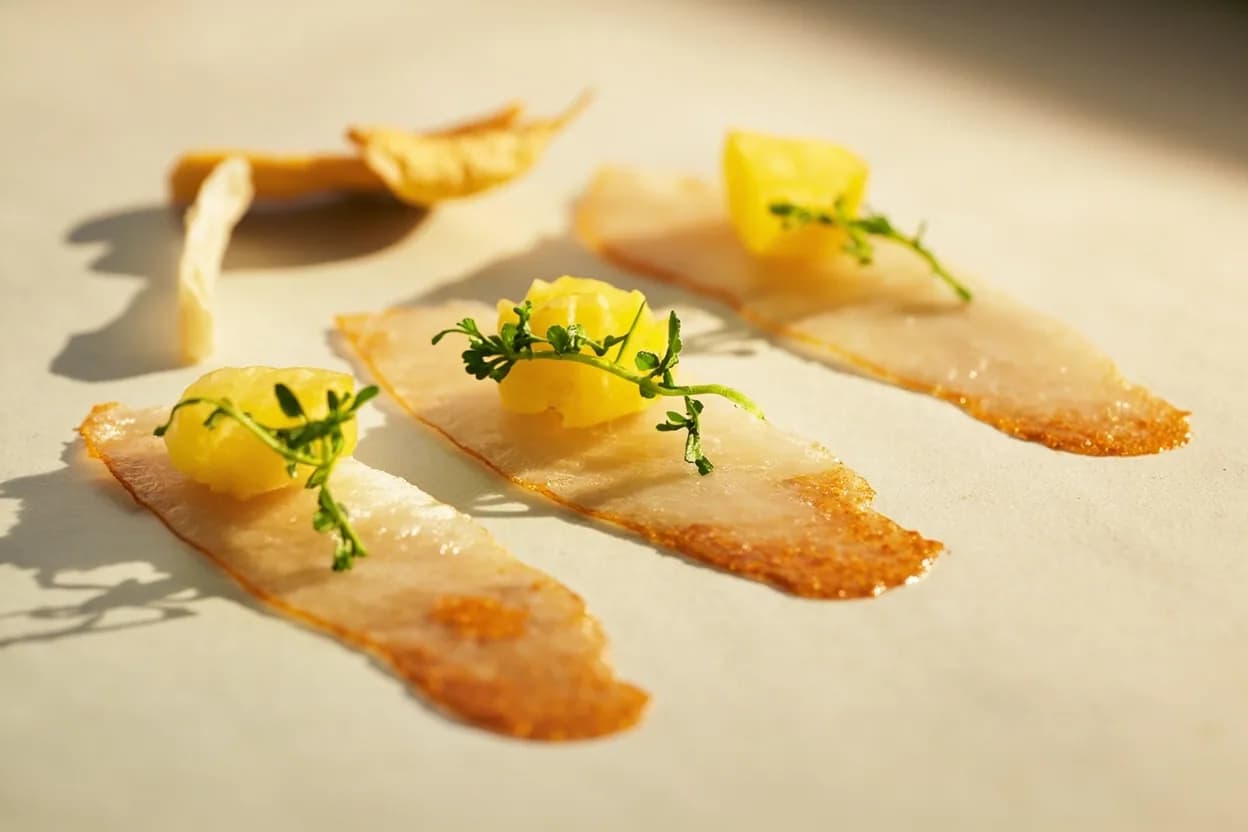
Yuzu zest or a few drops of juice over sashimi or ceviche-style crudo is the quintessential pairing—the citrus's florality elevates delicate fish without masking it.
- Soy sauceJapanese
The yuzu-soy combination underpins ponzu and appears in marinades, dipping sauces, and dressings across Japanese cuisine—acid and umami in perfect tension.
- MisoJapanese
Yuzu miso (yuzu kosho mixed into shiro miso) is a classic condiment for grilled chicken, vegetables, and tofu—the floral citrus cuts the fermented paste's deep earthiness.
- Cream desserts (panna cotta, cream tart, ice cream)Japanese / French
Yuzu curd or zest-infused cream provides one of the most elegant citrus dessert flavors—brighter and more complex than lemon, without the harshness of lime.
- Daikon radishJapanese
In Japanese nimono (simmered dishes), yuzu zest floated on the broth above simmered daikon is a classic winter finish—the citrus cuts the root's earthiness and the aroma fills the bowl.
- Sake and shochu cocktailsJapanese
Yuzu and sake are a natural marriage—yuzu's tart florality complements sake's umami-sweet grain character in cocktails, shrubs, and hot-water tonics.
Adventurous pairings
- Butter and brioche
Yuzu curd spread on warm brioche is a revelation—the floral tart curd against rich egg-butter dough is more nuanced than lemon curd and unmistakably Japanese.
- Oysters
A single drop of yuzu juice and a grating of yuzu zest replaces the classic mignonette—the floral-saline combination is extraordinary and far more elegant.
- Gin and tonic
Yuzu zest or a splash of yuzu juice transforms a standard G&T into a floral-tart cocktail; it pairs especially well with Japanese gins and their botanical profiles.
- White chocolate ganache
Yuzu is the definitive upgrade to white chocolate—the floral acid cuts the sweetness and produces a ganache that smells like a Japanese garden.
- Avocado
Yuzu juice and zest in guacamole or over avocado toast replaces lime with something floral and more complex—the fat of avocado is an ideal canvas for yuzu's volatiles.
- Duck confit
A yuzu-infused gastrique glazed over duck confit bridges Japanese-French technique—the citrus's bitterness and florality cut the leg's intense rendered fat.
Tread carefully
- Long cooking / high heatavoid
Yuzu's most prized aroma compounds—particularly yuzu ketone—are extremely volatile and evaporate within minutes of heat exposure. Always add zest or juice at the last moment.
- Heavy cream sauces in quantityavoid
Large amounts of yuzu turn cream sauces acrid; use as a restrained accent (a few drops, a microplaned zest) rather than a primary acid in cream reductions.
- Overpowering spice blendsavoid
The delicate floral quality disappears against strong curry pastes, cumin-heavy spice blends, or harissa—its subtlety needs a quieter canvas.
How to use it
- Microplane the zest and add raw at the last second—never before heat
- Make yuzu kosho: blend yuzu zest with fresh chili and salt into a potent condiment paste
- Press the juice through a fine strainer and use immediately; once cut, volatile aroma fades within hours
- Infuse zest in olive oil or butter (cold infusion, 24 hours) to carry the aroma into fat-based applications
- Make yuzu curd: juice + zest cooked with eggs and butter over a bain-marie like lemon curd
- Combine juice with honey and hot water for a simple tonic drink (yuzu-cha)
Appears in
Related flavours
Mirin's sweet rice-wine character is the natural sugar balance to yuzu's acid in sauces, marinades, and glazes.
In ponzu, yuzu acid and kombu umami form the core building blocks; the seaweed's glutamates make the citrus appear rounder.
- Shiso
Yuzu and shiso are the two great Japanese aromatics—shiso's anise-minty freshness and yuzu's floral acid are complementary garnish partners.
- Bergamot
The closest Western equivalent in aroma profile—both share a floral, slightly bitter citrus character; bergamot from Earl Grey can sometimes substitute.
References
- 1.Japanese Farm Food — Nancy Singleton Hachisu
- 2.Nobu: The Cookbook — Nobu Matsuhisa
- 3.The Japanese Kitchen — Hiroko Shimbo
- 4.On Food and Cooking — Harold McGee
- 5.Flavor Bible — Karen Page & Andrew Dornenburg
Confidence: high
Notes
Juice scarcity and bottled yuzu
Fresh yuzu is rarely exported; trees are difficult to cultivate outside Japan. Bottled yuzu juice is a widely used substitute and retains most of the flavor for juice applications, though it lacks the volatility of fresh zest. Frozen yuzu zest from Japanese importers is the best substitute for zest applications. Do not use commercially bottled 'yuzu-flavored' products, which typically use synthetic yuzu ketone with little else—the flavor is one-dimensional.
Yuzu kosho as a gateway
If fresh yuzu is unavailable, yuzu kosho—a fermented paste of yuzu zest, green or red chili, and salt—is an excellent proxy that brings both yuzu aroma and a condiment functionality. Add a small amount at the end of cooking to finish grilled chicken, ramen broth, or pasta.