Cured Meats & Umami Proteins
Nduja
Also: 'nduja, nduja calabrese, Calabrian spreadable salami
Calabria's fiery, spreadable pork paste — half salumi, half condiment, built on Calabrian chilli and pure fat.
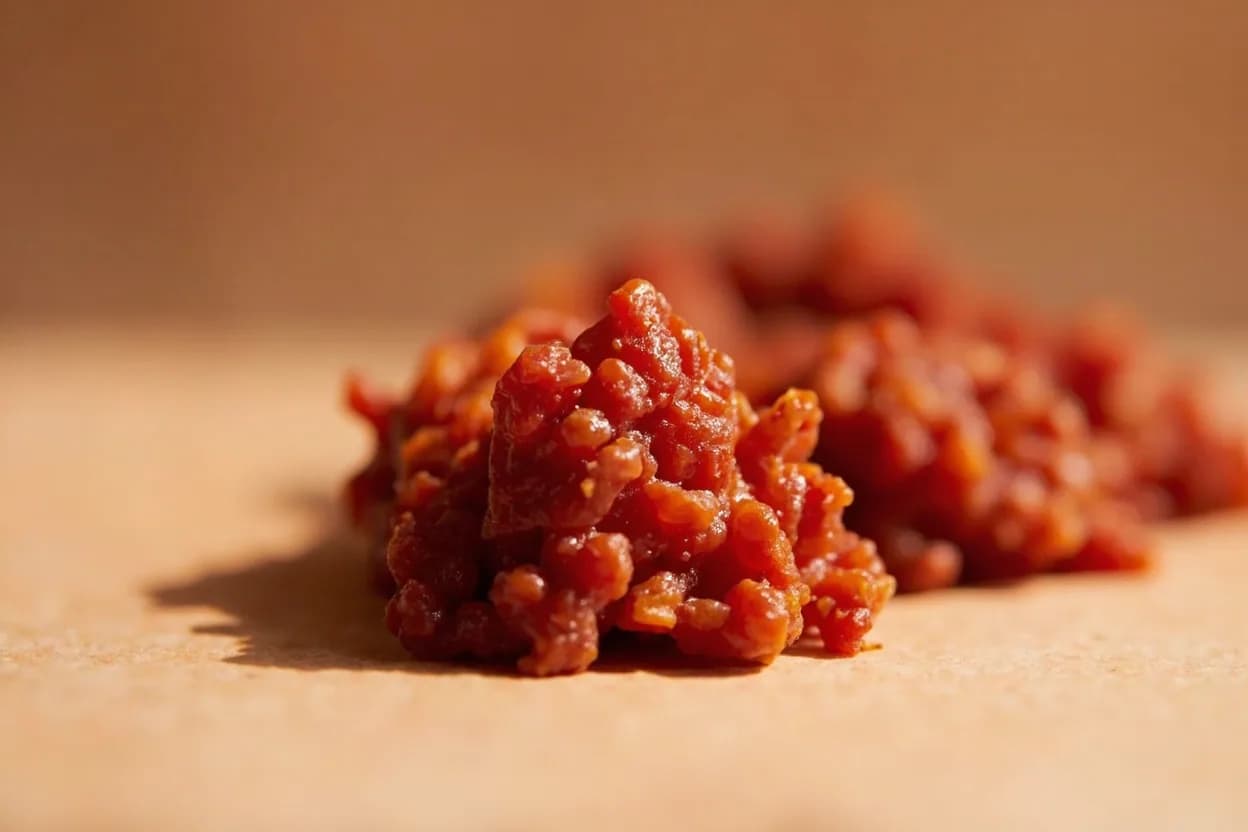
'Nduja (en-DOO-ya) is a soft, spreadable Calabrian salumi made from a blend of fatty pork cuts (cheeks, belly, trimmings) and a very high proportion — up to 30% by weight — of Calabrian chilli peppers (peperoncino piccante), plus salt. The mixture is stuffed into natural casings and briefly smoked, then aged for several months. The result is a deeply red, intensely spicy, fatty paste that can be sliced, crumbled, or spread onto hot surfaces where it immediately melts and blooms. Its flavour is complex: incandescent heat, fruity chilli aroma, fermented pork funk, and a richness that coats the mouth even as the chilli burns through it.
In photos
Flavour profile
Classic pairings
- Pizza (Neapolitan and Calabrian)Calabrian/Neapolitan
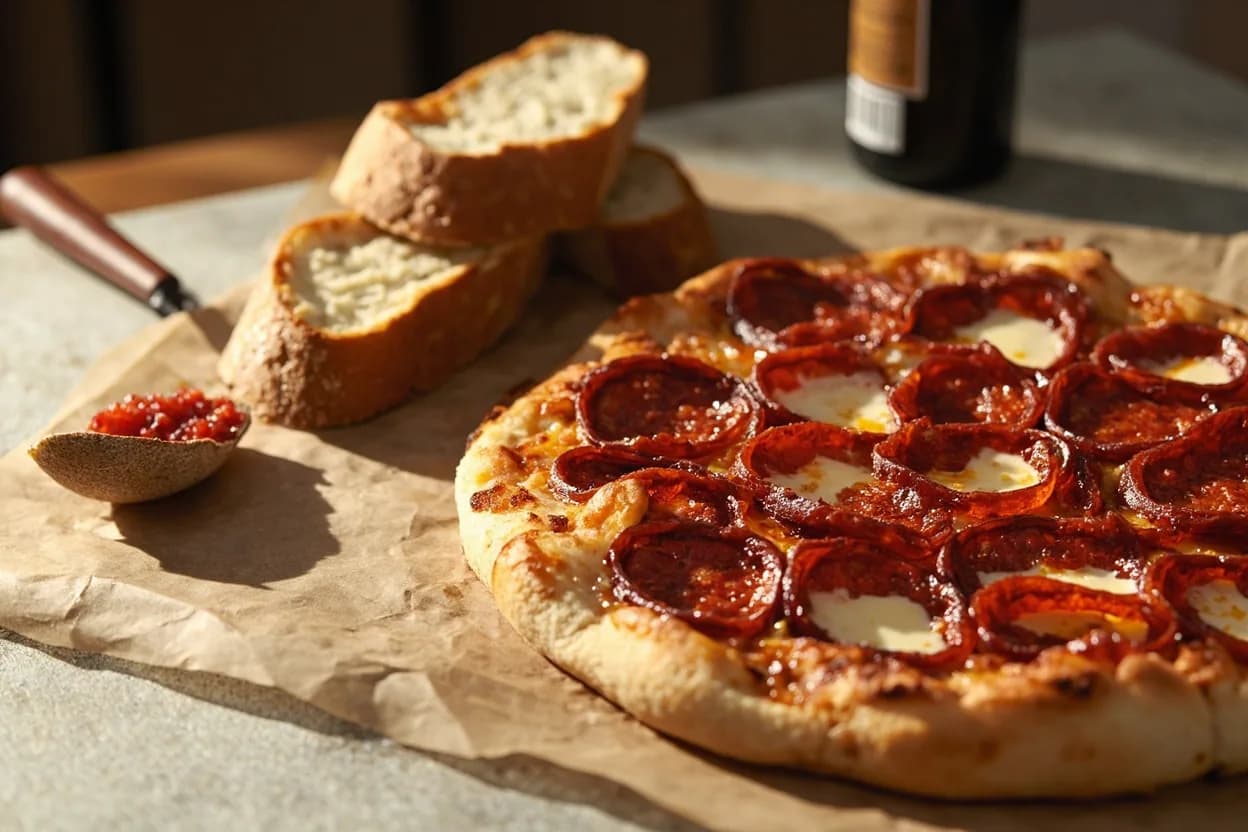
Small blobs of nduja placed on pizza before baking melt into orange-red pools of spiced fat that permeate the dough edge and mozzarella; it is effectively a self-basting ingredient.
- Crusty bread / bruschettaCalabrian
The elemental application: smear cold nduja on warm toast. The heat of the bread releases the fat and chilli oils; good olive oil and sea salt are the only other things needed.
- Mozzarella di bufala / burrataSouthern Italian
The classic antipasto contrast: cool, milky, mild fresh cheese against nduja's heat and salt; the fat in the cheese soothes the chilli burn while absorbing the meat's complex flavour.
- Canned tomatoes / passataCalabrian
Nduja melted into olive oil forms an instant spiced sauce base; add crushed tomatoes and the result is a deeply flavoured, self-seasoned pasta sauce in under 15 minutes.
- Rigatoni, paccheri, or bucatiniCalabrian
Short tubular pasta captures the melted nduja fat in pockets and ridges; the dish becomes extremely satisfying with nothing else beyond tomato and Pecorino.
- Eggs (fried or scrambled)Calabrian
Nduja rendered briefly in a pan then eggs cracked in — the fat turns orange-red and spices the egg whites while the yolks stay runny; a quick, electric breakfast dish.
- Clams and seafoodCalabrian
A signature Calabrian application — nduja melted with olive oil, then shellfish steamed in the resulting broth. The brine and sweetness of the clam tempers the chilli's burn.
Adventurous pairings
- Dark chocolate (72%+)
Nduja on toasted bread with a square of dark chocolate — a Calabrian street tradition. The bitterness and theobromine of the chocolate amplify the chilli's heat while the cocoa fat absorbs the pork.
- Honey (orange blossom or wildflower)
The classic spicy-sweet balance: a drizzle of honey over spread nduja on warm bread cuts the chilli's acidity and creates a complex sweet-heat note found in many preserved-meat traditions.
- Oysters
A tiny scoop of nduja on a freshly shucked oyster — the brine, iodine, and mineral sweetness of the oyster grounds the chilli heat while the fat enriches the liquor; an electrifying match.
- Nduja butter (compound butter)
Softened butter beaten with nduja creates a spiced compound that melts over steaks, grilled corn, or roast vegetables; the dairy fat dilutes the chilli to a manageable warmth while carrying its flavour.
- Fermented bean paste (doenjang, black bean)
Both ingredients are fermented, fat-rich, and umami-forward; combined in a pasta sauce or braising liquid they create a depth that tastes ancient — heat and funk in simultaneous registers.
Tread carefully
- Subtle, delicate flavours (white asparagus, sole, truffle)avoid
Nduja's heat and fat carpet-bomb delicate aromatics; any ingredient that exists in a subtle register is simply erased by the chilli and pork funk.
- Low-fat dairy (skim milk, low-fat yoghurt)avoid
Nduja's heat is fat-soluble; low-fat dairy doesn't have enough lipid to absorb the capsaicin, causing unpleasant separation and amplified burn rather than a creamy balance.
- Very acidic wine (low-pH Barbera, Vinho Verde)avoid
High-acid wines amplify the chilli's burn on the palate rather than soothing it; choose wine with some residual sugar or higher alcohol (Primitivo, Cirò) to buffer the heat.
How to use it
- Melt directly in a dry or lightly oiled pan over medium heat — it liquefies quickly and becomes a spiced oil
- Use as a pizza topping pre-bake; dot sparingly — it expands and intensifies as it heats
- Beat into softened butter at a 1:3 ratio (nduja:butter) for a compound that behaves like standard butter in applications
- Stir into finished risotto or pasta off the heat for a final spiced fat emulsification
- Spread cold from the casing onto room-temperature bread for its most traditional expression
- Thin with olive oil to make a brushing marinade for grilled meats or vegetables
Appears in
Related flavours
- Calabrian chilli (peperoncino)
The defining ingredient — fruity, bright, building heat; nduja is essentially concentrated Calabrian chilli preserved in pork fat
Spanish cousin — also pork-and-paprika but firmer, less fatty, and less incendiary; shares the rendered-spiced-fat application
- Soppressata Calabrese
A harder Calabrian salami sharing the same chilli-pork tradition but with a very different texture and use
References
- 1.Valeria Necchio — Veneto: Recipes from an Italian Country Kitchen
- 2.Rosetta Costantino — My Calabria
- 3.Giorgio Locatelli — Made in Italy: Food and Stories
- 4.Slow Food Foundation — Ark of Taste: 'Nduja di Spilinga
Confidence: high
Notes
Spilinga: the home of nduja
The undisputed capital of nduja production is Spilinga, a small village in Vibo Valentia province. The annual Sagra della 'nduja draws tens of thousands of visitors. Spilinga nduja tends to be spicier and wetter than commercial exports; look for it from specialist Calabrian importers for the authentic fiery character.
Using it as a condiment, not a protein
The key mental shift when cooking with nduja is to treat it as a spiced fat condiment rather than a meat product. It functions more like harissa or gochujang — a concentrated flavour bomb melted into other ingredients — than like a salami that sits on a plate. A single 25–30 g knob seasons a pasta for four.