Fats, Pastes & Condiments
Nam Prik Pao (Roasted Chili Paste)
Also: nam prik pao, Thai roasted chili paste, roasted chili jam, Thai chili jam
Thailand's essential sweet-smoky-caramelized chili base: the paste that makes tom yum legendary and brings depth to anything it touches.
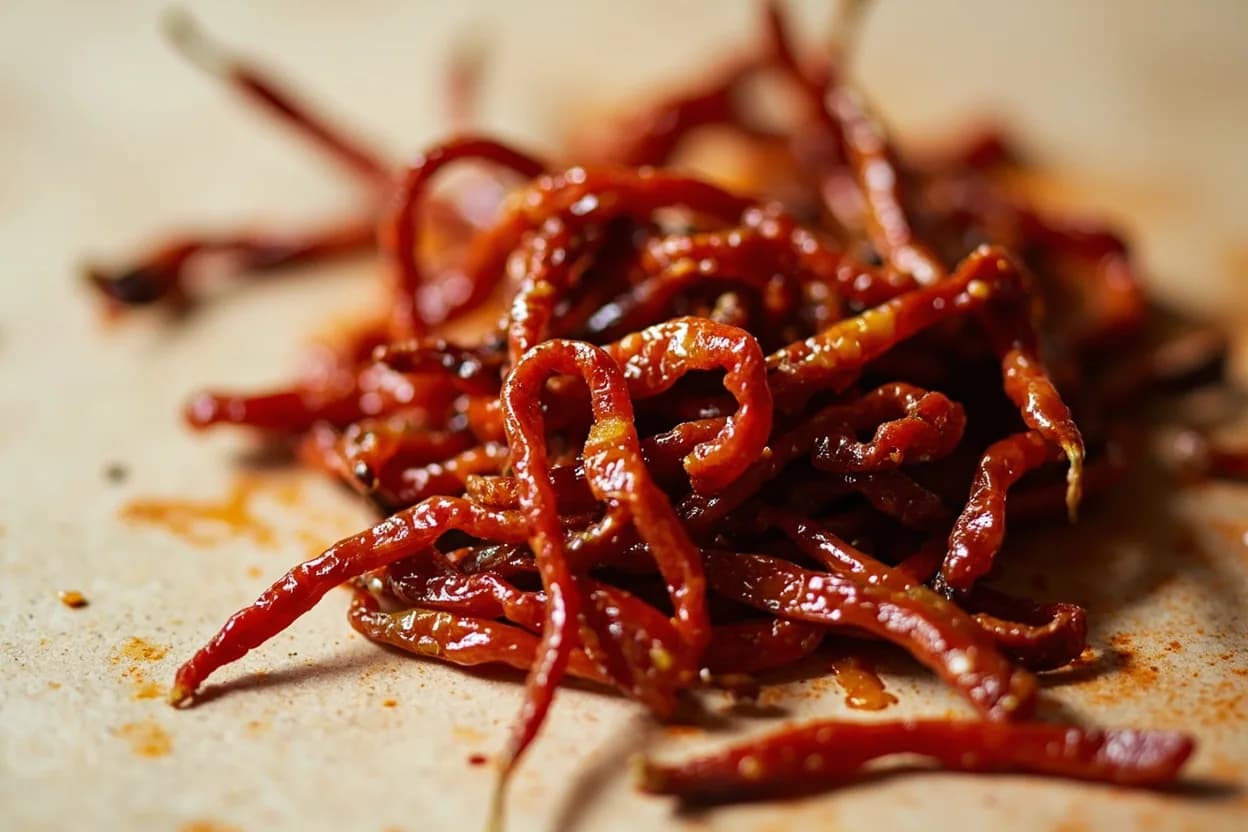
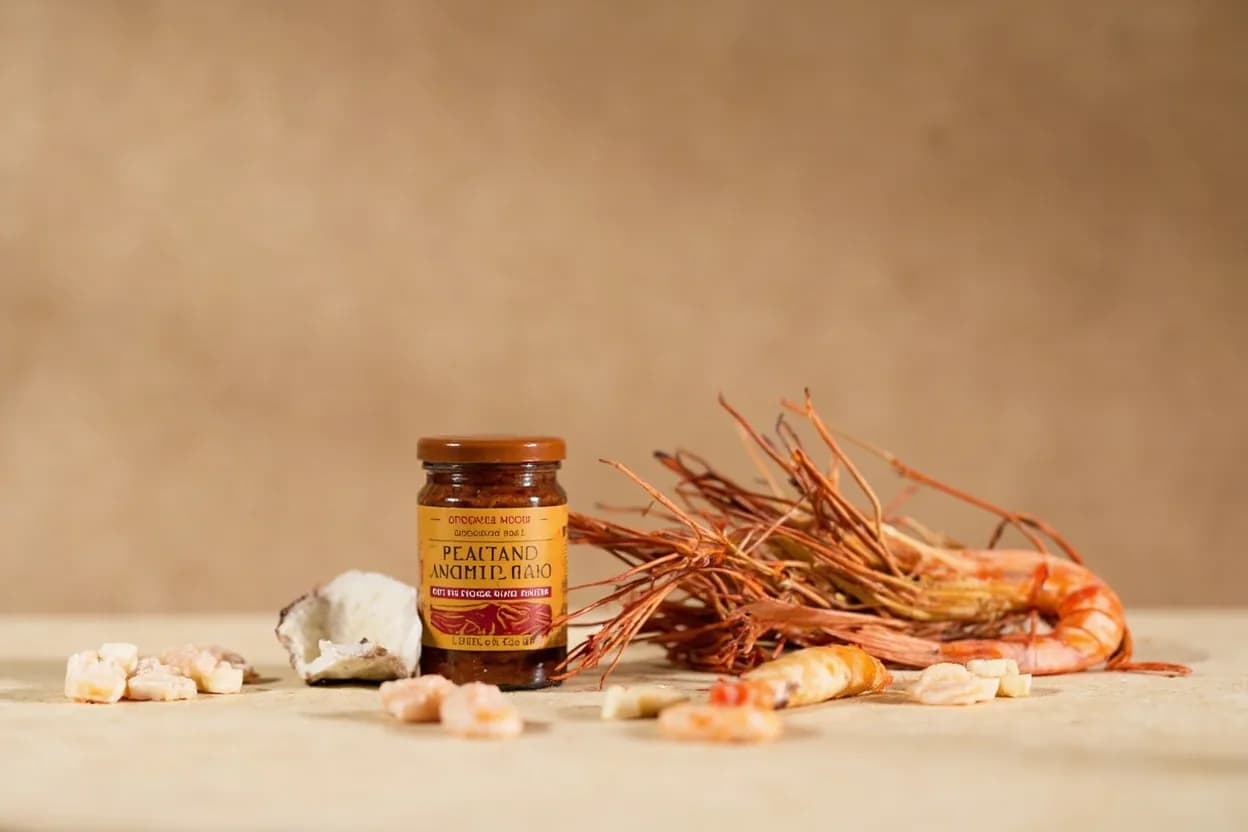
Nam prik pao is a dark, glistening, jam-like paste made by roasting dried chilies, shallots, garlic, and dried shrimp (in the classic version) in oil until deeply caramelized, then grinding with palm sugar, fish sauce, and tamarind. The result is a layered condiment that is simultaneously sweet, smoky, salty, and faintly fishy — nothing like raw chili heat. The Maillard reactions from roasting produce complex caramel and coffee-like compounds alongside residual chili warmth. It is indispensable in tom yum goong (Thai hot-and-sour prawn soup), used as a base for stir-fries, stirred into rice congee, and sold in jars throughout Thailand. Vegan versions substitute mushrooms and soy for the dried shrimp and fish sauce.
In photos

Flavour profile
Classic pairings
- Prawns / shrimpThai
The classic pairing in tom yum goong — the paste's caramelized-smoke deepens the broth while prawns provide the sweet oceanic note that the dried shrimp in the paste foreshadows.
- Coconut milkThai
A spoonful of nam prik pao stirred into coconut milk produces an instant, complex curry-adjacent sauce; fat in the coconut oil extracts and carries the oil-soluble chili compounds.
- LemongrassThai
Lemongrass's bright, citrusy-herbal aroma lifts the paste's heavy caramelized sweetness in tom yum; the contrast between floral freshness and deep roasted funk is the backbone of Thai hot-and-sour cooking.
- Rice noodlesThai
Nam prik pao tossed through glass noodles or rice vermicelli with lime, cilantro, and scallion is a quick, deeply satisfying dish; the noodles absorb the paste's oil-soluble aromatics.
- EggsThai
Fried eggs topped with a teaspoon of nam prik pao and crispy shallots is a common Thai home breakfast — the caramelized paste melds with the yolk's fat perfectly.
- Lime juiceThai
Acid from fresh lime juice cuts through the paste's sticky sweetness and reactivates the tamarind's own tartness; the bright/dark contrast is foundational to Thai flavor logic.
- Mushrooms (shiitake, king oyster)Thai / vegan
Meaty mushrooms provide a textural anchor and umami reinforcement that works whether the paste contains shrimp or is the vegan variant.
Adventurous pairings
- Burgers / grilled beef
Spread onto a bun or mixed into a sauce, nam prik pao adds a Thai-sweet-smoky layer to grilled beef that outperforms most commercial barbecue sauces in complexity.
- Avocado toast
A thin smear of nam prik pao under smashed avocado introduces sweet-smoky depth that transforms the dish from bland to craveable — with lime, it becomes fully Thai in spirit.
- Pizza (as a sauce base)
Substituted for tomato sauce with mozzarella, Thai basil, and prawns, the paste produces a Thai-inflected pizza that draws on the paste's inherent sweetness and char.
Swirled on top of or mixed into hummus, nam prik pao adds a Southeast Asian sweet-heat dimension that plays well against tahini's sesame bitterness.
The paste's sweetness and smokiness echo the corn's natural sugar; mixed into cornbread batter it produces a deeply savory, moist bread with a surprising background heat.
Tread carefully
- Dairy-based cream saucesavoid
The paste's tamarind acidity curdles cream or milk-based sauces and its assertive roasted character overwhelms the subtle dairy notes.
- Neutral-flavored raw fish (sashimi)avoid
The caramelized-smoky paste masks the clean, precise flavors of high-quality raw fish; fat-carrying compounds in the paste coat the palate and prevent appreciation of subtle fish sweetness.
- Ripe tropical fruit desserts (fresh mango, papaya)avoid
While dried shrimp paste + mango appears in Thai fruit salads, the fully caramelized, sweet nam prik pao overwhelms fresh fruit's brightness — the sugar levels compete and clash.
How to use it
- Bloom in hot oil before adding other ingredients to activate oil-soluble capsaicin compounds
- Stir into broth or coconut milk to instantly build a complex soup base
- Use as a stir-fry starter — cook paste in wok oil 30 seconds before adding proteins
- Spread thinly on toast or flatbread as a condiment — heat softens it to a spreadable consistency
- Deglaze with lime juice and fish sauce after frying to build a quick dipping sauce
- Thin with coconut milk and fish sauce for a fast salad dressing or noodle sauce
Appears in
Related flavours
Fish sauce is a primary seasoning ingredient in nam prik pao and a natural companion at the table to balance and add salt.
Tamarind paste is part of the paste's acid structure; additional tamarind deepens the back-tartness and can adjust sweetness balance.
Galangal's piney, citrusy-medicinal note pairs naturally with the same dishes that rely on nam prik pao, particularly tom yum and tom kha.
References
- 1.Simple Thai Food — Leela Punyaratabandhu
- 2.True Thai — Victor Sodsook
- 3.The Flavor Bible — Karen Page & Andrew Dornenburg
Confidence: high
Notes
Jar vs. homemade
Jarred nam prik pao (Maesri and Mae Pranom are the trusted Thai brands) is a legitimate pantry staple — the commercial versions are made in large batches over high heat and have excellent flavor. Homemade allows control over sweetness and heat level. The shrimp-free vegan versions now sold by most Thai brands are nearly identical in caramelized complexity, substituting soy sauce and mushrooms for the oceanic umami components.
Caramelization chemistry
The paste's distinctive flavor — deep, sweet, almost coffee-like — comes from extended high-heat cooking of sugars from the shallots, garlic, and palm sugar, combined with Maillard reactions in the dried chili proteins. This is not raw heat but processed, caramelized chili: the capsaicin is present but softened within a matrix of sugar compounds that stretch the heat across the palate slowly.