Cheeses
Parmigiano-Reggiano
Also: Parmesan, Parmigiano, the King of Cheeses, grana
Italy's supreme hard cheese — crystalline, intensely savoury, and one of the world's most effective umami amplifiers.
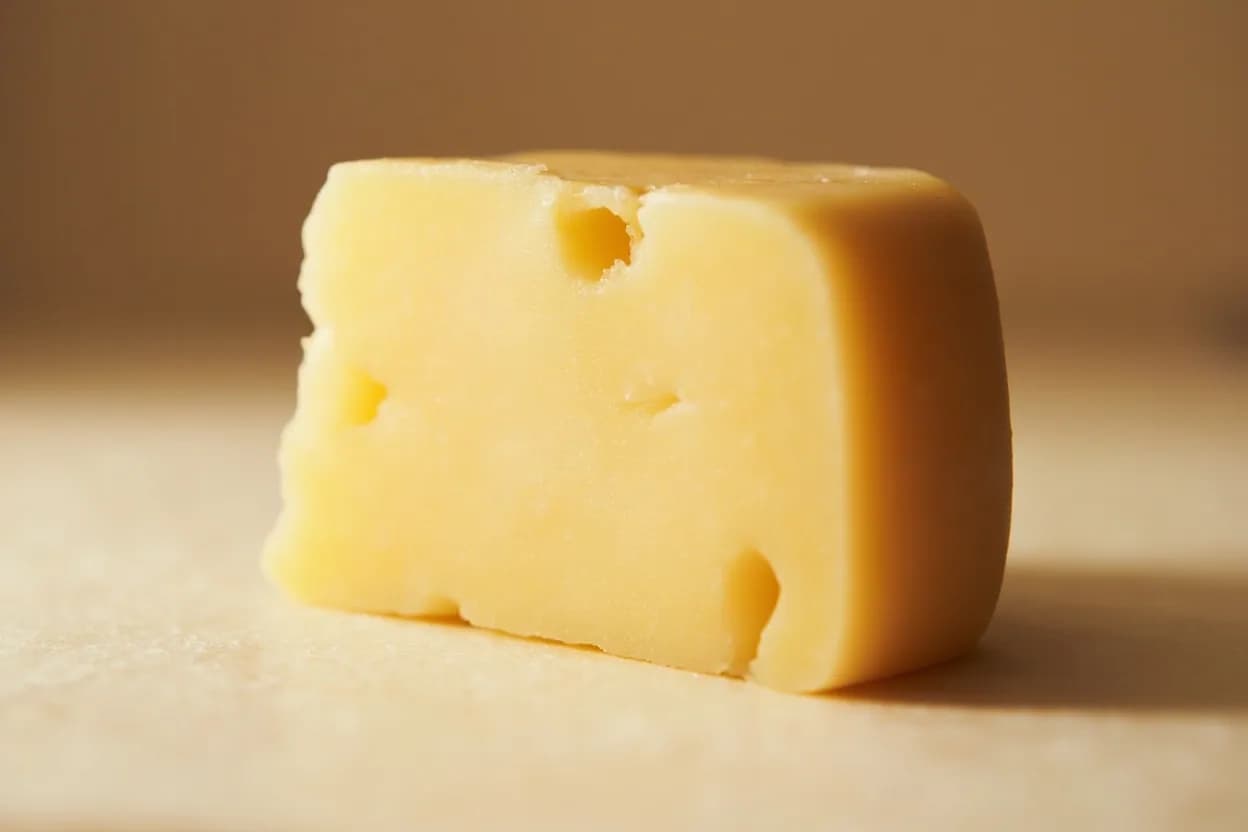
Parmigiano-Reggiano is a Protected Designation of Origin (PDO) hard cheese produced exclusively in the provinces of Parma, Reggio Emilia, Modena, Bologna, and Mantua in northern Italy. Made from partially skimmed raw cow's milk and aged a minimum of 12 months (with the finest wheels matured 24, 36, or 48+ months), it develops a granular, crystalline texture from the formation of tyrosine crystals. The flavour is emphatically savoury — dense umami, caramelised milk, toasted hazelnut, and a long, peppery finish. It is simultaneously an ingredient (grated into dishes) and a standalone product (broken into chunks for the table), making it one of the most versatile cheeses in world cooking.
In photos
Flavour profile
Classic pairings
- Pasta (fresh egg pasta, dried semolina pasta)Italian
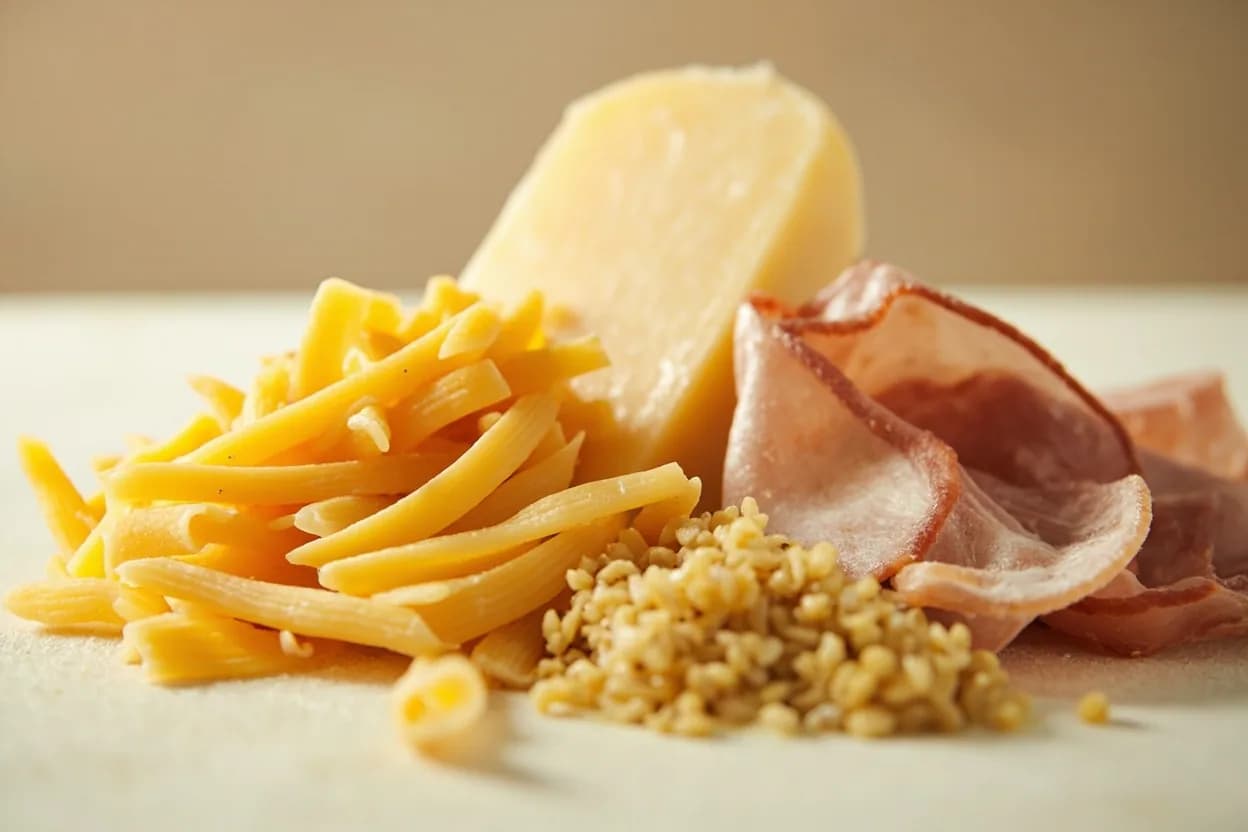
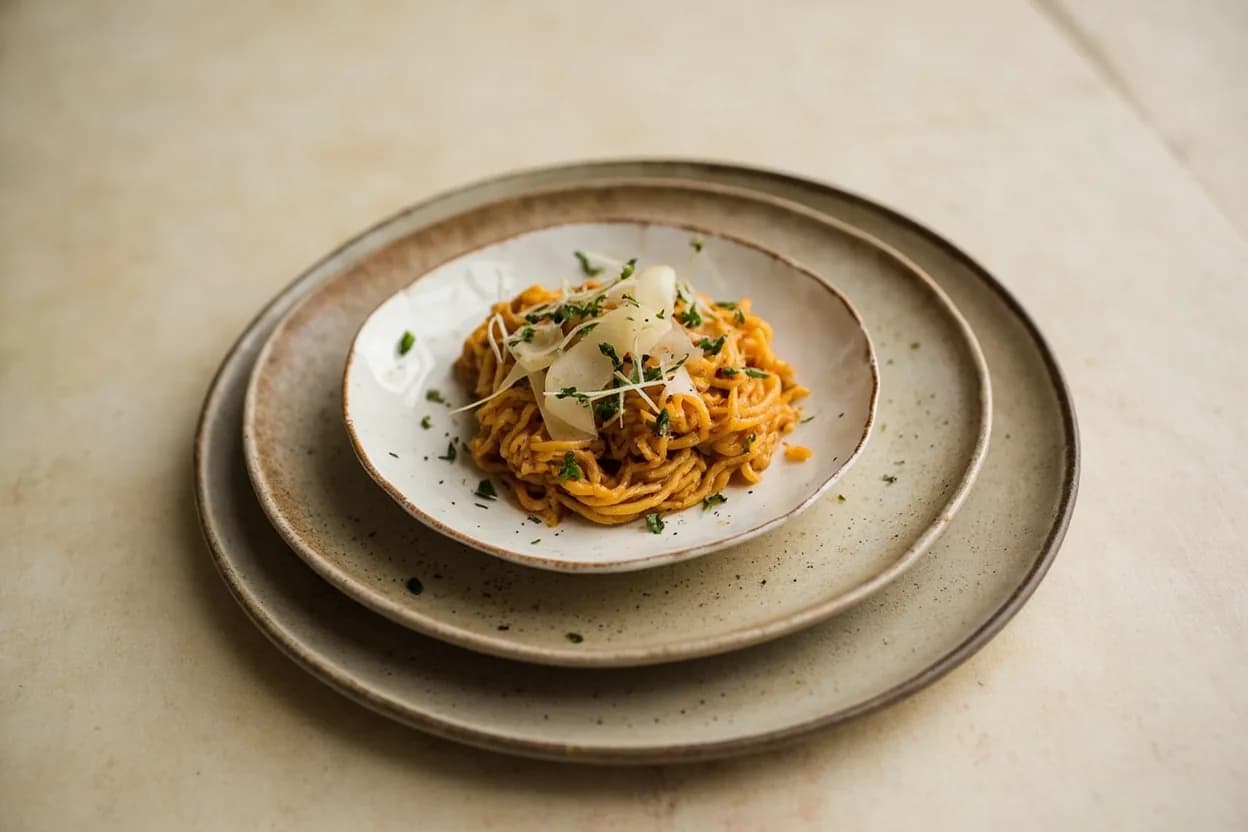
Grated Parmigiano melts into hot pasta, coating each strand with concentrated umami and forming the savoury backbone of cacio e pepe, carbonara, and countless ragù.
- RisottoItalian (Emilian / Lombardian)
Stirred in off the heat (la mantecatura), Parmigiano emulsifies risotto into a creamy, cohesive mass — its umami depth rounds the wine and broth flavours and provides the signature richness.
- Prosciutto di ParmaItalian (Emilian)
The canonical DOP pairing — sweet, lactic fat of long-cured ham and the crystalline salt of aged Parmigiano are produced in adjacent provinces and have affinities built into the landscape.
- Aged balsamic vinegar (Aceto Balsamico Tradizionale)Italian (Modenese)
A few drops of 12–25 year traditional balsamic on a chunk of aged Parmigiano is one of Italian gastronomy's finest combinations — the acidity brightens the cheese's fat, the sweetness amplifies its caramel.
- Rocket (arugula)Italian
The peppery bitterness of fresh rocket and the nutty-salt of Parmigiano shavings are natural foils; a classic salad built on this contrast is complete with good olive oil and lemon.
- Bone broth / Parmesan rind in brothItalian
Simmering a Parmigiano rind in stocks, minestrone, or risotto brodo adds glutamates that deepen body and savouriness — a frugal technique that shows the cheese's extreme versatility.
- White truffleItalian (Emilian / Piedmontese)
Freshly shaved white truffle over Parmigiano-enriched risotto or egg pasta is Emilia-Romagna's luxury standard; both ingredients communicate through umami and aromatic fat.
- Lambrusco or SangioveseItalian
The slightly sparkling acidity of Lambrusco (from the same Emilian terroir) or the tannic structure of Sangiovese cuts Parmigiano's fat and refreshes the palate between bites.
Adventurous pairings
- Miso (aged red miso / hatcho miso)
Both are fermented, glutamate-dense, crystalline umami sources; combining them in a glaze, dressing, or compound butter creates an almost supernaturally savoury result — double umami without doubling quantity.
- Dark honey (buckwheat, chestnut)
The bitter mineral sweetness of buckwheat honey draped over a chunk of 36-month Parmigiano contrasts the cheese's salt and amplifies the caramelised milk undertone — a classic Italian agriturismo pairing rarely seen abroad.
- Anchovy (whole salt-packed)
Two glutamate powerhouses in one preparation — layering salt-packed anchovy fillets with shaved Parmigiano on a bruschetta or in a pasta creates a savoury intensity far beyond the sum of its parts.
- Yuzu zest
The bright, floral Japanese citrus cuts through Parmigiano's fat in a way that is similar to lemon but more aromatic; effective in a risotto or compound butter where the dish needs acid lift without standard lemon.
- Medjool dates
The jammy, toffee sweetness of dates balances Parmigiano's crystalline salt; a cheese board combination or stuffed-date appetiser that bridges savoury and sweet naturally.
Tread carefully
- Strongly iodised or fishy seafood dishesavoid
Pairing Parmigiano with clams, mussels, or sea urchin in pasta violates a widely respected Italian rule — the cheese's fat and lacticity clash with the mineral iodine of shellfish, creating a muddy, competing flavour.
- Pre-grated supermarket 'Parmesan'avoid
Not an avoidance of the real thing — a culinary note: pre-grated imitations lack the glutamate density and aromatic complexity of authentic PDO Parmigiano-Reggiano and will produce inferior results in any application.
- Very sweet dessertsavoid
Parmigiano is emphatically savoury; it has no place in cakes, ice creams, or confections, where its salt and umami would destabilise rather than enhance.
How to use it
- Grate fresh over finished dishes — never pre-grate, as volatile aromatics dissipate within minutes
- Stir into risotto off the heat (mantecatura) for maximum creaminess without breaking emulsion
- Use rinds: simmer in soups, stocks, and braises to add body and glutamates, then discard
- Break into irregular chunks (not sliced) for serving on charcuterie boards — the fracture reveals crystalline interiors
- Shave with a vegetable peeler for salads and carpaccio — thin shavings melt on the tongue
- Brown grated Parmigiano in a dry non-stick pan to make crisp frico wafers as a garnish
Appears in
Related flavours
- Grana Padano
The slightly milder, less expensive sibling PDO cheese; similar applications and flavour profile, produced over a wider geographic zone.
Sheep's milk alternative with sharper, saltier bite; interchangeable in some Roman pasta preparations (cacio e pepe, amatriciana) and the classical alternative in Central-Southern Italian cooking.
- Aceto Balsamico Tradizionale di Modena
The great regional counterpart — produced in the same Emilian provinces, with a sweet-acid complexity that is Parmigiano's most elegant foil.
References
- 1.The Silver Spoon (Il Cucchiaio d'Argento) — Phaidon Press
- 2.Cheese & Wine: A Guide to Selecting, Pairing, and Enjoying — Janet Fletcher
- 3.On Food and Cooking — Harold McGee (section on aged cheeses and glutamates)
- 4.Italian Food — Elizabeth David
Confidence: high
Notes
The PDO question
Only cheese produced in the five Emilian provinces from raw, partially skimmed milk, following the Consorzio del Formaggio Parmigiano-Reggiano's strict cahier des charges, and aged at least 12 months may be called Parmigiano-Reggiano. Anything else — regardless of how it is labelled — is an imitation. The difference in glutamate density and aromatic complexity between a 24-month PDO wheel and a generic 'Parmesan' is substantial and affects cooking results.
Aging grades
12–18 months (giovane): mild, milky, excellent melted. 24 months (vecchio): the standard export grade — balanced, crystalline, all-purpose. 36 months (stravecchio): intensely crystalline and savoury, best as a table cheese or grated in small quantities. 48+ months: rare, very dry and pungent, used sparingly as a luxury flavouring.