Grains & Rice
Baladi Flatbread (Aish Baladi)
Egyptian whole-wheat pita that puffs into a pocket, used to scoop dips and wrap fillings.
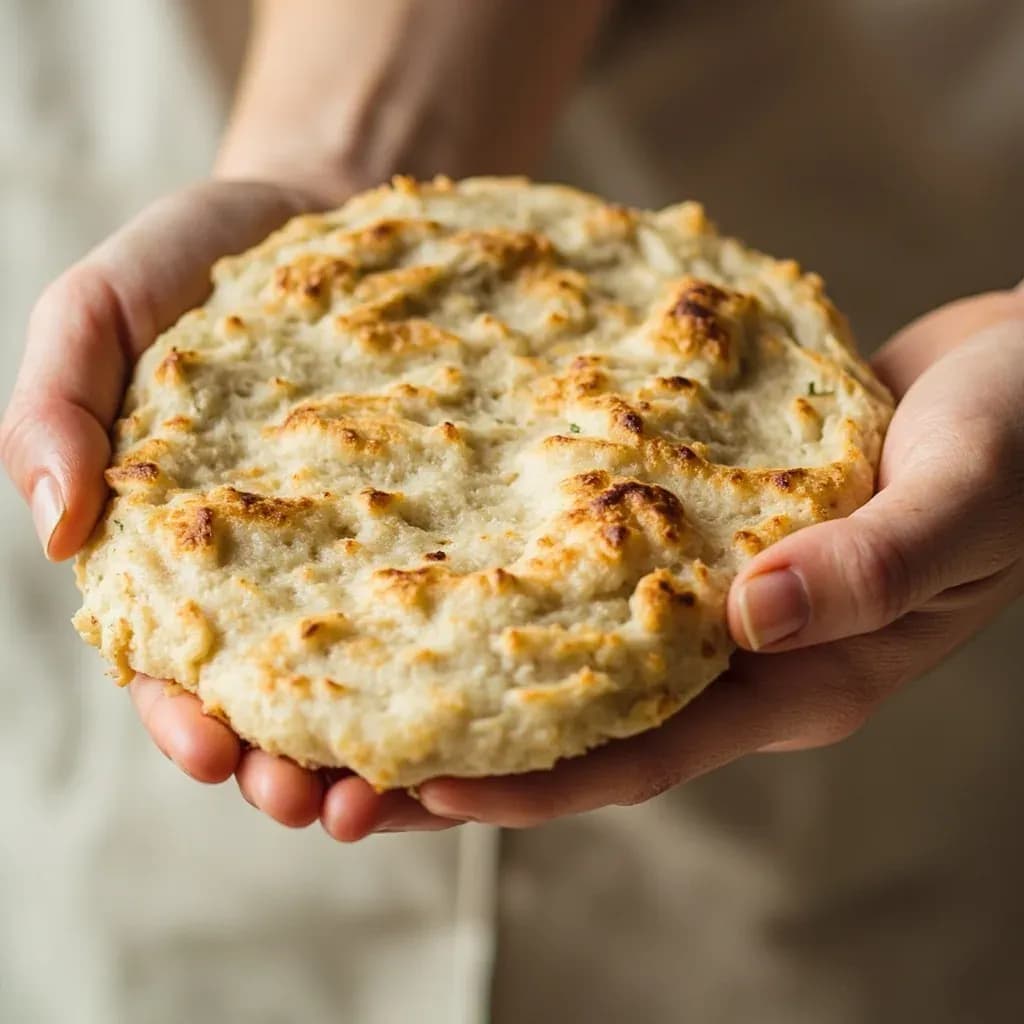
Aish baladi is the everyday Egyptian flatbread, baked from whole-wheat flour at very high heat so it puffs into a hollow pocket. It is torn to scoop ful medames, ta'meya and dips, or split and stuffed as a sandwich. The wholemeal flour gives it a rustic, slightly nutty flavor and a sturdy crumb.
Baladi flatbread (aish baladi, عيش بلدي) is the daily pillar of Egyptian cooking — a high-extraction whole-wheat flatbread that transforms into a hollow pocket when baked at intense heat. The name aish means "life" in Egyptian Arabic, and the bread earns that name: for millennia it has served as the primary vehicle for the nation's bold flavors, from the morning pot of foul to evening wraps of grilled kofta. Its identity is inseparable from the intense, dry heat of the taboon oven or saj griddle, which chars the exterior while steam within the dough drives the dramatic puff that creates the pocket.
The dough contains nothing but high-extraction whole wheat flour, water, salt, and yeast — no fat whatsoever. This dryness is essential: it allows the surface to blister and char directly against hot metal or stone, and it gives the gluten structure the freedom to expand cleanly into a single hollow chamber rather than splitting randomly. The finished bread has a crisp, lightly scorched exterior with soft, slightly chewy interior walls. In Egypt, families buy it fresh twice daily from neighborhood baladi bakeries (furns); it is never stored long, never reheated extensively, and never treated as a backdrop — it is the meal itself.
- Measured in
- piece
- Storage
- Pantry
Allergens
Types & varieties
The standard Egyptian whole-wheat flatbread; the baseline variety and the one most commonly referenced.
Found in Upper Egypt; larger, thinner, and more lightly scored. Bakes up crisper and more fragile than standard baladi.
Bedouin variant; sometimes slightly thicker and baked directly on hot sand, stone, or embers rather than in a structured oven.
Common uses
Tips & pitfalls
- Use the hottest oven setting available (250°C/480°F or higher) to replicate taboon heat and achieve dramatic puffing — a standard 190°C bake produces flat, chewy results.
- Roll dough balls to uniform 3–4 mm thickness; uneven thickness causes uneven puffing or a split rather than a pocket.
- Do not add oil, butter, or shortening to the dough — fat inhibits char formation and interferes with gluten development for puffing.
- Let dough rest only 15–30 minutes after dividing; unlike enriched breads, this dough needs minimal fermentation time before baking.
- For home ovens, place dough on a preheated pizza stone or steel positioned near the broiler element; introducing steam (a pan of water on the oven floor) helps lift the bread.
- Expect 4–6 flatbreads per 500 g flour as a standard yield — resist the temptation to make them larger, as thickness defeats puffing.
- Do not oil the cooking surface — direct contact with hot metal or stone is what creates the characteristic blisters and charred spots.
- Common mistake: under-kneading the dough before resting. The gluten must be developed enough to trap gases and steam; a slack, undeveloped dough will not puff.
Nutrition
Energy
1113 kJ · per 100 g
Where the calories come from
Protein
12.5g
25% DV
Carbs
47.1g
17% DV
Fat
3.1g
4% DV
Fiber
6.3g
23% DV
Sugars
9.4g
of which
Sodium
375mg
16% DV
Source · USDA FoodData Central · approx. Bread, potato
View on FDC →In the shops
Matched grocery products
No matched grocery products for Baladi Flatbread (Aish Baladi) yet.
Good to know
- Origin
- Egypt — documented since the Ptolemaic period, a cornerstone of daily cuisine for millennia.
- Traditional Name
- Aish Baladi (عيش بلدي), "local bread" or "bread of life"; aish derives from the root for life.
- Primary Flour
- High-extraction whole wheat, 87% extraction or higher; sometimes a small amount of white flour for workability.
- Typical Dimensions
- 15–22 cm diameter, rolled to 3–4 mm thickness before baking.
- Traditional Cooking Method
- Baked on the floor of a taboon (clay oven) or pressed onto a saj — a convex metal griddle over open flame.
- Dough Composition
- Flour, water, salt, and yeast only — zero added fat. This dryness is what enables char formation and clean puffing.
- Texture
- Crisp, charred spots on the exterior; soft, slightly chewy interior with a single hollow pocket when properly puffed.
- Storage
- Best consumed within hours of baking. Wrapped in cloth or plastic, keeps 1–2 days at room temperature; the crust will leathen but the bread remains usable.
Substitutes
- Standard white or whole-wheat pita — Softer and less charred; whole-wheat pita is closer in spirit but lacks the extraction-level depth of flavor.
- Markouk (Lebanese flatbread) — Thin, round flatbread baked on a saj; develops similar char and is a close functional cousin.
- Kuboos (Yemeni flatbread) — Made on a hot griddle from similar whole-wheat dough; slightly thinner in final texture.
- Iranian sangak — Stone-baked whole-wheat flatbread; shares the charred, puffy character and no-fat dough philosophy.
Pairs with
Also called
Aish Baladi · Egyptian Pita · Balady Bread
Appears in these dishes
Related

White Rice
Fluffy long-grain rice — the neutral base for almost any meal

White Bread
Soft sandwich loaf for toast, sandwiches, and crumbs
Brown Rice
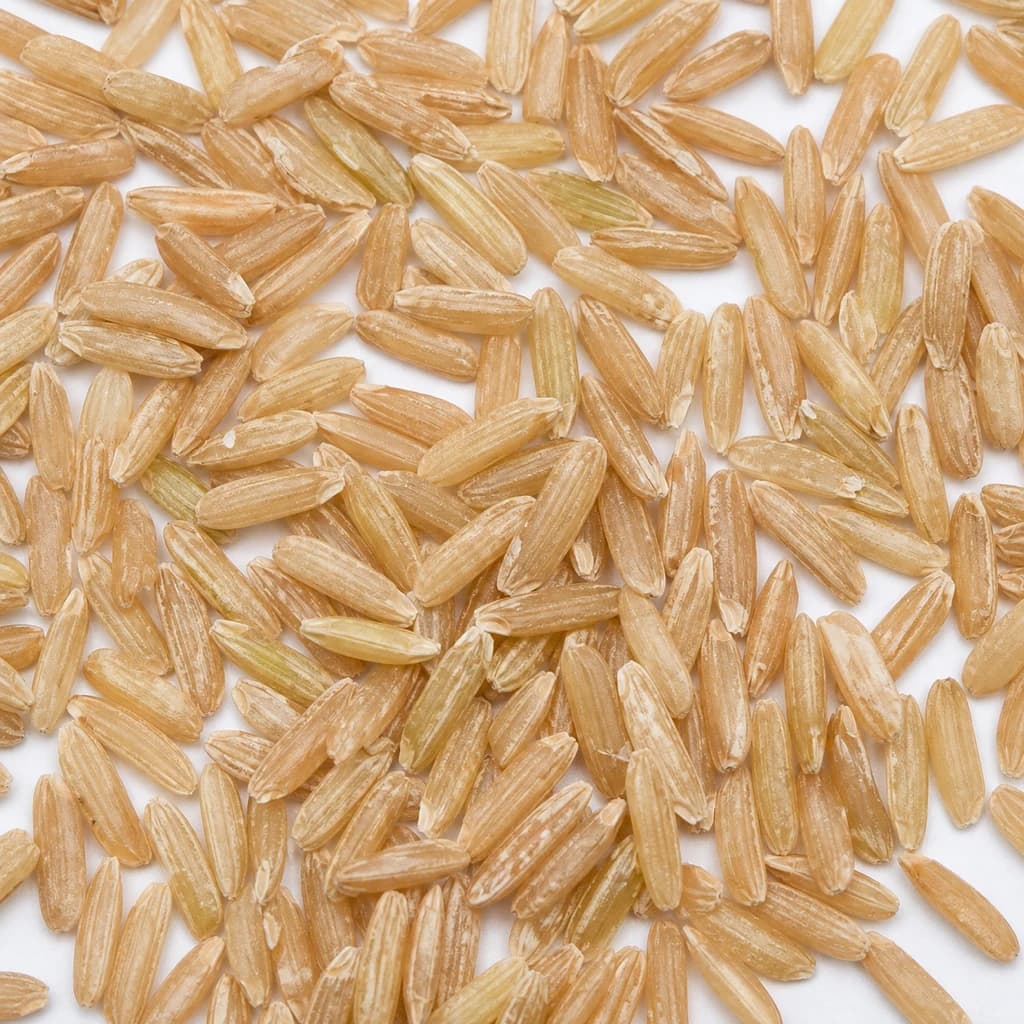
Nutty, whole-grain rice with chew and extra fiber

Basmati Rice
Fragrant, long-grain rice that cooks up light and separate
Jasmine Rice
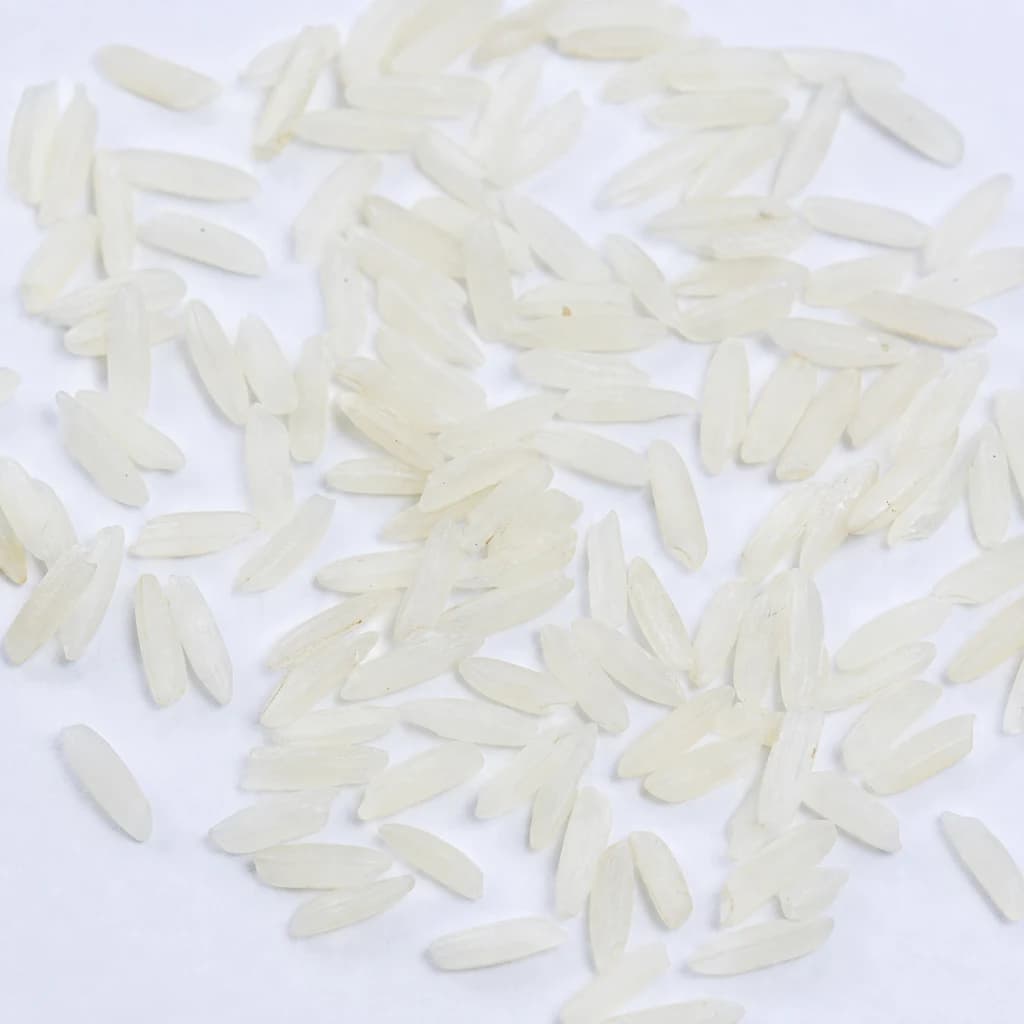
Soft, floral-scented rice that's the pillar of Thai meals
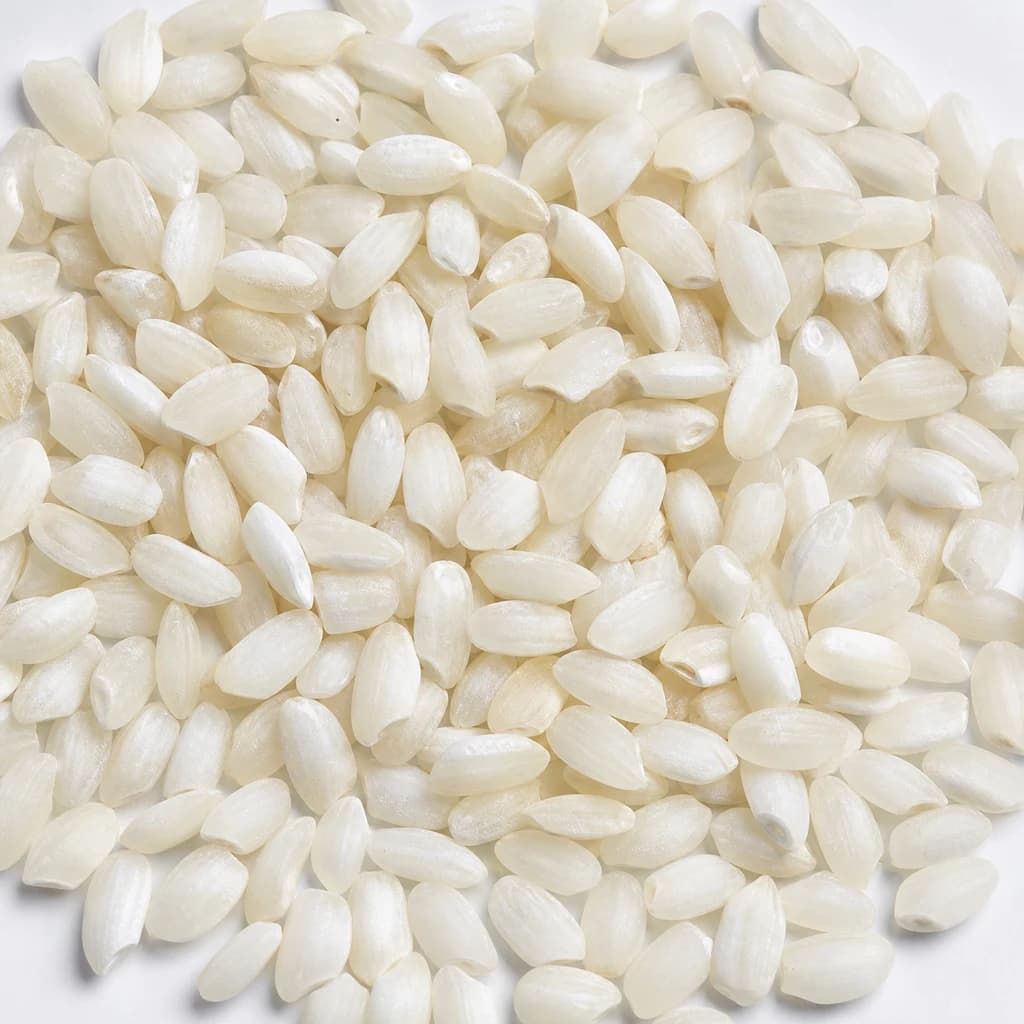
Arborio Rice
Plump, starchy rice that makes risotto creamy
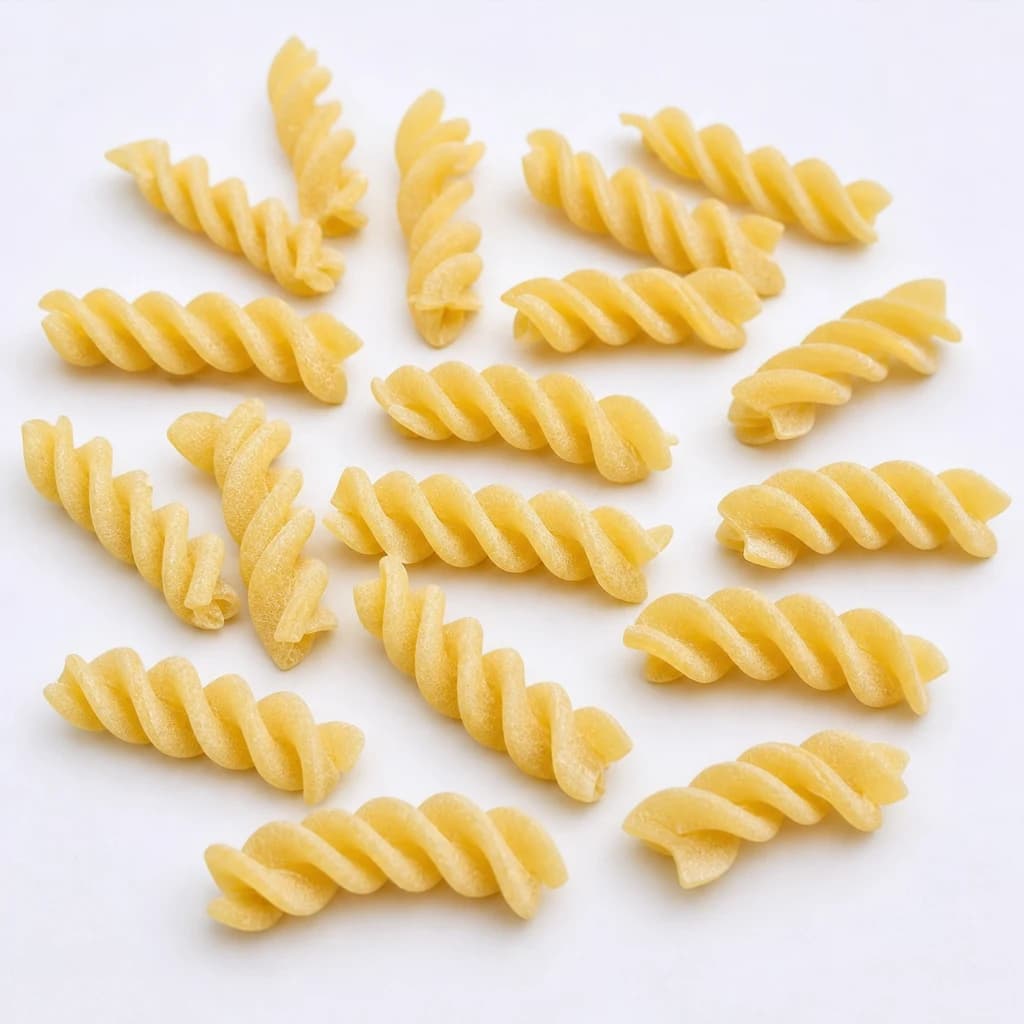
Fusilli
Spiraled pasta that twirls up sauce and dresses cold salads
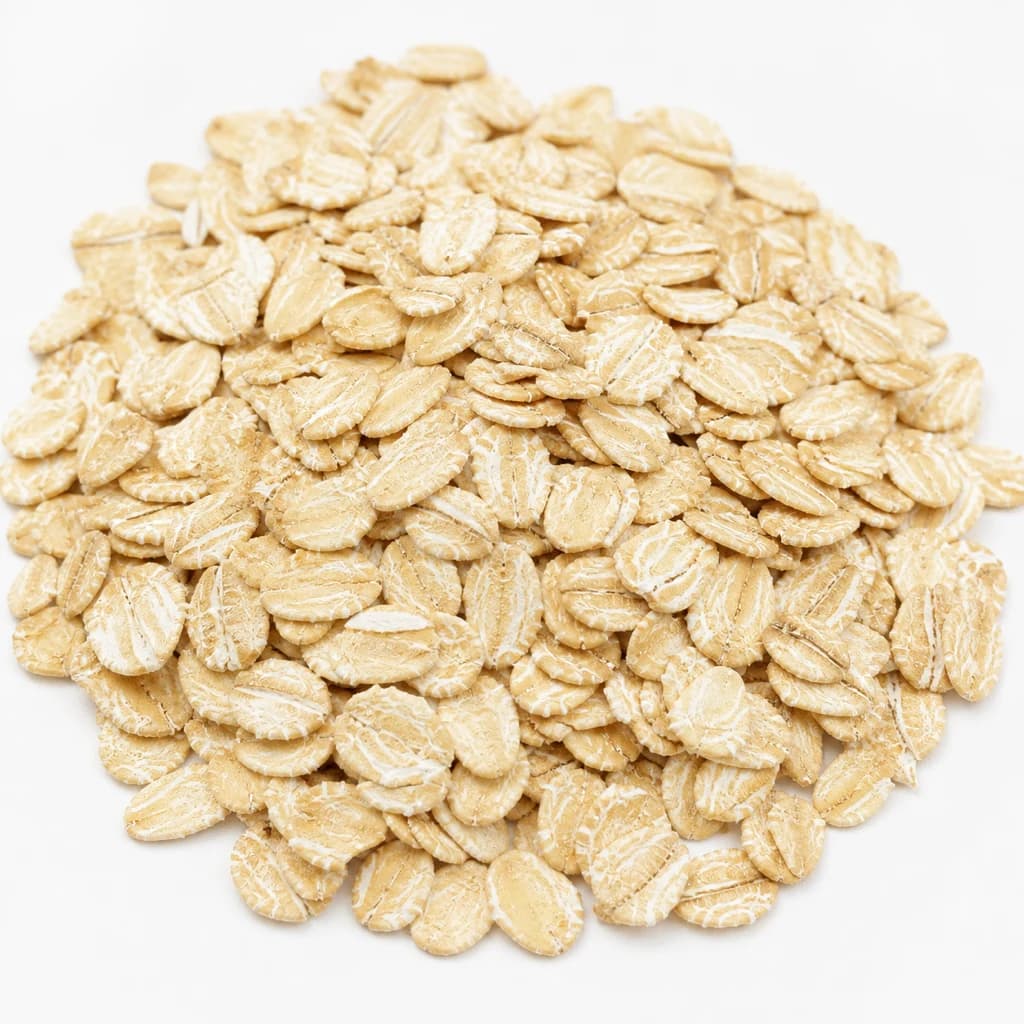
Rolled Oats
Hearty flakes for porridge, granola, and chewy cookies