Grains & Rice
Dumboy (Pounded Cassava)
Liberian dumpling of pounded boiled cassava, eaten with soups and sauces.
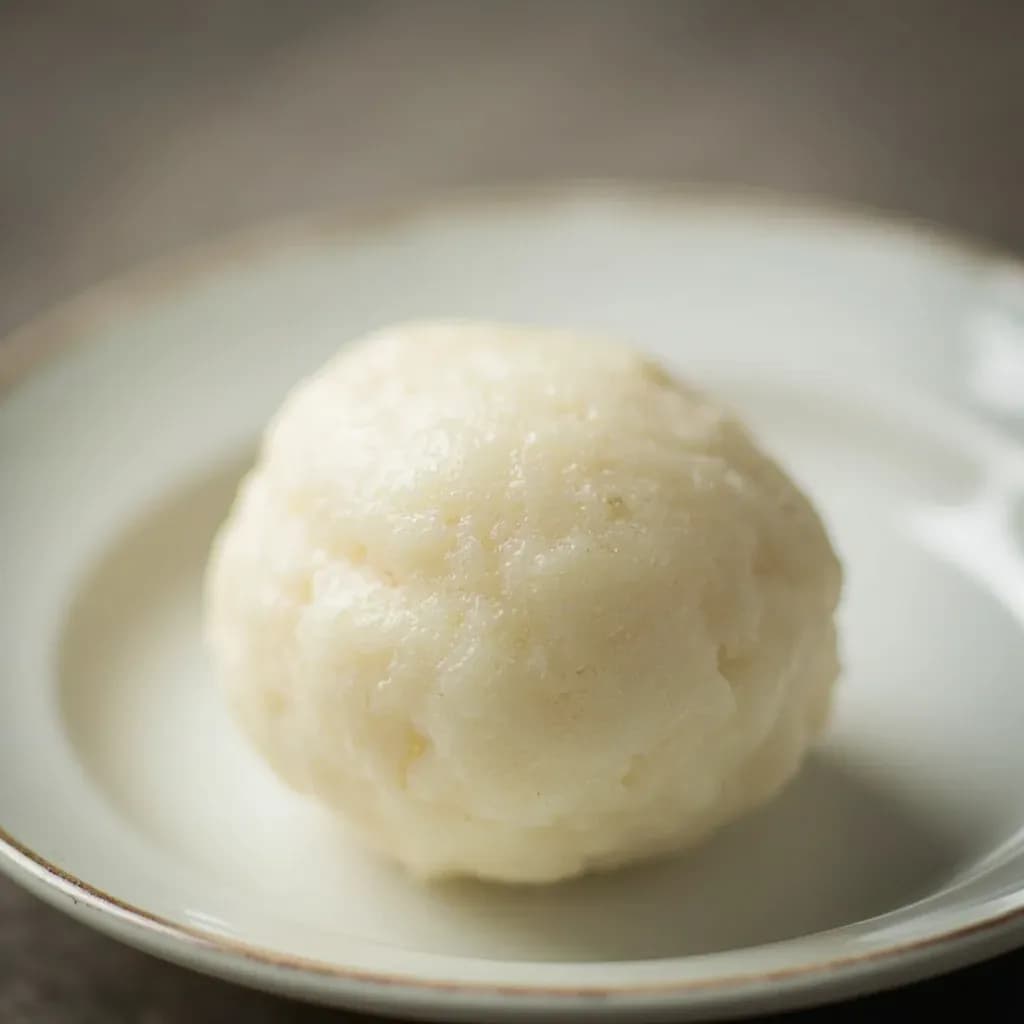
Dumboy is a Liberian staple made by boiling cassava and pounding it into a smooth, stretchy, dough-like mass. It is shaped into balls and swallowed in pieces with palm-butter, pepper, or other soups. Similar to fufu, it provides starchy bulk to a meal.
Dumboy is a traditional Liberian starch preparation made from boiled and pounded cassava root. It differs from other West African pounded tubers in its characteristic smooth, dense, and notably elastic texture—a quality achieved through a specific rocking motion during pounding rather than simple mashing. The dish functions as a communal starch side, typically served alongside rich soups and sauces in a shared bowl, where diners tear off pieces to scoop and absorb the broth. Its name is onomatopoeic, capturing the rhythmic grunting sounds that accompany the vigorous pounding process, reflecting both the physical effort required and the communal nature of its preparation. Cassava must be from sweet varieties only; bitter cassava contains cyanogenic glycosides that require extensive processing to neutralize and is unsuitable for this dish without proper treatment.
- Measured in
- g
- Storage
- Fridge
Types & varieties
Made with cassava only; most common preparation
Grated coconut worked into the pounded cassava for richer flavor and texture; common in coastal regions
Small amount of red palm oil added during pounding for color and subtle flavor; common in southeastern Liberia
Why Texture Matters
The defining quality of properly made dumboy is its smooth, elastic dough—not unlike very soft, dense bread dough. This elasticity comes from developing the starches through the grinding action of the mortar, not merely mashing them. A dumboy with proper texture will hold its shape when rolled into a ball yet yield pleasantly when torn, allowing it to absorb broth without disintegrating. Under-pounded dumboy remains fibrous and starchy; over-worked dumboy becomes gluey and unpleasantly sticky.
- Rocking, grinding motion develops elasticity; simple mashing does not
- The mass should fold over itself smoothly with no lumps or fibrous strands
- Properly made dumboy tears cleanly with slightly ragged edges
Cassava Safety
Sweet cassava varieties bred for low cyanide content are the only appropriate choice for dumboy. Even with sweet varieties, always remove the central fibrous core before boiling—this woody strand can harbor higher concentrations of cyanogenic compounds. Boil until extremely tender, until pieces are nearly falling apart; this ensures all residual compounds have broken down. If using cassava from uncertain sources, triple-boiling (boiling, draining, and reboiling in fresh water three times) provides an additional safety margin.
- Never use bitter cassava varieties without extensive processing
- Always remove the central woody core from each root piece
- Extremely tender cassava indicates safe cyanide levels
Common uses
Tips & pitfalls
- Use very fresh cassava; old roots develop woody fibers that make pounding difficult and can retain residual cyanide
- Peel thoroughly and remove the central woody core from each cassava root before boiling
- Boil until cassava is extremely tender and almost falling apart; undercooked cassava will be fibrous and difficult to pound
- Work the cassava while still very hot; cold cassava becomes gluey and hard to process
- Pound with a rocking motion, not just up-and-down strikes; this develops the smooth, elastic texture characteristic of good dumboy
- Add a tablespoon of water occasionally during pounding if the mass becomes too stiff
- Season the serving bowl or hands with a little palm oil to prevent sticking when forming balls
- Never attempt to pound solo cassava without experience; have a second person ready to add more cassava as needed
- A heavy stone or hardwood mortar works better than lightweight metal, which transmits harsh vibration
Nutrition
Energy
669 kJ · per 100 g
Where the calories come from
Protein
1.4g
3% DV
Carbs
38.1g
14% DV
Fat
0.3g
0% DV
Fiber
1.8g
6% DV
Sugars
1.7g
of which
Sodium
14mg
1% DV
Source · USDA FoodData Central · Cassava, raw
View on FDC →In the shops
Matched grocery products
No matched grocery products for Dumboy (Pounded Cassava) yet.
Good to know
- Origin
- Liberia, West Africa
- Main ingredient
- Fresh sweet cassava root (Manihot esculenta)
- Cooking method
- Boiling then pounding in mortar and pestle
- Typical serving
- Ball or mound alongside soup or sauce
- Equipment
- Large mortar and heavy pestle (wooden or stone preferred)
- Prep time
- 30–45 minutes to boil cassava; 15–20 minutes to pound
- Skill level
- Moderate to high; requires physical effort and technique
- Flavor
- Mild, neutral, slightly earthy; absorbs soup flavors readily
Substitutes
- Cassava Fufu (Ghanaian/Nigerian style) — Essentially the same preparation; interchangeable in recipes; Liberian dumboy tends to be slightly smoother
- Cocoyam Fufu — Made from taro-family cocoyam instead of cassava; similar texture and use; common substitute throughout West Africa
- Plantain Fufu — Made from boiled and pounded ripe plantains; sweeter, softer texture; works with the same soups but has distinct flavor
- Pounded Yam — Nigerian preparation from white yam; similar eating experience but less dense than cassava-based dumboy
- Garri Soaked in Hot Water — Quick alternative; reconstituted garri (granular fermented cassava) forms a coarse, tangier starch; not traditional but functional
Pairs with
Also called
Pounded Cassava · Dumboi
Appears in these dishes
Related

White Rice
Fluffy long-grain rice — the neutral base for almost any meal

White Bread
Soft sandwich loaf for toast, sandwiches, and crumbs
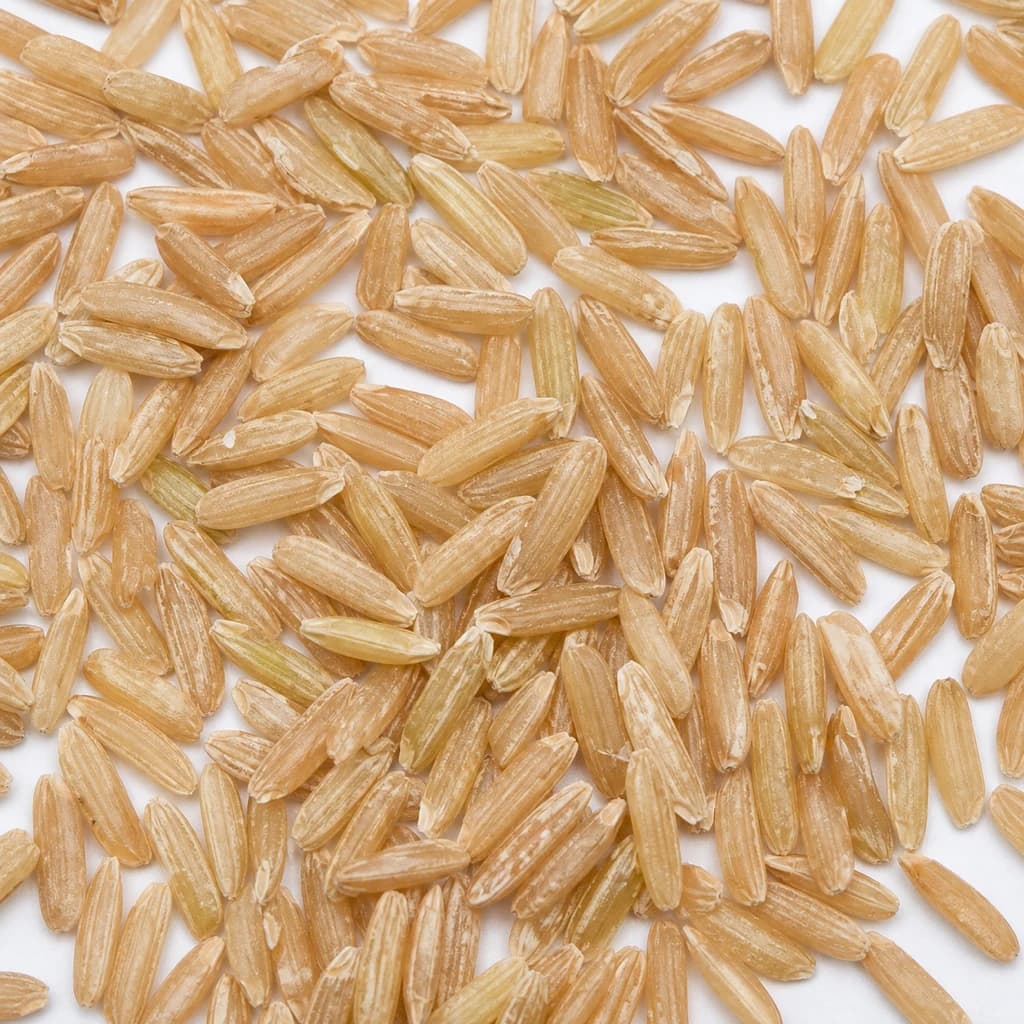
Brown Rice
Nutty, whole-grain rice with chew and extra fiber

Basmati Rice
Fragrant, long-grain rice that cooks up light and separate
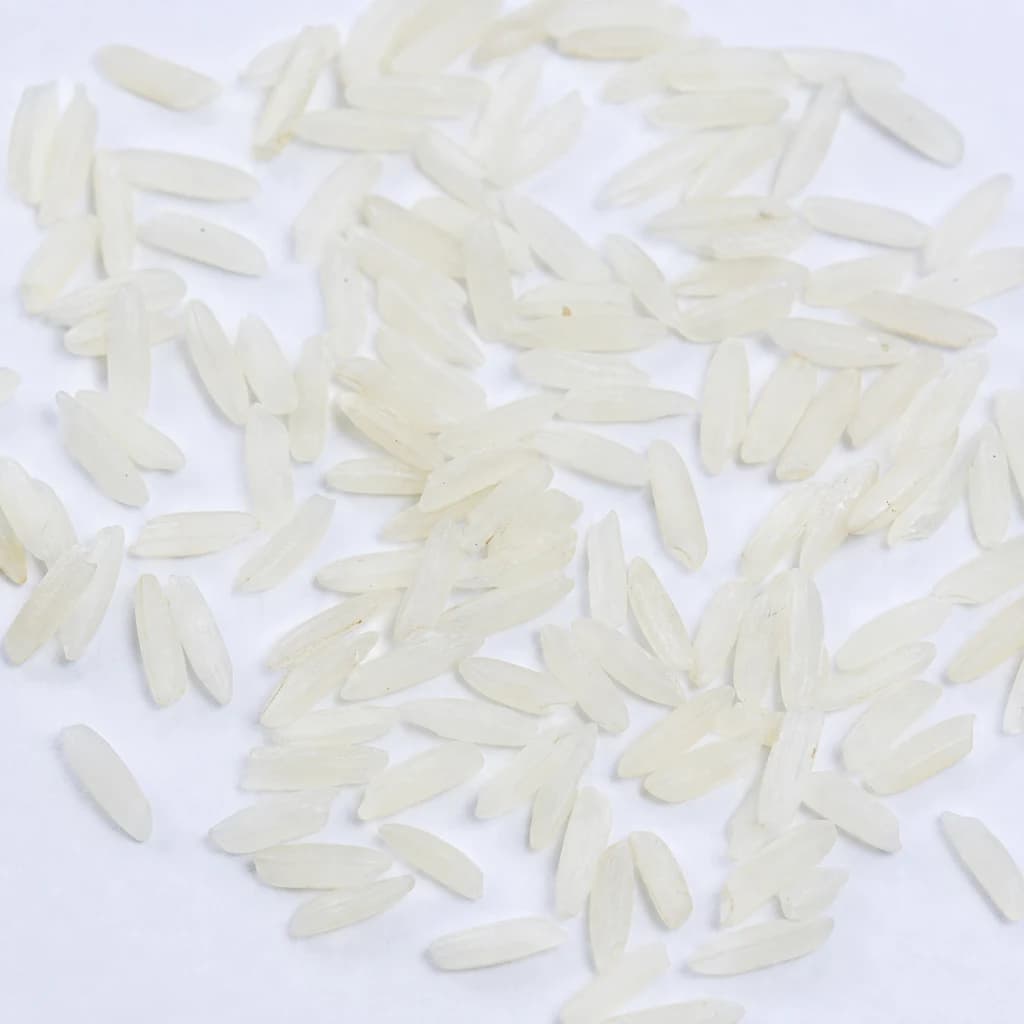
Jasmine Rice
Soft, floral-scented rice that's the pillar of Thai meals
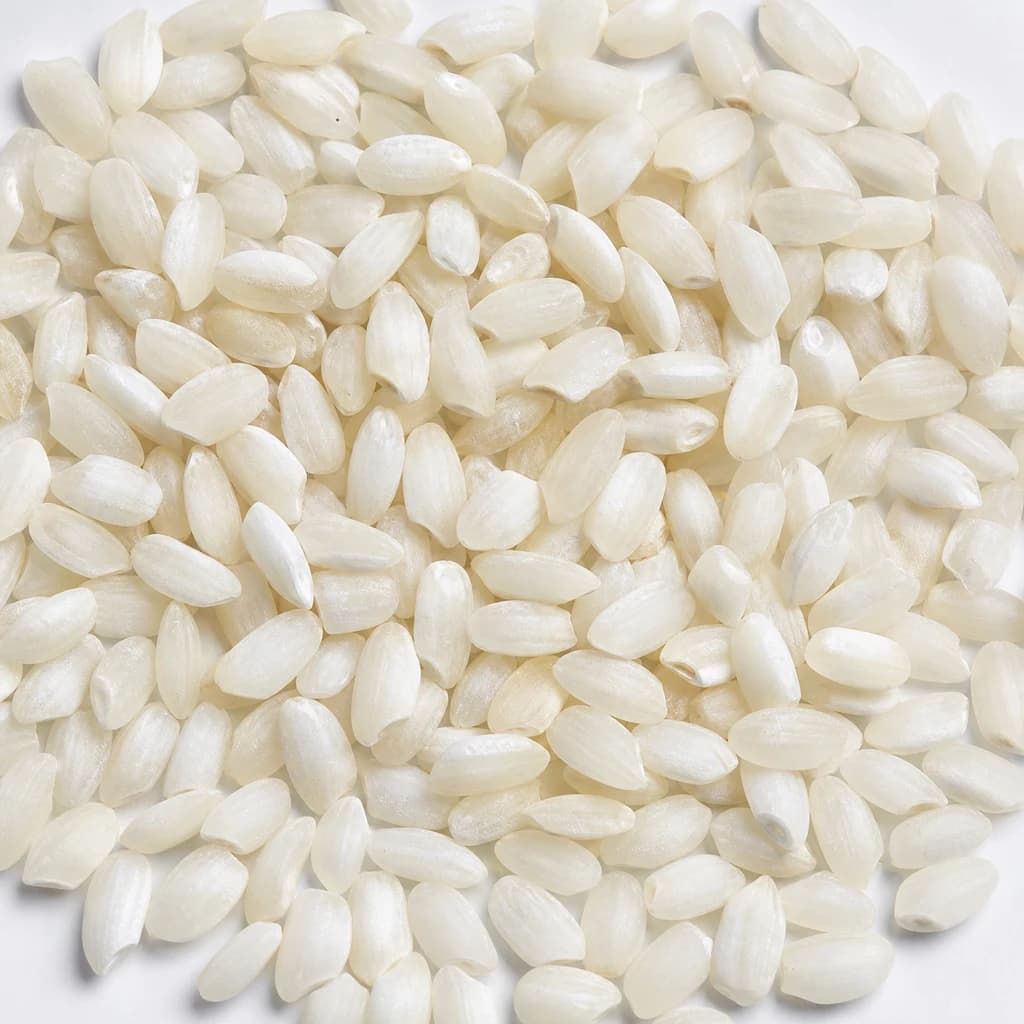
Arborio Rice
Plump, starchy rice that makes risotto creamy
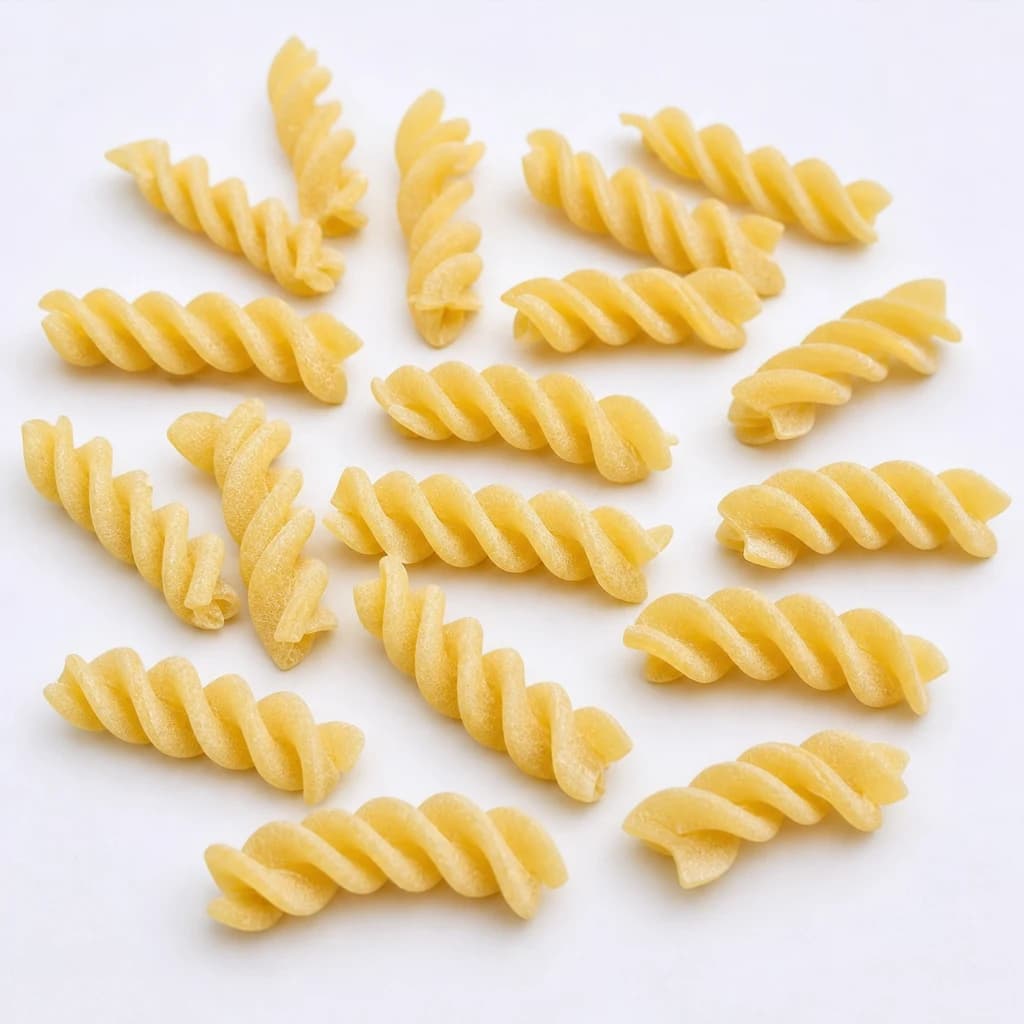
Fusilli
Spiraled pasta that twirls up sauce and dresses cold salads
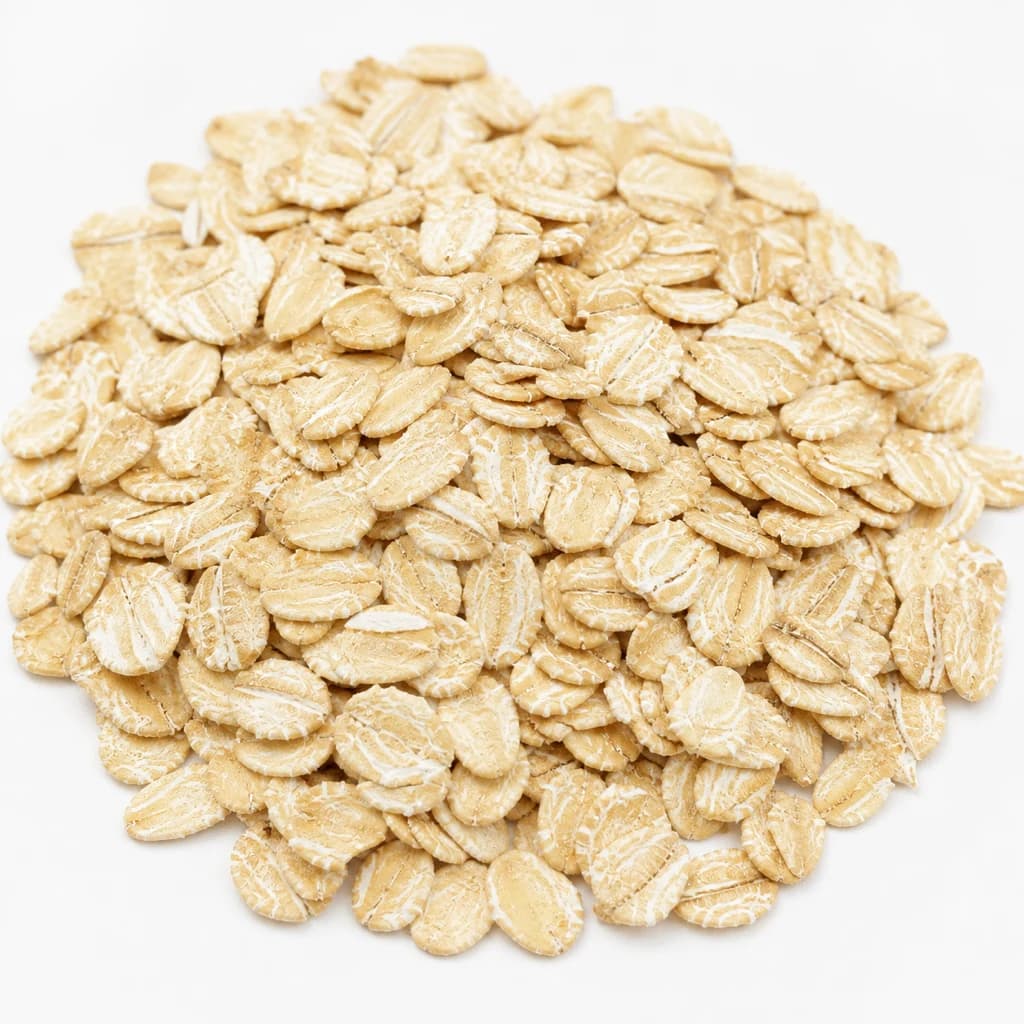
Rolled Oats
Hearty flakes for porridge, granola, and chewy cookies