Grains & Rice
Laffa
Large, soft Middle Eastern flatbread baked on a domed oven, used to wrap shawarma and falafel.
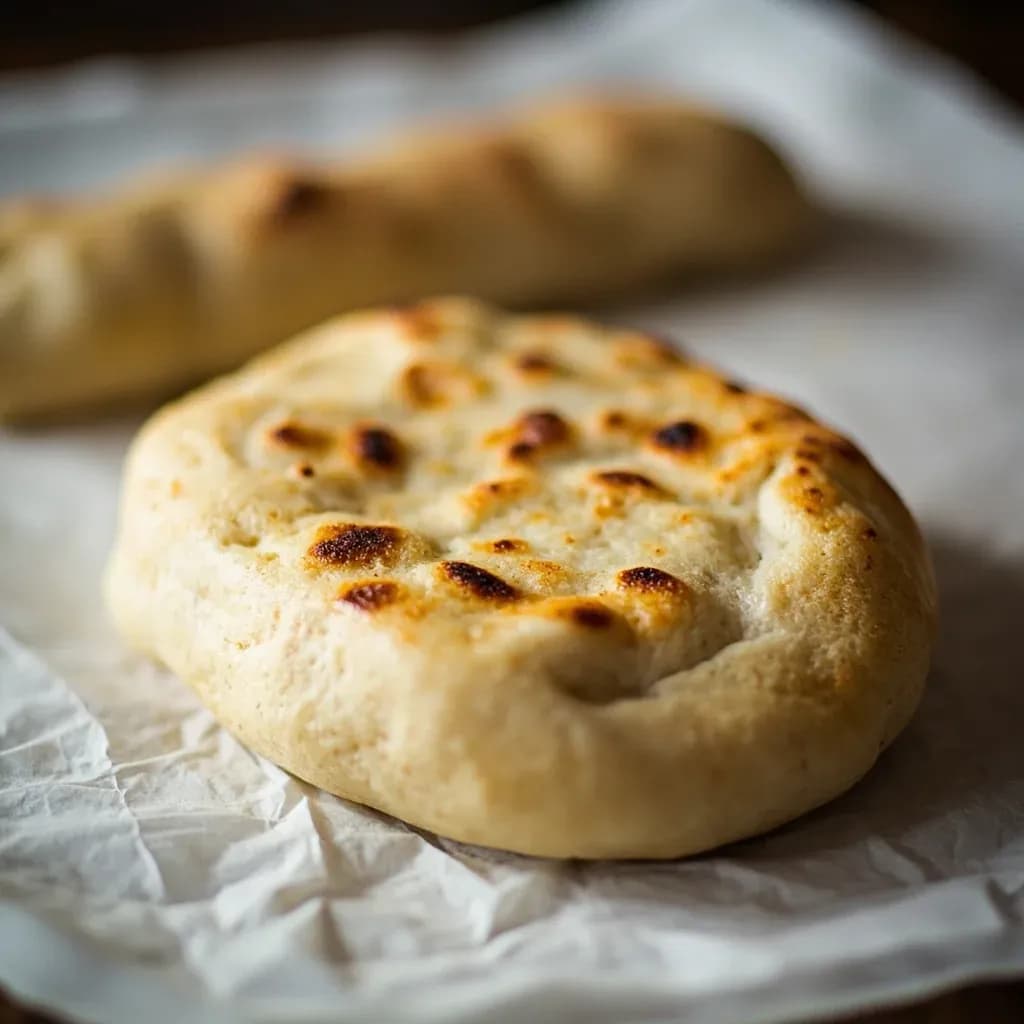
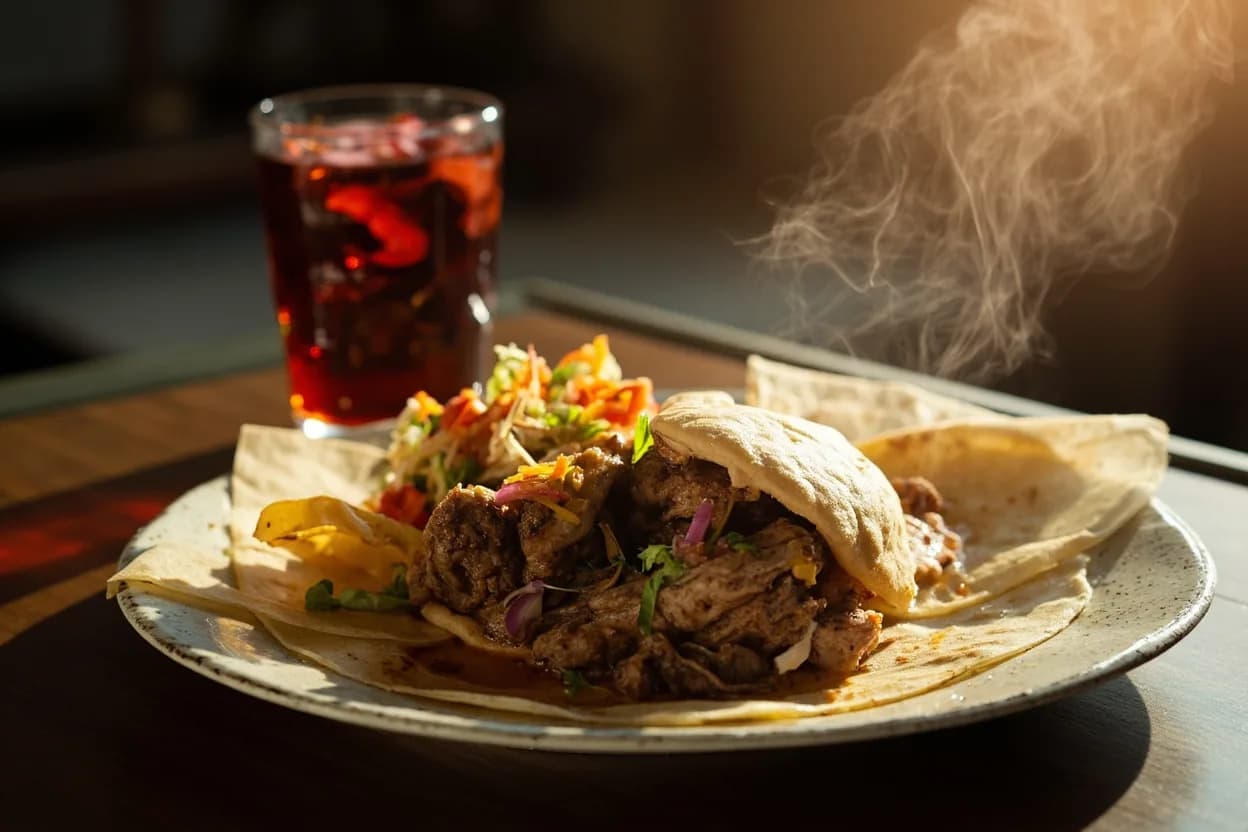
Laffa is a thin, pliable Iraqi-style flatbread traditionally slapped onto the wall of a taboon or saj oven so it puffs and chars. Larger and softer than pita with no pocket, it is the classic wrap for shawarma, falafel, and grilled meats across Israeli and Iraqi cooking. Its supple texture comes from a high-hydration wheat dough baked hot and fast.
Laffa is a large, soft Middle Eastern flatbread originating from Iraq and western Iran, distinguished by its method of preparation: it cooks entirely by direct contact with a hot surface—a domed clay oven (tandoor) or convex griddle (saj)—never steamed or enclosed. This direct-heat baking produces the bread's signature soft, pliable texture with characteristic slightly charred spots, and creates a single thin layer that folds without cracking. The dough contains no oil, relying instead on high hydration (60–70%) and the steam generated during baking for its tenderness. Laffa is sized at 12–18 inches (30–46 cm) diameter when opened, making it the ideal wrapper for generous portions of shawarma, falafel, and grilled meats—a staple of street food across Iraq, Iran, Israel, and the Palestinian territories.
The name derives from the Arabic "luf" or "laf," referring to the folding or wrapping action central to its use. In Israel and the Palestinian territories, laffa became a defining street-food staple after Iraqi Jewish immigration in the 1950s, and it remains the canonical bread for shawarma throughout the region. Fresh laffa is best used the same day; it stays pliable for hours when wrapped immediately in a clean cloth, and it freezes well for up to a month. When slightly dried, it develops a pleasant chew that many prefer for certain applications.
Laffa differs from Greek-style pita in both construction and cooking method. Where pita puffs into a hollow pocket through steam trapped in a closed oven, laffa stays single-layered and flat, developing its softness through the steam released from the high-hydration dough itself as it contacts the hot surface. This difference matters in the kitchen: laffa folds; pita tears if you try to fold it.
- Measured in
- piece
- Storage
- Pantry
Allergens
Types & varieties
Traditional large format, thinner than pita, single layer throughout
May incorporate whole wheat; baked on hot stones
Individual portions, common in Israeli shawarma shops
Why No Oil? The Hydration Equation
Laffa dough contains no added fat—a deliberate choice that distinguishes it from many other flatbreads. The softness comes entirely from high water content (60–70% hydration) and the steam generated during baking. When the dough hits the hot surface, its moisture flashes to steam, puffing the bread slightly and creating a tender crumb. Oil would coat the gluten strands and actually interfere with this process, producing a denser, less pliable result. If your laffa tears when folded, the problem is almost certainly insufficient hydration or overworked dough, not missing fat.
- A stiff dough produces a bread that tears rather than folds
- The dough should feel soft and slightly tacky—resist adding flour while shaping
- High hydration is what makes laffa foldable; oil would work against this
Common uses
Tips & pitfalls
- Always wrap finished bread in a clean cloth immediately—this steam-trap keeps it soft and pliable for hours.
- If the bread puffs during baking, press it flat with a clean cloth immediately; a fully puffed laffa is overbaked and will be crispy rather than foldable.
- The dough should be soft and slightly tacky; resist adding too much flour during shaping or the finished bread will be tough.
- For a domed oven, slap the dough directly against the oven wall—it should adhere briefly before sliding off cooked.
- On a saj or griddle, cook the first side until bubbles form and edges begin to look set, then flip; the second side needs only 30–45 seconds.
- Common mistake: using insufficient hydration. A stiff dough produces a bread that tears rather than folds.
- Do not stack hot laffa without cloth between layers—the trapped steam makes them stick together.
Nutrition
Energy
1113 kJ · per 100 g
Where the calories come from
Protein
12.5g
25% DV
Carbs
47.1g
17% DV
Fat
3.1g
4% DV
Fiber
6.3g
23% DV
Sugars
9.4g
of which
Sodium
375mg
16% DV
Source · USDA FoodData Central · approx. Bread, potato
View on FDC →In the shops
Matched grocery products
No matched grocery products for Laffa yet.
Good to know
- Origin
- Iraq and western Iran
- Typical Size
- 12–18 inches (30–46 cm) diameter when opened
- Baking Vessel
- Domed clay oven (tandoor) or convex griddle (saj)
- Primary Flour
- Refined white wheat flour, sometimes whole wheat
- Hydration
- High (60–70%), produces soft, pliable dough
- Texture
- Soft and pliable when fresh; develops pleasant chew when slightly dried
- Characteristic
- Slightly charred spots from direct oven contact
- Storage
- Room temperature wrapped, 1–2 days; freezes well up to 1 month
Substitutes
- Iraqi Pita (Khubuz) — Smaller and double-layered, but workable; tear and layer two for wraps
- Lebanese Saj Bread — Nearly identical process and result; often the same dough
- Turkish Lavaş — Similar thin, soft flatbread; baked on a saj equivalent
- Persian Barbari — Has a thicker, chewier texture; acceptable but not ideal for wraps
Pairs with
Also called
Iraqi Flatbread · Taboon Bread
Appears in these dishes
Related

White Rice
Fluffy long-grain rice — the neutral base for almost any meal

White Bread
Soft sandwich loaf for toast, sandwiches, and crumbs
Brown Rice
Nutty, whole-grain rice with chew and extra fiber

Basmati Rice
Fragrant, long-grain rice that cooks up light and separate
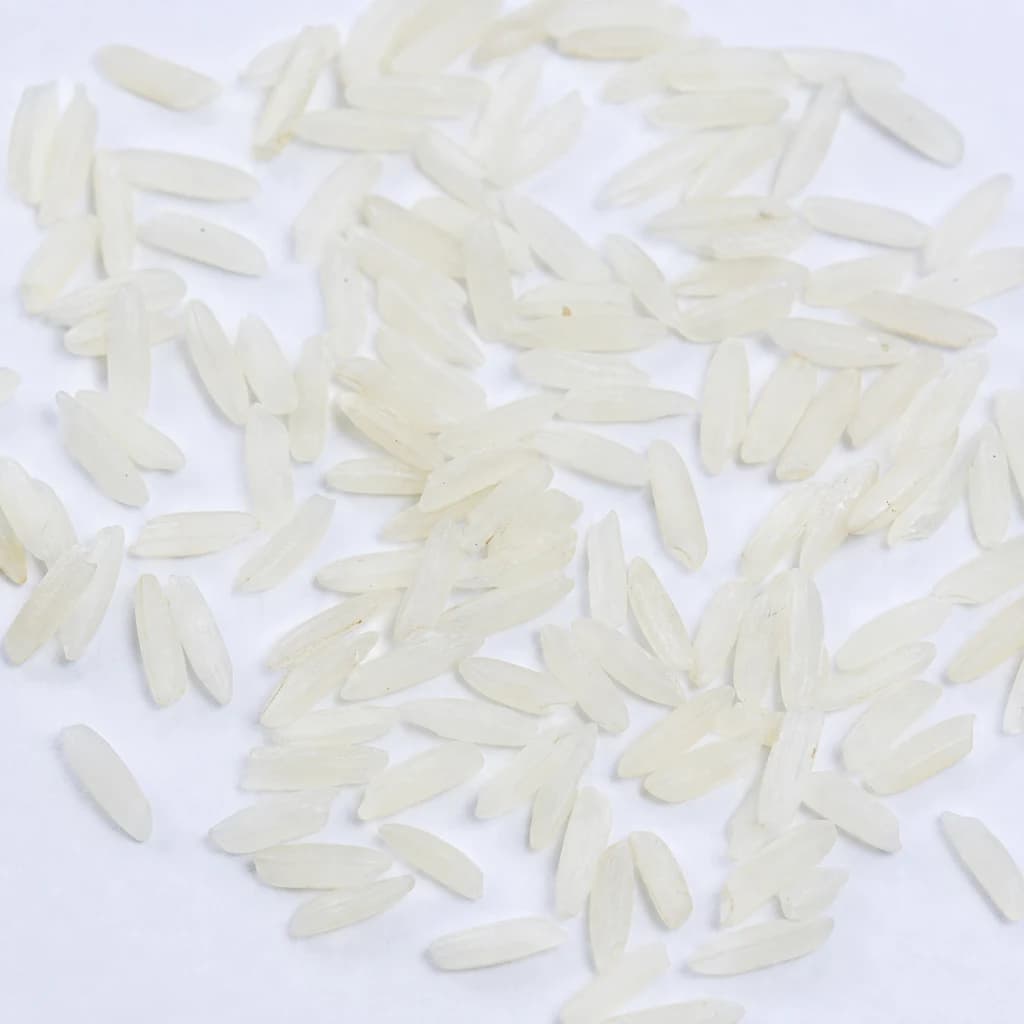
Jasmine Rice
Soft, floral-scented rice that's the pillar of Thai meals
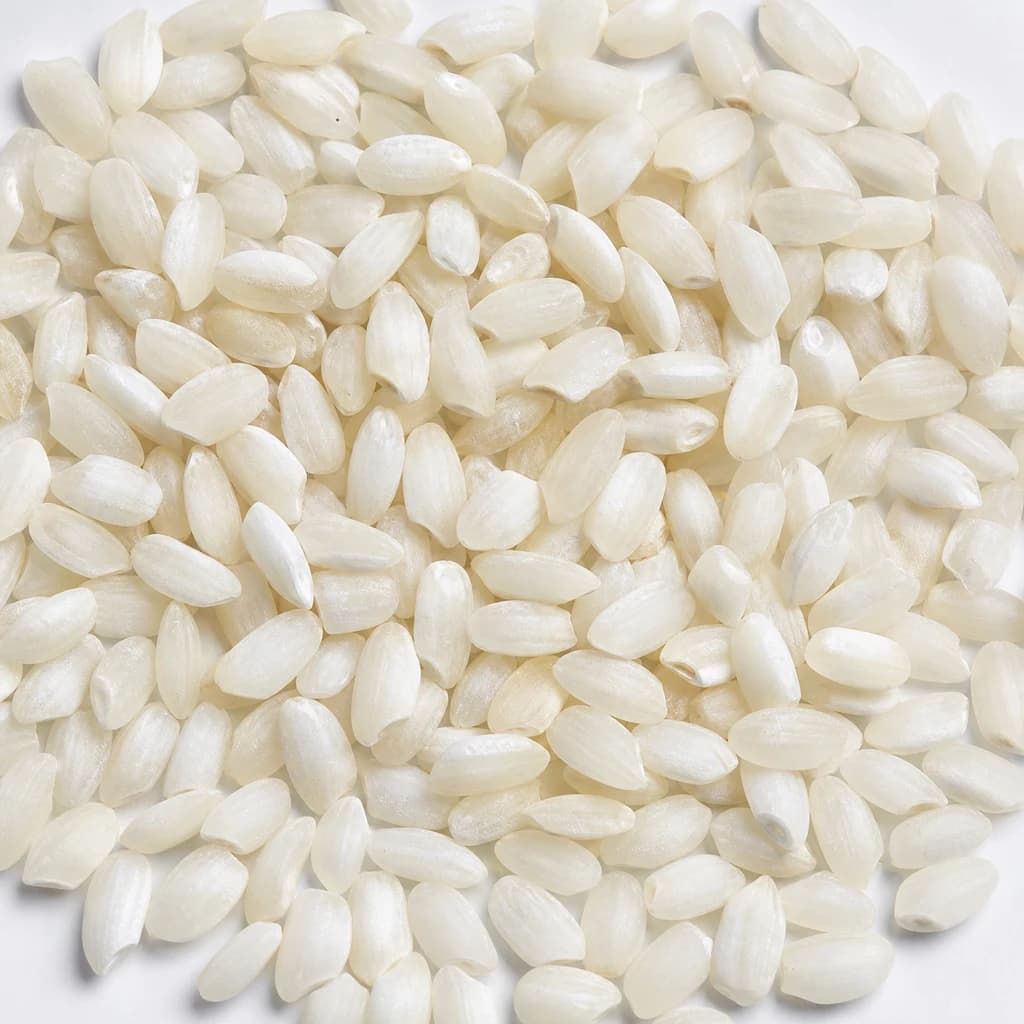
Arborio Rice
Plump, starchy rice that makes risotto creamy
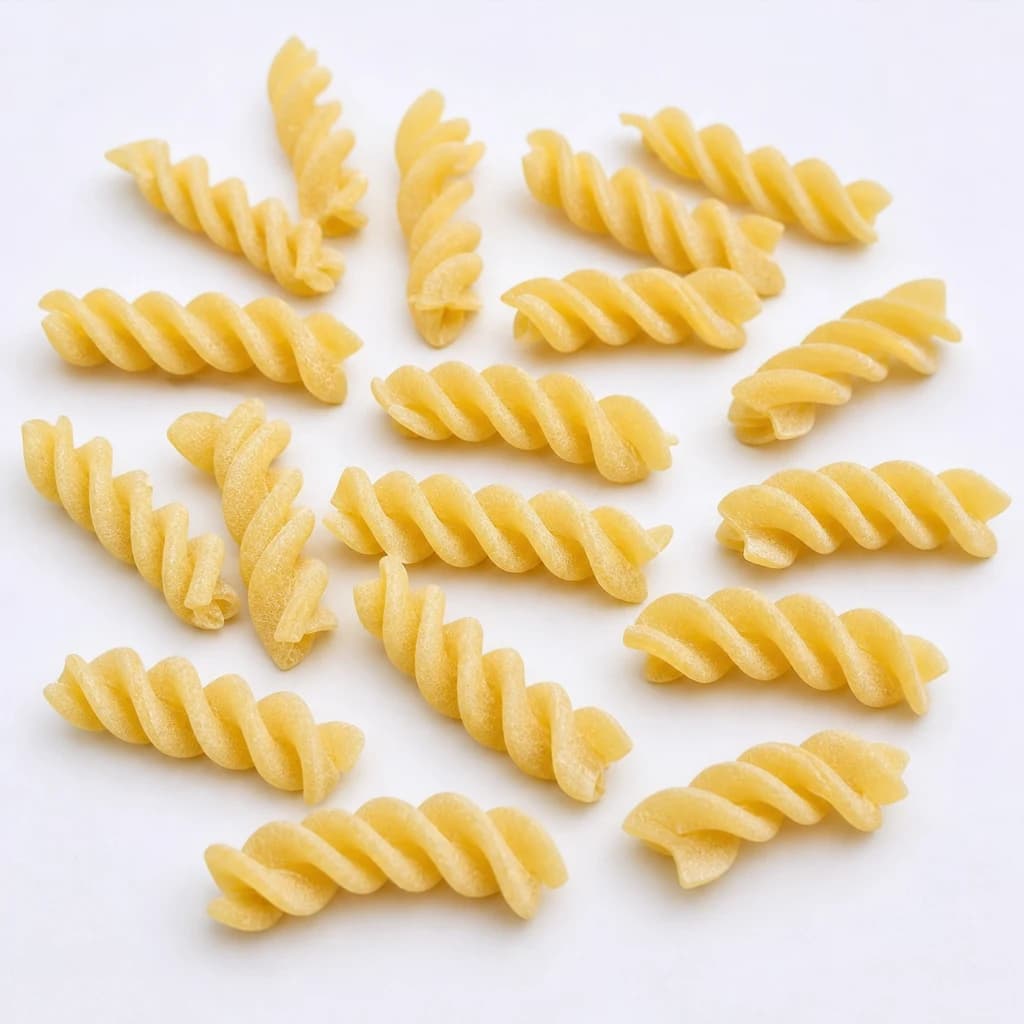
Fusilli
Spiraled pasta that twirls up sauce and dresses cold salads
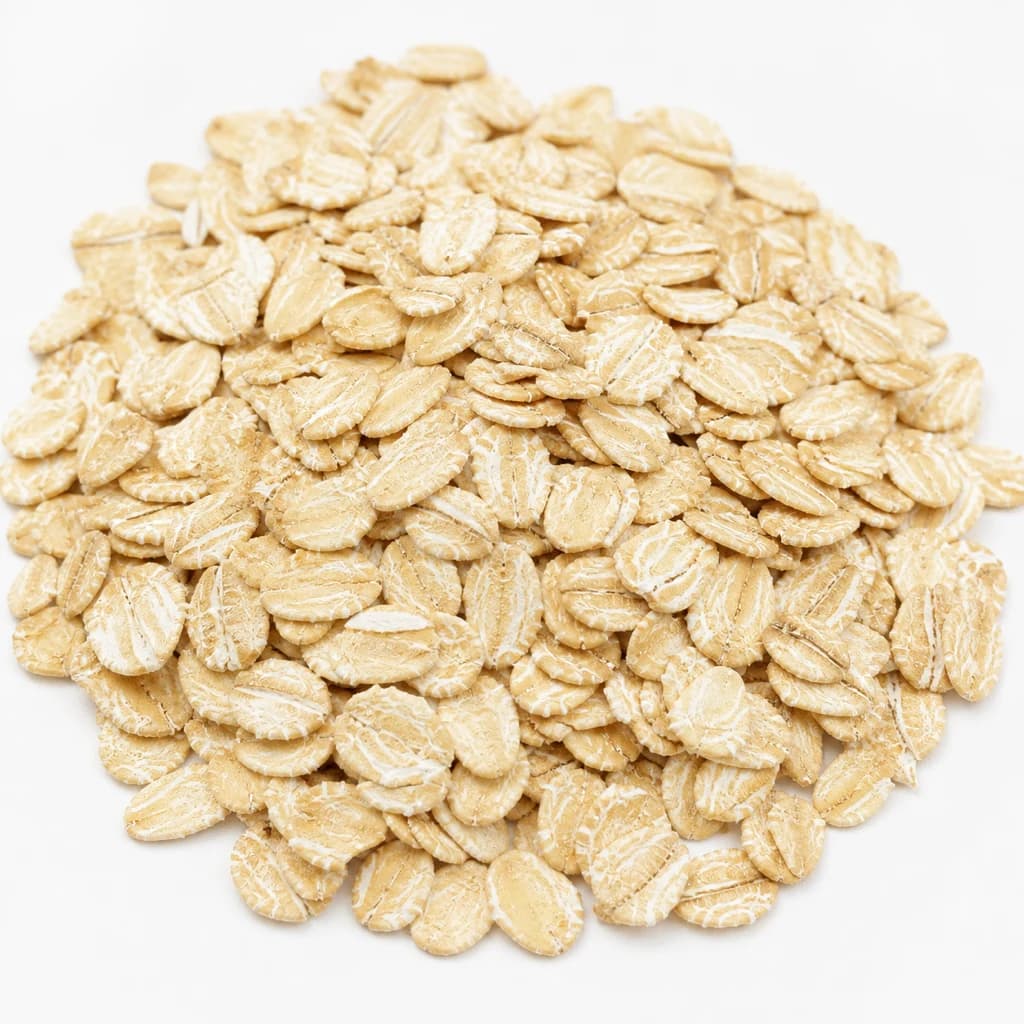
Rolled Oats
Hearty flakes for porridge, granola, and chewy cookies