Grains & Rice
Oil Noodles
Pre-cooked wheat noodles tossed in oil to stay loose, ready for quick Taiwanese stir-fries.
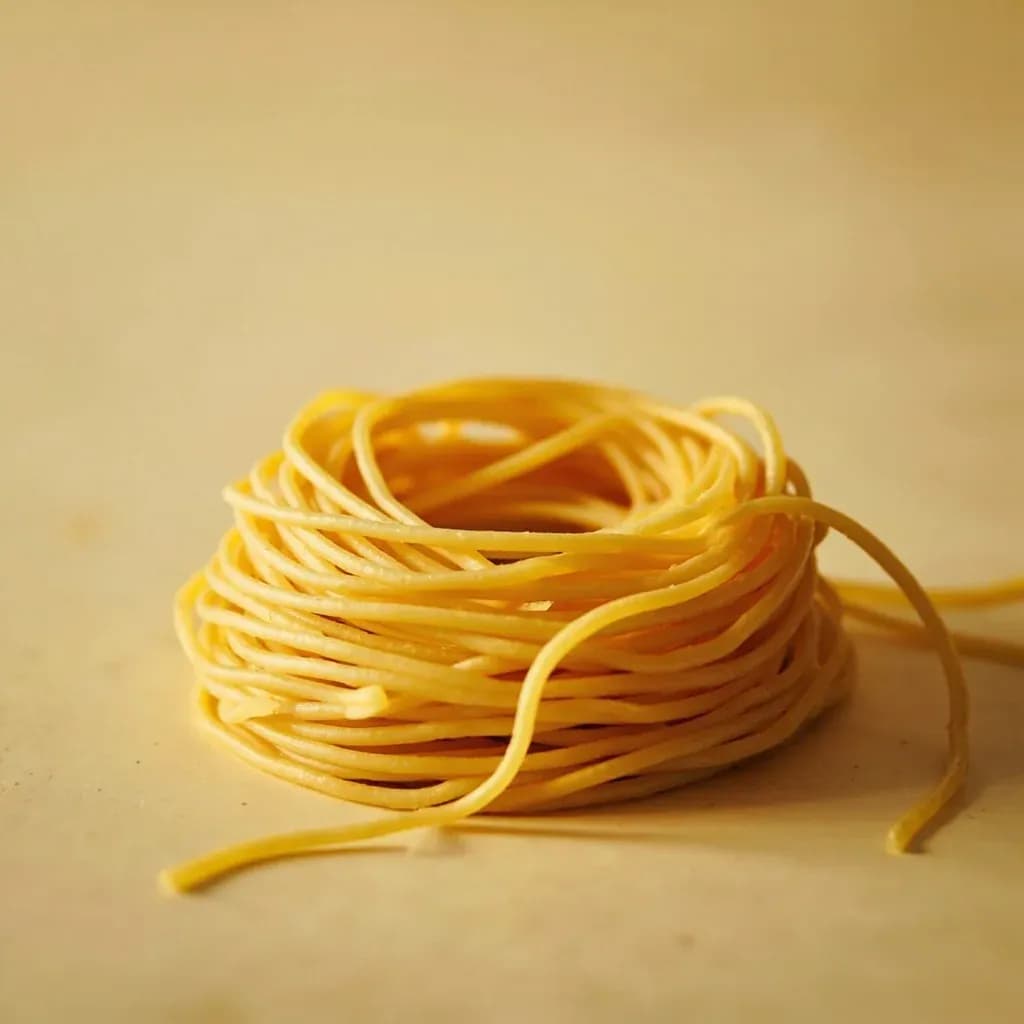
Oil noodles are fresh, par-cooked wheat noodles coated in a thin film of oil so the strands do not stick together. Common in Taiwanese and Cantonese cooking, they only need a brief reheat before being tossed into stir-fries, soups, and dishes like danzai noodles. Their slick coating and springy chew make them a fast weeknight base.
Oil noodles (油面, yóu miàn) are pre-cooked wheat noodles that have been blanched and then tossed in a neutral oil coating. This simple treatment serves two practical purposes: it prevents the cooked noodles from sticking together during storage, and it allows them to be reheated or incorporated into dishes with minimal additional fat. The noodles are fully cooked before packaging, so they require only brief blanching or direct stir-frying to finish.
In Taiwanese cuisine, oil noodles are the standard choice for quick stir-fry noodle dishes served in restaurants and homes alike. The oil coating lets them go from refrigerator to wok to plate in under five minutes, which explains their dominance in fast-casual Taiwanese cooking. The neutral oil—typically canola, soybean, or palm—doesn't add flavor but provides functional benefits: lubrication for easy separation, slight browning capability in hot woks, and resistance to absorbing broth too quickly when used in soups.
The texture of oil noodles is distinct from both dried and fresh-uncooked noodles. They have a springy, slightly chewy bite that holds up well under high heat and doesn't turn mushy in broth if added just before serving. This is achieved through the initial cooking and oil-tossing process at the factory. Oil noodles are distinct from dan dan noodles (担担面), which are a specific dish with sauce, and from plain fresh noodles—the oil coating is functional, not decorative.
- Measured in
- g
- Storage
- Fridge
Allergens
Types & varieties
Similar to fine lo mein; used for soups and lighter stir-fries
Versatile; the standard choice for most Taiwanese stir-fry noodle dishes
Less common; holds more sauce; used in specific regional preparations
Buying and Storing
Find oil noodles in the refrigerated section of Asian grocery stores, often sold in flat bundles or loose hanks. Check the ingredient list for the specific oil used if you have allergies or preferences. Avoid any package with visible moisture, off-odor, or bulging—these indicate spoilage. Once home, use within 5–7 days and keep refrigerated in their original packaging or a sealed container. Never freeze oil noodles; the oil coating will turn rancid and the noodles will become brittle and unusable.
- Look for firm, separated strands without clumping in the package
- Avoid packages past their sell-by date—these deteriorate rapidly
- Store in the coldest part of the refrigerator, not the door
Blanching vs. Direct Stir-Frying
Oil noodles can be handled two ways depending on your dish. Blanching (30–45 seconds in boiling water) is best when you want clean, separate noodles ready for a sauce toss or when adding to soup. Drain thoroughly and shake out excess water. Direct stir-frying works when you want slightly charred, smoky flavor—toss the noodles into a very hot wok with aromatics and let them hit the surface directly. Both methods work; blanching gives you more control, while direct stir-frying is faster but requires confident wok technique.
- Blanched noodles should be used immediately after draining
- Direct stir-frying works best with slightly damp noodles from the package
- If using blanched noodles for stir-fry, toss them in the wok over high heat for 1–2 minutes after blanching
Common uses
Tips & pitfalls
- Always check the sell-by date—these are highly perishable and deteriorate quickly, developing off-flavors and mushy texture
- When blanching before stir-frying, 30–45 seconds is sufficient; they are already cooked and further time makes them mushy
- Do not add oil to the wok before stir-frying—the noodles already have oil; add other fats only for protein searing or aromatics
- Work over highest heat and toss constantly—the goal is slight char without overcooking
- If noodles clump in the package, separate them under running cold water before cooking, then drain thoroughly
- Season carefully—the noodles themselves may contain salt from processing; taste before adding more soy sauce or salt
- For soups, add noodles last and serve immediately to prevent them from absorbing all the broth and becoming mushy
- If substituting dried noodles, cook them to just under al dente before using, as they will finish cooking in the dish
- Common mistake: overcrowding the wok—work in batches if needed to maintain high heat and prevent steaming
Nutrition
Energy
1971 kJ · per 100 g
Where the calories come from
Protein
10.9g
22% DV
Carbs
63.6g
23% DV
Fat
21.2g
27% DV
Fiber
6.7g
24% DV
Sugars
0g
of which
Sodium
866mg
38% DV
Source · USDA FoodData Central · approx. Noodles, chinese, chow mein
View on FDC →In the shops
Matched grocery products
No matched grocery products for Oil Noodles yet.
Good to know
- Alternate names
- 油面 (Yóu miàn), oiled noodles, Taiwanese oil noodles, pre-oiled fresh noodles
- Type
- Fresh pre-cooked wheat noodles with neutral oil coating
- Origin
- Chinese and Taiwanese noodle tradition; standard in Taiwanese cuisine
- Primary use
- Quick stir-frying and soups; ready in under 5 minutes from package
- Shelf life
- Refrigerated: 5–7 days; do not freeze—oil coating degrades and noodles deteriorate
- Ready to cook
- Yes—noodles are pre-cooked; blanch 30–45 seconds or stir-fry directly
- Typical texture
- Springy, slightly chewy; maintains firm structure under high heat
- Available forms
- Thin (vermicelli-style), medium, and wide wheat noodles pre-tossed in neutral oil
Substitutes
- Fresh lo mein noodles — Nearly identical texture; toss with 1 tsp neutral oil per serving if not pre-oiled
- Fresh chow mein noodles — Slightly firmer; good for high-heat stir-frying; recommended oil toss before cooking
- Fresh ramen noodles — Acceptable substitute; may be egg-enriched, adding richer flavor
- Cooked soba noodles (Japan) — Different grain (buckwheat-wheat blend); more fragile; use gently for cold dishes only
- Cooked udon noodles (Japan) — Thicker and chewier; works for soups but not traditional for Taiwanese stir-fry style
Pairs with
Also called
油麵 · Yellow Oil Noodles · Yóu Miàn
Related

White Rice
Fluffy long-grain rice — the neutral base for almost any meal

White Bread
Soft sandwich loaf for toast, sandwiches, and crumbs
Brown Rice
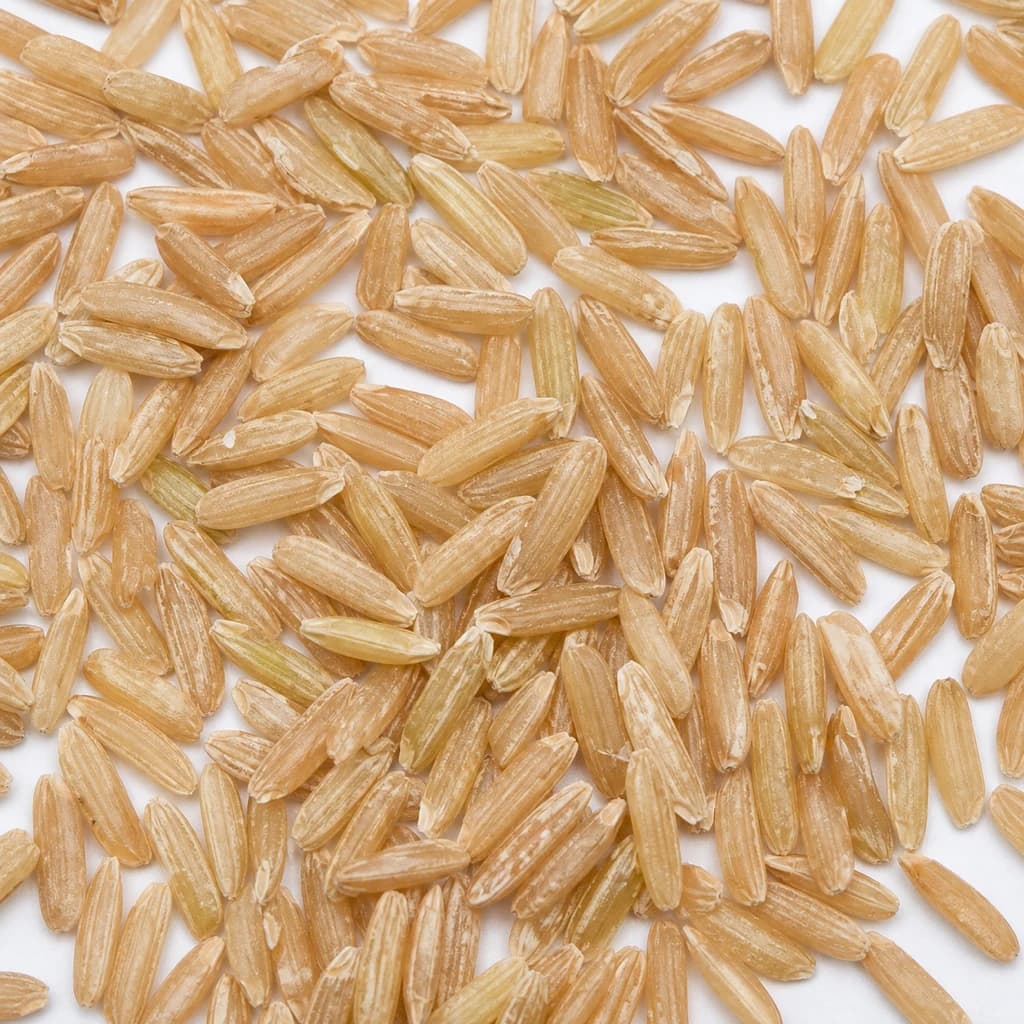
Nutty, whole-grain rice with chew and extra fiber

Basmati Rice
Fragrant, long-grain rice that cooks up light and separate
Jasmine Rice
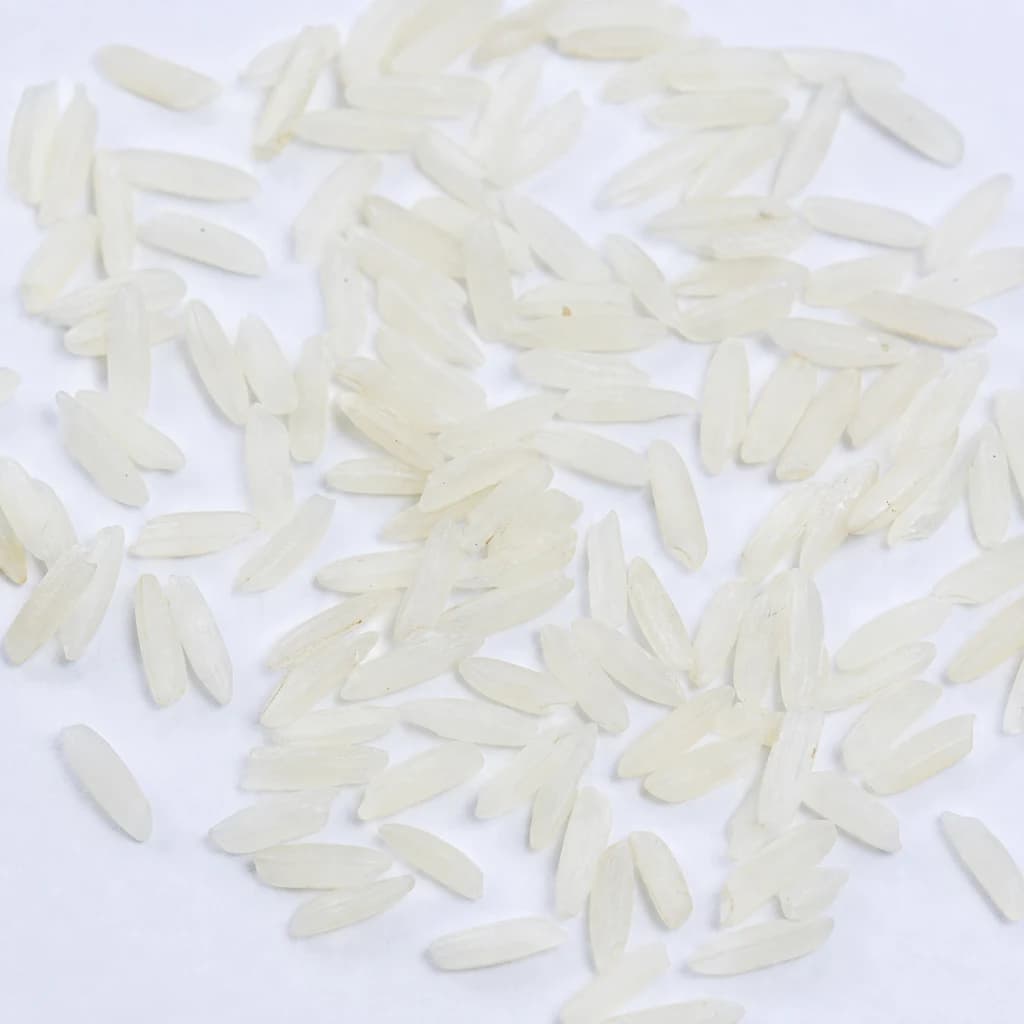
Soft, floral-scented rice that's the pillar of Thai meals
Arborio Rice
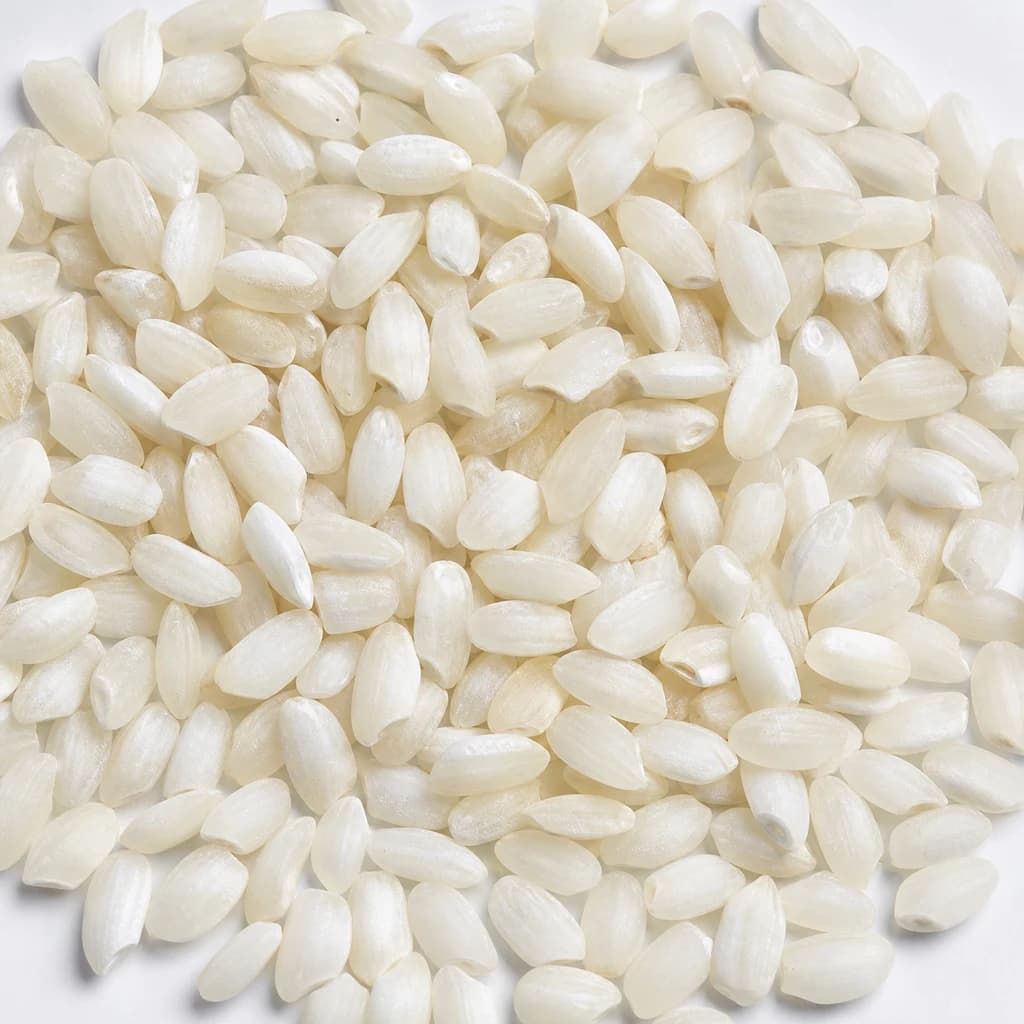
Plump, starchy rice that makes risotto creamy
Fusilli
Spiraled pasta that twirls up sauce and dresses cold salads
Rolled Oats
Hearty flakes for porridge, granola, and chewy cookies