Grains & Rice
Pilsner Malt
Very pale, lightly kilned base malt giving lagers a crisp, clean grainy flavor.
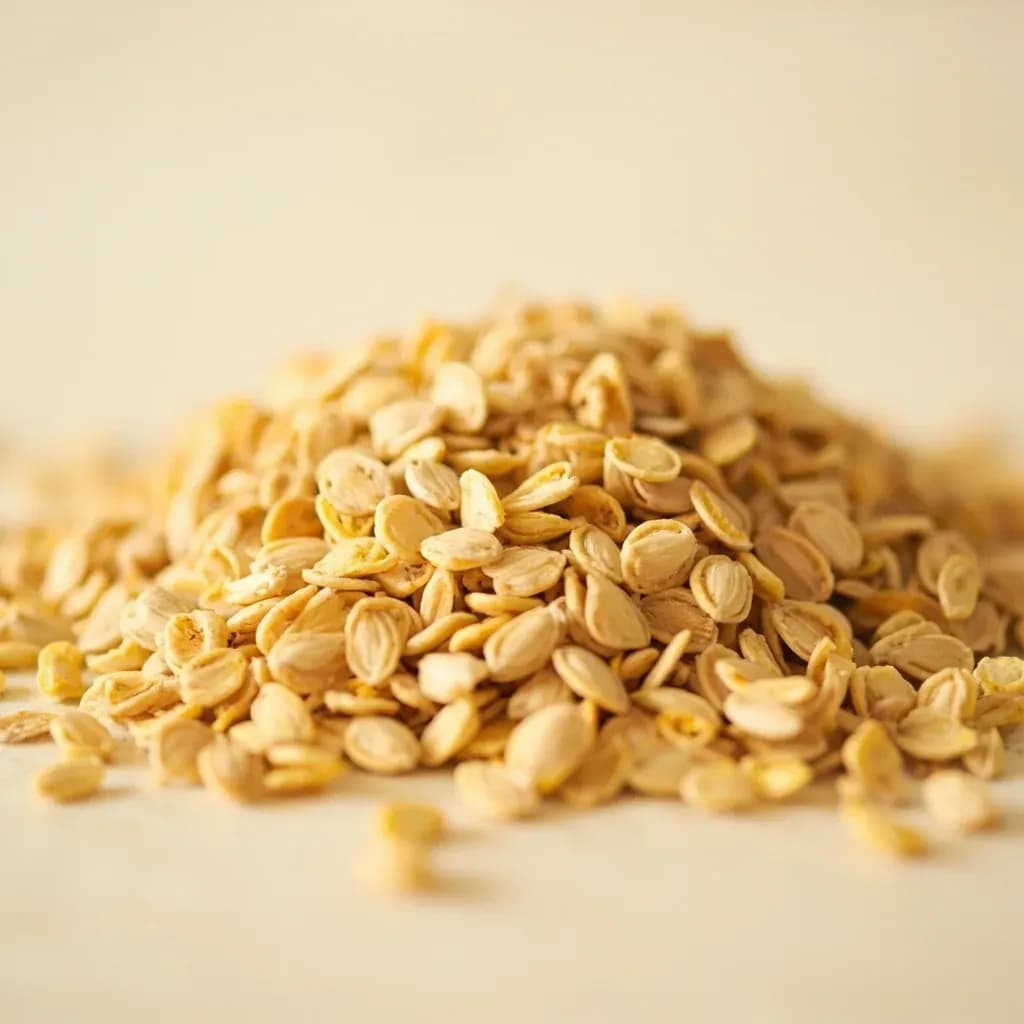
Pilsner malt is a pale base barley malt kilned at low temperatures, producing the lightest color and a delicate, honeyed-grain flavor. It is the foundation of pilsners, lagers, and many Belgian ales, prized for its clean profile. Its low kilning preserves the enzymes and pale hue brewers rely on.
Pilsner malt is a two-row barley base malt distinguished by its extremely low kilning temperature—typically 80–85°C—which keeps its color to a mere 1.5–2.5°Lovibond while preserving robust enzymatic activity. This pale grain forms the backbone of the pale lager style it spawned: when brewers at the Bürgbräu (Burgher Brewery) in Plzeň combined it with the city's famously soft water in 1842, the result was Pilsner Urquell, a beer of startling clarity and delicacy that redefined what lager could be. The malt's high extract yield (80–83%) and moderate-to-high diastatic power mean it can convert itself during mashing, making it reliable and flexible in the brewhouse. Its flavor profile is clean and grainy with subtle sweetness—nothing dominates, which is precisely the point. Beyond brewing, pilsner malt is occasionally ground into a fine meal for specialty breads and crackers, where it imparts a light graham-cracker-like sweetness without darkening the crumb.
- Measured in
- g
- Storage
- Pantry
Allergens
Types & varieties
Traditional style from Moravian barley; often considered the benchmark; slightly more malty character
Made from German barley varieties; cleaner, crisper profile; widely available from producers like Weyermann and Bestmalz
Traditional method where barley is spread on malting floors; more labor-intensive; claimed to offer superior flavor development
Why Soft Water Made All the Difference
The original Pilsner Urquell's breakthrough was not malt alone but malt plus the naturally soft water of Plzeň. Hard water, high in calcium carbonate, buffers acidity and clouds the delicate malt character. The soft local water allowed the grain's subtle grainy sweetness to shine unobstructed, delivering that crisp, clean finish that defines the style. When brewing with harder water, adjust your water chemistry to avoid masking pilsner malt's subtlety.
- Use low alkalinity water (under 50 ppm CaCO₃) for truest expression
- Add lactic or phosphoric acid to drop pH if your water is naturally hard
- Even small additions of dark malt will overwhelm the delicate character
Pilsner Malt in the Kitchen
While primarily a brewing grain, pilsner malt has occasional culinary applications. Ground finely, it functions as an adjunct flour in certain European bread traditions, contributing mild sweetness and a grain-forward note without darkening the crumb. The spent grain left after brewing—the extracted husk and endosperm—is high in fiber and sometimes incorporated into rustic breads and crackers, though most malty flavor has been extracted and what remains is mostly textural. Treat spent grain as you would bran: add it to bread doughs at 10–20% of flour weight for texture, not flavor.
- Toast raw pilsner malt grist briefly before milling for a nuttier flavor in baking
- Store milled malt meal in the freezer to prevent oxidation of volatile compounds
- Spent grain should be used within 24 hours or dried for longer storage
Common uses
Tips & pitfalls
- Mill grain fresh on the day of brewing; crushed malt loses freshness rapidly due to oxidation of volatile compounds
- Store in a cool (below 10°C), dry location away from direct light; humidity causes mold and caking
- Avoid confusing with Vienna or Munich malts, which are significantly darker and contribute more color and flavor
- For a crisper finished beer, consider a slightly higher kilning temperature variant or blend with a touch of acidulated malt
- When substituting for pale ale malt in recipe formulation, expect slightly less color (1–2 SRM) and a cleaner, less-toasted grain flavor
- Check the crop year; older malt (beyond 12 months) has diminished enzymatic activity and flavor
- Use within one year of purchase for peak performance; even properly stored malt degrades over time
- When grinding at home, aim for a consistent crush—too fine extracts astringency from husks, too coarse wastes extract yield
Nutrition
Nutrition
No USDA FoodData Central match for Pilsner Malt yet. We surface a per-100 g profile once a generic whole-food entry is matched and verified.
In the shops
Matched grocery products
No matched grocery products for Pilsner Malt yet.
Good to know
- Type
- Base malt (two-row barley)
- Color
- 1.5–2.5 °Lovibond (very pale)
- Origin
- Pilsen (Plzeň), Bohemia (now Czech Republic), circa 1842
- Kilning Temperature
- Approximately 80–85°C (lower than pale ale malt)
- Extract Yield
- High, typically 80–83%
- Diastatic Power
- Moderate to high (sufficient for self-conversion)
- Protein Content
- 9.5–11%
- Typical Use Rate
- Up to 100% of grist for pale lagers
- Shelf Life
- At least one year when stored cool, dry, and airtight
Substitutes
- Pale Ale Malt — Closest substitute; expect 1–2 SRM more color and slightly more toasty/biscuity flavor; use 1:1
- Lager Malt — Often synonymous with pilsner malt in German brewing tradition; functionally equivalent in most applications
- Low-Color Munich Malt — Can approximate pilsner malt color but adds slight caramel and bread crust notes; use cautiously (10–20% max)
Pairs with
Also called
Pils Malt · Lager Malt
Appears in these dishes
Related

White Rice
Fluffy long-grain rice — the neutral base for almost any meal

White Bread
Soft sandwich loaf for toast, sandwiches, and crumbs
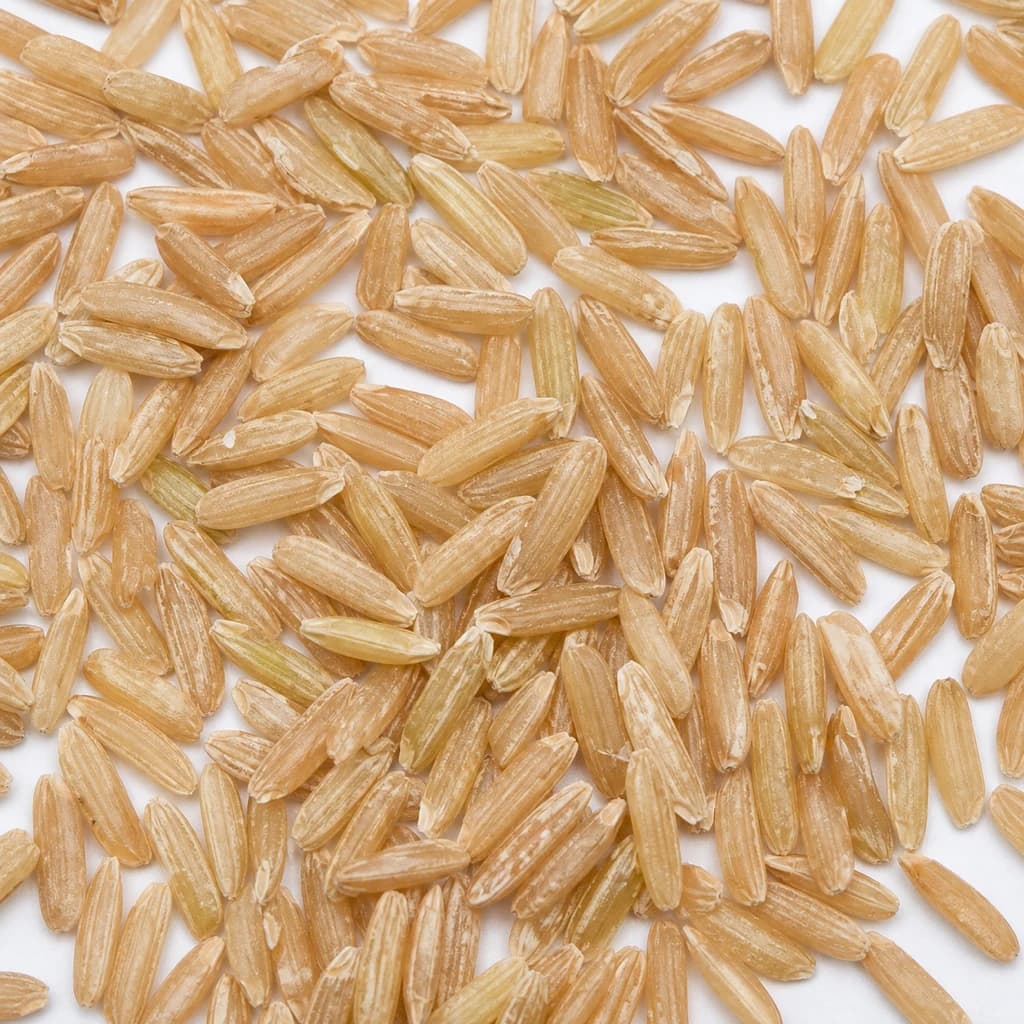
Brown Rice
Nutty, whole-grain rice with chew and extra fiber

Basmati Rice
Fragrant, long-grain rice that cooks up light and separate
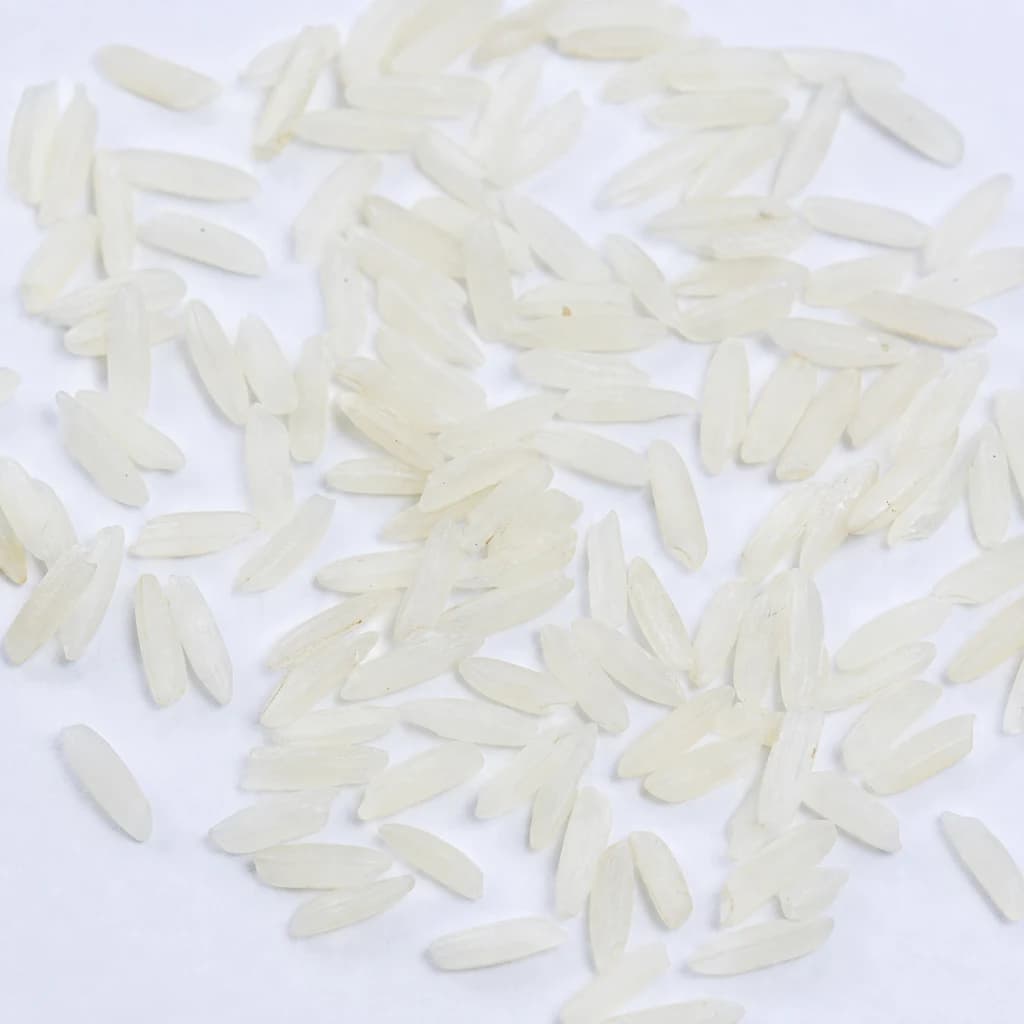
Jasmine Rice
Soft, floral-scented rice that's the pillar of Thai meals
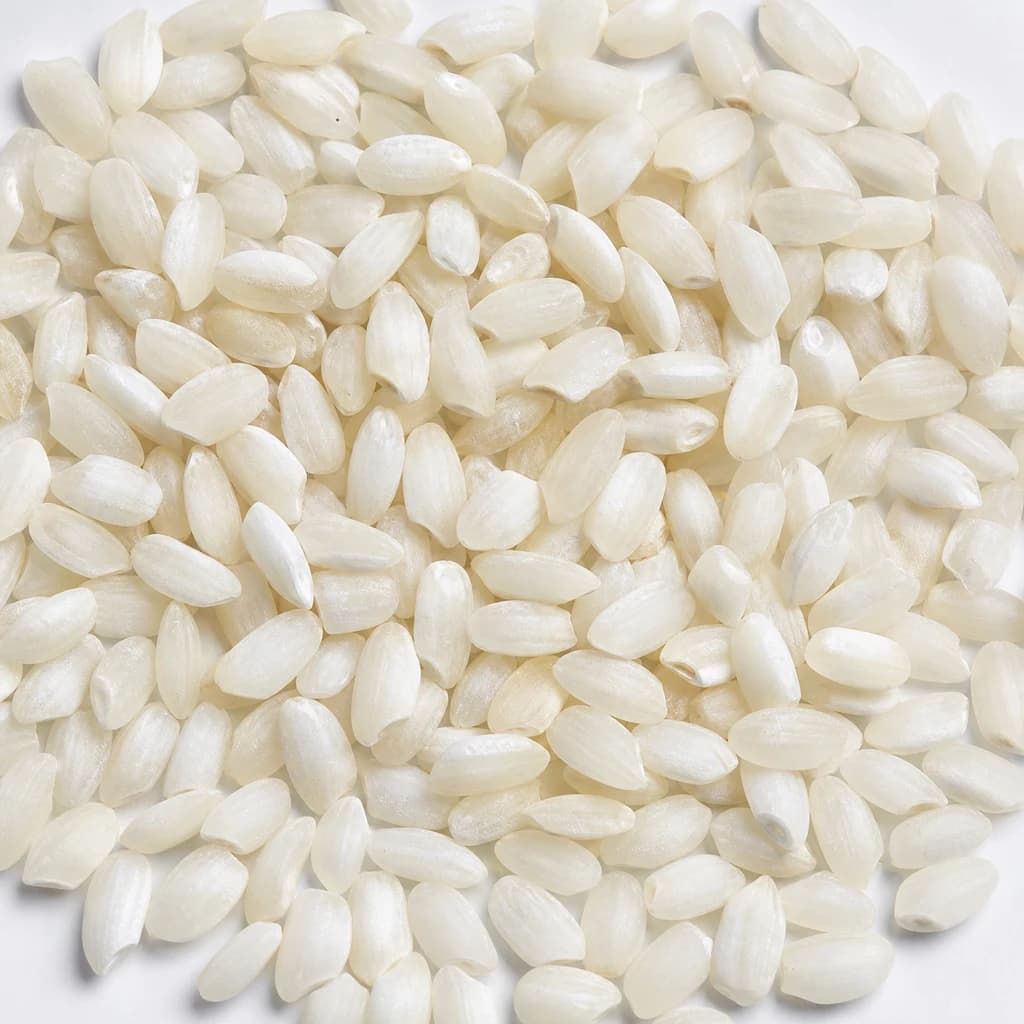
Arborio Rice
Plump, starchy rice that makes risotto creamy
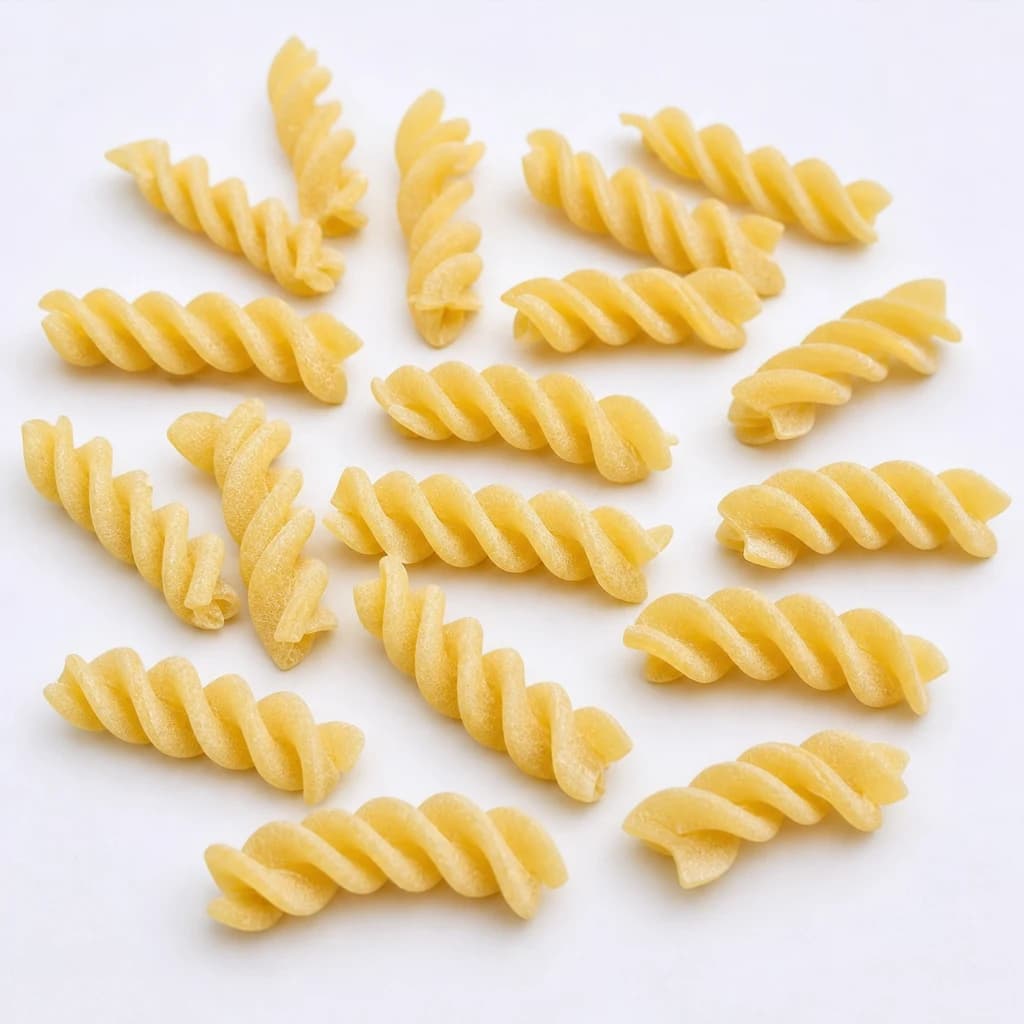
Fusilli
Spiraled pasta that twirls up sauce and dresses cold salads
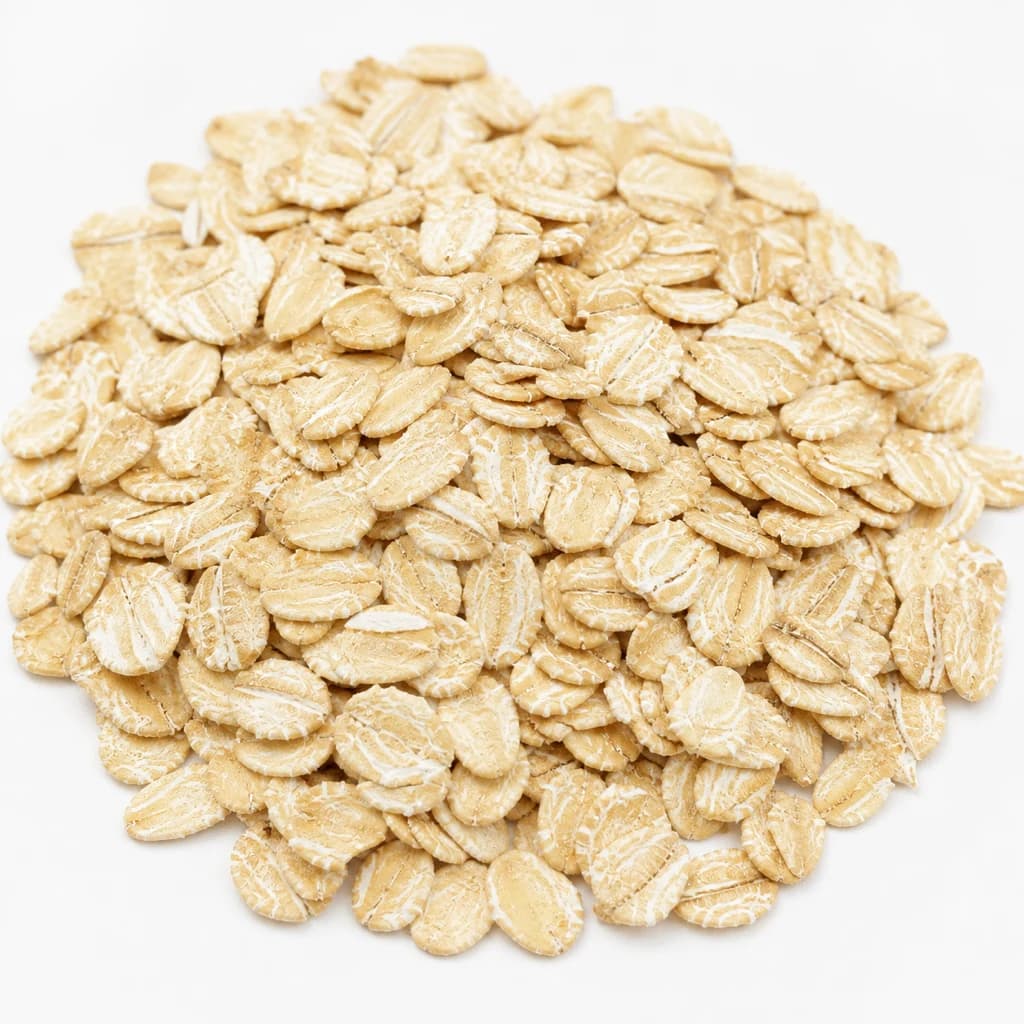
Rolled Oats
Hearty flakes for porridge, granola, and chewy cookies