Grains & Rice
Sona Masoori Rice
A lightweight, aromatic medium-grain South Indian rice for everyday meals.
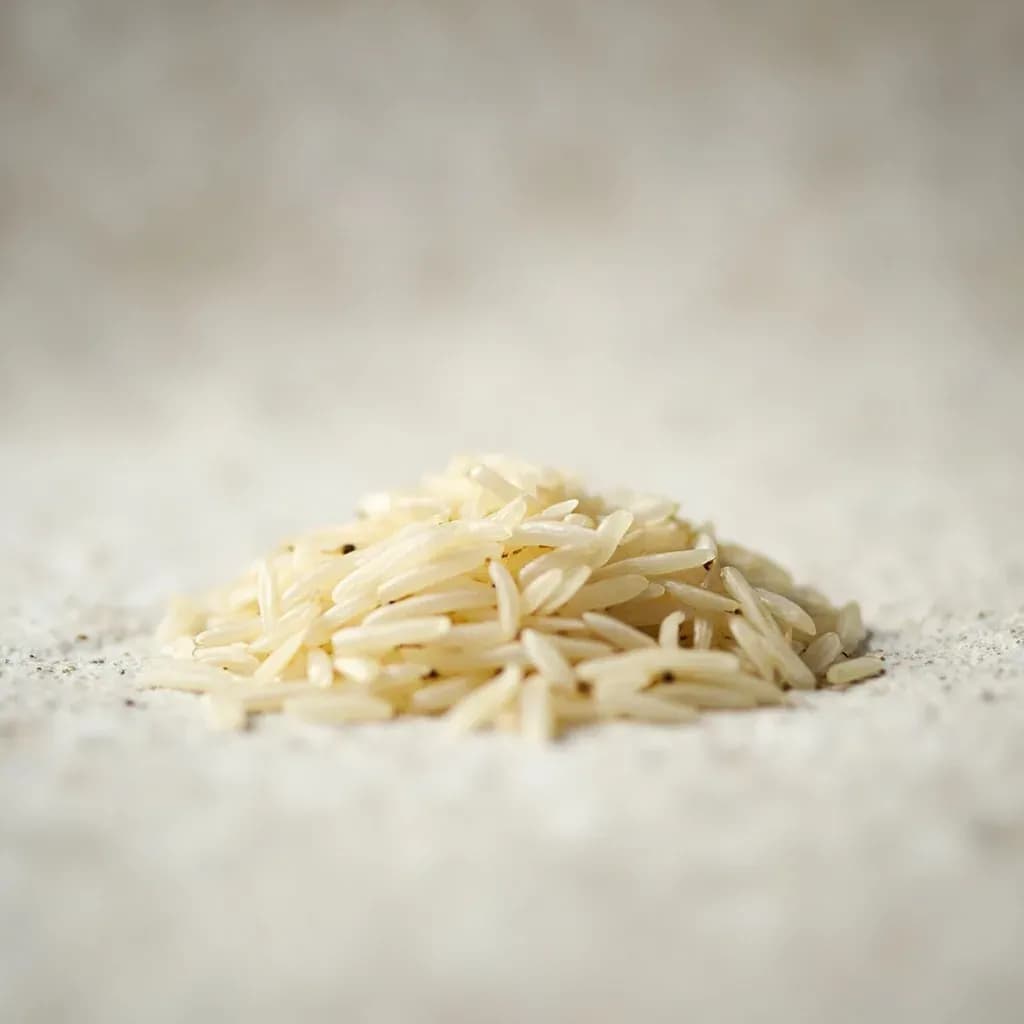
Sona Masoori is a medium-grain, lightly aromatic white rice widely grown in Andhra Pradesh, Karnataka, and Telangana. It cooks up soft and fluffy with separate grains, lower in starch than basmati, making it a staple for daily South Indian meals, biryanis, pongal, and idli batter. It is prized for being easy to digest.
Sona Masoori is the everyday workhorse of South Indian household cooking—a hybrid medium-grain rice developed in Karnataka and Andhra Pradesh in the 1980s–1990s that has become the default choice for daily meals across the region. Unlike the long-grain basmati of North India or the premium Jeeraga Samba reserved for special occasions, Sona Masoori strikes a practical balance: mildly aromatic with a faint sweetness, lighter and less sticky than short-grain varieties, yet soft enough to absorb gravies without falling apart. Its relatively low amylopectin content means it washes off relatively clean during rinsing and cooks to a texture that holds individual grains distinct—a quality that makes it ideal for South Indian cuisine's wet gravies and saucy preparations. The rice is often confused with other regional varieties, but it stands apart as the versatile, affordable staple that anchors meals from Karnataka to Tamil Nadu.
- Measured in
- g
- Storage
- Pantry
Types & varieties
Fewer broken grains, uniform size, cleaner texture when cooked; worth paying slightly more for biryani or when presentation matters
More economical; slightly more broken grains; perfectly adequate for daily cooking and indistinguishable in everyday dishes
Marketed as 'Sona' in Karnataka and 'BPT' derivatives in Andhra Pradesh; essentially the same variety with minor regional cultivation differences—interchangeable in recipes
Buying and Storing
Inspect for minimal broken grains and a clean, uniform white-to-off-white color. Premium grade should have less than 5% broken grains; standard grade tolerates more. The rice should smell faintly sweet—any mustiness or off-odor indicates improper storage and will transfer to your food. Store in airtight containers away from strong-smelling ingredients; this rice absorbs odors readily. For best results, use within 6 months of purchase for optimal flavor and cooking performance.
- Look for uniform white color with minimal discoloration
- Smell before buying—should be faintly sweet, never musty
- Airtight storage prevents odor absorption
- Refrigerate for extended shelf life beyond 12 months
The Water Ratio is Everything
Sona Masoori demands less water than most cooks expect—part of the reason many results turn out mushy. The 1:2 to 1:2.5 ratio (rice to water by volume) accounts for the rice's lower starch content and medium grain size. Standing water above the rice line should be just a fingertip's width when the rice is leveled in the pot. Soaking for 20–30 minutes before cooking reduces breakage, improves texture, and allows you to use the lower end of the water range. If cooking without soaking, move to 1:2.25 or even 1:2.5, but expect slightly softer grains.
- Start with 1:2 ratio for soaked rice
- Increase to 1:2.25 for unsoaked rice
- Too much water is the most common mistake—less is more
Common uses
Tips & pitfalls
- Rinse 2–3 times until water runs nearly clear to remove excess surface starch and dust
- Soak 20–30 minutes before cooking to reduce breakage and improve texture
- Use 1:2 to 1:2.25 water ratio—this rice needs less water than basmati or short-grain varieties
- Cook with a tight-fitting lid on low heat after bringing to boil; or use pressure cooker without whistles for the last 2 minutes
- Fluff with a fork immediately after cooking to release steam and prevent clumping
- Store in airtight containers—this rice absorbs odors readily from surroundings
- Do not over-soak or over-rinse excessively; stripping all surface starch yields too dry a result
- For biryani, age the rice slightly (6+ months) for better integrity and fewer broken grains when cooked
- The most common mistake is using too much water—this rice is not basmati, and excess water produces mushy, clumped results
Nutrition
Energy
1536 kJ · per 100 g
Where the calories come from
Protein
7.5g
15% DV
Carbs
76.3g
28% DV
Fat
3.2g
4% DV
Fiber
3.6g
13% DV
Sugars
0.7g
of which
Sodium
5mg
0% DV
Source · USDA FoodData Central · approx. Rice, brown, long-grain, raw (Includes foods for USDA's Food Distribution Program)
View on FDC →In the shops
Matched grocery products
No matched grocery products for Sona Masoori Rice yet.
Good to know
- Origin
- Karnataka and Andhra Pradesh/Telangana, South India; hybrid developed in the 1980s–1990s
- Grain Type
- Medium-grain (5–6 mm when cooked)
- Aroma
- Mildly aromatic, slightly sweet
- Texture
- Light, less sticky than short-grain varieties; holds shape when cooked properly
- Water Ratio
- 1:2 to 1:2.5 (rice to water)
- Cooking Time
- 15–20 minutes stovetop; 12–15 minutes in pressure cooker
- Shelf Life
- 6–12 months in cool, dry, airtight storage; up to 18 months refrigerated
- Primary Growing Regions
- Raichur, Koppal, and Bellary districts in Karnataka; Andhra Pradesh
Substitutes
- Ponni Rice — Tamil Nadu medium-grain variety; slightly firmer texture but comparable; 1:2 water ratio works similarly—use as a 1:1 substitute in any recipe
- Jeeraga Samba — Premium South Indian rice; more aromatic and thinner-grained; more expensive but works for biryani and fried rice when you want upgraded results
- Basmati (long-grain) — Not ideal—different texture and flavor profile; use only if nothing else is available and accept a different final dish character
- Sella Parboiled Rice — Stays firmer after cooking; requires 1:2.5 water ratio; not traditional for South Indian preparations but functional in a pinch
Pairs with
Also called
Sona Masuri
Related

White Rice
Fluffy long-grain rice — the neutral base for almost any meal

White Bread
Soft sandwich loaf for toast, sandwiches, and crumbs
Brown Rice
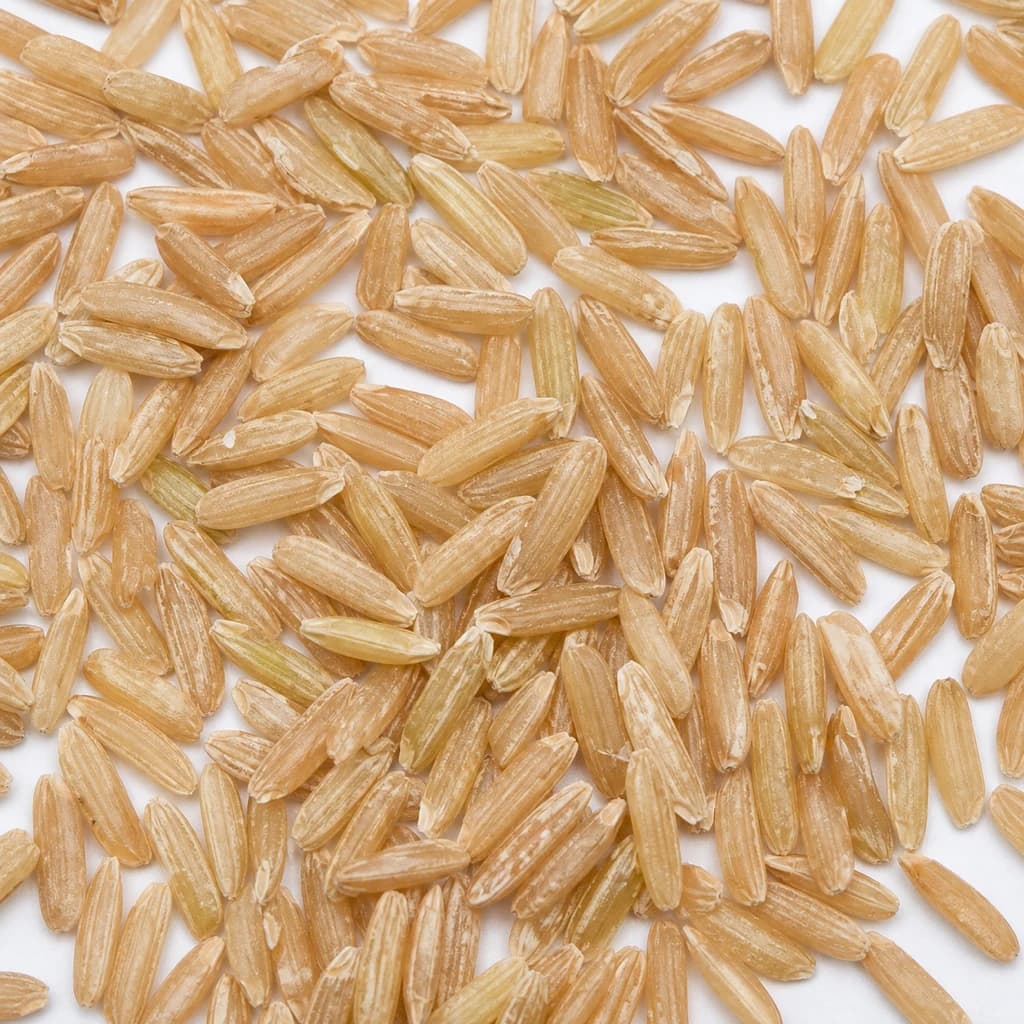
Nutty, whole-grain rice with chew and extra fiber

Basmati Rice
Fragrant, long-grain rice that cooks up light and separate
Jasmine Rice
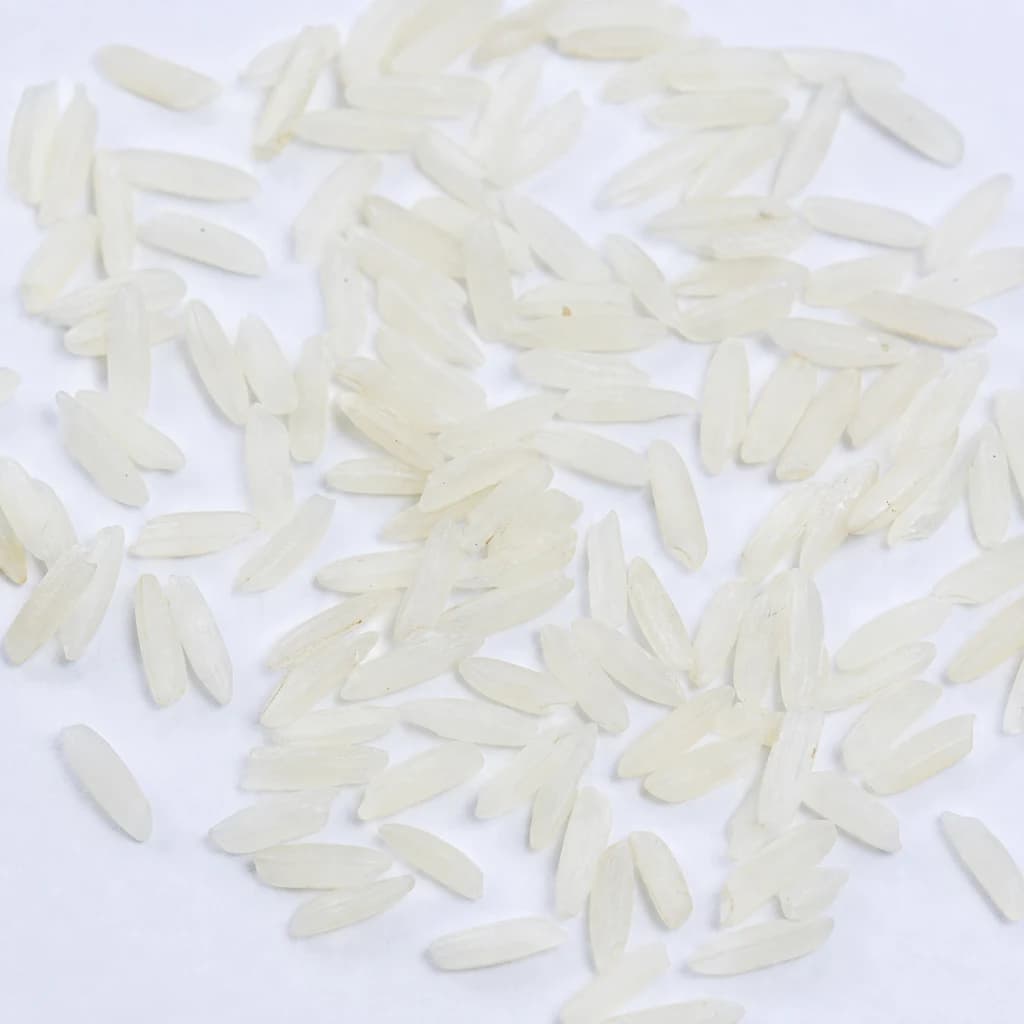
Soft, floral-scented rice that's the pillar of Thai meals
Arborio Rice
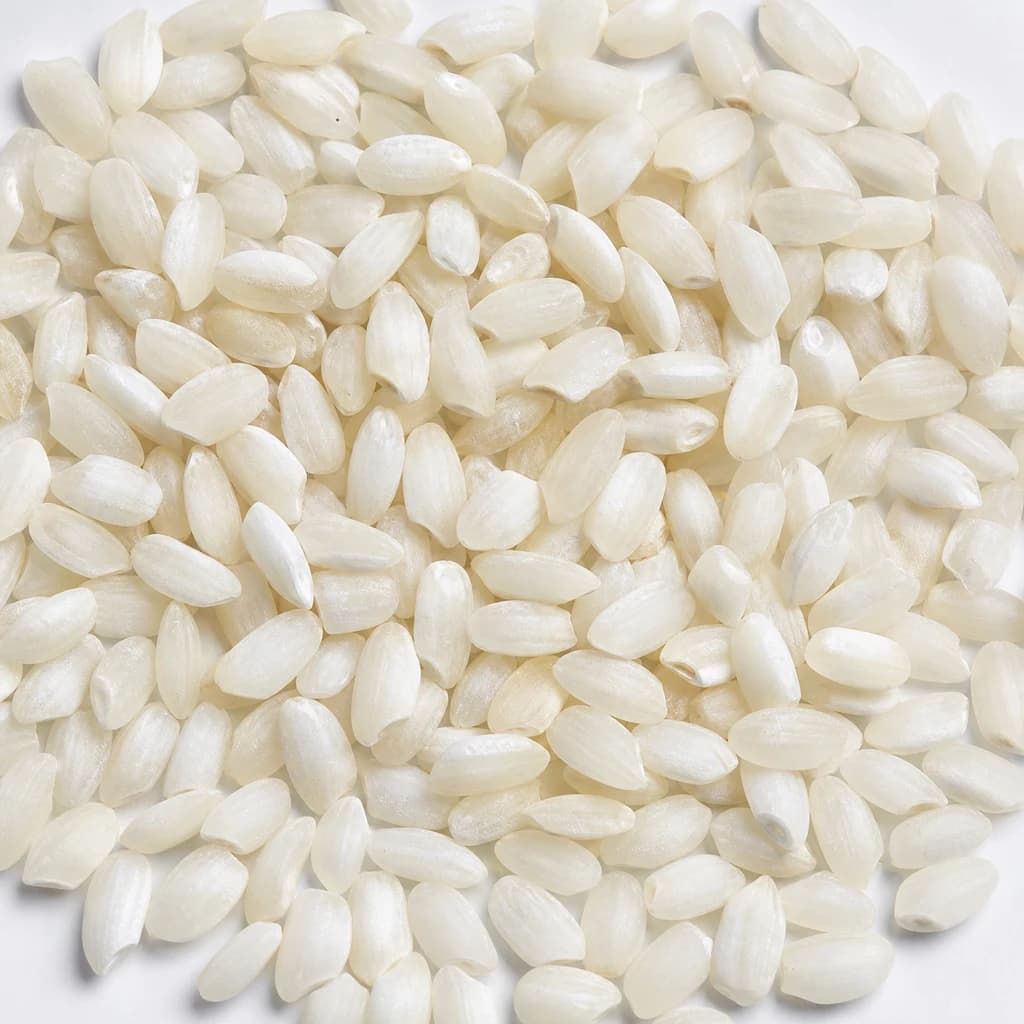
Plump, starchy rice that makes risotto creamy
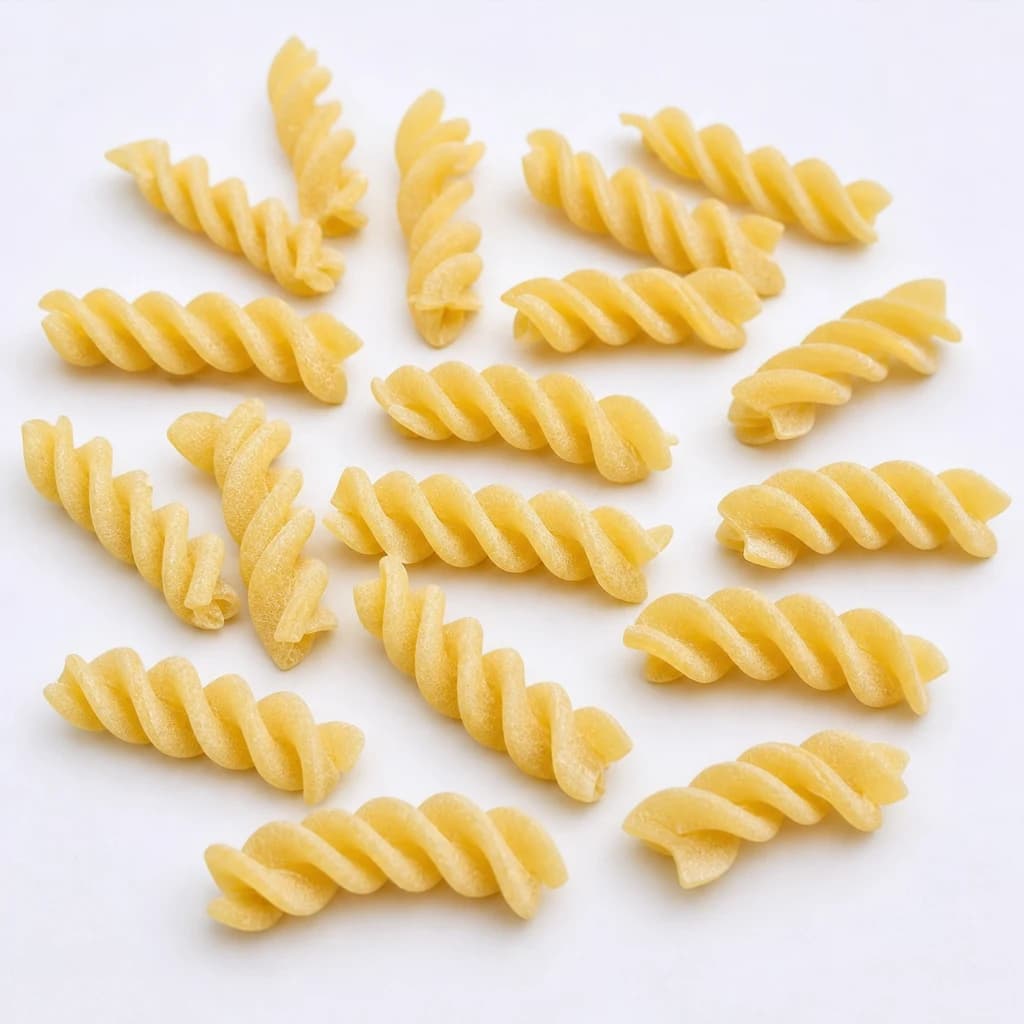
Fusilli
Spiraled pasta that twirls up sauce and dresses cold salads
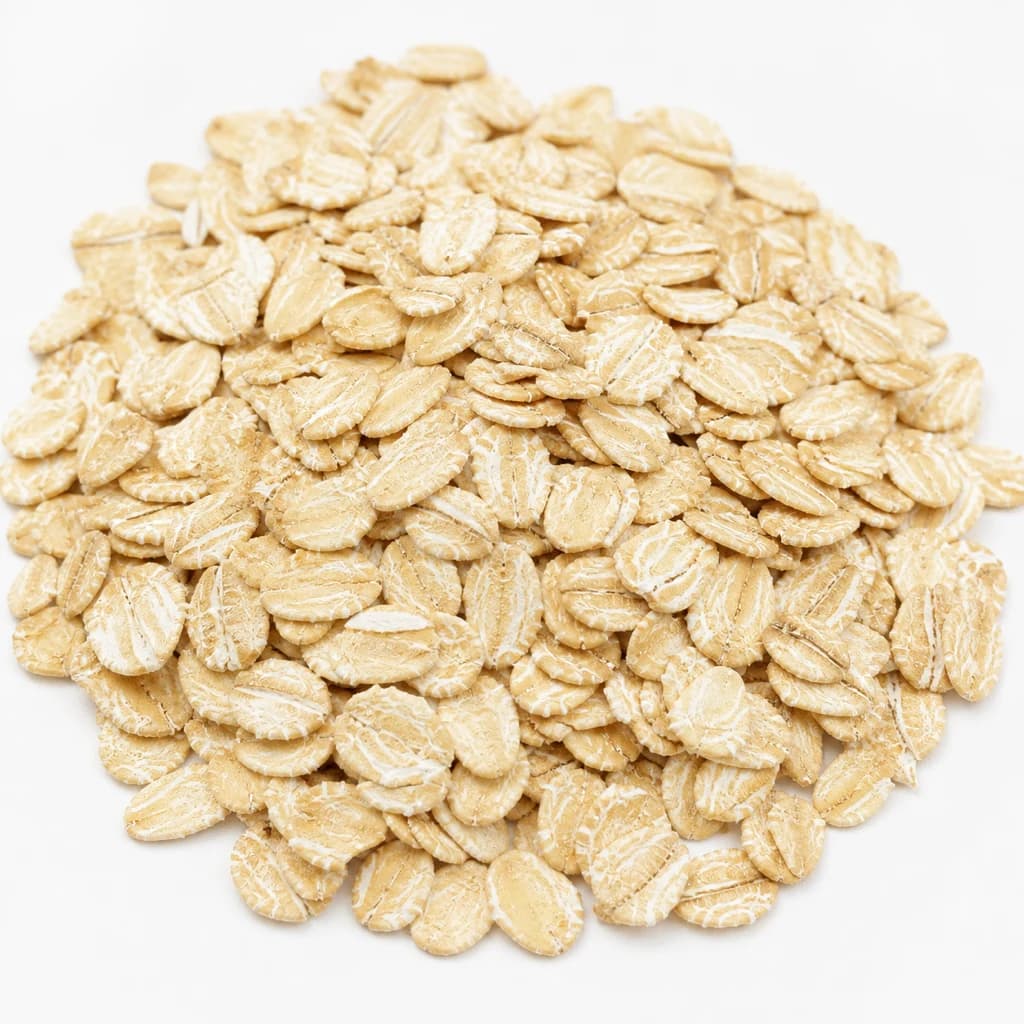
Rolled Oats
Hearty flakes for porridge, granola, and chewy cookies