Heat & Safety
Food-Grade Sanitizing Solution
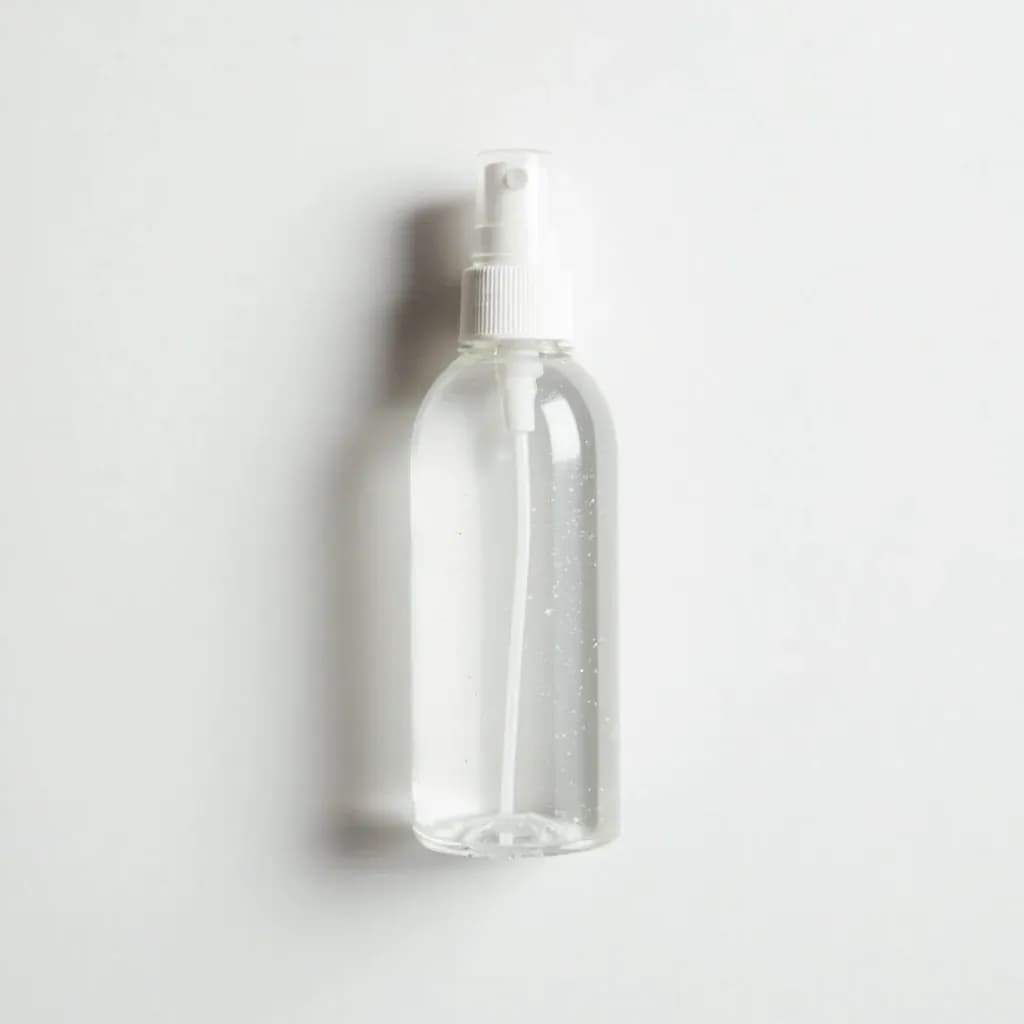
Food-safe sanitizer for disinfecting surfaces, tools, and fermentation gear.
A food-contact-safe sanitizing solution, often no-rinse, used to disinfect counters, cutting boards, utensils, and fermentation or brewing equipment. It reduces microbial load below safe thresholds after cleaning, a critical step before handling raw food or starting a ferment. Common types include quaternary ammonium, chlorine, and acid-based sanitizers diluted to a measured concentration.
A food-grade sanitizing solution is a chemical formulation registered with the EPA for use on food-contact surfaces, designed to reduce microbial contamination to a level considered safe under the FDA Food Code—typically a 99.999% (5-log) reduction. Unlike general-purpose disinfectants, sanitizers are tested and labeled specifically for surfaces that will touch food, and most are no-rinse at working concentrations, meaning they can air-dry without leaving harmful residues on whatever touches the surface next. This makes them the standard final step in any workflow that ends with a ferment, a cure, or a meal: kombucha brewing, cheese making, sausage stuffing, or simply wiping down a cutting board after prepping raw chicken.
Sanitizers are not cleaners. They work by attacking microorganisms on contact, but the same chemistry that kills bacteria is quickly neutralized by food residue, grease, soap film, or biofilm. The professional wash → rinse → sanitize sequence exists because skipping the cleaning step renders the sanitizer nearly useless. Concentration, contact time, pH, temperature, and water hardness all influence whether a given solution actually does what its label promises, which is why test strips and an honest thermometer matter more than brand loyalty.
The most common chemistries in the kitchen and fermentation context are chlorine (household bleach), iodophor, acid-anionic blends (Star San and its kin), quaternary ammonium compounds, peracetic acid, and hydrogen peroxide. Each has a different balance of cost, contact time, residue, hard-water tolerance, and effect on materials. Choosing among them is less about finding the single best sanitizer and more about matching the chemistry to the task: chlorine for cheap broad-spectrum wipe-downs, acid-anionic for fast no-rinse treatment of fermentation gear, and peracetic acid for produce and situations where zero residue is paramount.
Alternatives
Types & varieties
Unscented household bleach (5–6% NaOCl) diluted to 50–200 ppm. Cheap, fast, broad-spectrum, but sensitive to organic soil and pH. Use within 24 hours of mixing.
Iodine complexed with a phosphoric-acid carrier, used at 12.5–25 ppm. Broad-spectrum and more tolerant of organic soil; brown color fades as the sanitizer is spent. Standard in homebrewing.
Used at 200–400 ppm. Long-lasting residue, stable in hard water, common in commercial kitchens and dairies. Soap residues must be thoroughly rinsed or the quat is inactivated.
Phosphoric acid plus a sulfonic-acid surfactant; foaming, no-rinse, very tolerant of hard water and organic soil. Dosed at roughly 1 oz per 5 gallons.
Peracetic acid with hydrogen peroxide, used at 100–200 ppm. Breaks down to acetic acid, water, and oxygen, leaving no residue. Approved for produce wash and meat/poultry processing.
Food-grade 3% H₂O₂ or stabilized percarbonate products such as Pure Ox. Breaks down to water and oxygen; verify the label specifies food-contact registration.
Generated on-site from sodium chlorite plus an acid activator. Active at 1–5 ppm, less reactive with organics, and effective across a wider pH range than chlorine.
The Clean-Then-Sanitize Rule
Sanitizers kill microorganisms; they do not remove food. A speck of grease, a film of milk stone, a smear of yeast on a carboy wall, or a soap film from incomplete rinsing will all bind up or shield microbes from the active chemistry. The professional sequence—wash with a detergent designed for food equipment, rinse thoroughly with potable water, then apply sanitizer at the labeled concentration—is non-negotiable. Common food-safe detergents include PBW (an alkaline percarbonate-based cleaner) for brewing and dairy gear and plain unscented dish soap for general kitchen tools. Rinsing the detergent off completely is just as important as the wash itself, because anionic surfactants in soap will neutralize quaternary ammonium sanitizers and degrade the foaming action of acid-anionic blends.
- Wash → rinse → sanitize, in that order, every time.
- Use a detergent formulated for food equipment (PBW, One-Step, or unscented dish soap), not a sanitizer as your cleaner.
- Rinse the detergent completely; any soap residue inactivates quats and acid-anionic sanitizers.
- Sanitized equipment should air-dry on a clean rack. Towel-drying re-introduces contaminants and absorbs sanitizer from the surface.
Choosing a Chemistry for the Task
No single sanitizer is right for every job. The choice comes down to what you are treating, what materials the gear is made of, and how much residue you can tolerate.
- Fermentation vessels, airlocks, siphons, and kegs: acid-anionic (Star San) or iodophor—fast contact time, no rinse, no off-flavors in the finished ferment.
- General kitchen wipe-downs and plastic cutting boards: chlorine at 50–100 ppm is cheap and effective; rinse wooden boards, never soak them.
- Produce for cider, wine, or lacto-ferments: peracetic acid or a registered produce wash, because both break down to food-safe residues.
- Dairy and cheese-making equipment: acid-anionic or peracetic acid; chlorine can leave off-flavors in milk stone and corrode soft-metal fittings.
- Commercial floors, drains, and non-food-contact surfaces: quats are economical and leave a long-lasting residual film.
Heat Sanitizing: The Non-Chemical Alternative
The FDA Food Code recognizes one non-chemical method of achieving the same 5-log reduction on food-contact surfaces: immersion in water at 171°F (77°C) for at least 30 seconds. It is the method used by many commercial dishwashers in their final-rinse cycle, and it is the reason boiling a canning jar or a brewing spoon is a legitimate sanitizing step. Heat sanitizing leaves no chemical residue, is unaffected by water hardness or pH, and is essentially foolproof as long as a calibrated thermometer confirms the temperature throughout the cycle. The trade-offs are energy, the risk of warping plastic fermenters or cracking glass from thermal shock, and the need to keep the water truly at 171°F for the full half-minute.
- Hold at 171°F / 77°C for a minimum of 30 seconds, verified with a calibrated thermometer.
- Best for heat-tolerant tools: glass jars, stainless steel, silicone tubing, and metal utensils.
- Avoid for plastic carboys and PET bottles, which can warp or stress-crack above roughly 140°F.
- Going above 200°F does not improve the kill and only increases the risk of burns and breakage.
Common uses
Tips & pitfalls
- Always clean before you sanitize. A sanitizer applied to grease, food residue, or soap film is wasted chemistry, and concentration test strips will not flag the fact that the surface is still contaminated.
- Use test strips matched to your sanitizer chemistry (chlorine, quat, or iodophor) and check concentration at least daily; eyeballing a bleach dilution is the single most common reason home sanitation fails.
- Mix chlorine solutions in cool—not hot—water. Above roughly 110°F, hypochlorous acid breaks down and chlorine gas off-gasses, leaving the solution weaker and the kitchen air unpleasant.
- Use plain, unscented household bleach (5–6% sodium hypochlorite). Splash-less, scented, and color-safe bleaches contain surfactants, fragrances, or hydrogen peroxide that leave residues and are not registered for food-contact use.
- For Star San and similar acid-anionic sanitizers, dose at about 1 oz per 5 gallons (roughly 1.5 mL per liter); the foam is intentional and helps the solution cling to vessel walls.
- Never soak wooden cutting boards, spoons, or butcher blocks in any sanitizer. Wood absorbs chlorine and reacts with it; use a no-rinse acid-anionic spray for a quick contact pass, and let the wood air-dry.
- Replace working sanitizer solutions when they look dirty, when a test strip reads below the labeled concentration, or at minimum every 24 hours for chlorine; ready-to-use dilutions of bleach lose potency steadily once mixed.
- Never combine sanitizers with each other or with cleaning products. Quats are neutralized by anionic soaps, chlorine plus acid or ammonia produces toxic gas, and mixing chemistries in the same bucket accomplishes nothing except waste.
Good to know
- Regulatory standard
- Food-contact sanitizers must be EPA-registered and used at the concentration specified in the FDA Food Code, achieving at least a 99.999% (5-log) reduction in microorganisms.
- Clean first, then sanitize
- Sanitizers work only on pre-cleaned surfaces; the wash → rinse → sanitize sequence is required because organic soil neutralizes most active chemistries.
- Concentration is measured in ppm
- Working strength is expressed in parts per million of active agent and verified with test strips—smell, color, and feel are not reliable indicators of efficacy.
- pH matters (chlorine)
- Chlorine is most active at pH 6.0–7.5; above pH 8 the active HOCl converts to the weaker OCl⁻, and below pH 4 chlorine gas can off-gas into the room.
- Contact time
- FDA Food Code minimums: 7 seconds at 100 ppm chlorine, 30 seconds at 50 ppm; quats typically 60 seconds; no-rinse brewers' sanitizers 30 seconds to 1 minute.
- Hard water
- High calcium and magnesium bind quats and iodophors, reducing their activity; acid-anionic sanitizers such as Star San are far more tolerant of mineral content.
- Rinse required
- Most food-contact sanitizers are no-rinse at label rates; they are formulated under 21 CFR 178.1010 to safely air-dry on surfaces that will touch food.
- Never mix
- Combining chlorine with any acid or ammonia produces toxic gas (chlorine or chloramines); mixing different sanitizer chemistries in the same container also neutralizes them.
Also called
Sanitizing Solution · No-Rinse Sanitizer · Food-Safe Sanitizer · Star San
Related

Paper Towels
Disposable sheets for spills, drying, and patting dry

Kitchen Towels
Reusable cloths for drying, gripping, and wiping

Oven Mitts
Heatproof gloves to handle hot pans and trays safely

Disposable Gloves
Single-use gloves for safe, mess-free handling

Cleaning Cloths
Reusable cloths for wiping counters and spills

Tortilla Warmer
Insulated holder that keeps tortillas warm and soft

Trivet
Heatproof stand that shields surfaces from hot pots

Ice Bath Setup
Bowl of ice water that halts cooking and sets color