Wraps & Liners
Food-Safe Tray Liner
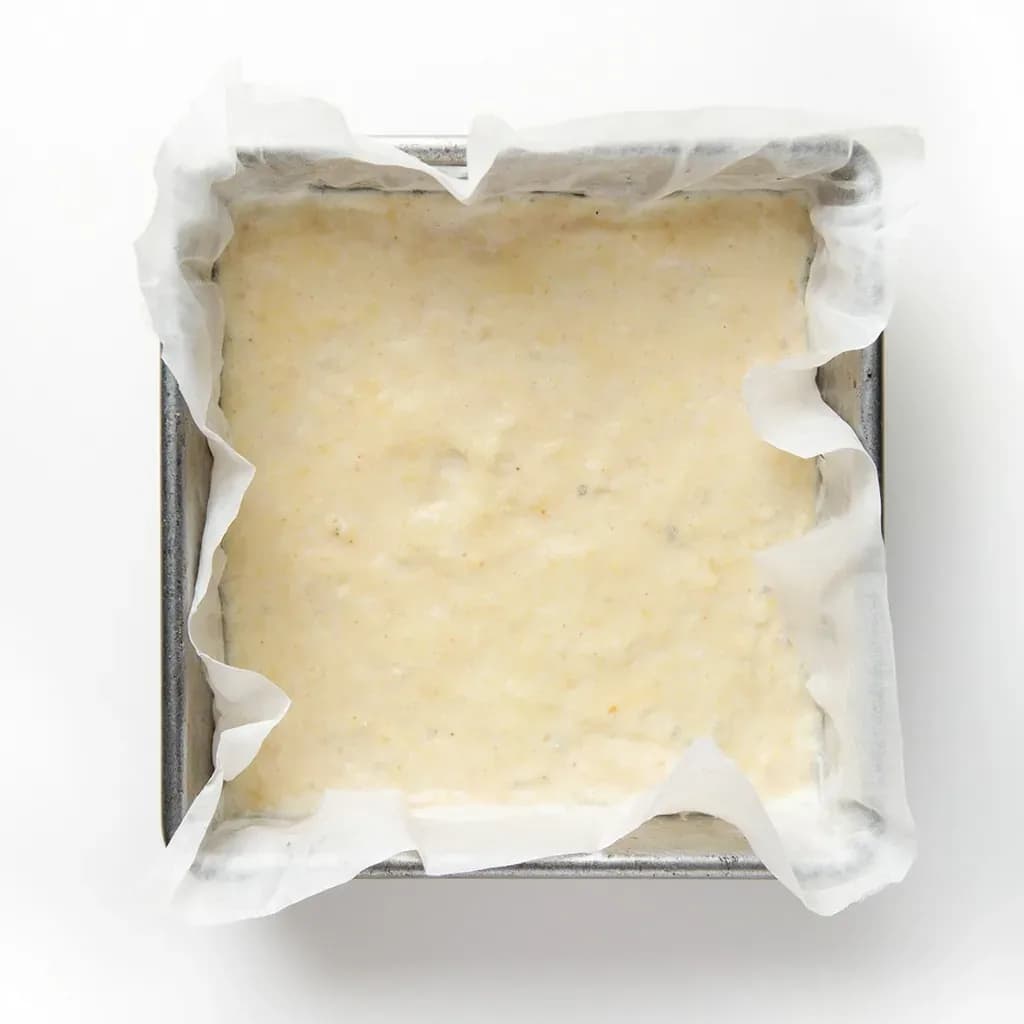
Liner placed in trays to keep food from sticking and ease cleanup.
A food-safe sheet or mat laid in trays and on aging racks so food does not stick, stain, or pick up metallic flavor. Variants include absorbent paper liners, bamboo mats for sushi and drying, and breathable aging mats that wick moisture from cheese and charcuterie. The liner protects both the food and the tray and is swapped out as it soils.
A tray liner is any food-safe sheet placed in a baking pan, sheet pan, roasting tray, or loaf pan to keep food from sticking, to catch drips, and to make cleanup faster. The category covers several very different materials — silicone-coated parchment paper, reusable fiberglass-and-silicone baking mats, aluminum foil, and wax paper — and they are not interchangeable. Choosing the right liner depends on oven temperature, the acidity of the food, whether you need to lift the finished dish out of the pan, and whether you want something disposable or reusable.
For most home baking, silicone-coated parchment is the default workhorse: it tolerates oven heat to roughly 420–450 °F, releases delicate cookies and meringues cleanly, and is cheap enough to discard after one use. Reusable silicone mats produce slightly more uniform browning than bare metal and pay for themselves in a busy kitchen, while heavy-duty foil is the most versatile option for shaping slings, tents, and crimped covers. Wax paper looks almost identical to parchment and is the most common point of confusion in this category — its paraffin coating melts around 200 °F, so it belongs in the fridge, never the oven.
Beyond preventing sticking, liners quietly improve cooking in less obvious ways. They make allergen cross-contamination easier to manage (swap the liner between batches), they can be folded into a sling that lifts a whole frittata or slab of fudge cleanly out of the pan, and pre-cut sheets sized to half and full sheet pans save a surprising amount of trimming time, which is why they are standard in professional kitchens and increasingly popular at home.
Alternatives
Types & varieties
The standard modern baking liner; sold bleached (white) or unbleached (brown), in rolls or pre-cut sheets
Brown color, chlorine-free processing, slightly more rustic appearance, identical non-stick performance to bleached
Sized to fit half or full sheet pans; saves trimming time and is standard in professional kitchens
Woven fiberglass core coated with food-grade silicone; reusable, available in standard and specialty pan sizes
Heavier gauge resists tearing; can be shaped into a sling for lifting or crimped as a tent
Pre-cut parchment shaped to fit specific pans such as bun pans, Pullman loaf pans, and baguette trays
Paraffin-coated paper for cold use only — separating cookie dough, lining pans for cold fillings, wrapping sandwiches
Used mainly for cold prep and storage rather than oven work
Choosing the right liner
The best liner depends on four variables: oven temperature, food acidity, whether you need to lift the finished dish, and how much cleanup you want to avoid. Match the material to the task with this quick guide.
- Default home baking (cookies, roasted vegetables, sheet-pan dinners): silicone-coated parchment, pre-cut to fit the pan
- Reusable everyday work in a busy kitchen: silicone mat; reduce oven temperature by 25 °F (~15 °C) to offset the slightly hotter cooking surface
- High-heat roasting, broiling, or open-flame work: heavy-duty foil for shaping and coverage; never use silicone mat or parchment under the broiler or over open flame
- Acidic foods such as tomato sauce, citrus, or vinegar glazes: parchment or silicone, never direct contact with aluminum foil
- Lifting a frittata, slab of fudge, or whole roasted fish: build a parchment or foil sling with overhanging ends before adding the food
- Cold prep, sandwich wrapping, or separating stacked cookie dough: wax paper — the only category for which it is appropriate
Parchment vs. wax paper: the critical distinction
These two look and feel similar but behave very differently under heat. Confusing them is one of the most common kitchen mistakes.
- Parchment is coated with silicone (or, in older products, quilon) and is oven-safe to 420–450 °F
- Wax paper is coated with paraffin, which softens around 200 °F and can smoke or ignite in a hot oven
- Wax paper is excellent for cold tasks: lining a counter when rolling out fondant, separating layers of cookie dough for the freezer, or wrapping sandwiches
- If a recipe calls for parchment, do not substitute wax paper — even briefly, even at a lower temperature
Common uses
Tips & pitfalls
- Never put wax paper in the oven — the paraffin coating melts around 200 °F and can smoke or ignite; reserve it for cold tasks only
- Avoid lining pans with parchment under the broiler; radiant heat and flare-ups can scorch or ignite the paper
- For acidic foods (tomato, citrus, vinegar-heavy sauces), keep the food off aluminum foil; use parchment or a silicone mat instead to avoid a metallic taste and pitted foil
- Trim parchment so it sits inside the pan with no overhang — exposed edges can singe or catch fire at the rim
- Silicone mats run slightly hotter than bare metal; reduce oven temperature by 25 °F (~15 °C) or shorten bake time to prevent over-browning of cookie bottoms
- Don't cut silicone mats with a knife; use scissors and avoid piercing the fiberglass core, which will cause the mat to lose its non-stick surface
- Reuse parchment only if it is barely browned and not greasy — heavily soiled parchment can smoke at high heat and is more likely to tear mid-bake
- For macarons, pavlova, or any piped meringue, lay parchment on an upside-down sheet pan so the flat side faces up; the pan's lip will otherwise deform the piped shape
Good to know
- Primary materials
- Silicone-coated parchment paper, fiberglass-reinforced silicone mats, aluminum foil, and paraffin-coated wax paper
- Heat resistance (parchment)
- Typically rated to 420–450 °F (215–232 °C); modern silicone-coated versions are higher-performing than older quilon-coated paper
- Heat resistance (wax paper)
- Not oven-safe — paraffin coating melts around 200 °F (93 °C); for cold storage and prep only
- Heat resistance (silicone mat)
- Generally rated to 480 °F (250 °C); not suitable for direct flame, broilers, or grills
- Reusability
- Parchment and foil are single-use; silicone mats can be reused 100–300+ times over 2–3 years with proper care
- Common sheet-pan sizes
- Half sheet ~13 × 18 in (33 × 46 cm); full sheet ~18 × 26 in (46 × 66 cm); pre-cut liners are often sized to these
- Food-contact status
- FDA-compliant for direct food contact when labeled food grade or food safe; silicone mats and parchment are typically BPA-free
- Acidity warning
- Aluminum foil reacts with strongly acidic foods (tomato, citrus, vinegar-heavy sauces), pitting the foil and imparting a metallic taste
Also called
Food-Safe Tray Liner · Bamboo Mat Liner · Aging Mat Liner · Tray Paper
Related

Aluminum Foil
Wraps, covers, and tents food for the oven and grill

Parchment Paper
Nonstick liner for clean, even baking and easy release

Wax Paper
Moisture-resistant sheet for wrapping and counter prep

Plastic Wrap
Clings tight to cover bowls and wrap leftovers

Silicone Baking Mat
Reusable nonstick liner that replaces parchment

Cheesecloth
Loose-woven cloth for straining stock and bundling herbs

Beeswax Food Wrap
Reusable wax wrap that molds around bowls and produce

Piping Tips
Shaped nozzles that turn frosting into stars and rosettes