Appliances & Heat
Chocolate Tempering Melter
A temperature-controlled melter that holds chocolate in temper for dipping and molding.
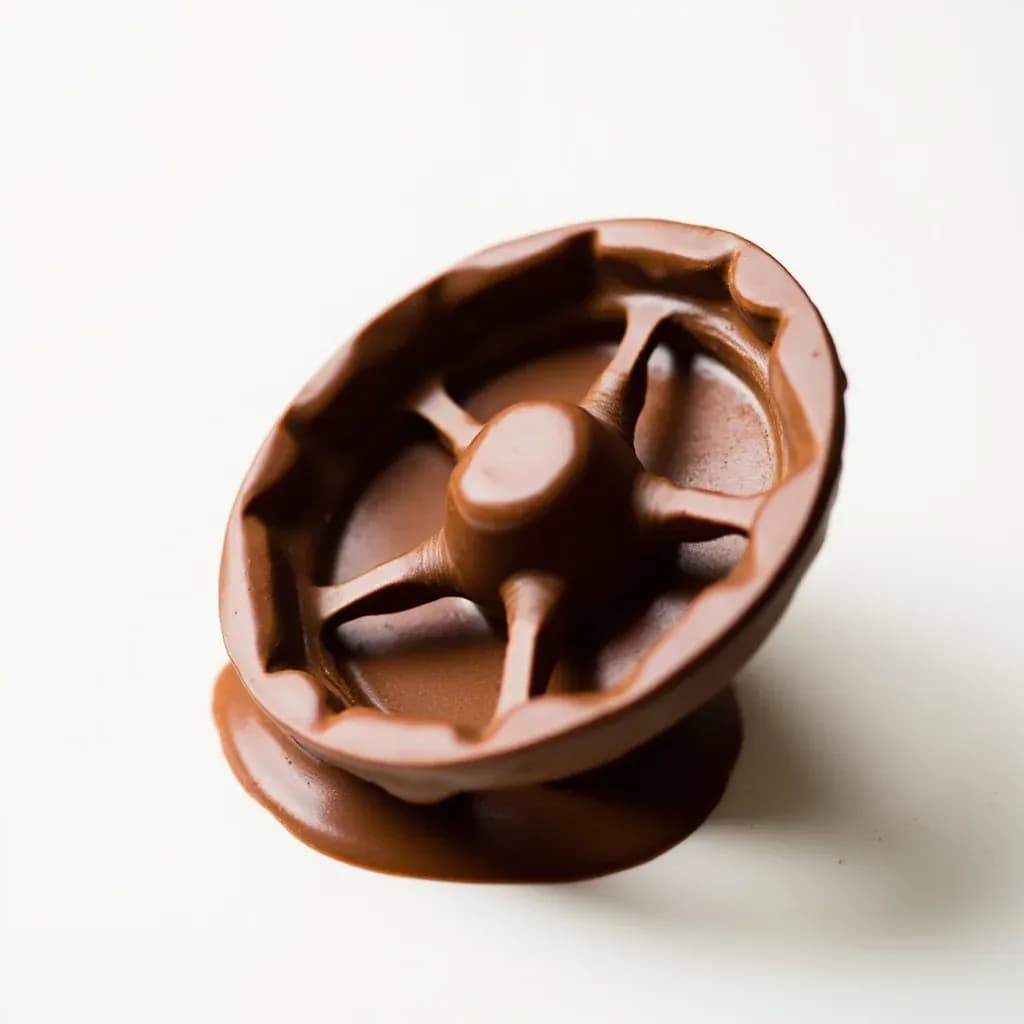
A chocolate tempering melter is a heated bowl or wheel that gently melts chocolate and holds it at the precise temperature needed to keep it in temper, so finished pieces are glossy and snap cleanly. Confectioners use it for dipping, molding and coating without the chocolate seizing or blooming. Wheel models continuously turn the chocolate so it stays evenly warmed and ready to use.
A chocolate tempering melter is a small, thermostatically heated bath built to do one job and do it well: keep couverture chocolate fluid, glossy, and properly crystallized through the long, hands-on work of dipping, enrobing, and molding. Unlike a microwave, a saucepan on induction, or a double boiler, it holds the chocolate at a precise set point — typically 30–32 °C (86–90 °F) for dark, 29–30 °C (84–86 °F) for milk, and 28–29 °C (82–84 °F) for white — without the temperature swings that break temper and leave chocolate dull and streaked with fat bloom or dusted with sugar bloom. For any kitchen making more than a tray of truffles or a single mold, the difference between working with a melter and tempering by hand on a marble slab is the difference between a relaxed afternoon and a fight with a thermometer.
Two designs dominate. The water-jacketed melter — the most common — has a removable bowl nested inside an outer shell filled with water warmed by a small electric element; the water buffers the chocolate from direct heat and keeps the temperature remarkably stable even when cold centers go in or the lid is opened. The dry-heat melter warms the bowl directly from below; it comes to temperature faster and runs hotter, which is handy for melting blocks from scratch, but it is also easier to overshoot and scorch. Both styles accomplish what marble-tabling and seeding aim to do by hand, except the thermostat handles the work and the chocolate stays in temper indefinitely.
The practical effect is that a chocolatier can pour, dip, fill molds, pause for an hour, and pick up exactly where they left off. The chocolate does not need to be re-tempered between batches, does not skin over while the lid stays on, and does not need constant stirring. For production work — bonbons, dipped fruit, molded bars, hollow figures — the melter is less a luxury than the central workstation of the chocolate kitchen.
Alternatives
Types & varieties
Removable bowl sits inside a water-filled outer shell heated by a small element; gentle, even heat that buffers against scorching and keeps temperature stable when cold centers are dipped
Heating element directly under the bowl; warms faster and reaches higher temperatures, useful for melting blocks from scratch, but easier to overshoot the working range
Floor-standing unit with a built-in melt–cool–hold cycle, often paired with a vibrating table or enrobing belt for production bakeries and chocolate factories
Twin-bowl units hold dark and milk or white at different working temperatures side by side, useful when decorating or making mixed-color pieces
A slow-turning paddle keeps the chocolate in constant motion, preventing skin, settling of cocoa butter, and hot or cold spots in the bowl
Small electric pots marketed for home use; reach working temperature but hold it less precisely than professional equipment
Distinguishing a melter from related equipment
A melter is one of several pieces of equipment in a chocolate kitchen, and the names overlap confusingly. The differences matter when choosing what to buy, borrow, or replace.
- Chocolate fountain circulates untempered chocolate for visual effect; it has no precise temperature control and no tempering function, and the chocolate typically thickens and blooms within an hour.
- Tempering machine (in the strict sense) actively runs chocolate through a melt → cool → reheat cycle with a screw or wheel, continuously producing freshly tempered chocolate rather than holding a single working temperature.
- Enrober is a belt-fed machine that pours a curtain of chocolate over moving centers, then cools them — it both tempers and coats, but is built for high-volume production, not for hand work or small batches.
- Sous-vide bath held at 30–32 °C can stand in for a melter with chocolate in a sealed bag, useful for very small test batches, but impractical for sustained hands-on dipping or molding.
- Double boiler or bain-marie melts chocolate effectively but lacks the precise thermostat and long-term stability of a true melter; the chocolate must be watched and stirred throughout the session.
Common uses
Tips & pitfalls
- Never let a drop of water — even condensation from a wet ladle or a cold lid — fall into the bowl; it seizes chocolate into a grainy, unusable lump almost instantly.
- Calibrate the built-in thermostat with a reliable digital probe on first use; factory sensors on cheaper melters can drift 2–3 °C, which is enough to take chocolate out of its temper band.
- Refill with callets, pistoles, or finely chopped discs rather than solid blocks when you can; they melt faster and more evenly, so the element cycles less and the chocolate stays in temper.
- Do not leave chocolate in the melter overnight; prolonged heat causes cocoa butter to separate and repeated remelting degrades both the temper and the flavor of the couverture.
- Pre-warm centers — ganaches, caramels, marzipan, liqueur truffles — to 20–22 °C before dipping; cold centers pull the bowl's temperature down and make the chocolate set too thickly, leading to cracking and missed coverage.
- Hold white and colored chocolates toward the lower end of their working range (closer to 28 °C); they scorch, yellow, and discolor more easily than dark at higher temperatures.
- If the chocolate thickens during a long session, do not add liquid to thin it; pull a portion, remelt it separately, and stir it back in, or nudge the set point up by half a degree within the maker's recommended band.
- Keep the lid closed between batches to prevent a skin from forming and, just as importantly, to keep the lid above the dew point — a cold lid drips condensation back into the chocolate and seizes the surface.
Good to know
- Also called
- Chocolate melter, tempering machine, chocolate holding tank, tempering kettle (varies by brand and region)
- Primary function
- Melts solid chocolate and holds it at a precise working temperature so it remains in temper and fluid for dipping, enrobing, or molding
- Temperature range
- Typically 30–32 °C (86–90 °F) for dark, 29–30 °C (84–86 °F) for milk, 28–29 °C (82–84 °F) for white couverture
- Heating method
- Water-jacketed bath (most common) or dry heating plate under the bowl; some models combine both
- Capacity range
- Tabletop models roughly 1.5–8 kg (3–17 lb); commercial floor units up to 25 kg or more; production lines hold 100 kg+
- Bowl material
- Stainless steel, food-grade plastic, or polycarbonate; usually removable for cleaning and refilling
- Stirring
- Many models include a slow-turning auger or scraper to prevent skin formation, cocoa butter settling, and temperature stratification
- Cost range
- Prosumer melters from about US $200–400; mid-range tabletop units $600–2,000; commercial floor models $3,000–10,000+
Also called
Tempering Chocolate Melter Wheel · Chocolate Melter · Tempering Machine
Related

Stovetop
The everyday burners where most cooking actually happens

Oven
Enclosed dry heat for roasting, baking, and braising

Grill
Live-fire or gas grates for char, smoke, and high heat

Smoker
Low, slow heat and wood smoke for barbecue and brisket

Air Fryer
Countertop convection that crisps with little or no oil

Slow Cooker
Set-and-forget low heat for stews, beans, and braises

Pressure Cooker
Sealed steam pressure that cooks tough food in a fraction of the time

Rice Cooker
Foolproof, perfectly steamed rice every single time