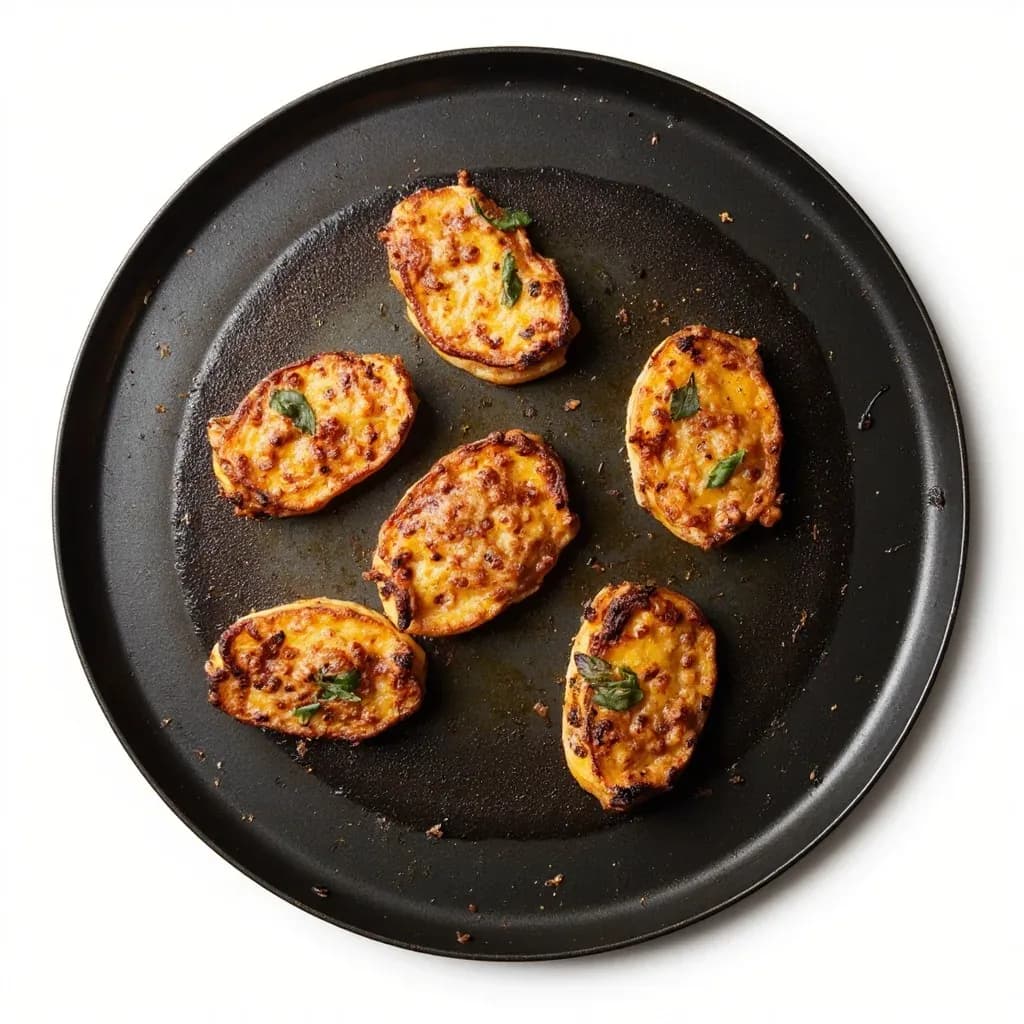
Appliances & Heat
Flat-Top Griddle
Large flat heated cooking surface for searing, smashing, and batch cooking.
A flat-top griddle is a large, smooth heated steel surface used to sear, smash, and cook many items at once, common in restaurants, food trucks, and outdoor cooking. It delivers even, sustained heat across a broad area, ideal for smash burgers, pancakes, eggs, teppanyaki, and the Spanish-style plancha. Unlike a grill, its solid surface keeps drippings, small items, and delicate foods from falling through.
The flat-top griddle is a broad, flat heated metal plate that turns a stove's single hot point into a wide work surface you can load with food. Unlike a skillet, the cooking zone is open on all sides, so you can stage, flip, and assemble multiple portions at once; unlike a grill, there are no bars or grates, so contact is full and even, and you get the kind of continuous crust only a hot steel plate can produce. The format dates to early-20th-century American diners and runs in parallel with the Spanish plancha and Japanese teppan, which share the same physics but lean toward vegetables, seafood, and theatrical tabletop cooking.
What separates a useful flat-top from a griddle pan is heat capacity. A thick steel or cast-iron plate (½" to 1") holds a steady temperature through repeated cold loads, so you can drop a tray of refrigerated burger patties without cratering the surface. That thermal mass is what makes smash burgers, diner-style pancakes, and chopped cheesesteaks possible in volume at home. It also explains why the tool rewards technique: once you learn to zone the plate — hot for searing, medium for cooking through, cool for holding and finishing — you can run an entire meal off one surface without dirtying another pan.
The practical divide between flat-tops is material. Cold-rolled steel, the diner and outdoor-propane standard, takes seasoning like cast iron and gives the deepest Maillard crust; chrome-plated commercial griddles need no seasoning and release food easily but produce less fond; cast iron holds heat exceptionally but is heavy and slow to recover; non-stick electric units are convenient but top out well below true searing temperatures. Pick by what you cook most: steel for burgers and breakfast, chrome for low-stick eggs and sandwiches all day, cast iron for long, steady searing.
Alternatives
Types & varieties
Restaurant-grade thermostatic gas or electric; 15"–36" wide; chrome or steel plate; standard in diners and short-order kitchens.
Integrated into a residential range or cooktop; smaller zone with lower BTU than a dedicated unit.
Freestanding or tabletop unit with multiple burners, 17"–36"+ wide; drove the home flat-top boom from roughly 2017 onward.
Japanese solid-plate surface, often built into the dining table; high heat, minimal oil, knife-and-spatula showmanship.
Spanish-origin thick steel or cast-iron plate set over wood or gas; prized for vegetables and seafood cooked with little fat.
Plug-in home units with thermostat control, often non-stick coated aluminum; limited top temperature.
Hard-chrome surface that needs no seasoning, releases food easily, and cleans quickly, but produces less fond than steel.
Compact steel plate that sits over a camp stove or small burner; popular for tailgates and car camping.
Materials and What They Mean
Plate material decides what the griddle is actually good at. Match it to the menu you cook most.
- Cold-rolled steel: diner and outdoor standard; takes seasoning like cast iron; deepest Maillard crust; needs a light oil coat to prevent rust.
- Hard chrome: commercial workhorse; no seasoning, easy release, fast cleanup; gives up some fond and crust.
- Cast iron: exceptional heat retention and evenness; heavy; slow to recover after cold loads; seasoned like a skillet.
- Non-stick aluminum (electric units): convenient and family-friendly; tops out around 400°F; great for pancakes and eggs, weak for real searing.
Heat Zoning: The Skill Behind the Tool
A flat-top is not one temperature — it is a stove. On a multi-burner unit you can run a 500°F sear zone, a 375°F cooking zone, and a 225°F holding zone at the same time, which is how a diner cooks bacon, eggs, pancakes, and toast simultaneously without any of them failing. The hot zone handles smash burgers, crusty tortillas, and seared vegetables; the medium zone finishes proteins, scrambles eggs, and toasts buns; the cool zone holds finished food, renders bacon slowly, and recovers dropped surface temperature. On a single-burner electric, fake zones by sliding food on and off the heat and using the cooler edges as a hold.
Common uses
Tips & pitfalls
- Season a cold-rolled steel or cast-iron griddle before first use: thin coat of high-smoke-point oil, heat until it just smokes, and repeat 3–5 times to build a dark polymerized patina.
- Create deliberate heat zones — a 450°F+ sear zone, a 350–400°F cooking zone, and a 200–250°F holding zone — by managing burners on multi-burner units.
- Preheat for 15–20 minutes before cooking; an under-heated griddle steams food and causes sticking, while a properly preheated surface sears on contact.
- Use a stiff metal griddle scraper or square-edge spatula for cleaning; cornered spatulas reach edges and corners better than round-edge tools.
- For smash burgers: ball the meat cold, place on a screaming-hot zone, smash flat within 5 seconds with a heavy spatula or smasher, and do not move it until the crust releases on its own.
- Don't drown food in oil — the griddle's whole point is the Maillard sear; a thin film of neutral oil is enough on a seasoned surface.
- Common mistake: using heavy soap and water on a seasoned griddle — it dissolves the patina. Scrape, wipe with a barely damp towel, and re-oil lightly instead.
- Common mistake: cooking acidic sauces (tomato, lemon, wine) directly on a seasoned steel plate for long stretches — acid strips the seasoning. Deglaze briefly or finish in a separate pan.
- Common mistake: dropping refrigerated food straight onto a low-heat zone — it tanks the surface temperature and stalls recovery. Temper proteins and vegetables 10–15 minutes first.
- Common mistake: leaving rendered fat to pool and burn into black carbon — it will flavor everything you cook next with a bitter char. Channel it to the grease trough or scrape it into a drip tray between batches.
Good to know
- Also known as
- Flat-top, griddle, plancha, teppan, hot plate
- Power source
- Gas (commercial and outdoor), electric (countertop), or induction (commercial)
- Plate material
- Cold-rolled steel (standard), cast iron, stainless steel, or hard chrome
- Plate thickness
- ½" to 1"; thicker plates retain heat more evenly and recover better between cold loads
- Size range
- 15–22" countertop electric; 17–36"+ propane outdoor; 24–72" commercial
- Temperature range
- Roughly 200°F holding to 500–600°F searing; thermostatic units hold within ~10°F
- Heat-up time
- 15–20 minutes to reach 400°F on gas
- Seasoning
- Required on steel and cast iron; not needed on chrome or non-stick coatings
Also called
flat-top-griddle · flat-top-grill · outdoor-griddle · plancha
Related

Stovetop
The everyday burners where most cooking actually happens

Oven
Enclosed dry heat for roasting, baking, and braising

Grill
Live-fire or gas grates for char, smoke, and high heat

Smoker
Low, slow heat and wood smoke for barbecue and brisket

Air Fryer
Countertop convection that crisps with little or no oil

Slow Cooker
Set-and-forget low heat for stews, beans, and braises

Pressure Cooker
Sealed steam pressure that cooks tough food in a fraction of the time

Rice Cooker
Foolproof, perfectly steamed rice every single time