Appliances & Heat
Solar Wax Melter
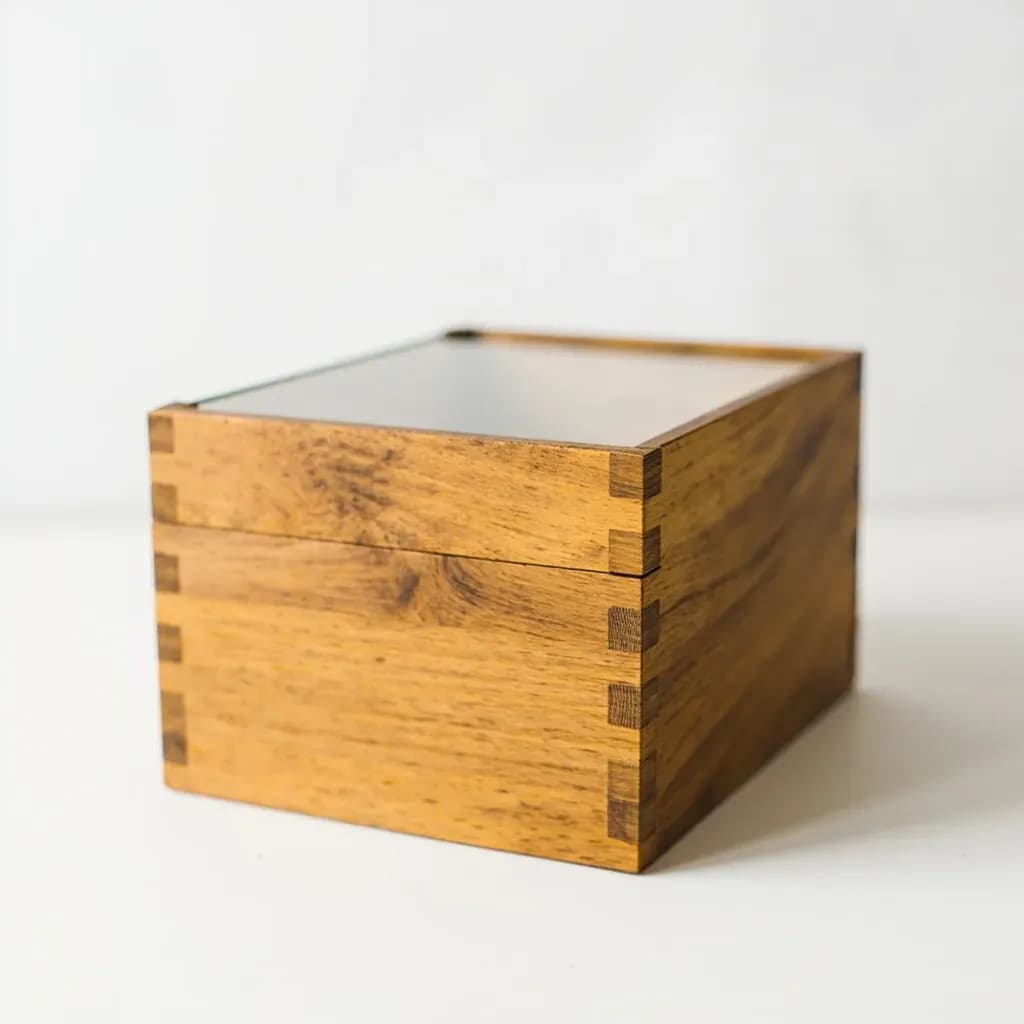
A glass-topped box that uses sunlight to melt and render beeswax from honeycomb.
A solar wax melter is an insulated box with a sloped glass lid that traps sunlight to heat and melt beeswax cappings and old comb, letting the clean wax flow into a collection pan. Beekeepers use it to render wax cheaply without electricity or open flame. It is a kitchen-adjacent honey-harvest tool rather than a daily cooking implement.
A solar wax melter is a passive, sun-powered box used primarily by beekeepers to render beeswax from honeycomb, but the clean, pale wax it produces is directly useful in the kitchen — for greasing pans, sealing cheese, making food wraps, and folding into traditional glazes and confections. The classic form is a simple wooden chest with a tilted sheet of glass set to face the sun, an interior tray that holds the comb, a filter screen, and a collection pan beneath. As sunlight heats the air inside, wax melts and drains downward by gravity, leaving most of the dark debris (slumgum) trapped on the filter.
For a cook who keeps bees, or who can source raw comb from a local apiary, the solar melter is the lowest-effort way to close the loop: it needs no electricity, no stove, no water bath, and almost no supervision, yet it yields wax that is typically lighter in color and cleaner than what most home double-boiler renders produce. The trade-off is weather dependence and slow throughput — a single batch can take most of a hot afternoon — and a small up-front build cost or modest purchase price. The result is a supply of genuine, food-grade beeswax that you control from comb to puck.
Understanding how the tool behaves matters in the kitchen. The internal air sits at roughly 150–200°F on a good summer day, just above beeswax's melt point of 145–150°F, so the process is genuinely gentle — nothing scorches, nothing emulsifies, and most propolis, pollen, and cocoon debris stays on the filter rather than migrating into the finished puck. That is why solar-rendered wax has a noticeably clean scent and a pale, almost ivory color compared with the deeper amber of poorly controlled stove-top renders.
Alternatives
Types & varieties
The classic design: a rectangular wooden box with one sloped glass face facing south; the most common DIY and entry-level form
Sits on a turntable and rotates through the day to track the sun; higher capacity and faster throughput, but more complex to build
Small desktop-sized unit for cappings or a few pounds of comb at a time; useful for the cook who keeps one or two hives
Purpose-built units sold through beekeeping suppliers, often paired with uncapping tanks or cappings spinners for larger apiaries
Why solar-rendered wax belongs in the kitchen
Most cooks meet beeswax as refined pellets from a craft supplier, and the difference between those and a solar-rendered puck from your own (or a neighbor's) hive is real. The pellets are bleached and filtered for cosmetic work; the homemade puck is closer to what a beekeeper would recover from cappings, with a faint honey aroma and a pale gold tone that is hard to buy. In the kitchen, that wax behaves predictably: it melts cleanly in a double boiler, sets firm at room temperature, and releases from silicone or parchment with no fuss. Beeswax has long been used to coat the rinds of aged hard cheeses such as Gouda and Edam to lock in moisture during long cures, and it is the basis of beeswax wraps that have largely replaced plastic in many home pantries.
- Greasing loaf pans and cake tins for a thin, even, reusable release film
- Brushing or dipping the rinds of aged hard cheeses to lock in moisture during long cures
- Conditioning wooden cutting boards, salad bowls, and butcher blocks to repel water and slow drying (usually blended with food-grade mineral oil)
- Making beeswax wraps for cheese, bread, and produce — a malleable, washable, plastic-free food cover
- Appearing in some traditional confections and as a glossy, edible coating on certain fruit glazes (E901)
Comparing the solar melter to other rendering methods
The two practical alternatives for a home cook are the stove-top double boiler and the dedicated electric wax melter sold through beekeeping catalogs. The double boiler is the cheapest entry point — a pot of water, a nesting bowl, a thermometer — but it needs constant attention, the wax can scorch if the water boils off, and any water left in the finished batch can cause the puck to crack and may encourage mold. An electric melter is faster, weather-independent, and more controllable, but it costs several hundred dollars and is sized for beekeepers processing many hives. The solar melter sits between them: a passive heat source, a passive filter system, and almost no labor, in exchange for patience and a dependence on the weather.
- Stove-top double boiler: cheapest, fastest, but needs supervision and risks scorching or water contamination
- Electric wax melter: most controllable, weather-independent, but expensive and sized for serious apiaries
- Solar wax melter: lowest ongoing effort, very clean wax, but slow and seasonal
Common uses
Tips & pitfalls
- Orient the glass face due south in the Northern Hemisphere and tilt it at roughly your latitude to catch peak summer sun all afternoon
- Build only with untreated, unfinished, food-safe wood — pressure-treated, stained, or painted lumber can leach chemicals into the wax
- Run the melter on the hottest, clearest day available; even partial cloud cover can drop the internal temperature below the wax melt point and stall the render
- Line the melt tray with cheesecloth, a nylon paint-strainer bag, or fine stainless mesh so debris is caught before the wax flows into the pan
- Pour finished wax into silicone molds or parchment-lined containers for clean release — never grease the mold, since that contaminates the very wax you are storing
- Pull the rendered wax as soon as flow slows; prolonged heat exposure darkens the color
- Pre-warm cold comb in a warm room before loading; chilled comb dramatically extends render time on a marginal day
- For the palest, food-grade wax, do a second pass — re-melt the cooled puck in a double boiler and filter again through fine cloth
- Never leave accumulated slumgum in the tray across multiple runs; it can scorch and darken every subsequent batch
- Store the unit indoors or under cover through winter; untreated wood will warp and rot if left exposed to weather
- Never leave the melter unattended for long stretches — beeswax is flammable, and a stalled, overheating unit is a real fire risk
- Avoid galvanized metal trays if you plan to use the wax in the kitchen; food-grade stainless or aluminum is the safer choice
Good to know
- Typical construction
- Untreated wood box (pine or fir) with angled single- or double-pane glass top, food-safe tray, filter screen, and collection pan below
- Power source
- Passive solar — no electricity, fuel, or water required
- Internal temperature
- Roughly 150–200°F (65–93°C) on a sunny summer day; can climb higher at midday
- Beeswax melt point
- 145–150°F (62–65°C) — the melter runs just above this, which is why wax renders gently without scorching
- Best season
- Late spring through early autumn; peak output on long, hot, clear summer days
- Batch time
- About 2–6 hours per load, depending on sun intensity, comb mass, and ambient temperature
- Typical capacity
- Home and DIY units hold 1–5 lb of comb; commercial units handle 10 lb or more
- Approximate yield
- About 1 lb of clean wax per 5–10 lb of comb; old brood comb yields far less than fresh cappings
Also called
wax melter
Related

Stovetop
The everyday burners where most cooking actually happens

Oven
Enclosed dry heat for roasting, baking, and braising

Grill
Live-fire or gas grates for char, smoke, and high heat

Smoker
Low, slow heat and wood smoke for barbecue and brisket

Air Fryer
Countertop convection that crisps with little or no oil

Slow Cooker
Set-and-forget low heat for stews, beans, and braises

Pressure Cooker
Sealed steam pressure that cooks tough food in a fraction of the time

Rice Cooker
Foolproof, perfectly steamed rice every single time