
Prep & Assembly
Baste
Spoon pan juices or fat over food to keep it moist and glossy
Basting spoons or brushes pan juices, melted fat, or marinade over food as it cooks to keep the surface moist, glossy, and flavorful. It's the move that gives roast birds a burnished skin. Baste periodically, but work quickly so you don't bleed too much heat from the oven.
Basting spoons or brushes pan juices, fat, or marinade over food as it cooks to keep the surface moist, glossy, and flavorful. It's the move that gives roast birds a burnished skin. Baste periodically, working quickly so you don't bleed heat from the oven.
- Difficulty
- Easy
How to do it
- 1
Cook until juices and fat collect in the pan.
- 2
Spoon or draw up the liquid.
- 3
Pour it over the exposed surfaces of the food.
- 4
Close the oven quickly and repeat at intervals.
Common uses
Tips & pitfalls
- Don't over-baste — each oven opening drops the temperature.
- Sugary glazes baste best near the end, or they scorch.
- Butter-basting in a skillet (tilt and spoon) crisps steaks and fish.
Good to know
- Tool
- Spoon, bulb baster, or brush
- Best for
- Roasts, poultry, glazed meats, fish
- Cue
- Glossy, evenly moistened surface
Also called
baste with juices
Dishes that rely on it
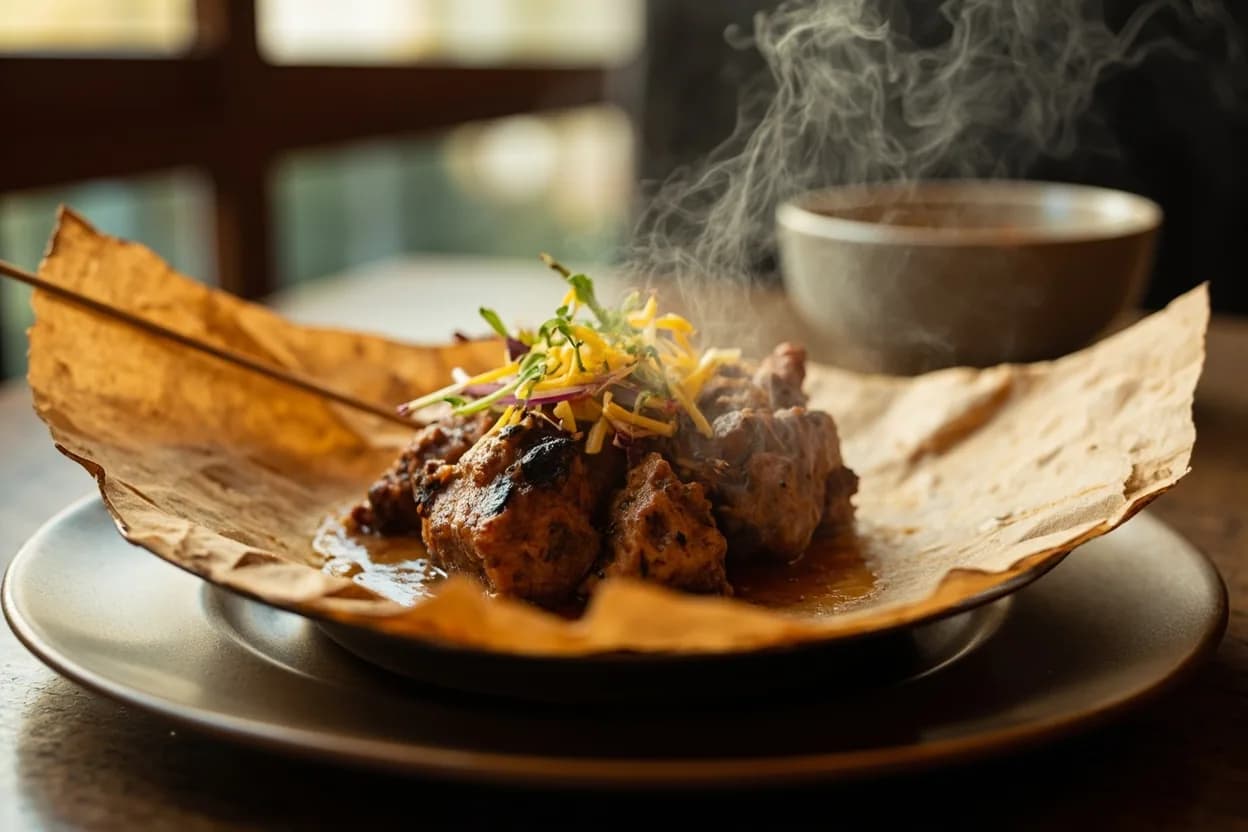
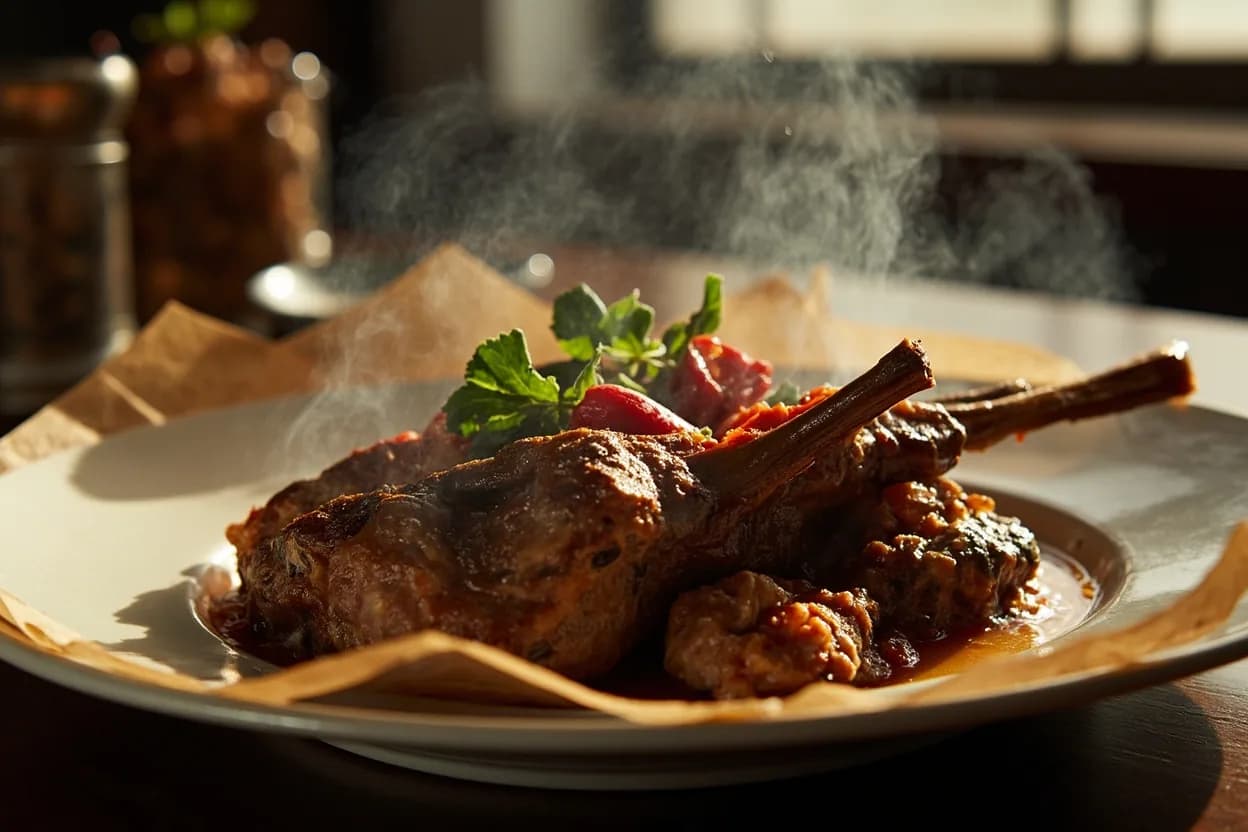
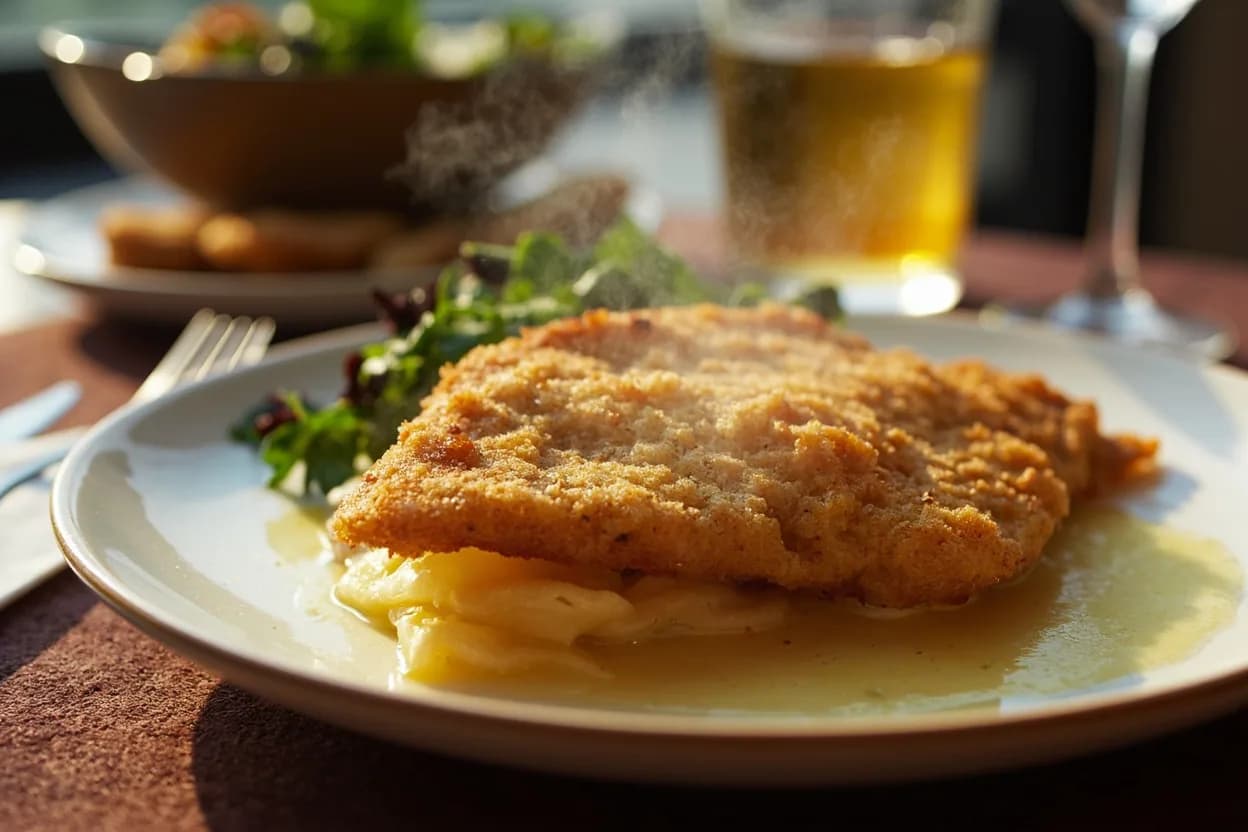
Related

Whisk
Beat ingredients smooth and aerated with a looping wire motion

Sift
Pass dry ingredients through mesh to aerate and remove lumps

Strain
Pour through mesh to separate solids from liquid for a smooth result

Filter
Pass liquid through fine material to clarify out the smallest particles

Rice
Press cooked potatoes through small holes for fluffy, lump-free texture

Mash
Crush soft cooked food into a rustic, creamy purée

Grind
Crush food into a coarse to fine texture, from spices to meat

Grate
Shred food into fine bits against a sharp-toothed surface