
Prep & Assembly
Score
Cut shallow lines into the surface to help cooking and looks
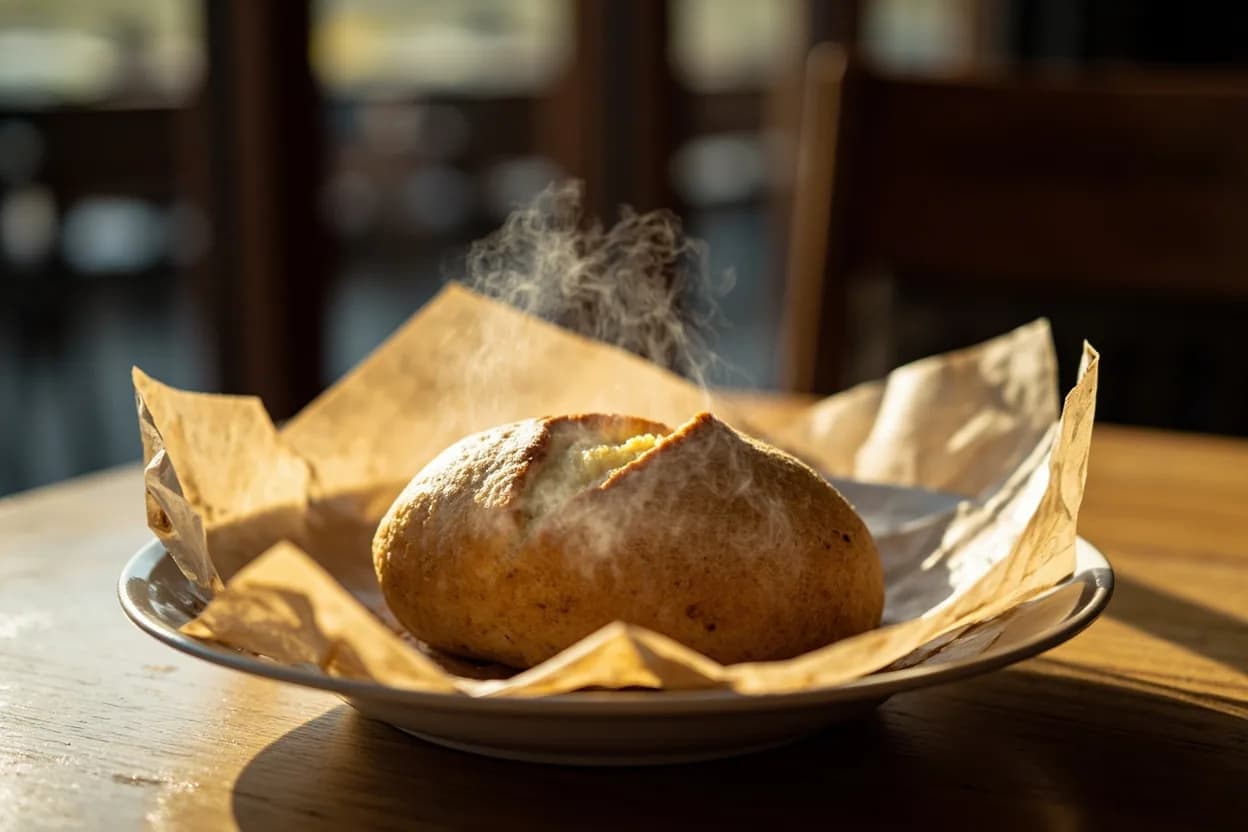
Scoring cuts shallow, even lines into the surface of food — fat on a duck breast, the top of a loaf, the skin of a fish — so it cooks better, renders fat, or expands cleanly. On bread the cut steers the rise. Use a sharp blade and don't cut into the flesh beneath.
Scoring cuts shallow, even lines into a food's surface — fat on a duck breast, the top of a loaf, the skin of a fish — so it renders, cooks better, or expands cleanly. On bread the cut steers the rise. Use a sharp blade and don't cut into the flesh beneath.
- Difficulty
- Intermediate
Types & varieties
A lame steers oven spring and gives a controlled, open crust.
A crosshatch through duck or pork skin renders fat and crisps.
How to do it
- 1
Make sure the blade is sharp and the surface dry.
- 2
Hold the blade at a slight angle for bread, straight for fat.
- 3
Draw confident, even cuts in one motion.
- 4
Keep cuts shallow — skin or crust only, not the flesh.
Common uses
Tips & pitfalls
- Chill skin before scoring so it stays taut and cuts cleanly.
- On sourdough, one decisive slash beats timid sawing.
- Score fat just shy of the meat so juices stay in.
Good to know
- Tool
- Sharp knife, lame, or razor
- Best for
- Bread, duck and pork skin, whole fish
- Cue
- Shallow, even cuts that don't reach the flesh
Also called
slash · score the surface
Dishes that rely on it
Related

Whisk
Beat ingredients smooth and aerated with a looping wire motion

Sift
Pass dry ingredients through mesh to aerate and remove lumps

Strain
Pour through mesh to separate solids from liquid for a smooth result

Filter
Pass liquid through fine material to clarify out the smallest particles

Rice
Press cooked potatoes through small holes for fluffy, lump-free texture

Mash
Crush soft cooked food into a rustic, creamy purée

Grind
Crush food into a coarse to fine texture, from spices to meat

Grate
Shred food into fine bits against a sharp-toothed surface