
Water & Steam
Velvet
Coat and pre-cook meat for silky, tender stir-fry texture
Velveting coats sliced meat in a cornstarch-and-egg-white mix, then briefly blanches it in oil or water before stir-frying, sealing in moisture for a signature silky tenderness. It's the secret behind tender restaurant stir-fries. Marinate briefly, then pre-cook just until the surface turns opaque.
Velveting is the Chinese restaurant trick for the signature silky, tender texture of stir-fried meat: thin slices are coated in a marinade of cornstarch and egg white (often with a little rice wine and oil), then briefly pre-cooked — blanched in hot oil or simmering water — just until the surface turns opaque before they go into the final stir-fry. The starch-and-protein coating forms a protective gel barrier that buffers the meat from the wok's fierce heat, so the proteins set gently instead of seizing and squeezing out moisture — keeping lean meat from drying out and toughening. It's the difference between leathery home stir-fry chicken and the velvety, restaurant-tender kind, and it works just as well for shrimp and even firm fish.
- Difficulty
- Intermediate
Types & varieties
Pre-cook in warm oil for the silkiest, most luxurious texture — the restaurant standard.
Pre-cook in barely-simmering water — lighter, leaner, and easier at home.
A pinch of baking soda in the marinade tenderizes tougher beef especially well.
How to do it
- 1
Slice thin and uniform
Cut the meat into thin, even slices against the grain so it cooks fast and stays tender.
- 2
Make the velvet marinade
Mix egg white, cornstarch, a splash of rice wine, salt, and a little oil; coat the meat and chill 15–30 minutes.
- 3
Heat the bath gently
Bring oil to a warm ~120–135°C / 250–275°F, or water to a bare simmer — neither should be ripping hot.
- 4
Pre-cook briefly
Slip the slices in, separating them, and cook just until the surface turns opaque and they barely firm up — about a minute.
- 5
Drain and set aside
Lift the meat out with a spider before it's fully cooked through; it will finish in the final stir-fry.
- 6
Finish in the stir-fry
Add the velveted meat back to the hot wok at the end, just to heat through and coat in sauce — don't overcook it.
Why the coating works
Velveting protects lean meat from the harsh, drying heat of a wok in two ways. The cornstarch forms a thin gel layer on the surface that acts as a moisture barrier, sealing the meat's juices in and shielding it from the fiercest heat — so it cooks gently inside its own coating instead of seizing and squeezing out water. The egg white adds a tender, slippery sheath and helps the starch cling. (When a recipe adds baking soda, it raises the meat's surface pH, which keeps proteins from bonding too tightly and gives an even more tender, almost springy bite — especially useful for beef.) The brief low-temperature pre-cook sets this coating and partly cooks the meat without browning, so the final quick stir-fry just warms it through with the sauce.
Common uses
Tips & pitfalls
- Velvet just before you cook; a longer pre-cooked sit makes the texture mealy.
- Keep the oil or water gentle — hot enough to set the coating, not hot enough to brown or fry it.
- Pat the meat dry before marinating so the cornstarch coating adheres properly.
- For beef, add a small pinch of baking soda to the marinade for extra tenderness, then rinse if you used a lot.
Good to know
- Heat level
- Warm oil bath (~120–135°C / 250–275°F) or gentle simmering water
- Best for
- Thin-sliced lean meat, chicken, shrimp, firm fish for stir-fries
- Equipment
- Bowl for marinade, wok or pot for the pre-cook, spider strainer
- Fat needed
- A little oil in the marinade; a bath if oil-velveting
- Time
- 15–30 min marinate + ~1 min pre-cook
Also called
velveting
Dishes that rely on it
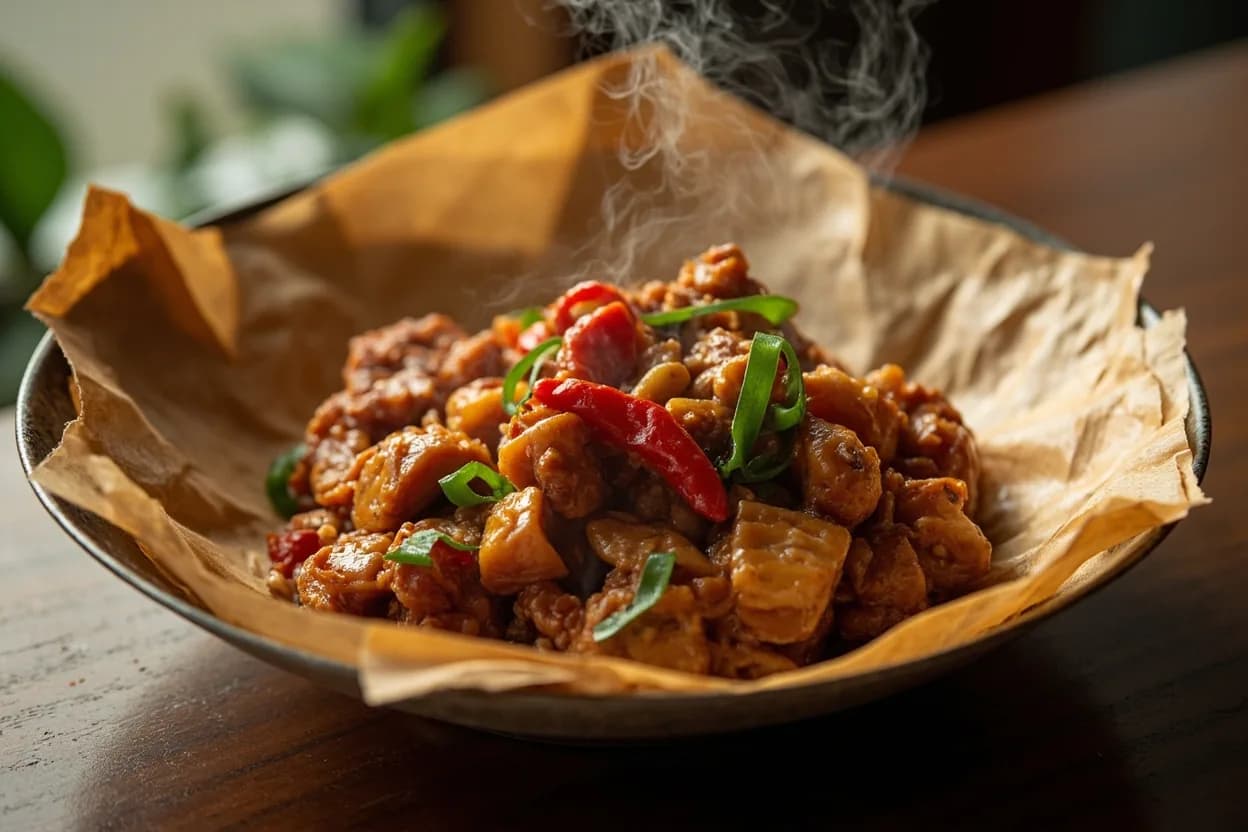
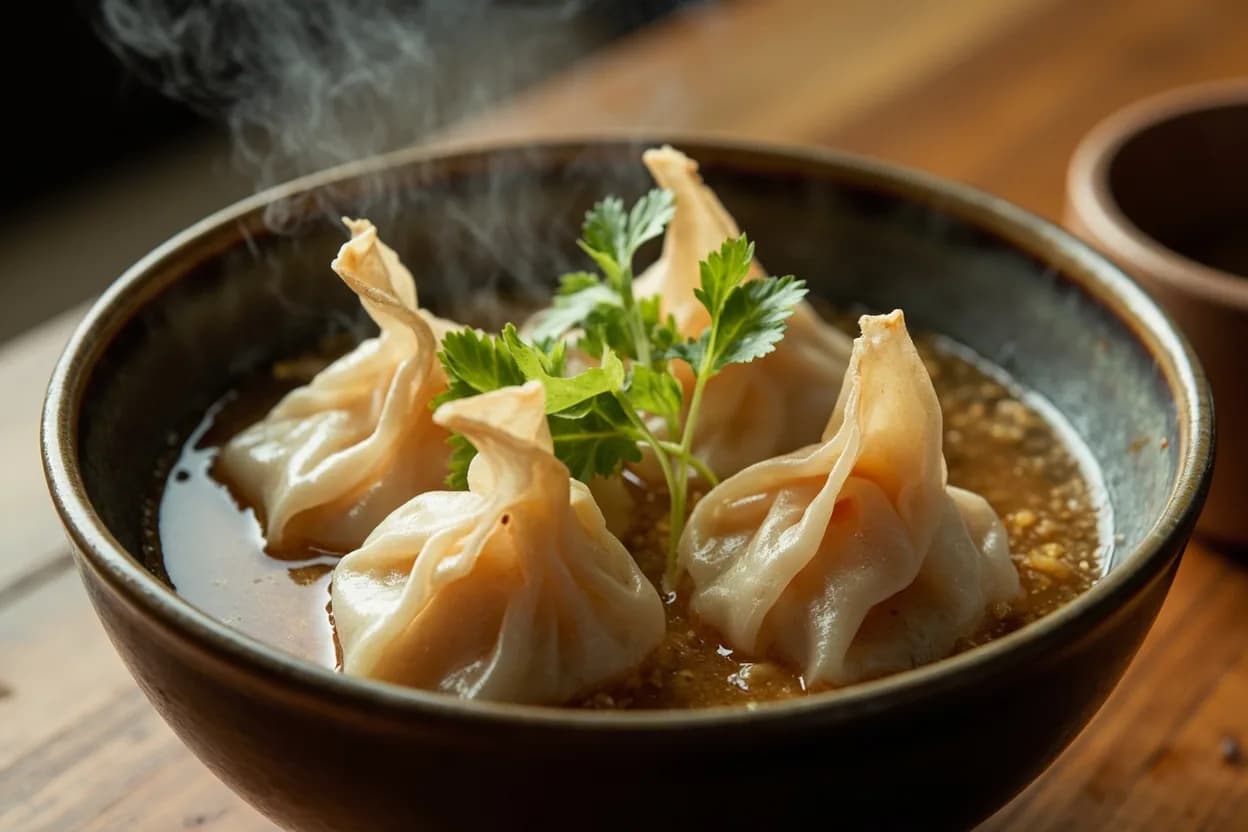
Related

Boil
Cook in vigorously bubbling liquid at full rolling heat

Simmer
Hold liquid at a gentle shimmer for tender, unhurried cooking

Poach
Cook gently in barely-trembling liquid for silky, tender results

Steam
Cook in rising vapor to keep color, nutrients, and shape intact

Blanch
Plunge briefly in boiling water, then shock cold to lock color

Braise
Sear, then cook slow in a little liquid until fall-apart tender

Stew
Simmer bite-sized pieces fully submerged into a rich, unified pot

Sous-Vide
Seal and cook in precise warm water for edge-to-edge doneness