Latin America
Sonoran
Also: Cocina Sonorense, Sonora cuisine
The birthplace of the flour tortilla — a desert cattle cuisine of spare elegance, dried meats, and the peculiar genius of the Sonoran hot dog.
Sonoran cuisine is the most distilled expression of Mexico's northern cattle culture: vast rangelands, semi-arid Sonoran Desert terrain, and a Yaqui, Mayo, and O'odham indigenous substrate shaped by Spanish and later Chinese and Lebanese immigrant waves. Sonora is credited with originating the flour tortilla (tortilla de harina de agua), the defining bread of the entire Mexican north. The cuisine is characterized by restraint — excellent beef and pork prepared simply over fire, dried and preserved meats, fresh-pressed wheat tortillas, and a regional confectionery (coyotas, torrejas) of quiet distinction.
The flavour base
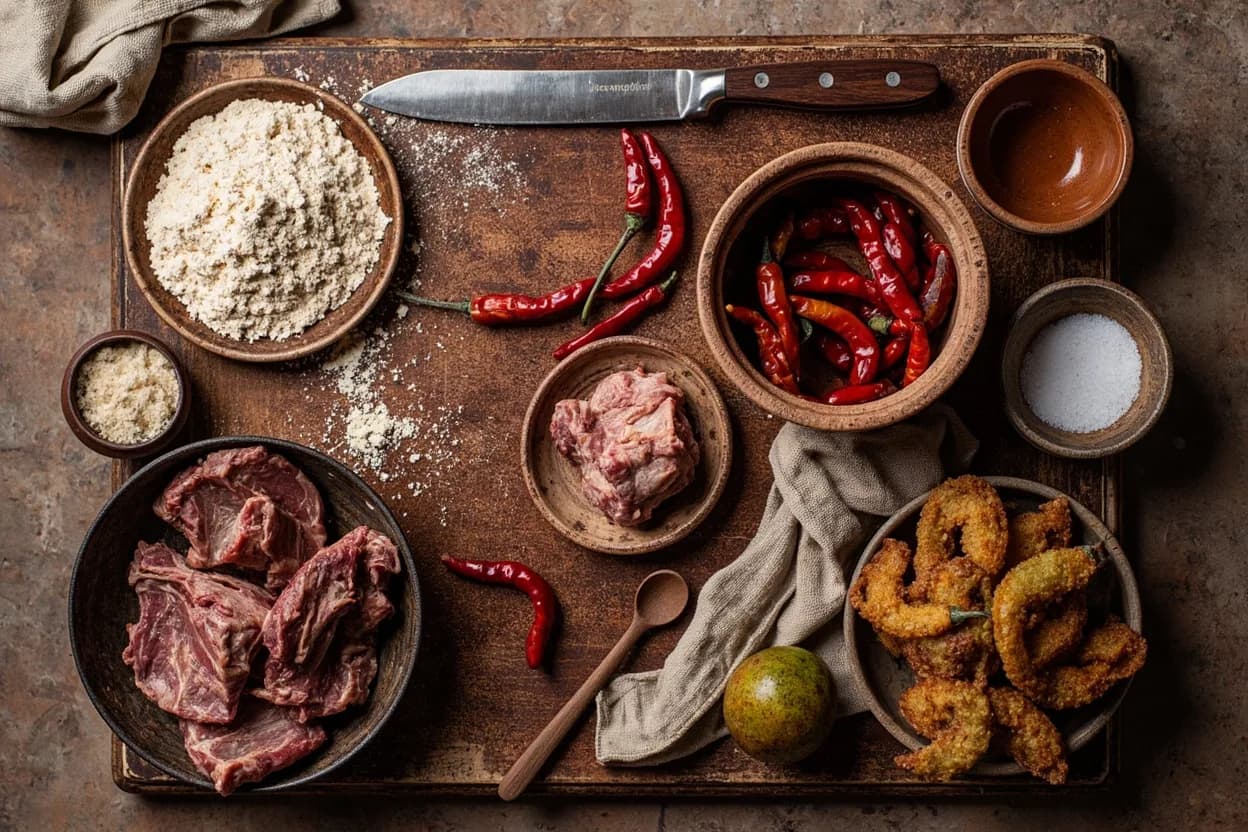
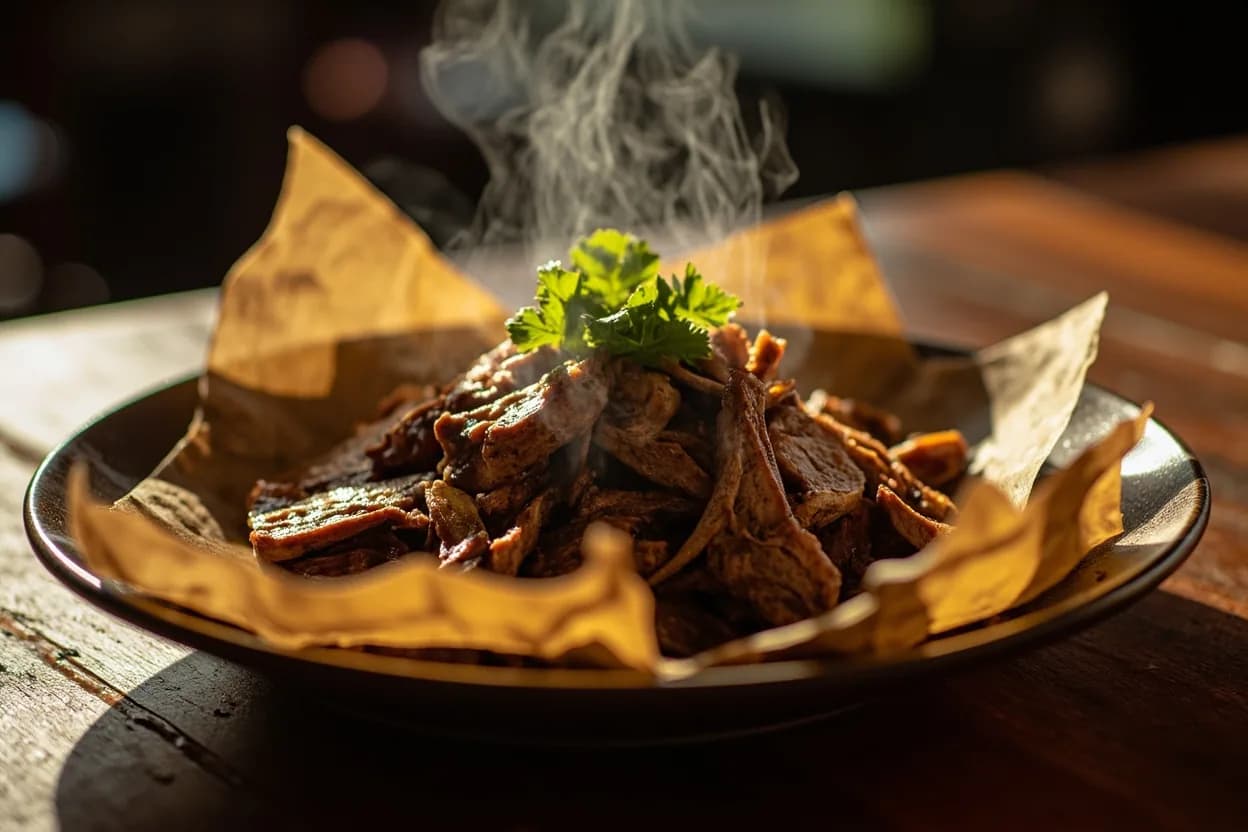
Carne seca (air-dried spiced beef) and the fat-rich flour tortilla are the cuisine's signatures. Salsa made from dried chiles colorado (a regional Sonoran red chile) and fresh chiltepin (a wild Sonoran chile of intense heat) gives depth without complexity. The desert larder — mesquite pods, saguaro fruit, quelites (wild greens) — provides indigenous counterpoint.
Pantry staples
Key ingredients
Signature techniques
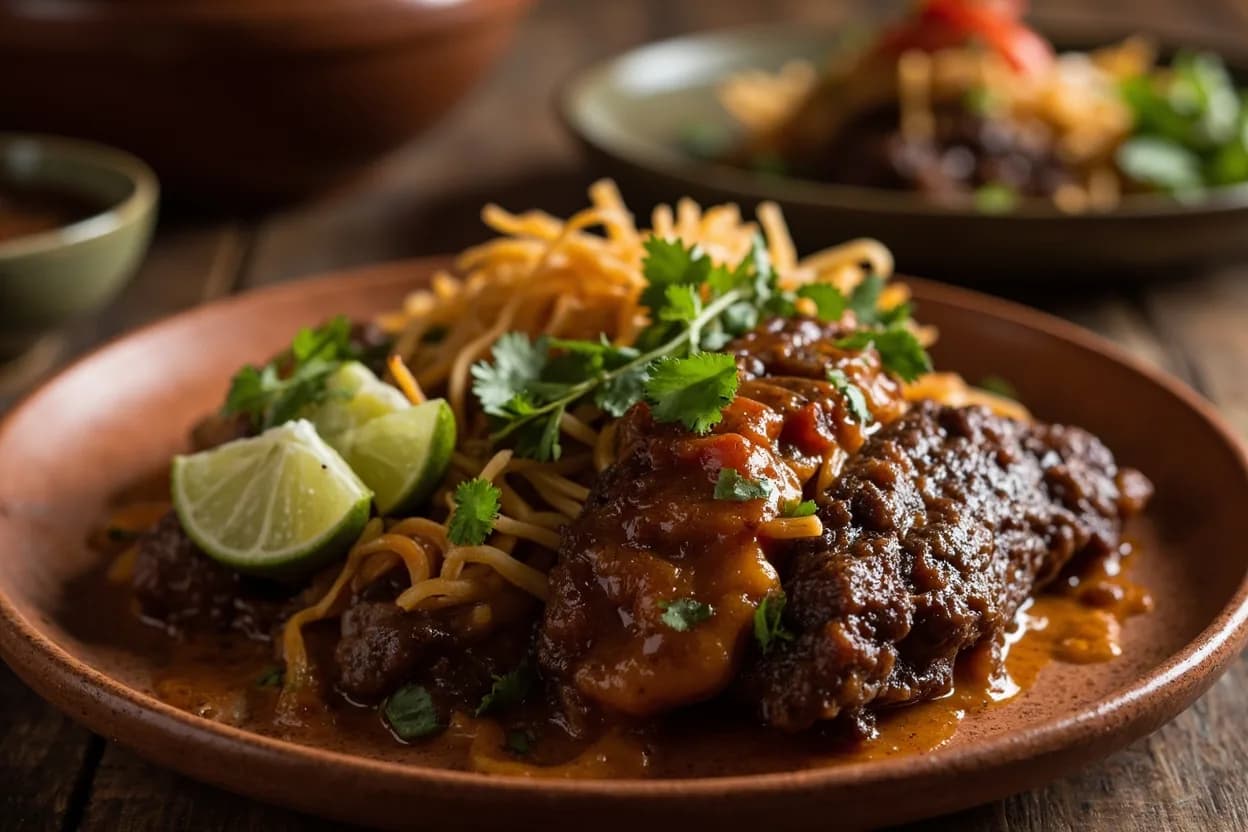
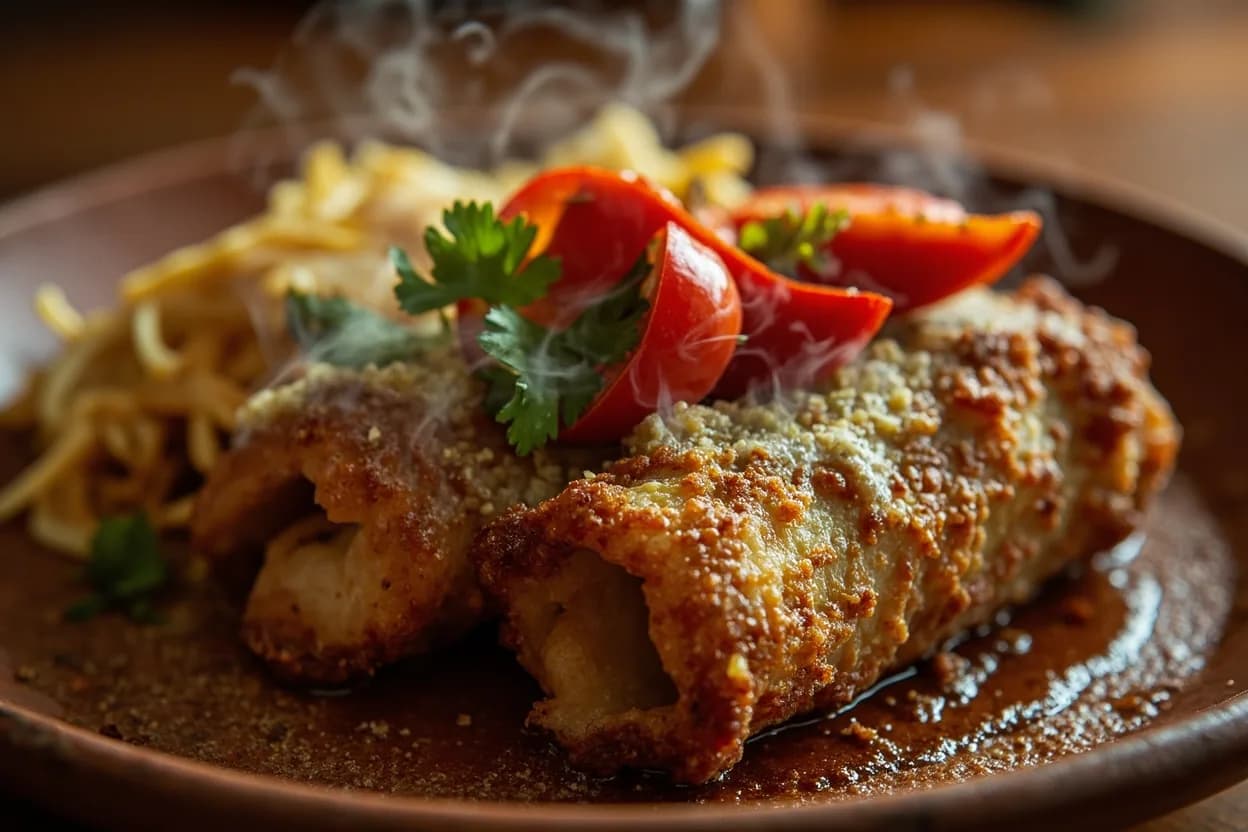
Signature dishes
Sonoran on the table
At the table
Breakfast centers on the flour tortilla — machaca con huevo, beans, and fresh tortillas are near-universal. The midday comida is the protein meal: carne asada or carne seca with beans and tortillas. Street food in Hermosillo and Nogales runs on burritos (large, flour-tortilla wrapped) and Sonoran hot dogs from dedicated carts (dogos). The cuisine has fewer soup and mole courses than central Mexico; it eats direct and moves on.
History & context
Sonora was colonized by Jesuit missionaries in the late 17th century — their missions introduced wheat cultivation to Yaqui and Mayo communities and established the flour-milling economy that made wheat tortillas possible. O'odham (Tohono O'odham) people had long harvested saguaro fruit and mesquite, a wild-food tradition that survived Jesuit and then Spanish ranching occupation. Large cattle haciendas grew through the 18th century, producing a ranching elite whose table centered on beef. Chinese immigration to Sonora peaked in the 1910s–1920s (many fleeing post-Revolution exclusion laws from the US); Chinese-Mexican fusion produced dishes like carne con chile al estilo chino and a café culture in Hermosillo. Lebanese immigration in the early 20th century introduced the taco árabe (pita-wrapped pork) that was the precursor to tacos al pastor. Sonora's proximity to Arizona means a constant culinary exchange across the border.
Regional variations
- Costa de Sonora (Gulf of California coast)
Shrimp (camarón gigante) and fish from the Sea of Cortez dominate; Guaymas shrimp are nationally prized; ceviche, aguachiles, and seafood burritos offset the inland beef culture.
- Sierra Madre Occidental (Yaqui and Mayo highlands)
More indigenous Yaqui and Mayo presence; wild game, quelites, and desert-adapted crops including tepary beans; ceremonial foods tied to Yaqui ritual calendar.
- Border zone (Nogales / Agua Prieta)
Intense cross-border hybrid zone; the Sonoran hot dog was developed here (some attribute it to a specific cart in Nogales in the 1980s); strong Sonoran-Arizona fusion of meats, chiles, and American fast-food formats.
Related cuisines
Sonoran is the most refined and historically originary strand of broader norteña cuisine; it is to norteña what Oaxacan is to southern Mexico — both exemplary and locally specific.
- Arizonan / Sonoran-American
Tucson's own culinary identity — declared a UNESCO Creative City of Gastronomy in 2015 — is largely Sonoran Mexican; tepary beans, mesquite flour, and flour tortillas cross the border in both directions.
- Baja Californiana
Shares the Pacific seafood richness, desert-plant larder, and cross-border US exchange; Baja cuisine is more Mediterranean-wine-influenced while Sonora is more desert-cattle.
Canonical recipes
The dishes that define Sonoran, documented in the Canon.
References
- 1.Mexico: The Cookbook — Margarita Carrillo Arronte (Phaidon, 2014)
- 2.Taco USA: How Mexican Food Conquered America — Gustavo Arellano (Scribner, 2012)
- 3.The Essential Cuisines of Mexico — Diana Kennedy (Clarkson Potter, 2000)
- 4.Eating the Desert: Food Culture of the Sonoran Region — Arizona State Museum publications
Confidence: high
Notes
The Flour Tortilla's True Origin
The Sonoran flour tortilla — made with a soft-wheat high-lard dough rolled extremely thin and cooked on a comal — is distinct from the thick, lard-heavy Tex-Mex flour tortilla or the industrial burrito wrap. Authentic Sonoran tortillas (tortillas de agua, named for the water that hydrates the dough) are nearly translucent when held to light, billowing in steam when fresh off the comal. They originated in Jesuit mission communities where wheat was grown and lard was the cooking fat. The commercial versions dominant in the US are distant approximations.
The Sonoran Hot Dog
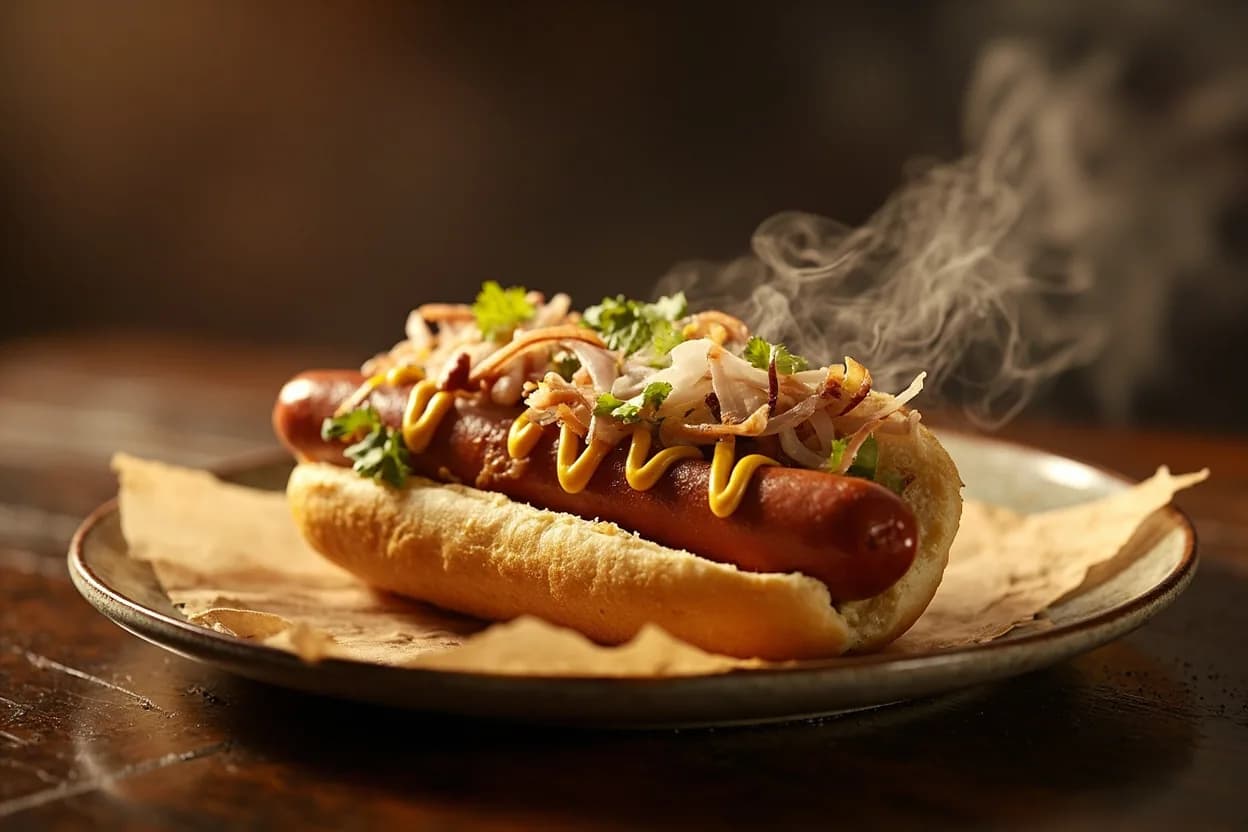
The Sonoran hot dog (dogo) is a fully dressed bacon-wrapped frank served in a bolillo-style split-top bun, topped with pinto beans, chopped tomato, onion, mayonnaise, mustard, and a streak of jalapeño salsa. It emerged in Hermosillo and Nogales in the 1980s and is now an established street food across Arizona. Its cultural status — Mexican working-class street food wrapped around a German-American hot dog — is a compressed symbol of the Sonoran border's culinary creativity.