Latin America
Norteña (Northern Mexican)
Also: Cocina Norteña, Northern Mexican, Cocina del Norte
The cattle-and-wheat frontier cuisine of Mexico's vast north — spare, protein-centered, and defined by open fire, flour tortillas, and the ranching culture of six border states.
Norteña cuisine spans six states (Chihuahua, Coahuila, Durango, Nuevo León, Sonora, and Tamaulipas) across Mexico's largest territory, united by a shared cattle-ranching economy, arid-land ecology, and proximity to the United States. It is the only major Mexican regional tradition built on wheat flour rather than corn, producing the large, pliable flour tortilla that now defines 'Mexican food' for much of the American Southwest. The cuisine is lean and directional — large cuts of beef grilled over mesquite, dried and preserved meats, aged cheeses, and an absence of the complex chile moles that characterize central Mexico.
The flavour base
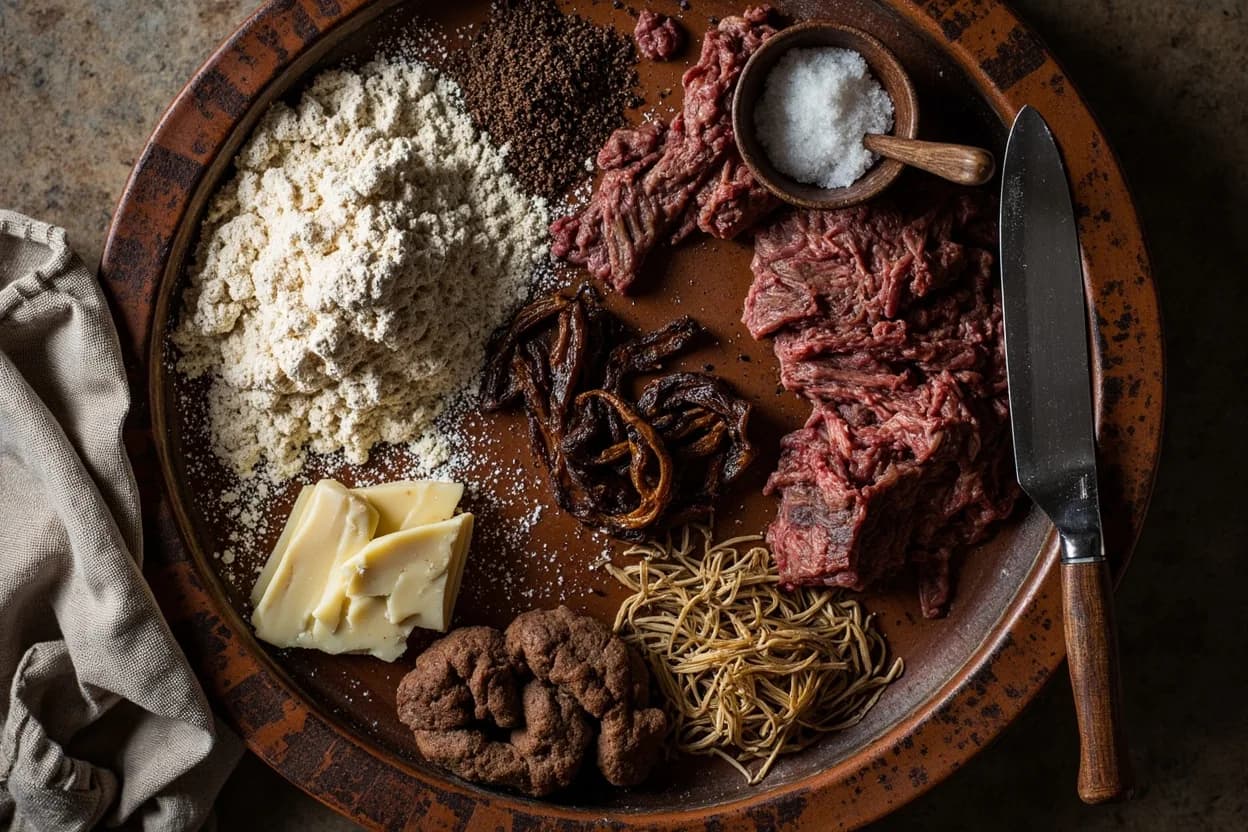
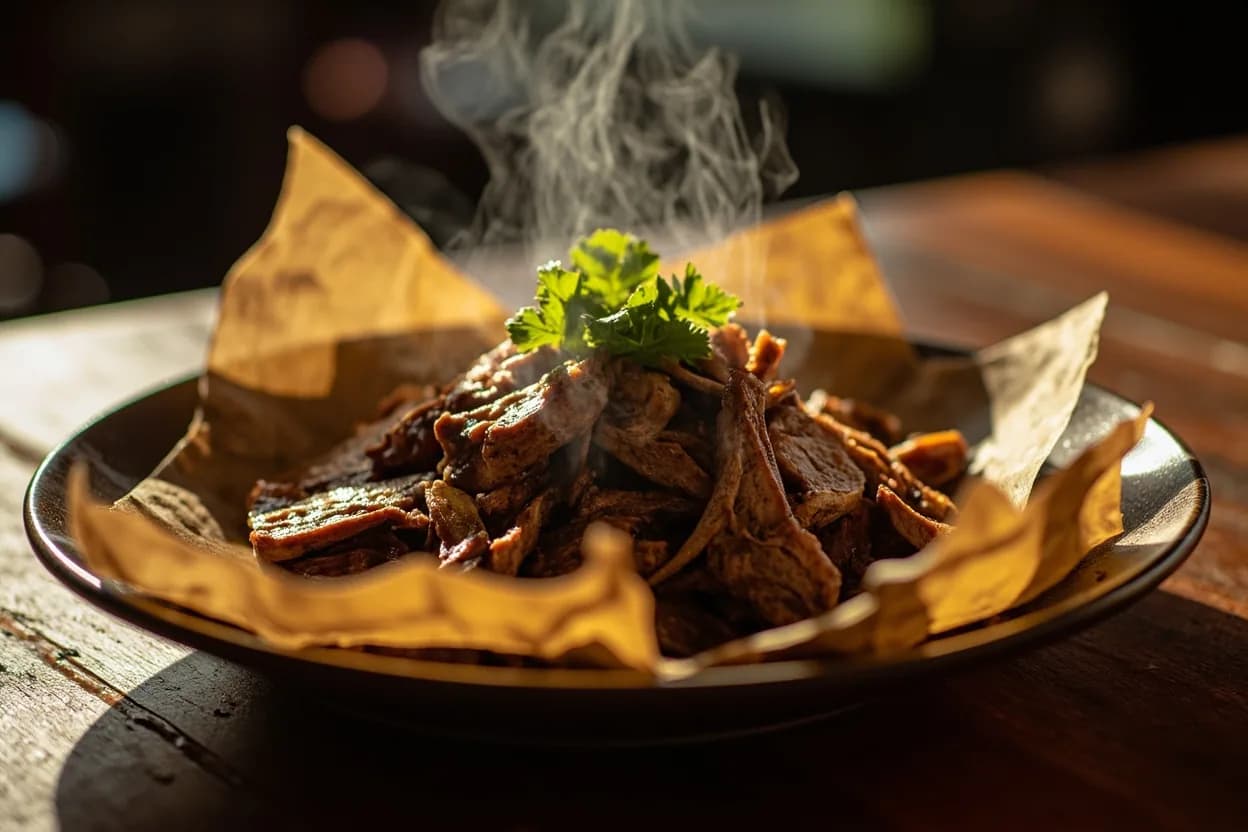
Grilled beef over mesquite and the fat-enriched flour tortilla are the cuisine's twin pillars. Dried and salted meats (machaca, carne seca) rehydrated in egg or salsa form the weekday protein base. Chiles guajillo and negro appear in marinades and salsas but sauces are generally simpler and thinner than in southern cuisines.
Pantry staples
Key ingredients
Signature techniques
Signature dishes
Norteña (Northern Mexican) on the table
At the table
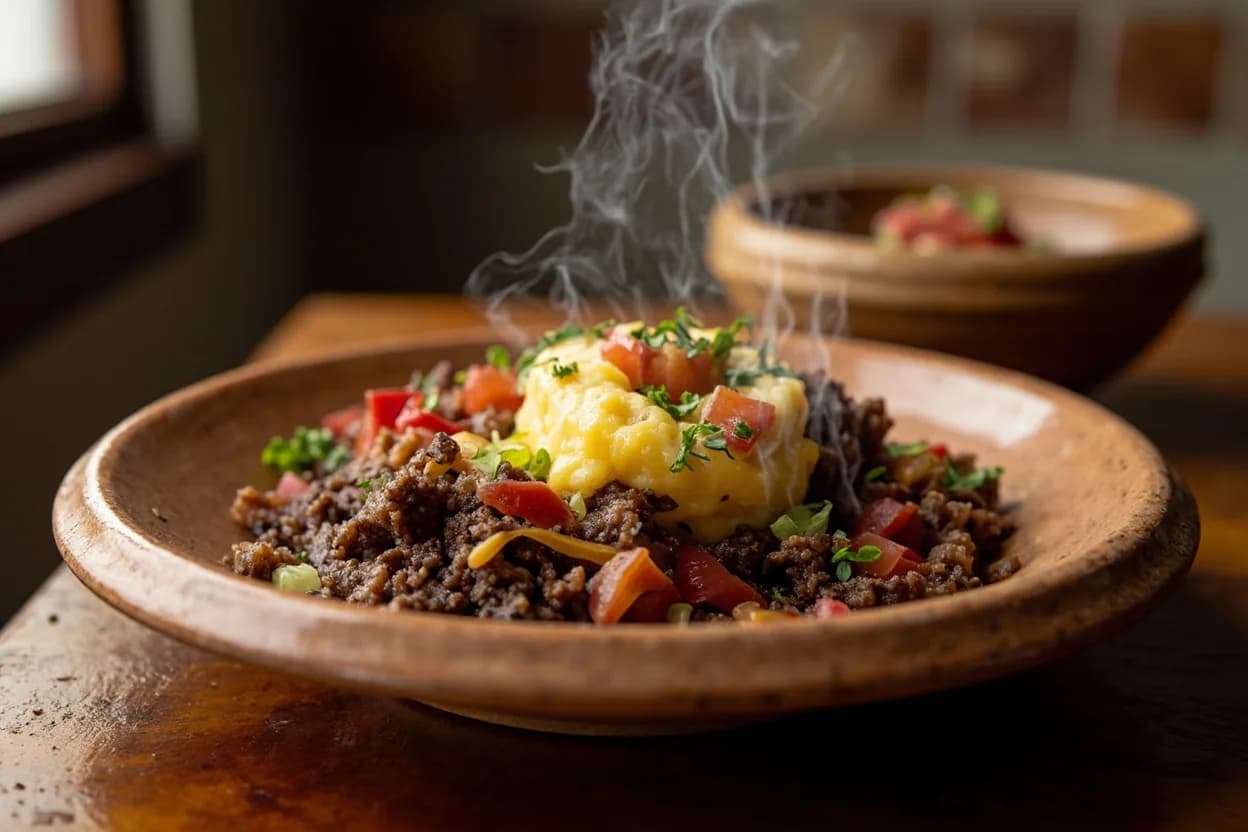
Meals in the north are structured around the protein — carne asada is both a daily meal and a social event. Sunday asadas bring extended families together around mesquite fires. Breakfast of machaca con huevo and flour tortillas is nearly universal. Frijoles charros (cowboy beans) appear at every midday and evening meal. The cuisine has fewer courses and lighter sauce work than central or southern Mexico; simplicity and quality of ingredient are the aesthetic.
History & context
Northern Mexico's culinary character was forged by the Camino Real de Tierra Adentro, the silver road running from Zacatecas north through Chihuahua to Santa Fe. Spanish land grants in the 17th and 18th centuries created enormous cattle haciendas (latifundios) across Chihuahua, Coahuila, and Nuevo León. Mennonite immigration to Chihuahua in the 1920s introduced the queso menonita and highly refined wheat farming that changed the region's cheese and bread culture. The US-Mexico border — a zone of intense daily crossing — produced a hybridized Border cuisine that fed back into northern cooking (the burrito as a portable meal, the combination plate) while norteña techniques flowed north to become the backbone of Tex-Mex and New Mexican cuisines.
Regional variations
- Nuevo León (Monterrey)
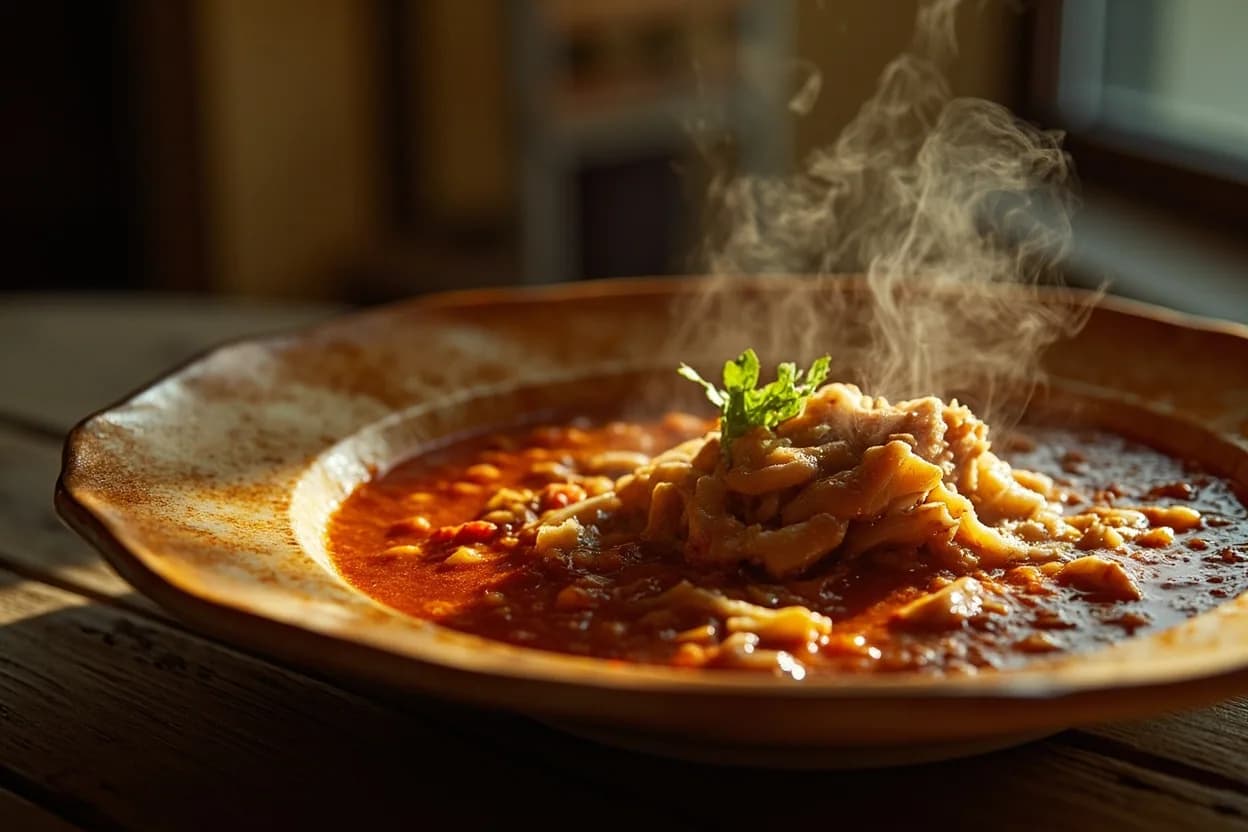
The industrial capital's cuisine centers on cabrito al pastor, the most emblematic dish; also famed for pan de polvo, machaca, and a strong menudo tradition; more urban and commercially developed than other northern regions.
- Chihuahua
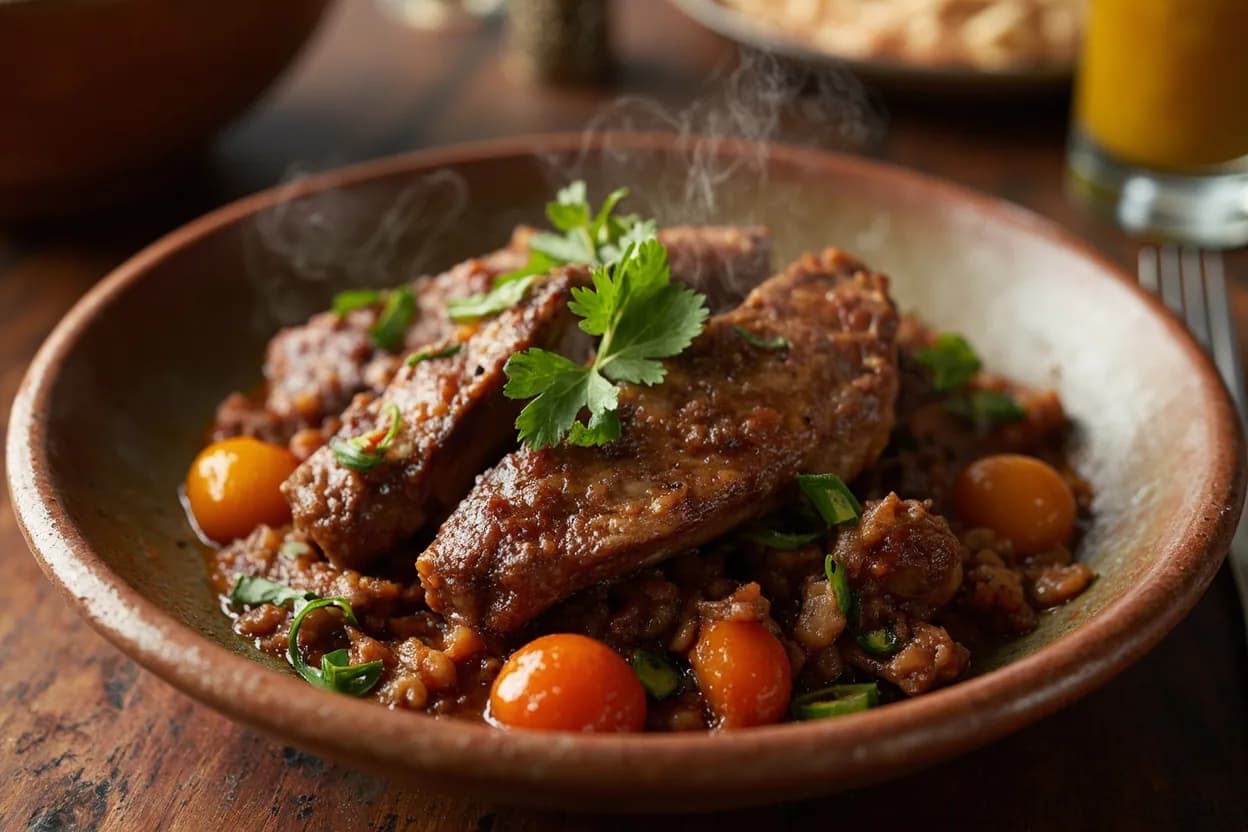
Home of queso Chihuahua and the Mennonite dairy influence; caldillo durangueño (dried-beef and chile stew) and red chile enchiladas are staples; vast cattle ranches produce some of Mexico's finest beef.
- Coahuila and Tamaulipas (border towns)
Intense US-Mexico border exchange; machaca burritos, discadas (one-pan plow-disc cookery), and grilled meats dominate, with stronger Texan and Gulf influences in Tamaulipas.
- Durango (Sierra Madre)
Mountainous terrain supports venison, wild boar, and highland herbs; caldillo durangueño originates here; the state also has a significant colonial-era sweet-bread (pan dulce) tradition.
Related cuisines
Sonora is the birthplace of the flour tortilla tradition and shares the cattle-ranching DNA; distinguished from broader Norteña by its particular carne seca, Sonoran hot dog, and desert-ingredient profile.
- Tex-Mex
Tex-Mex is the northward mutation of norteña traditions — flour tortillas, beef, chili con carne, and combination plates — filtered through Texas Anglo ranching culture; norteña is the parent tradition.
- New Mexican
New Mexico's red and green chile cuisine derives from the Camino Real corridor; both cuisines share dried red chiles, beef, and the Spanish Colonial ranching heritage.
Canonical recipes
The dishes that define Norteña (Northern Mexican), documented in the Canon.
References
- 1.Mexico: The Cookbook — Margarita Carrillo Arronte (Phaidon, 2014)
- 2.The Essential Cuisines of Mexico — Diana Kennedy (Clarkson Potter, 2000)
- 3.Food Culture in Mexico — Long-Solis & Vargas (Greenwood Press, 2005)
- 4.Authentic Mexican: Regional Cooking from the Heart of Mexico — Rick Bayless (Morrow, 1987)
Confidence: high
Notes
The Flour Tortilla Paradox
The flour tortilla is a colonial-era invention of the northern frontier, not an ancient Mesoamerican food. Wheat grew where corn struggled in the arid north, and Spanish settlers needed a portable bread. The result displaced the corn tortilla as the daily starch across the entire region — the only part of Mexico where this happened — and then exported that displacement north into the US Southwest where flour tortillas now define public perception of Mexican food globally.
Discada: Rancher Ingenuity
Discada is cooked on an old plow disc repurposed as a wok, heating over an open flame. A typical discada includes chorizo, bacon, ham, beef, pork, and vegetables all cooked together with beer. The dish epitomizes norteña cooking's pragmatic resourcefulness: no special equipment, maximum protein, communal scale.