East Africa
Somali
Also: Soomaali cuisine, Horn of Africa nomadic cuisine
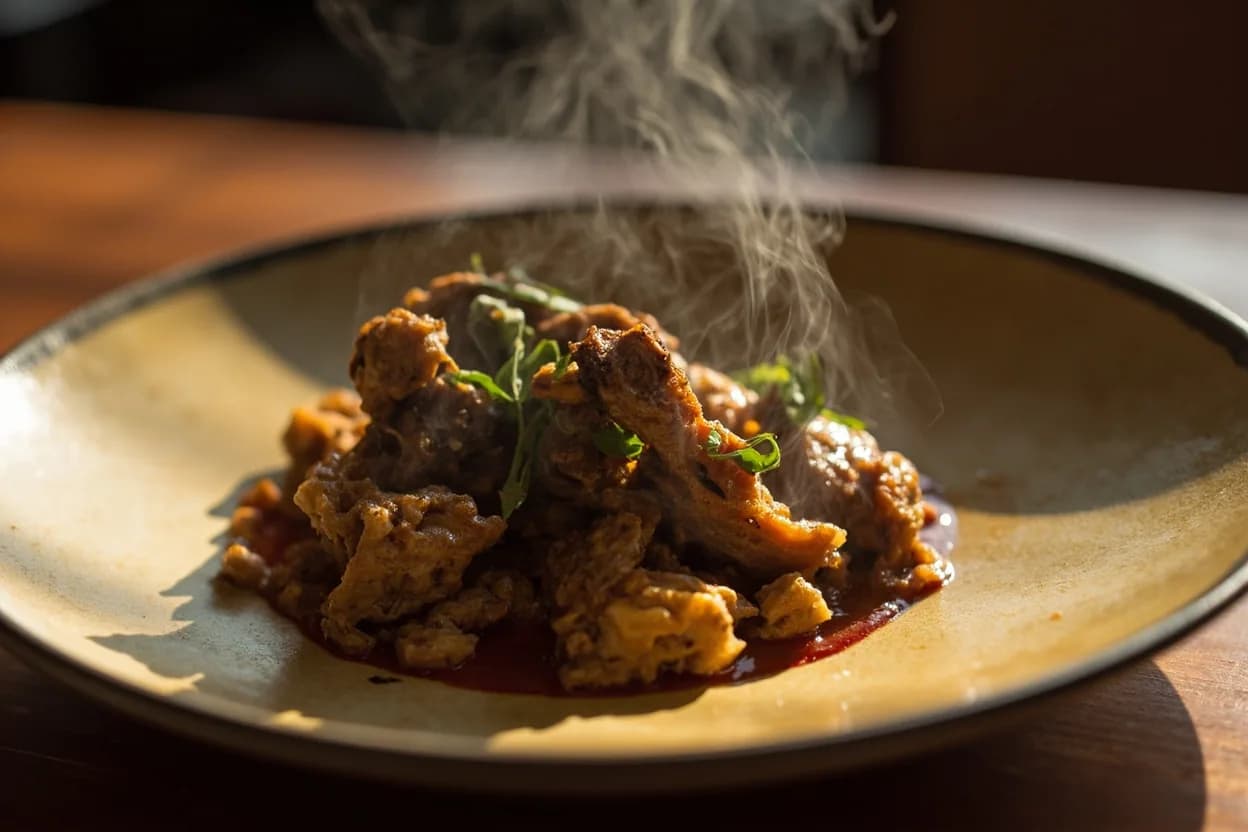
A nomadic and coastal cuisine shaped by Indian Ocean trade: canjeero flatbread, suqaar spiced meat, aromatic rice dishes, and a deep reliance on goat, camel, and fragrant spice blends.
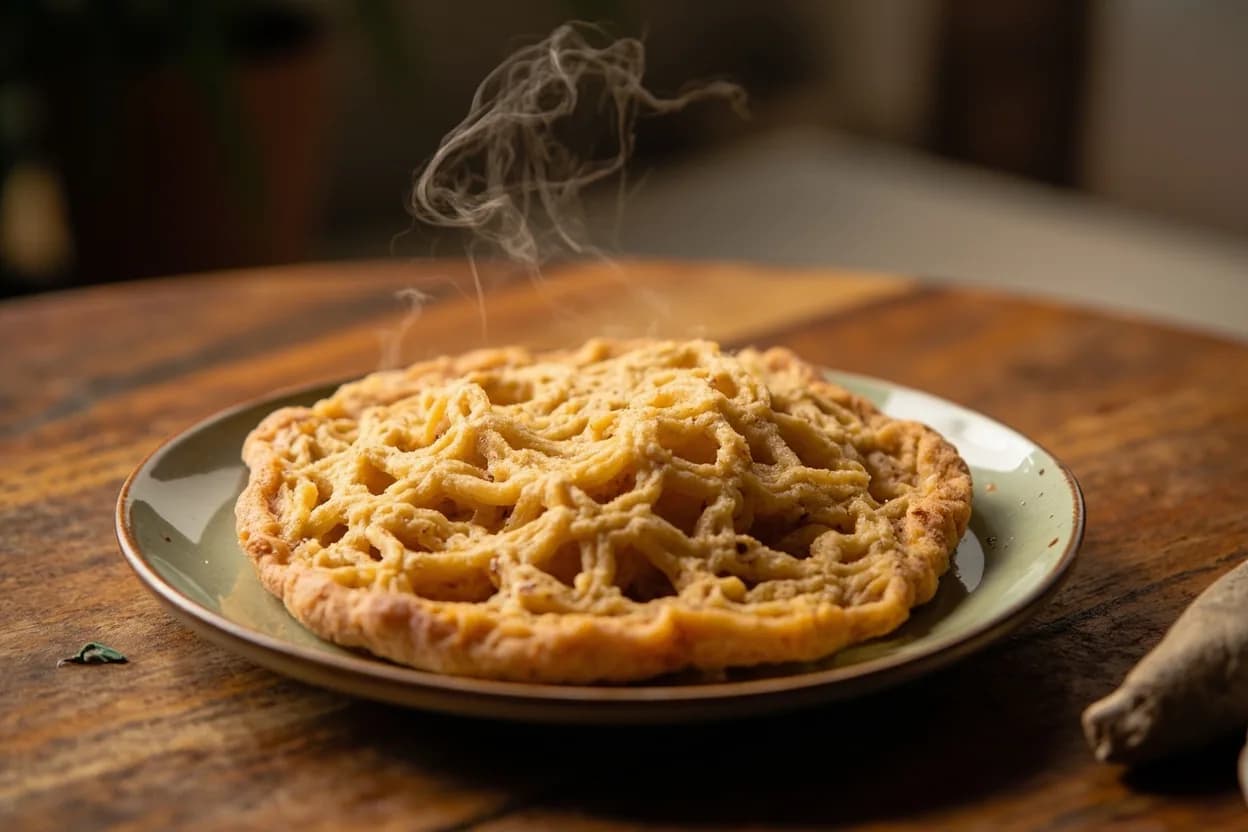
Somali cuisine is the food culture of one of Africa's most distinctive culinary traditions — a cuisine shaped primarily by a nomadic pastoralist heritage rather than sedentary agriculture, dramatically inflected by centuries of Indian Ocean trade. The result is a cooking style that prizes meat (goat, camel, lamb, beef) and aromatic spicing over elaborate vegetable cookery, and that draws on Indian, Arabian, and Persian influences in ways that are fully absorbed and distinctly Somali. Xawaash, a warm spice blend of cumin, coriander, cardamom, and turmeric, is the flavor signature. Canjeero (also called lahoh or anjero) — a spongy, slightly sour fermented flatbread — functions like East Africa's injera but with its own distinct character.
The flavour base
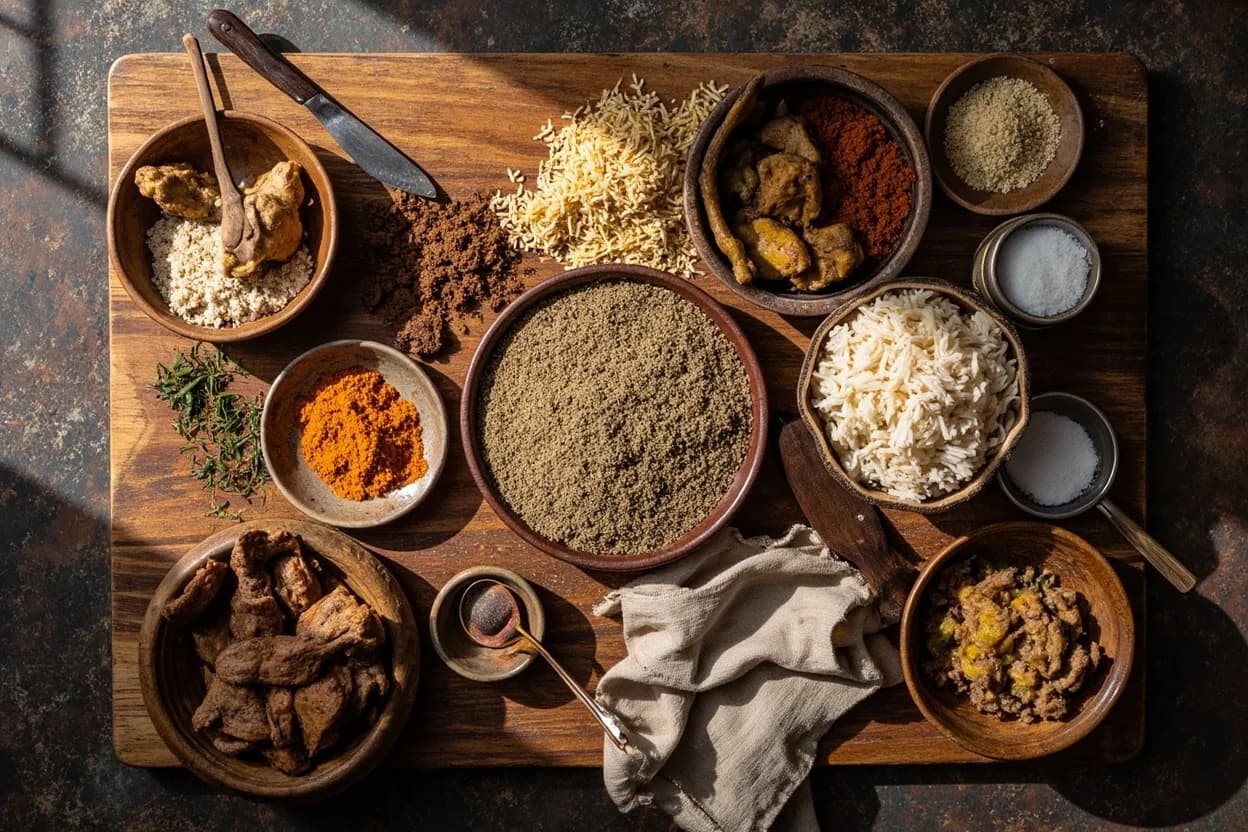
Xawaash spice blend (cumin, coriander, cardamom, turmeric, cinnamon, black pepper) bloomed in oil forms the flavor foundation; onion, garlic, and tomato create the aromatic body that carries meat or rice.
Pantry staples
Key ingredients
Signature techniques
Signature dishes
Somali on the table
At the table
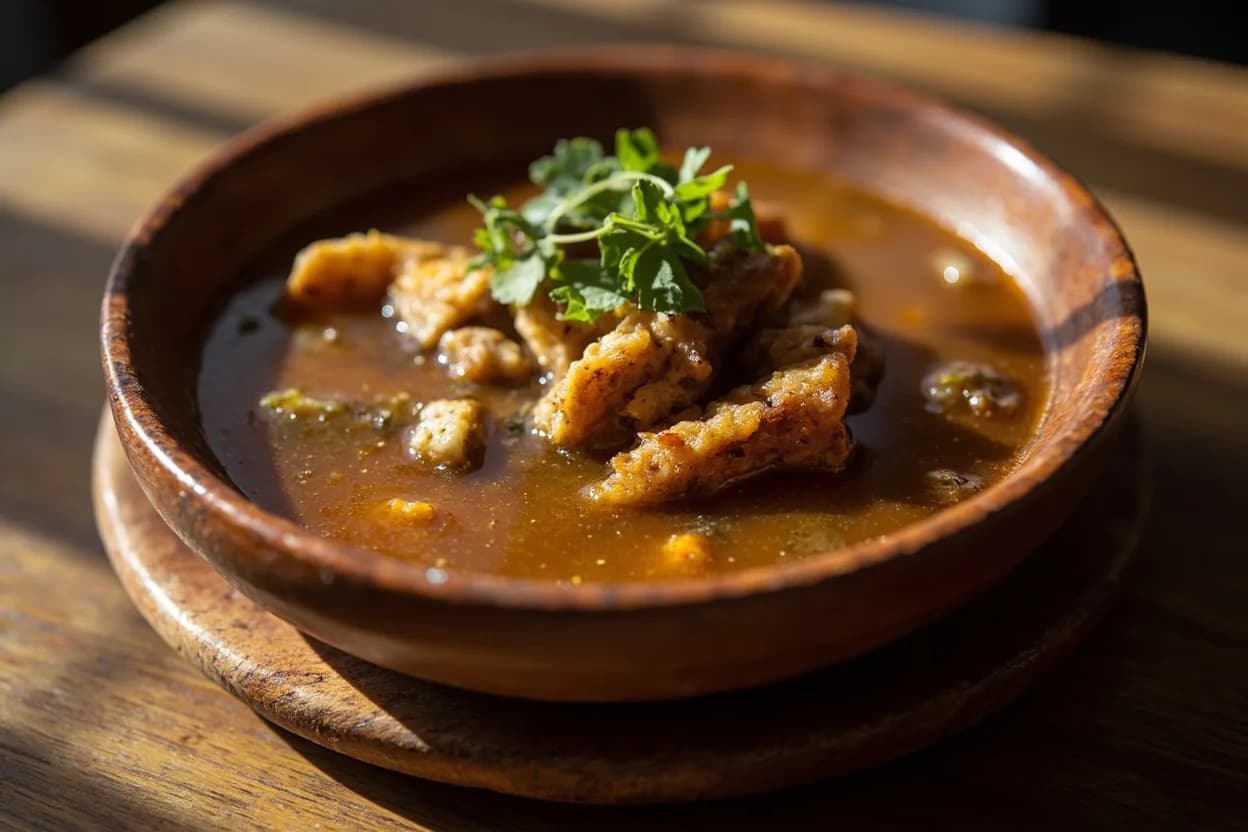
Meals typically center on a large rice dish or stew with canjeero served on the side. Banana slices are a traditional and beloved accompaniment to savory dishes — not a dessert but a palate-balancing element. Maraq broth may be served as a starter or alongside the main dish as a drinking broth. Strong sweet tea (shaah) is the constant beverage, often spiced with cardamom.
History & context
Somalia's position at the Horn of Africa made it a junction of the ancient Indian Ocean trade network — the Periplus of the Erythraean Sea (1st century CE) documents trade with Somali ports. Arab, Persian, Indian, and later Ottoman merchants brought spices, rice cultivation, and culinary techniques that fused with the indigenous nomadic pastoral food culture. Islam arrived in the 7th century and shaped dietary law (halal meat, no pork, no alcohol). Italian and British colonialism in the 19th and 20th centuries introduced pasta (now fully absorbed as baasto) and left traces in urban café culture. The nomadic tradition — still vibrant in rural areas — produced uniquely portable preservation techniques like muqmad and a heavy reliance on camel milk.
Regional variations
- Mogadishu coastal
Strongest Indian Ocean influence; fish dishes, coconut milk use, and spiced rice preparations closer to Swahili cooking.
- Northern/Puntland
More strongly nomadic; camel milk (geel) and camel meat more prominent; simpler preparations closer to pure pastoral tradition.
- Somali diaspora (Kenya, Ethiopia)
Hybrid dishes emerging from proximity to other East African cuisines; canjeero may be eaten with Ethiopian-style wot.
- Somaliland urban
Hargeisa has a distinct café culture with Italian-era pasta absorption and a growing restaurant scene serving national classics.
Related cuisines
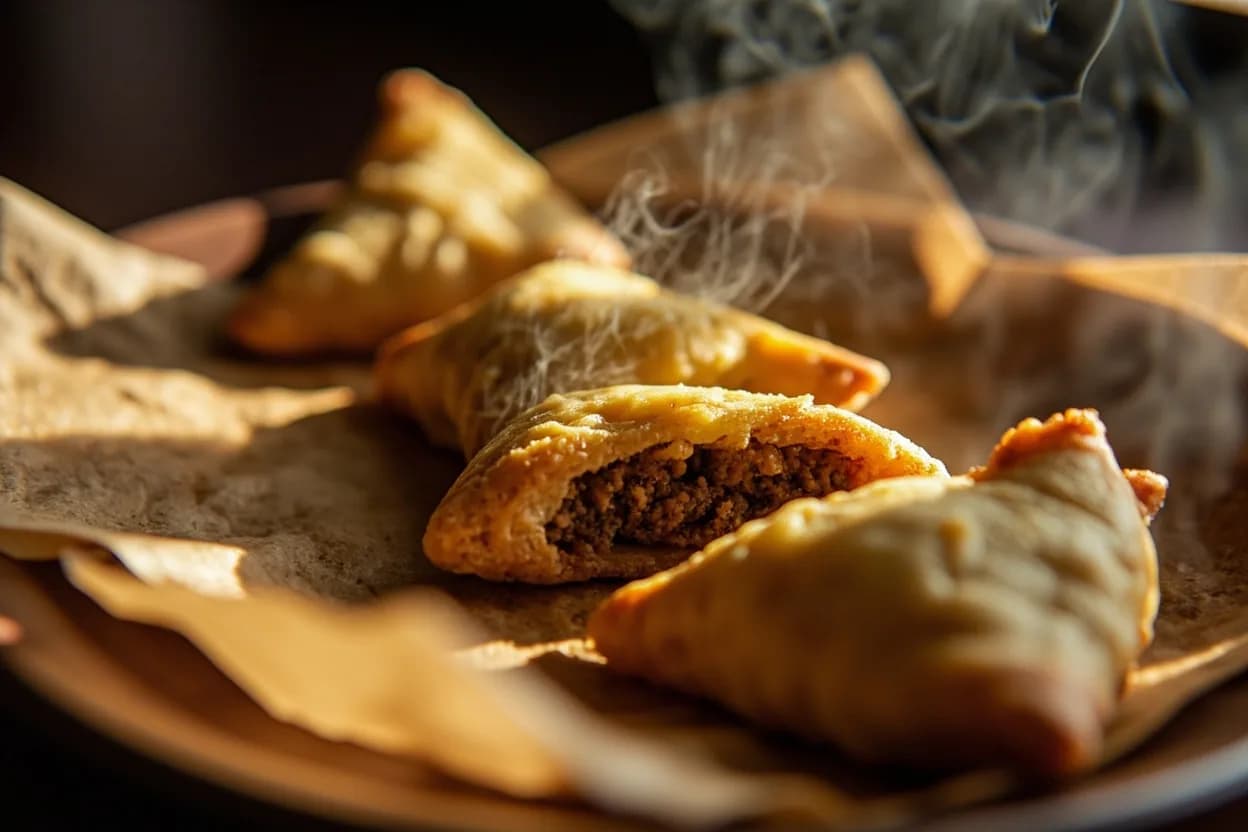
Shared Indian Ocean trade heritage; both cuisines use coconut milk, biryani-style rice, and samosa-type pastries, though Somali cooking is less coconut-reliant.
Ancient dhow trade across the Gulf of Aden created deep spice-route connections; lahoh flatbread appears on both sides.
Geographic neighbors sharing canjeero/injera flatbread tradition and some spice overlap, but Somali cuisine is structurally distinct — no wot tradition, more Arabic influence.
Canonical recipes
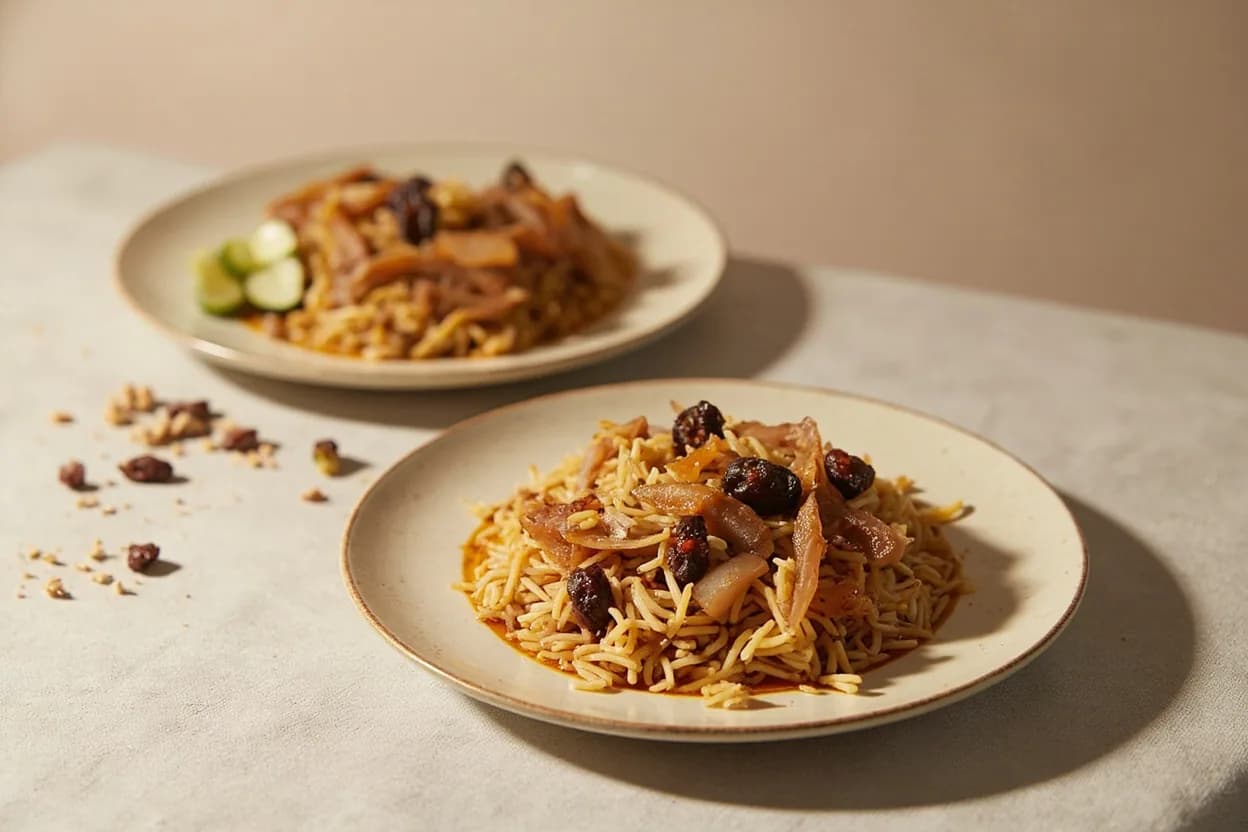
The dishes that define Somali, documented in the Canon.
References
- 1.The Africa Cookbook — Jessica B. Harris
- 2.A Taste of Africa — Dorinda Hafner
- 3.Flavors of Africa — Evi Aki
- 4.The Periplus of the Erythraean Sea (trans. Lionel Casson)
Confidence: medium
Notes
Banana with savory food
The pairing of banana with savory rice and meat dishes is one of Somali cuisine's most distinctive and immediately recognizable customs. Bananas are sliced and eaten alongside bariis iskukaris or suqaar — their sweetness cuts the spice and provides textural contrast. This practice often surprises non-Somali diners but has deep historical roots in the banana-cultivation zones of southern Somalia.
Camel milk culture
Camel milk (caano geel) is nutritionally richer than cow's milk and has a slightly saltier, sweeter taste. In nomadic communities it is a dietary staple consumed fresh, fermented (suusac), or churned into butter. Urban Somalis maintain an emotional and cultural attachment to camel milk that transcends its nutritional role — it represents the pastoral homeland.
Baasto: pasta fully absorbed
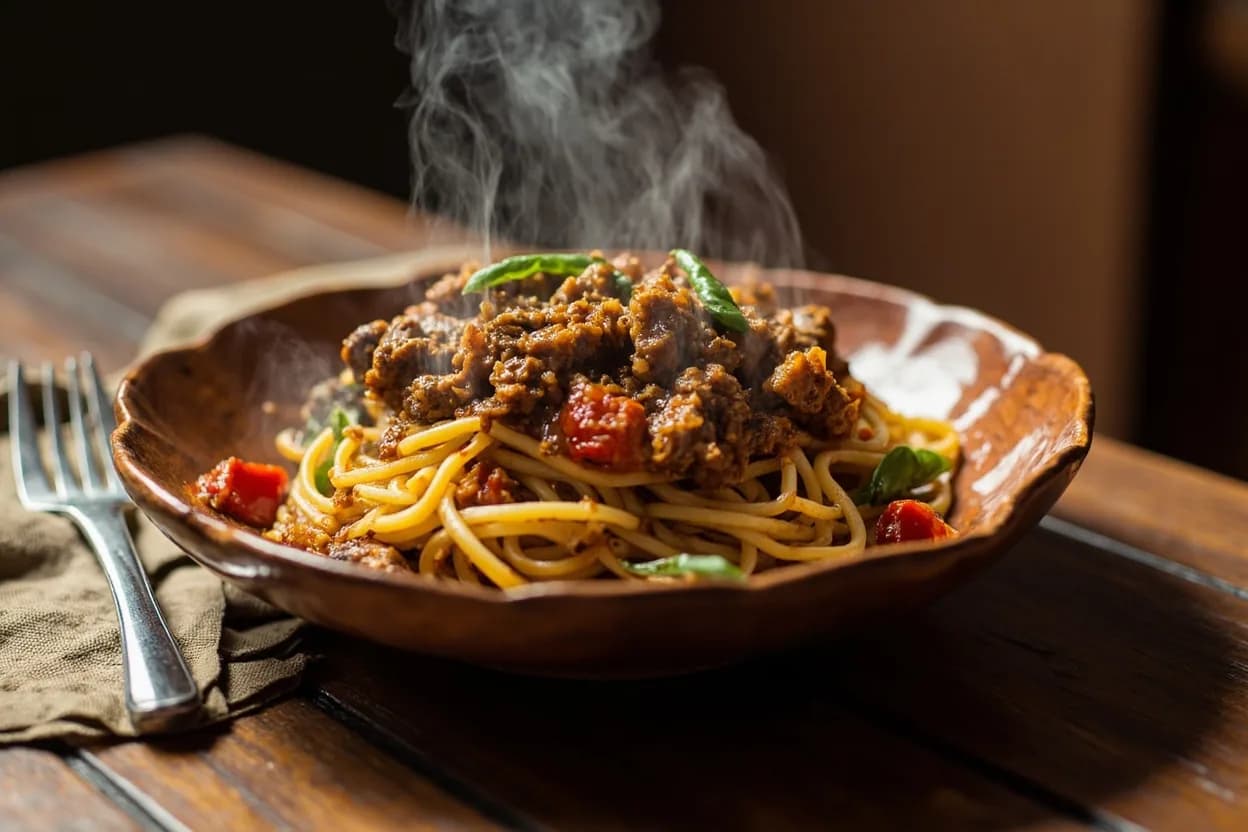
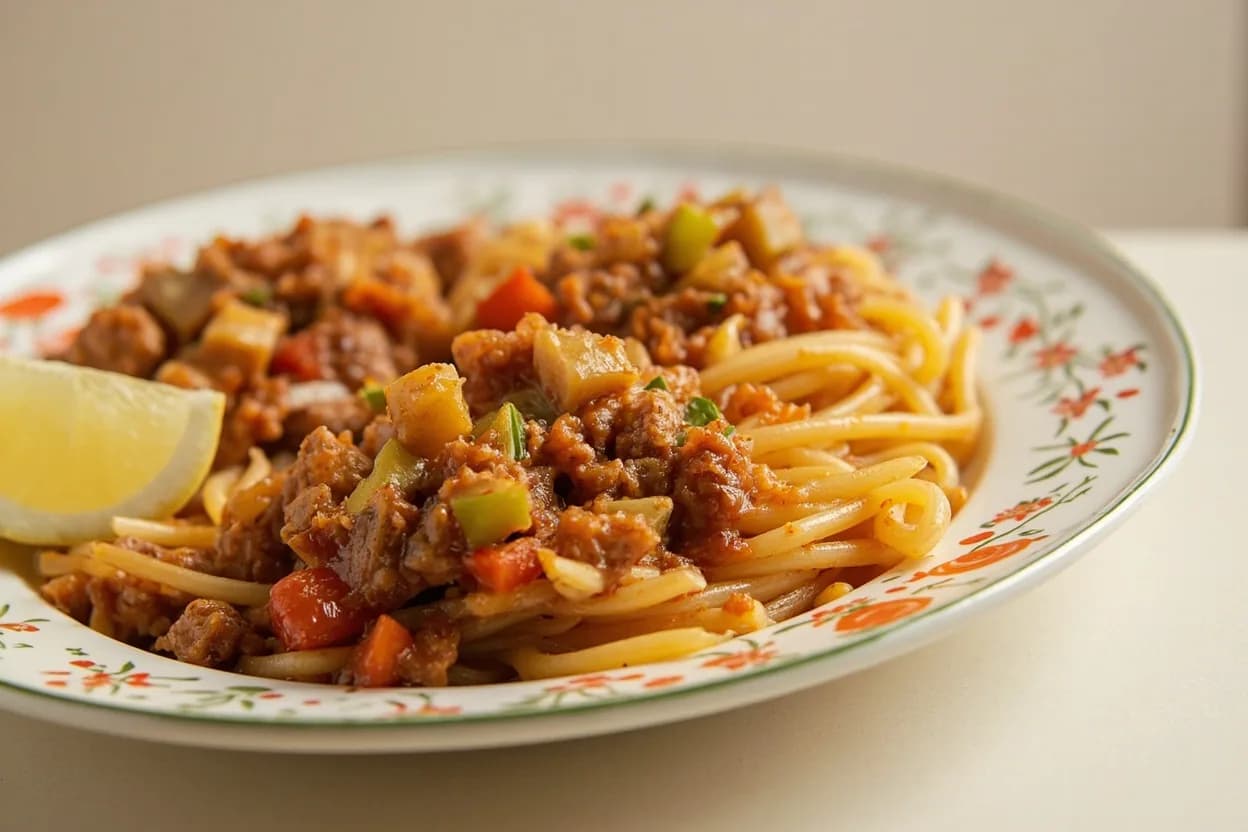
Italian colonial-era pasta (baasto) has been so thoroughly absorbed into Somali cooking that suqaar-topped spaghetti is now considered a national dish. The spiced meat sauce bears no resemblance to Italian ragù — it is fully Somali in seasoning and technique. This is a textbook case of colonially-introduced ingredients being indigenized into something entirely new.