East Africa
Swahili Coastal
Also: Swahili cuisine, East African coastal cuisine, Zanzibar cuisine
The aromatic synthesis of Bantu Africa, Arab trade, Indian migration, and equatorial spice island abundance that defines the East African coast from Mombasa to Mozambique.
Swahili coastal cuisine is one of the world's great syncretic food traditions — a cuisine that emerged from centuries of Indian Ocean trade at the intersection of Bantu African, Arab, Persian, Indian, and Portuguese cultural currents. Its geographic spine runs along the East African littoral: from Lamu and Mombasa in Kenya, through the Tanzanian coast, to Zanzibar, Pemba, and into northern Mozambique. The cuisine is defined by the use of coconut milk as its primary enriching liquid, a warm spice profile dominated by cardamom, cloves, cinnamon, and cumin, and the cultural weight of pilau spiced rice as the prestige dish of celebration. Zanzibar, once the clove capital of the world, is the spiritual and spice center of this tradition.
The flavour base
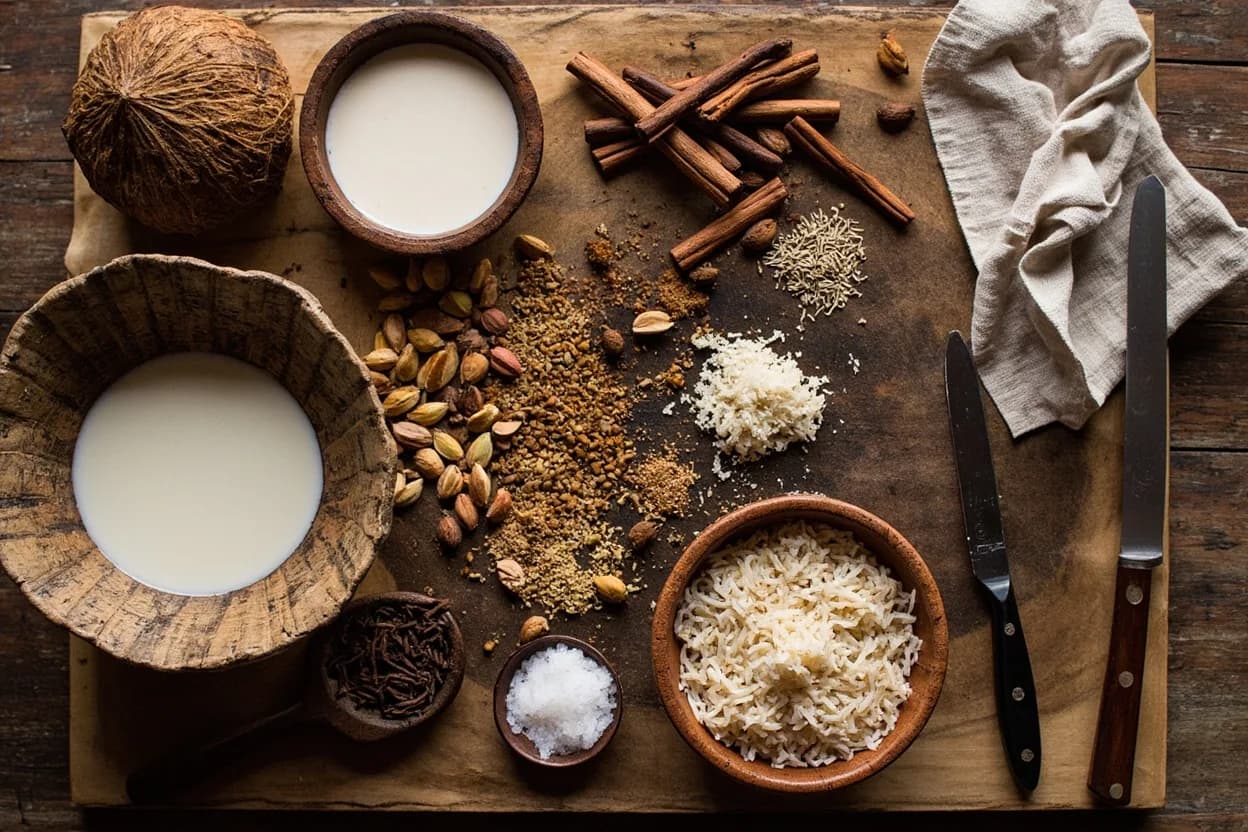
Coconut milk provides richness and sweetness; a spice paste or whole-spice tempering of cardamom, cloves, cinnamon, cumin, and black pepper gives aromatic depth; onion, garlic, tomato, and tamarind or lime provide acid balance. This combination — the Swahili trifecta of fat (coconut), spice (warm aromatics), and acid (tamarind) — defines the cuisine.
Pantry staples
Key ingredients
Signature techniques
Signature dishes
Swahili Coastal on the table
At the table
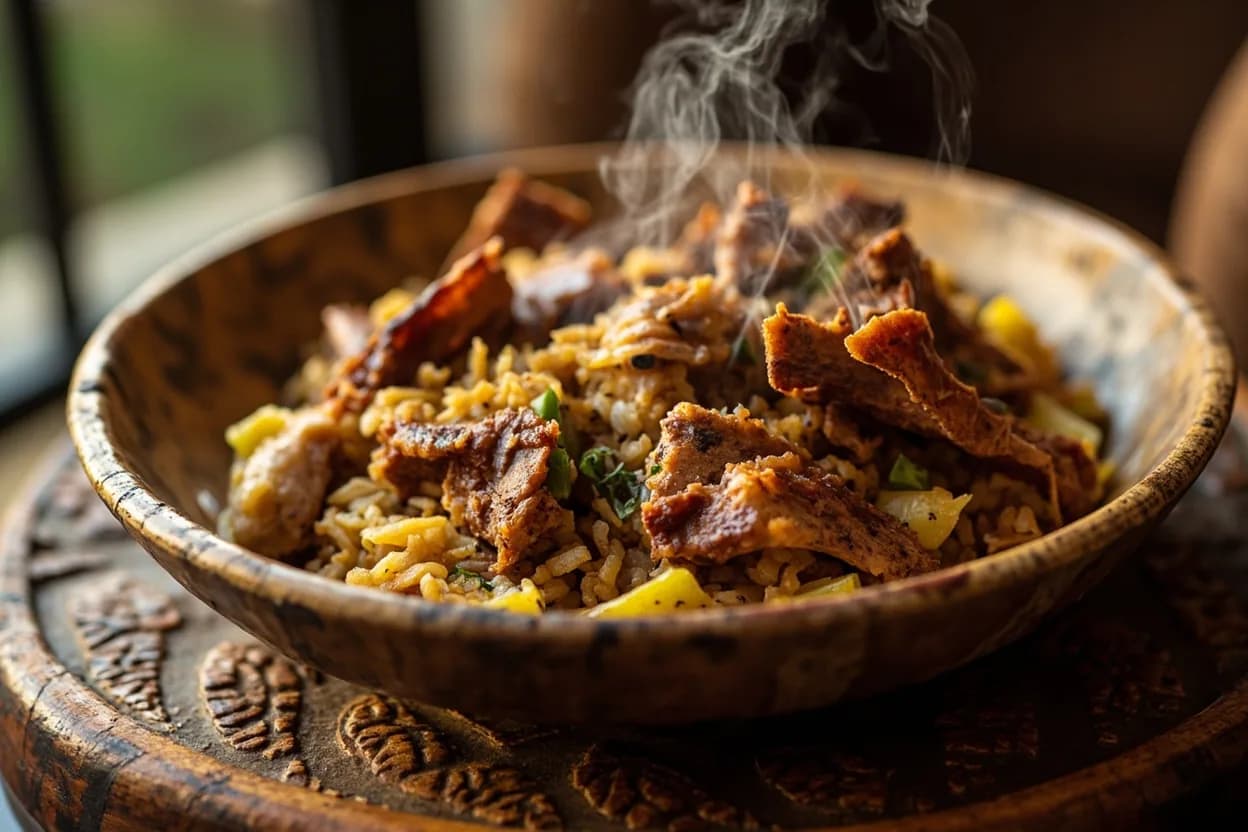
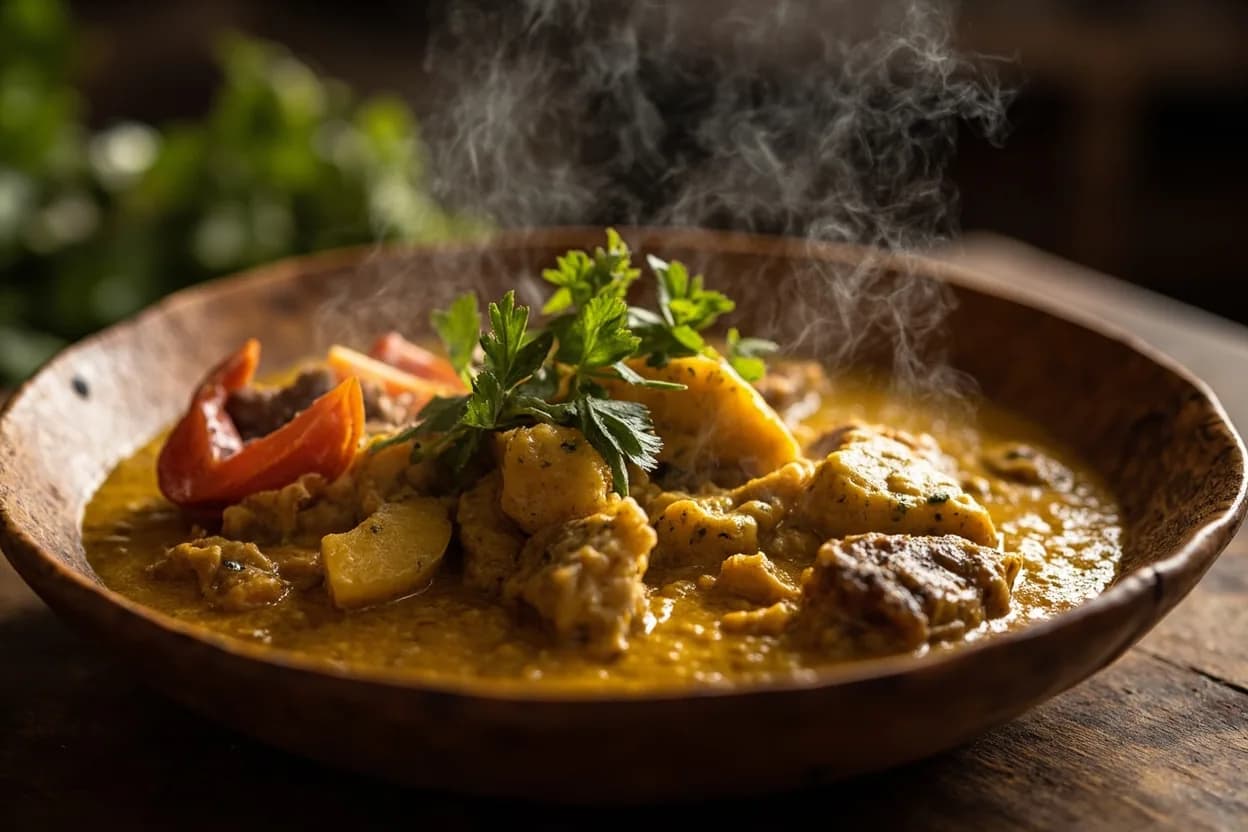
Meals typically center on rice (pilau or wali wa nazi — coconut rice) or ugali maize porridge, accompanied by a coconut-based meat or fish curry, kachumbari salad, and a vegetable side. Pilau is specifically celebration food — weddings, Eid, births — not everyday eating. The Zanzibar street food scene, especially the Forodhani Gardens night market, represents the most accessible face of the cuisine: urojo, mishkaki (grilled meat skewers), and sugar cane juice.
History & context
The Swahili Coast was the western terminus of the ancient Indian Ocean trade system that linked Rome, Arabia, India, and China. Arab dhow merchants settled the coast from the 8th century onward, intermarrying with Bantu African populations to create the Swahili people and language. Persian Gulf sultanates (especially Oman) controlled Zanzibar from the 17th century, making it the Indian Ocean's leading spice and slave trade hub and planting the clove plantations that still define the island. Indian traders (especially Gujarati merchants) migrated in large numbers under both Arab and British rule, adding a significant South Asian culinary layer — samosas, biriani, and chai. Portuguese arrival in the 16th century introduced New World crops (cassava, maize, chili, tomato) that were absorbed into the cuisine over the following centuries.
Regional variations
- Zanzibar (Unguja)
Spice island with the most refined and diverse expression: urojo street food, Zanzibari biriani, coconut-heavy curries, and the strongest Arab and Indian culinary influence.
- Pemba Island
Known for even more intense clove production and a slightly more conservative, less touristic version of the cuisine; octopus is a specialty.
- Mombasa / Kenyan coast
Swahili cuisine with more robust Kikuyu and upcountry Kenyan influence; maharagwe wa nazi (coconut kidney beans) is a staple.
- Dar es Salaam mainland
Urban mainland version, somewhat simplified; ugali replaces rice more often; street food culture (mishkaki, chips mayai) is prominent.
- Lamu Archipelago
Perhaps the most historically intact Swahili settlement; cuisine retains older Arab-Persian elements including mkate wa maji (water bread) and spiced chai as the primary social drink.
Related cuisines
- Omani
Oman's historical control of Zanzibar created direct culinary transfer: Zanzibari pilau descends from Omani rice-and-spice traditions.
- Gujarati Indian
Gujarati merchant communities shaped samosa culture, chai, and legume-based dishes along the coast.
Northern Indian Ocean neighbor sharing biryani-type rice dishes, spiced meat, and sambuus/samosa pastry traditions.
- Mozambican
Southern extension of the Swahili corridor; piri piri influence and Portuguese-era crops create a distinct variant of the shared tradition.
Canonical recipes
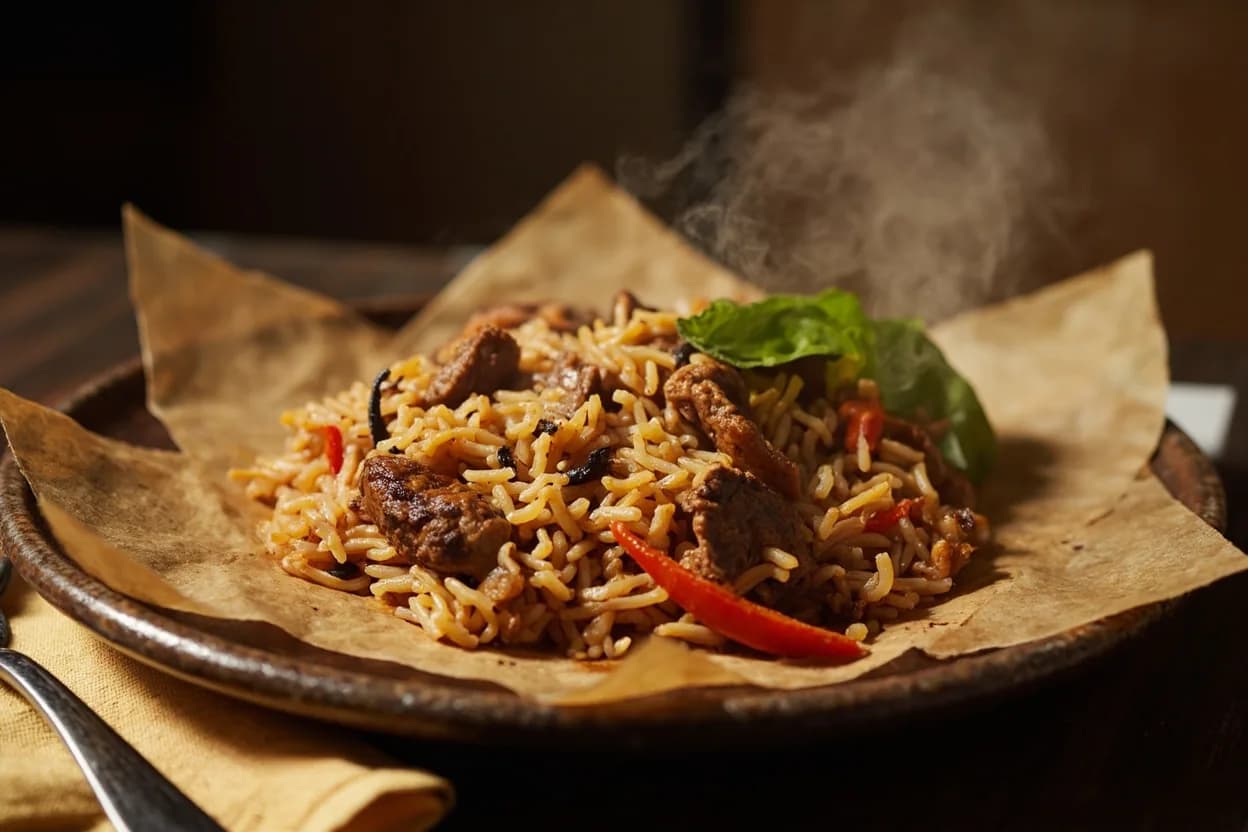
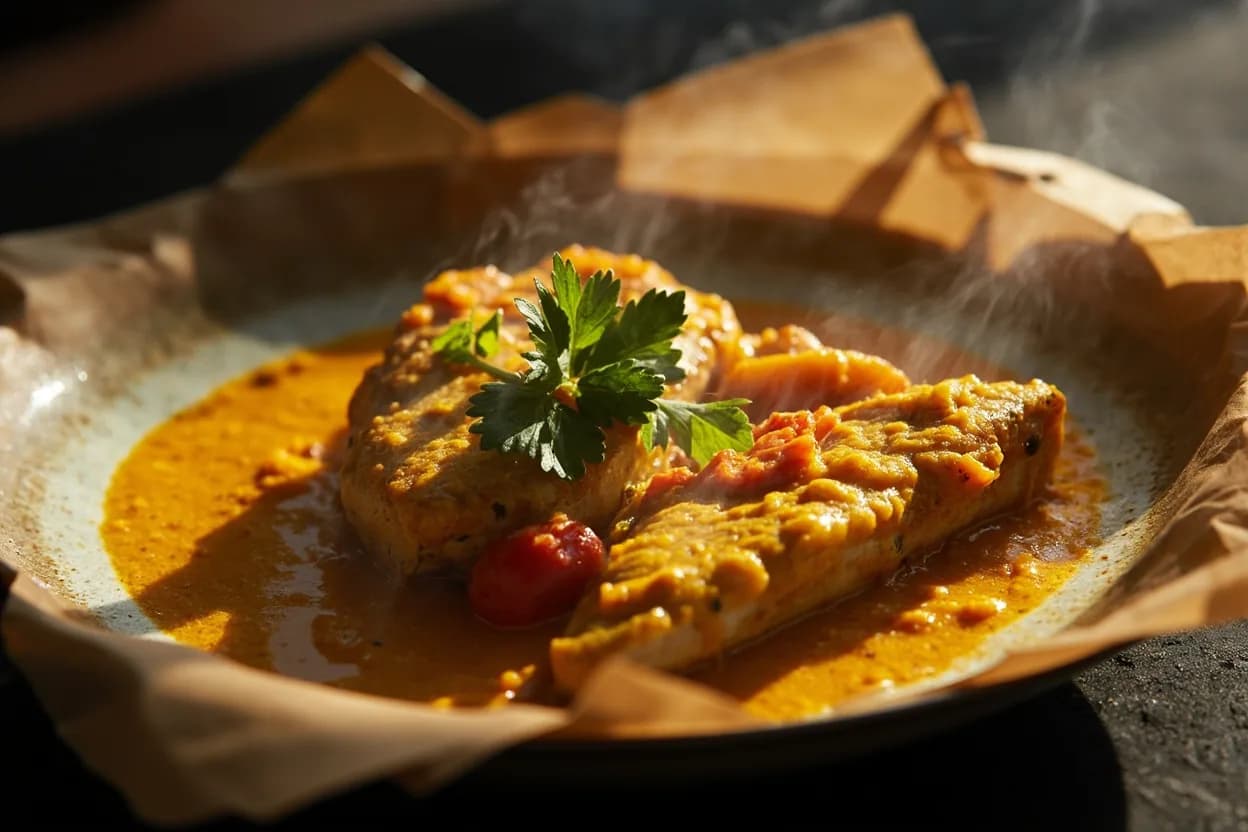
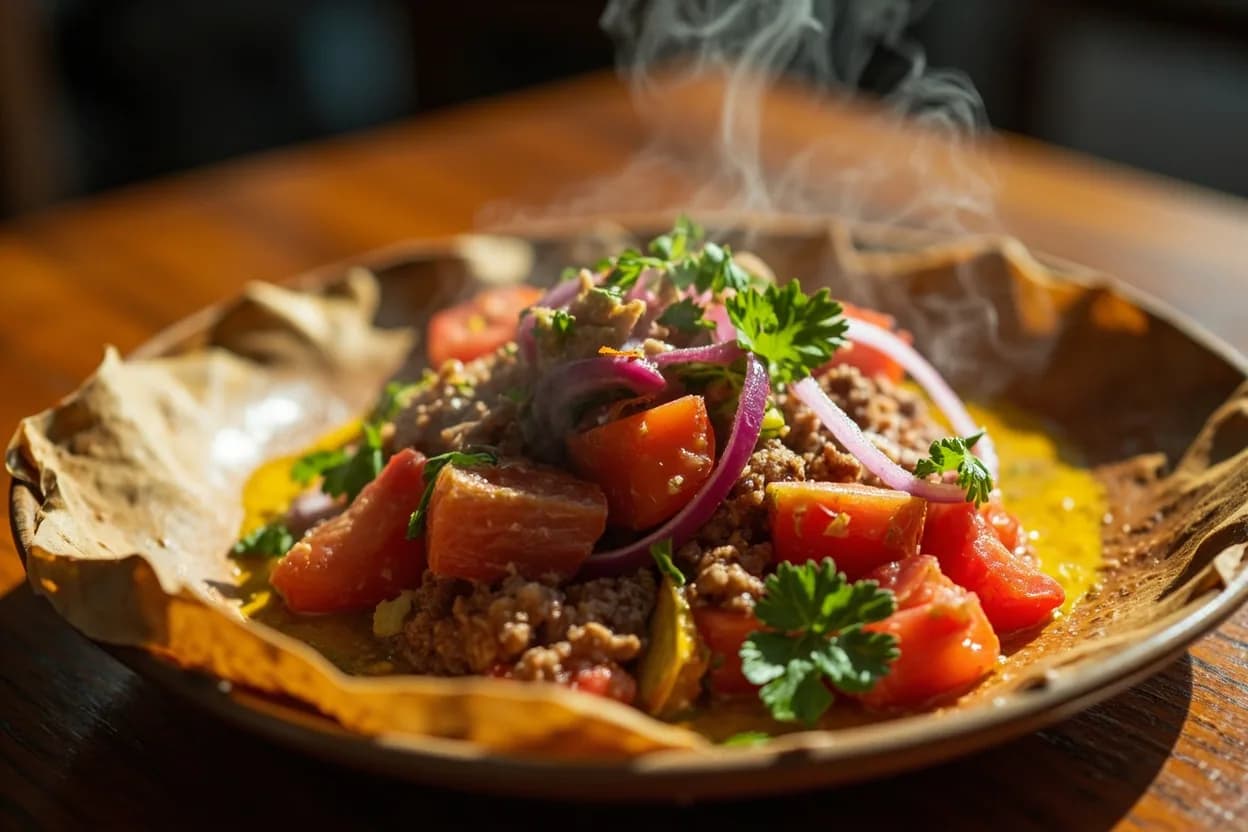
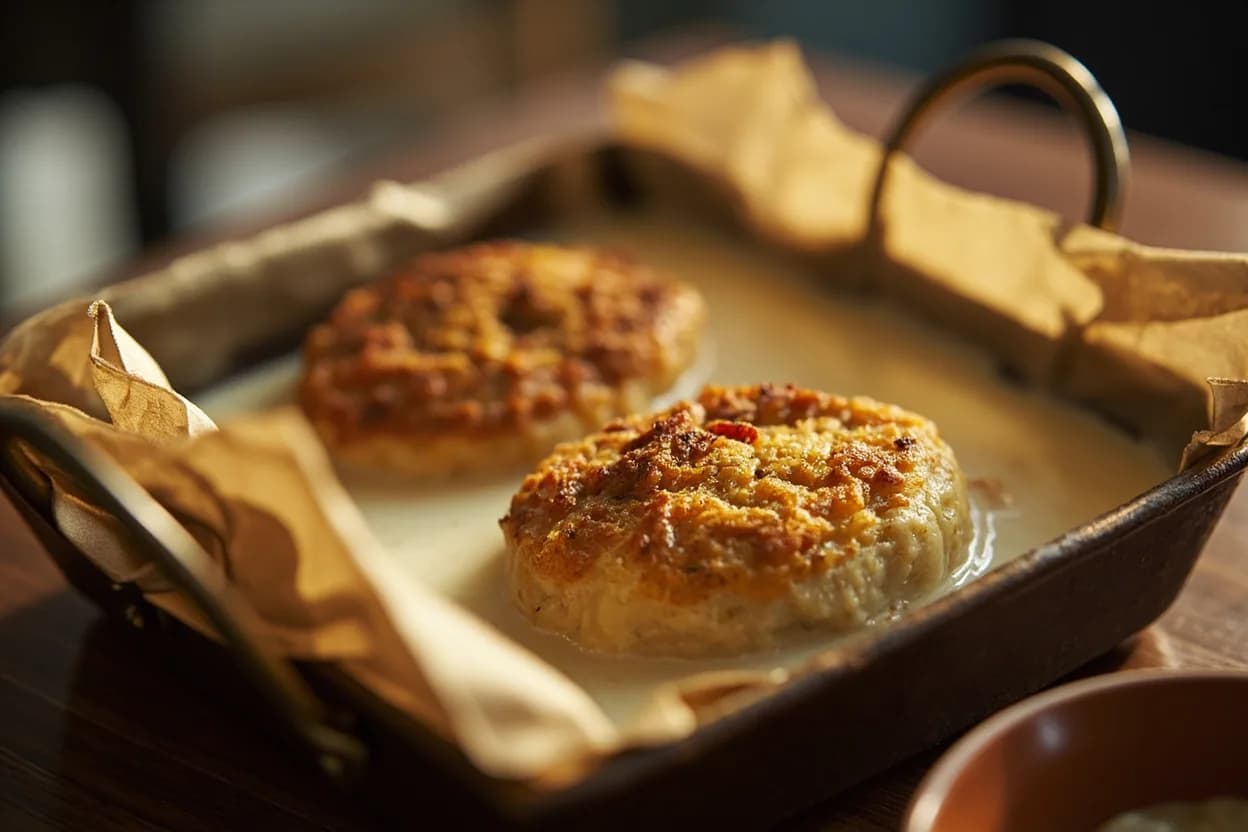
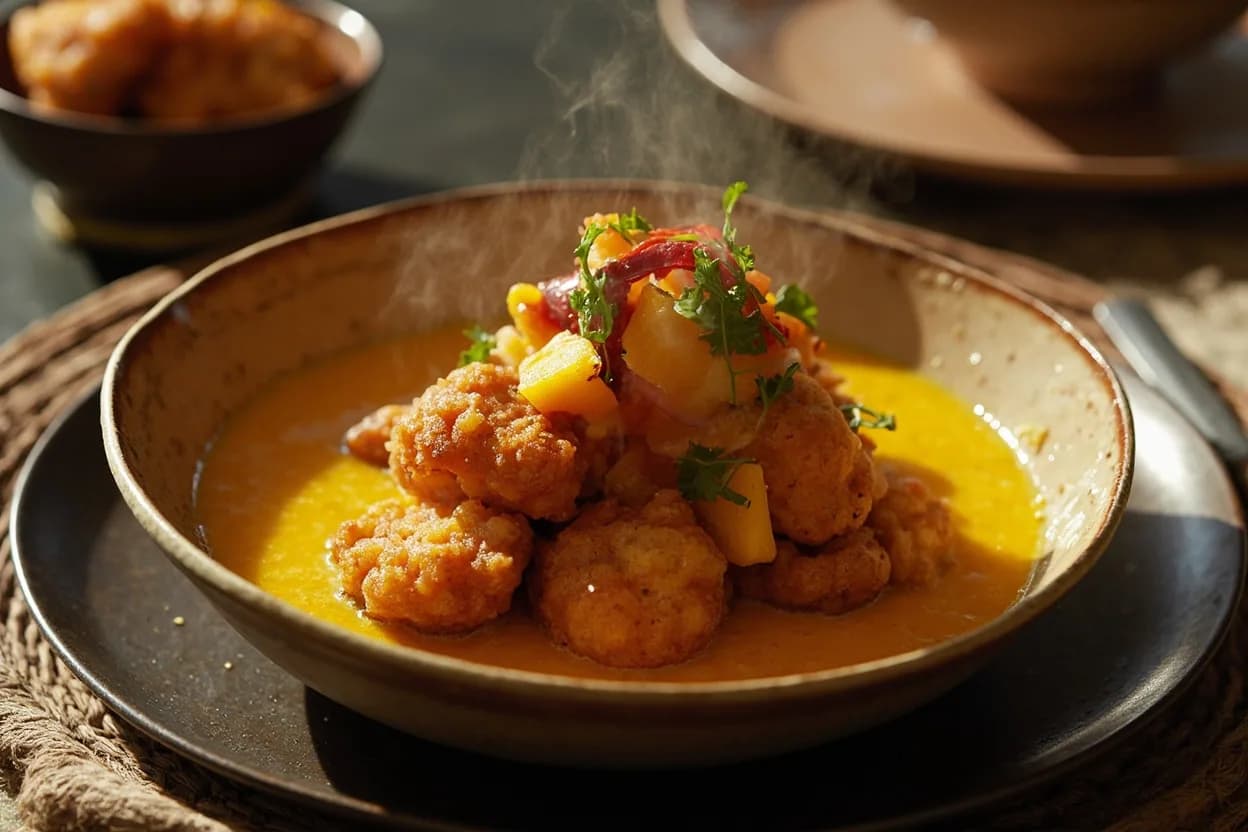
The dishes that define Swahili Coastal, documented in the Canon.
References
- 1.The Africa Cookbook — Jessica B. Harris
- 2.Zanzibar: The Spice Island Cookbook — Gemma Pitcher
- 3.The World Atlas of Food — Jane Grigson
- 4.Oxford Companion to Food — Alan Davidson
- 5.Indian Ocean Trade in the Ancient World — Thomas Boivin and Julian Jansen van Rensburg
Confidence: high
Notes
Cloves and the spice economy
Zanzibar once supplied 75% of the world's cloves. Clove-scented air is still a genuine sensory experience on the island, and cloves appear in every significant dish — pilau, biriani, masala chai, coconut curries. The Omani Sultanate's 19th-century clove plantations created a labor economy built on slavery, a historical weight that is inseparable from the food culture.
Urojo: the Zanzibar street food system
Urojo, sold nightly at the Forodhani Gardens waterfront market, is a masterclass in textural and flavor contrast: a thin, tangy coconut-tamarind soup base receives bhajias (lentil fritters), fried cassava, potato chips, boiled egg, tomato-mango chutney, and pili pili chili. Each vendor has a distinct recipe. It represents the most creative and democratic expression of the Swahili flavor grammar.