Northern Europe
Swedish
Also: Svensk mat, Husmanskost
A cuisine of preserved simplicity and seasonal restraint, anchored by meatballs, rye bread, and the communal rhythm of fika.
Swedish cuisine — husmanskost, meaning 'house food' — is grounded in the everyday cooking of rural Sweden: preserved fish, root vegetables, pork, game, and foraged berries assembled into unshowy, nourishing meals. The tradition prizes clean, honest flavors over complexity, with preservation techniques (salt-curing, smoking, pickling, fermenting) born of long winters shaping the palate as much as any spice. Modern Swedish cooking retains these instincts while drawing on an extraordinary pantry of wild ingredients: cloudberries, lingonberries, chanterelles, elk, and Baltic herring.
The flavour base
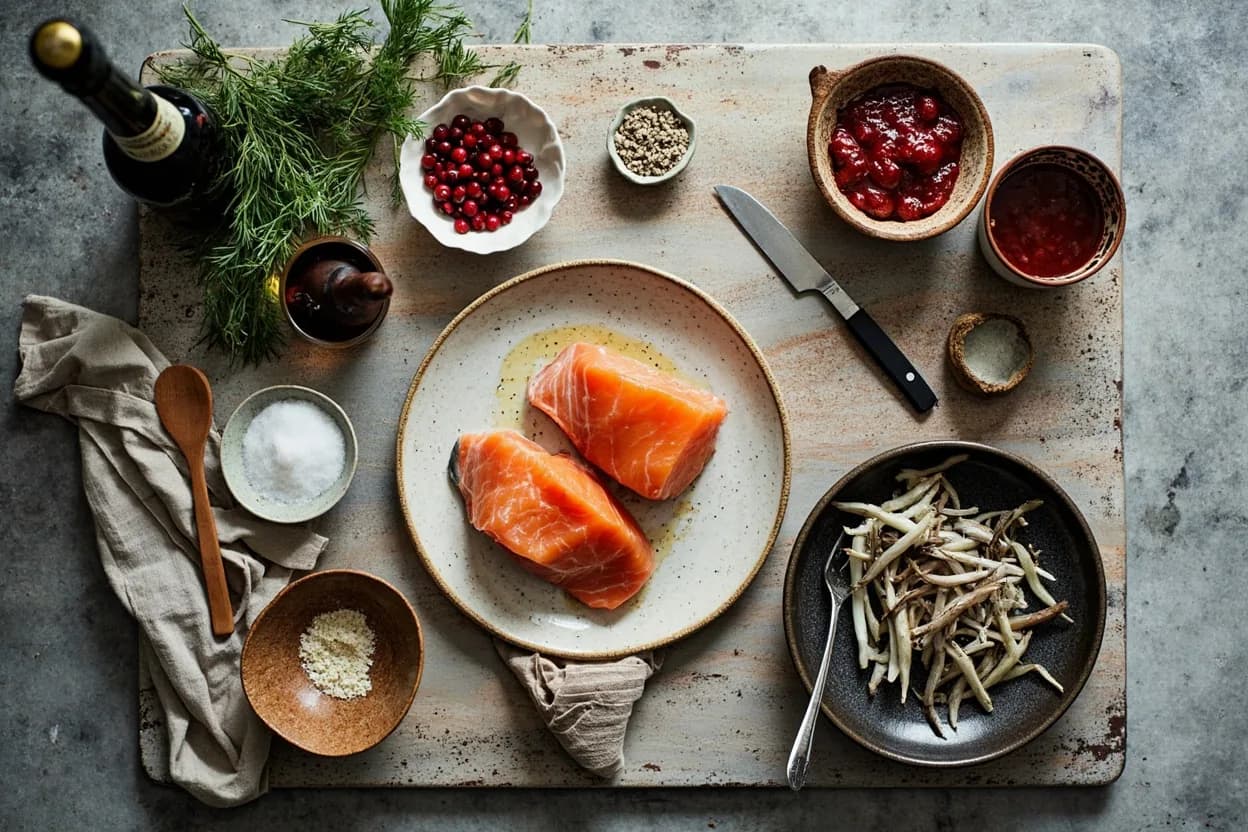
Butter- or cream-enriched sauces balanced by tart lingonberry or pickled cucumber; allspice and white pepper as the dominant warm spices; dill as the defining fresh herb.
Pantry staples
Key ingredients
Signature techniques
Signature dishes
Swedish on the table
At the table
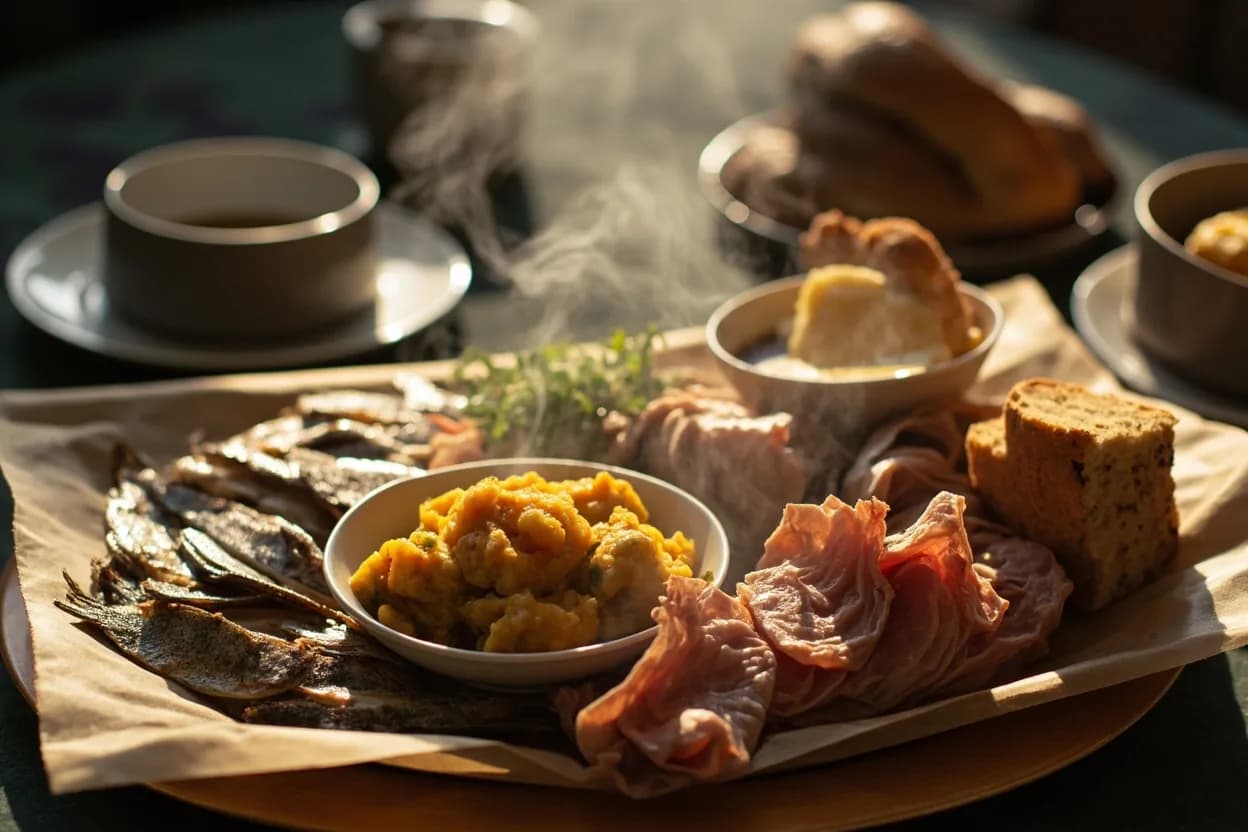
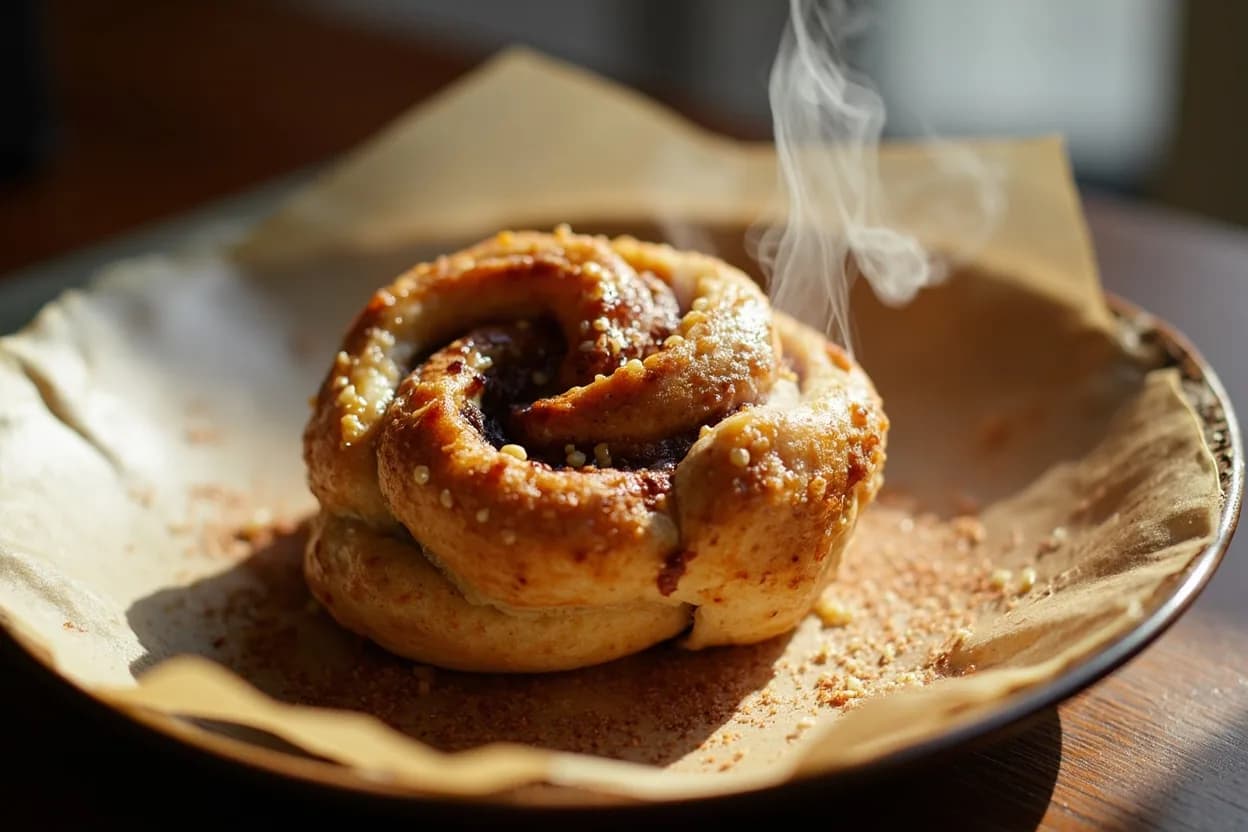
Main meal traditionally at midday (lunch) with a hot dish; evening supper lighter. Smörgåsbord begins with cold herring, moves to cold meats and salads, then warm dishes, then dessert. Fika — a mid-morning and mid-afternoon coffee break with a pastry or bun — is a near-sacred social institution rather than a mere snack.
History & context
Swedish food culture was shaped by geography and long winters: a short growing season forced mastery of preservation. The 18th-century 'smörgåsbord' tradition grew from estate hospitality, while husmanskost sustained working families through the 19th century. The 20th century brought homogenization and convenience, but since the 2000s a foraging revival and New Nordic influence (led partly by Swedish chefs alongside Danish peers) has returned wild, seasonal ingredients to the center of the table. Meatballs — associated abroad with Sweden via IKEA — are genuinely a home staple, likely derived from Ottoman köfte via Charles XII's court.
Regional variations
- Skåne (southern Sweden)
Richest agricultural region; hearty pork and goose dishes, goose blood soup (svartsoppa), and wheat-based baking more common than rye.
- Norrland (northern Sweden)
Sami and settler influences: reindeer preparations, cold-smoked arctic char, cloudberries, and preserved meats dominate.
- West Coast (Bohuslän)
Sweden's seafood heartland — fresh shrimp, oysters, mussels, and lobster; the classic räksmörgås (open shrimp sandwich) originated here.
- Dalarna (central highlands)
Strong husmanskost tradition: flatbread, cured pork, and logging-camp food; korv stroganoff is a regional weeknight staple.
Related cuisines
Shares preservation techniques, pickled herring, and gravlax traditions; Norwegian food is slightly leaner in dairy.
Parallel smörgåsbord/smørrebrød open-face traditions; Denmark's New Nordic movement influenced Swedish fine dining.
Overlapping Karelian and Baltic heritage; rye bread, salmon, and berry use are common to both.
Canonical recipes
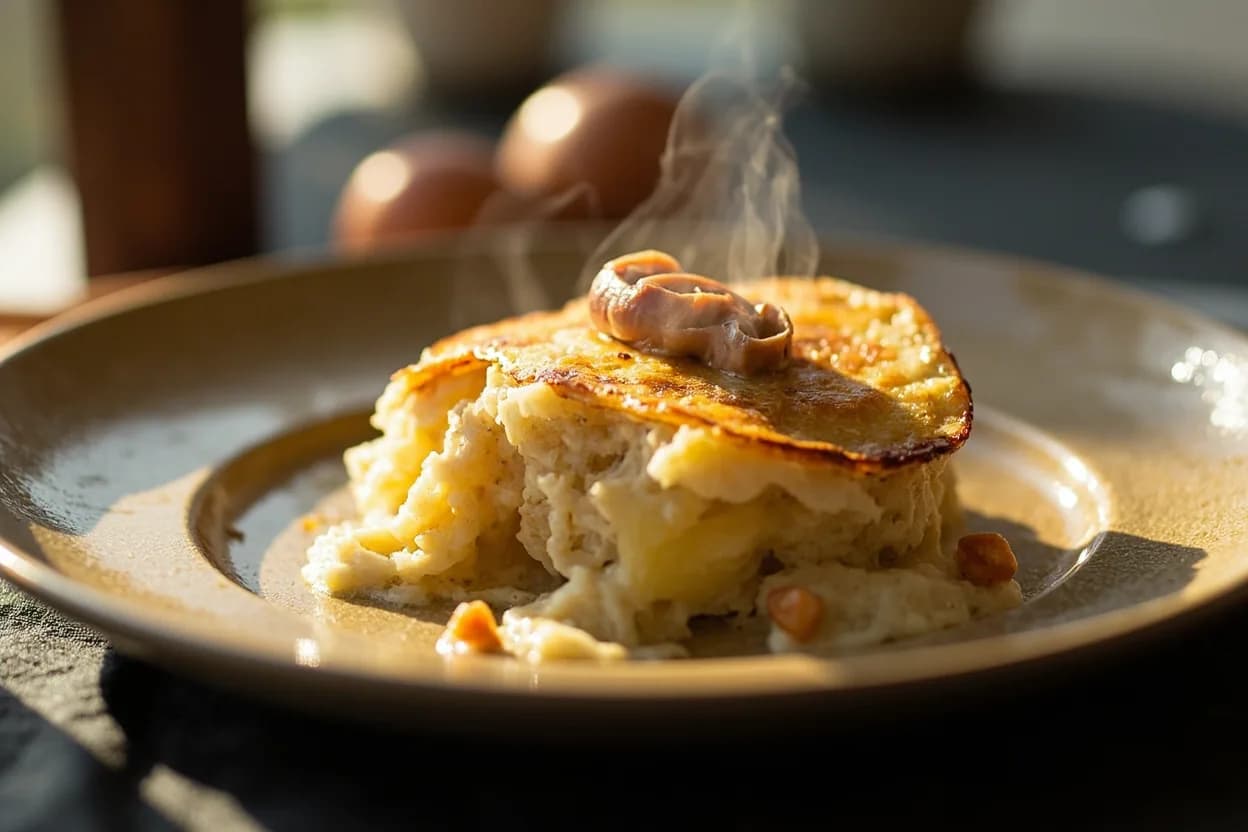
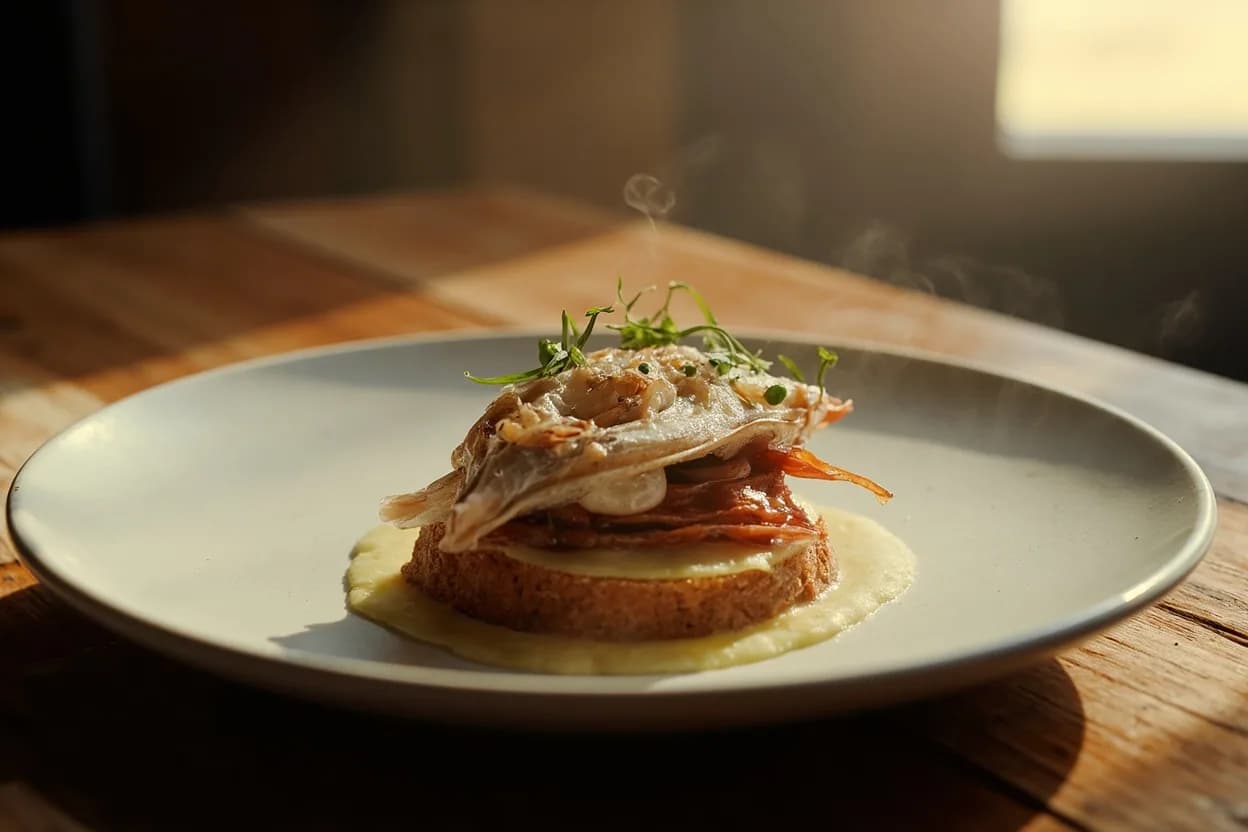
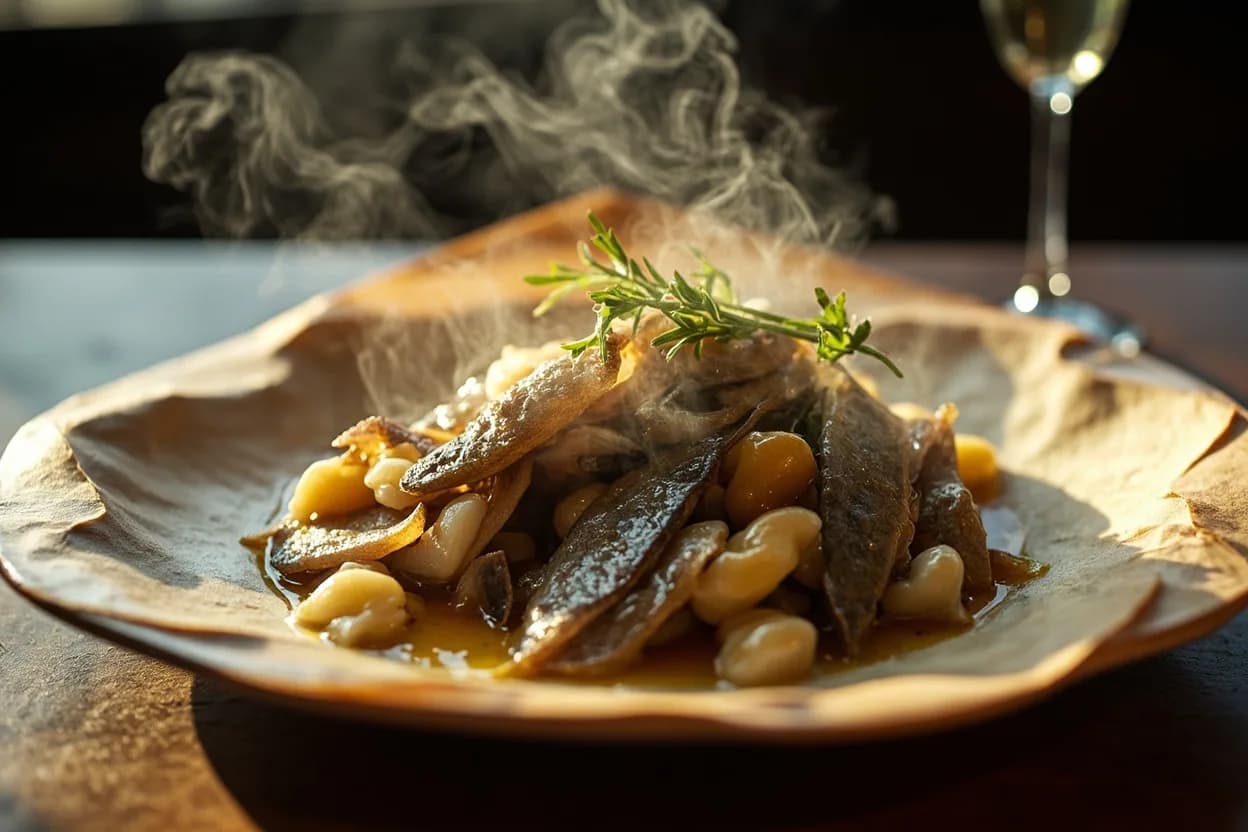
The dishes that define Swedish, documented in the Canon.
References
- 1.The Nordic Cookbook — Magnus Nilsson (Phaidon, 2015)
- 2.Swedish Food — Charles Sinclair (Kogan Page, 2000)
- 3.Smörgåsbord: The Art of Swedish Cooking — Maja Sandén (Swedish Institute, 1963)
Confidence: high
Notes
Fika
Fika is not merely a coffee break; it is a social practice with cultural weight equivalent to a British tea ritual. Workplaces schedule it; families observe it. The kanelbulle (cinnamon bun) is its icon — October 4 is Kanelbullens dag in Sweden.
The Meatball Question
Swedish meatballs (köttbullar) use a mix of beef and pork, milk-soaked breadcrumbs, and allspice — lighter and creamier than Italian polpette. The cream pan-sauce and the obligatory lingonberry alongside are non-negotiable.