Northern Europe
Norwegian
Also: Norsk mat, Norwegian cuisine
A rugged, fjord-shaped cuisine of extreme preservation — fermented fish, salted lamb ribs, and cured meats born of centuries of necessity against the harshest Nordic winters.
Norwegian cuisine is fundamentally a cuisine of survival transformed into identity. The country's extreme seasonality — short summers, long dark winters, an economy historically centered on fishing and subsistence farming — forged a deep mastery of preservation: fermentation, salting, drying, and smoking. The result is a culinary tradition that is uncompromising and highly specific in flavor: funky fermented fish, intensely salted meats, clean seafood simply prepared, and foraged berries and mushrooms marking the brief northern summer. Coastal and inland traditions differ dramatically, but both share a reverence for honest, undisguised ingredients.
The flavour base
Salt-preserved and smoked proteins as the flavor backbone; fresh dill, sour cream, and mustard as brighteners; butter and cream in warm preparations; aquavit (caraway-dill spirit) as the celebratory liquid frame.
Pantry staples
Key ingredients
Signature techniques
Signature dishes
Norwegian on the table
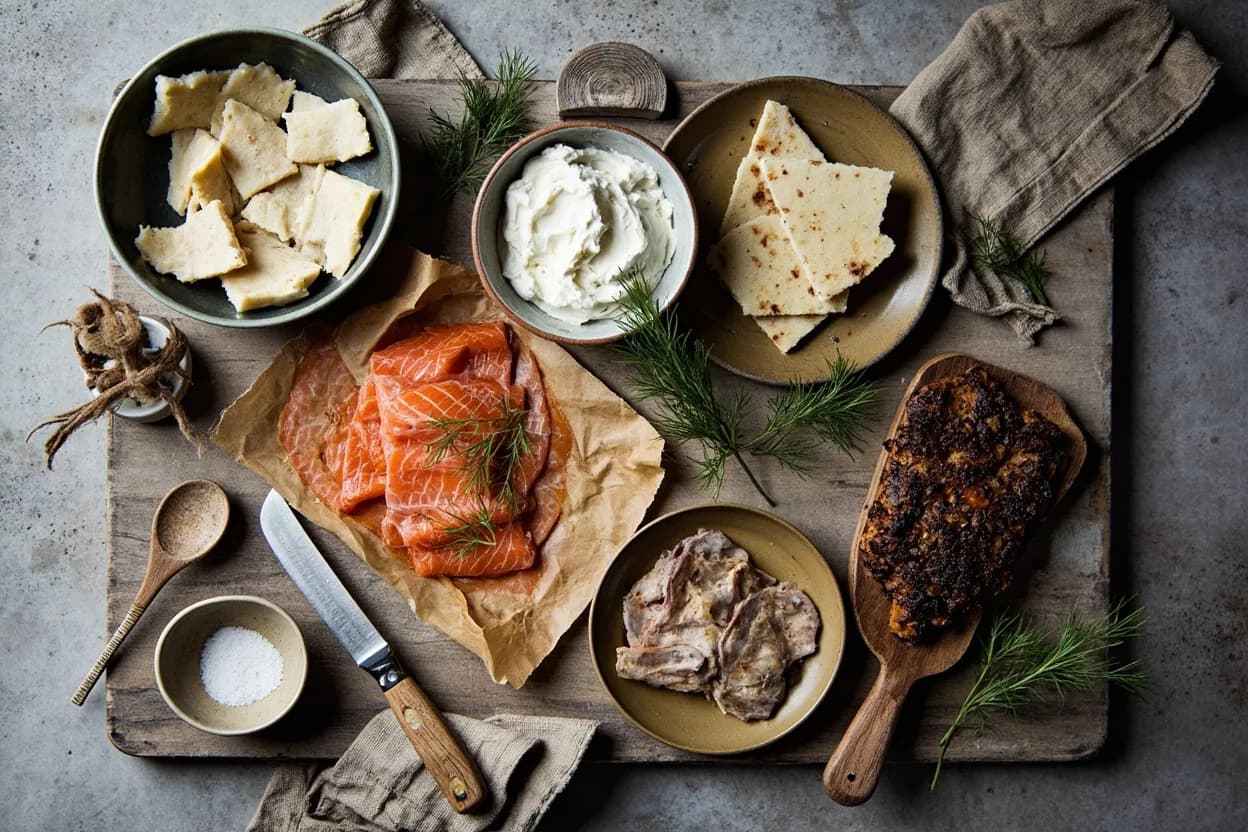


At the table
Traditionally three meals: a light breakfast (bread, brunost, cold cuts), a substantial midday meal (middag) as the main hot meal, and a lighter supper. Festive meals (julaften, Constitution Day, bunad celebrations) involve elaborate cold tables of spekemat and preserved fish before warm mains. Rakfisk and lutefisk are seasonal winter specialties eaten communally.
History & context
Norway's coastline — the longest in Europe when fjords are counted — made fishing the bedrock of the economy and diet for millennia. Vikings preserved cod by wind-drying; this tørrfisk became one of the medieval world's most traded commodities, reaching as far as West Africa. The Hanseatic League's control of Bergen's fish trade from the 14th to 17th centuries left a commercial and culinary mark. Lutefisk's origin is debated — possibly a medieval accident, possibly an adaptation of trade-dried fish. Post-WWII industrialization homogenized Norwegian eating, but since the 1990s a strong New Nordic and terroir revival has brought wild fish, game, foraged plants, and traditional ferments back into prestige cooking.
Regional variations
- Western Fjords (Vestlandet)
Epicenter of fresh and preserved seafood; fresh fjord salmon, fermented shark (in far-western islands), and the Bergen fish market tradition.
- Northern Norway (Nord-Norge)
Sami reindeer culture; stockfish from the Lofoten winter cod run; king crab from the Barents Sea; wild cloudberries.
- Eastern Norway (Østlandet)
More agricultural; rakfisk from inland lakes; hearty pork dishes; elk hunting a strong tradition.
- Trøndelag
Rich agricultural heartland; known for quality meat, a growing artisan cheese culture, and serious fine-dining in Trondheim.
Related cuisines
Parallel preservation traditions; gravlaks/gravlax nearly identical; both feature pickled herring and lingonberry.
- Icelandic
Shared Viking-era preservation legacy — hákarl (Iceland) mirrors rakfisk (Norway) in fermented-fish logic.
Overlap in game, salmon, and rye bread traditions; Finnish cuisine warmer in spice due to different trade routes.
Canonical recipes
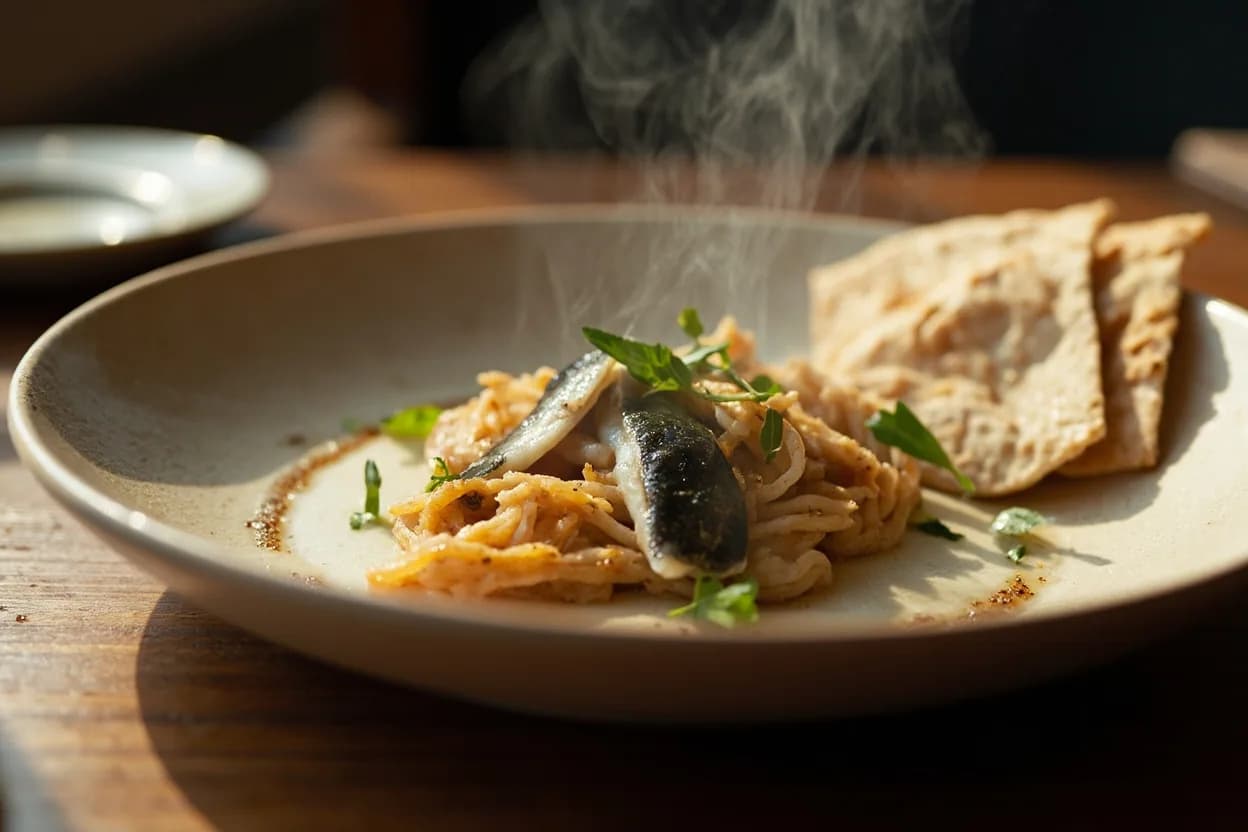
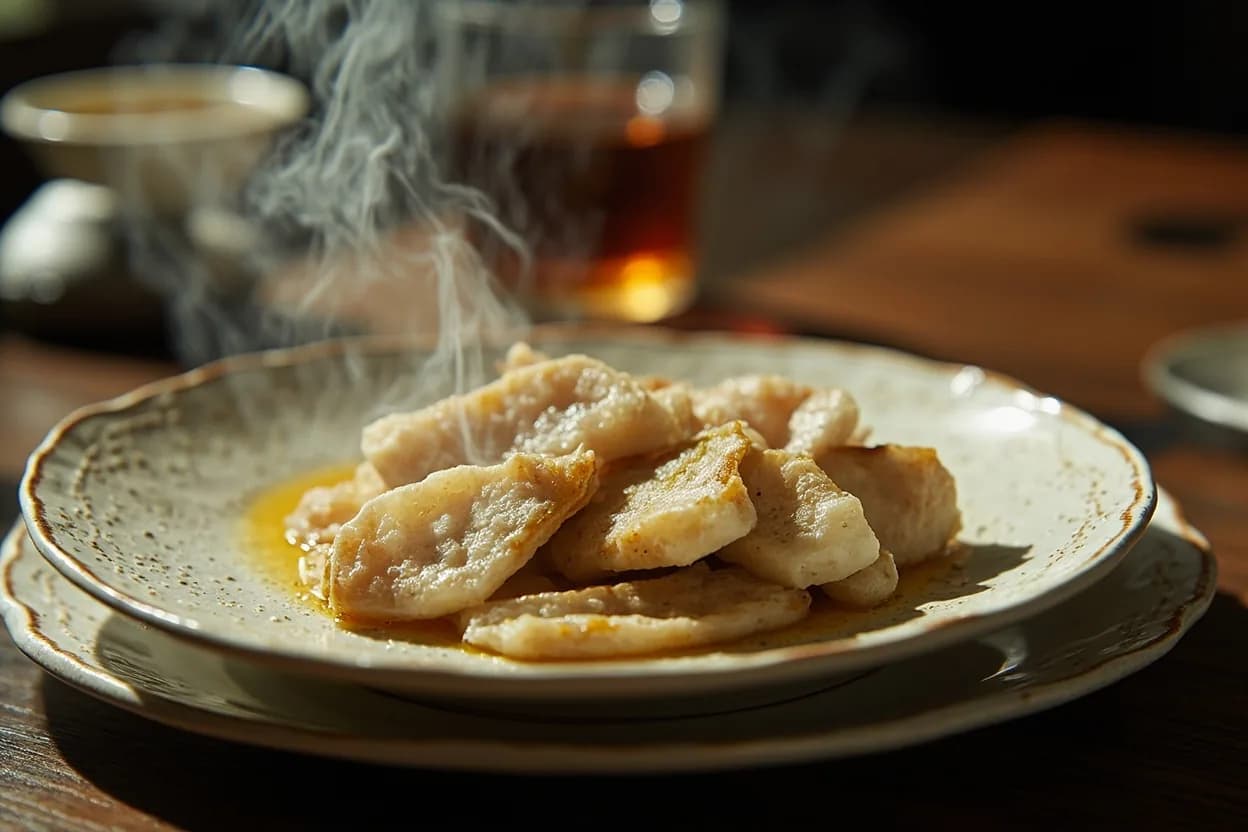
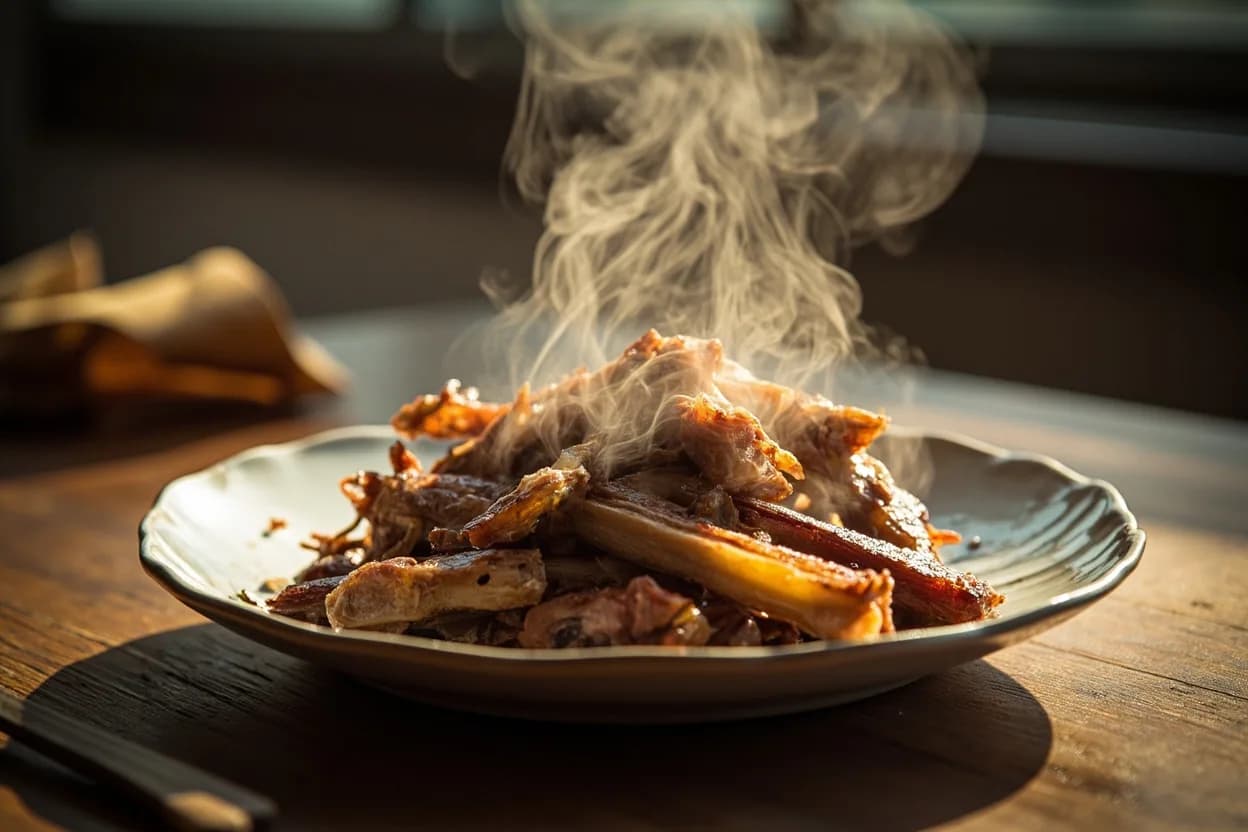
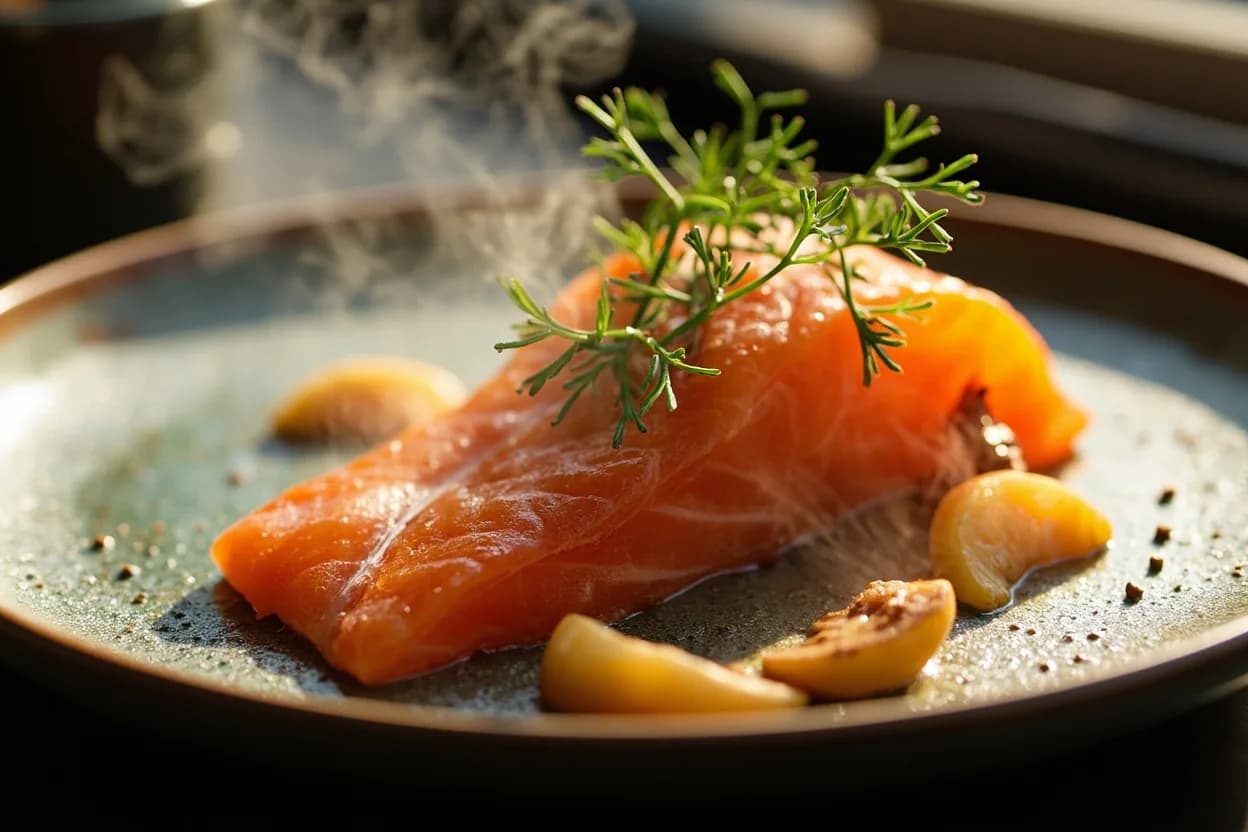
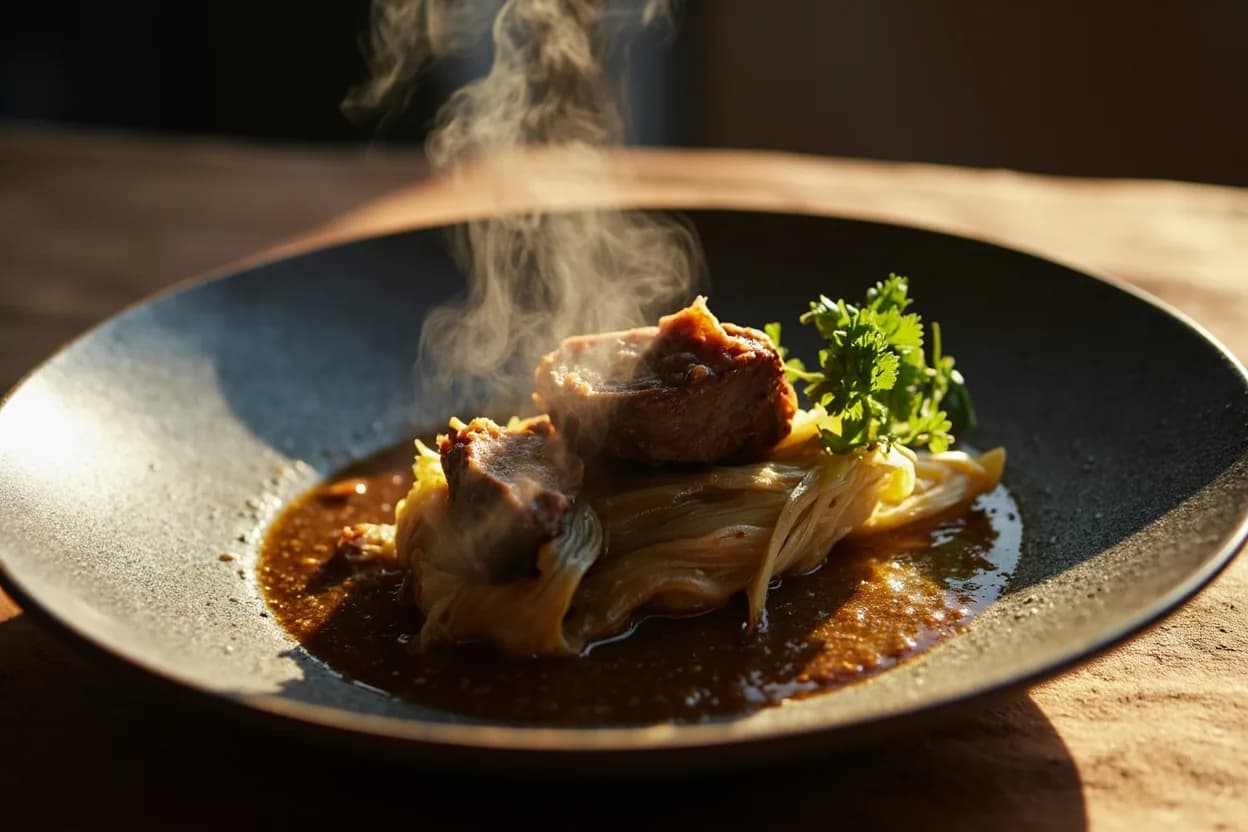
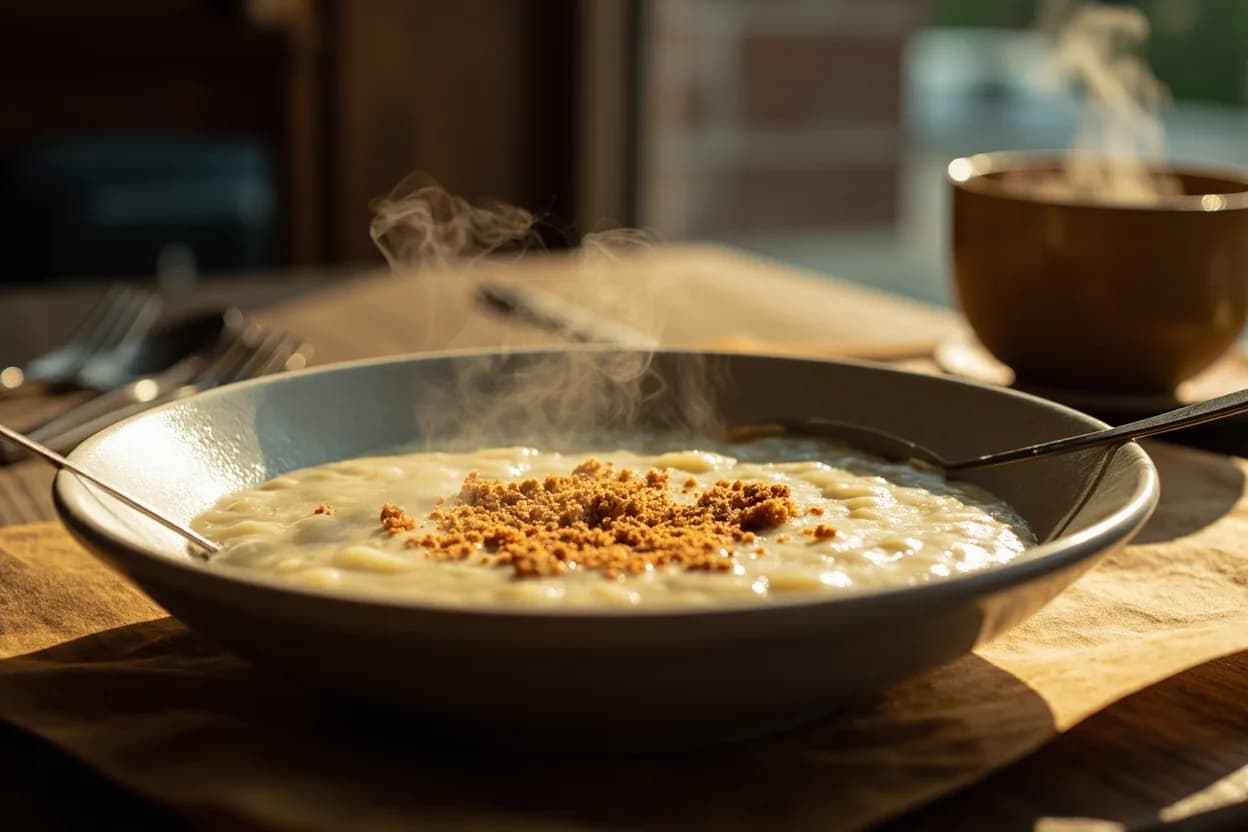
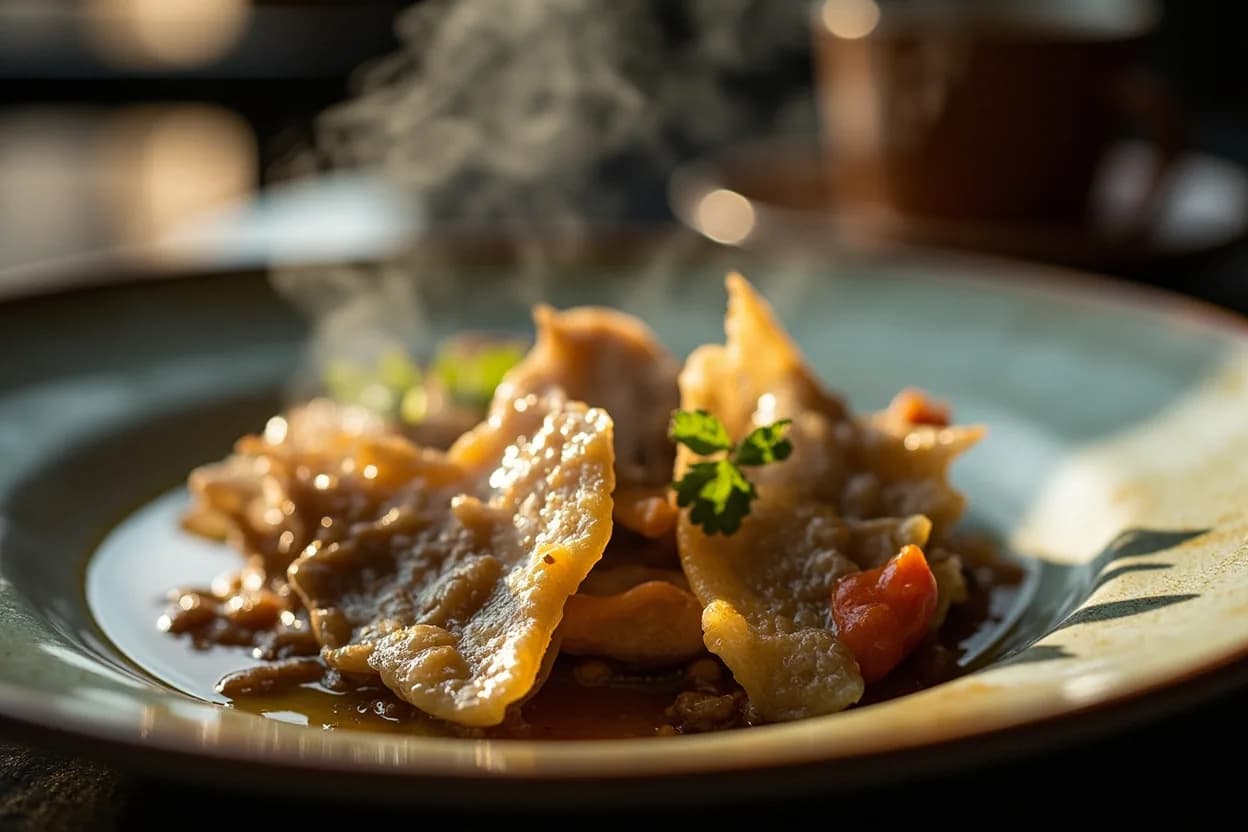
The dishes that define Norwegian, documented in the Canon.
References
- 1.The Nordic Cookbook — Magnus Nilsson (Phaidon, 2015)
- 2.Norwegian Cooking — Eva Mørk (Gyldendal, 2010)
- 3.Cod: A Biography of the Fish That Changed the World — Mark Kurlansky (Walker & Company, 1997)
Confidence: high
Notes
Brunost
Brown goat cheese (brunost or geitost) is unlike any other cheese — it is made by boiling whey until the milk sugars caramelize, producing a firm, fudge-sweet, slightly sour block eaten on bread with a cheese plane. It is perhaps the single most distinctively Norwegian food item.
Lutefisk Polarization
Lutefisk — dried cod reconstituted in lye water, then soaked out — is the most controversial Norwegian dish: deeply nostalgic for older Norwegians and Norwegian-Americans, widely mocked by younger generations. It is gelatinous, mild, and almost alien in texture; served with mustard, bacon, and boiled potatoes at Christmas.