Northern Europe
Finnish
Also: Suomalainen ruoka, Finnish cuisine
Finland's forest-to-table cuisine — reindeer, rye bread, cloudberries, and sauna sausage — is among the world's most austere and most honest, shaped by the harshest Nordic climate.
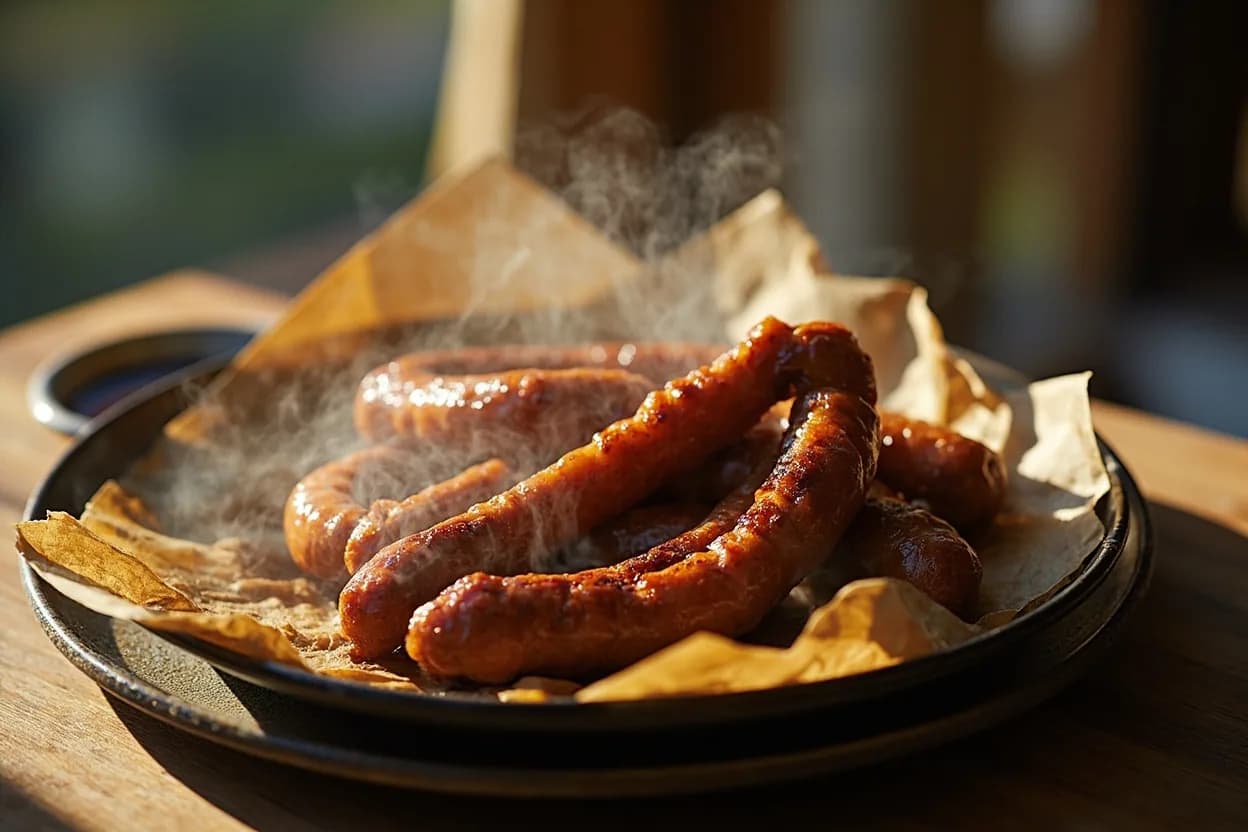
Finnish cuisine is defined by extreme geography: 188,000 lakes, vast boreal forests, and a climate that ranges from subarctic tundra in the north to temperate coastal zones in the southwest. This environment has produced a cuisine of extraordinary self-sufficiency — fish from lakes and sea, game from forests, berries foraged in late summer, rye and barley grown in the brief growing season, and a mastery of preservation that rivals any Nordic neighbor. Finnish food is rarely spiced or complicated; it presents its main ingredient plainly and allows quality and freshness to speak. The sauna is itself a cooking environment: grilling sausage (makkara) over sauna stones is a national ritual, not a novelty.
The flavour base
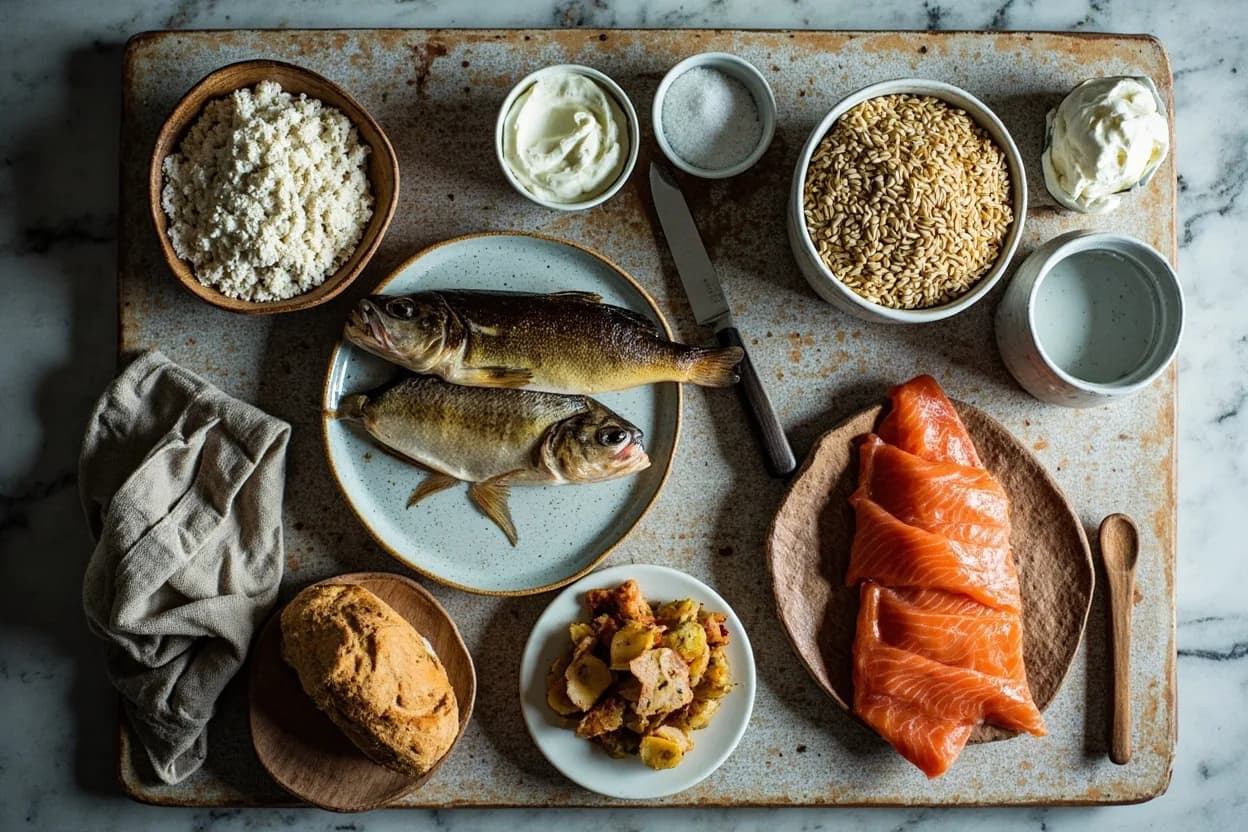
Butter and cream as the primary enriching agents; dill, allspice, and bay leaf as the core aromatics; sour rye (from bread and malt-based preparations) as the acidic anchor; lake and sea fish providing the central protein scaffold.
Pantry staples
Key ingredients
Signature techniques
Signature dishes
Finnish on the table
At the table
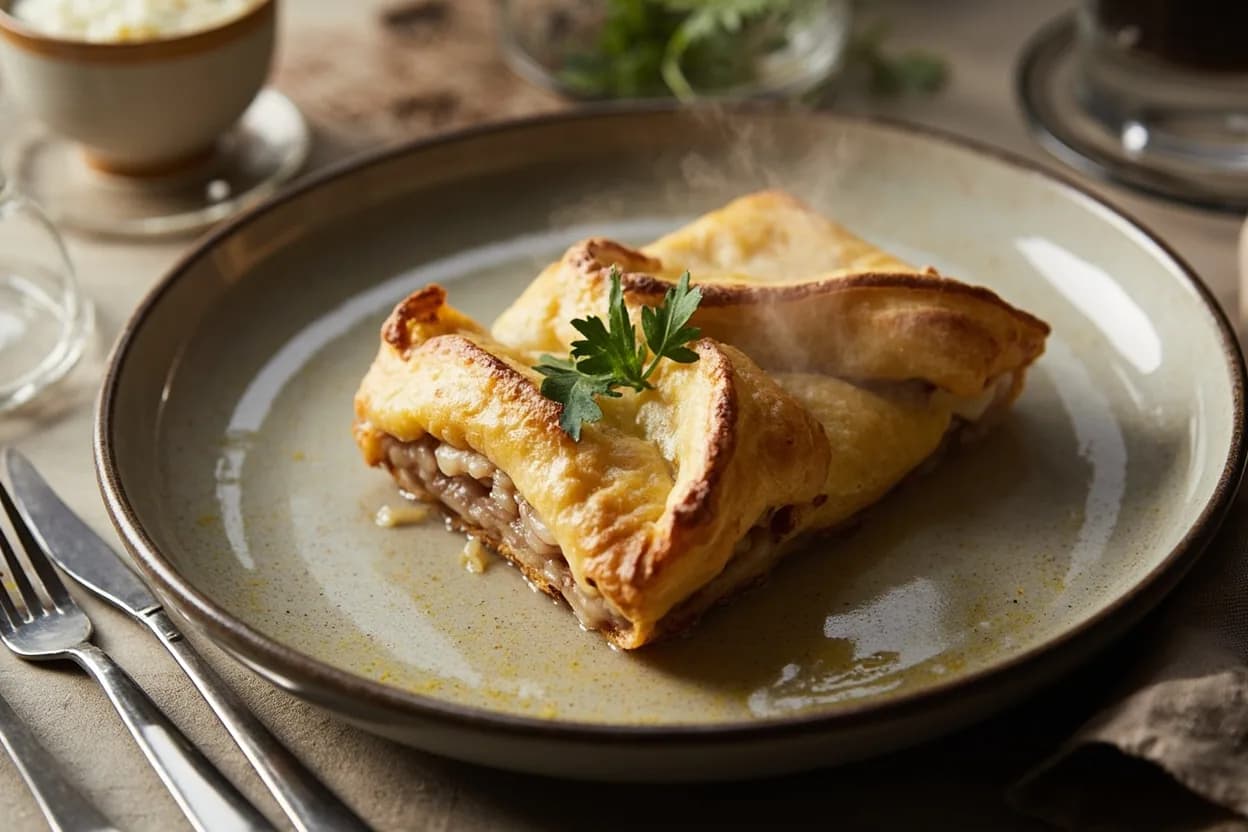
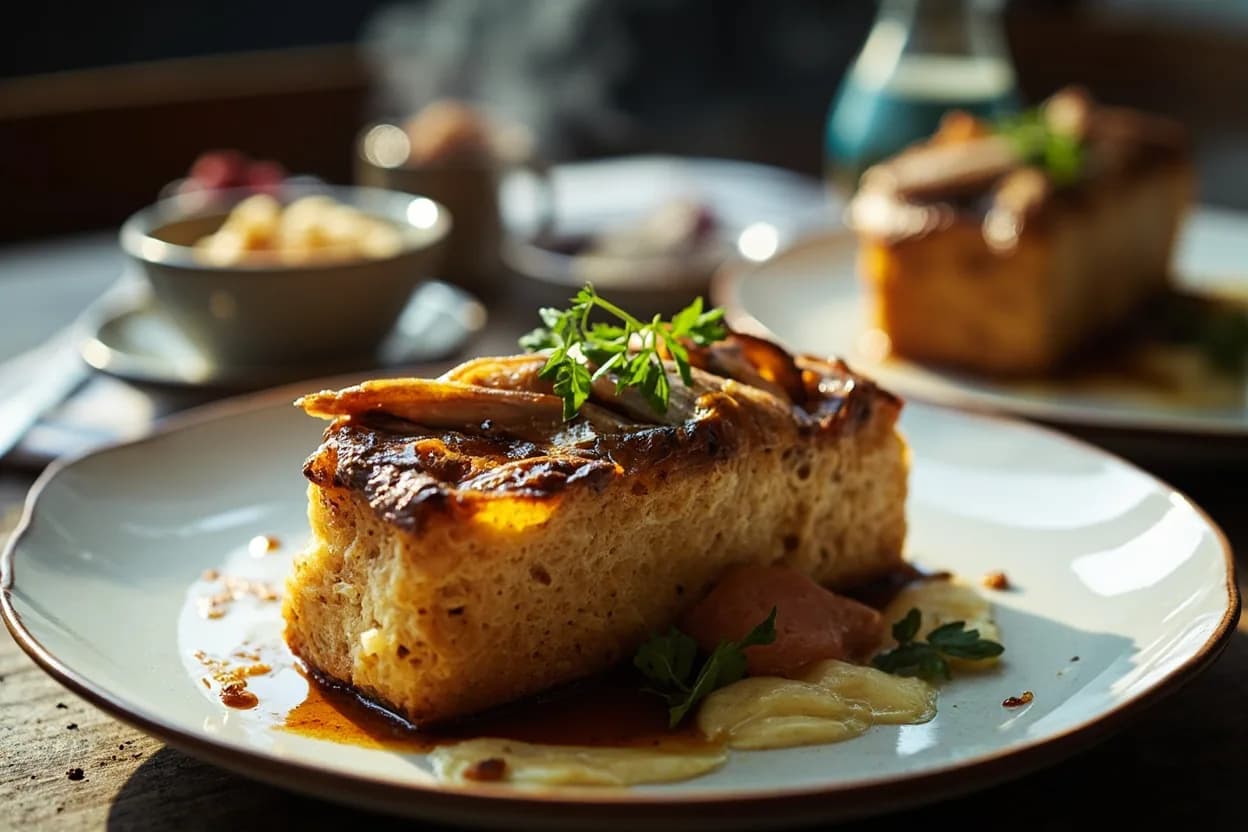
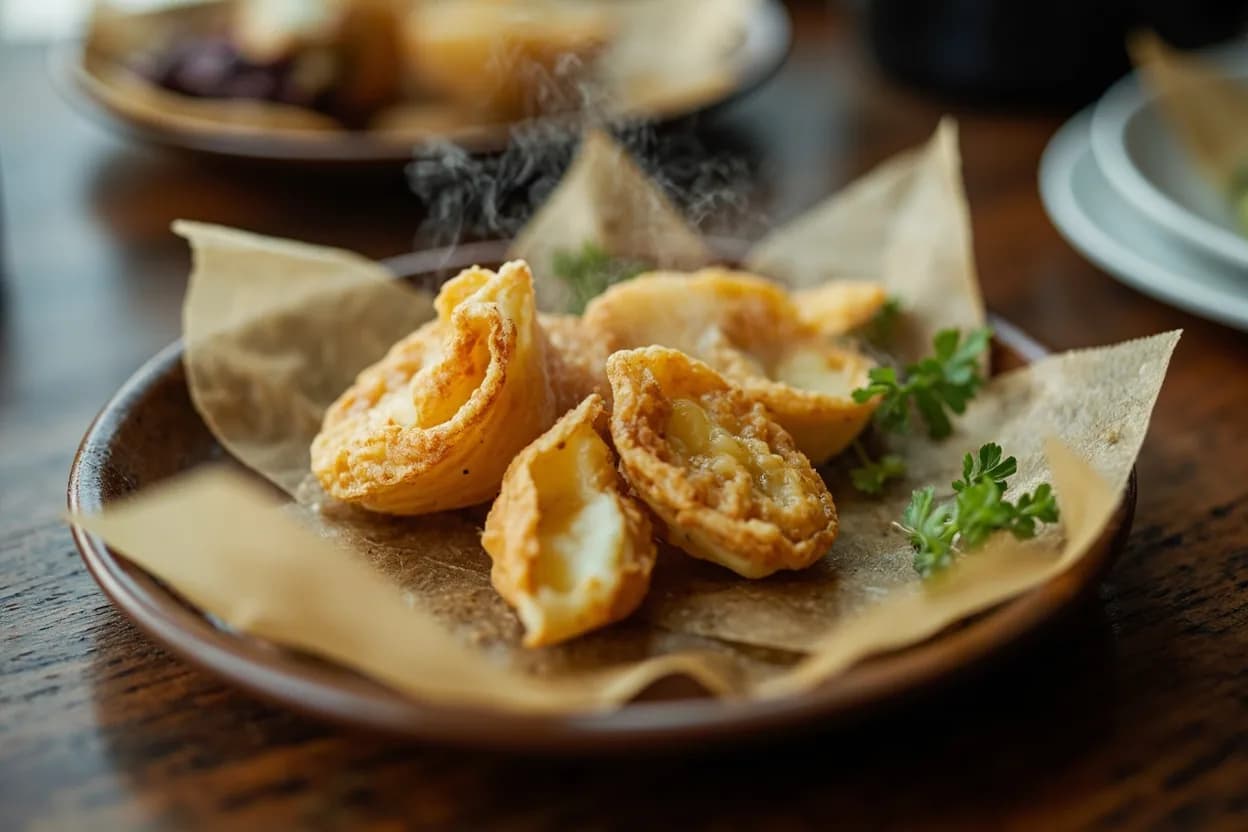
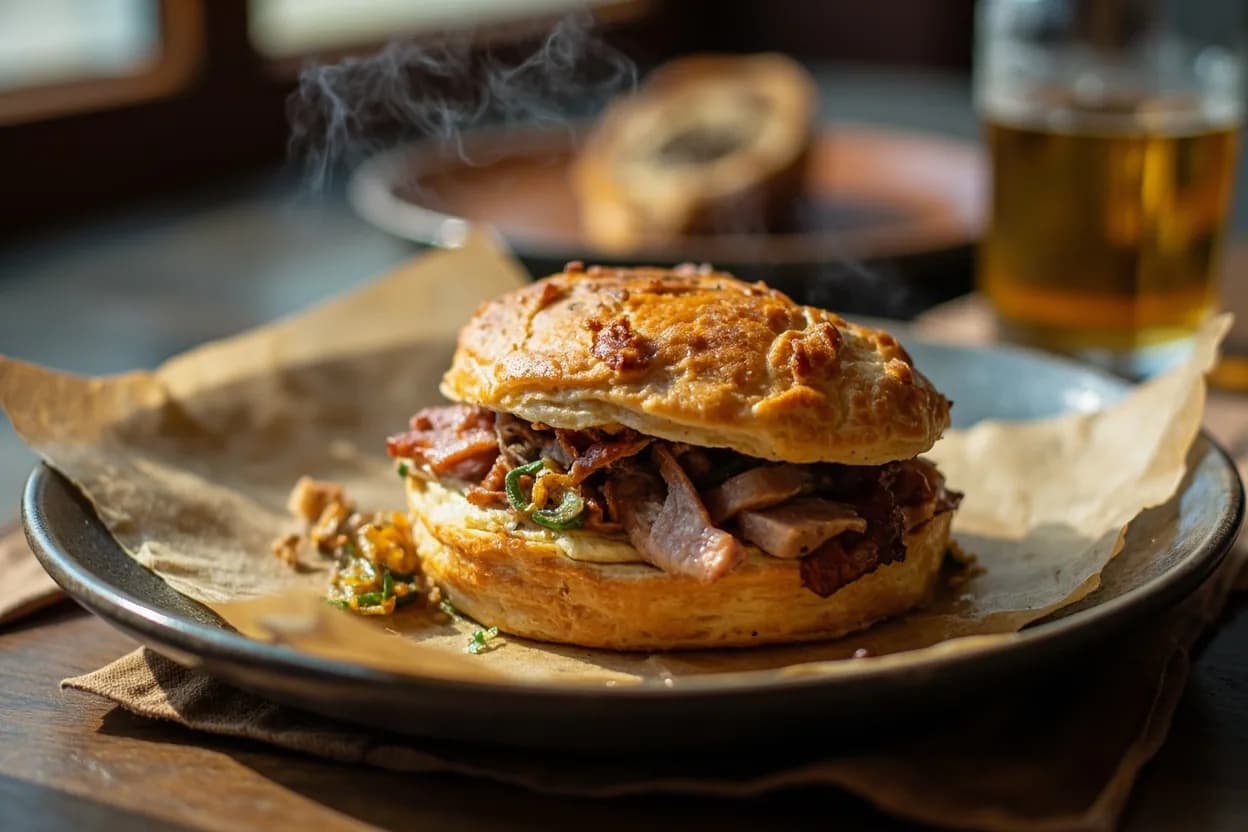
Three meals daily, with the hot meal (lounas/päivällinen) traditionally at midday or early evening. Lunch buffets (lounaspöytä) in Finnish restaurants are an important social institution, offering a soup, bread, main course, and dessert. Rye bread appears at every meal. Sauna evenings culminate in makkara grilled at the sauna and eaten outdoors. Christmas Eve (joulupäivä) centers on a buffet (joulupöytä) including gravlax, Baltic herring preparations, ham, Karelian pasties, and rice porridge.
History & context
Finland's food history is inseparable from its position between Sweden (which ruled Finland until 1809) and Russia (which controlled it until independence in 1917). Swedish administrative culture shaped the educated urban diet; Russian rule brought influences from Saint Petersburg's court cuisine, visible in Helsinki's vorschmack and the adoption of Russian-style pies. The indigenous Sami people of Finnish Lapland maintained a reindeer-herding economy that persists today, contributing reindeer preparations to the national table. Finnish food remained deeply rural through the early 20th century; industrialization after WWII introduced convenience foods, but the 1990s-2000s saw a revival of regional and forest-based ingredients, paralleling the broader New Nordic movement. Karelian cuisine — from the region ceded to the Soviet Union in 1940 — retains a powerful nostalgic presence in Finnish food identity.
Regional variations
- Lapland (Lappi)
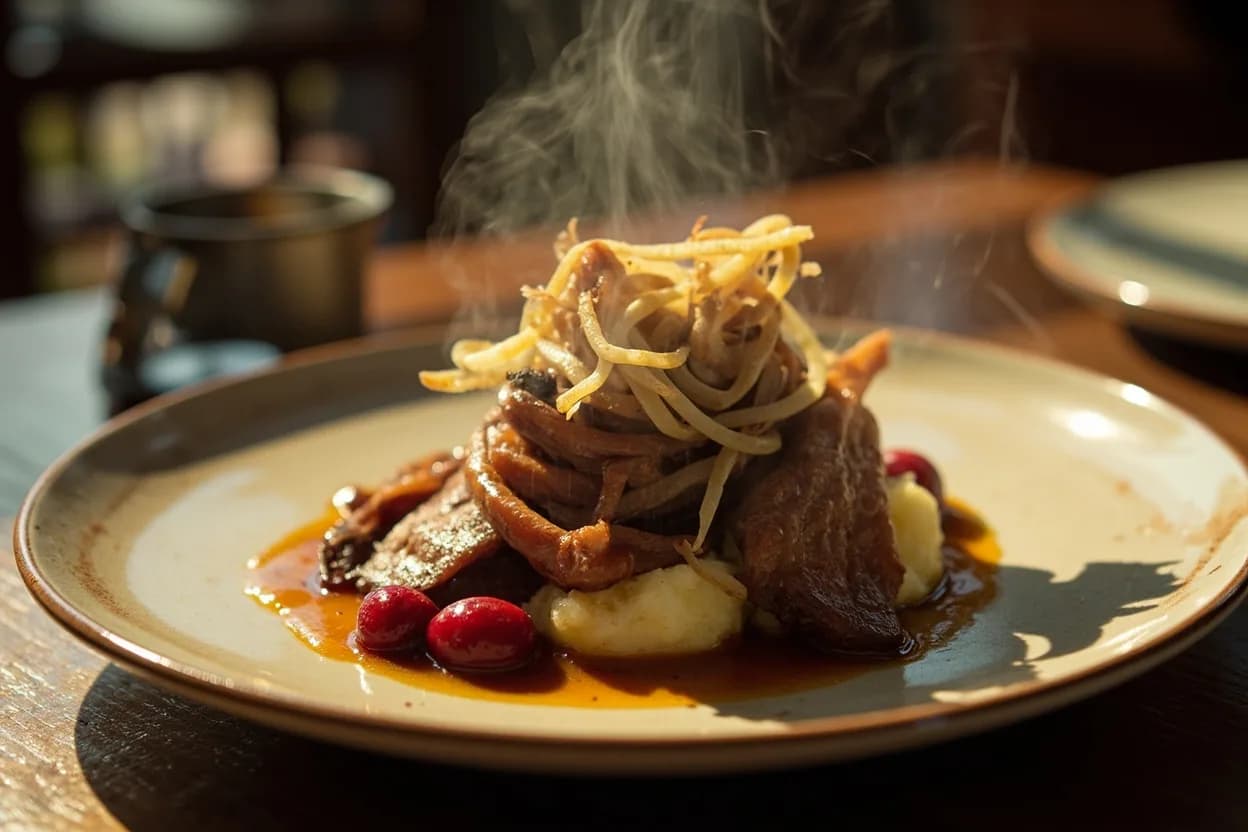
Sami reindeer culture dominates; poronkäristys, smoked reindeer tongue, cloudberries, and Arctic char are the defining products.
- Karelia (historical region)
Center of the pasty tradition; Karelian stew (karjalanpaisti) — beef, pork, and lamb slow-cooked with allspice — is this region's flagship dish.
- Archipelago Finland (Turku coast)
Seafood-dominated; archipelago bread (saaristolaisleipä, a dark malt-syrup rye loaf) is a protected regional product; Baltic herring market held in Helsinki each October.
- Helsinki / Uusimaa
Most cosmopolitan; Jewish and Russian immigrant influences visible in vorschmack and rye pastry traditions; home of Finland's fine-dining scene.
Related cuisines
300 years of Swedish rule embedded many shared ingredients and preservation methods; Karelian pasties are sold in Sweden as a Finnish specialty.
Shared reindeer, salmon, and rye bread cultures; Norwegian rakfisk paralleled by Finnish fermented fish preparations.
- Russian
Russian administrative period introduced pirozhki-style pastries, blini, and sour cream as a condiment; vorschmack is directly Russian-Jewish in origin.
Canonical recipes
The dishes that define Finnish, documented in the Canon.
References
- 1.The Nordic Cookbook — Magnus Nilsson (Phaidon, 2015)
- 2.Finnish Food Culture — Ritva Mäkinen (Otava, 2000)
- 3.Feast of the Seven Fishes and Other Finnish-American Traditions — Beatrice Ojakangas (University of Minnesota Press, various editions)
Confidence: high
Notes
Sauna as Kitchen
The Finnish sauna is not merely a bathhouse; historically it was the cleanest space in a farmstead and served as a smokehouse for meat and fish, a delivery room, and a sick room. Sauna sausage grilled over birch embers while bathing is a living tradition — the smell of smoke and pine and pork fat is inseparable from Finnish summer culture.
Cloudberry Reverence
Cloudberries (lakka or hilla) ripen for only a few weeks in the northern Finnish summer and cannot be commercially cultivated at scale. They are the most prized wild berry in Finland — sweet-tart, almost jammy, with a fragrance between raspberry and apricot — and appear in jams, liqueurs, and as the canonical accompaniment to Lapland cheese (leipäjuusto) pan-fried and served warm.