Southern Europe
Friulian
Also: Cucina Friulana, Friuli-Venezia Giulia cuisine, Cucina del Friuli
Central Europe's convergence point on Italy's northeastern edge: crispy frico cheese, layered gubana sweet bread, sour-bean jota, and San Daniele prosciutto from a landscape where Italian, Slavic, and Austrian kitchens meet.
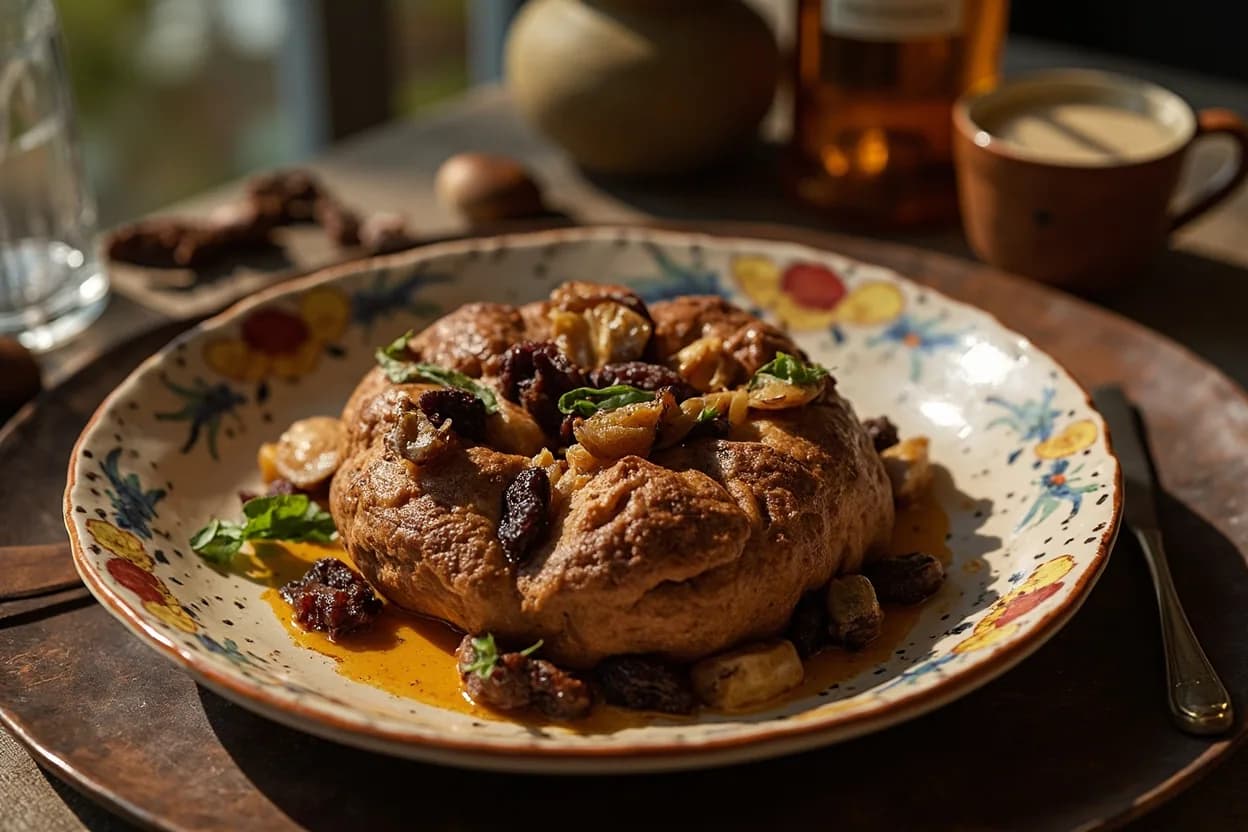
Friulian cuisine is the food of Italy's northeastern corner — Friuli-Venezia Giulia — where the Alps descend to the Adriatic and the borders of Austria and Slovenia run close. It is one of Europe's most layered regional cuisines: Venetian influence (polenta, risotto, salt cod), Austrian-Habsburg inheritance (sauerkraut, strudel, goulash), Slavic elements (jota bean soup, kren horseradish), and the indigenous Friulian-Ladino tradition of frico (melted and crisped Montasio cheese) and gubana (a spiral sweet bread filled with walnuts, grappa, and raisins). San Daniele del Friuli produces Italy's most revered prosciutto — 13 months minimum curing in mountain breezes — and the Collio and Colli Orientali del Friuli DOC zones produce some of Italy's finest white wines (Friulano, Ribolla Gialla, Malvasia Istriana).
The flavour base
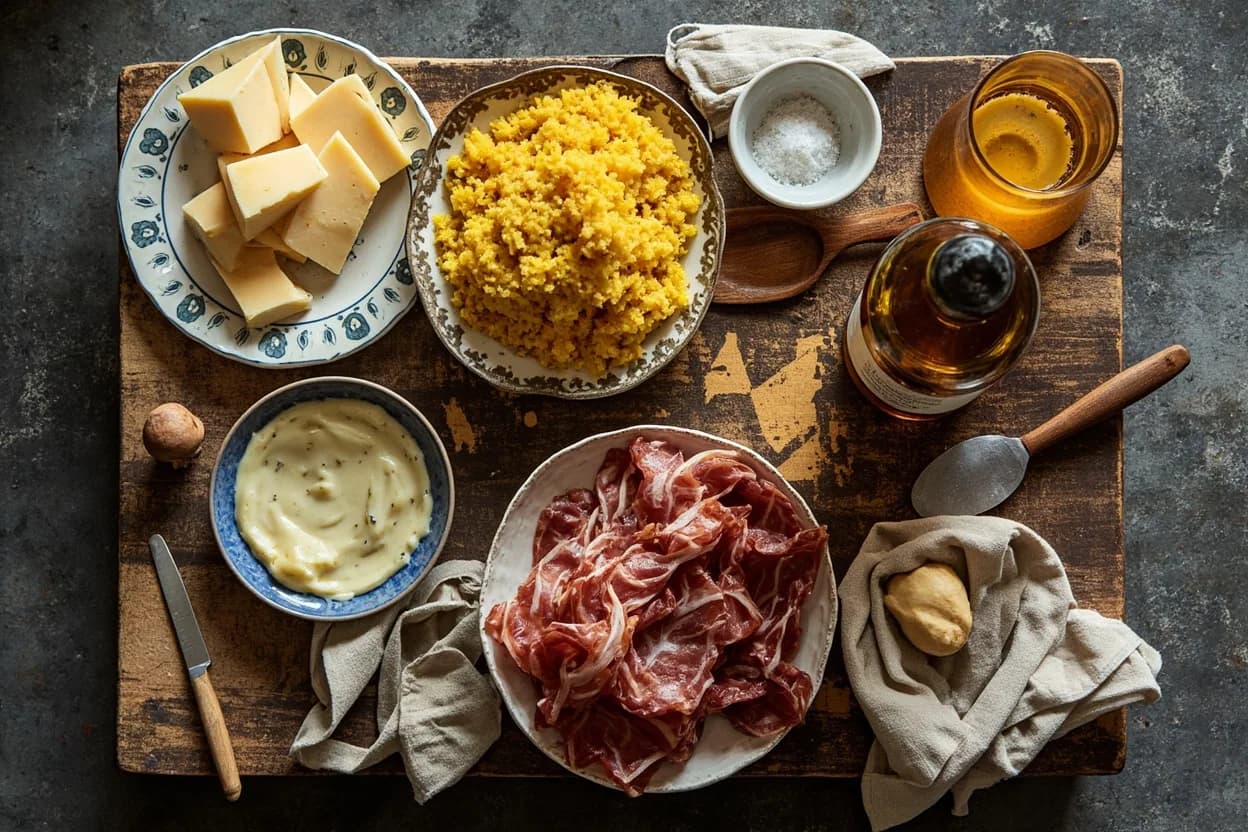
Montasio cheese melted in lard or butter (frico), rendered pancetta or smoked speck, and the sharp contrast of kren (horseradish) or sauerkraut against rich dairy or cured pork.
Pantry staples
Key ingredients
Signature techniques
Signature dishes
Friulian on the table
At the table
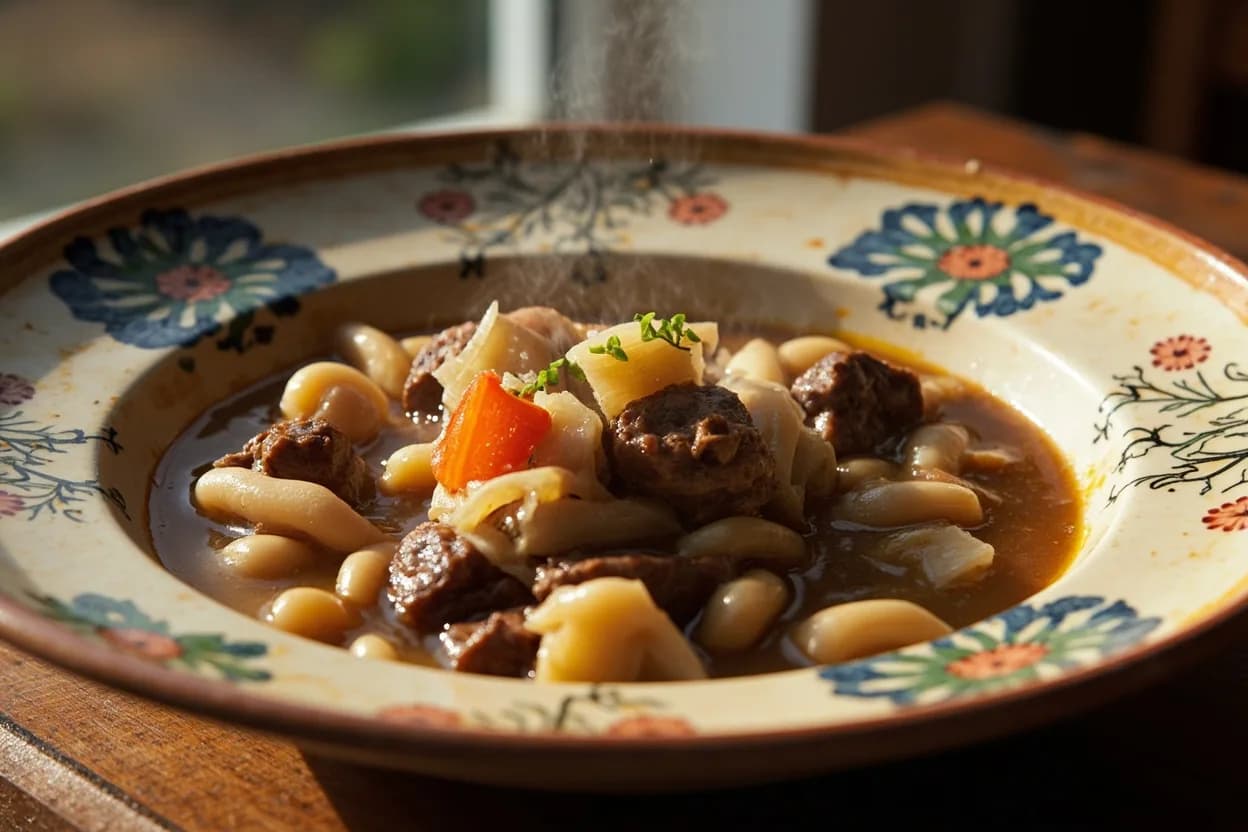
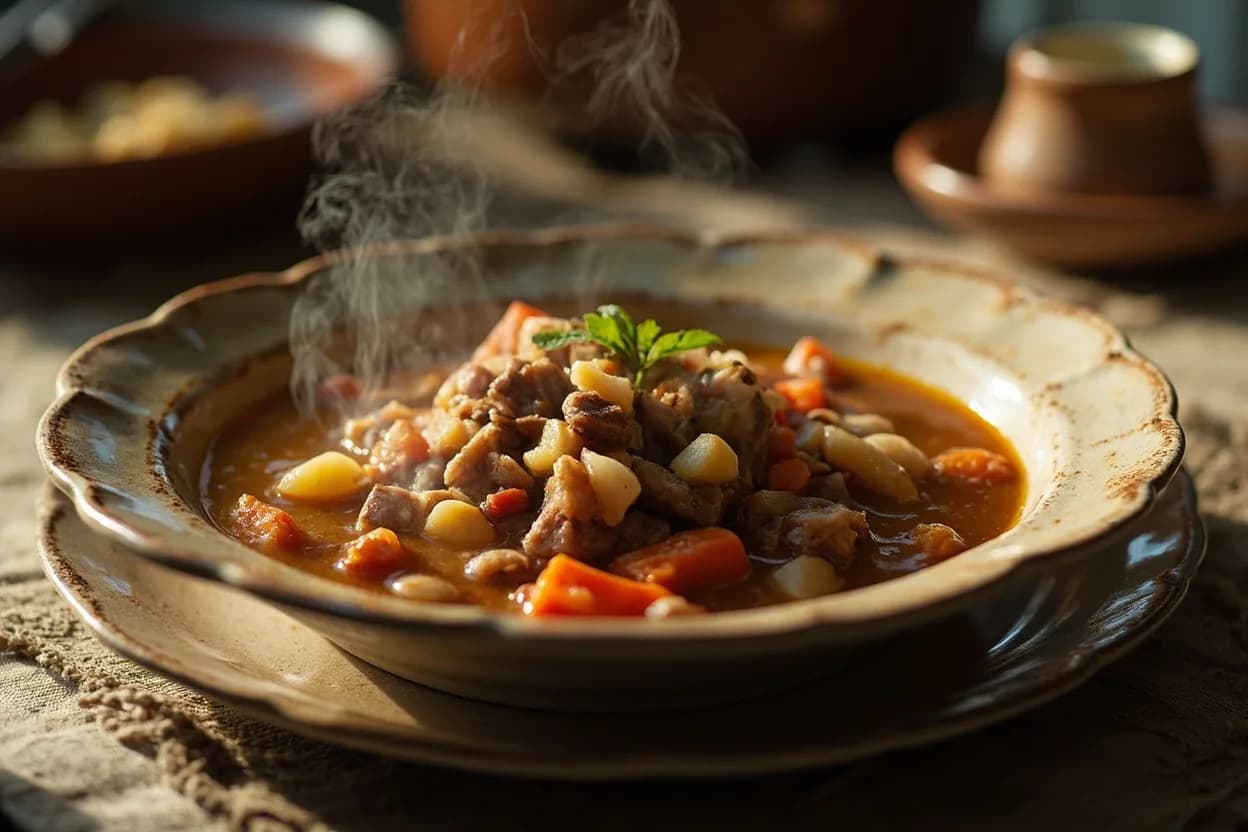
Friulian meals are hearty and shaped by the Alpine climate: a warming primo of jota or minestrone with speck, followed by a secondo of grilled or braised meat (pork, game, or beef goulash) with polenta or brovada on the side. Frico functions as both antipasto and main dish depending on thickness. Dessert oscillates between gubana (served with grappa to dip the slice in) and Austrian strudel. Trieste, as a former Habsburg free port, has its own urban café culture (buffet-style trattorie serving boiled meats with kren).
History & context
Friuli's layered culinary identity reflects its turbulent political history. The Romans settled Aquileia as the empire's northeastern capital in 181 BCE, leaving a legacy of wine culture (the term 'Pucinum' wine, praised by Pliny, may refer to Friulian Prosecco). After Roman decline, the region passed through Lombard, Frankish, and Patriarchate of Aquileia control before Habsburg absorption in the fifteenth century — which lasted, with interruptions, until 1918. The long Austrian period explains goulash, strudel, sauerkraut, and the Viennese coffee house culture of Trieste (Caffè San Marco, founded 1914). Slavic settlers brought horseradish, bean soups, and jota to the hills. The indigenous Friulian population maintained frico and gubana as distinctly local markers. Trieste itself was the Habsburg's only sea access, making it a cosmopolitan trading port whose cuisine absorbed Greek, Jewish, Austro-Hungarian, and Adriatic elements simultaneously. San Daniele prosciutto has been produced in the town since at least 1400.
Regional variations
- Carnia Alpine zone
Highest mountain cooking: frico morbido, cjarsòns filled with potato and herbs, smoked meats, and polenta as daily staple.
- Collio and Friuli hills
Wine-dominant culture; food is refined to complement DOC whites; porcini and game feature in autumn.
- Trieste and Istrian coast
Habsburg-cosmopolitan: goulash, jota, buffet boiled meats with kren, brodeto alla triestina (fish stew with wine vinegar).
- Udine plain
More Venetian-influenced: risotto, baccalà, polenta as a side; San Daniele prosciutto is the prestige product.
Related cuisines
Western neighbour sharing baccalà mantecato, polenta, and risotto traditions; Venetian trade routes shaped Friulian spice use.
- Austrian (Tyrolean)
Habsburg legacy: strudel, sauerkraut, smoked speck, and goulash are direct transfers.
- Slovenian
Eastern border sharing jota, potica sweet roll (cousin of gubana), and horseradish condiment culture.
Coastal cousin sharing brodeto, truffles, and the Malvasia grape wine tradition.
Canonical recipes
The dishes that define Friulian, documented in the Canon.
References
- 1.Italian Regional Cooking, Ada Boni (1969)
- 2.La Cucina Friulana, Wolftraud de Concini (Gribaudo, 1992)
- 3.The Food of Italy, Waverly Root (1971, Atheneum)
- 4.Il Cucchiaio d'Argento (The Silver Spoon), Editoriale Domus, 8th ed.
- 5.Prosciutto di San Daniele DOP — Disciplinare di Produzione, Consorzio del Prosciutto di San Daniele
Confidence: high
Notes
Cjarsòns: a map in a pasta
Cjarsòns (Carnian dialect for crescent pasta) encapsulate Friuli's cross-cultural identity in a single dish: the filling varies by valley but often combines sweet and savoury — raisins, herbs, smoked ricotta, cinnamon, and sometimes even chocolate — then the pasta is dressed with melted butter and smoked ricotta. No two villages make them identically.
Friulian wine white revolution
In the 1960s–70s, winemakers Mario Schiopetto and Livio Felluga pioneered cold-fermentation and stainless-steel aging for Friulian whites, making the Collio and Colli Orientali a benchmark for Italian white wine quality, particularly for Friulano (formerly Tocai Friulano — the name was ceded to Hungary by EU ruling in 2007).