Southern Europe
Venetian
Also: Cucina Veneziana, Veneto cuisine, La Serenissima cooking
A lagoon-born cuisine of merchants and fishermen — briny seafood, black ink, and the spice trade's lasting perfume.
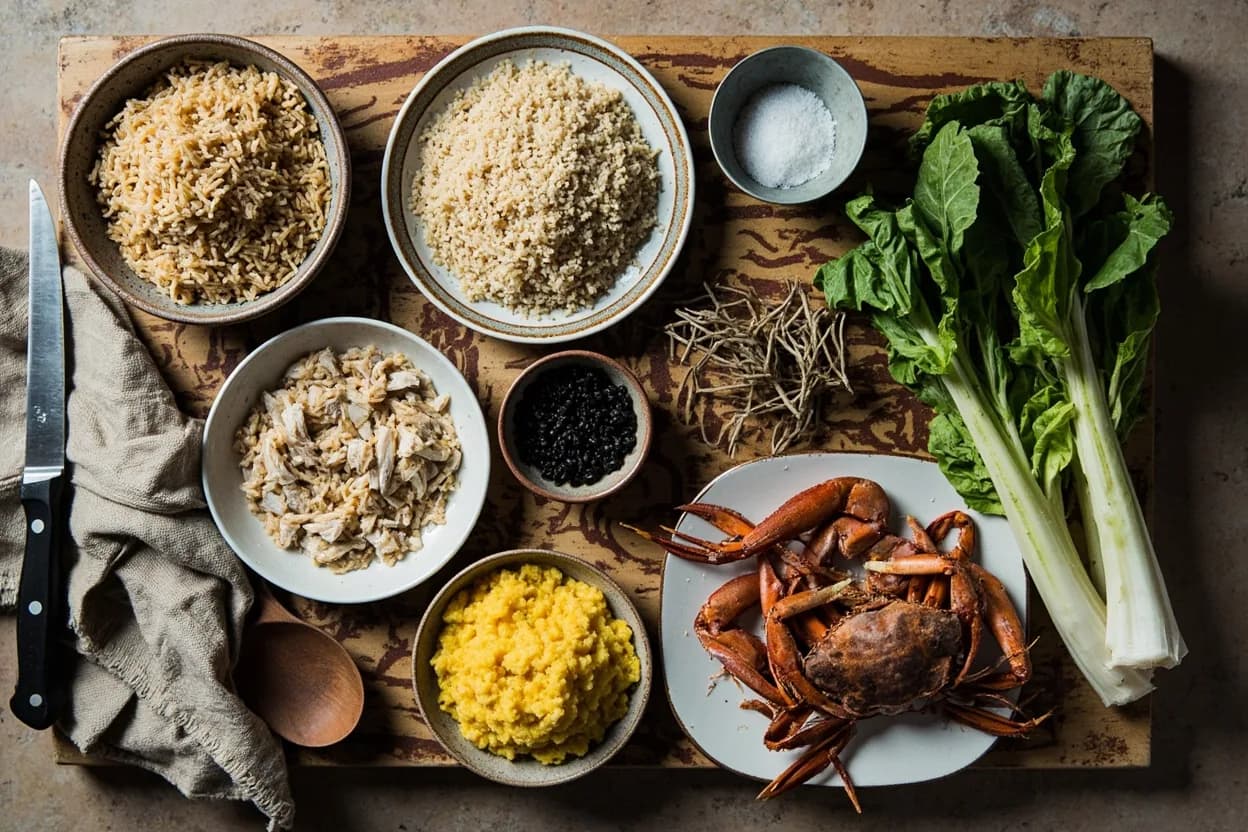
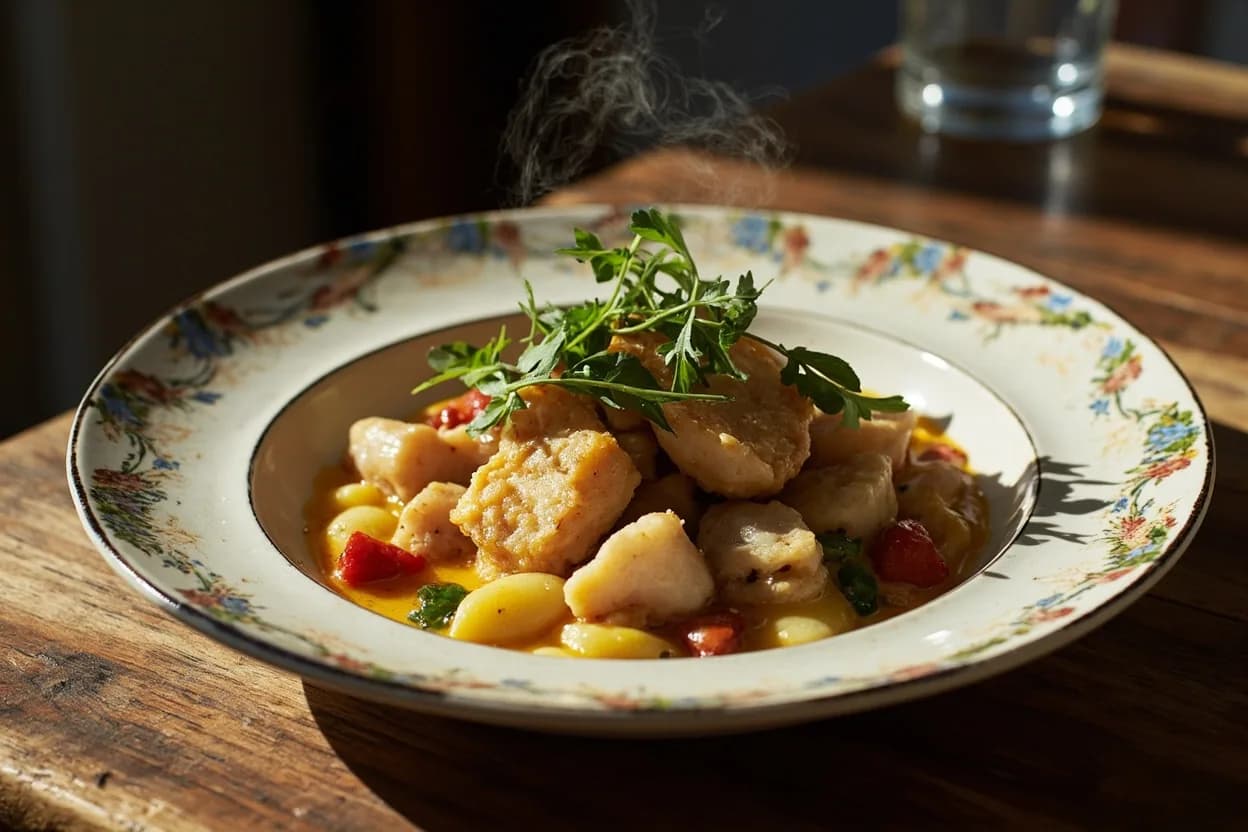
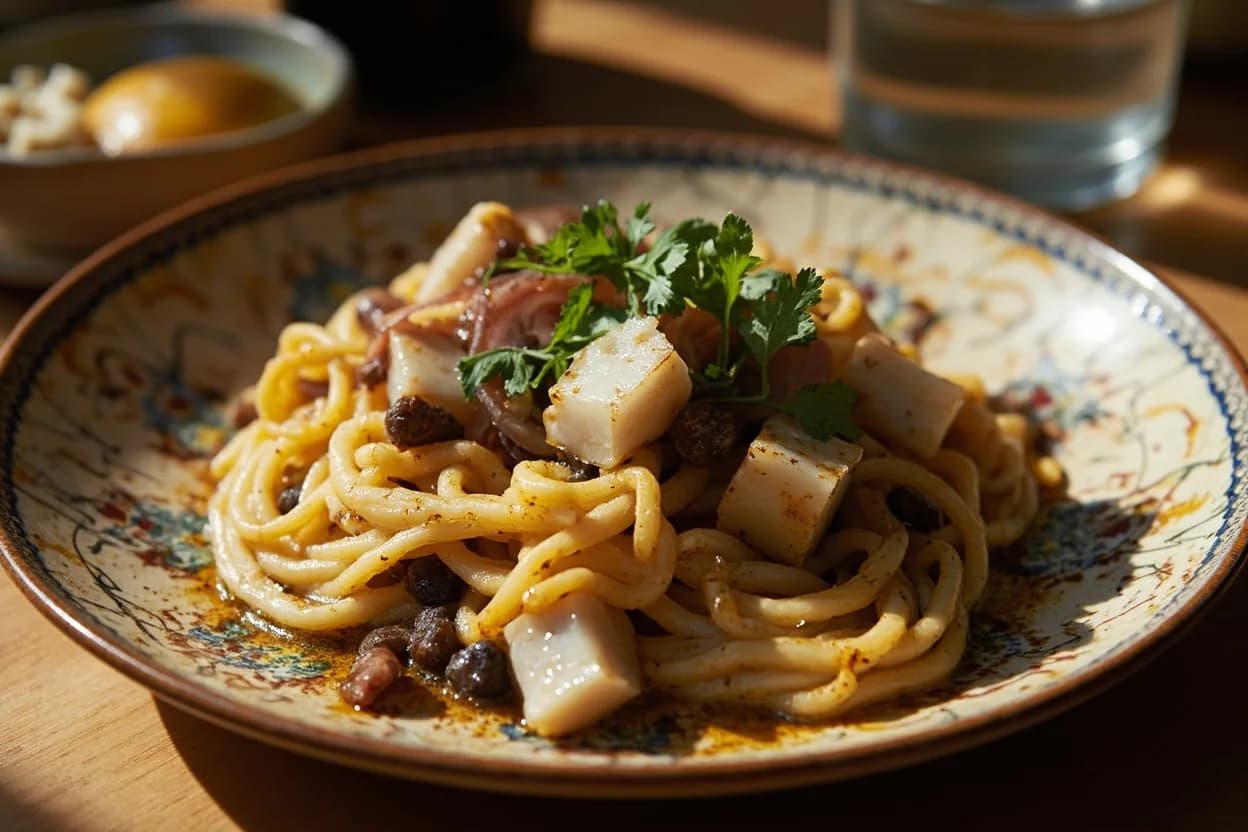
Venetian cuisine is shaped by a millennium of maritime trade and a geography suspended between sea and sky. The lagoon provides the larder: moleche (soft-shell crabs), schie (tiny grey shrimp), moeche, and the cuttlefish whose ink blackens risotto. Land resources were always scarce, so stockfish (baccalà) imported from Norway became a pillar — creamed into the ethereal baccalà mantecato. The Republic's spice monopoly left traces in sweet-and-sour agrodolce preparations, the use of raisins and pine nuts in saor (a vinegar-onion marinade), and a residual generosity with cinnamon and clove that elsewhere in Italy has long faded.
The flavour base
Onion, white wine, and lagoon-fresh seafood form the aromatic base; soffrito is lighter here than further south, relying on onion rather than garlic as the primary allium.
Pantry staples
Key ingredients
Signature techniques
Signature dishes
Venetian on the table
At the table
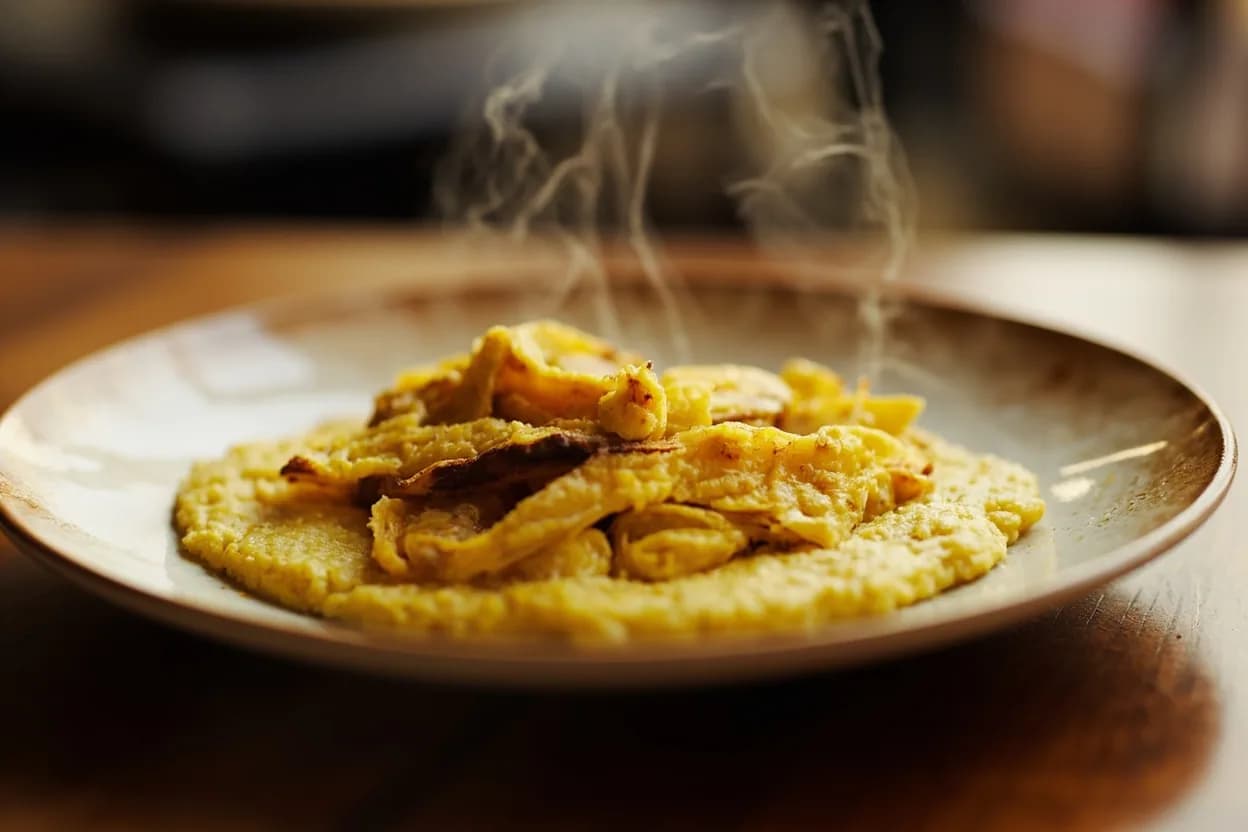
Venetians begin at the bacaro — the neighbourhood wine bar — with cicchetti (small bites on bread or skewers) and a shadow of wine (ombra). A sit-down meal follows the Italian primo/secondo structure but leans heavily toward seafood: risotto or pasta as primo, grilled or fried fish as secondo. Polenta replaces bread as the starch at table. Sunday lunch may stretch to a whole branzino or orata baked in salt.
History & context
For nearly a thousand years Venice controlled the Eastern Mediterranean spice trade, and its wealth funded a culinary tradition unlike any other in Italy. Arab, Byzantine, and later Ottoman influences seeped into the lagoon's cooking — the sweet-sour saor technique echoes Arabic 'sikbaj', and the use of dried fruits in savoury dishes is Mediterranean medieval. The fall of the Republic in 1797 ended political power but not gastronomic identity. Waves of Austrian rule added a taste for boiled meats and potted liver, fusing into the famed fegato alla veneziana (calf's liver with slow-cooked sweet onions). The bacaro culture — democratic, standing, small portions — is a Venetian institution that predates the modern aperitivo trend by centuries.
Regional variations
- Treviso
Centre of radicchio cultivation; radicchio di Treviso tardivo appears in risotto, pasta, and grilled as a side; prosecco country influences cooking wine choices.
- Bassano del Grappa
White asparagus capital of the Veneto; served simply with hard-boiled eggs and olive oil or butter; also the home of grappa production.
- Vicenza
Baccalà alla vicentina (very different from Venetian mantecato) — stockfish braised slowly in milk with onions and anchovies; the city's signature dish.
- Chioggia
Fishing town at the southern lagoon mouth; rougher, more rustic seafood cooking; stronger use of garlic and peperoncino than Venice proper.
Related cuisines
Shares lagoon seafood traditions and polenta culture; Friuli adds Mitteleuropa influences via goulash and smoked meats.
Both cuisines carry medieval spice-trade DNA and a love of preserved fish; pesto and saor are different expressions of the same herb-forward Mediterranean sensibility.
- Dalmatian
Centuries of Venetian rule over Dalmatia left shared dishes — brodetto (fish stew), pašticada, and a common wine culture around Malvasia.
Canonical recipes
The dishes that define Venetian, documented in the Canon.
References
- 1.Venetian Food, Maria Pigozzi, Rizzoli
- 2.The Food of Italy, Waverley Root, Vintage Books
- 3.Gastronomy of Italy, Anna del Conte, Pavilion Books
- 4.Cod: A Biography of the Fish That Changed the World, Mark Kurlansky, Walker & Company
Confidence: high
Notes
Cicchetti vs. Tapas
Cicchetti are frequently called 'Italian tapas' but the comparison flattens a distinct tradition. Venetian cicchetti developed independently from bacaro drinking culture; the small portions arose from poverty and the practicality of eating standing at a bar, not from Iberian influence.
Vialone Nano rice
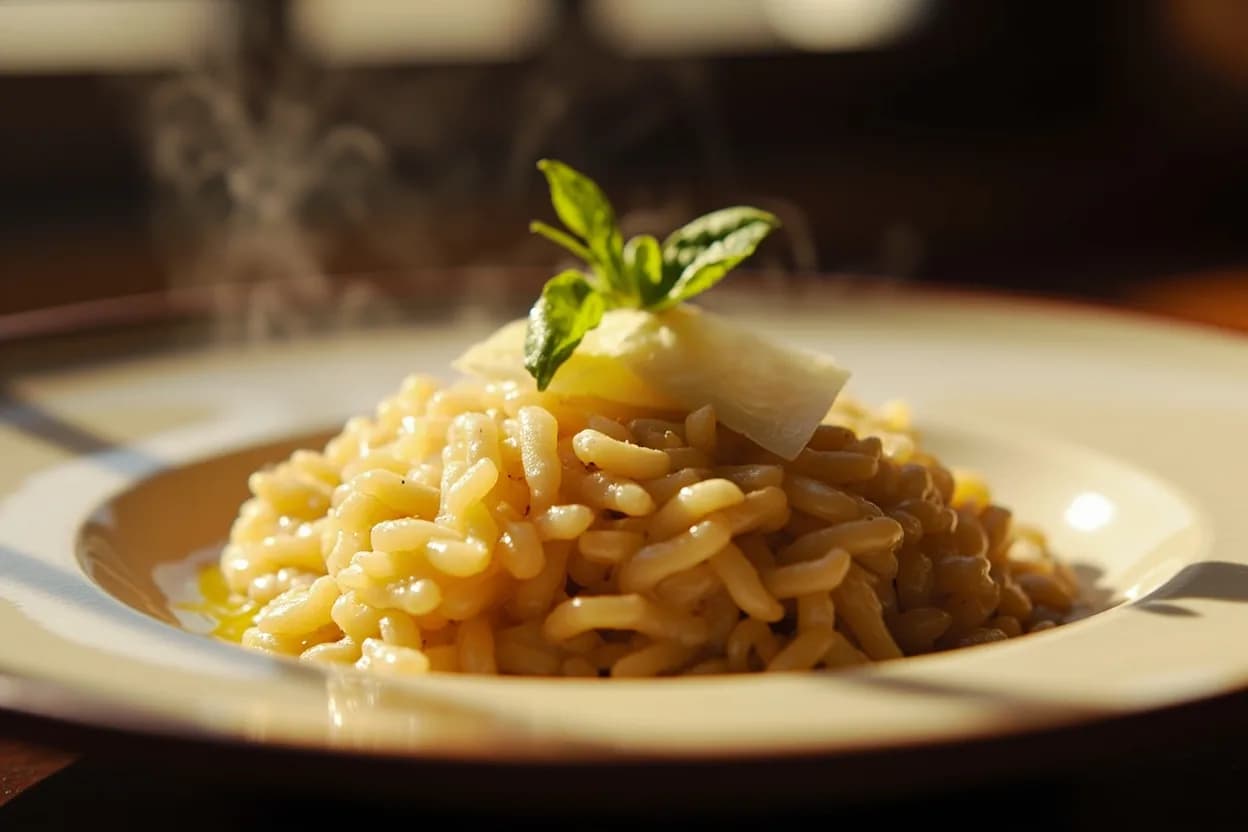
Venetian risotto is made with Vialone Nano IGP, a semi-fine rice that absorbs liquid more readily than Arborio, producing an all'onda ('wavy') texture — looser than Milanese risotto. This is not a mistake; it is the intended consistency.