Western Europe
Valencian
Also: Cuina Valenciana, Valencia cuisine, Valencian Community cuisine
The civilization of rice: Valencia gave the world paella, horchata, and a Moorish irrigation system that turned a coastal wetland into the vegetable garden of Europe.
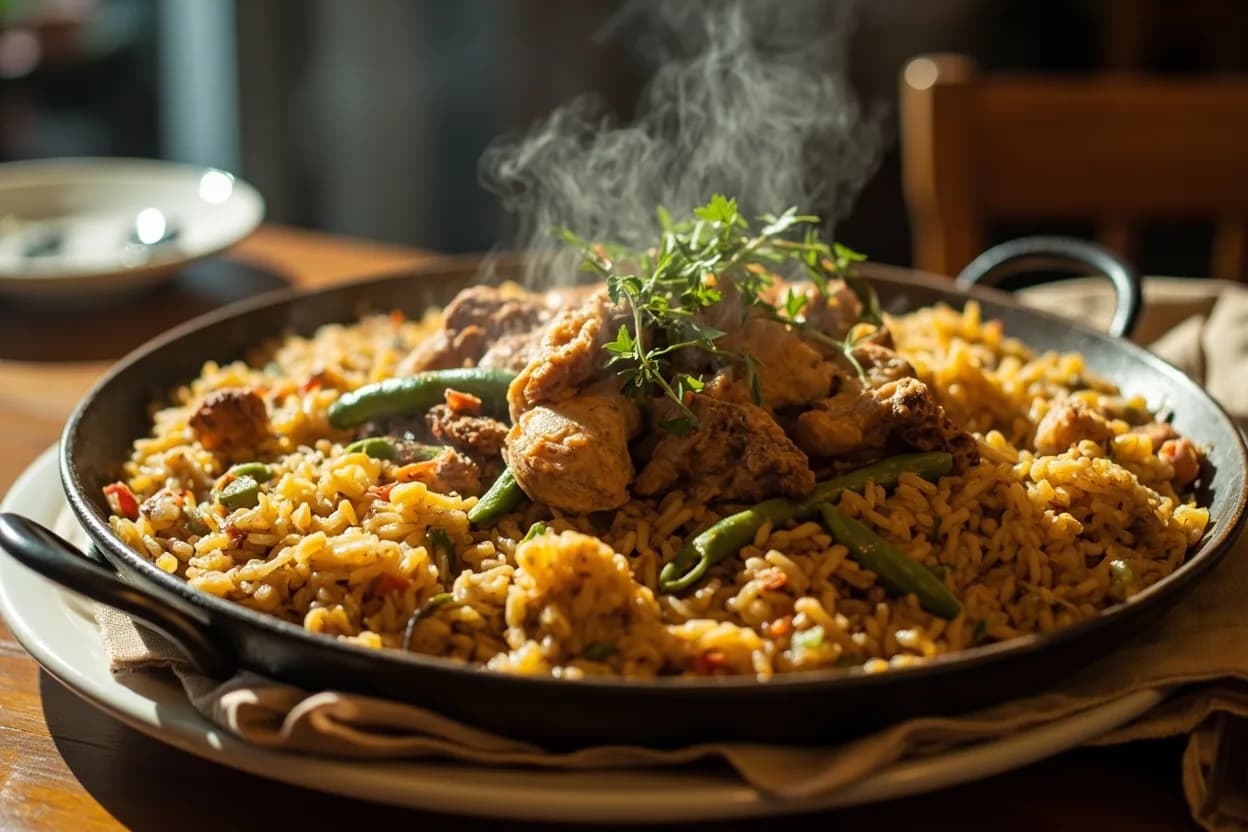
Valencian cuisine is the culinary tradition of the Comunitat Valenciana on Spain's Mediterranean east coast. It is defined above all by its mastery of rice — the albufera wetlands south of Valencia city have been cultivated for rice since the Moorish period, and the region produces Spain's most prized short-grain varieties (Bomba, Albufera, Senia). Paella Valenciana — the original, authentic version containing chicken, rabbit, green beans, and white beans — is the emblematic dish of this tradition. The cuisine also reflects a sophisticated huerta (market garden) culture nourished by the Moorish acequia (irrigation channel) network, producing tomatoes, artichokes, peppers, and citrus in extraordinary abundance.
The flavour base
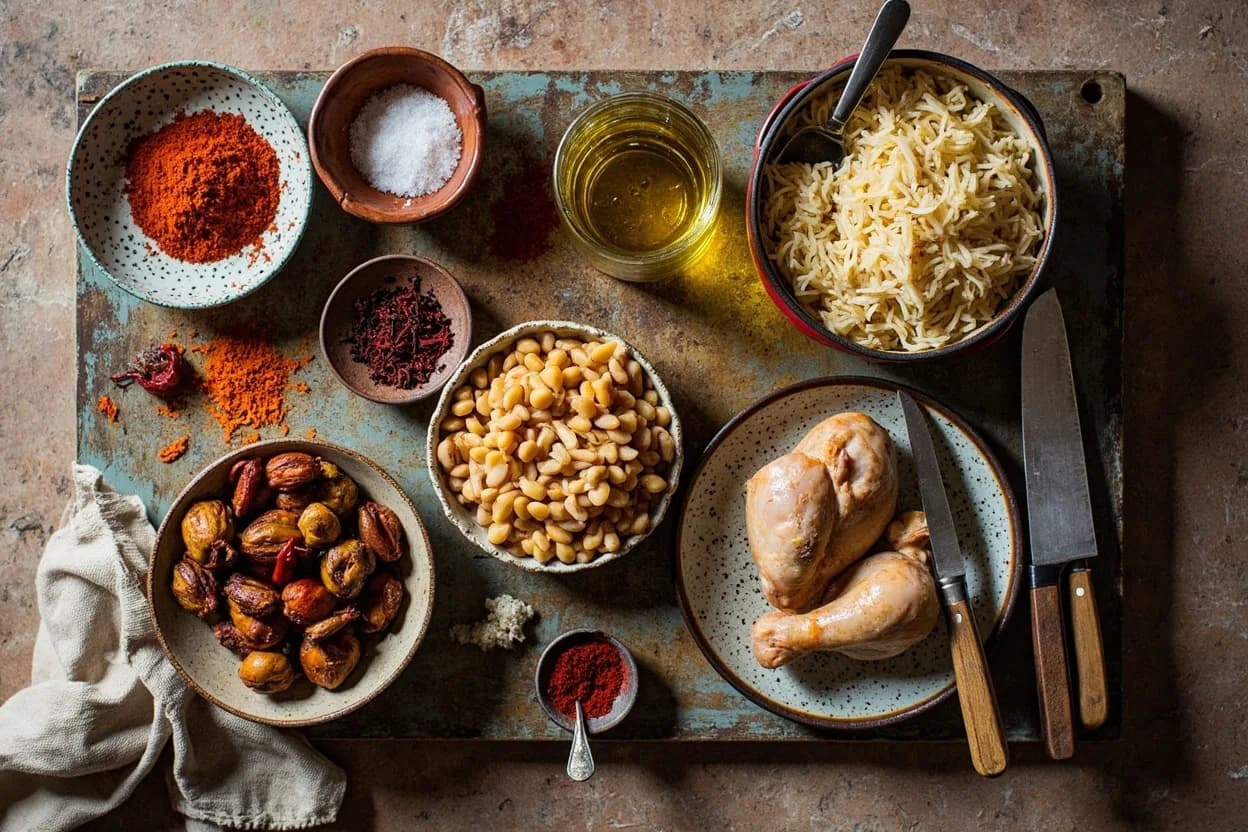
Sofrito of tomato, garlic, and paprika cooked until concentrated in olive oil; saffron-stained rice stock (for paellas and arrossos); and a picada of ñora dried peppers, almonds, and garlic for thicker stews
Pantry staples
Key ingredients
Signature techniques
Signature dishes
Valencian on the table
At the table
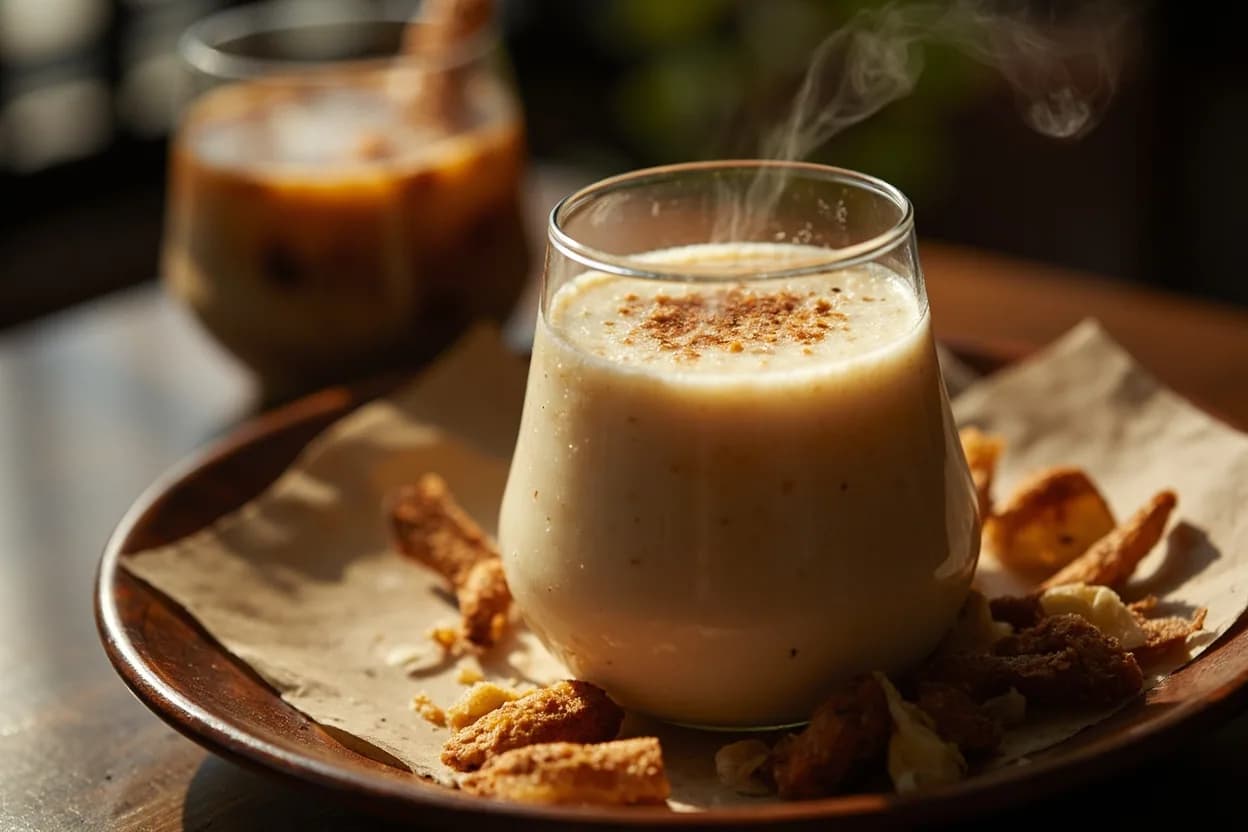
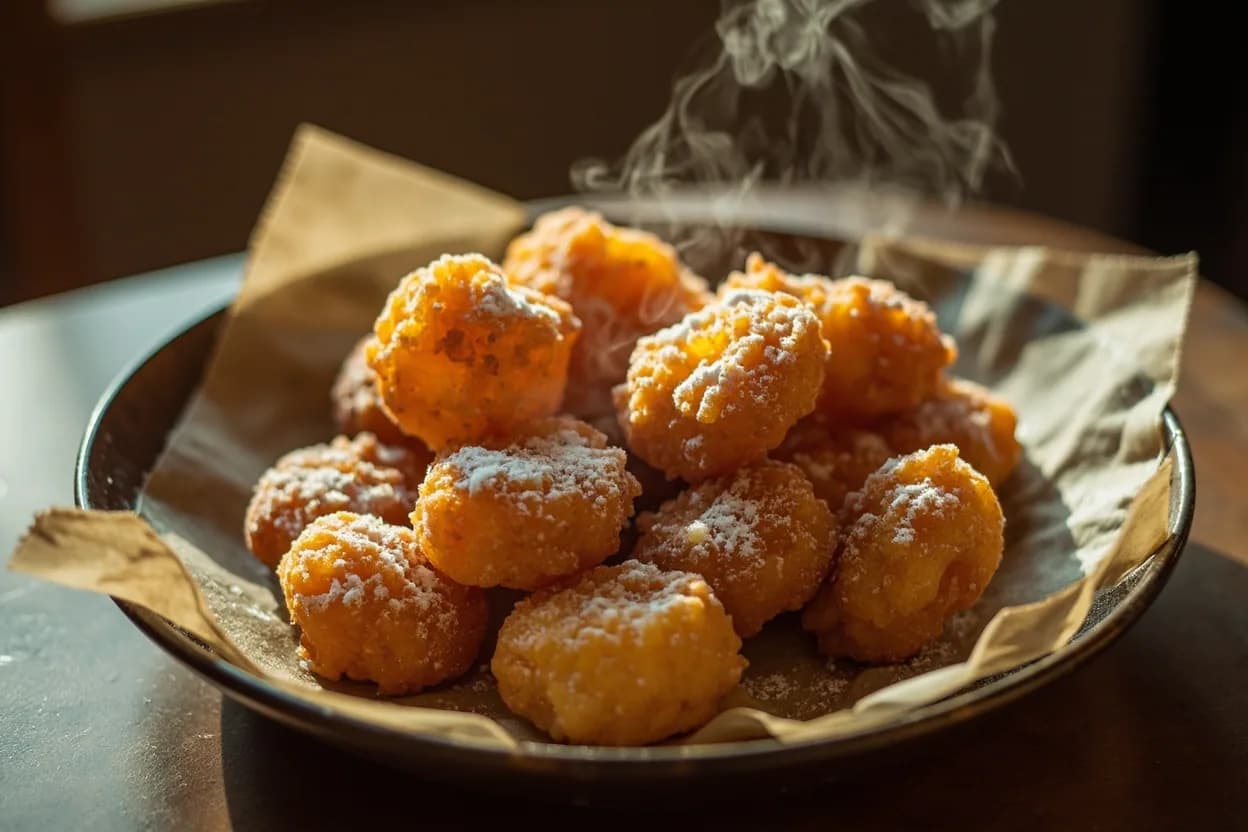
Rice dishes are the centerpiece of the Sunday midday meal (dinar), the week's most social and elaborate eating occasion, served in the pan at the table for communal eating. Weekday meals are lighter — market produce, grilled fish, simple bean stews. Horchata is consumed as an afternoon drink with fartons (oblong pastries for dipping). The huerta's seasonal produce drives a vegetable-forward weekday table.
History & context
Valencia's culinary identity is inseparable from water management. The Moors, who conquered Valencia in 714, engineered the acequia irrigation network that transformed the coastal plain into one of the Mediterranean world's most productive agricultural zones. They introduced rice cultivation around the Albufera lagoon. After James I of Aragon reconquered Valencia in 1238, the acequia system was preserved — the Tribunal de les Aigues (Water Court of Valencia), founded in 960 CE, still meets weekly to adjudicate irrigation rights and is a UNESCO cultural heritage institution. Rice became the Valencian staple; paella evolved as a field workers' dish cooked over wood fire in the 19th century, using whatever the huerta and farmyard provided. Tomatoes and peppers arrived from the New World and were rapidly integrated into the sofrito base, transforming the dish into its modern form.
Regional variations
- Valencia City and Huerta
The definitive paella Valenciana zone; chicken and rabbit only, no seafood — mixing them is considered heresy.
- Albufera and La Ribera
Rice specialist territory: arroz meloso, arròs amb fesols i naps; all-i-pebre with freshwater eel from the lagoon.
- Alicante (La Marina)
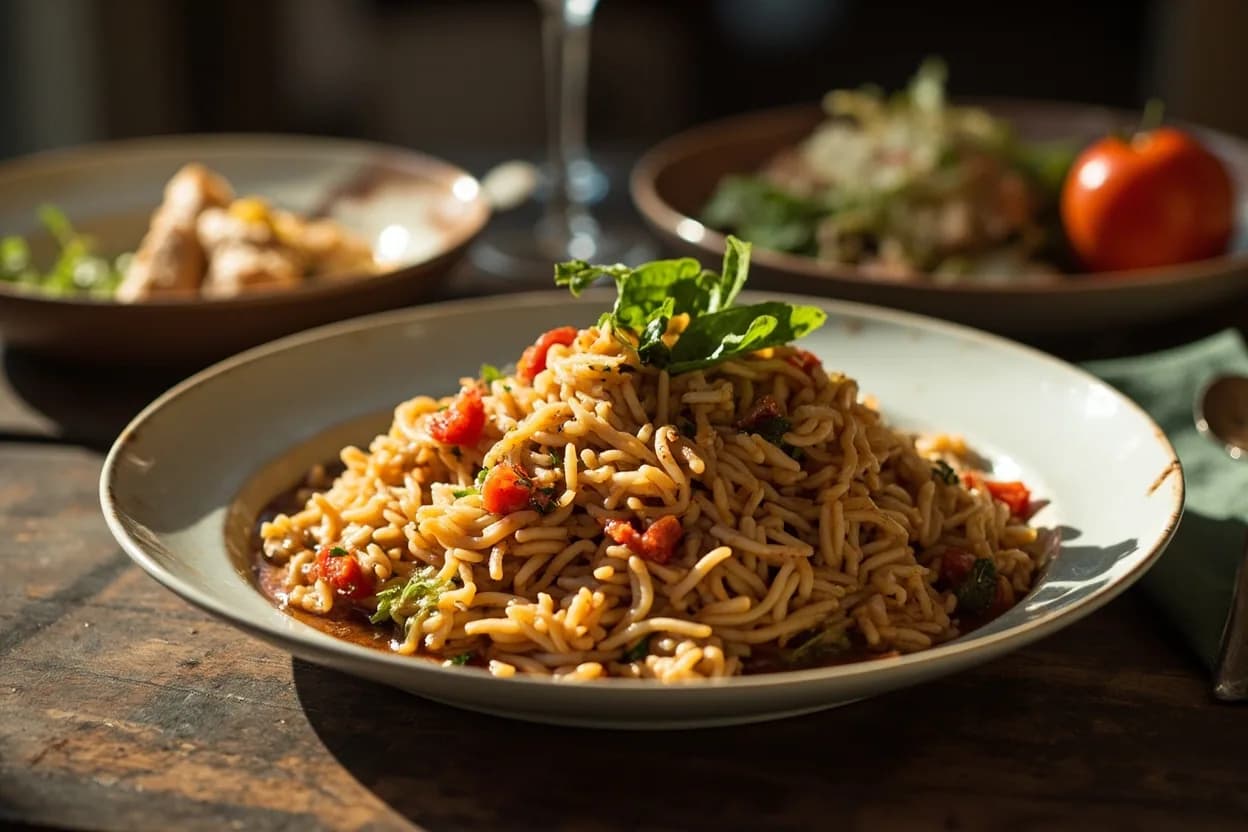
The southern province has a seafood-heavier rice tradition and claims fideuà as its own; Cal Pep-style arroz a banda is central.
- Castelló (Castellón)
Northern zone; more Catalan culinary influence, strong use of salt cod, and a tradition of arròs amb costra (baked rice with egg crust).
Related cuisines
Shares linguistic and cultural heritage; fideuà moved from Valencia northward; both have sofregit and picada traditions.
- Murcia
Southern neighbor with shared Moorish agricultural legacy and rice dishes.
- Balearic Islands
Catalan-speaking archipelago with shared arròs brut and ensaimada pastry traditions.
Canonical recipes
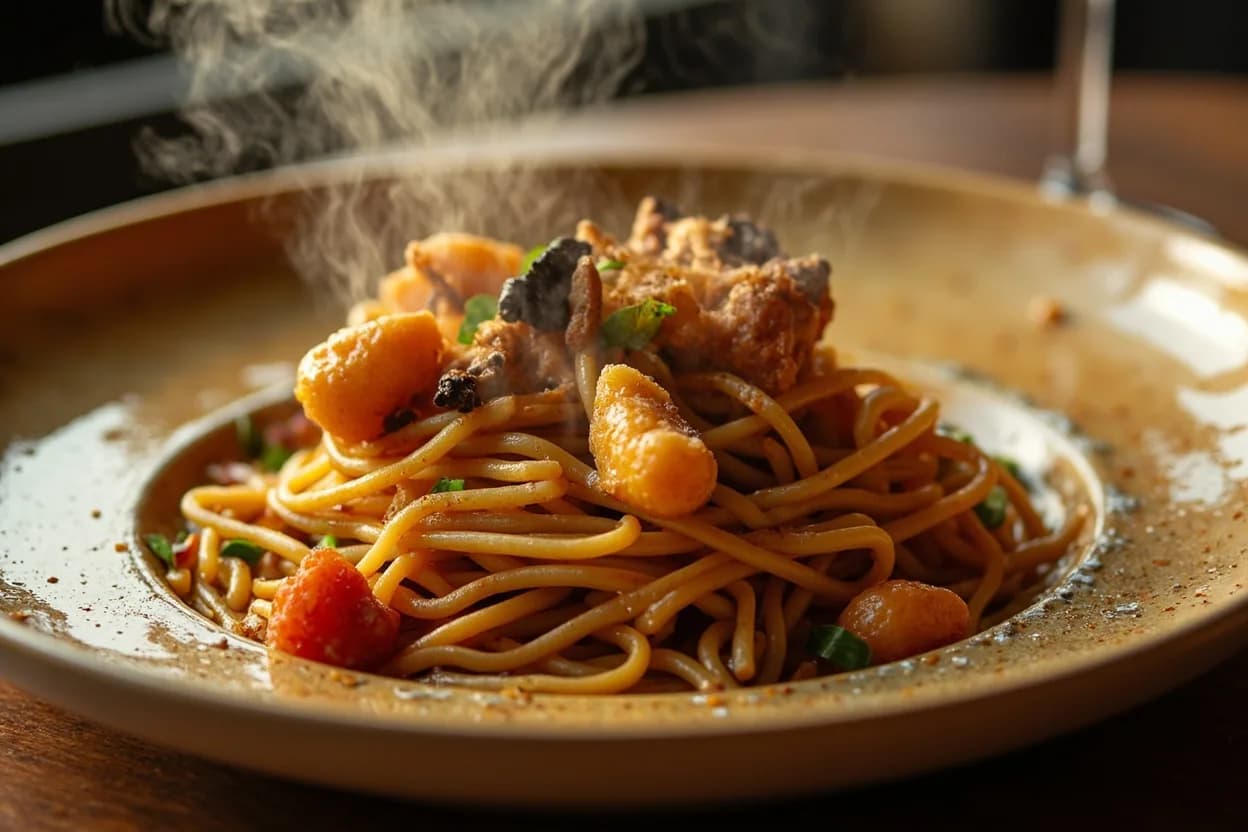
The dishes that define Valencian, documented in the Canon.
References
- 1.Paella! — Alberto Herráiz
- 2.The Food of Spain — Claudia Roden
- 3.Rice, Pasta, Couscous: The Heart of the Mediterranean Kitchen — Charles Perry et al.
- 4.Spain Recipes and Traditions — Jeff Koehler
Confidence: high
Notes
What paella Valenciana is (and is not)
The canonical paella Valenciana — as codified by the Regulatory Council of Valencian Paella and practiced in the Albufera villages — contains exactly: chicken, rabbit, ferraüra (flat green beans), garrofó (white flat beans), tomato, olive oil, saffron, paprika, water, and short-grain rice. Nothing else. Seafood paella exists and is legitimate; mixed paella (mar i muntanya) also exists. But calling seafood paella 'paella' in Valencia invites correction.
Socarrat
The socarrat — the toasted, caramelized layer of rice that forms on the pan bottom in the final minutes of cooking — is considered the prize. A good socarrat is crisp without being burnt and is revealed by the distinctive crackling sound when the spoon scrapes the pan. Its formation requires the right rice variety, precise heat management, and a wide carbon-steel pan.