Western Europe
Catalan
Also: Cuina Catalana, Catalonian cuisine, cuisine of Catalonia
A Mediterranean cuisine of fierce cultural identity, where ancient sauces like romesco and sofregit meet the intellectual audacity of El Bulli.
Catalan cuisine is the cooking tradition of Catalonia (Catalunya), the autonomous region of northeastern Spain anchored by Barcelona. It is one of the oldest and most codified regional cuisines in Europe — the Llibre de Sent Soví (1324) is among the earliest surviving cookbooks in the world. Catalan cooking integrates Roman, Moorish, and French influences into a distinctly Mediterranean idiom: olive oil, tomato, garlic, and almonds form its structural core. The cuisine encompasses bold working-class dishes alongside a world-famous avant-garde tradition centered on Ferran Adrià's El Bulli, which redefined global cooking between 1997 and 2011.
The flavour base
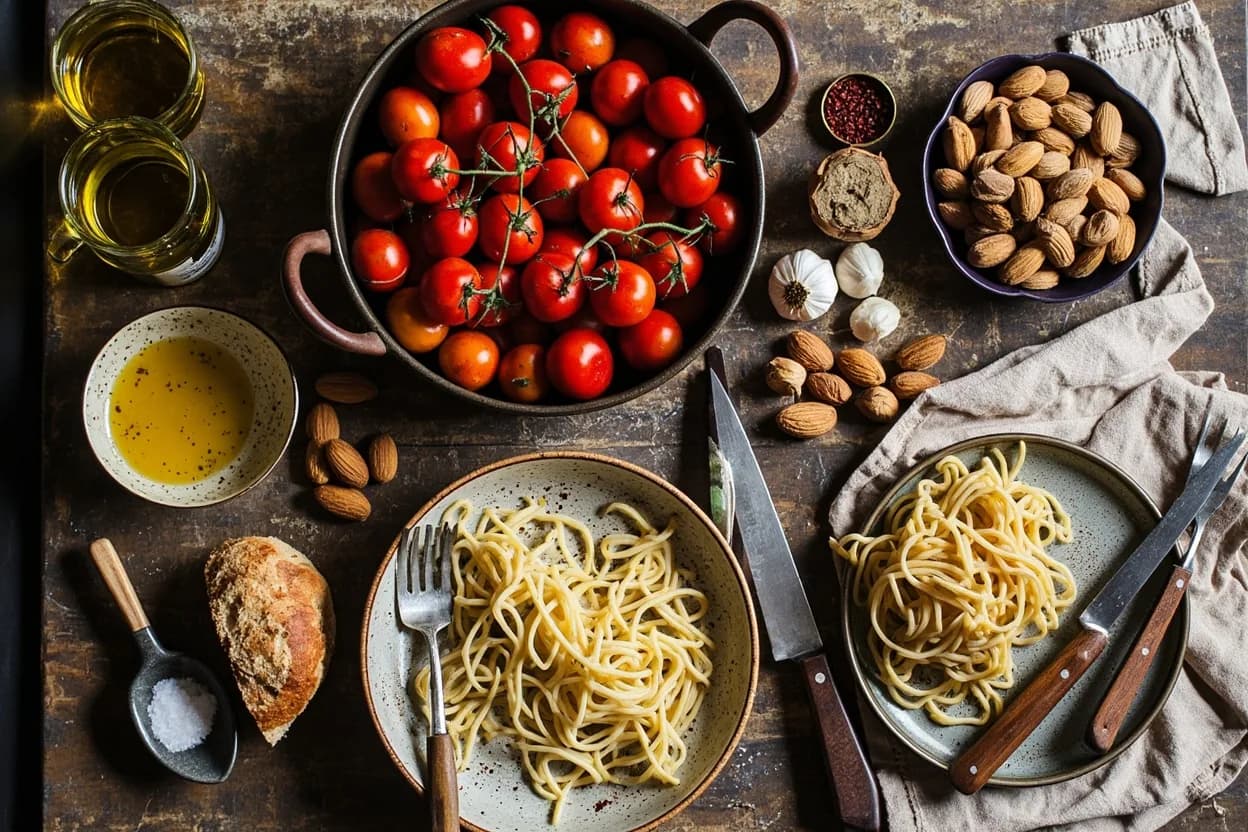
Sofregit (slow-caramelized onion and tomato in olive oil), picada (pounded almonds, garlic, fried bread, and sometimes chocolate or saffron used as a liaison and flavor bomb), and pa amb tomàquet (bread rubbed with tomato and oil as the universal foundation)
Pantry staples
Key ingredients
Signature techniques
Signature dishes
Catalan on the table
At the table
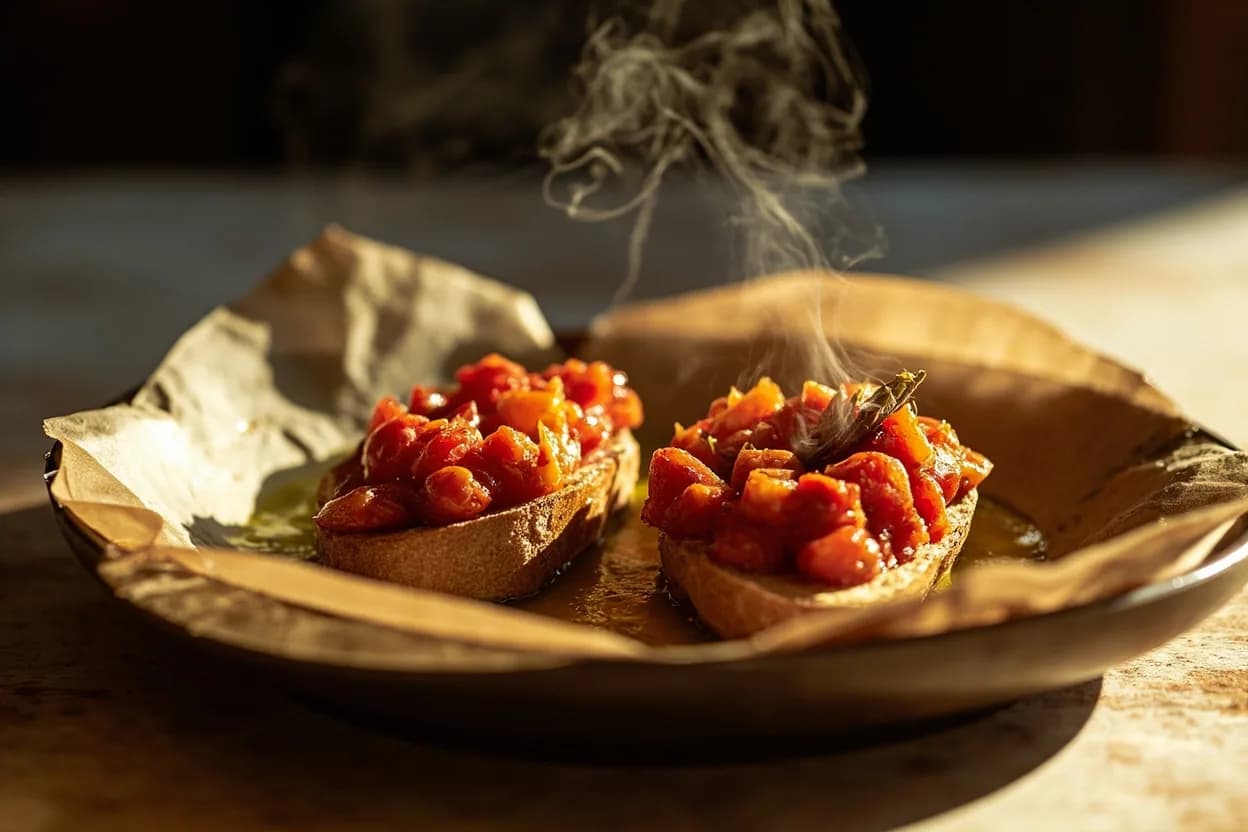
Catalans eat a light esmorzar (breakfast), a substantial dinar (lunch, the main meal, often three courses) in the early afternoon, a merienda (snack around 5–6 pm), and a lighter sopar (supper). Pa amb tomàquet — bread rubbed with ripe tomato half, olive oil, salt — accompanies virtually every meal as a universal side.
History & context
Catalonia's culinary identity runs parallel to its political self-conception as a distinct nation. The medieval Crown of Aragon, based in Barcelona, controlled the western Mediterranean from the 13th–15th centuries, and Catalan merchants and sailors disseminated their cooking along trade routes. The Llibre de Sent Soví (1324) and the Llibre de Coch (1520) — widely translated across Europe — codified an already sophisticated tradition. The 19th-century Renaixença (cultural renaissance) explicitly promoted Catalan gastronomy as national heritage. In the late 20th century, El Bulli in Roses under Ferran Adrià became the world's most influential restaurant, launching molecular gastronomy as a global movement while never abandoning fundamentally Catalan flavor logic.
Regional variations
- Costa Brava
Seafood emphasis, suquet de peix fish stews, sea urchin dishes; French culinary adjacency.
- Pyrenean (Alt Pirineu)
Heavier mountain cooking: trinxat (cabbage and potato cake), wild mushrooms, lamb and goat.
- Camp de Tarragona
Birthplace of romesco sauce; hazelnut and nyora pepper are paramount here.
- Terres de l'Ebre (Ebro Delta)
Rice cultivation region; arròs de l'Ebre and freshwater eel dishes are local hallmarks.
- Valencia–Catalan border
Overlap with Valencian rice culture; arròs a banda appears on both sides.
Related cuisines
Shares linguistic kinship (Valencian/Catalan) and rice-based dishes; fideuà originated in Valencia.
- Balearic Islands
Catalan-speaking archipelago with aioli-heavy, seafood-forward shared tradition.
- Occitan (Provence)
Across the French border: shared use of aioli, anchoïade, and braised garlic preparations.
- Aragonese
Western neighbor with shared Moorish heritage and reliance on dried peppers.
Canonical recipes
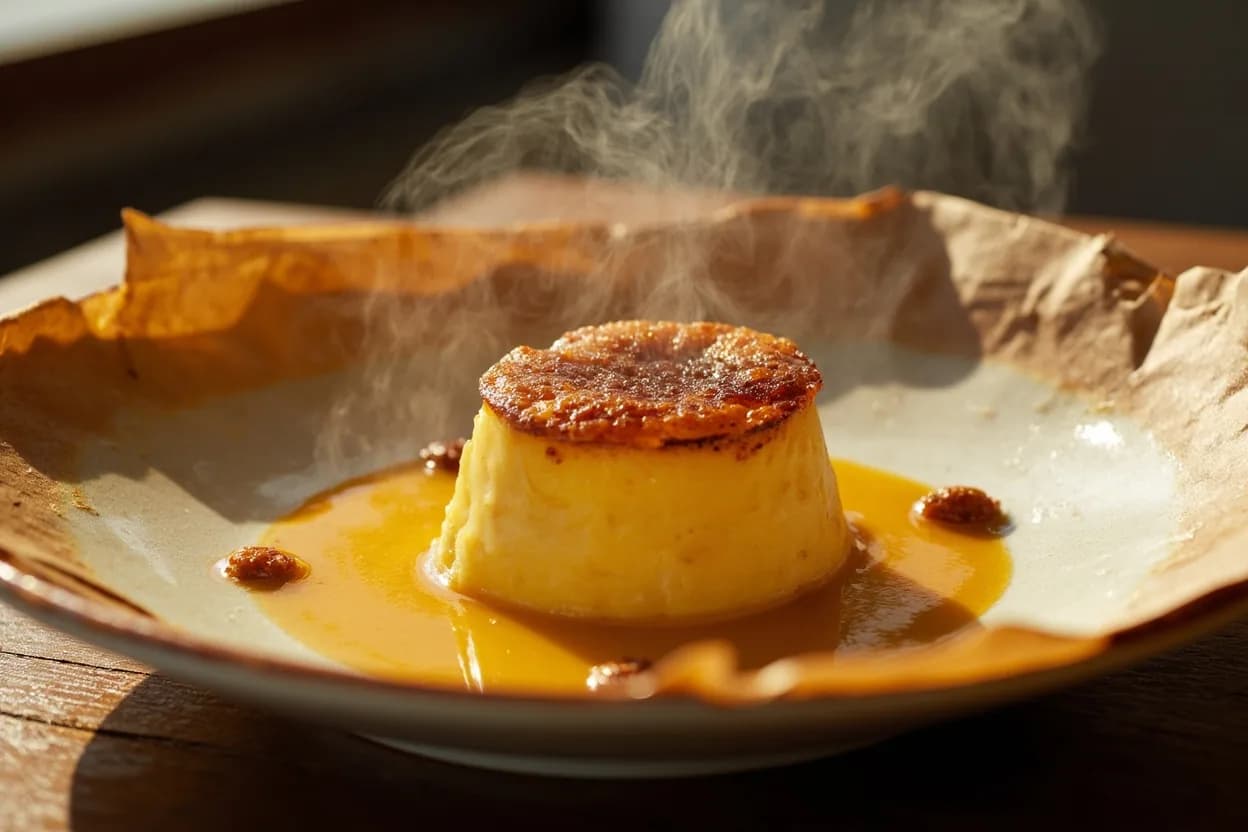
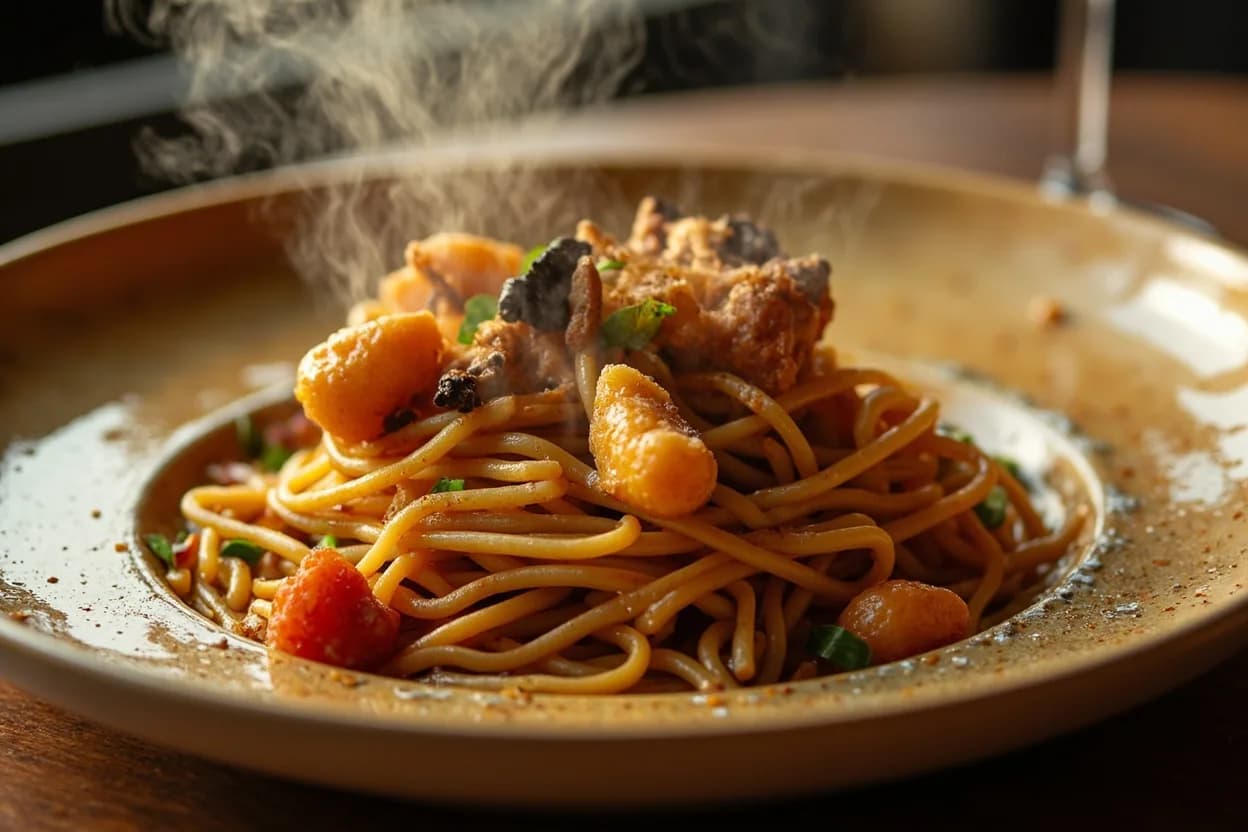
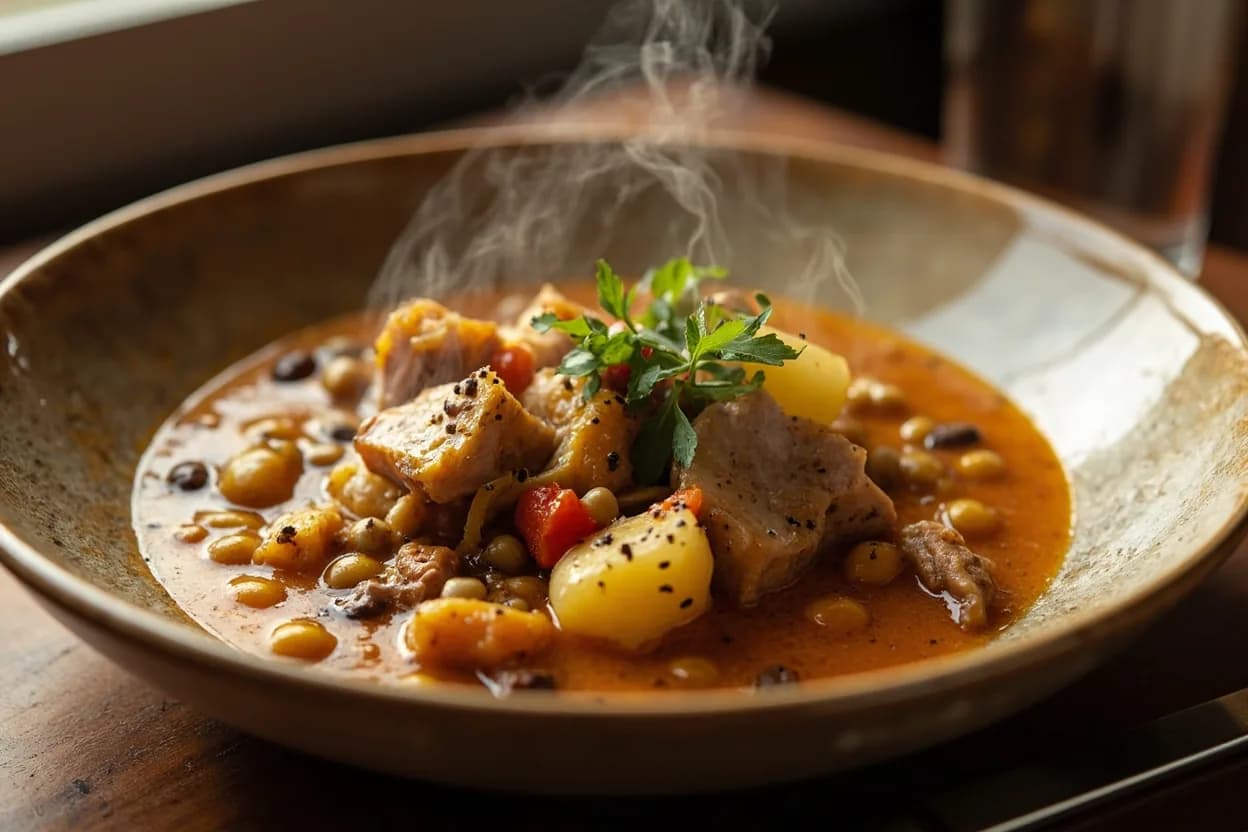
The dishes that define Catalan, documented in the Canon.
References
- 1.Catalan Cuisine — Colman Andrews
- 2.A Day at elBulli — Ferran Adrià, Albert Adrià, Juli Soler
- 3.The Food of Spain — Claudia Roden
- 4.Llibre de Sent Soví — Anonymous (1324), modern edition ed. Rudolf Grewe
Confidence: high
Notes
Pa amb tomàquet — the national gesture
This is not a recipe so much as a reflex: a cut tomato half rubbed vigorously on toasted country bread, then finished with olive oil and salt. The tomato should be ripe enough to virtually disappear into the bread. It underlies every Catalan table and is the gesture that says 'this is where we are.'
The picada distinction
What sets Catalan cooking apart from other Iberian traditions is the picada — a mortar-pounded paste of toasted almonds or hazelnuts, fried bread, garlic, and sometimes saffron, chocolate, or parsley — stirred in at the end of braises and stews. It thickens, deepens, and sharpens simultaneously, an operation with no precise equivalent in neighboring cuisines.