Proteins
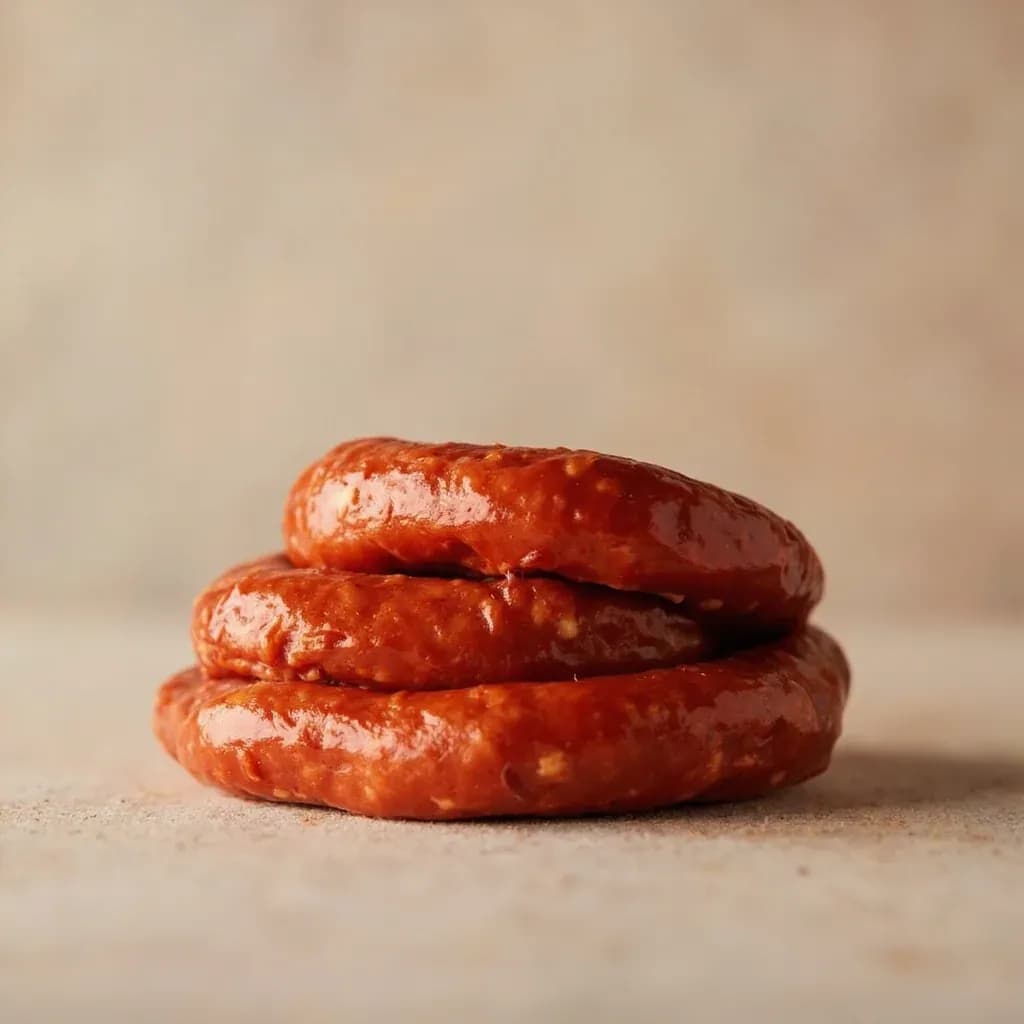
Botifarra (Catalan Pork Sausage)
Mildly seasoned fresh Catalan pork sausage, grilled and served with white beans.
Botifarra is a fresh Catalan pork sausage seasoned simply with salt, pepper, and sometimes white wine, letting the pork flavor lead. It is grilled or pan-fried and classically served with sautéed white beans (botifarra amb mongetes). Varieties include white, black (blood), and egg-enriched versions used across Catalan home cooking.
Botifarra is the quintessential fresh pork sausage of Catalonia, a cornerstone of the region's cooking since medieval times. Unlike cured sausages, it is made from raw pork stuffed into natural intestine casings and must be cooked before eating. The classic botifarra blanca is simplicity itself: coarsely ground pork seasoned with salt and cracked black pepper, allowing the quality of the meat to speak. Its coarse grind gives it a satisfying, rustic texture that holds together on the grill while releasing juicy, flavorful fat. The sausage should feel firm but slightly yielding when squeezed; avoid any that feel rock-hard or have a sour smell, which indicates age or improper handling.
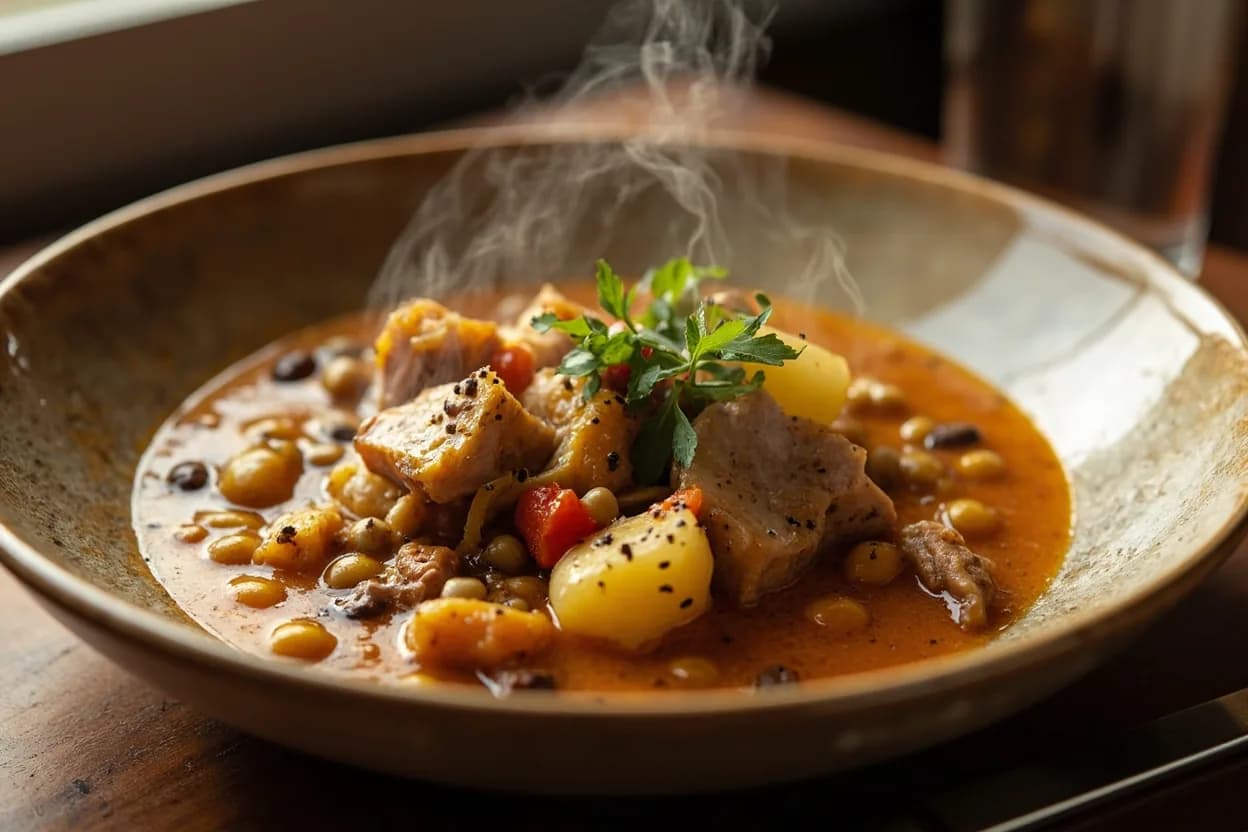
The defining Catalan preparation is botifarra amb mongetes — grilled botifarra served alongside white haricot beans braised with a sofregit of onion, garlic, and tomato. This combination appears on virtually every menu in Catalonia, from neighborhood bars to fine dining restaurants, and is as deeply embedded in Catalan food culture as fish and chips is in Britain. The sausage's role is to provide rich, savory, peppery contrast to the creamy beans. When buying fresh botifarra, seek it at the carnisseria counter in markets rather than pre-packaged; it should smell clean and mildly savory with no ammonia or sour notes, and the casing should be moist but intact.
- Measured in
- g
- Storage
- Fridge
Types & varieties
The classic. Pork, salt, cracked black pepper only. Mild, clean pork flavor — the baseline for all other varieties.
Contains pork blood. Used in arròs negre (black rice) and escudella i carn d'olla. Earthy, mineral, iron-rich flavor.
Flavored with anise seeds. Adds a subtle, sweet licorice note that complements the pork.
Contains candied fruit, especially pumpkin. A sweet variety from the Empordà region; dessert-like.
Contains whole eggs in the farce. Richer, almost custardy texture when cooked.
Coarse grind, rustic style. Traditionally made at home in copper cauldrons (perols); more loosely stuffed.
Botifarra vs. Chorizo: Knowing the Difference
These two Spanish sausages are often confused outside Spain, but they are fundamentally different products. Botifarra is a fresh, raw sausage that must be cooked before eating — it is pale pink in its raw state and sold refrigerated. Chorizo, by contrast, is cured, smoked, and fully cooked by the curing process; it ranges from semi-soft to firm in texture and can be sliced and eaten directly. Chorizo gets its characteristic deep red color and smokiness from smoked paprika (pimentón), while botifarra's flavor comes from cracked black pepper alone. Using chorizo in a recipe calling for fresh botifarra will add paprika notes, a different texture, and — if the dish is meant to be cooked further — a different final result. Conversely, botifarra cannot replace cured chorizo in charcuterie boards or tapas that require a ready-to-eat sausage. When shopping at a Spanish market, ask for 'botifarra fresca' to be explicit about the fresh variety you need.
Choosing and Buying Fresh Botifarra
In Barcelona and throughout Catalonia, fresh botifarra is sold loose by weight at the carnisseria (butcher counter), not pre-packaged. This gives you the opportunity to inspect the sausage before buying. Fresh botifarra should have a clean, faintly savory smell with no ammonia, sourness, or any rankness. The casing should be moist but not slimy, and intact without tears or protrusions. Gently squeeze the sausage — it should feel firm with a slight give, not rock-hard. Avoid any botifarra that has a grayish cast or dry, cracked casing. If buying botifarra negra specifically, look for an even dark color throughout with no lighter streaks, which can indicate uneven mixing of the blood.
- Smell: clean and mildly savory, no sourness or ammonia
- Casing: moist but intact, no tears or dry cracks
- Texture: firm with slight give, not hard or mushy
- Color: pale pink for blanca, deep even reddish-brown for negra
- Ask for botifarra fresca if buying at a Spanish market to specify the raw, uncooked variety
Common uses
Tips & pitfalls
- Score the casing with 2–3 shallow knife cuts before cooking to prevent splitting under internal pressure. Cut just through the casing, not deep into the meat.
- Cook over medium heat, not high. High heat fuses the casing and causes it to rupture, blasting out juices and leaving you with a dried-out, split sausage.
- Do not repeatedly prick the sausage with a fork — this defeats the purpose of scoring. Each puncture releases flavorful juices. One or two scoring cuts are all you need.
- For botifarra amb mongetes, cook the beans and the sausage separately and combine at the table. The beans braise slowly with sofregit while the sausage grills over medium heat for char and caramelization.
- Botifarra negra does not need scoring — its casing is more fragile and it is typically cooked submerged in liquid (as in arròs negre).
- If using frozen botifarra, thaw it slowly in the refrigerator overnight. Rapid thawing at room temperature causes the outer edges to warm while the center remains frozen, leading to uneven cooking.
- Leftover grilled botifarra slices are excellent cold in a sandwich the next day. The pepper flavor deepens and the fats firm up, making an excellent第二天 (next-day) lunch.
Nutrition
Energy
1213 kJ · per 100 g
Where the calories come from
Protein
13.9g
28% DV
Carbs
3g
1% DV
Fat
24.3g
31% DV
Fiber
0g
0% DV
Sugars
1.2g
of which
Sodium
563mg
24% DV
Source · USDA FoodData Central · approx. Sausage, Italian, pork, mild, raw
View on FDC →In the shops
Matched grocery products
No matched grocery products for Botifarra (Catalan Pork Sausage) yet.
Good to know
- Origin
- Catalonia, Spain (medieval era documented)
- Type
- Fresh pork sausage — uncured, uncooked, must be cooked before eating
- Primary Seasoning
- Salt and cracked black pepper; optionally garlic, nutmeg, or anise
- Casing
- Natural pork intestine, typically 25–35 mm diameter (1–1.5 inches)
- Color (Raw)
- Pale pink for botifarra blanca; deep reddish-brown for botifarra negra (blood sausage)
- Internal Temperature
- 70°C / 160°F minimum for safe doneness
- Storage (Fresh)
- Refrigerated 2–3 days; frozen up to 3 months (thaw slowly in refrigerator)
- Cooking Difficulty
- Easy — but casing splitting is the main pitfall to avoid
Substitutes
- Italian pork sausage (sweet or mild) — Similar pork-to-fat ratio and seasoning profile. The closest substitute for most preparations. Casings may differ but work well for grilling and pan-frying.
- Fresh chorizo (not cured) — Spanish-style fresh pork sausage with paprika. More assertive flavor than botifarra blanca and will impart a reddish color to dishes. Acceptable in a pinch.
- Fresh bratwurst — German-style pork sausage. Mild enough but typically coarser grind and may contain nutmeg and marjoram in addition to pepper, altering the flavor slightly.
- Merguez (lamb) — Not pork; different fat profile and spicing (harissa, cumin). Use only when a non-pork option is genuinely needed, not as a flavor substitute.
Pairs with
Also called
Catalan Pork Sausage · Botifarra
Appears in these dishes
Related
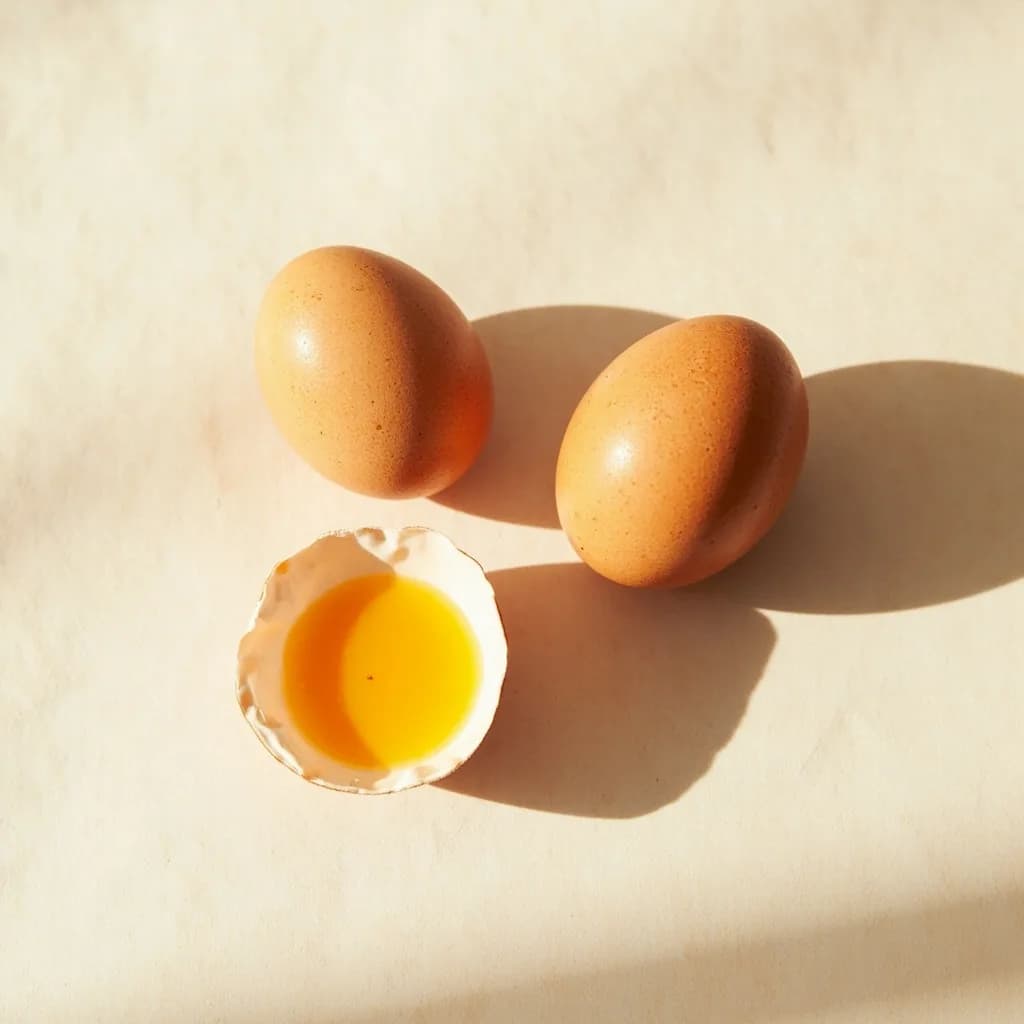
Egg
The kitchen's everything ingredient — bind, leaven, enrich, or fry
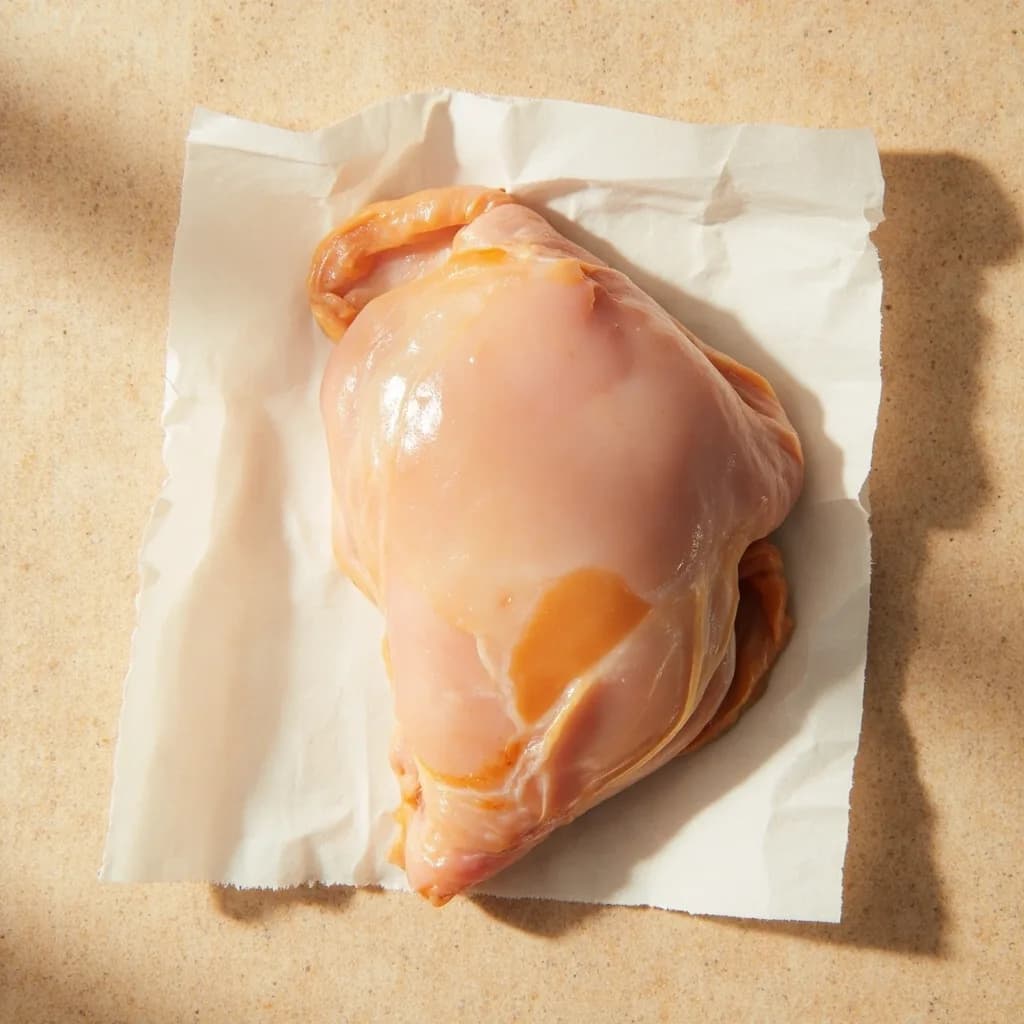
Chicken Breast
Lean, quick-cooking white meat for everyday dinners

Ground Beef
Versatile minced beef for burgers, ragù, tacos, and meatballs
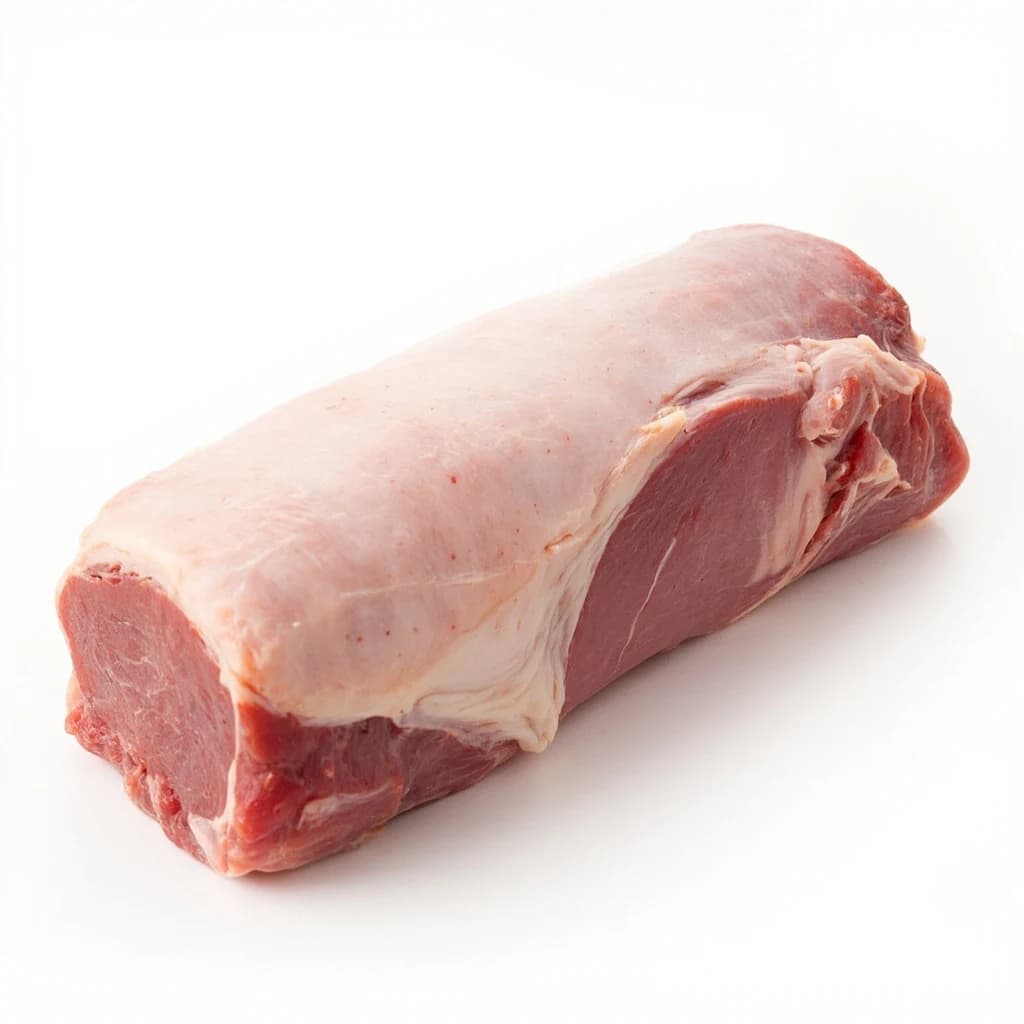
Pork Loin
Lean, tender roasting cut that stays juicy with care
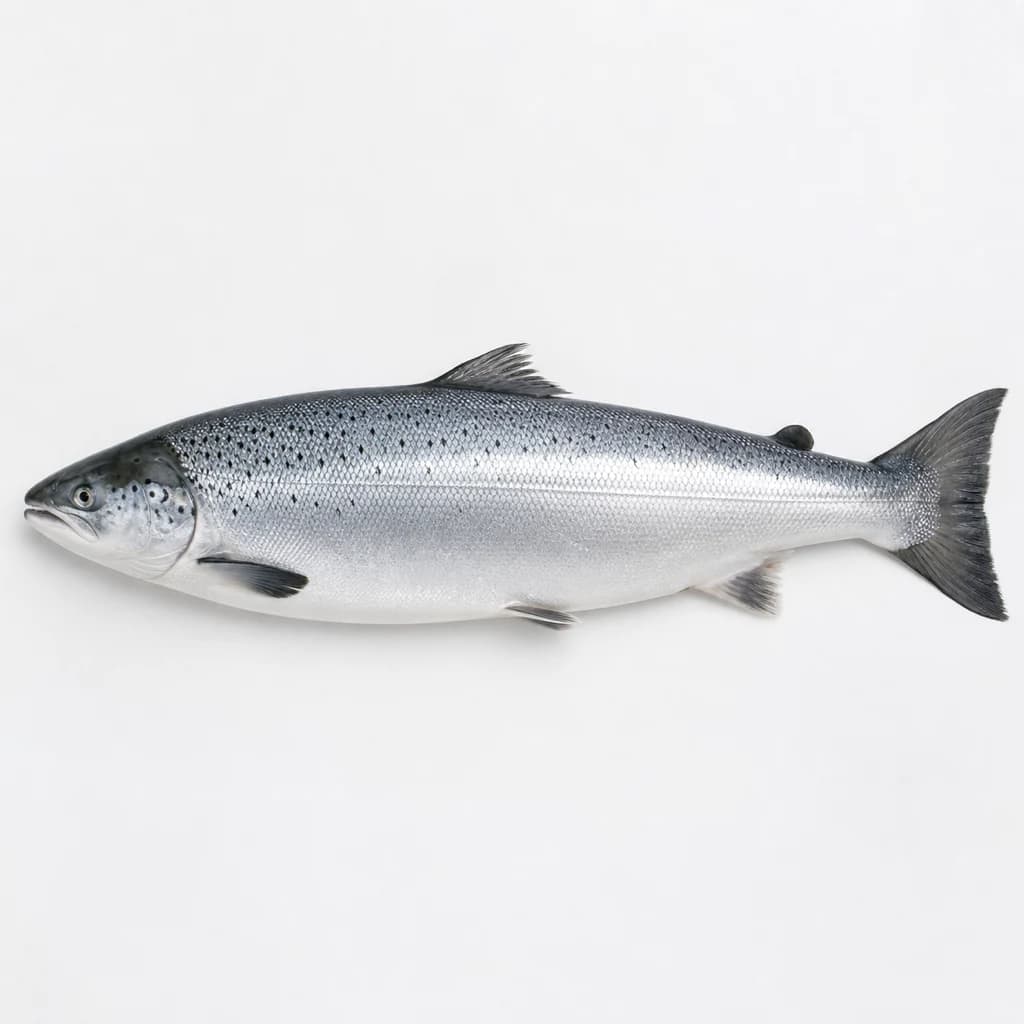
Salmon
Rich, rosy fish that roasts, grills, or cures beautifully

Egg White
Pure protein that whips to airy peaks for meringue and more
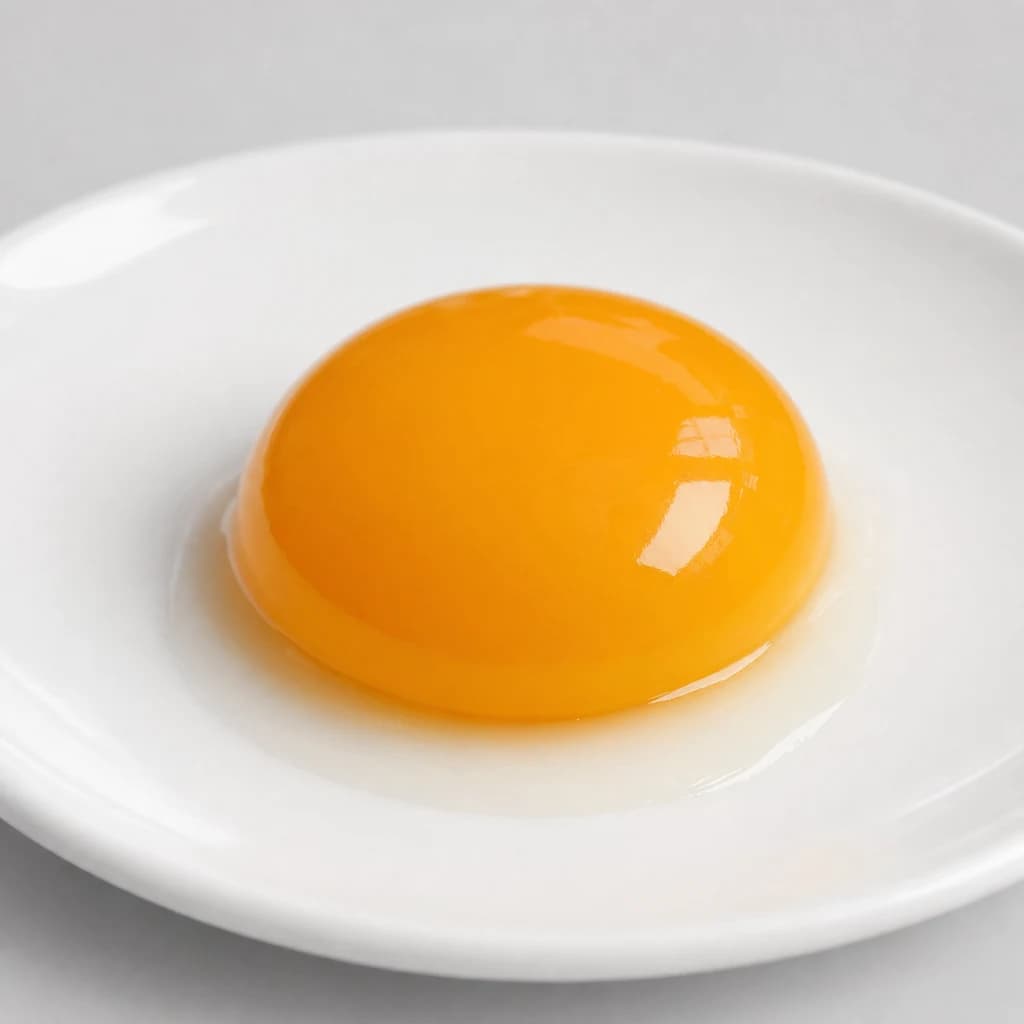
Egg Yolk
Rich, golden yolk for custards, mayonnaise, and pasta

Quail Egg
Tiny, speckled eggs for garnishing and elegant bites