Central Asia
Uzbek (Central Asian Plov Tradition)
Also: Uzbek cuisine, Uzbek food, O'zbek oshxonasi, Samarkand cuisine
Silk Road crossroads cuisine where a single dish — plov — earned UNESCO protection and defines national identity as completely as any food on Earth.
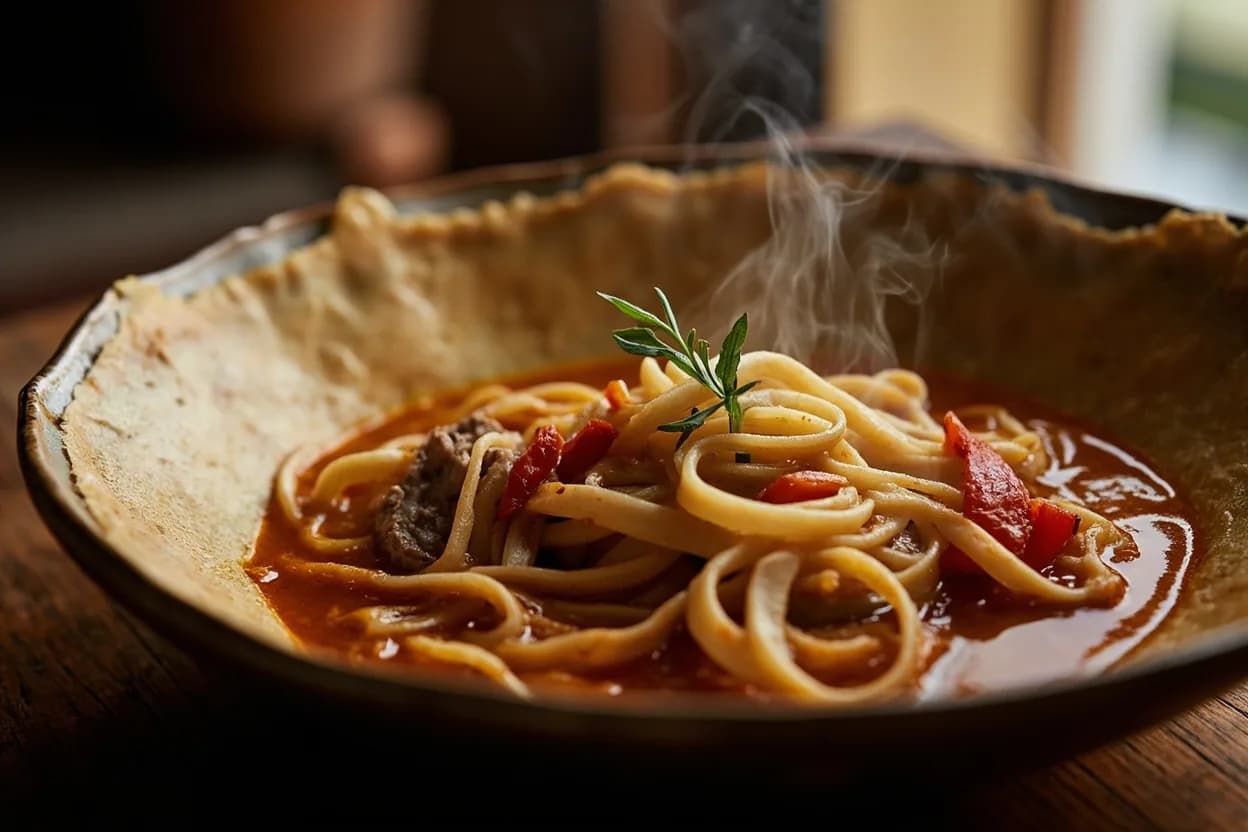
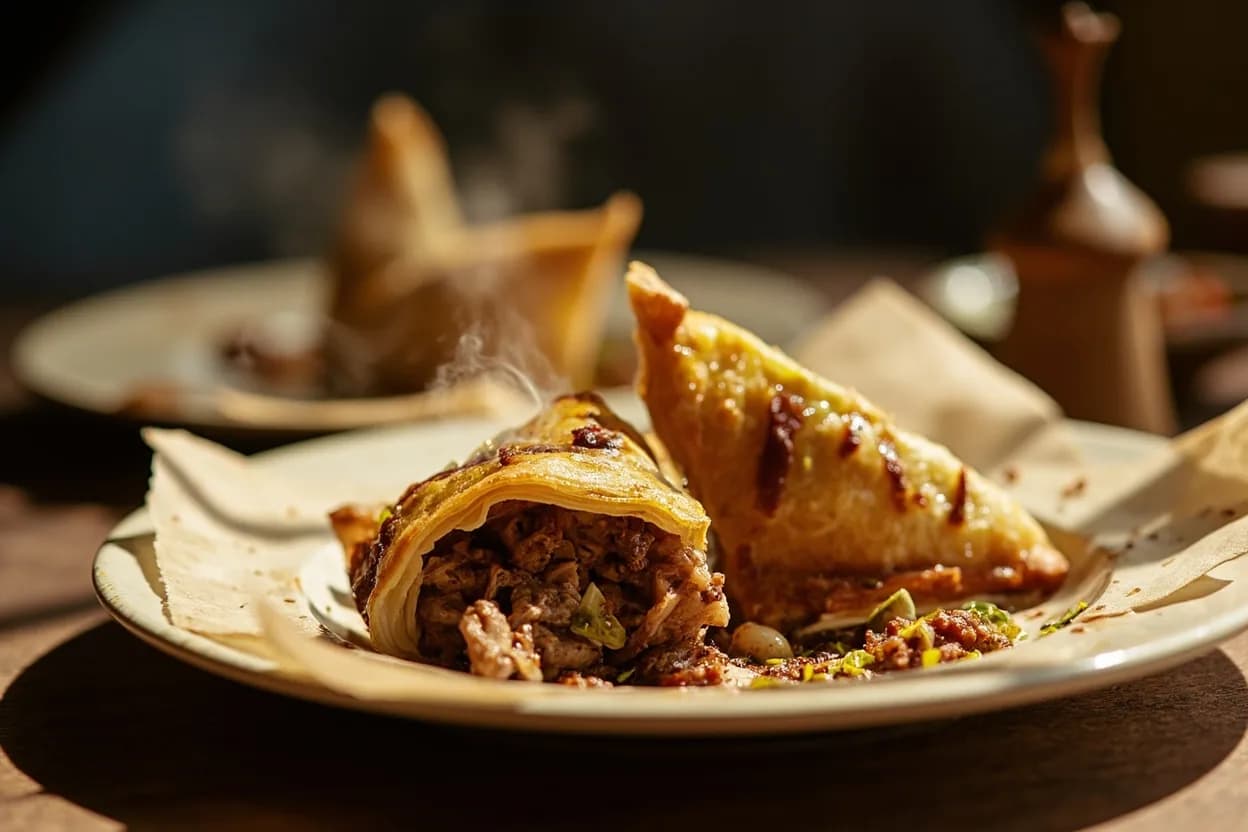
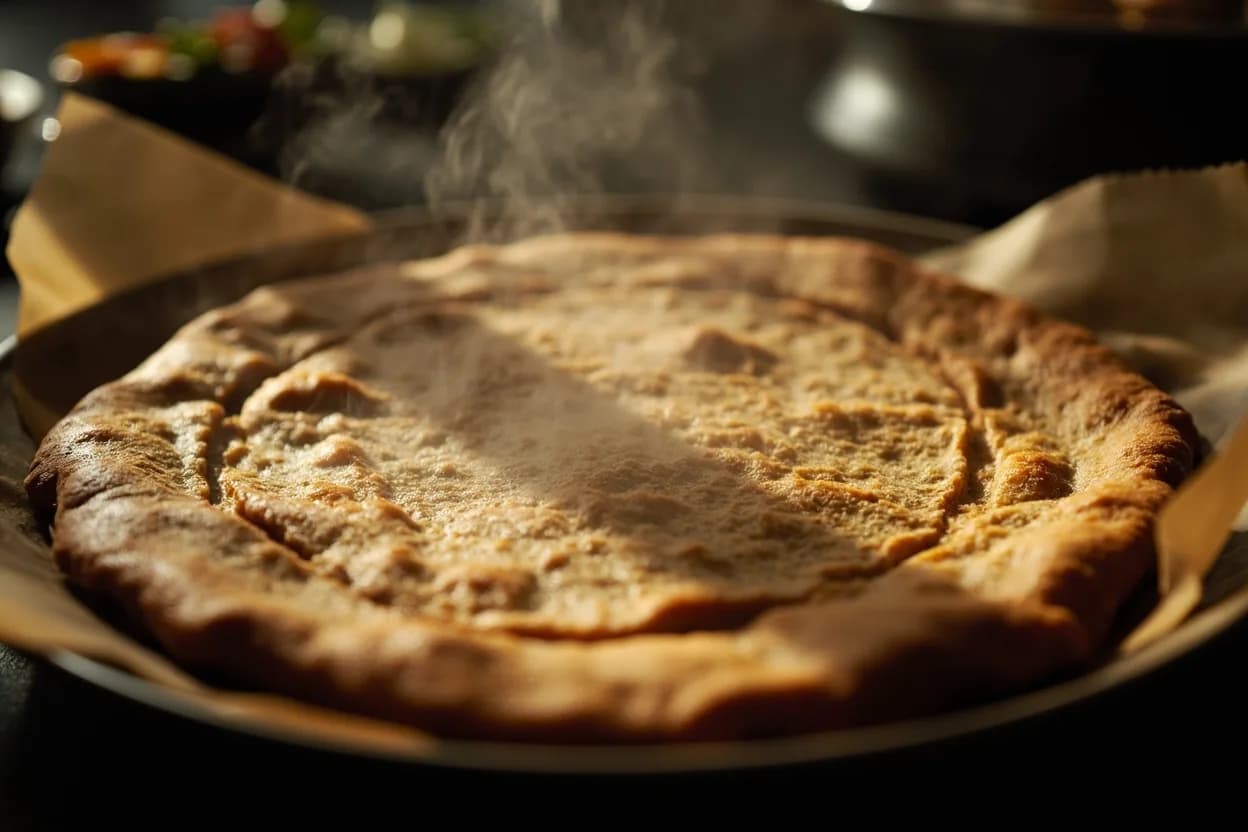
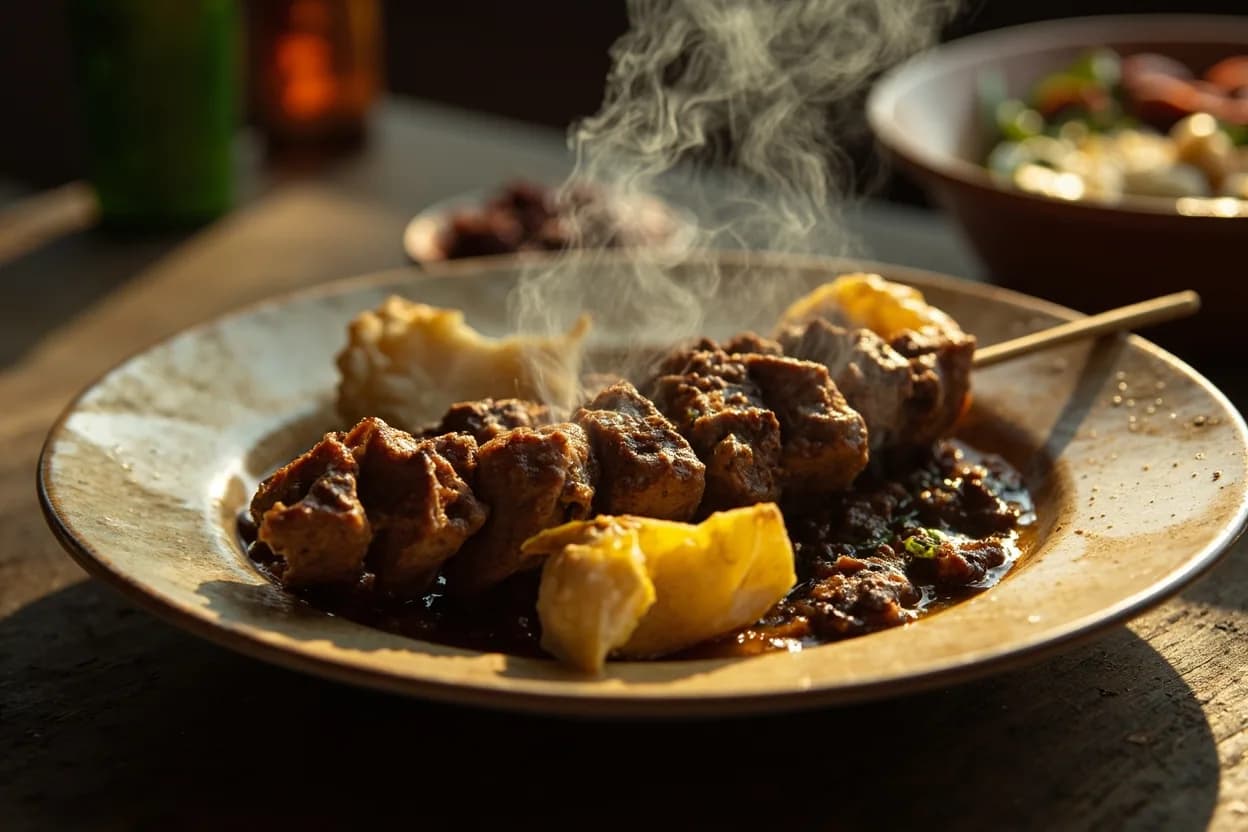
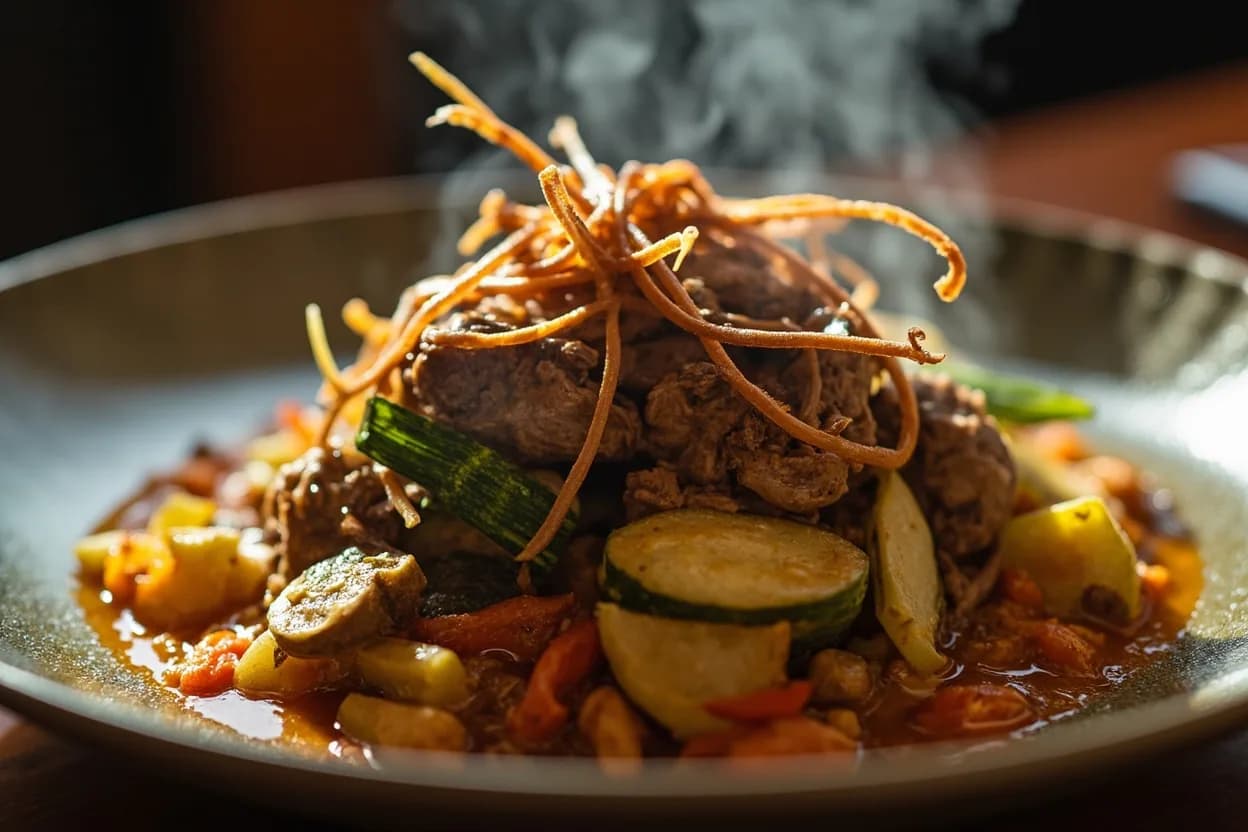
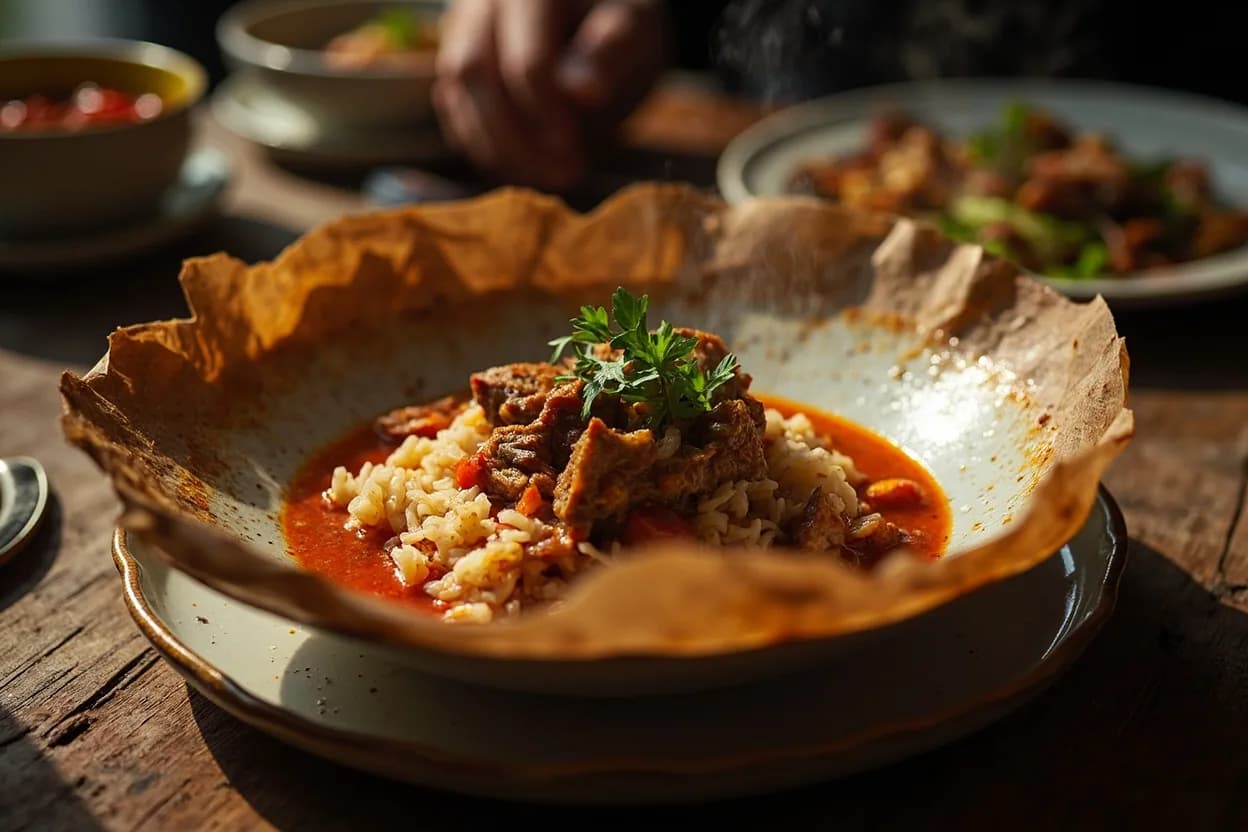
Uzbek cuisine is the dominant culinary tradition of Central Asia, forged at the intersection of Silk Road trade routes that once linked China, Persia, India, and the Byzantine world through cities like Samarkand, Bukhara, and Khiva. It is a hearty, lamb-centred, fat-forward cuisine that prizes depth of flavour from slow cooking, the Maillard crust, and careful spicing over chilli heat or acidity. Plov — a one-pot rice dish of lamb, carrots, onion, and spice cooked in rendered cottonseed or lamb fat in a massive cast-iron kazan — is so culturally central it has been inscribed on UNESCO's Intangible Cultural Heritage list as 'the art of cooking and sharing Osh.' Beyond plov, the tradition encompasses laghman (pulled noodle soups and stir-fries), samsa (baked pastries), non (tandoor-baked flatbreads), shashlik (skewered grilled meat), and a sophisticated cold-meze culture.
The flavour base
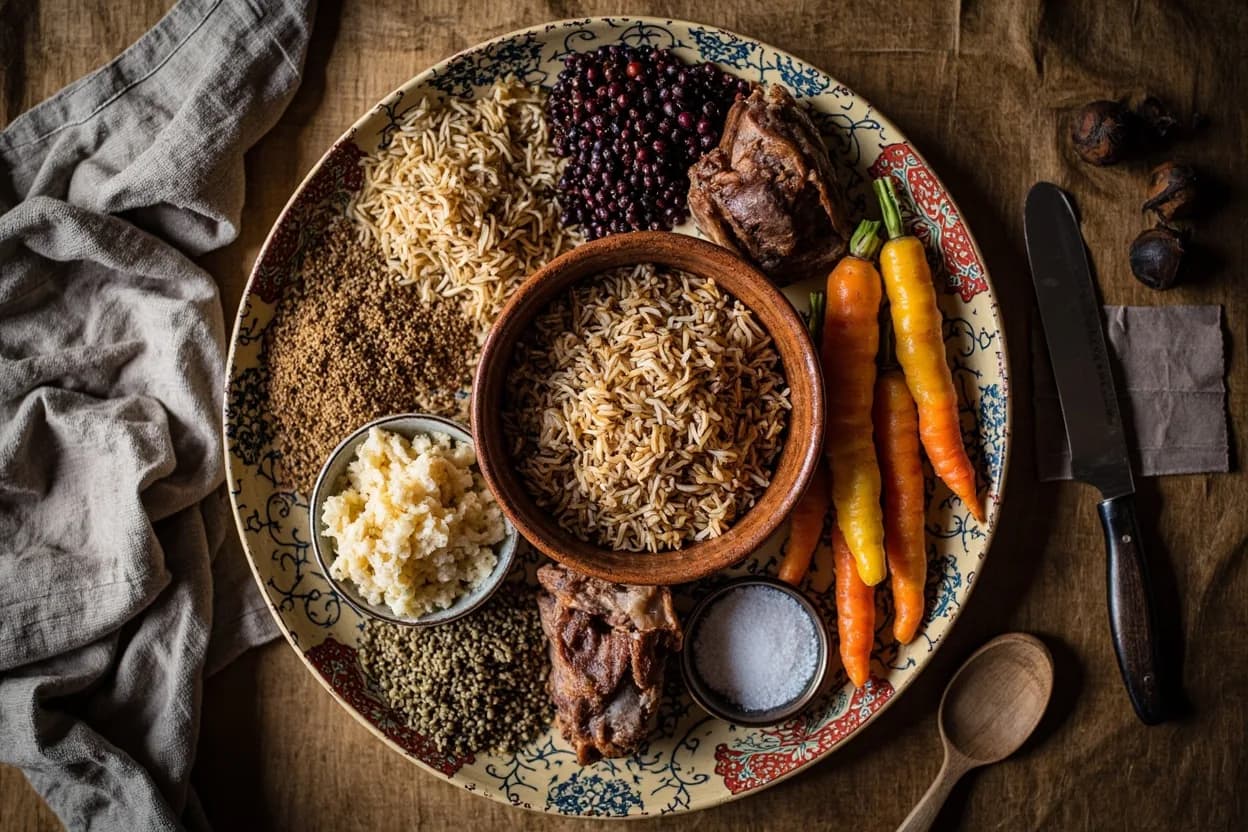
Rendered fat (lamb fat or cottonseed oil) used to deeply sauté onion to deep gold, then carrots to caramelisation — the zirvak base that defines plov and informs most Uzbek braises
Pantry staples
Key ingredients
Signature techniques
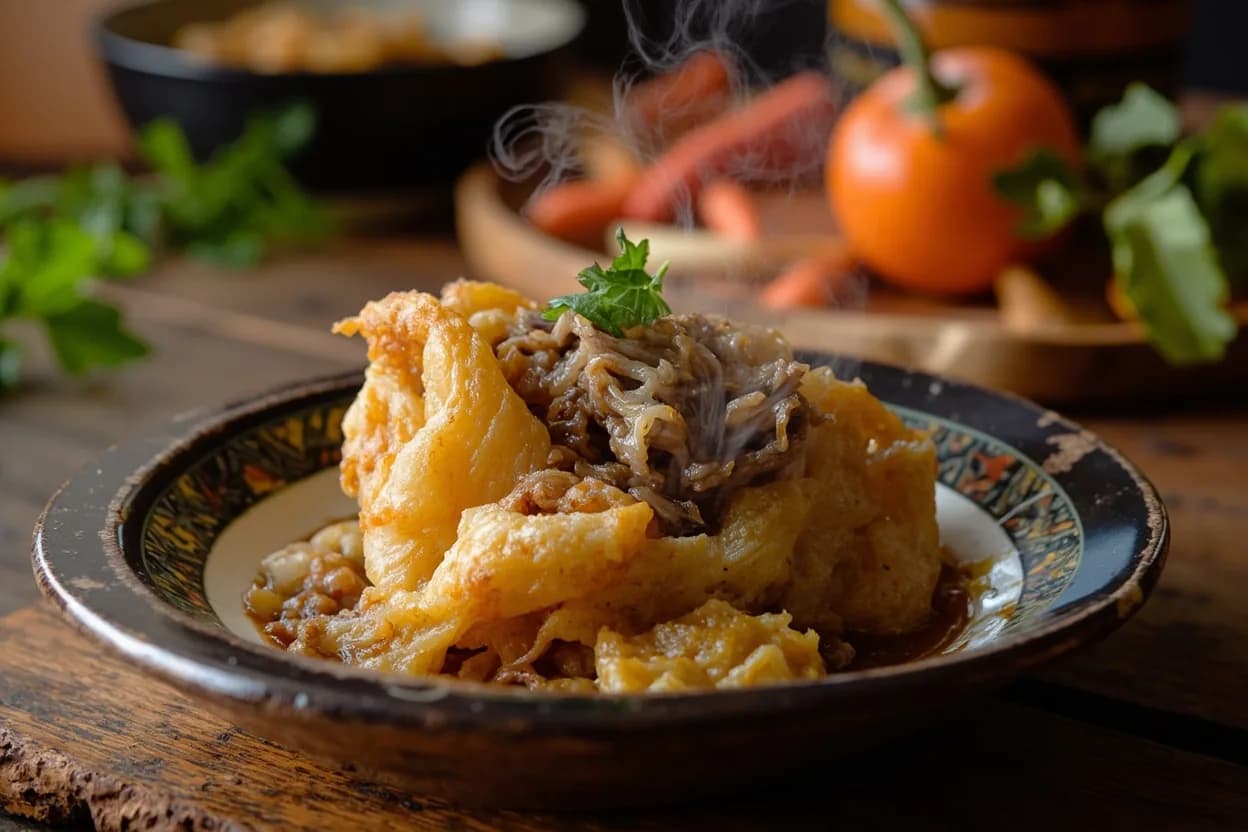
Signature dishes
Uzbek (Central Asian Plov Tradition) on the table

At the table
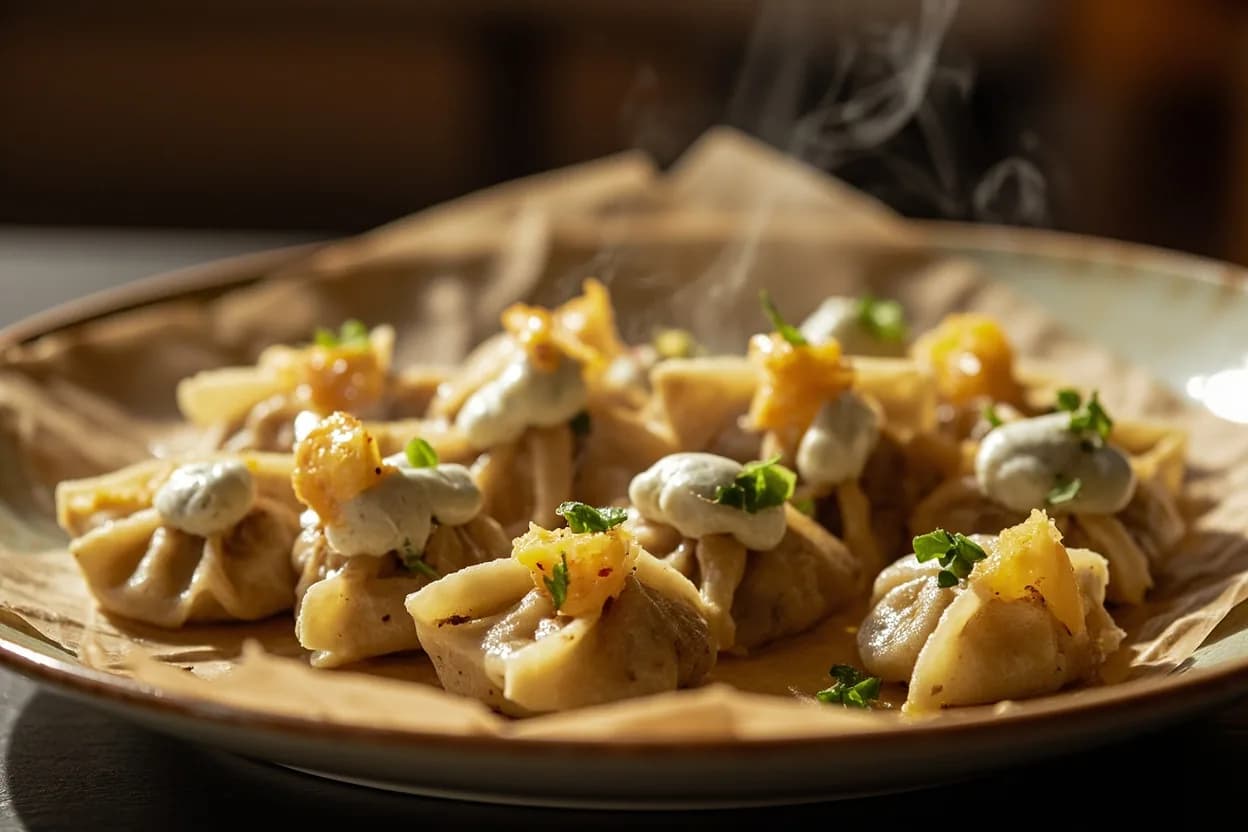
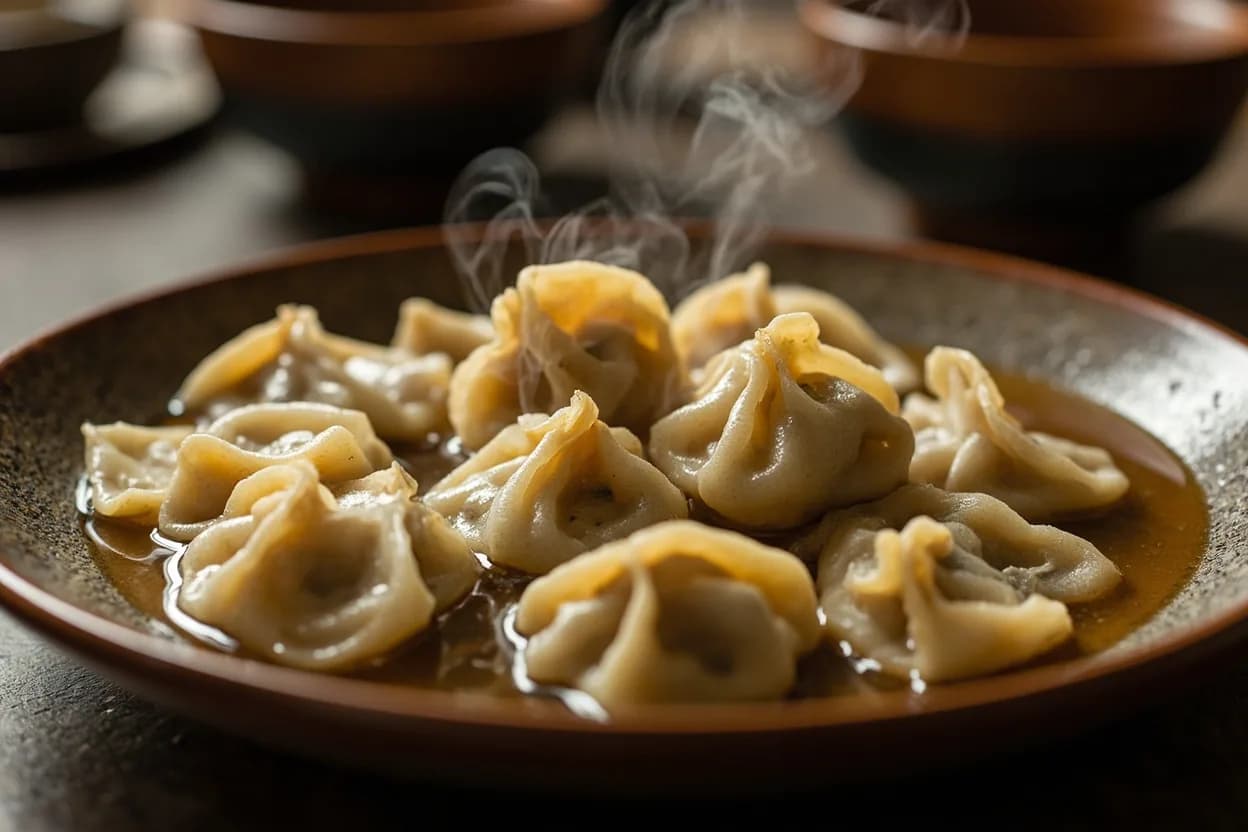
Meals begin with chai (green tea) and a spread of cold dishes: sliced non bread, fresh and dried fruits, nuts, suzma yoghurt, and salads. Hot appetisers (shurva soup, manti) follow. Plov arrives last as the centrepiece, served on a communal lyagan tray from which guests eat together. At men's osh gatherings (osh-party), a single cook may prepare plov for hundreds in a single massive kazan. Tea with sweets (halva, dried fruit, navat rock sugar) closes the meal.
History & context
Uzbekistan sits at the crossroads of ancient Silk Road trade, and its cuisine absorbed Persian sophistication (pilaf technique, dried fruit in savoury dishes), Turkic nomad meat culture (lamb, shashlik, kurdiuk fat), Mongol influence (hearty one-pot cooking, kazan technique), Indian spice knowledge (cumin, coriander), and Chinese noodle influence (laghman). The Timurid dynasty (14th–15th c., centred in Samarkand) created one of the world's great courts and an elaborate food culture to match. Soviet collectivisation (1924–1991) disrupted many artisan food traditions but also codified 'Uzbek cuisine' as a unified national identity. Plov was awarded UNESCO Intangible Cultural Heritage status in 2016, recognising its role in Uzbek social life: it is cooked at every life event from birth to marriage to mourning.
Regional variations
- Fergana Valley
The canonical plov heartland; devzira rice grown here; Andijan and Namangan plov uses more fat and is considered the richest style; laghman is particularly celebrated
- Samarkand
Samarkand plov is layered differently — rice, meat, and carrots arranged in distinct strata rather than stirred; lighter, more elegant in presentation; city also known for its non bread diversity
- Tashkent
Capital-city style plov adds chickpeas and sometimes raisins or quince; slightly more cosmopolitan pantry; home to the famous Chorsu Bazaar
- Bukhara
Persian-influenced culinary heritage; mutton fat used more conservatively; rice dishes show Iranian pilaf influence; famous for its juicy fried samsa
- Khorezm (Khiva region)
Distinctive dolma (stuffed grape leaves) tradition; slightly different spice profile with more local herbs; fish from Amu Darya river historically significant
Related cuisines
- Tajik
Closely related; shares plov, non, shashlik, and laghman; Persian linguistic and culinary influence stronger; qurutob (torn flatbread with sour milk and vegetables) is distinctly Tajik
- Kyrgyz
Nomadic roots more prominent; beshbarmak (boiled meat over flat noodles) is the centrepiece dish; less rice-centric than Uzbek tradition
Uzbek pilaf technique descends from Persian polo tradition; shared use of dried fruit in savoury rice, saffron, and barberry
- Turkish
Shared Turkic heritage; pilav, kebab/shashlik, and baklava appear in both traditions; Ottoman and Central Asian traditions diverged over centuries
Canonical recipes
The dishes that define Uzbek (Central Asian Plov Tradition), documented in the Canon.
References
- 1.Samarkand: Recipes and Stories from Central Asia and the Caucasus — Caroline Eden & Eleanor Ford (2016)
- 2.The Oxford Companion to Food, 3rd ed. — Alan Davidson (2014)
- 3.UNESCO Intangible Cultural Heritage — 'Osh' inscription, 2016 (Decision 11.COM 10.b.23)
- 4.Culinary Cultures of the Middle East — Sami Zubaida & Richard Tapper, eds. (1994)
Confidence: high
Notes
The kazan as a cultural object
The kazan (cast-iron cauldron, typically 50–200 litres for communal cooking) is as culturally loaded in Uzbekistan as the wok is in Chinese cooking. A city or neighbourhood's prestige can partly rest on who owns the largest kazan and who cooks the best plov. Professional plov cooks (oshpaz) are respected community figures, often cooking for 500–1,000 guests at a single sitting. The kazan is fired from below with wood or propane; the cook must manage heat distribution across the entire base.
Devzira rice
Devzira (or dev-zira) is a heirloom short-grain rice grown exclusively in Uzbekistan's Fergana Valley. It is harvested semi-ripe, dried in husks, and has a distinctive pinkish-red hue from its bran layer that washes off during preparation, leaving a brown-streaked grain. It absorbs fat and liquid more efficiently than other varieties, producing the characteristic dense, oily, non-sticky plov texture that distinguishes Uzbek pilaf from Iranian or Indian rice dishes.