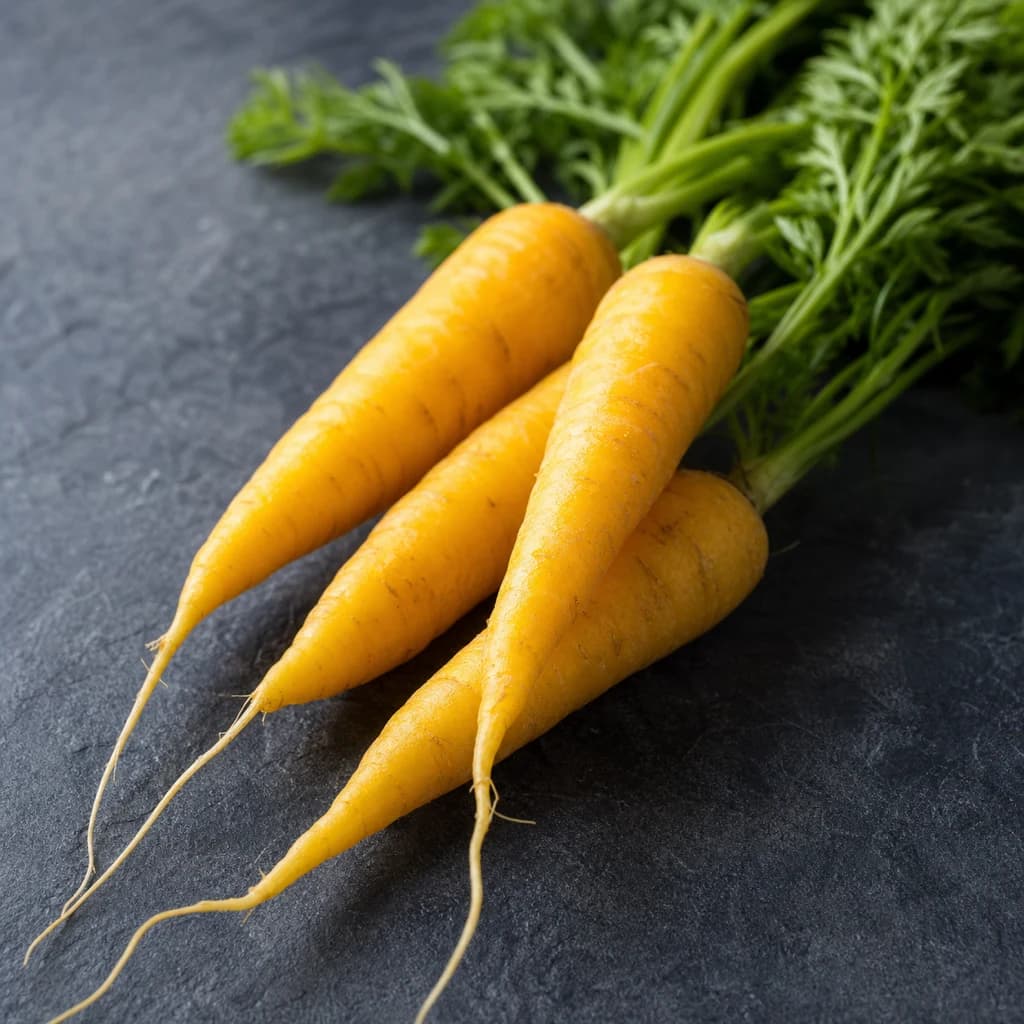
Natural form
Whole yellow carrots with their leafy green tops intact, showing the golden tapered root.
Shows the reader the carrot's distinctive bright golden skin and typical tapered shape before any preparation.
Produce
Yellow Carrot
Golden heirloom carrot, milder and slightly sweeter than the orange kind.
Yellow carrots are a heirloom carrot variety with bright golden flesh and a mild, slightly sweet, less earthy flavor than orange carrots. They are used the same way, roasted, shredded raw into salads, or added to soups and stews, and add color to mixed-vegetable dishes. Their pigment comes from lutein rather than beta-carotene.
Yellow carrots are the ancestral form of the vegetable, predating the orange varieties that now dominate markets by centuries. Before Dutch breeders popularized orange strains in the 17th century, cultivated carrots were predominantly yellow, white, or purple. The genetic difference is straightforward: orange carrots accumulate beta-carotene, while yellow carrots accumulate xanthophylls, notably lutein. This is not a defect or a newfangled creation—yellow represents one of the original carrot colors. The pigment difference gives yellow carrots their characteristic golden hue without the risk of bleeding or muddying other ingredients in a dish, which makes them particularly valued in professional kitchens for their visual behavior during cooking. Their flavor is noticeably milder and sweeter than orange carrots, with less of the earthy, assertive quality that some find off-putting in raw carrots. The texture is otherwise identical—crisp and juicy raw, tender when cooked but holding shape well, and less prone to becoming mealy than orange varieties. This combination of color stability, gentle sweetness, and reliable texture makes yellow carrots more versatile than their orange cousins in refined preparations where appearance matters.
- Measured in
- piece
- Storage
- Fridge
Types & varieties
Most widely available commercial variety; cylindrical, blunt-tipped, bright golden-yellow throughout
French heirloom with tapered roots and a pronounced sweet flavor; dates to at least the 19th century
Early maturing variety, smaller and more tapered; popular for bunching
Hybrid variety bred for uniform color and disease resistance; slightly sweeter
Short, thick-rooted French heirloom; broad shoulders tapering to a blunt tip
Buying and Storage
Yellow carrots are available year-round in most supermarkets, though they are most abundant and flavorful in late summer through early autumn when locally grown. Look for firm, smooth roots without cracks, soft spots, or excessive branching. Smaller to medium carrots tend to be more tender; very large specimens may be woody. If purchasing in bunches with fresh greens attached, remove the tops immediately before storing—the greens draw moisture from the root and cause rapid wilting. Store unwashed carrots in a sealed plastic bag in the crisper drawer; they keep for several weeks under proper refrigeration. Wash just before use. For the best flavor and texture, use within two weeks of purchase.
- Look for firm, smooth roots; avoid cracks, soft spots, or excessive branching
- Smaller to medium carrots are more tender; very large ones may be woody
- Remove greens immediately if purchasing bunched carrots
- Store unwashed in a sealed bag in the crisper drawer
Why Color Matters in Cooking
The xanthophyll pigments that make yellow carrots golden behave fundamentally differently from beta-carotene in orange carrots during cooking. Beta-carotene is fat-soluble and intensifies when cooked with oil, but orange carrots can bleed unwanted color into light-colored sauces or broths. Yellow carrots avoid this problem—xanthophylls are less prone to leaching color into surrounding liquids. This color stability makes yellow carrots the practical choice for: clear broths and consommés where you want vegetable sweetness without color contamination; layered vegetable gratins where distinct colors should remain visible; and any dish where the visual contrast between orange, purple, and yellow vegetables needs to hold through cooking. Chefs who care about plate presentation reach for yellow carrots when they need sweetness and carrot flavor without compromising a color scheme.
- Yellow carrots will not bleed color into light-colored liquids
- Color holds through most cooking methods without shifting or muddying
- Ideal for clear broths, layered dishes, and presentations requiring color contrast
Common uses
Tips & pitfalls
- Peel thoroughly—yellow carrots often have slightly tougher skin than orange varieties
- Cut uniformly to ensure even cooking; a mix of coins and larger pieces adds visual interest
- Do not overcook; they lose their pleasant texture faster than expected and can become mushy
- Add a splash of acid (lemon or vinegar) when cooking to brighten the flavor and preserve color
- Store unwashed in a sealed plastic bag in the crisper drawer; wash just before use
- If purchasing in bunches with greens, remove the tops before storing as they draw moisture from the root
- For roasting, skip boiling—toss directly with oil and roast at high heat (425°F/220°C) for caramelization
- Taste raw before cooking to understand the baseline sweetness, which guides seasoning adjustments
- Yellow carrots caramelize faster than orange ones due to higher sugar content; monitor closely when searing
- Yellow carrots work particularly well where orange would muddy the appearance—keep this in mind when planning dishes with light-colored broths or sauces
Nutrition
Energy
172 kJ · per 100 g
Where the calories come from
Protein
0.9g
2% DV
Carbs
9.6g
3% DV
Fat
0.2g
0% DV
Fiber
2.8g
10% DV
Sugars
4.7g
of which
Sodium
69mg
3% DV
Source · USDA FoodData Central · Carrots, raw
View on FDC →In the shops
Matched grocery products
 €0.85
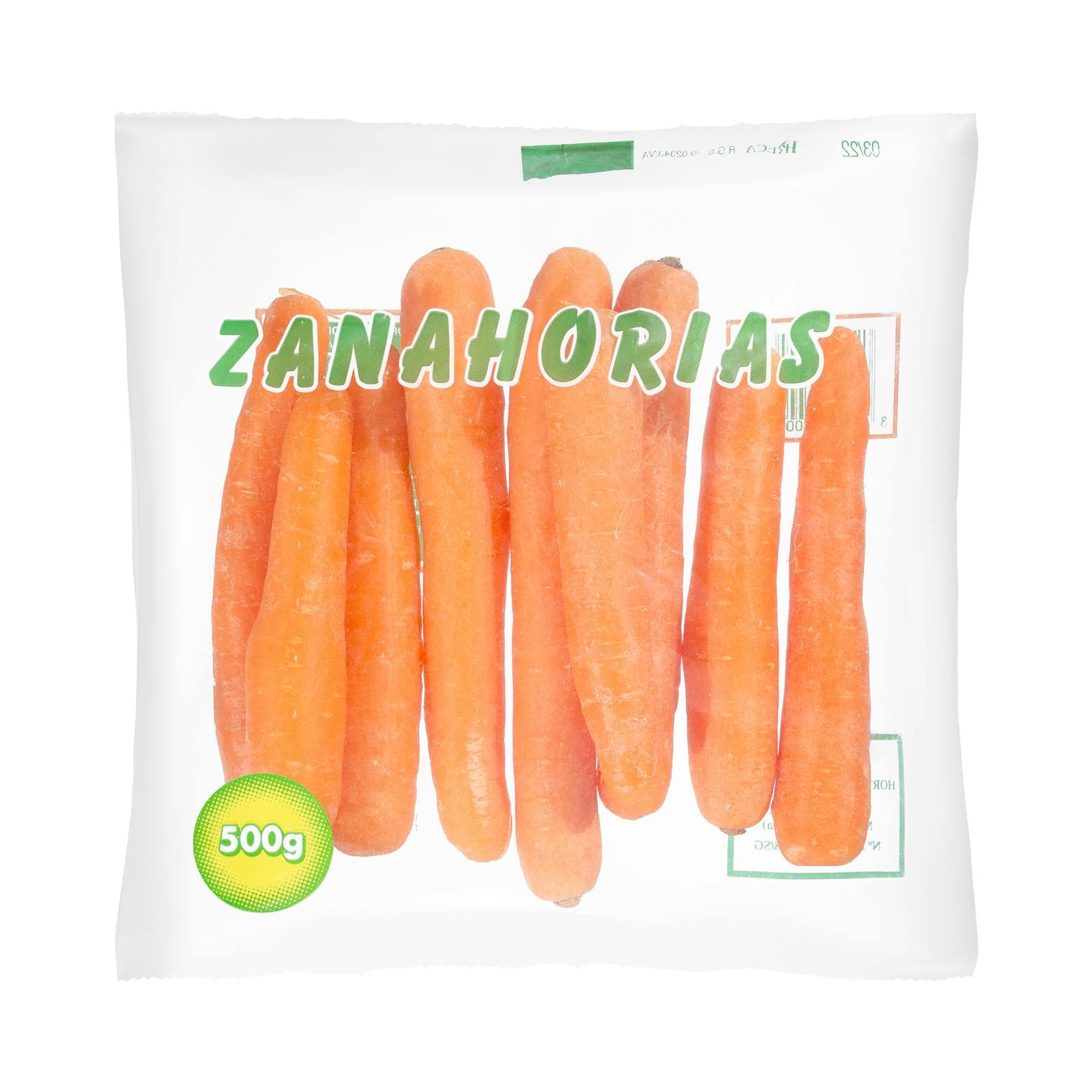
€0.85Carrots
500 g · Mercadona
 €1.35
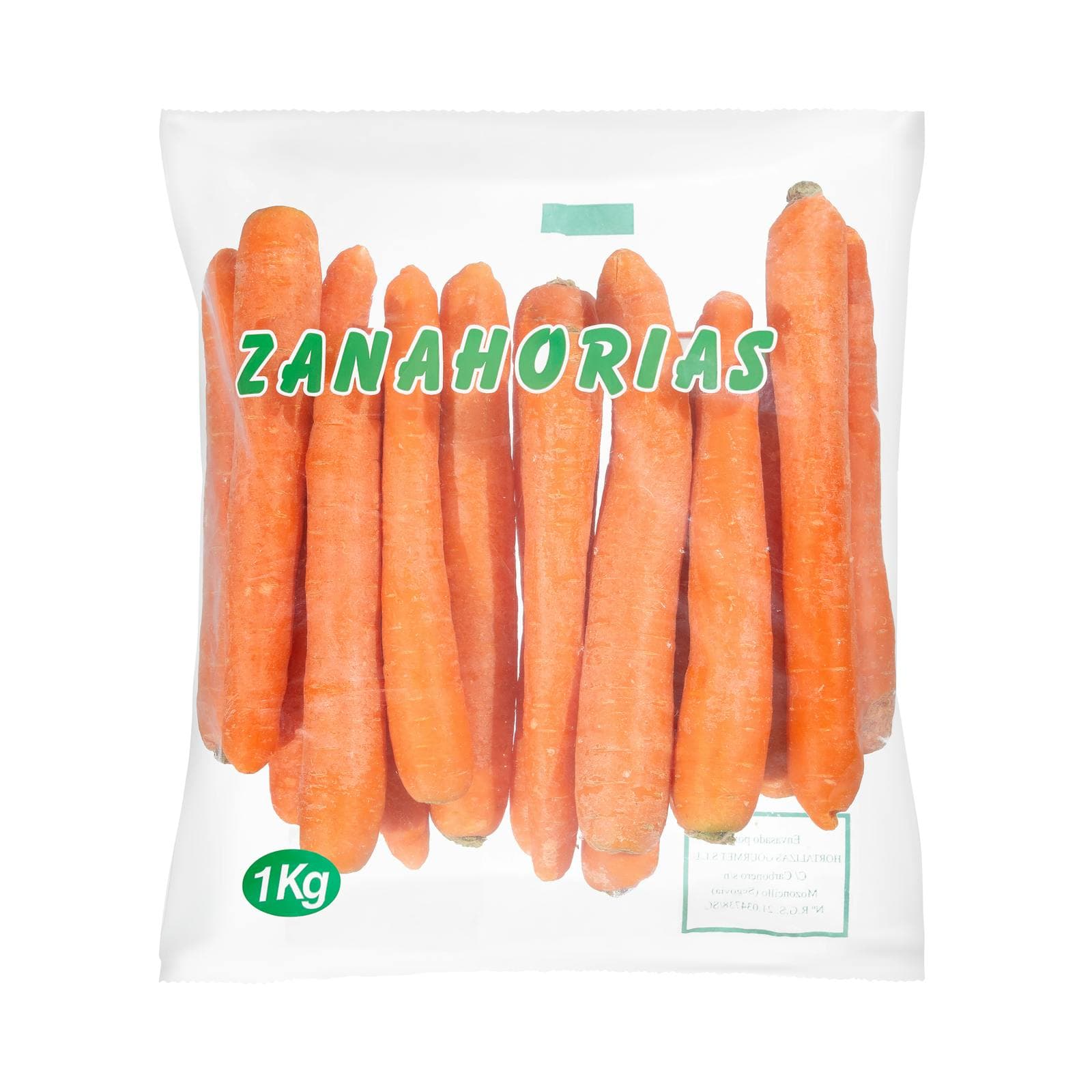
€1.35Carrots
1 kg · Mercadona
 €2.35
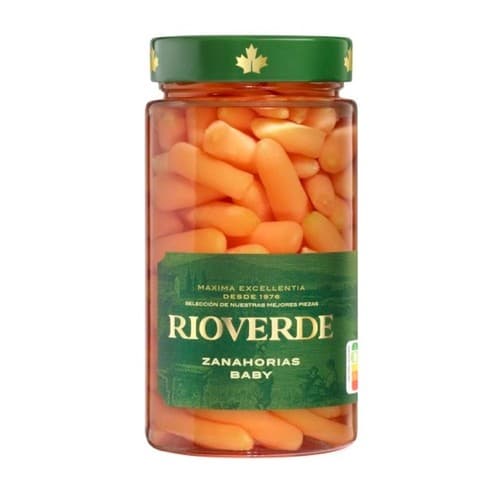
€2.35Baby Carrots
RIOVERDE · kg · Bonpreu
 €1.25
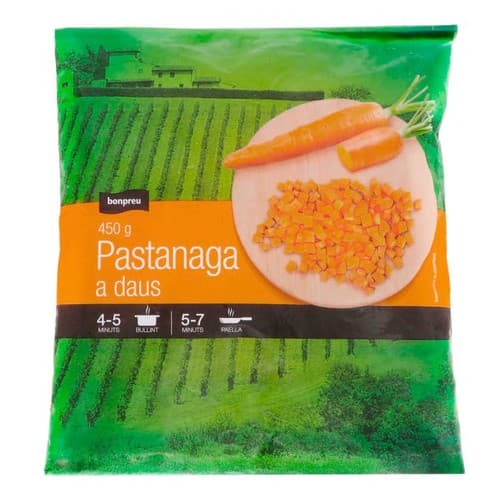
€1.25Diced Carrot
BONPREU · kg · Bonpreu
 €0.17
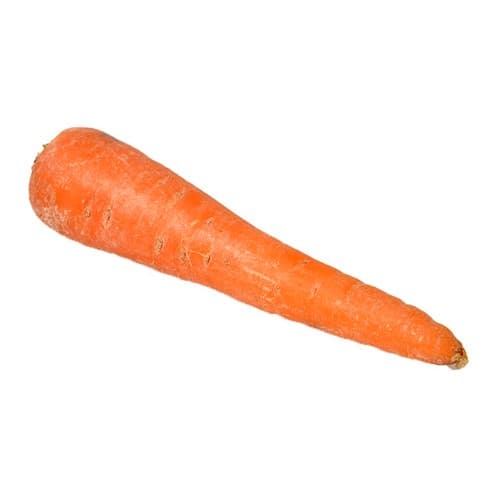
€0.17Carrot 1 unit
ud · Bonpreu
 €1.99
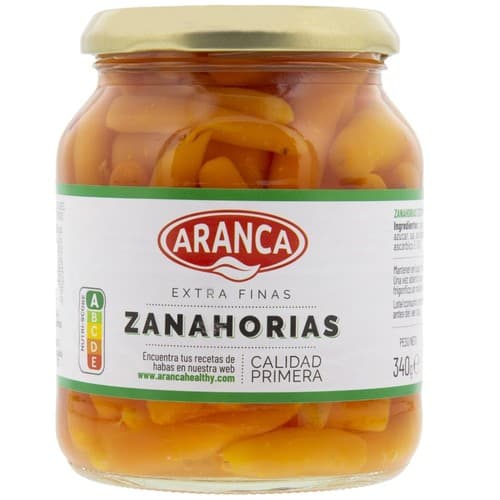
€1.99ARANCA Carrot
ARANCA · kg · Bonpreu
Good to know
- Scientific Name
- Daucus carota subsp. sativus
- Origin
- Central Asia; yellow varieties predate the orange strains that dominate modern cultivation
- Primary Pigment
- Xanthophylls (lutein), not beta-carotene
- Peak Season
- Late summer through early autumn for field-grown; available year-round from storage
- Flavor Profile
- Milder, less earthy, and noticeably sweeter than orange carrots
- Raw Texture
- Crisp and juicy, slightly less fibrous core
- Cooked Texture
- Tender but holds shape well; less tendency to become mealy than orange varieties
- Shelf Life
- 2–4 weeks refrigerated in a sealed bag or damp towel
- Yield
- Approximately 75–80% usable after peeling and trimming
- Carotenoid Content
- Lower beta-carotene than orange carrots; higher in lutein and other xanthophylls
Substitutes
- Orange carrot — Similar texture; will be slightly earthier and less sweet; use in same proportions
- Parsnip — Comparable sweetness and size; will require longer cooking; flavors pair well with butter and herbs
- Golden beet — Similar color and mild sweetness; denser texture; cook longer; earthy undertones differ
- Sweet potato — Very different texture but adds sweetness and color to cooked dishes
- Turnip — Less sweet; similar texture when cooked; best for savory applications with herbs
Pairs with
Also called
Golden Carrot
Appears in these dishes
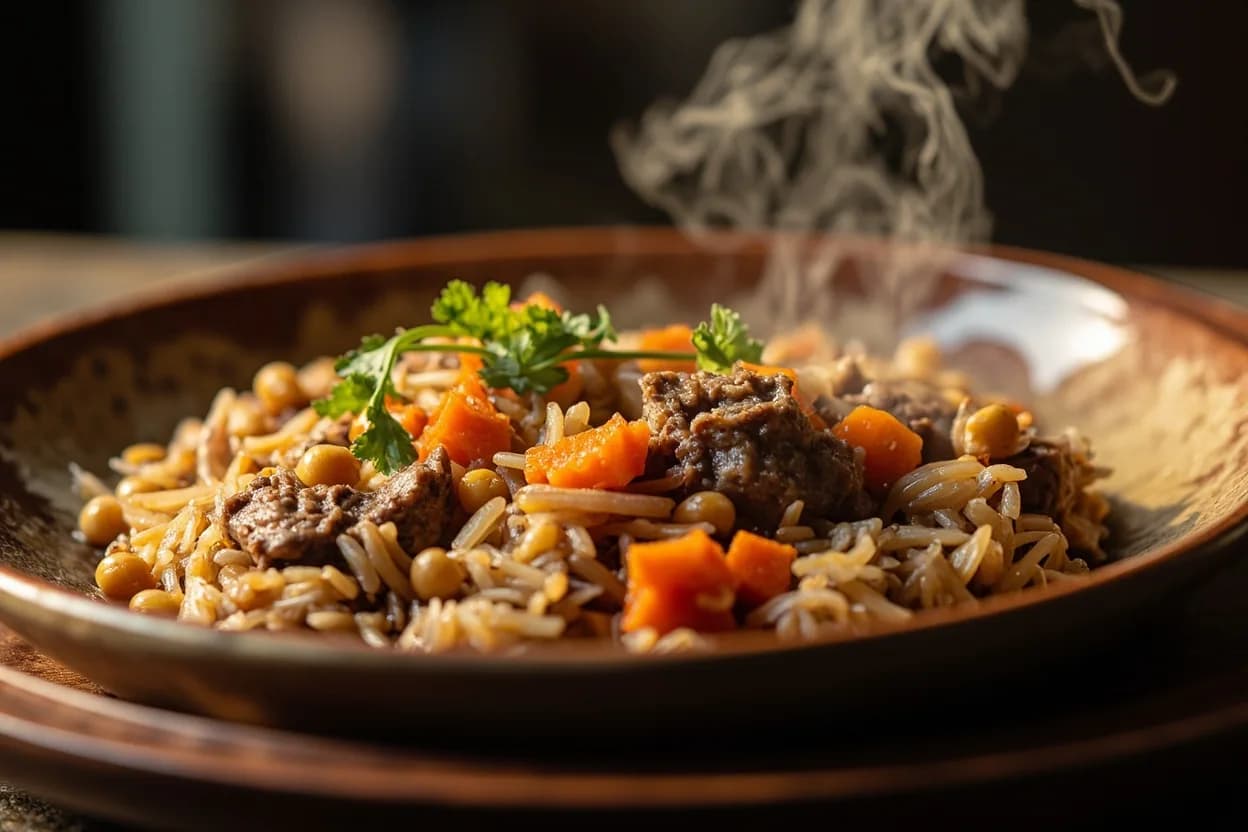
Related
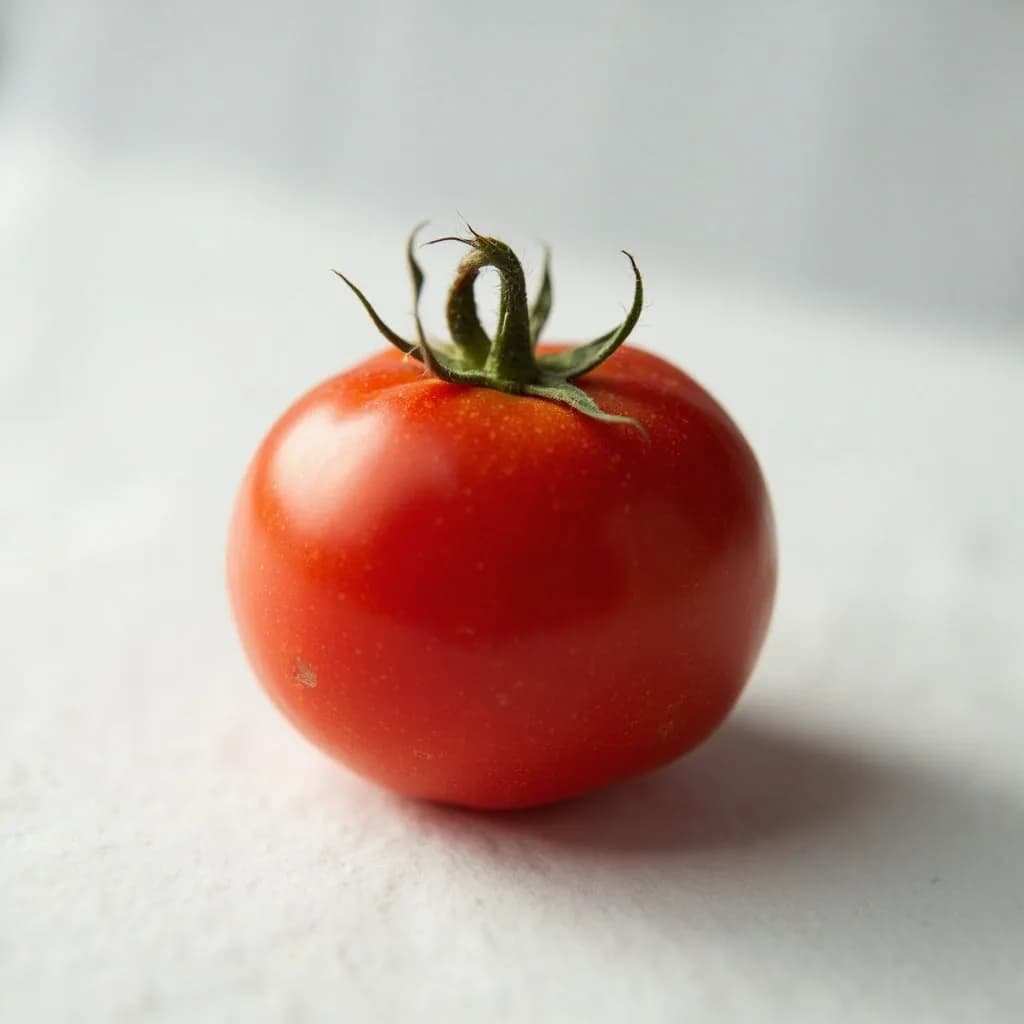
Tomato
Juicy, sun-sweet fruit for sauces, salads, and slow-cooked depth
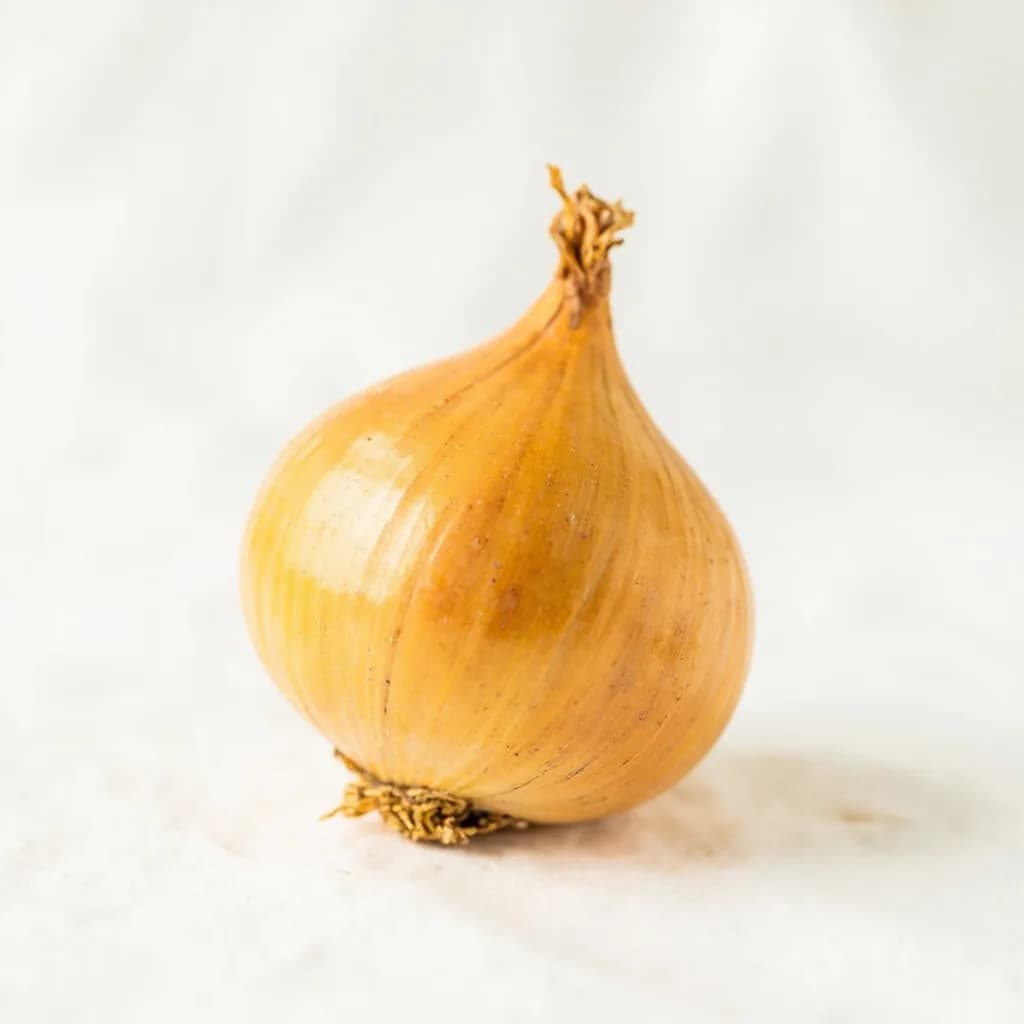
Yellow Onion
The aromatic backbone of soups, sofritos, and braises
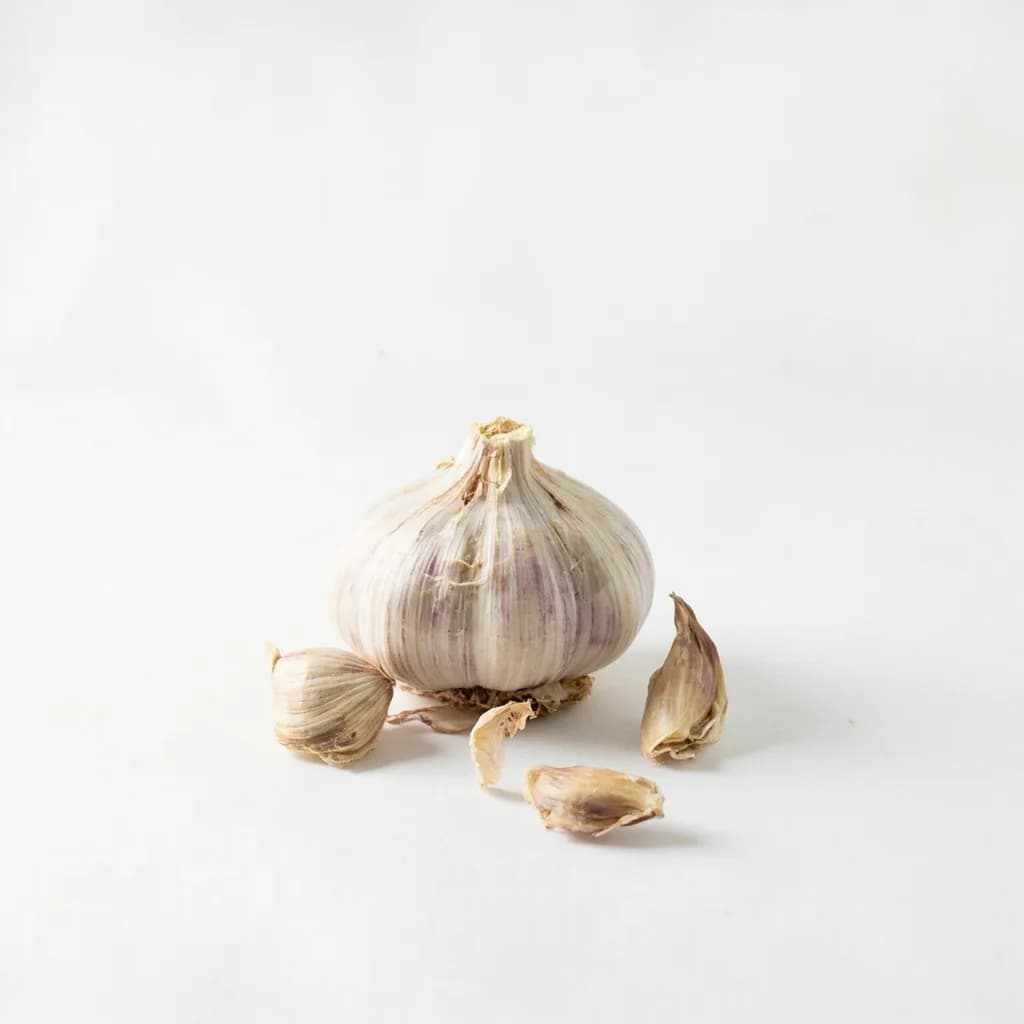
Garlic
Pungent cloves that perfume nearly every savory dish
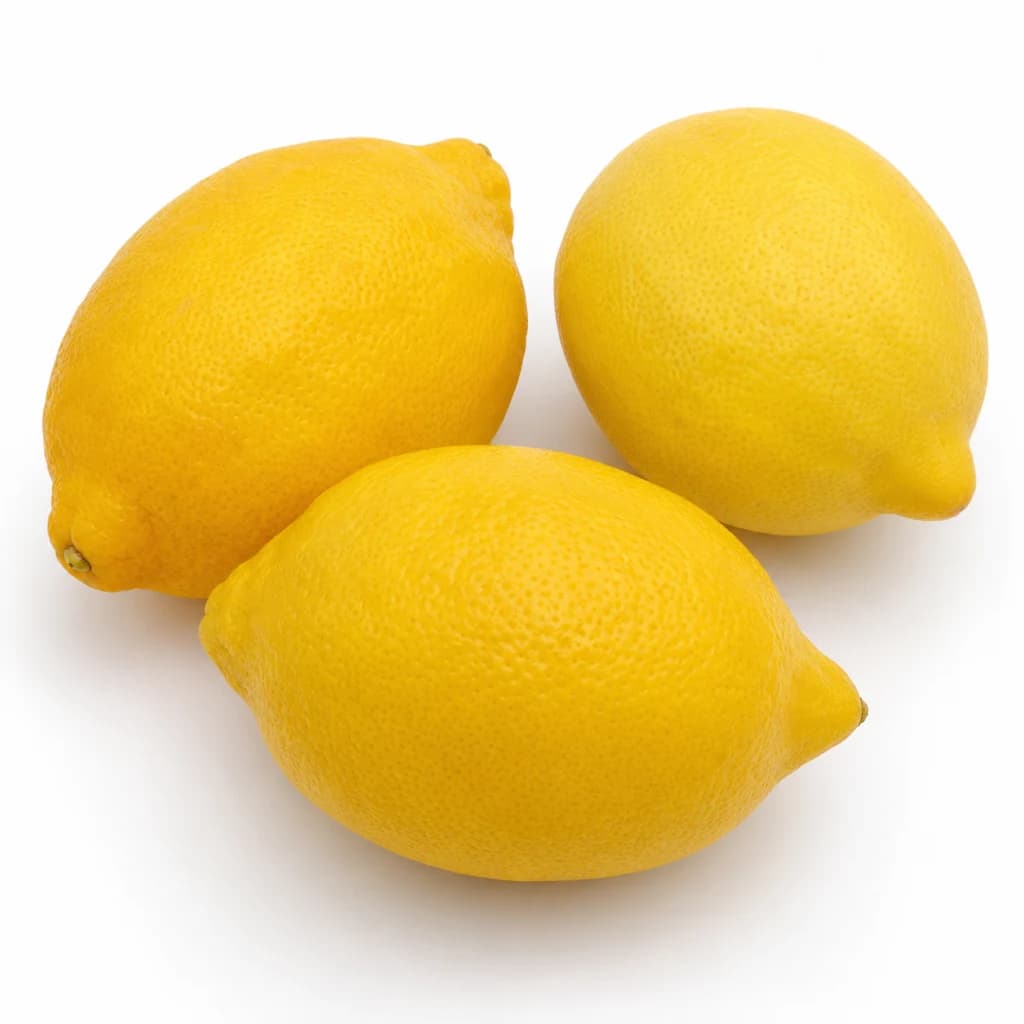
Lemon
Bright, acidic citrus that wakes up almost any dish
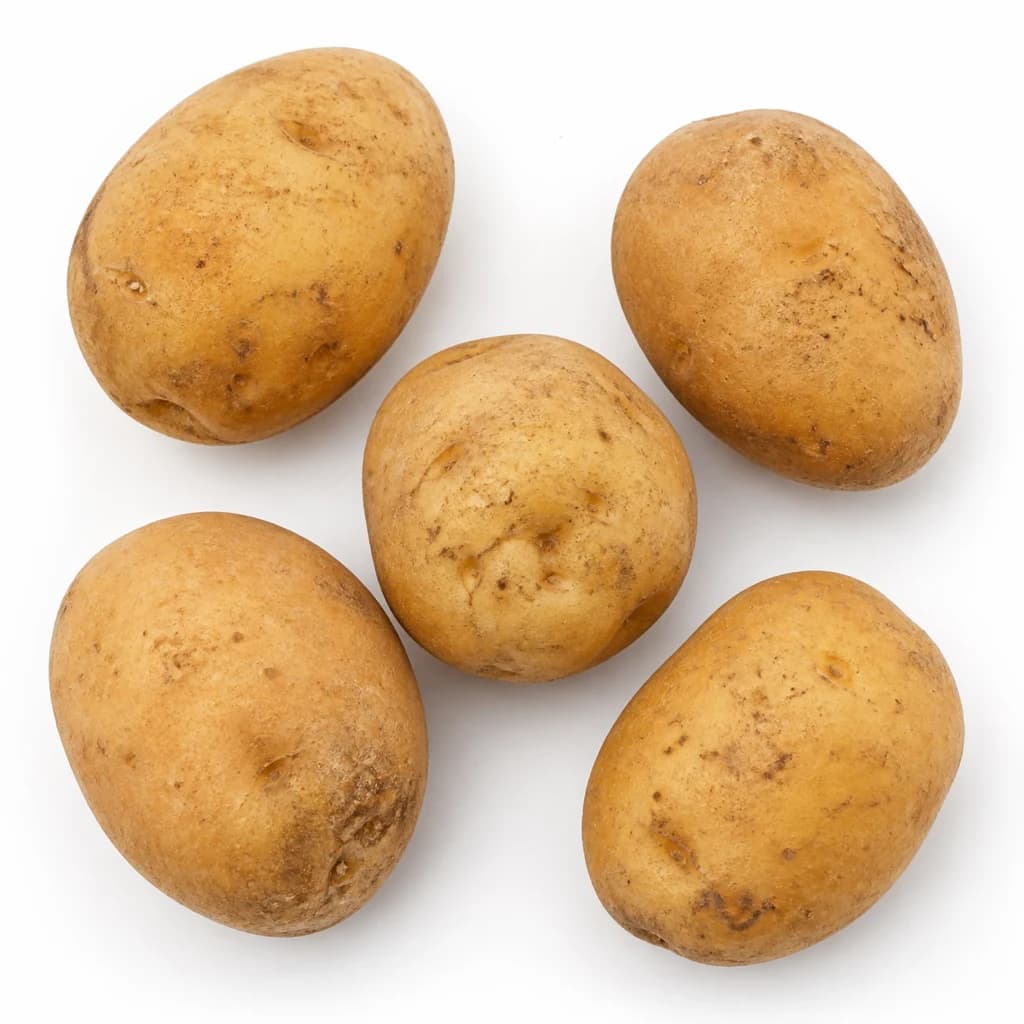
Potato
Humble, hearty staple — roast, mash, fry, or boil
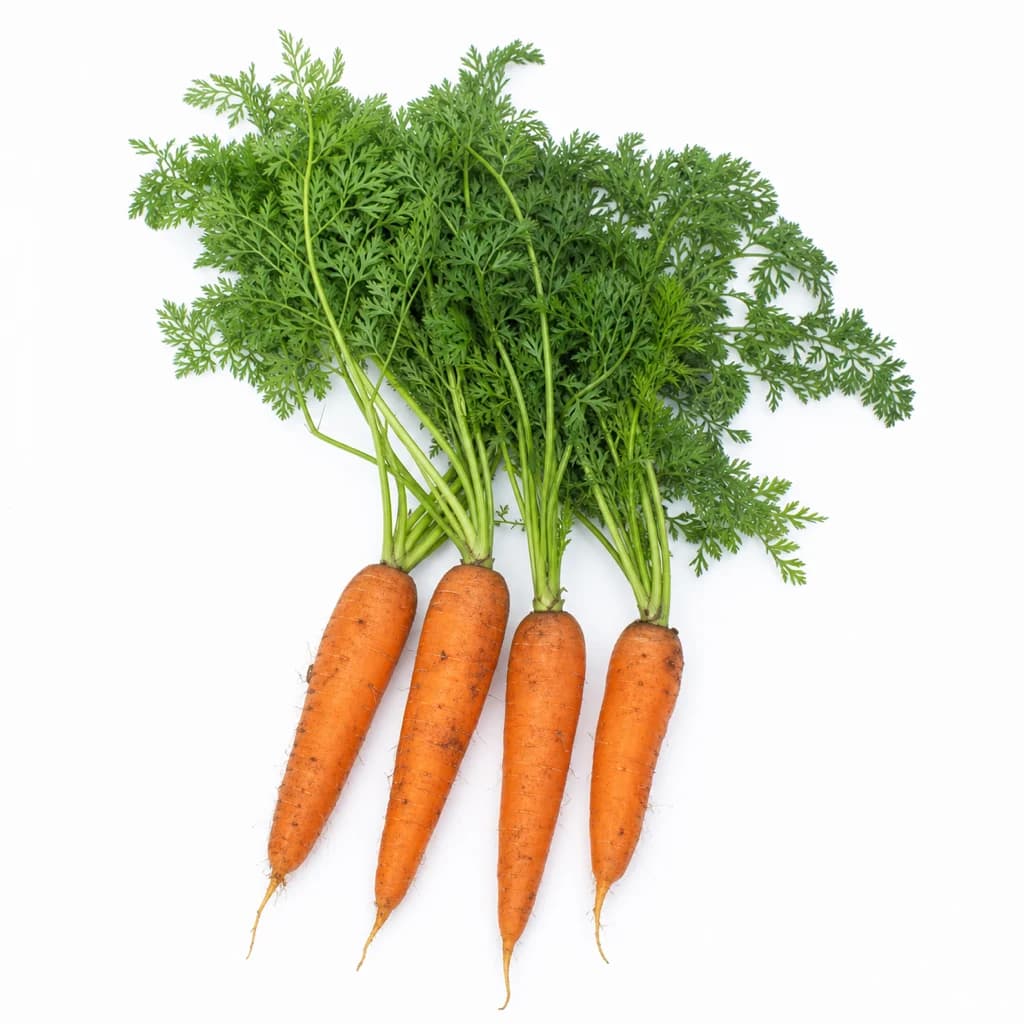
Carrot
Sweet, crunchy root — raw, roasted, or the base of a sofrito
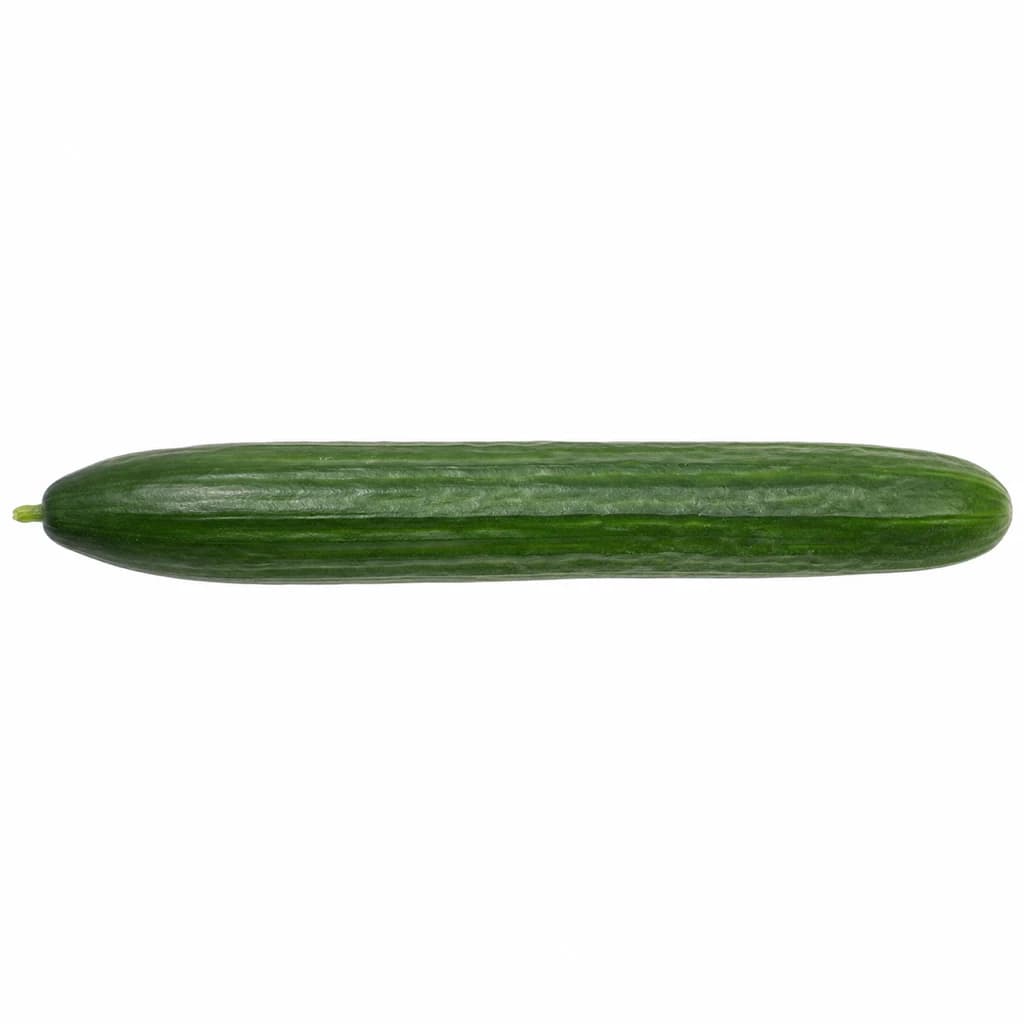
Cucumber
Cool, crisp, and watery — for salads, pickles, and tzatziki

Lettuce
Crisp leaves for salads, wraps, and a fresh crunch