Southern Europe
Istrian
Also: Cucina Istriana, Istrian cuisine, Kuhinja Istre
The sun-baked Adriatic peninsula where Italian, Croatian, and Slovenian civilizations collided and fused — producing a cuisine of wild truffles, hand-rolled pasta, cured prosciutto, and briny sea-meets-forest flavors unlike anywhere else in Europe.
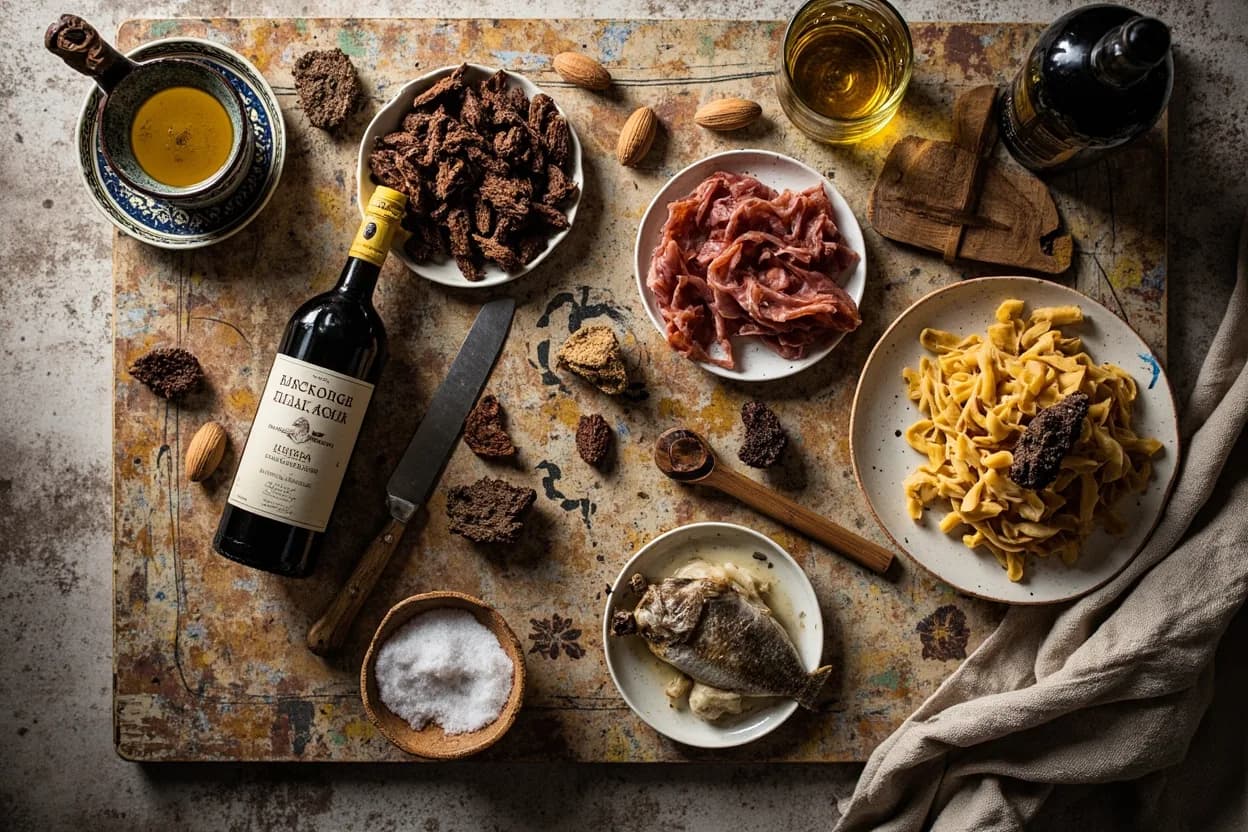
Istrian cuisine occupies a narrow peninsula that has changed hands among Venice, Austria-Hungary, Italy, Yugoslavia, and (now split between) Croatia and Slovenia — and every conquest left a mark on the table. At its core it is a Venetian-inflected coastal cuisine with a strong Central European undertow: pasta (especially fuži and pljukanci) shares the stage with goulash-descended stews; olive oil meets lard; Roman-era salt works inform preserved meats; and the Motovun forest yields some of Europe's finest white and black truffles. The result is a hybrid cuisine of profound depth, little known outside the peninsula.
The flavour base
Sautéed onion and pancetta in Istrian extra-virgin olive oil, with generous quantities of shaved or grated truffle stirred in at the finish; for coastal dishes, a base of garlic, olive oil, white wine, and fresh parsley.
Pantry staples
Key ingredients
Signature techniques
Signature dishes
Istrian on the table
At the table
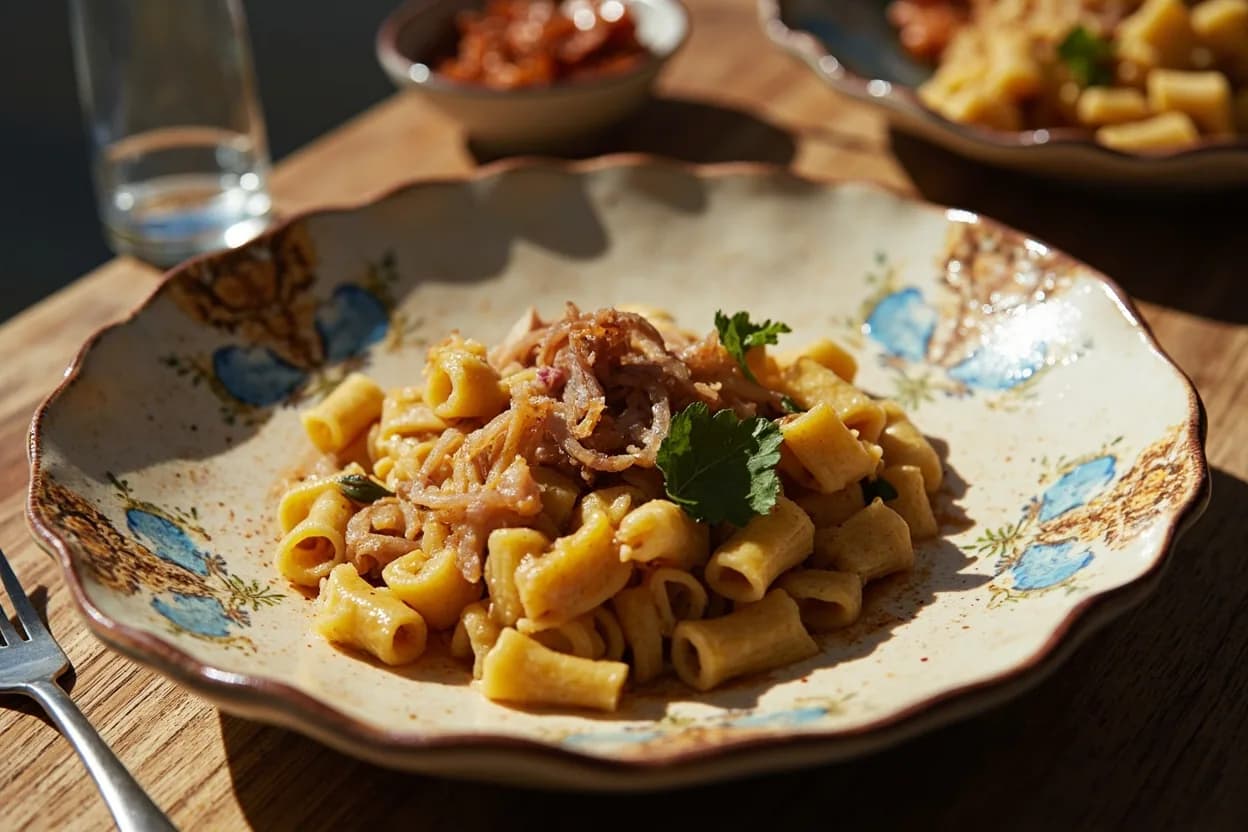
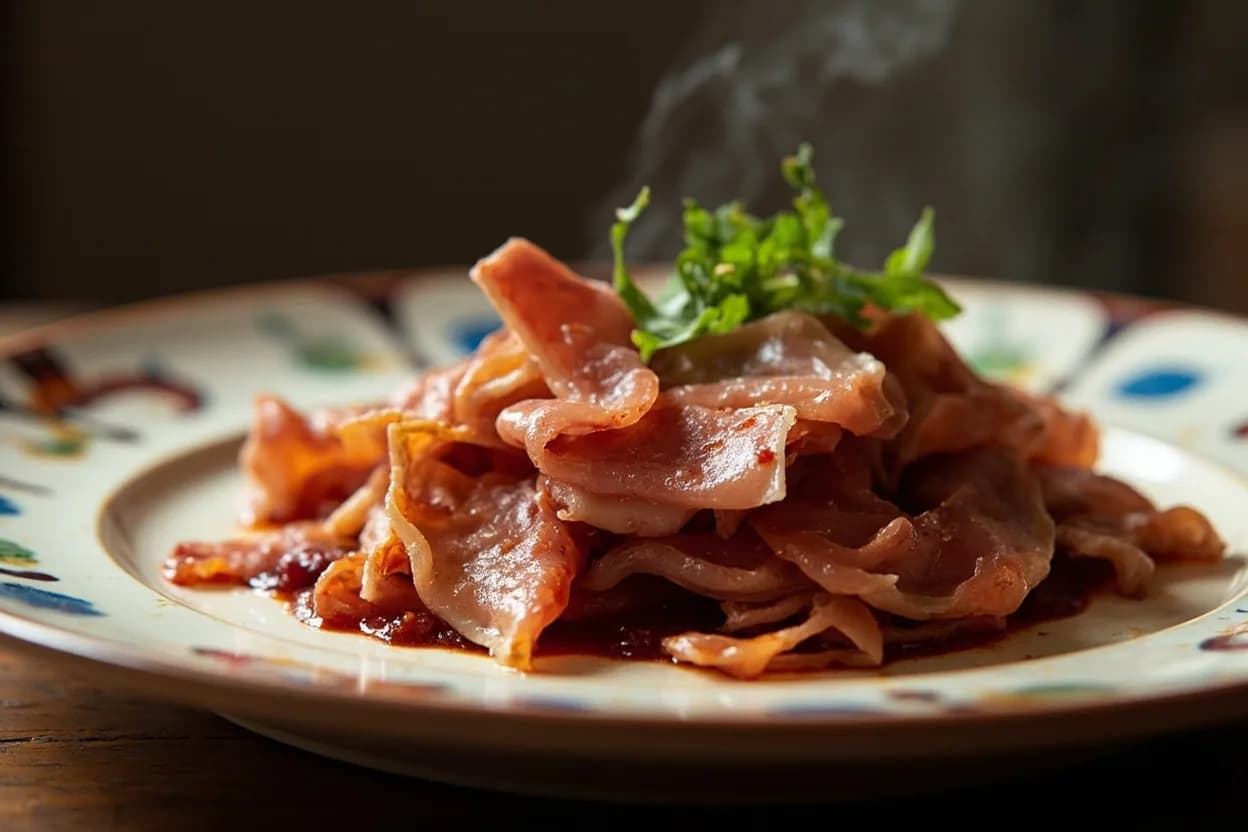
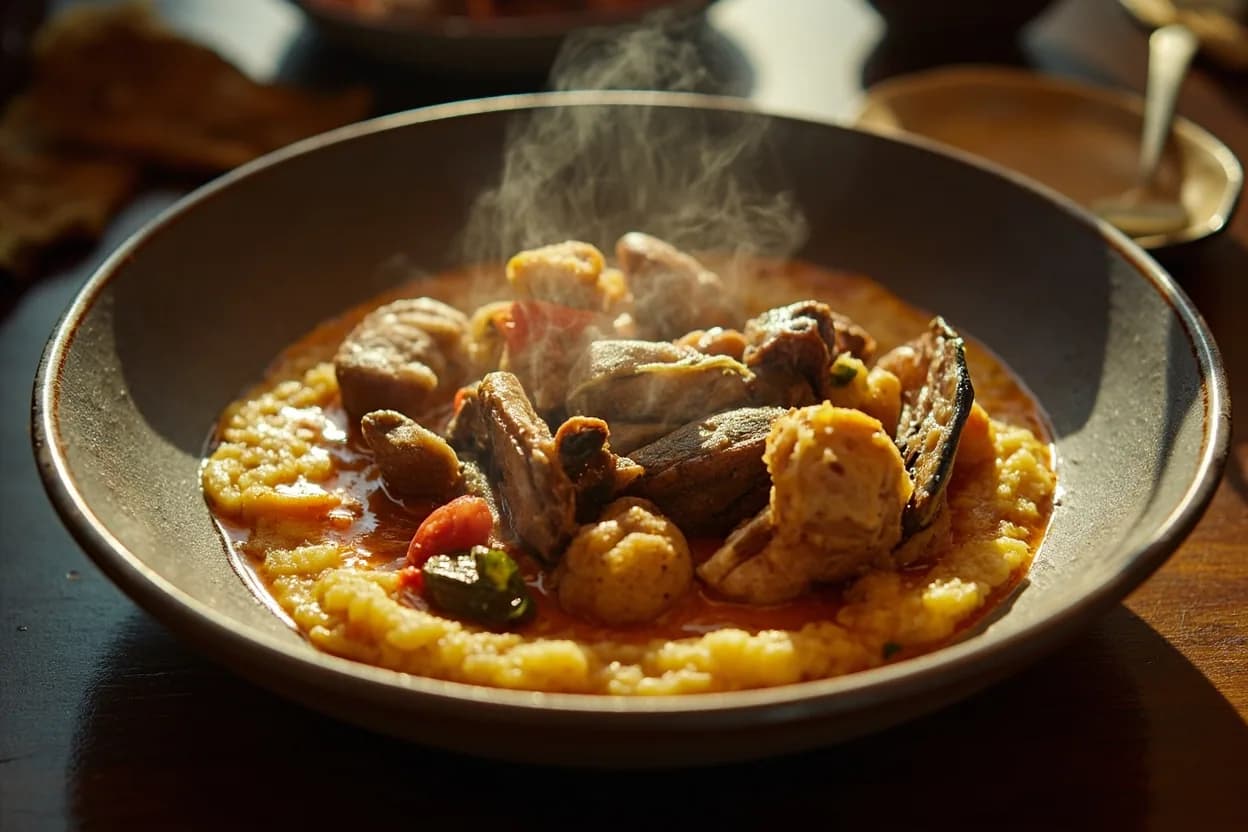
A full Istrian meal opens with a plate of pršut and local cheese, followed by pasta — almost always fuži or pljukanci with truffle, game ragù, or pancetta. The secondo is typically fish along the coast or slow-braised meat inland. Wine is ever-present: Malvazija Istarska for white, Teran for red. Meals close with a digestif of medica (honey grappa) or biska (mistletoe grappa), and a plate of kroštule or fritole.
History & context
Istria's culinary identity was shaped by two thousand years of contested sovereignty. The Romans founded Pula and established salt production and viticulture. Venice ruled from 1267 to 1797, imposing its dialect, architecture, and Adriatic cooking traditions — the pasta forms and the olive groves are largely Venetian legacies. Habsburg rule introduced Central European stewing techniques and a taste for spiced meats. Post-WWII Italian exodus (the esodo istriano) reshuffled the peninsula's demographic identity but could not dislodge its food culture. Today's Istrian gastronomy is consciously marketed as a distinct regional identity — the truffle industry around Livade and Motovun alone draws international pilgrims annually.
Regional variations
- Coastal Istria (Rovinj, Poreč, Pula)
Seafood-dominant; brodetto, grilled sea bream, and šcampi prevail; Venetian pasta influence strongest here.
- Interior Istria (Motovun, Buzet, Grožnjan)
Truffle and game country — fuži with truffles, wild boar ragù, and roast Boškarin; more Central European in temperament.
- Slovenian Istria (Koper, Piran, Izola)
Piran salt-works flavored everything here; fish prepared with more herbs and vinegar; Slovenian wine culture (Refošk) more prominent.
Related cuisines
Direct ancestor of Istrian pasta forms, seafood preparations, and olive oil culture; fuži derives from Venetian pasta traditions.
- Dalmatian
Shares brodetto, grilled fish, and prosciutto-curing techniques along the same Adriatic coast.
- Slovenian
Northern border overlap; Slovenian wine (Refošk), bread traditions, and Central European stewing influence Slovenian Istria specifically.
Closest Italian parallel — shared Venetian heritage, truffle proximity, and cured meat culture.
Canonical recipes
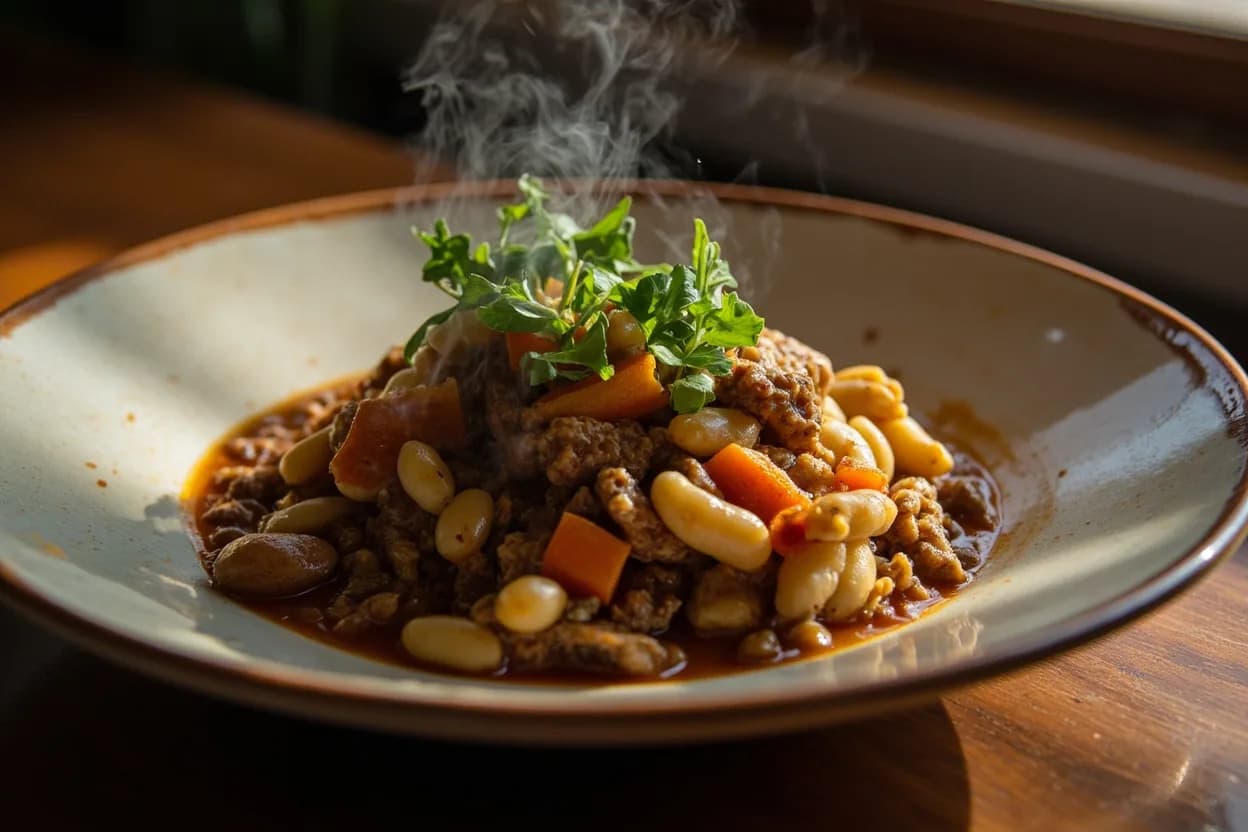
The dishes that define Istrian, documented in the Canon.
References
- 1.The Food and Cooking of Croatia, Slovenia and Serbia — Silvena Rowe & Trish Davies
- 2.Istria: A Taste of the Adriatic — Various authors, Istrian tourism board publications
- 3.The Oxford Companion to Food — Alan Davidson (3rd ed.)
- 4.Slow Food Guide to Italy — Slow Food Editore
Confidence: high
Notes
The Truffle Economy
The Motovun forest produces white truffles (Tuber magnatum) that rival Piedmont's Alba truffles in quality — often at lower prices. The annual Livade truffle fair (October) and the Zigante family's 1999 world-record truffle (1.31 kg) put Istrian truffles on the international map.
Linguistic Archaeology
Istrian menus in Croatia are often trilingual: the Italian name (fuži), the Croatian equivalent (fuži), and a Venetian dialect gloss. The food survived the political ruptures better than the language did.