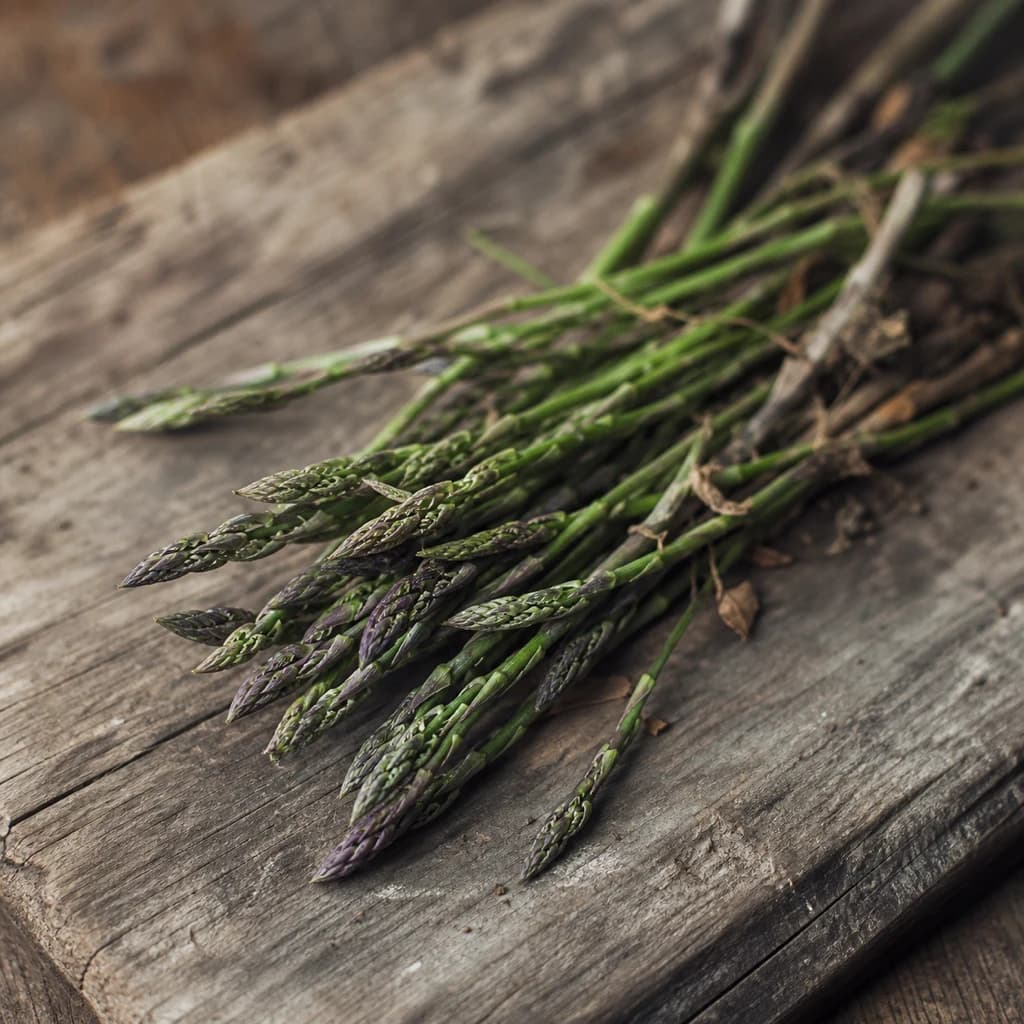
Natural form
Freshly foraged wild asparagus spears, slender and dark green, just as they come from the field.
Shows the defining physical characteristic — extreme thinness and deep color — that distinguishes wild from cultivated asparagus.
Produce
Wild Asparagus
Thin, foraged asparagus spears with a more bitter, intense flavor, used in frittatas, pasta, and risotto.
Wild asparagus consists of slender, foraged spears that are thinner and more sharply flavored than cultivated asparagus, with a pleasant bitter edge. Gathered in spring across the Mediterranean, it is cooked quickly into frittatas, risotto, pasta, and simple sautes. Its intense, grassy taste is prized as a fleeting seasonal delicacy.
Wild asparagus is the uncultivated form of Asparagus officinalis, growing naturally in grasslands, hedgerows, and rocky coastal terrain across Europe, western Asia, and parts of North America. Unlike its domesticated cousin, which was selectively bred over centuries for thick, mild, tender spears, wild asparagus has remained essentially unchanged—the plant in its natural state, exerting maximum energy in challenging conditions rather than being coaxed toward uniform growth. This results in markedly thinner spears, higher fiber content, and a concentrated, intensely grassy flavor with herbal and earthy undertones that cultivated varieties simply cannot match.
The difference is not cosmetic. Wild asparagus has lower water content and more developed fiber, making it fibrous if overcooked but yielding a pleasant, almost meaty bite when treated with respect. The bitter notes are the defining characteristic—these are not defects but the very qualities that make wild asparagus prized in the cuisines of Italy, France, Spain, and Greece. The season is brutally short, typically three to four weeks in early spring, which is why traditional spring dishes across these cultures were built around its brief appearance. Mediterranean specimens tend toward the most intense bitterness and complexity, while American wild asparagus, found throughout the eastern and central United States, offers similar character with slightly softened edges. Foraged correctly from clean environments, wild asparagus represents a direct connection to the land that cultivated agriculture has largely severed—a reminder that our relationship with food was once seasonal and tied to place.
- Measured in
- g
- Storage
- Fridge
Types & varieties
The most prized type; grows in Italy, France, Spain, Greece, and Croatia along coastal areas and rocky terrain; typically thinner with more intense, complex bitterness and purple-tinged tips
Found throughout much of the eastern and central United States; grows in similar environments to European varieties; slightly milder but still notably more intense than store-bought cultivated asparagus
Foraging Responsibly
Wild asparagus grows in disturbed soils, along fence lines, and in old fields. If foraging yourself, harvest only from areas free of pesticides, road salt runoff, industrial contamination, and animal grazing. Take no more than 10–15% of any population, working along edges rather than clearing any single patch. The spears snap easily from the root crown—pulling or cutting can damage the plant. In many regions, wild asparagus is legally protected or requires landowner permission to harvest. Commercial foragers supply restaurants and specialty markets; expect to pay two to three times the price of cultivated asparagus.
- Never harvest from roadsides, industrial sites, or areas with potential herbicide or pesticide treatment
- Take only from healthy, sustainable populations
- Leave the root crown intact for regrowth
- Seek permission on private land
Preparation Fundamentals
The snap test is non-negotiable with wild asparagus. Hold a spear at each end and bend—the natural breaking point occurs precisely where the tender upper portion meets the woody base. Unlike thick cultivated asparagus, wild spears should not be peeled; the thin skin is tender and edible. Rinse spears thoroughly and shake or pat dry, as the compact scales trap sand and grit. The trim loss is substantial: plan on discarding 30–40% of each spear's length. Save the snapped ends for stock or compost—they have no place on the plate.
- Always snap; never cut or peel
- Rinse and dry thoroughly to remove grit
- Expect 30–40% trim loss
Common uses
Tips & pitfalls
- Always snap the spears rather than cutting—the natural breaking point is where the tender upper portion meets the woody base; cutting produces uneven results and chewy, stringy pieces
- Never peel wild asparagus as you might with thick cultivated spears; the skin is tender and fully edible
- Cook quickly at high heat to preserve bright color and prevent the fiber from becoming overwhelming; overcooking turns it mushy and kills the intense flavor
- Add to dishes late in cooking to maintain a slight bite and fresh appearance
- When sautéing, use a hot pan and do not overcrowd—wild asparagus steams rather than browns if crowded, leading to dull color and muted flavor
- If foraged, harvest in areas free from pesticides, road salt, and animal waste; pick only from healthy populations, taking no more than a small fraction of any one area
- Rinse spears thoroughly and shake or pat dry before cooking; the thin scales trap sand and grit that will ruin a dish
- For pasta or risotto, blanch in salted water for 30–60 seconds first if you want to ensure even cooking, then finish in the pan with other ingredients
Nutrition
Energy
84 kJ · per 100 g
Where the calories come from
Protein
2.2g
4% DV
Carbs
3.9g
1% DV
Fat
0.1g
0% DV
Fiber
2.1g
8% DV
Sugars
1.9g
of which
Sodium
2mg
0% DV
Source · USDA FoodData Central · Asparagus, raw
View on FDC →In the shops
Matched grocery products
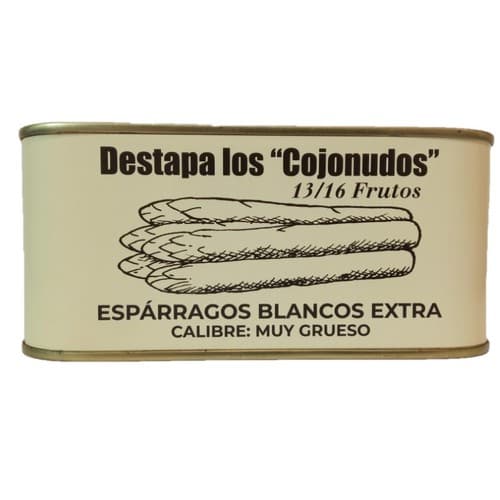 €4.75
€4.75White Asparagus
DESTAPA · kg · Bonpreu
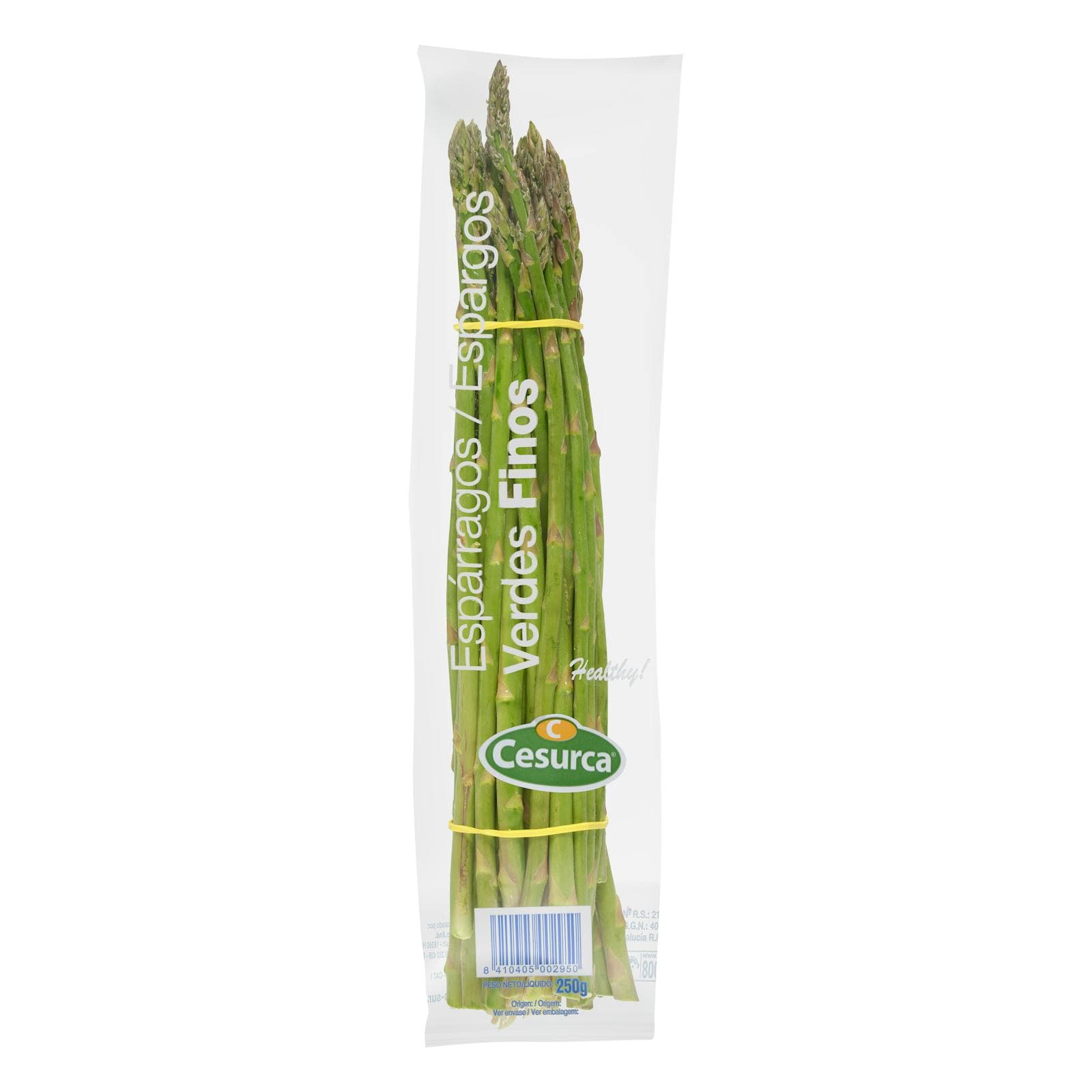 €2.00
€2.00Fine Green Asparagus
250 g · Mercadona
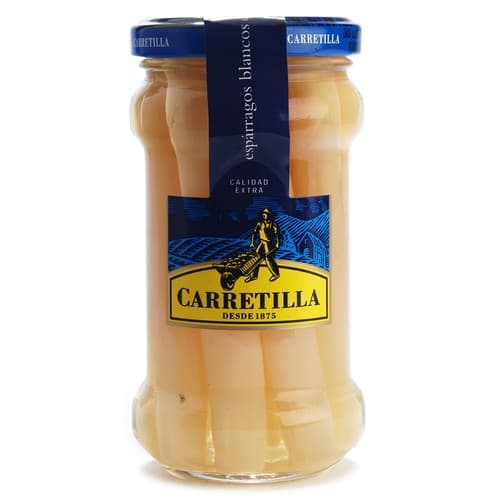 €2.99
€2.99White Short Asparagus
CARRETILLA · kg · Bonpreu
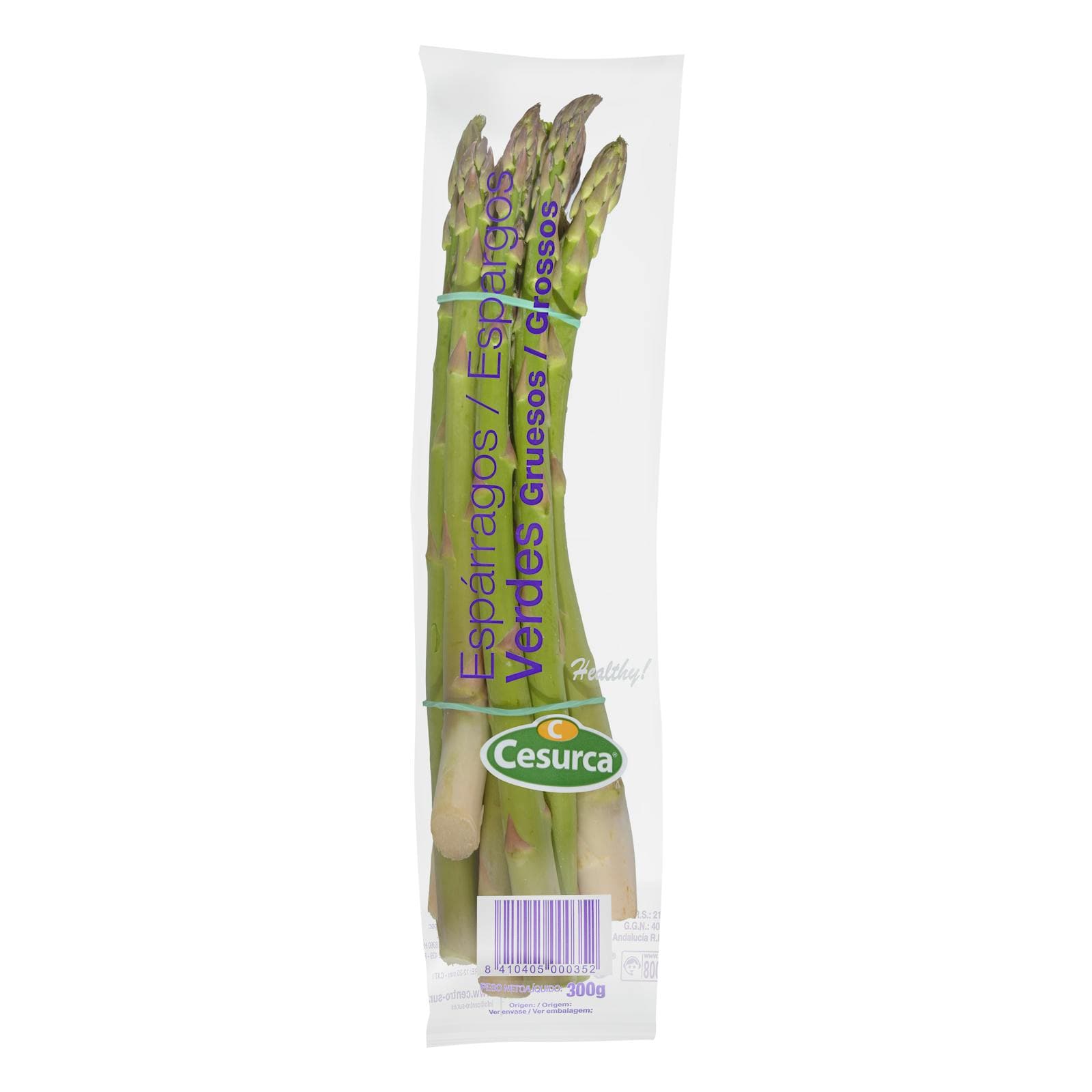 €3.90
€3.90Green Thick Asparagus
300 g · Mercadona
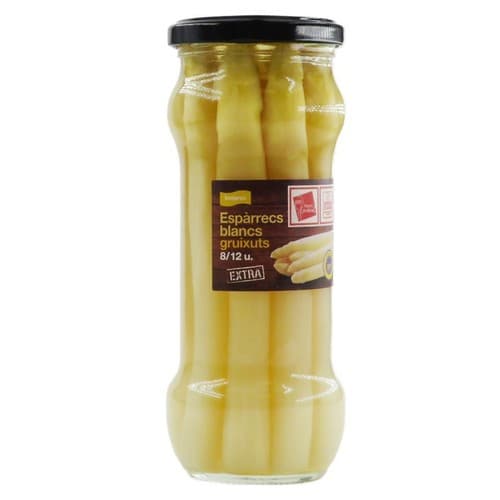 €4.45
€4.45Thick White Asparagus
BONPREU · kg · Bonpreu
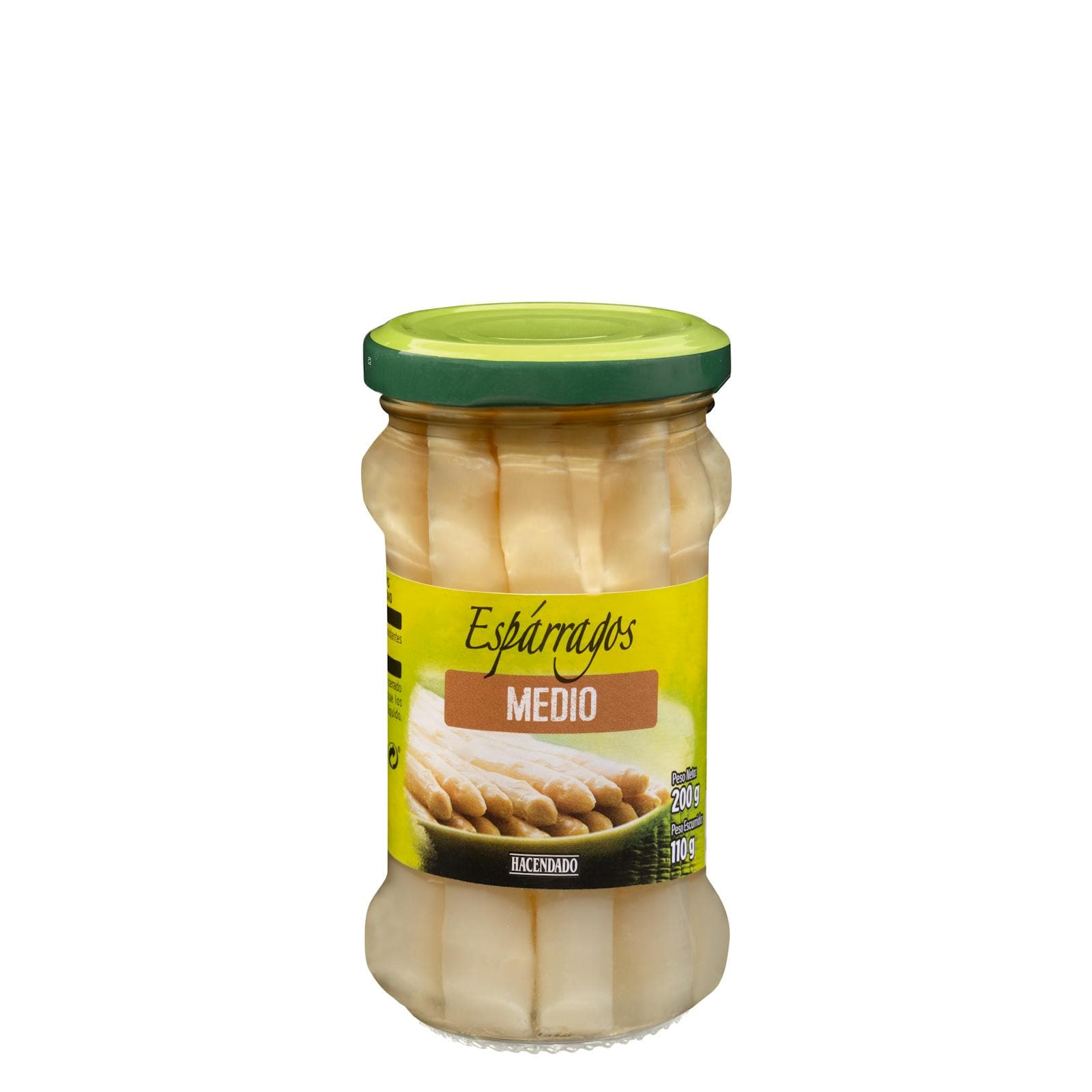 €1.50
€1.50Medium White Asparagus
Hacendado · 200 g · Mercadona
Good to know
- Common Name
- Wild Asparagus, Asparagi Selvatici (Italian), Asperges Sauvages (French)
- Scientific Name
- Asparagus officinalis (wild form, not a separate species from cultivated)
- Origin
- Native to Europe, western Asia, and northern Africa; foraged rather than cultivated
- Season
- Very brief spring season: April to May in the Northern Hemisphere, 3–4 weeks maximum
- Average Size
- 3–6mm diameter, pencil-thin to about 1/4 inch; up to 30–45cm in length
- Flavor Profile
- Intensely grassy, bitter, and herbal with earthy depth; more concentrated than cultivated
- Color
- Deep green throughout, with tips that may show purple or burgundy tinges, especially in Mediterranean varieties
- Texture
- More fibrous than cultivated; lower water content; woody bases require snapping
- Storage
- Wrap ends in damp paper towel, refrigerate in a plastic bag; use within 1–2 days
- Yield
- Approximately 30–40% trimmed from base; minimal waste if properly snapped
- Cost
- Significantly more expensive than cultivated due to scarcity and labor-intensive harvesting
Substitutes
- Thin Cultivated Asparagus — The closest substitute; look for the thinnest spears available and increase cooking time slightly to develop more intensity in the flavor
- Cultivated Asparagus with Added Bitterness — Add a small amount of bitter greens like dandelion or radicchio leaves when cooking cultivated asparagus to approximate the intensity of wild asparagus
Pairs with
Also called
Wild Asparagus · Bath Asparagus · Sea Asparagus
Related
Tomato
Juicy, sun-sweet fruit for sauces, salads, and slow-cooked depth
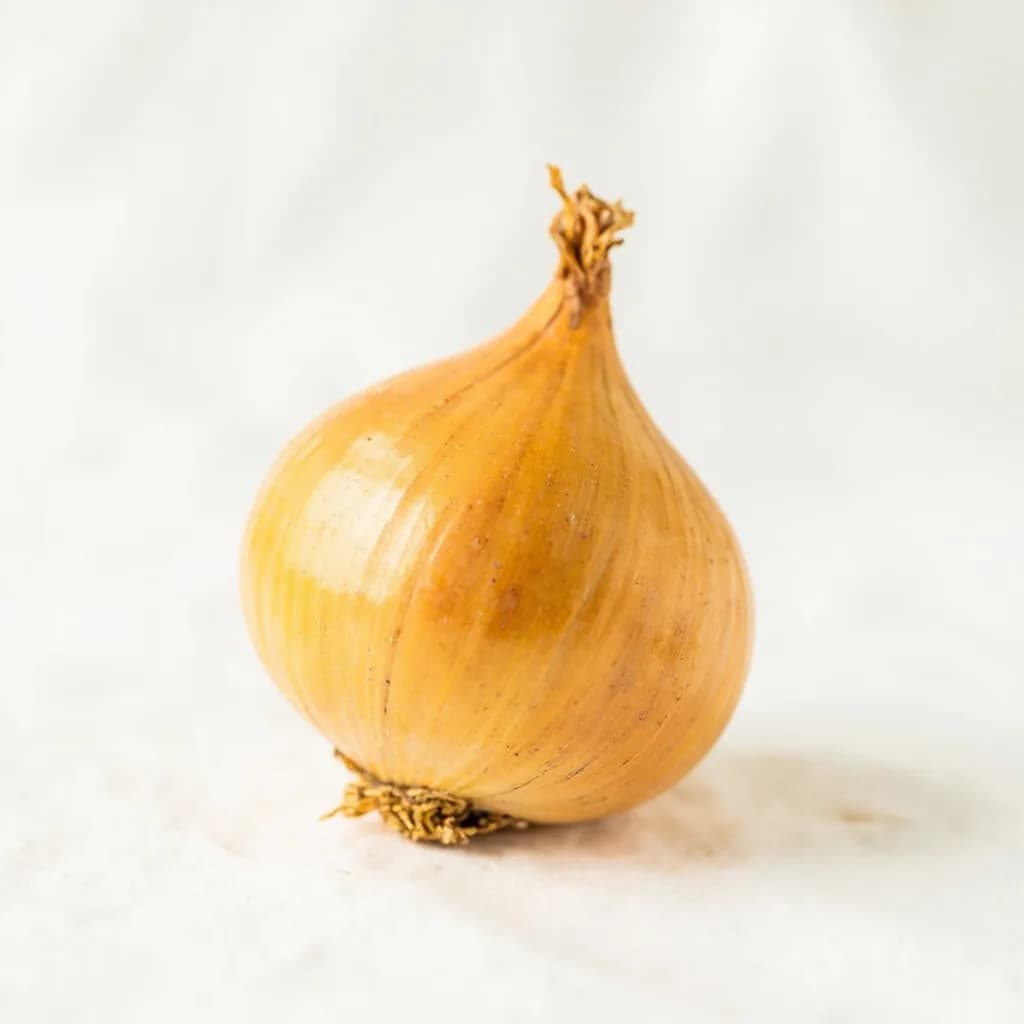
Yellow Onion
The aromatic backbone of soups, sofritos, and braises
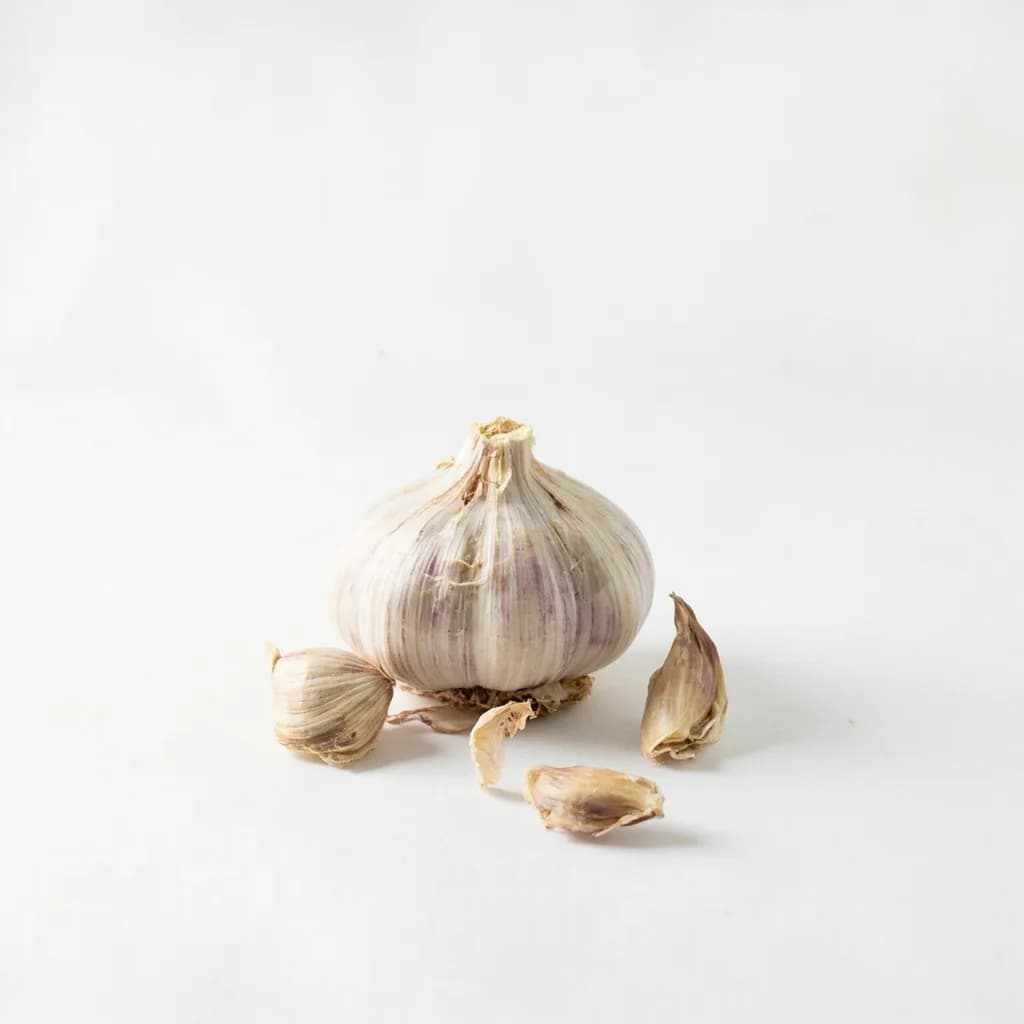
Garlic
Pungent cloves that perfume nearly every savory dish
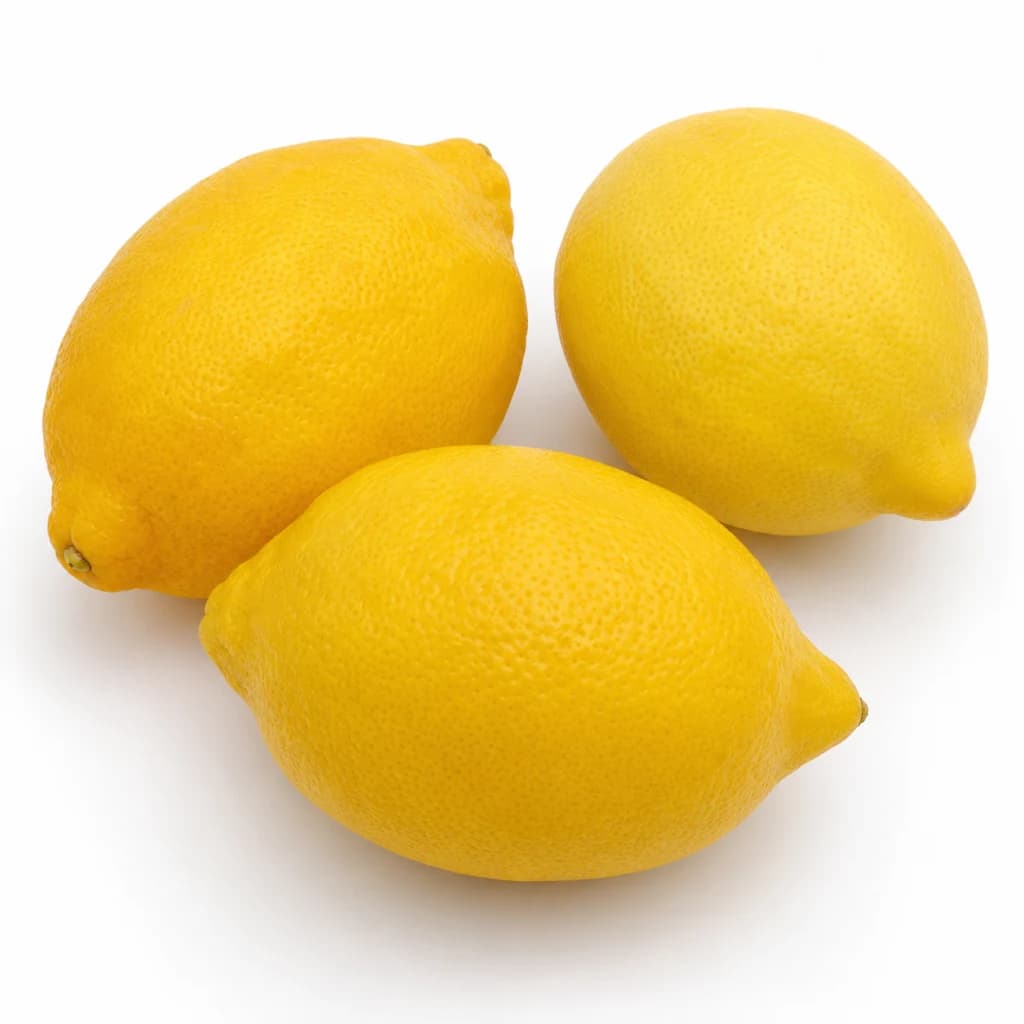
Lemon
Bright, acidic citrus that wakes up almost any dish
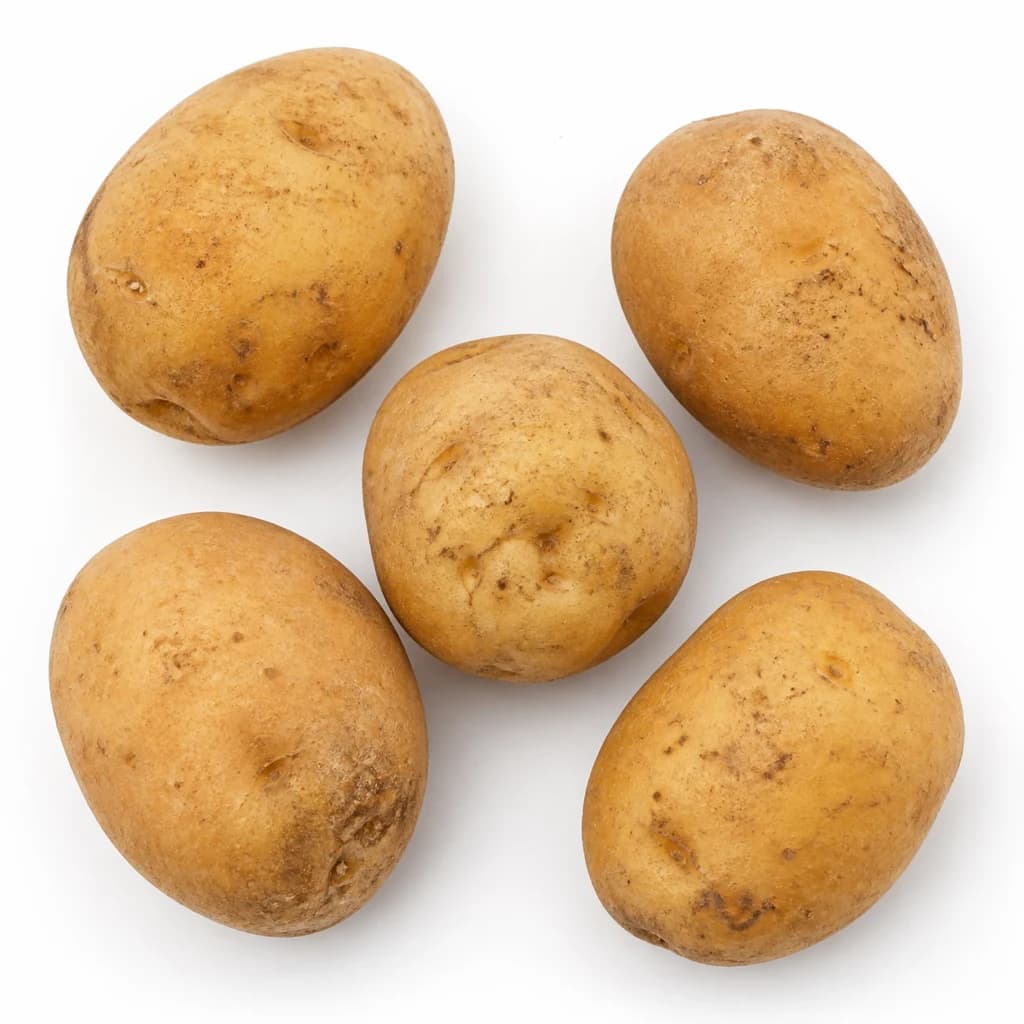
Potato
Humble, hearty staple — roast, mash, fry, or boil
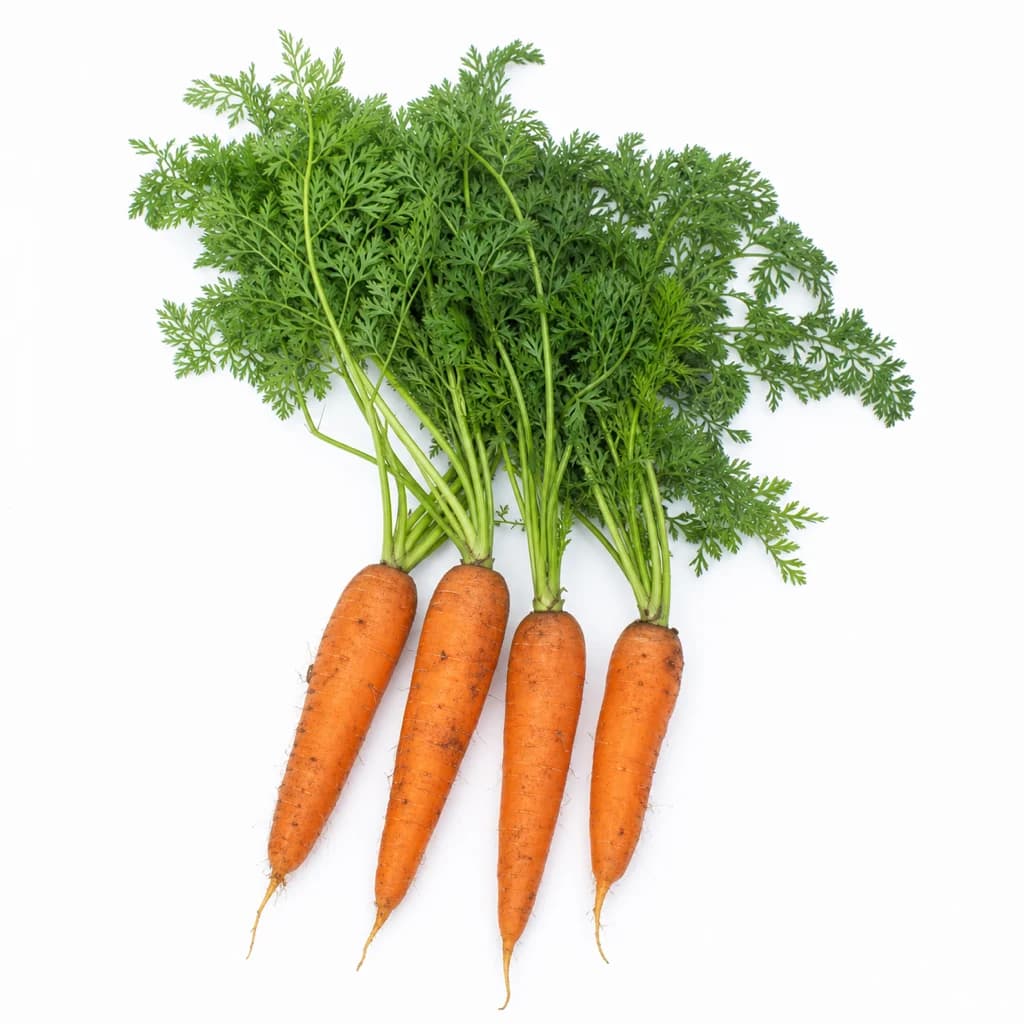
Carrot
Sweet, crunchy root — raw, roasted, or the base of a sofrito
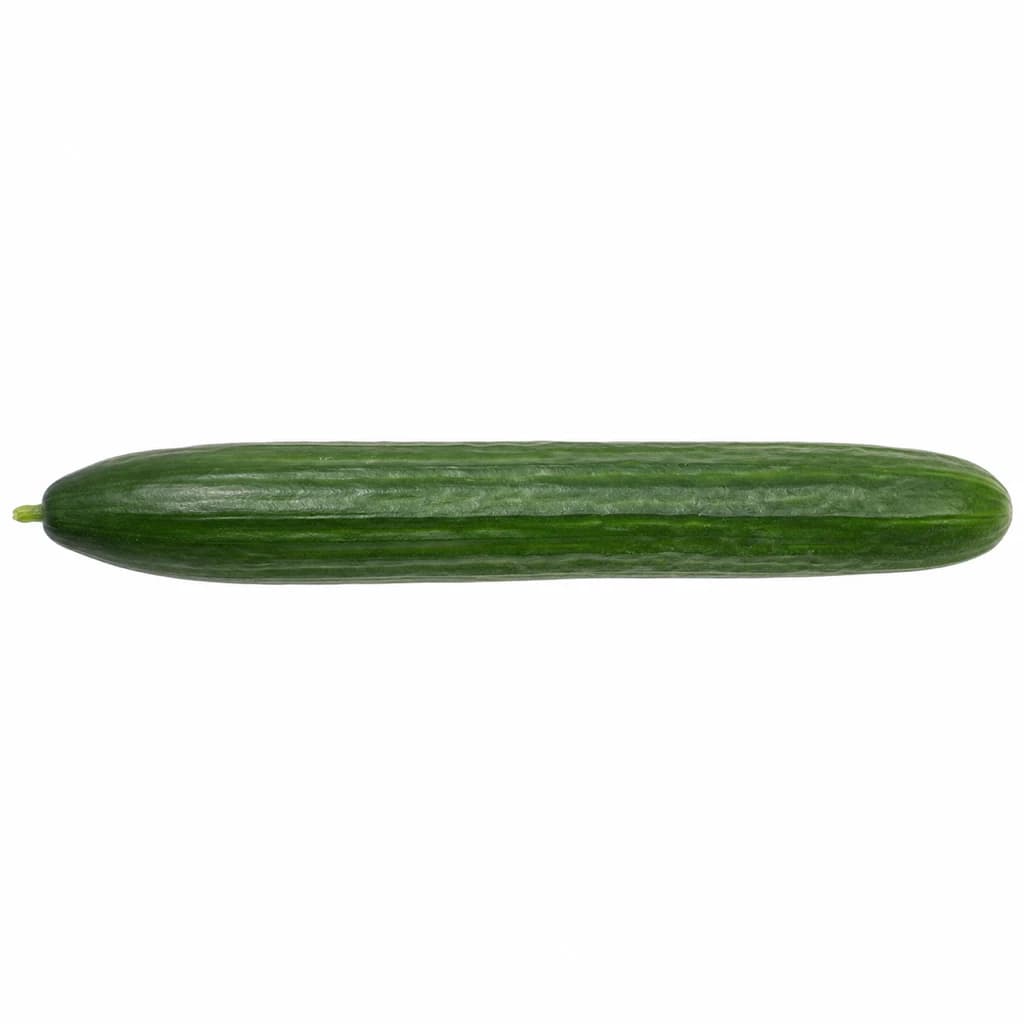
Cucumber
Cool, crisp, and watery — for salads, pickles, and tzatziki

Lettuce
Crisp leaves for salads, wraps, and a fresh crunch