West Africa
Ivorian (Côte d'Ivoire)
Also: Ivorian cuisine, Ivory Coast cuisine, Côte d'Ivoire cooking
Côte d'Ivoire's vibrant cuisine balances fermented cassava couscous, caramelized plantains, and slow-braised meats with the agricultural wealth of West Africa's largest cocoa producer.
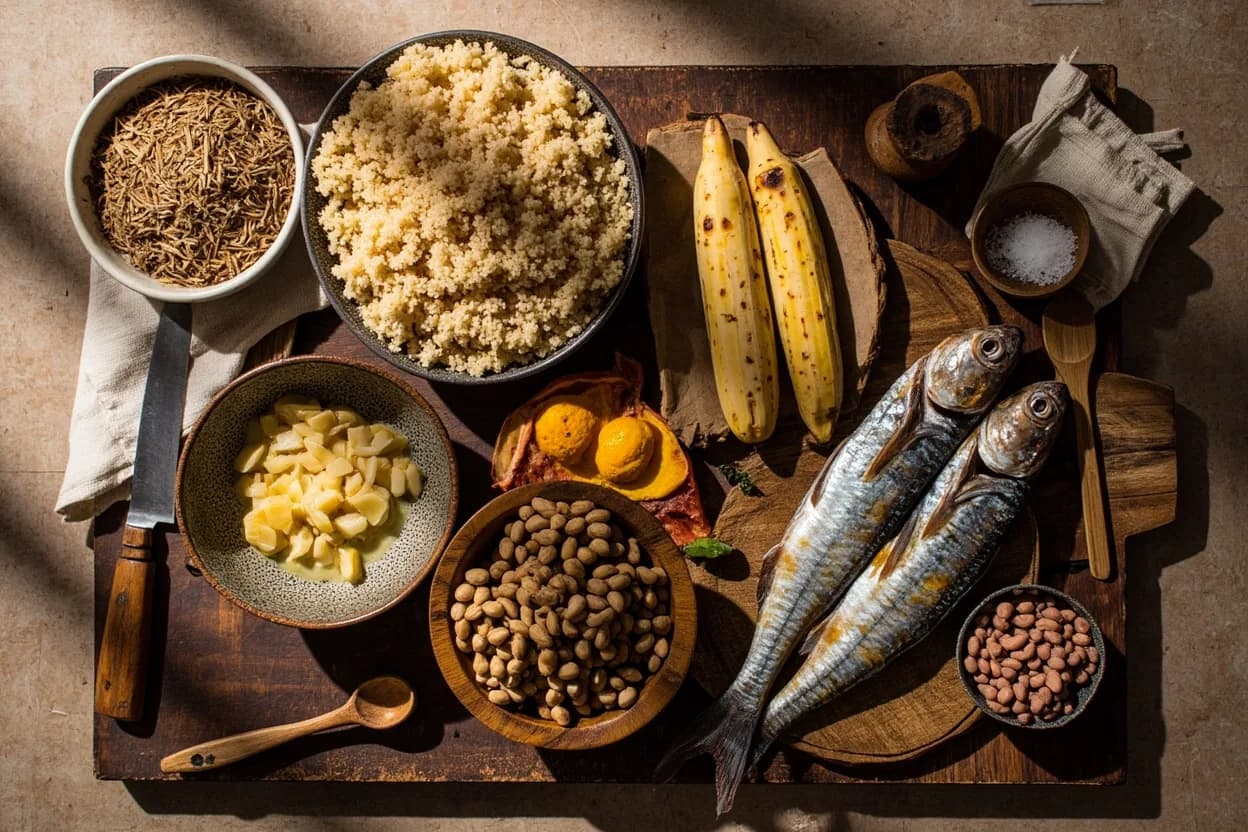
Ivorian cuisine is shaped by an extraordinary diversity of over 60 ethnic groups — Akan (Baoulé, Agni), Kru (Bété, Dida), Mande (Dioula, Malinké), and Gur (Sénoufo) peoples — each with distinct food traditions that have been unified by urbanization and Abidjan's dynamic street-food culture. The country's southern coastal and forest zones produce cassava, plantain, taro, and abundant seafood; the savannah north contributes millet, yams, and Sahelian spice traditions. Fermentation is critical: attiéké (fermented cassava couscous) is the defining staple, eaten daily across all regions and social classes.
The flavour base
Palm oil, fermented and smoked fish (adjuevan), and tomato-onion-pepper paste form the base; grains of selim (djansang) and soumbala (fermented locust bean) add depth in the north.
Pantry staples
Key ingredients
Signature techniques
Signature dishes
Ivorian (Côte d'Ivoire) on the table
At the table
Lunch is the main meal and is often eaten from shared communal bowls or bought from maquis (open-air restaurants, a uniquely Ivorian institution). Attiéké is so ubiquitous that 'eating' in common parlance often implies eating attiéké. Maquis culture — outdoor restaurants serving braisé fish, aloco, and kedjenou — is central to Abidjan urban life. Dinner is lighter; breakfast may be café au lait with bread or leftover rice.
History & context
Côte d'Ivoire was colonized by France from the late 19th century, and French influence — baguettes, café au lait, maquis restaurant culture analogous to French bistros — is visible in urban food life. The country's post-independence economic boom under Félix Houphouët-Boigny (the 'Ivorian miracle' of the 1960s–70s) drew West African migrants from across the region, creating one of the continent's most cosmopolitan urban food scenes in Abidjan. The cassava-based attiéké staple predates colonialism and remains the country's most culturally distinct contribution to West African food.
Regional variations
- Abidjan / Lagoon coast
Maquis culture is strongest here; garba (attiéké with canned tuna) is the definitive cheap urban meal; fresh lagoon fish and seafood are abundant.
- San Pédro / Kru coast
Strong maritime tradition; Kru fishermen's sauces and preparations emphasize fresh and smoked Atlantic fish.
- North / Sénoufo and Dioula zones
Millet and sorghum replace cassava; soumbala (fermented locust bean, equivalent to dawadawa) is the dominant umami source; spice profiles shift toward Sahelian.
- West / forest interior (Bété, Guéré)
Bush meat (porcupine, cane rat, monkey) features more prominently; forest mushrooms and wild leaves enter the cooking.
Related cuisines
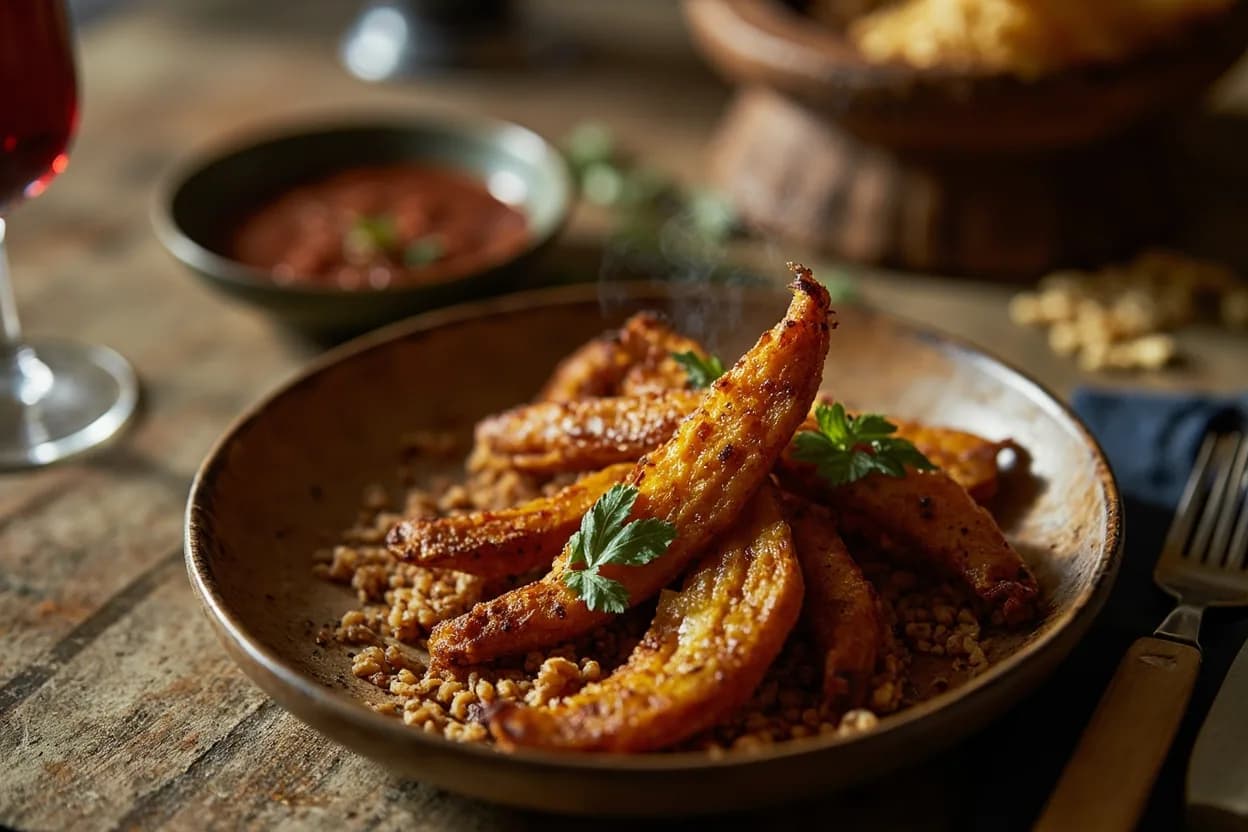
Eastern neighbor sharing attiéké as a cross-border staple, palm oil soups, and aloco-style fried plantain (kelewele in Ghana).
Northern neighbor sharing Dioula and Mande culinary traditions; tô porridge and soumbala are common heritage.
Shared thiéboudienne fish-and-rice tradition and broad West African groundnut stew lineage.
Similar forest-zone cooking with fufu, palm nut sauce, and slow-cooked leafy stews.
Canonical recipes
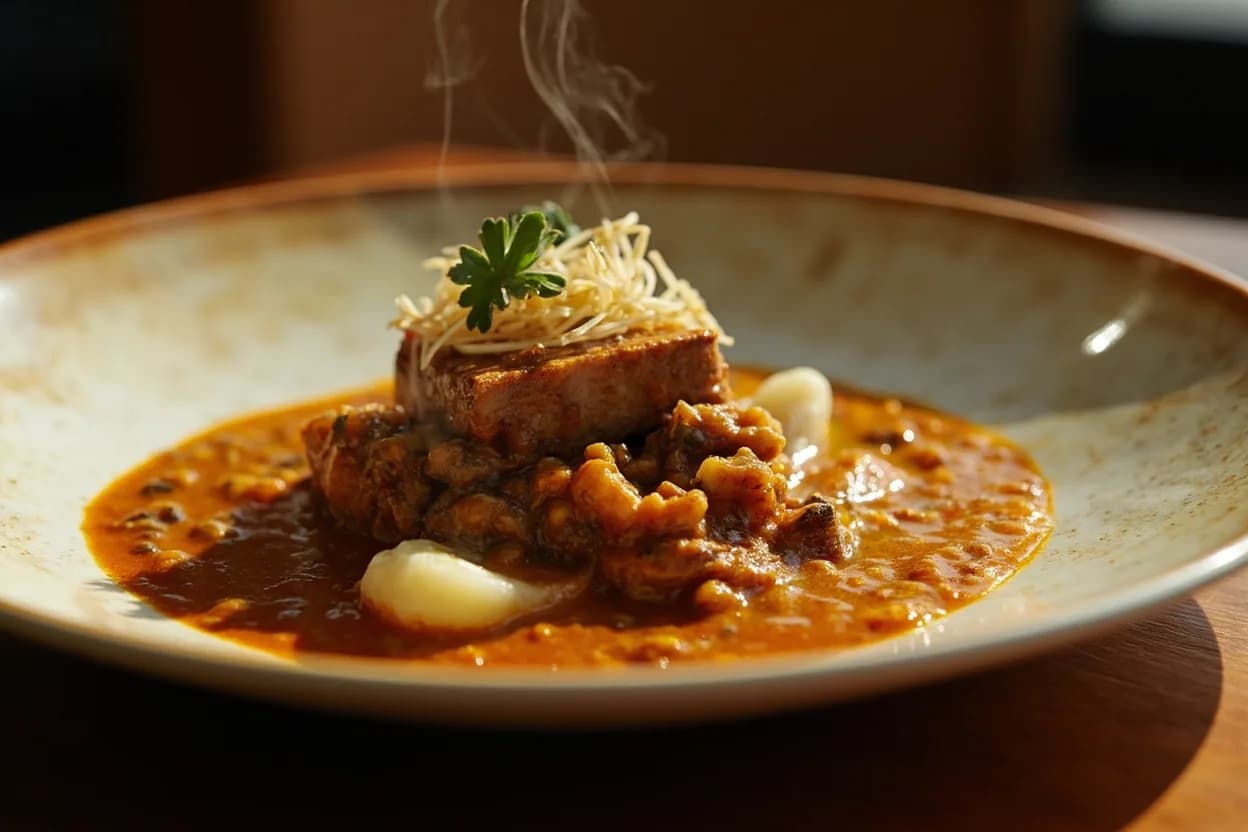
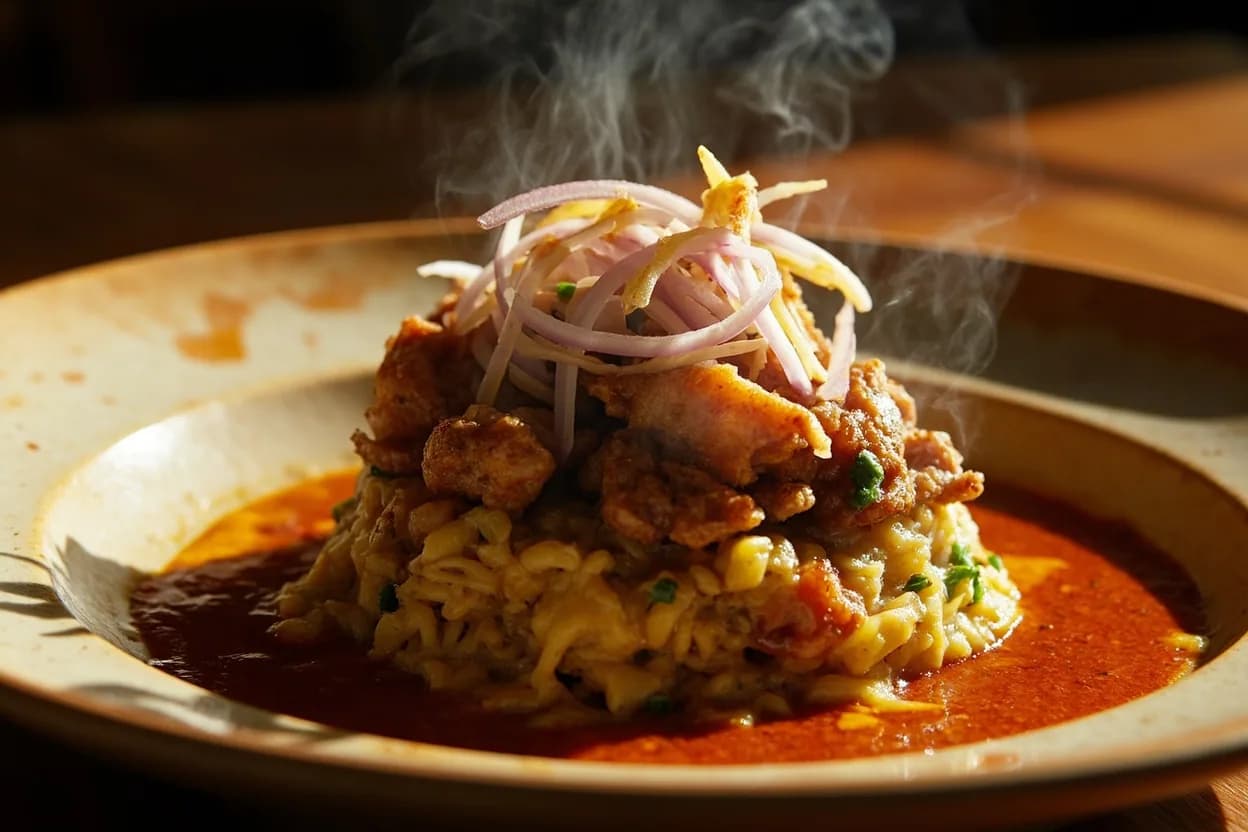
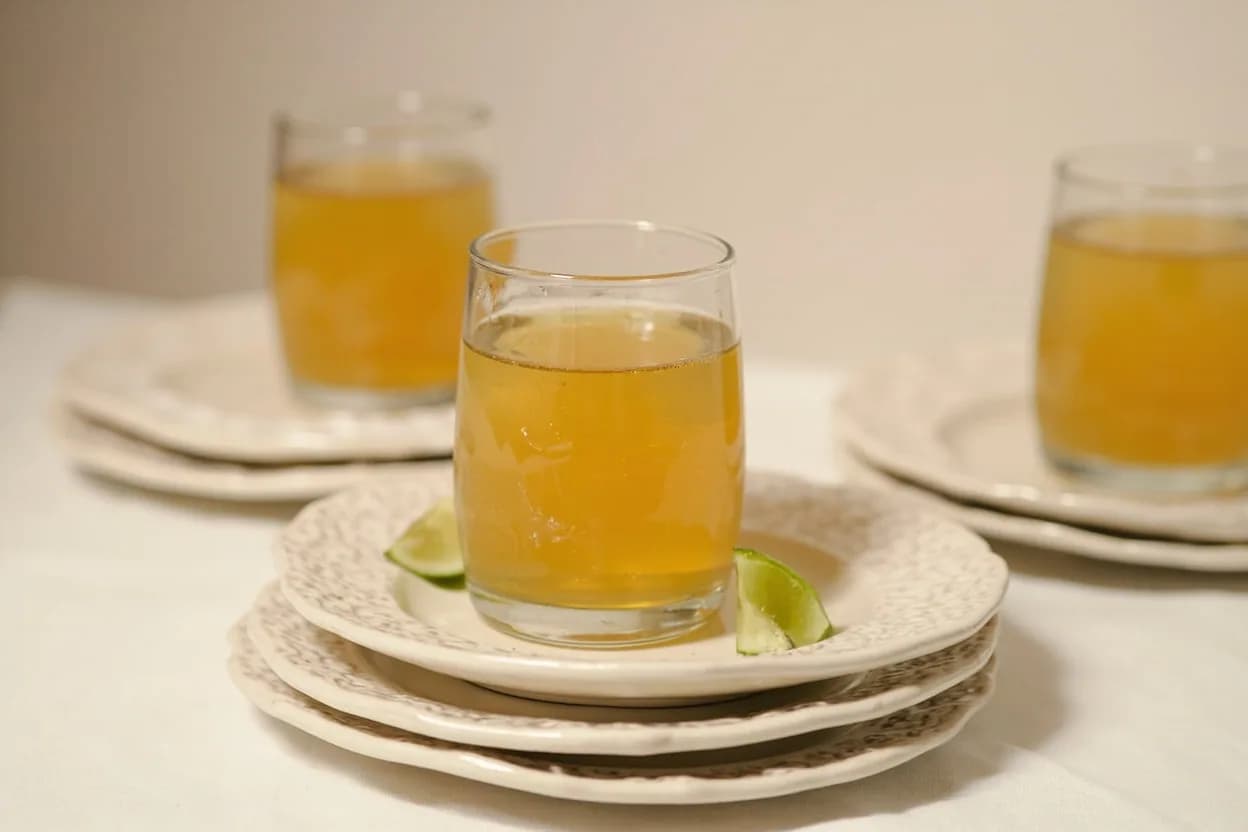
The dishes that define Ivorian (Côte d'Ivoire), documented in the Canon.
References
- 1.The Africa Cookbook — Jessica B. Harris (1998)
- 2.Côte d'Ivoire: Cuisine et Traditions — Véronique Liégeois (2005)
- 3.The Oxford Companion to Food — Alan Davidson (3rd ed., 2014)
- 4.Culinaria Africa — Ulla Hein et al. (2006)
Confidence: high
Notes
Kedjenou: the sealed-pot technique
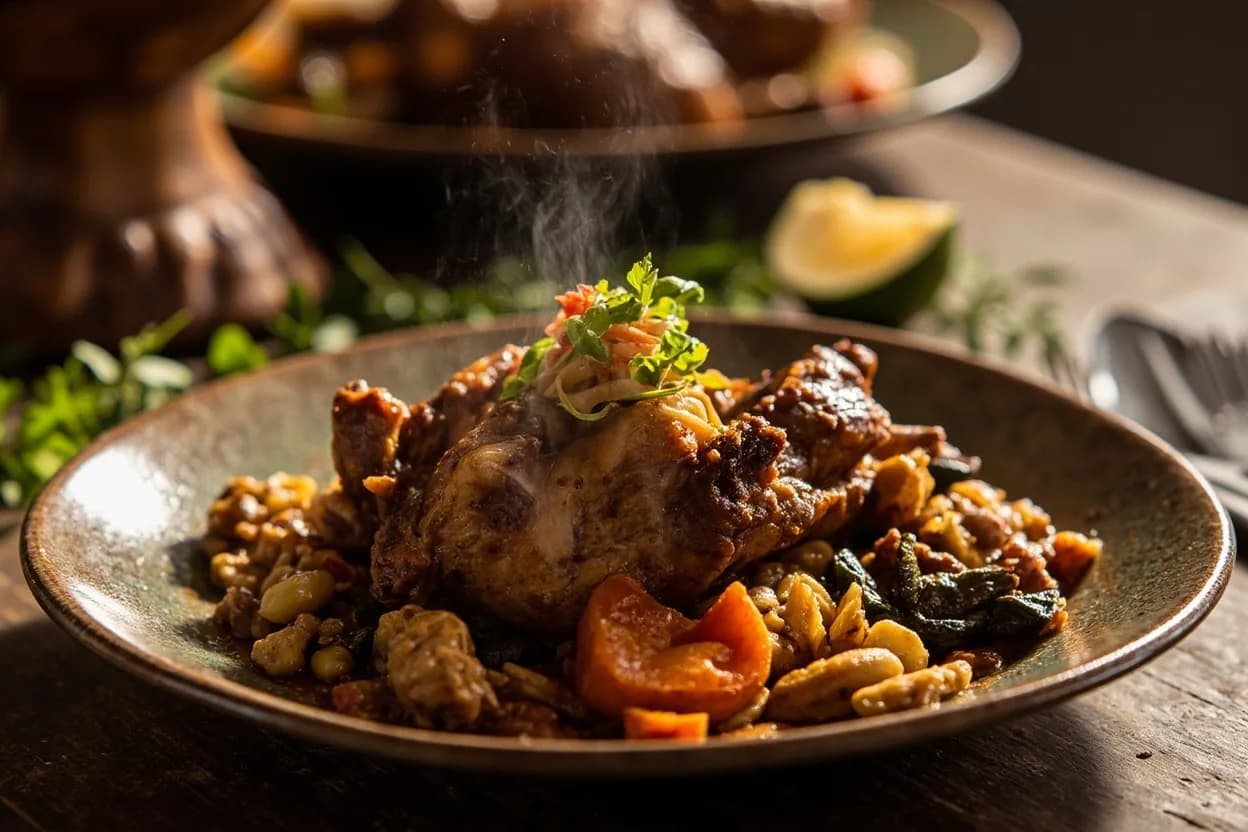
Kedjenou (from a Baoulé word meaning 'something stirred repeatedly') is prepared by sealing chicken or guinea fowl with aromatics in a clay canari pot and placing it over low coals. No liquid is added; the ingredients steam in their own juices, shaken periodically rather than stirred. The result is uncommonly moist, deeply flavored braised poultry that tastes of nothing but itself and its aromatics. It is both a home cooking standard and a prestige restaurant dish.
Garba: the unofficial national fast food
Garba — attiéké topped with canned or fried tuna, scotch bonnet sauce, raw onion, and tomato — is the definitive Abidjan street food, sold by Ghanaian vendors (Garba is reportedly a Hausa name) from roadside stands. It is cheap, filling, and beloved across all social classes. Garba stands are to Abidjan what taco trucks are to Los Angeles: ubiquitous, unpretentious, and deeply tied to urban identity.