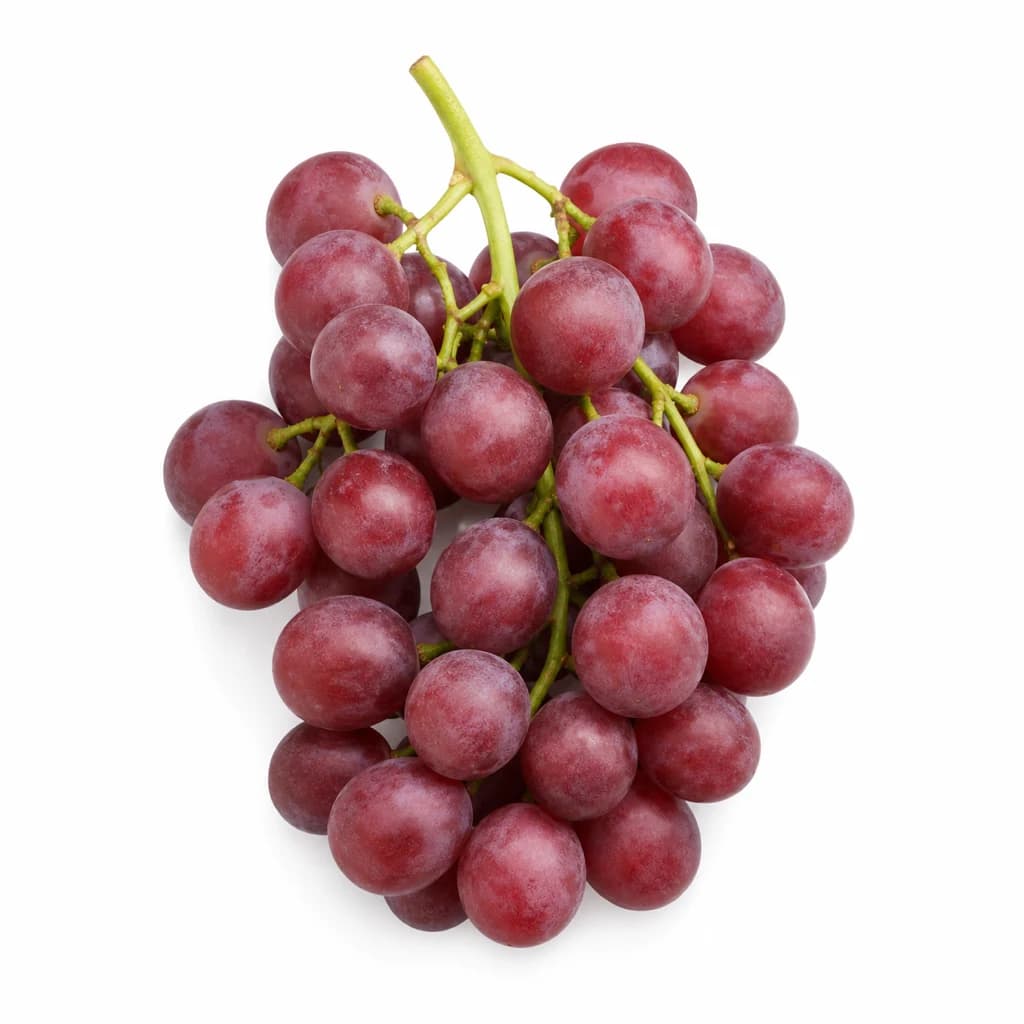
Natural form
A full cluster of red grapes with stems intact, showing typical bunch structure.
Shows the reader exactly how grapes look when purchased — the cluster shape, color, and stem structure that signals freshness.
Produce
Grape
Sweet, juicy clusters for snacking, salads, and roasting
Crisp and sweet, grapes snack straight off the stem, halve into salads, and roast to a jammy sweetness alongside meats. Keep them cold to hold their snap for two weeks.
Grapes are sweet, juicy clusters eaten by the handful, but they're far more versatile than a snack — halved into salads, frozen for a refreshing treat, roasted to jammy intensity beside pork or on a cheese board, and of course pressed into wine and dried into raisins. They come seeded or seedless, in green, red, and deep purple-black, each with its own balance of sweet and tart. A bag in the fridge is one of the easiest fruits to keep around.
- Measured in
- g
- Storage
- Refrigerate
- Shelf life
- 14 days
Find it in
Types & varieties
Crisp, sweet-tart; the everyday snacking grape
Sweet, often crisp; pretty in salads
Deep, intense, 'grape' flavor; Concord is slip-skin and seeded
Novelty grape that tastes uncannily of spun sugar
Tiny, sweet; lovely on cheese boards
How to choose
Want plump, firm grapes that are firmly attached to flexible green stems (brown, brittle stems and grapes dropping off mean age). A dusty white 'bloom' on the skin is natural and a sign of freshness — leave it on. Avoid shriveled, soft, browning, sticky, or leaking grapes. Taste one if you can; grapes don't sweeten after picking.
How to store
Keep grapes unwashed in their ventilated bag or a breathable container in the coldest part of the fridge, where they last one to two weeks. Don't wash until you're ready to eat — moisture speeds spoilage. Their bloom helps preserve them, so keep it intact. Pluck off any that go soft.
- Refrigerate unwashed in a vented container
- Keep the protective bloom on
- Wash just before eating
Beyond snacking
Roast grapes (still on small stem clusters) at high heat until they blister and go jammy — sensational with roast pork, sausages, or on a cheese board. Halve them into chicken and tuna salads (the Waldorf trick) for pops of sweetness, or freeze whole grapes for a slushy, refreshing summer snack. Note: whole grapes are a serious choking hazard for young children — quarter them lengthwise.
- Roast for a jammy savory partner
- Freeze whole for a cooling snack
- Quarter for small children (choking risk)
Common uses
Tips & pitfalls
- Leave the dusty bloom on — it's natural and protective, not dirt
- Roast clusters until blistered for a savory partner to pork and cheese
- Freeze grapes whole for a refreshing, healthy treat
- Always quarter grapes lengthwise for toddlers — whole ones are a choking hazard
- Halve into salads for sweet bursts
Nutrition
Energy
389 kJ · per 100 g
Where the calories come from
Protein
5.6g
11% DV
Carbs
17.3g
6% DV
Fat
2.1g
3% DV
Fiber
11g
39% DV
Sugars
6.3g
of which
Sodium
9mg
0% DV
Source · USDA FoodData Central · Grape leaves, raw
View on FDC →In the shops
Matched grocery products
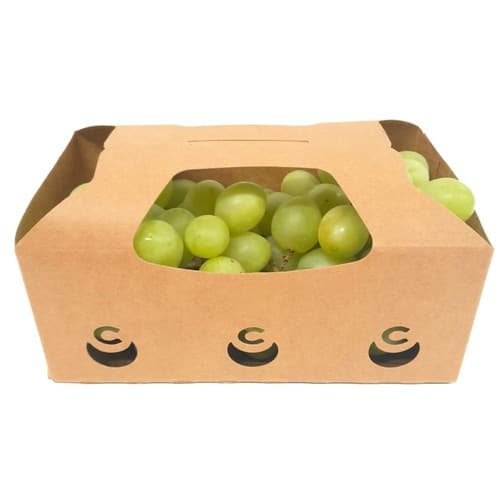 €2.85
€2.85White Seedless Grapes 500g Tray
LA COLLITA · kg · Bonpreu
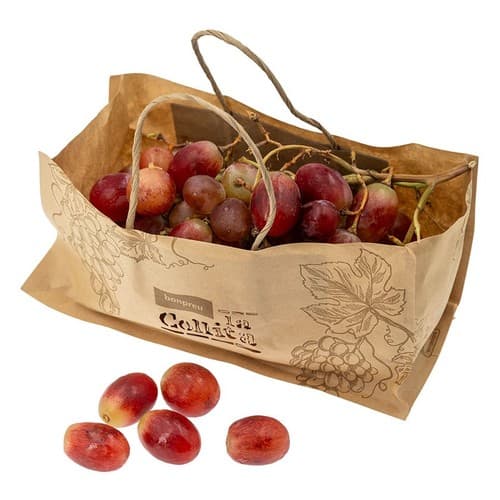 €2.89
€2.89Seedless Red Grapes in 500g Bag
LA COLLITA · kg · Bonpreu
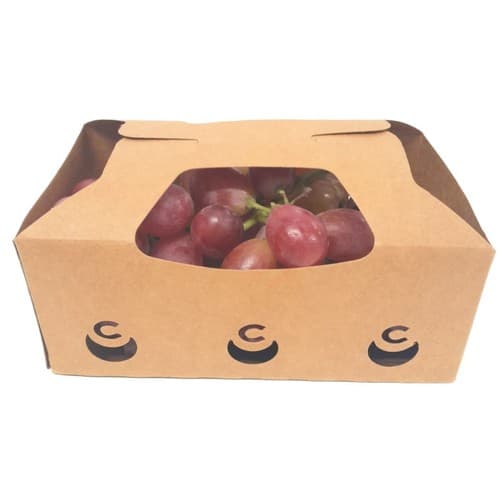 €2.89
€2.89Seedless Red Grapes in 500g Tray
LA COLLITA · kg · Bonpreu
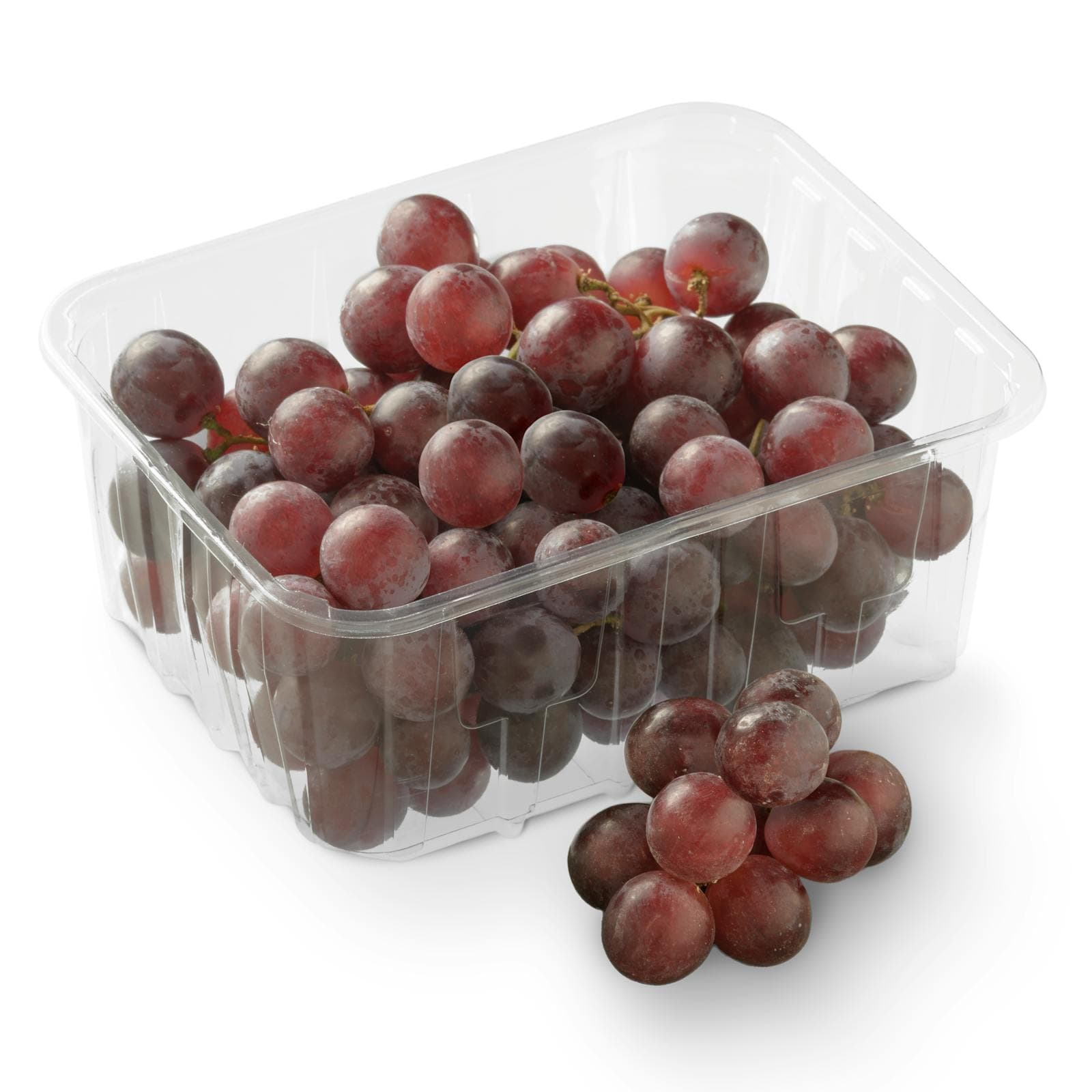 €3.30
€3.30Seedless Red Grapes
600 g · Mercadona
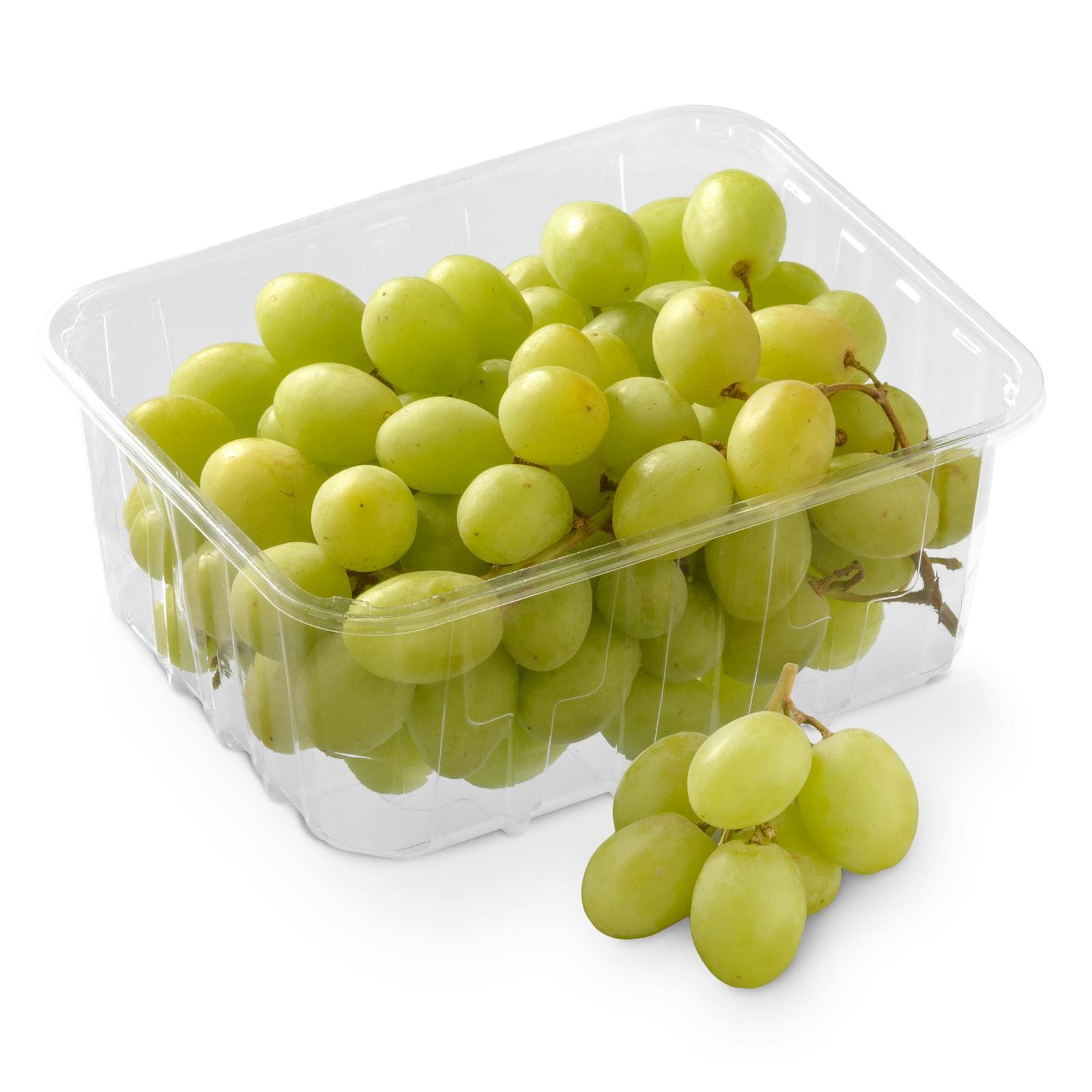 €3.30
€3.30White Seedless Grapes
600 g · Mercadona
Good to know
- Peak season
- Late summer through fall (table grapes); imported year-round
- Flavor
- Sweet, juicy, lightly tart; crisp or soft by variety
- Origin
- Near East/Mediterranean; among the oldest cultivated fruits
- Nutrition
- ~69 kcal/100g; antioxidants (resveratrol in skins), vitamin K
- How to buy
- Plump, firmly attached to green stems; dusty bloom; no shriveling or stickiness
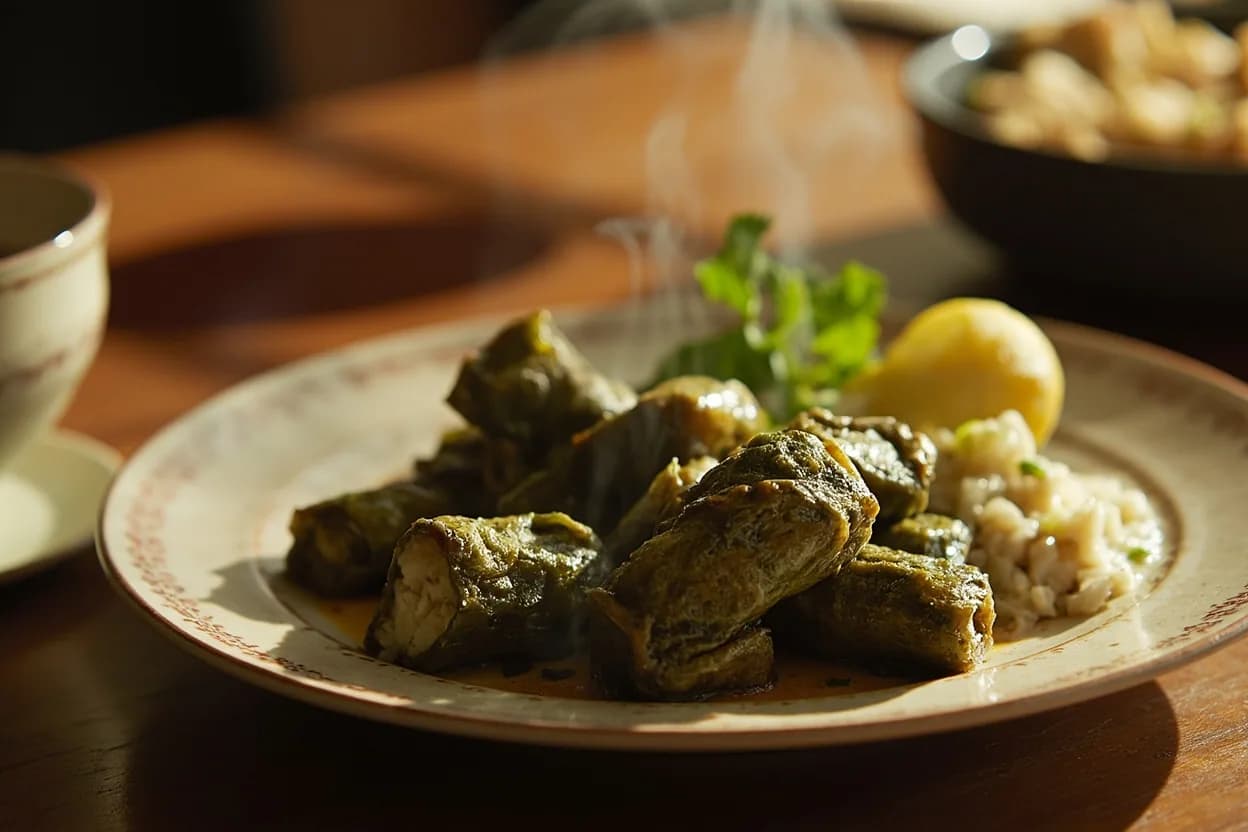
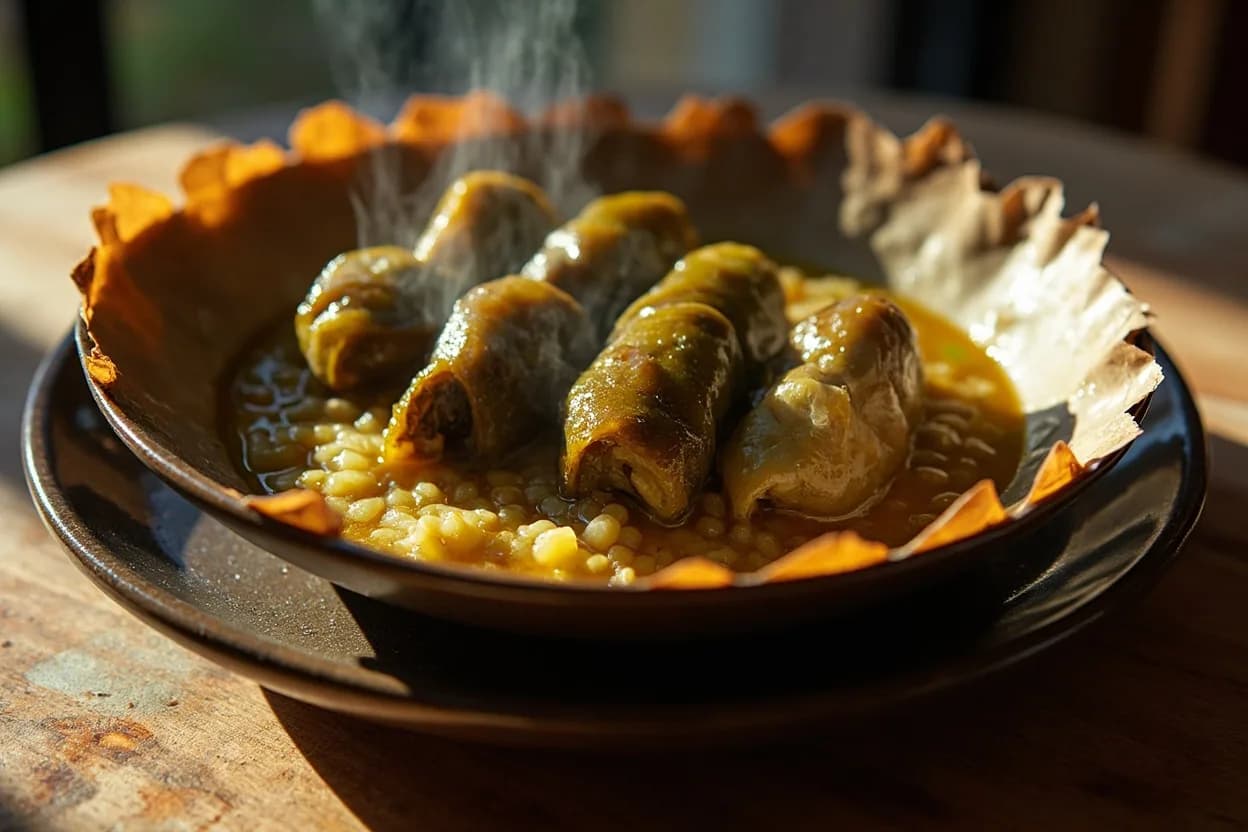
Appears in these dishes
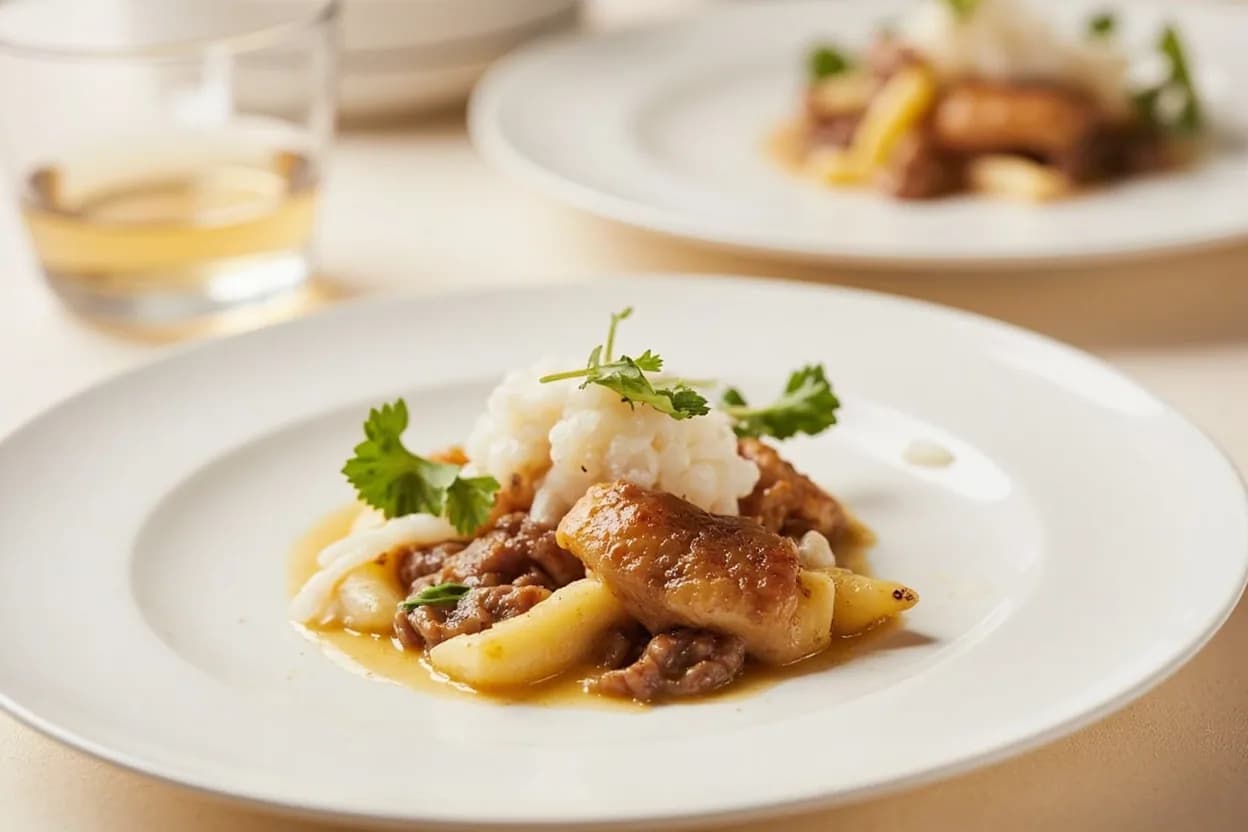
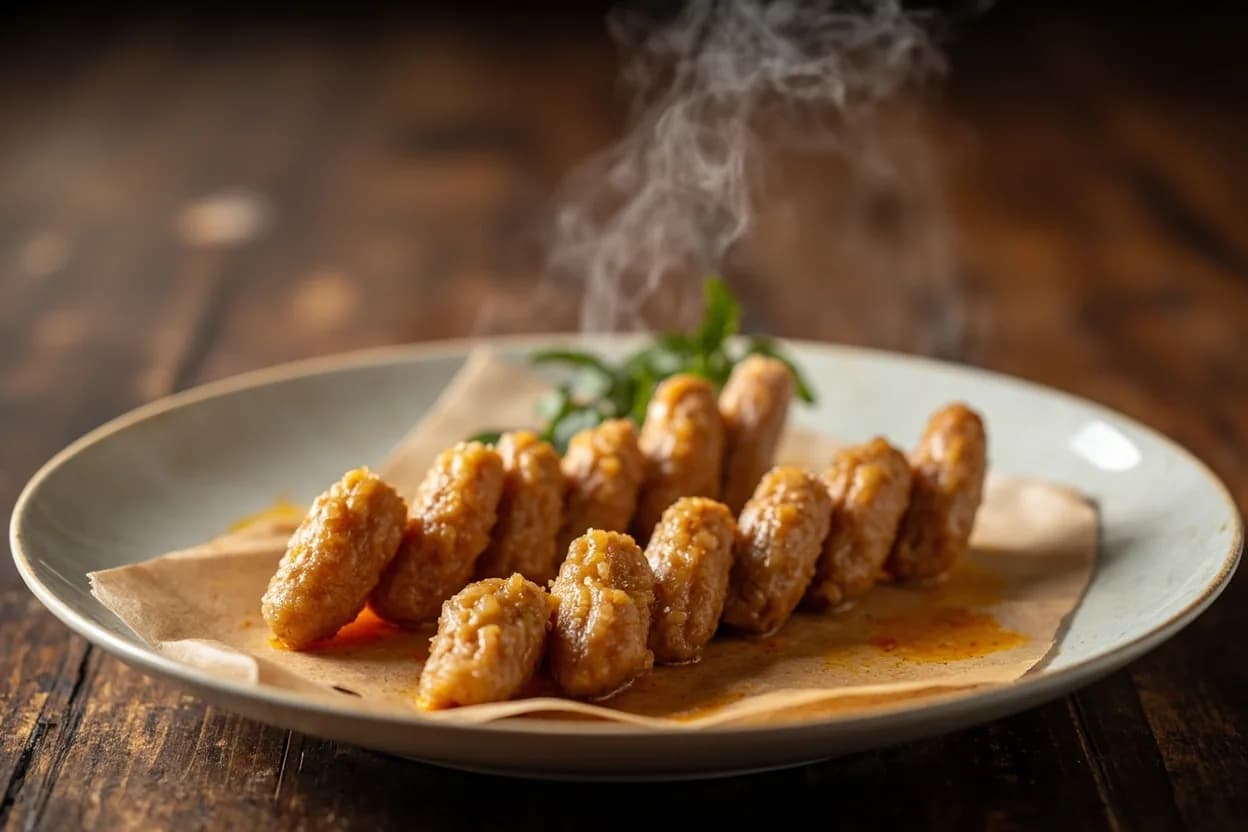
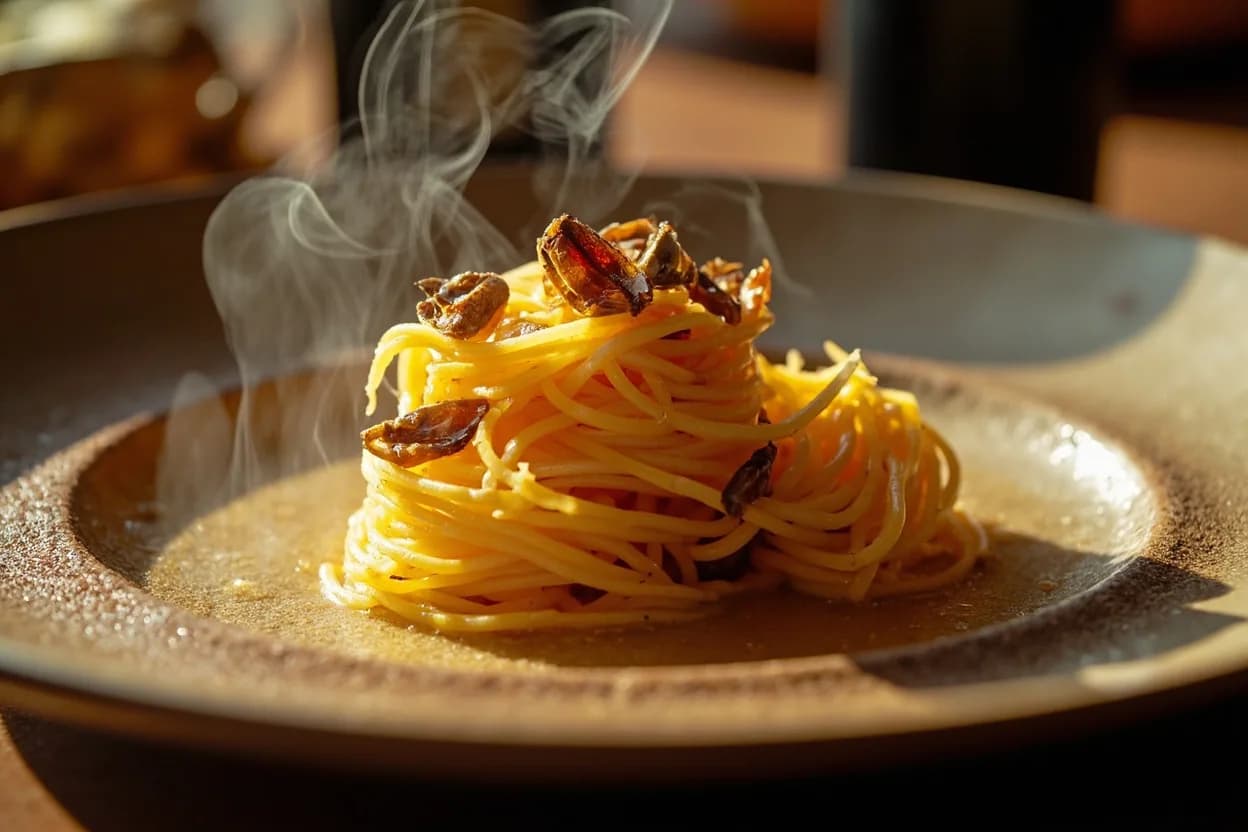
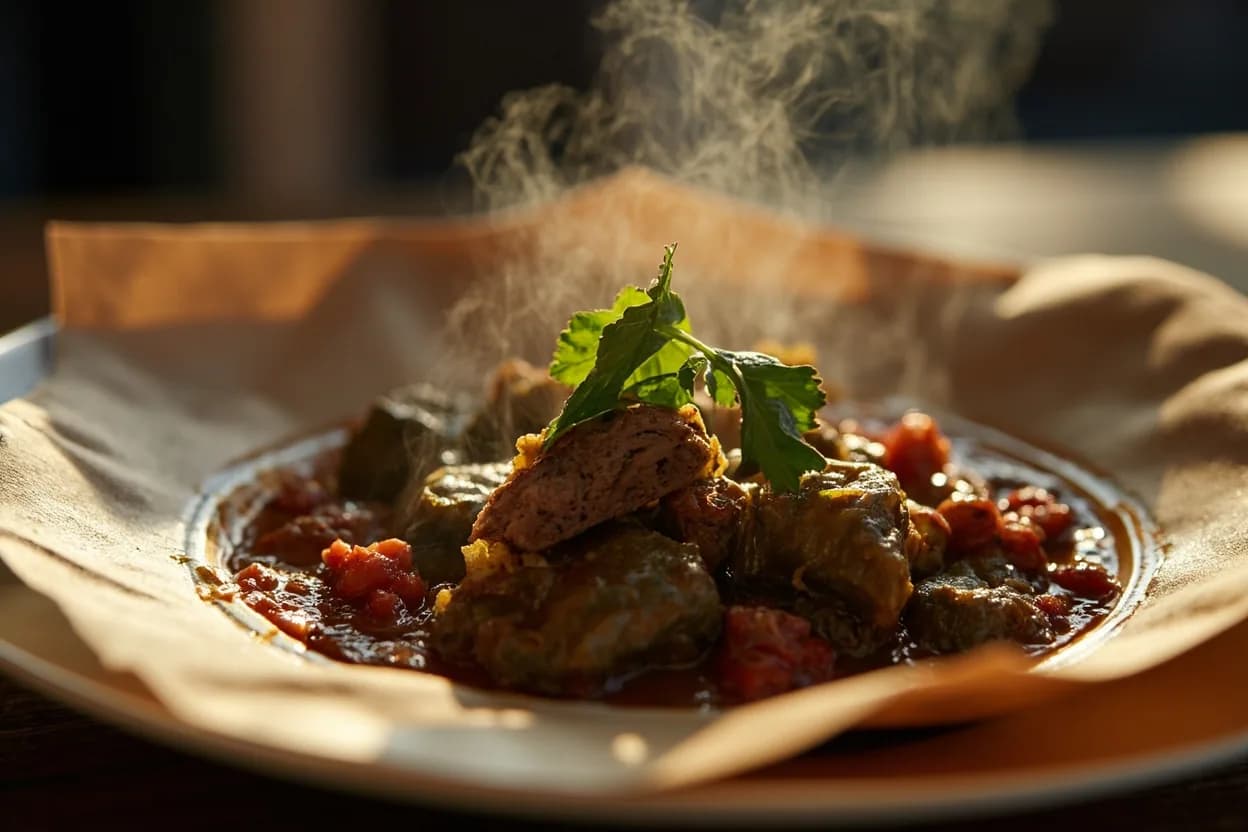
Related
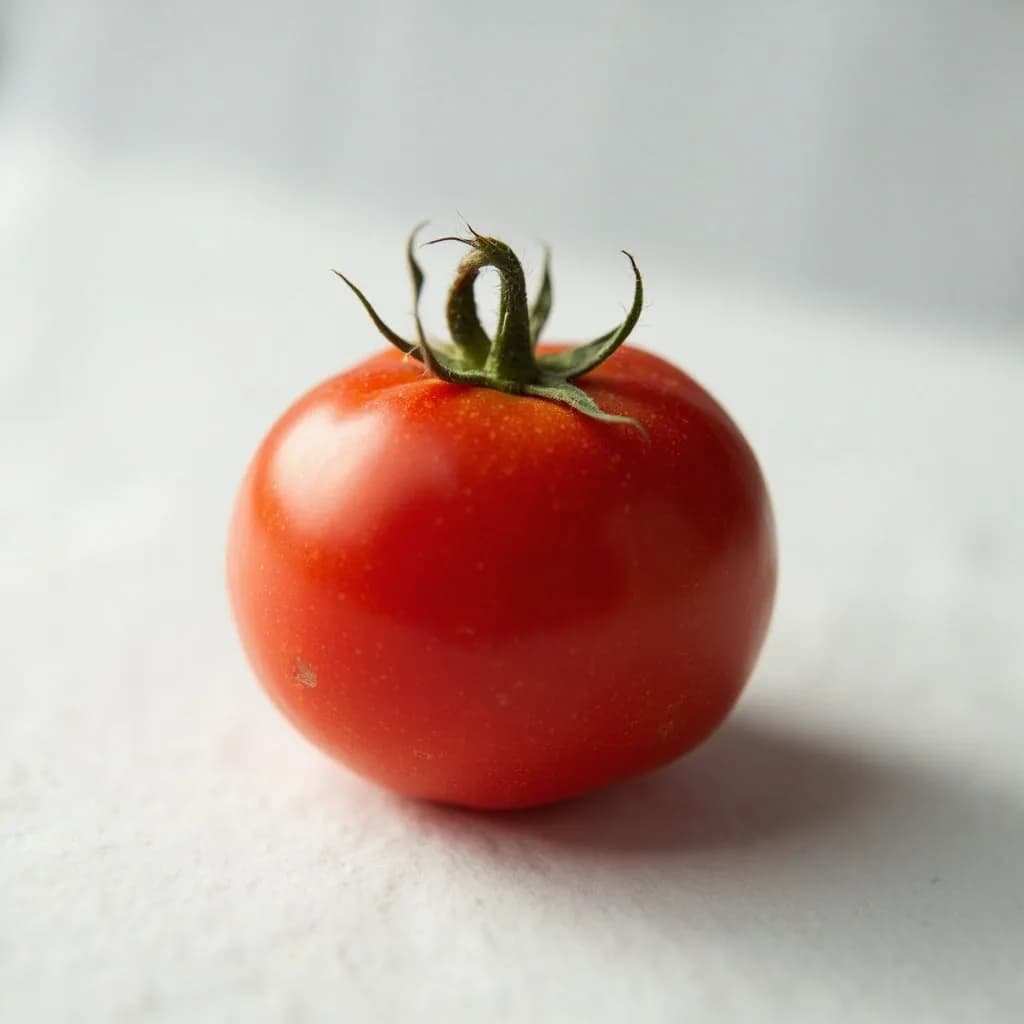
Tomato
Juicy, sun-sweet fruit for sauces, salads, and slow-cooked depth
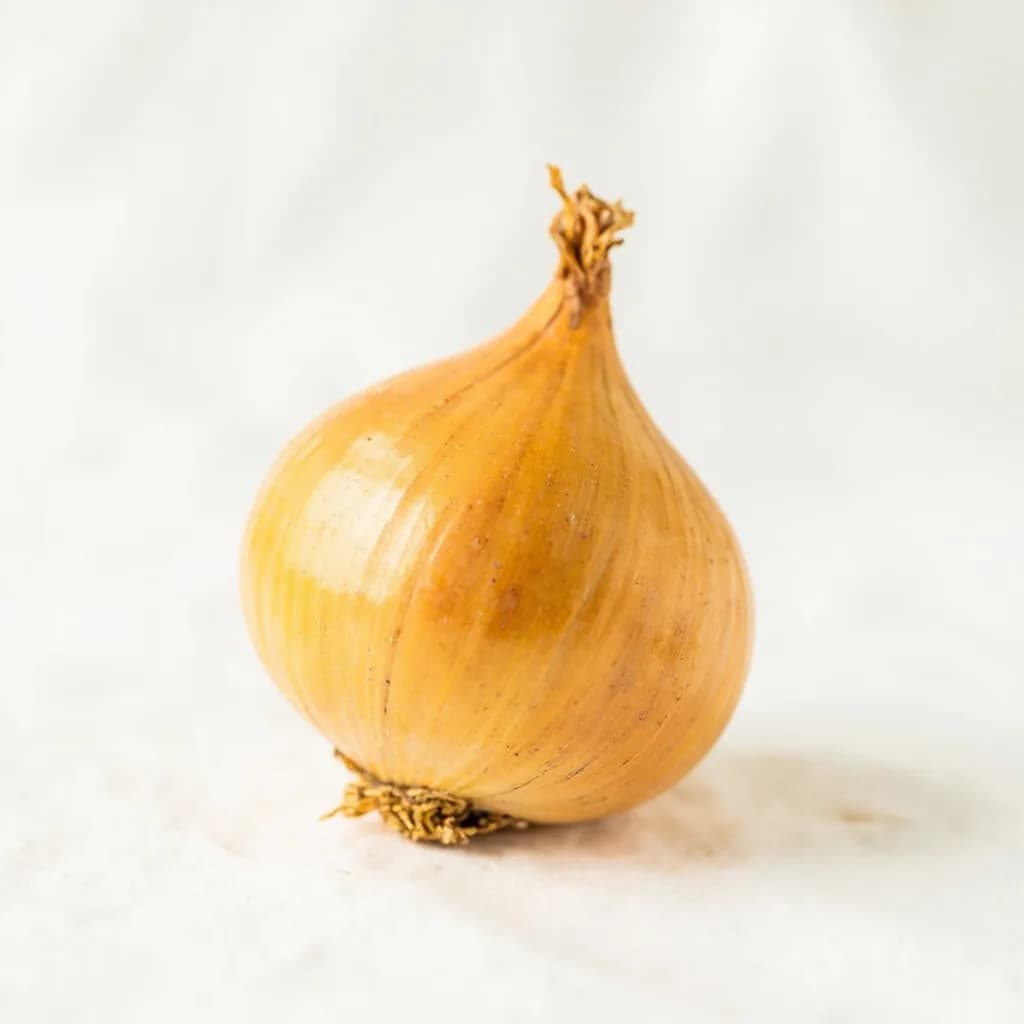
Yellow Onion
The aromatic backbone of soups, sofritos, and braises
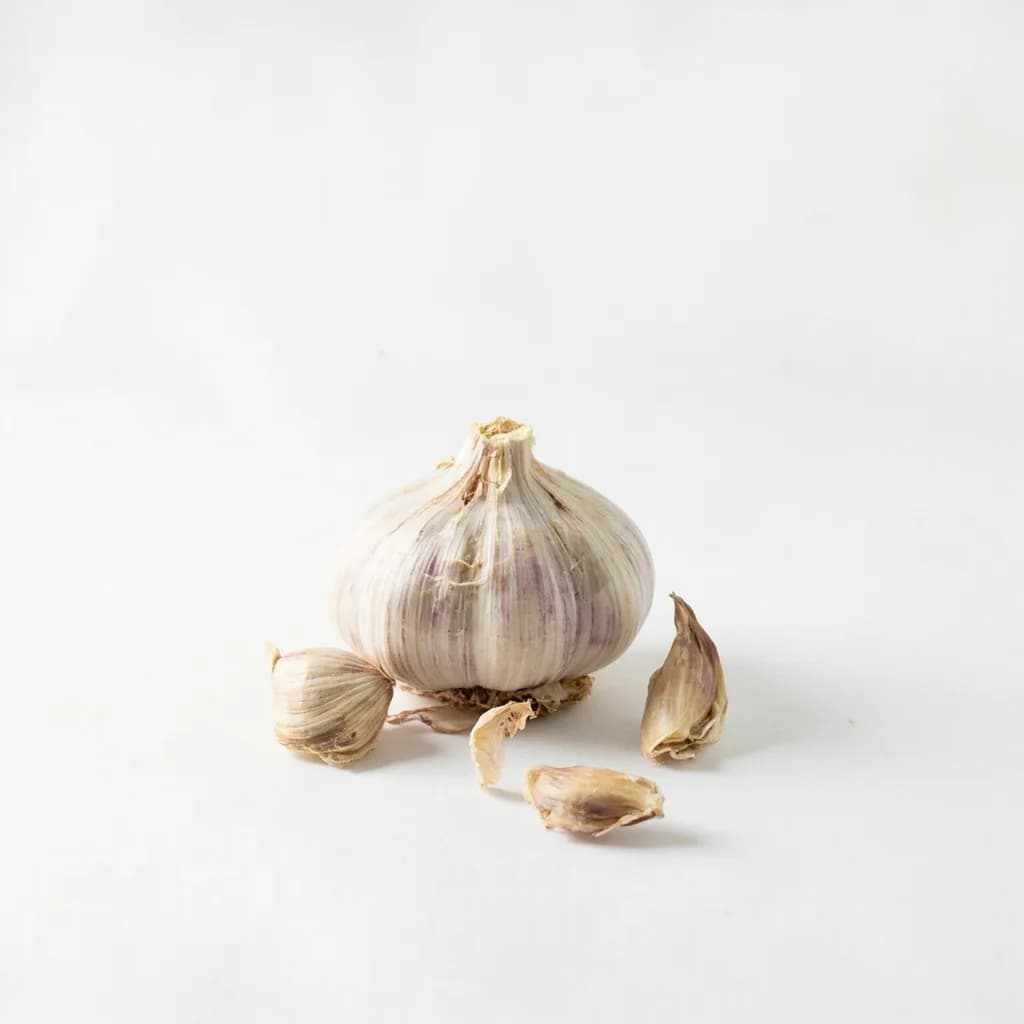
Garlic
Pungent cloves that perfume nearly every savory dish
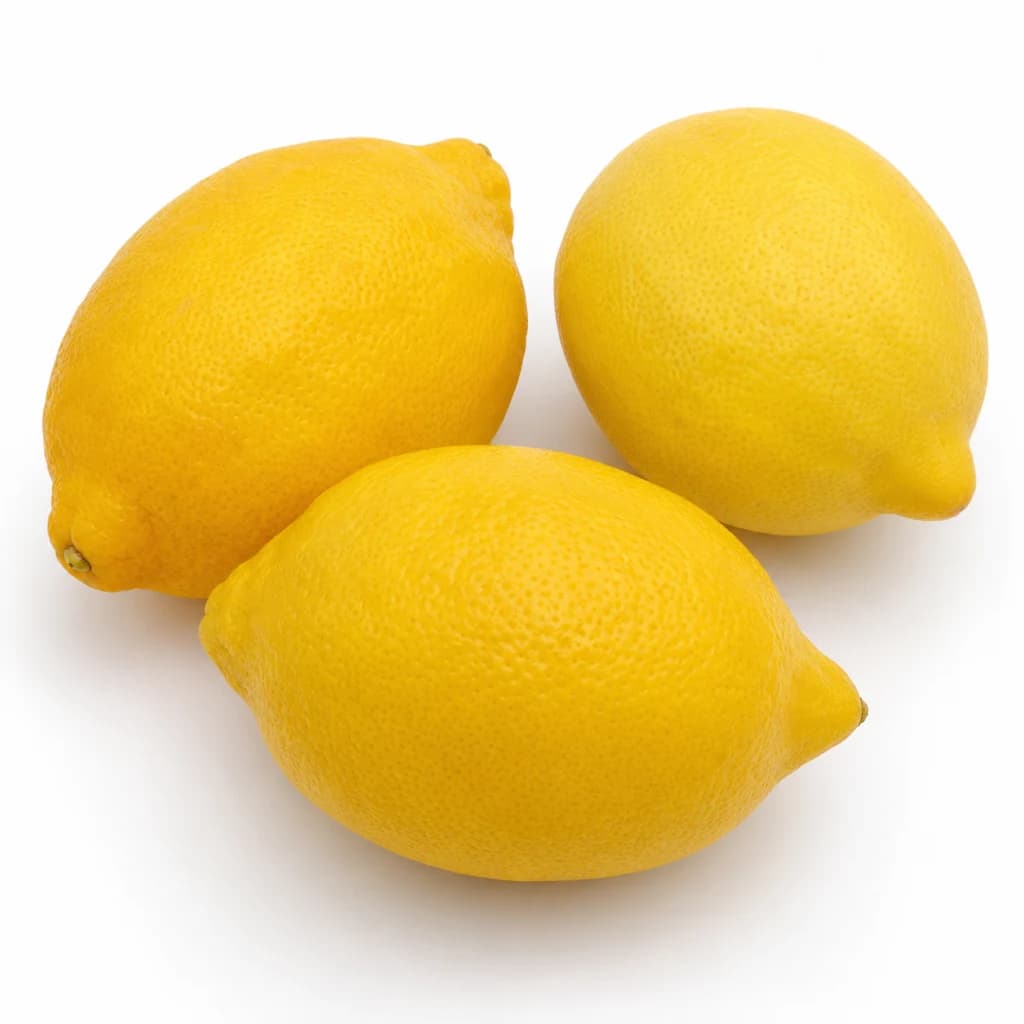
Lemon
Bright, acidic citrus that wakes up almost any dish
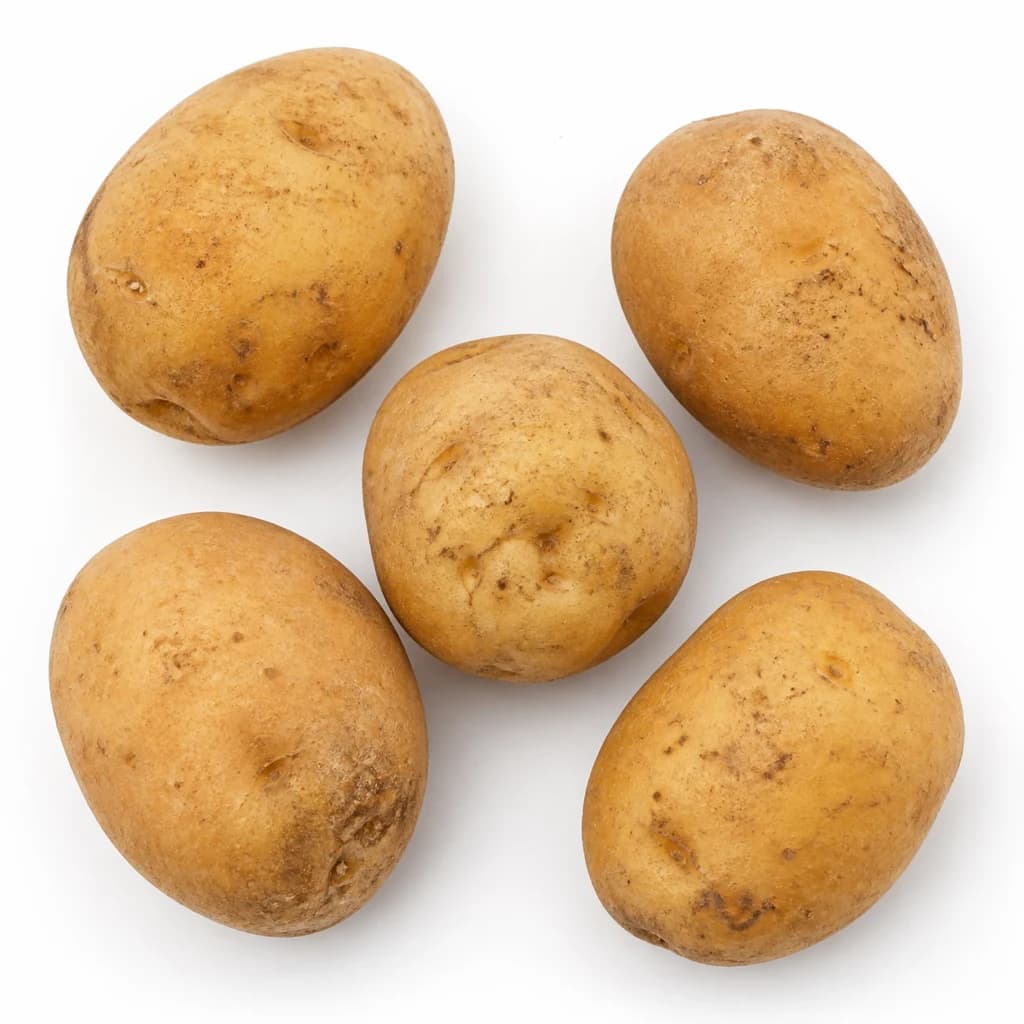
Potato
Humble, hearty staple — roast, mash, fry, or boil
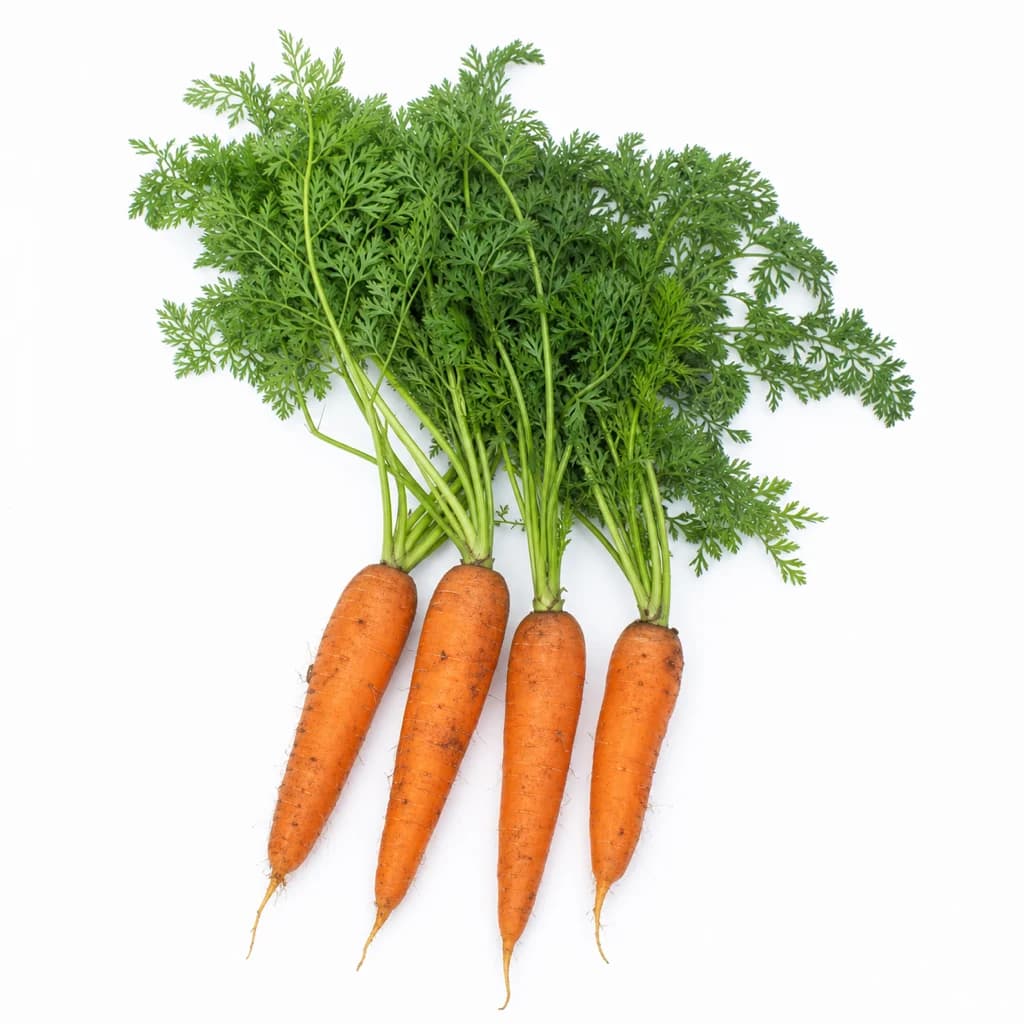
Carrot
Sweet, crunchy root — raw, roasted, or the base of a sofrito
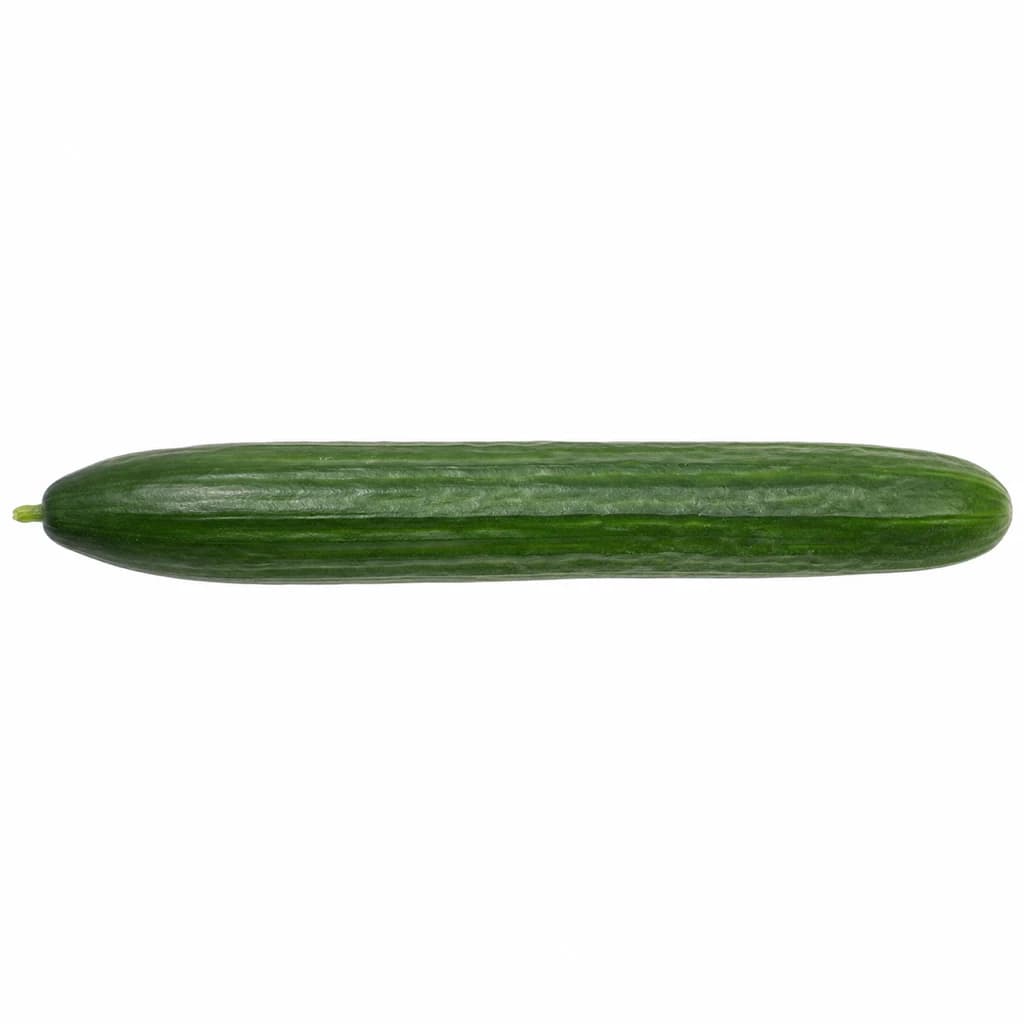
Cucumber
Cool, crisp, and watery — for salads, pickles, and tzatziki

Lettuce
Crisp leaves for salads, wraps, and a fresh crunch