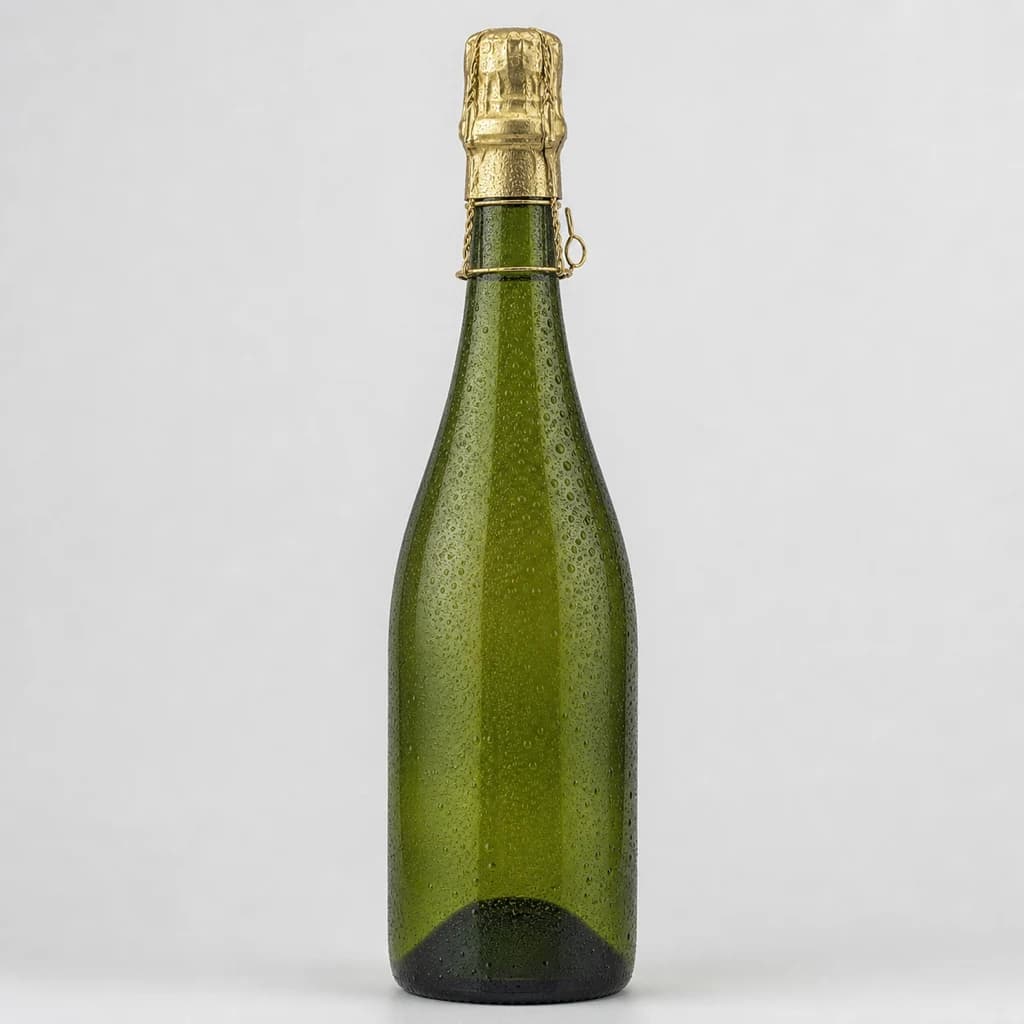
Natural form
A chilled, unopened sparkling wine bottle with wire cage and foil cap intact.
Shows the distinctive muselet, punted base, and bottle silhouette that identify sparkling wine before serving.
Beverages
Sparkling Wine
Festive bubbles for toasting, mimosas, and spritzes
Crisp and effervescent, sparkling wine toasts a celebration, mixes a mimosa, and tops a spritz with bubbles. Prosecco, cava, or champagne — keep it cold and pop with care.
Sparkling wine is a wine made effervescent by a second fermentation that traps carbon dioxide — Champagne is the famous French example, with Prosecco, Cava, and Crémant as popular cousins. Dry styles (brut) taste crisp, citrusy, and yeasty with a fine mousse of bubbles; sweeter styles lean toward apple and honey. In the kitchen, the bubbles bring lightness to batters and the bright acidity lifts sauces and risottos; sparkling wine also makes elegant poaching liquids, granitas, and zabaglione, and deglazes seafood pans with a celebratory crispness. Once flat, it cooks just like a still dry white.
- Measured in
- ml
- Storage
- Refrigerate
Allergens
Find it in
Types & varieties
Méthode traditionnelle, France — fine, yeasty
Italian, fruity, softer bubble
Spanish, crisp, traditional method
French sparkling outside Champagne
How to use in cooking
Use sparkling wine's acidity in risotto, beurre blanc, and seafood pan sauces just as you would still white wine. The carbonation lightens tempura and fritter batters (use it cold and fresh from the bottle). It poaches fruit elegantly, makes a sophisticated granita, and forms the base of a Prosecco zabaglione. There's no need to waste true Champagne — Cava or Prosecco cooks beautifully and costs far less.
How to choose
Use brut (dry) styles for savory cooking; reserve sweeter (demi-sec) for desserts. You don't need vintage Champagne — Prosecco, Cava, or Crémant give all the flavor and fizz for cooking at a fraction of the price. A flat leftover bottle is perfect for sauces.
Common uses
Tips & pitfalls
- Use cold, fresh fizz in batters for lightness.
- Brut (dry) for savory; demi-sec for desserts.
- No need for Champagne — Prosecco or Cava cooks just as well.
- Flat leftovers are ideal for risotto and sauces.
Nutrition
Nutrition
No USDA FoodData Central match for Sparkling Wine yet. We surface a per-100 g profile once a generic whole-food entry is matched and verified.
In the shops
Matched grocery products
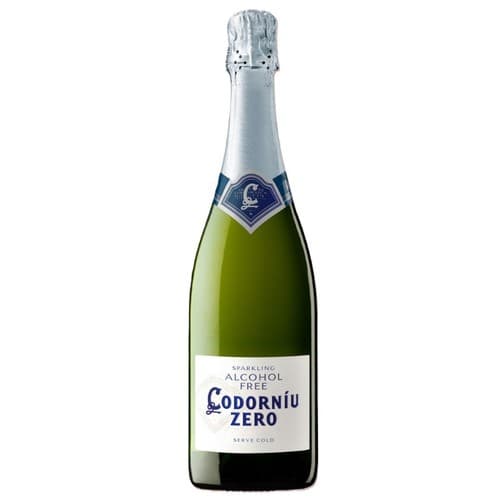 €8.45
€8.45Non-Alcoholic Sparkling Wine 0.0%
CODORNÍU ZERO · Bonpreu
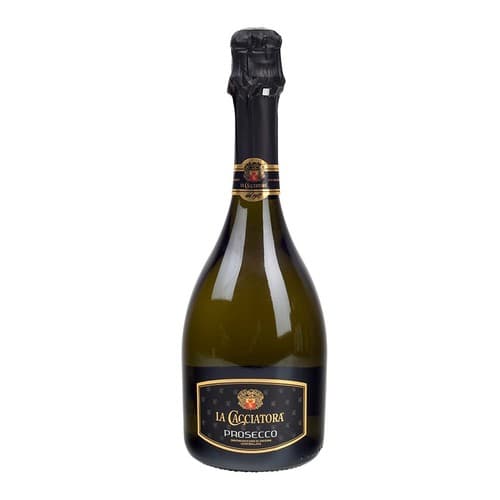 €6.95
€6.95La Cacciatora Prosecco
LA CACCIATORA · l · Bonpreu
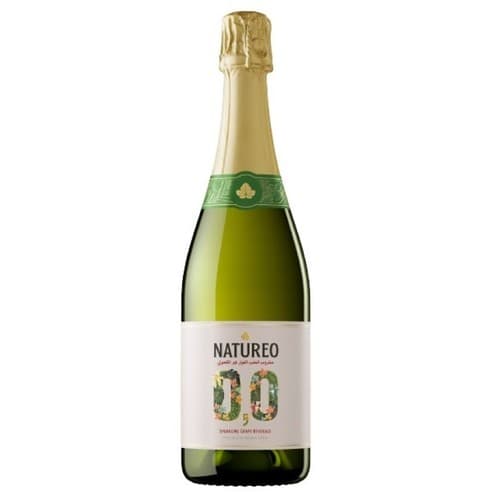 €9.05
€9.05Natureo Alcohol-Free Sparkling Wine 0.0%
NATUREO · l · Bonpreu
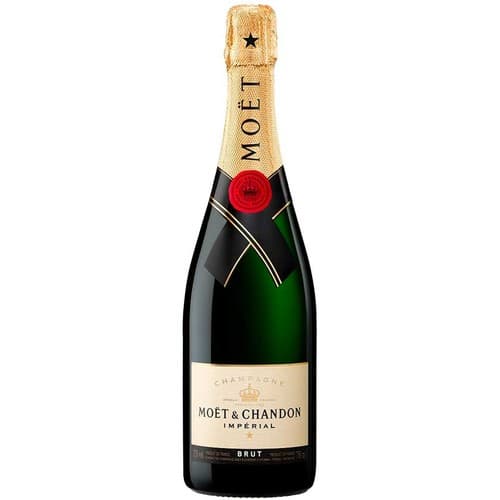 €44.95
Moët & Chandon Brut Champagne
MOET-CHANDON · l · Bonpreu
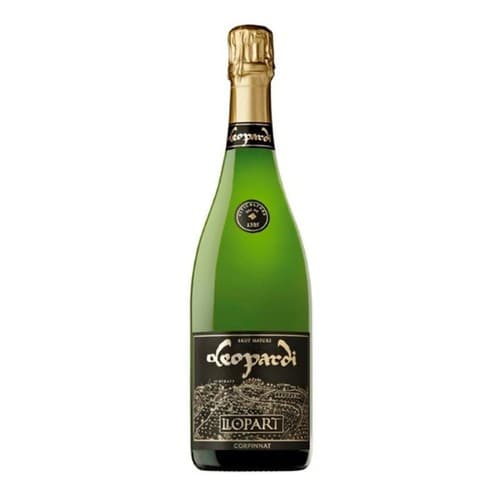 €29.95
Leopardi Brut Nature Organic Sparkling Wine
LLOPART LEOPARDI · l · Bonpreu
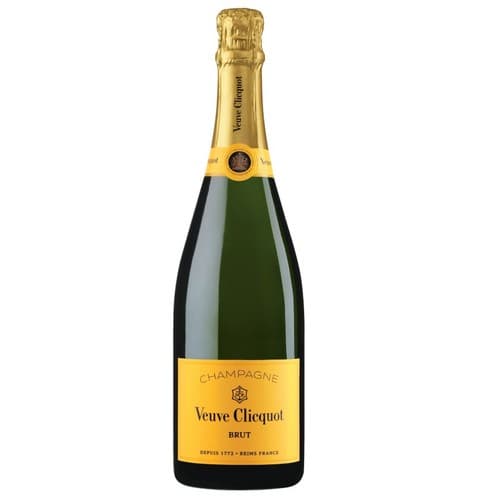 €54.95
Veuve Clicquot Brut Champagne
VEUVE CLICQUOT · l · Bonpreu
Good to know
- Flavor
- Crisp, citrusy, yeasty, lightly bready
- Use in cooking
- Batters, risotto, sauces, granita, zabaglione
- Alcohol?
- Yes — ~11–12.5% ABV
- Substitute base
- Dry white wine, or sparkling water + white wine
- How to store
- Refrigerate sealed; reseal with a stopper; fizz fades fast
Substitutes
- Dry white wine — Loses the fizz but matches the flavor in sauces
- Sparkling water + dry white wine — Restores some lift for batters
- Sparkling apple juice — Non-alcoholic: fizz and fruit for batters and poaching
Also called
sparkling wine · prosecco · champagne · cava · vino espumoso · champán
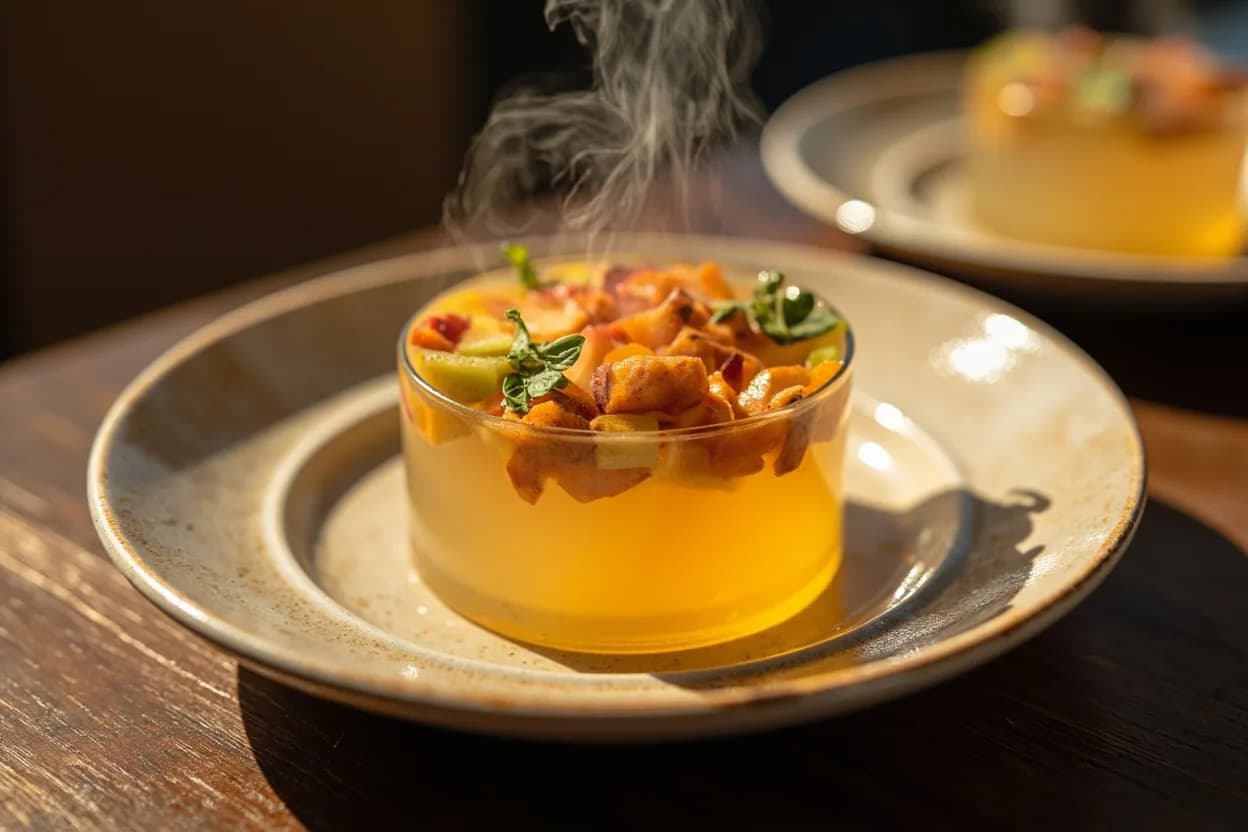
Appears in these dishes
Related

White Rum
Light, clean rum for mojitos, daiquiris, and piña coladas

Dark Rum
Rich, molasses-deep rum for tiki drinks and sipping
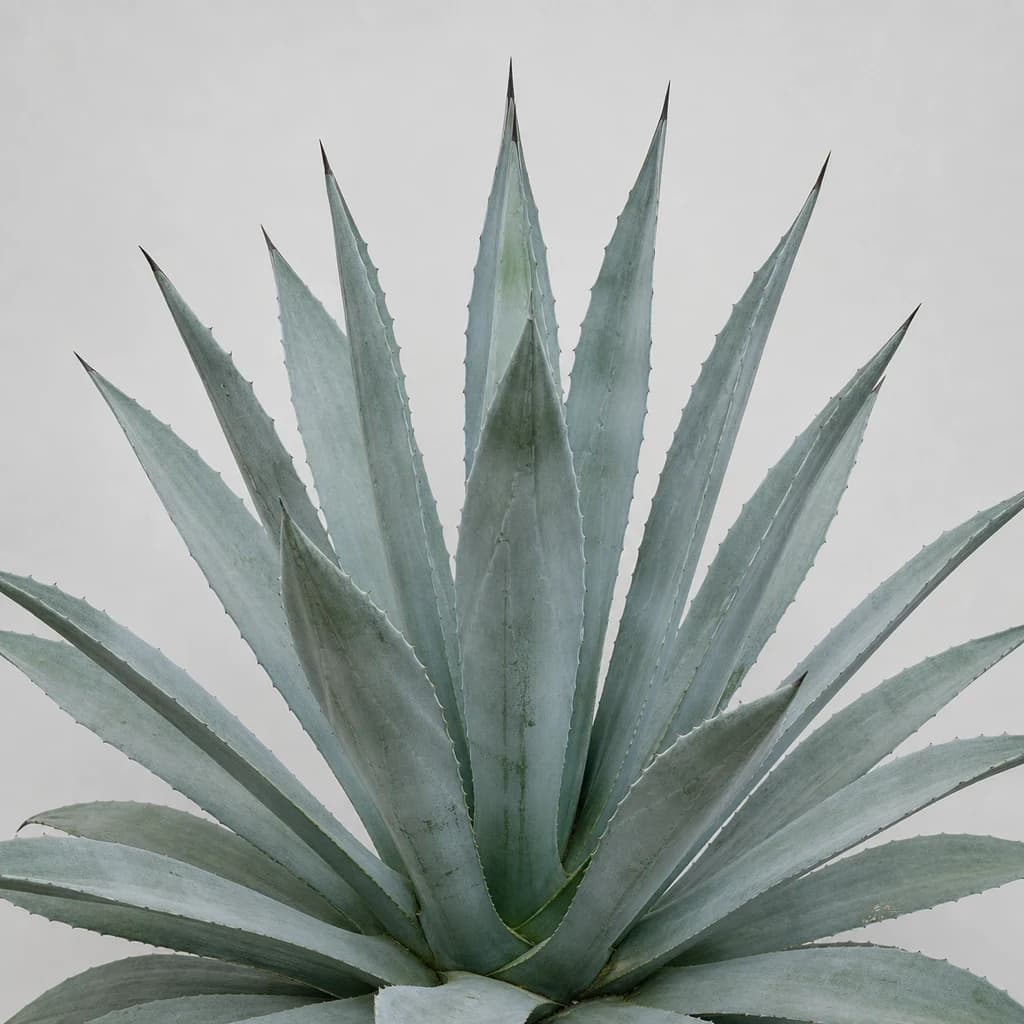
Tequila
Bright agave spirit for margaritas, palomas, and shots
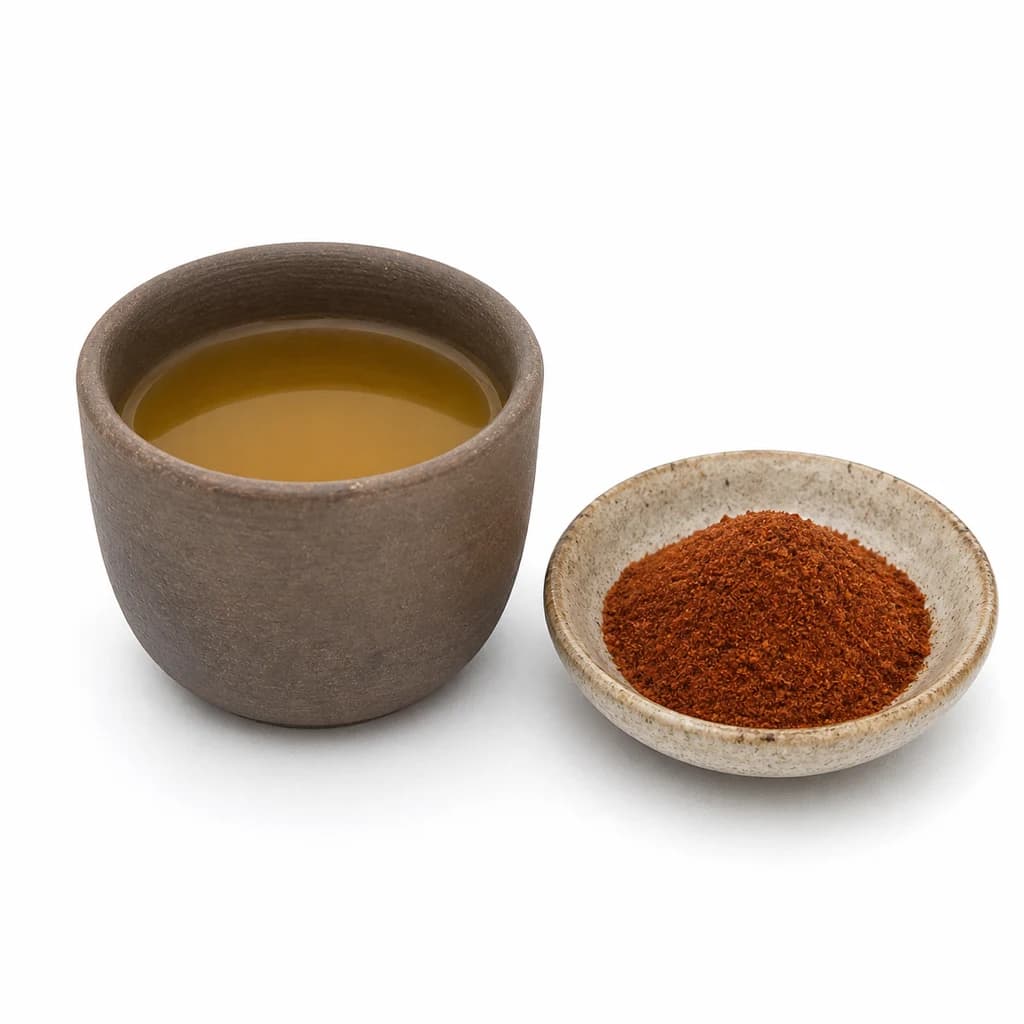
Mezcal
Smoky agave spirit for sipping and smoldering cocktails
Vodka
Clean, neutral spirit for mixing into almost any cocktail
Gin
Botanical, juniper-forward spirit for G&Ts and martinis
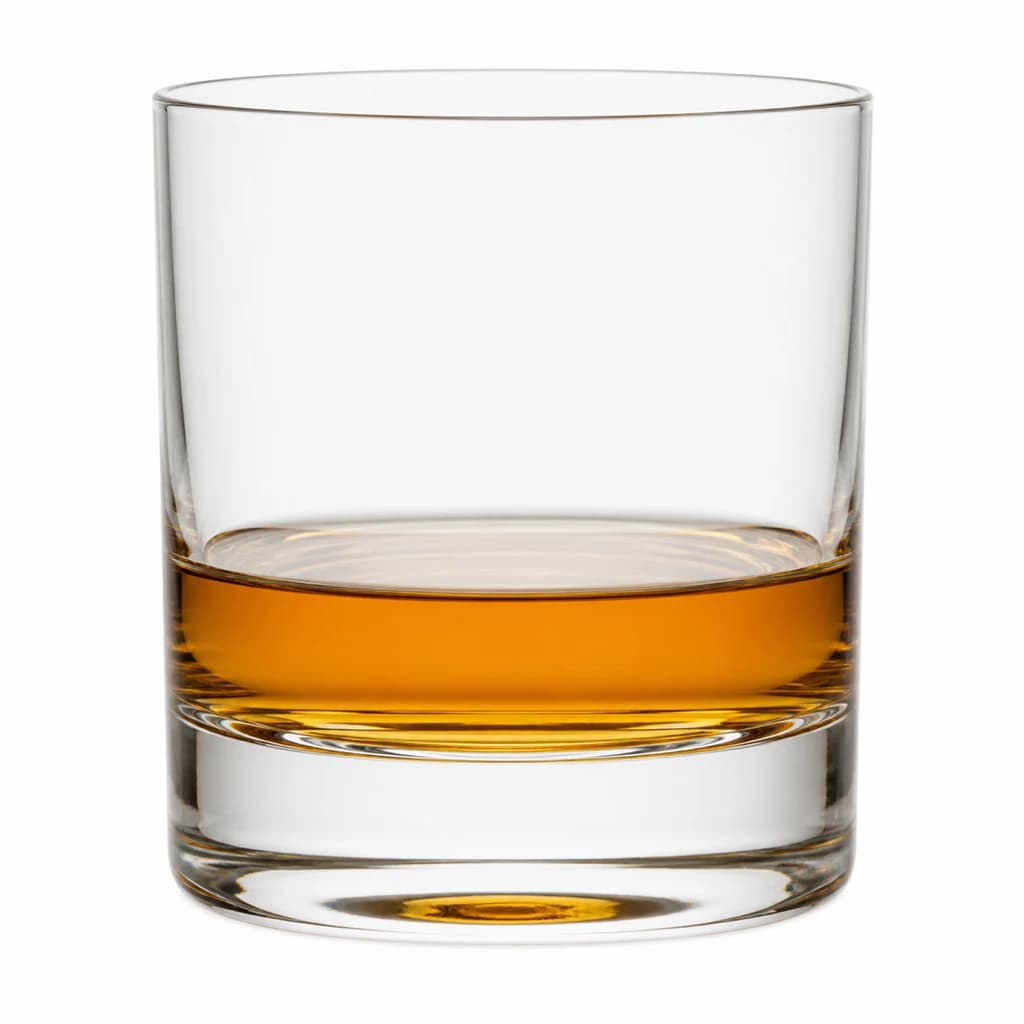
Whisky
Warm, oak-aged spirit for sipping and classic cocktails

Brandy
Rich, fruity grape spirit for sipping, sauces, and flambé