Natural form
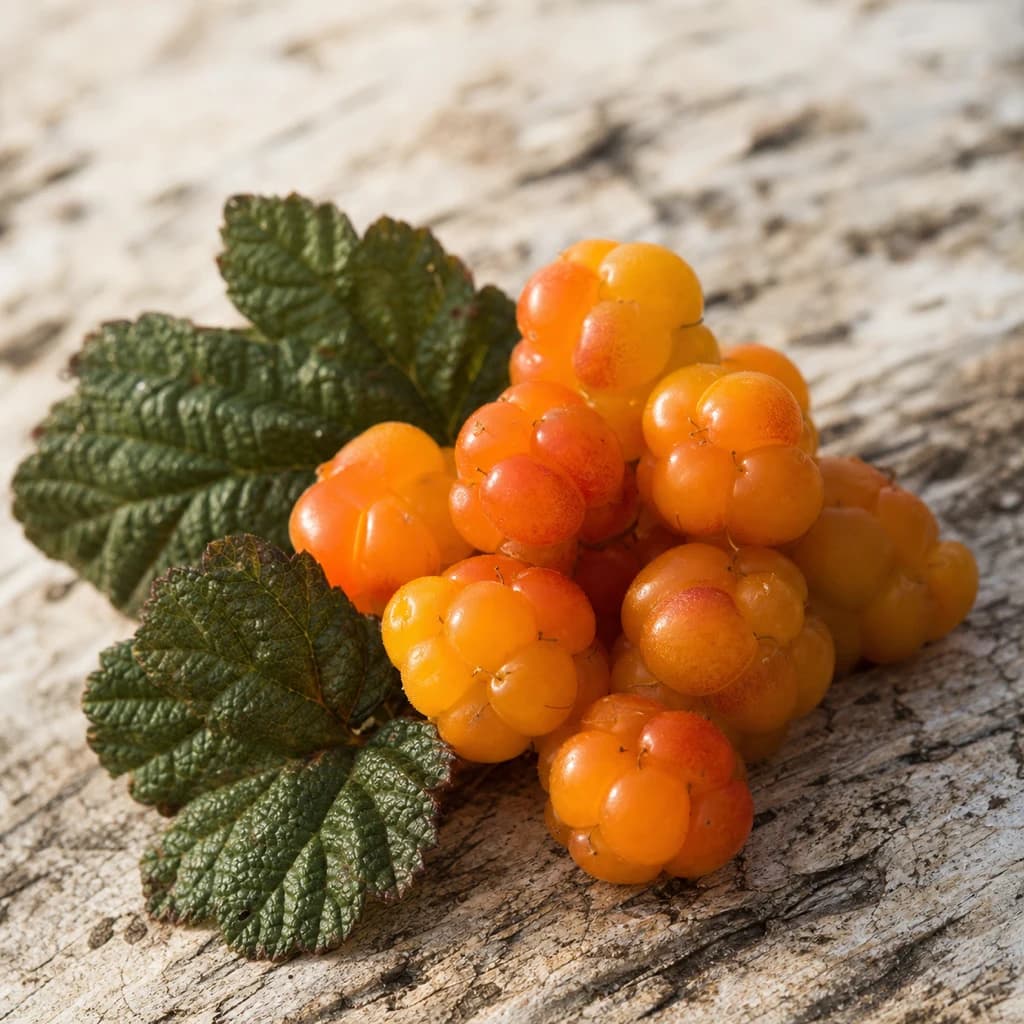
Fresh cloudberries in their characteristic amber-gold color, harvested from Nordic bogs.
Shows the berry's distinctive amber-gold color, rounded drupelets, and small size so readers can recognize it in the wild or at market.
Produce
Cloudberry
Amber Nordic bog berry, tart-sweet, prized for jams, desserts and liqueurs.
Cloudberry is a rare wild berry that grows in northern bogs and tundra across Scandinavia, Finland and the Arctic. The amber-gold fruit has a tart, slightly sweet flavor with notes of honey and apricot. It is most often cooked into jam, served with cheese or whipped cream, and used in Nordic desserts and liqueurs.
Cloudberry (Rubus chamaemorus) is a circumpolar aggregate fruit that grows wild across subarctic and boreal regions of the Northern Hemisphere, from Scandinavia and Scotland to Alaska and northern Canada. It belongs to the Rosaceae family and produces a single amber-golden berry per flowering stem from creeping perennial plants that are dioecious—meaning separate male and female plants, with only the females bearing fruit. This botanical quirk explains why some wild patches are prolific and others entirely barren. The berries grow low to the ground in acidic peat bogs, muskeg, and tundra, typically ripening in July and August. Commercially, virtually all cloudberries come from wild-foraged stands; decades of breeding programs have produced only a handful of named cultivars, and large-scale cultivation remains impractical due to the plant's exacting soil and climate requirements.
Fully ripe cloudberries are tart-sweet with a distinctive honeyed complexity that distinguishes them from more familiar berries. They are at their best when the fruit detaches effortlessly from the stem—resistance means the berry is still underripe and will be unpleasantly astringent. Cloudberry is deeply woven into Scandinavian culinary and cultural identity: it appears on Finnish and Swedish coins, was historically offered as a wedding gift in Norway, and the Old Norse name for the fruit (possibly "kraum") reflects its low-growing habit. Fresh cloudberries are highly perishable, lasting only one to two days at room temperature and up to a week refrigerated, which makes them a genuine luxury outside their source regions—retail prices in Scandinavia routinely reach €20–40 per kilogram or more.
- Measured in
- g
- Storage
- Fridge
Types & varieties
Finnish cultivar developed for commercial cultivation; larger, firmer fruit with good flavor retention
Finnish breeding program variety selected for hardiness and improved fruit quality
Norwegian cultivar with consistent yields under marginal growing conditions
The overwhelming majority of commercial cloudberries come from wild stands; no significant varietal differentiation by region
Cultivation and Harvesting Challenges
Cloudberry's commercial scarcity is not a matter of demand—it is a matter of biology and geography. The plant requires acidic peat soils (pH 3.5–5.0), cool growing seasons, and specific mycorrhizal relationships that are difficult to replicate outside its native range. Even within suitable regions, cloudberry patches are patchy and inconsistent. The dioecious nature of the plant means that at least some male plants must grow near females for pollination by bees and flies, and fruit set is sensitive to late frosts during flowering. Selective breeding programs in Finland and Norway have produced named cultivars (Emma, Sofia, Nyby), but none have enabled large-scale commercial horticulture. Most production remains in the hands of foragers who hand-pick berries from vast northern bogs, a process that is labor-intensive and seasonal. In Finland, traditional foraging rights (jokamiehenoikeus) allow anyone to harvest wild berries on public land, making cloudberry picking a common late-summer activity in rural areas.
- Dioecious plants require both male and female specimens for fruit production
- Pollination depends on insects active in cool boreal climates; cool or rainy weather during bloom reduces yields significantly
- Berries are ready when they detach with zero resistance—a firm pull means the berry is not yet ripe
- Harvesting is done by hand, typically by raking the berries gently from the stem to avoid bruising the delicate fruit
Buying and Storing Cloudberries
Finding fresh cloudberries outside Scandinavia requires effort or premium retail sources. When purchasing, insist on berries that are uniformly amber-golden throughout, with no green, white, or reddish patches. Any green or white coloration indicates incomplete ripeness and an unpleasant, astringent flavor that cooking will not fully remedy. Smell is also informative: a faint honeyed perfume signals ripe fruit, while a flat or sour smell suggests overripe or fermenting berries.
Fresh cloudberries are among the most perishable of all berries. Their thin skin and high moisture content make them vulnerable to mold and textural collapse. Store them unwashed in a single layer on a paper towel-lined tray, loosely covered with plastic wrap, in the coldest part of the refrigerator—this extends shelf life to five to seven days, but no longer. Never wash cloudberries until you are ready to use them, as residual moisture accelerates spoilage dramatically. For practical purposes, buy only what you can use within two to three days of purchase. If you need to keep them longer, spread them on a sheet pan in a single layer and freeze solid, then transfer to airtight containers; frozen cloudberries keep for several months and are excellent for sauces, jams, and baking.
- Uniform amber-gold color is the single most reliable indicator of ripeness and flavor quality
- Refrigerate immediately and store in a single layer to prevent crushing and moisture buildup
- Never wash before storage—dry berries last significantly longer
- Freeze on a sheet pan before transferring to containers for storage beyond a few days
Common uses
Tips & pitfalls
- Select berries that are uniformly amber-golden with no green, white, or red patches; any resistance when you pull the berry from the stem signals underripeness and astringent flavor
- Refrigerate fresh cloudberries immediately and use within two to three days for best quality; they degrade rapidly at room temperature
- Do not wash cloudberries until immediately before use—excess moisture is the fastest path to spoilage
- For jams and preserves, add lemon juice or a small amount of commercial low-methoxyl pectin; cloudberries are naturally low in pectin and will not set reliably on their own
- Cook cloudberry sauces briefly over moderate heat with just enough sugar to balance acidity—overcooking destroys the delicate honeyed notes that define the berry's character
- If using frozen cloudberries in baking, thaw only partially and fold them in gently to prevent the berries from releasing excess juice and making the filling watery
- Expect cloudberry pies and tarts to have a softer, more collapsed filling than raspberry equivalents; the hollow center structure means the berries lose definition when cooked
- Store cloudberries in a heavy sugar syrup (approximately 55–60% sugar by weight) if preserving them for months; this is the traditional Scandinavian method and better preserves flavor than freezing alone
- When making cloudberry liqueur or aquavit, use ripe berries or freeze them first to crack the cell walls—the alcohol extracts flavor more effectively from partially broken-down fruit
Nutrition
Nutrition
No USDA FoodData Central match for Cloudberry yet. We surface a per-100 g profile once a generic whole-food entry is matched and verified.
In the shops
Matched grocery products
No matched grocery products for Cloudberry yet.
Good to know
- Scientific Name
- Rubus chamaemorus
- Family
- Rosaceae (rose family)
- Origin
- Subarctic and boreal regions of the Northern Hemisphere
- Primary Growing Regions
- Scandinavia (Finland, Norway, Sweden), Russia, Canada, Alaska, Scotland, Iceland
- Growing Habitat
- Bogs, muskeg, tundra, acidic peat soils
- Harvest Season
- July to August in the Northern Hemisphere
- Ripe Color
- Amber-golden; red when unripe
- Flavor
- Tart with honeyed sweetness when fully ripe; acidity dominates when underripe
- Perishability
- 1–2 days at room temperature; up to one week refrigerated
- Plant Type
- Perennial creeping shrub, dioecious (separate male and female plants)
- Typical Form
- Aggregate fruit, slightly larger than a raspberry, hollow center
- Price
- Premium pricing; fresh berries €20–40+ per kilogram in Scandinavia
Substitutes
- Raspberry — Closest in texture and acidity-sweetness balance; lacks cloudberry's honeyed complexity but works in nearly every application
- Lingonberry — Similar tartness and strong regional association; the flavor is more assertively sour and lacks cloudberry's sweetness depth
- Red Currant — Comparable tartness and visual similarity; works in preserves and sauces but the flavor profile is significantly different
- Apricot — Similar honeyed-tart balance in cooked applications; texture is quite different and apricot does not collapse the way cloudberries do in baking
Pairs with
Also called
Lakka · Hilla
Appears in these dishes


Related
Tomato
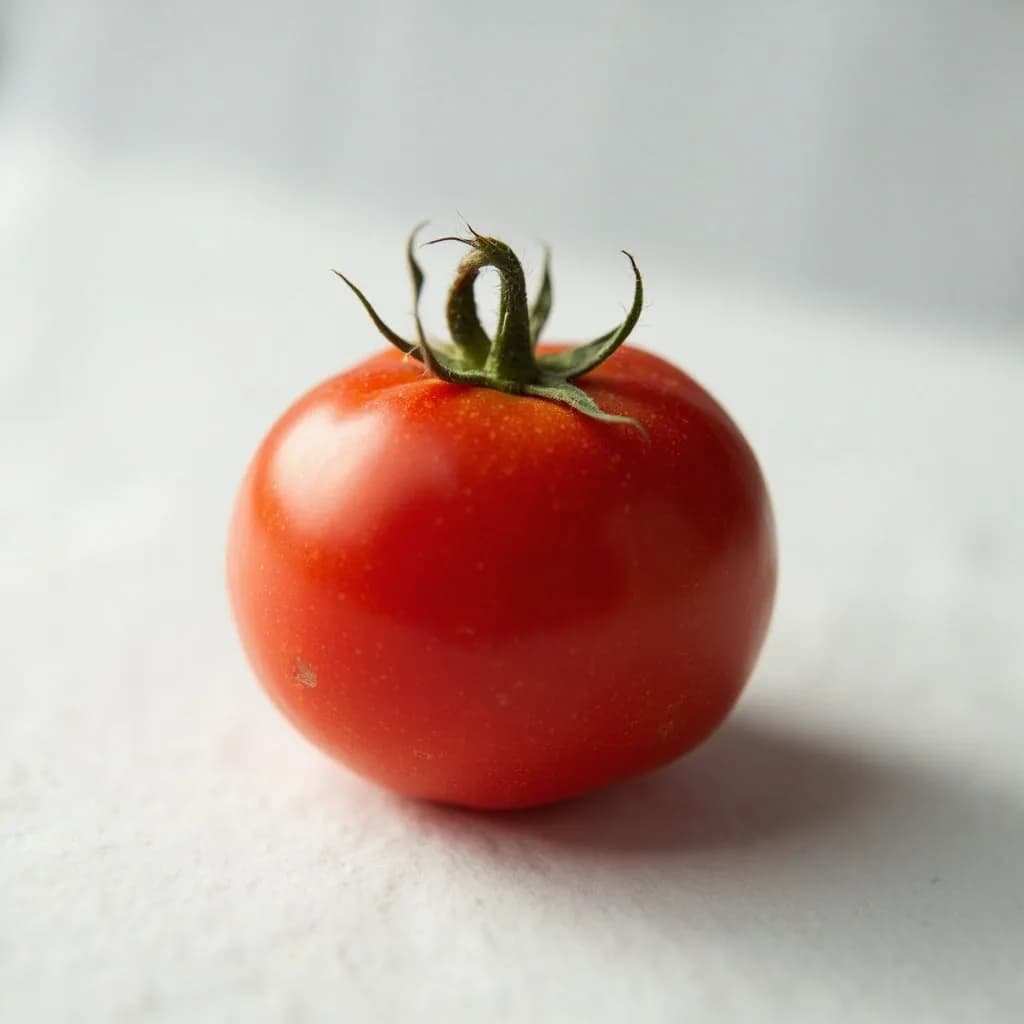
Juicy, sun-sweet fruit for sauces, salads, and slow-cooked depth
Yellow Onion
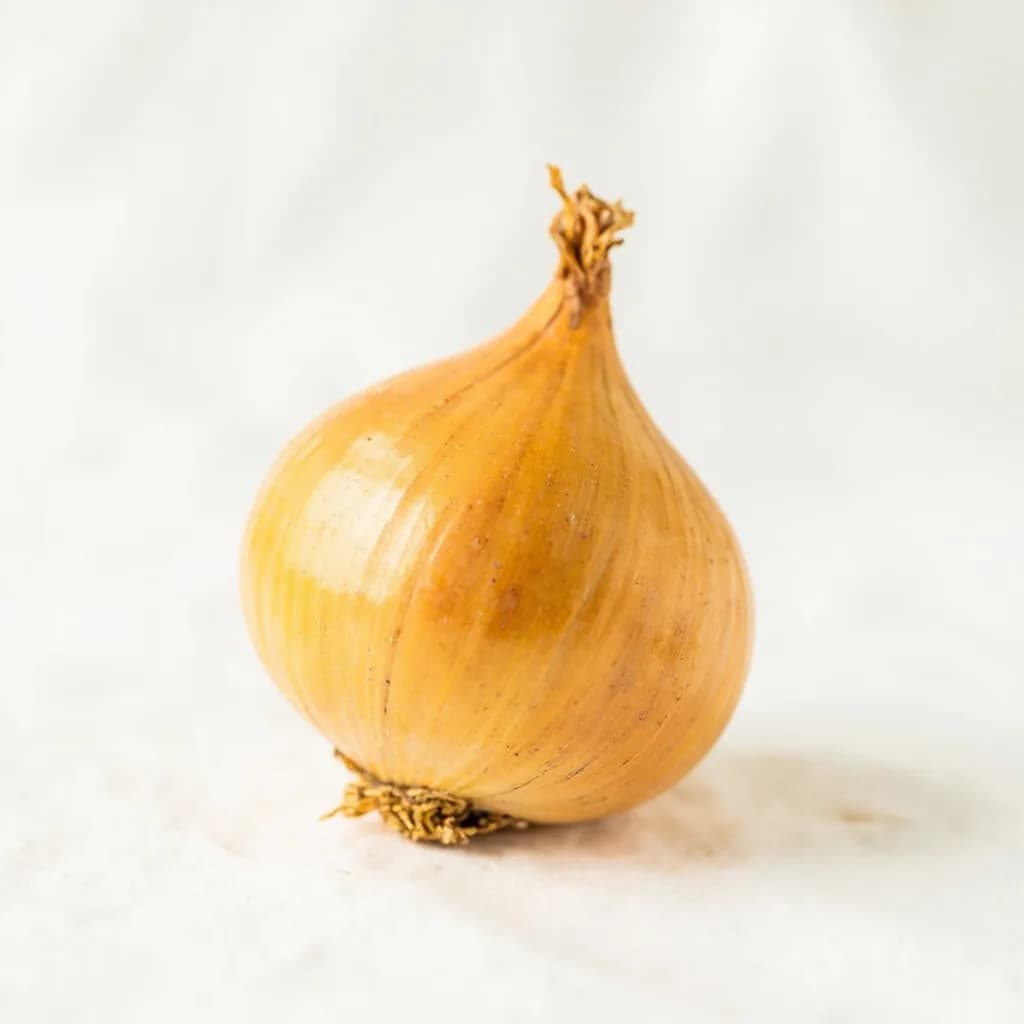
The aromatic backbone of soups, sofritos, and braises
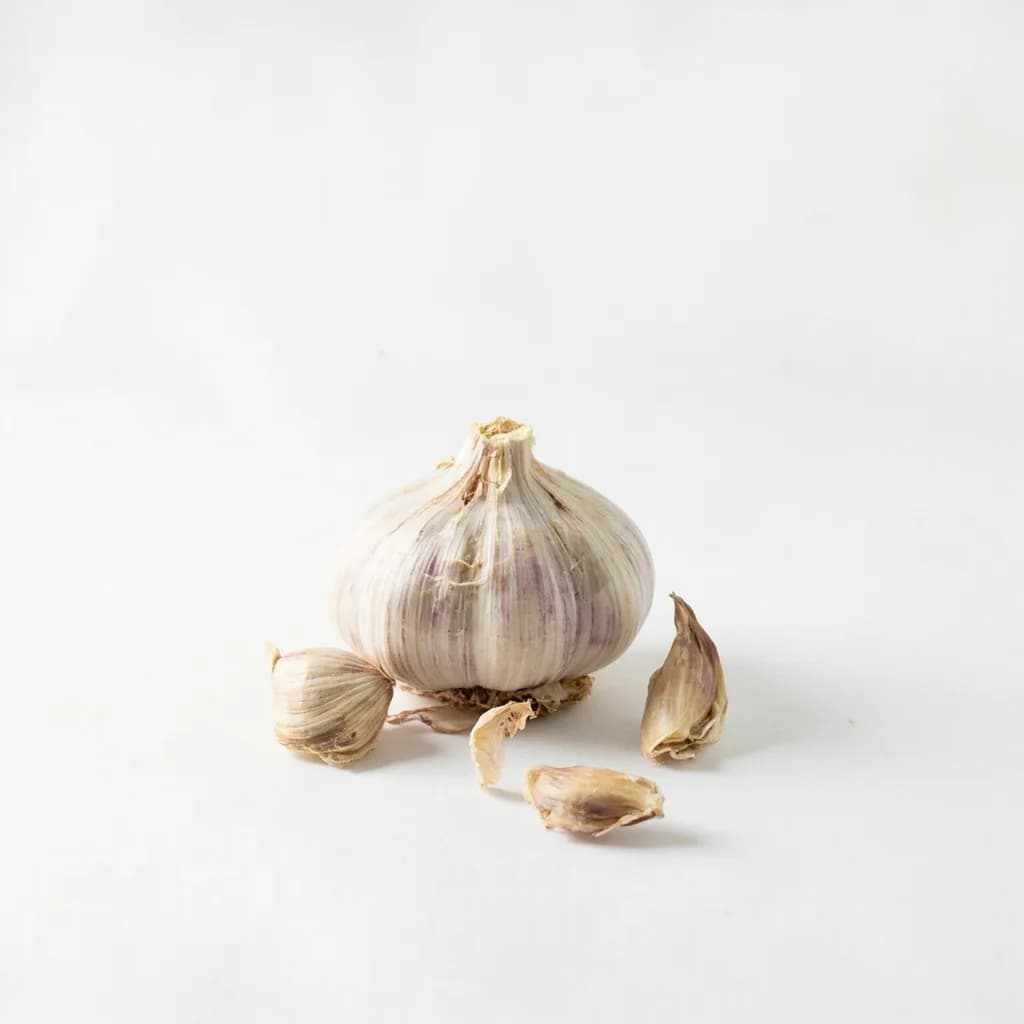
Garlic
Pungent cloves that perfume nearly every savory dish
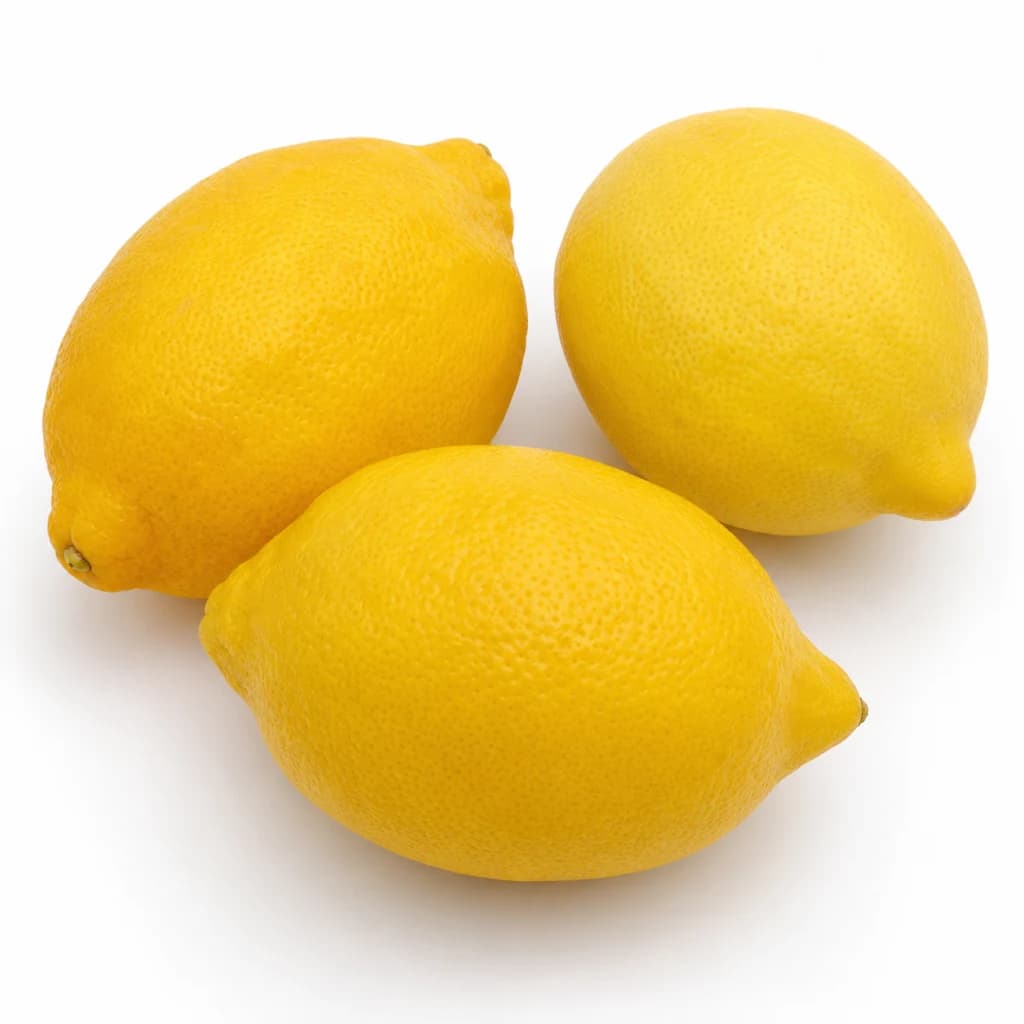
Lemon
Bright, acidic citrus that wakes up almost any dish
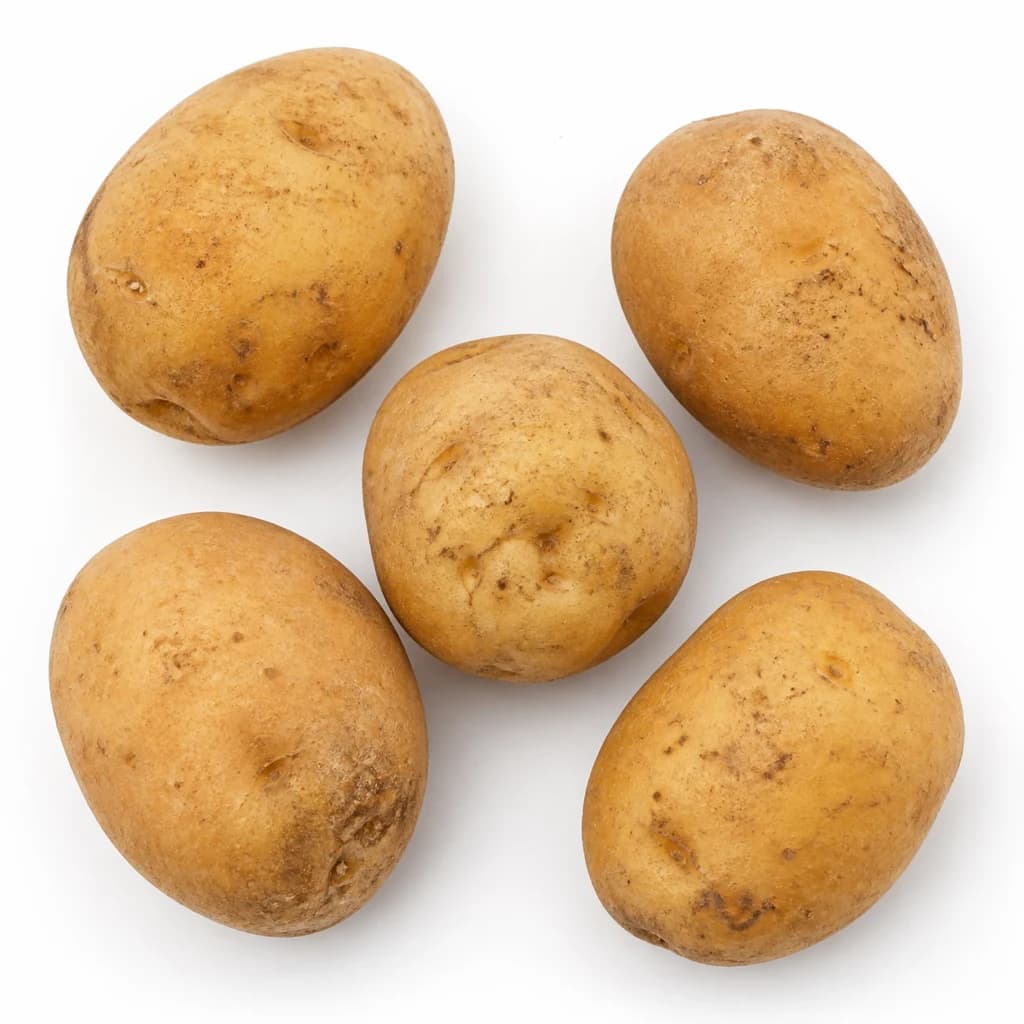
Potato
Humble, hearty staple — roast, mash, fry, or boil
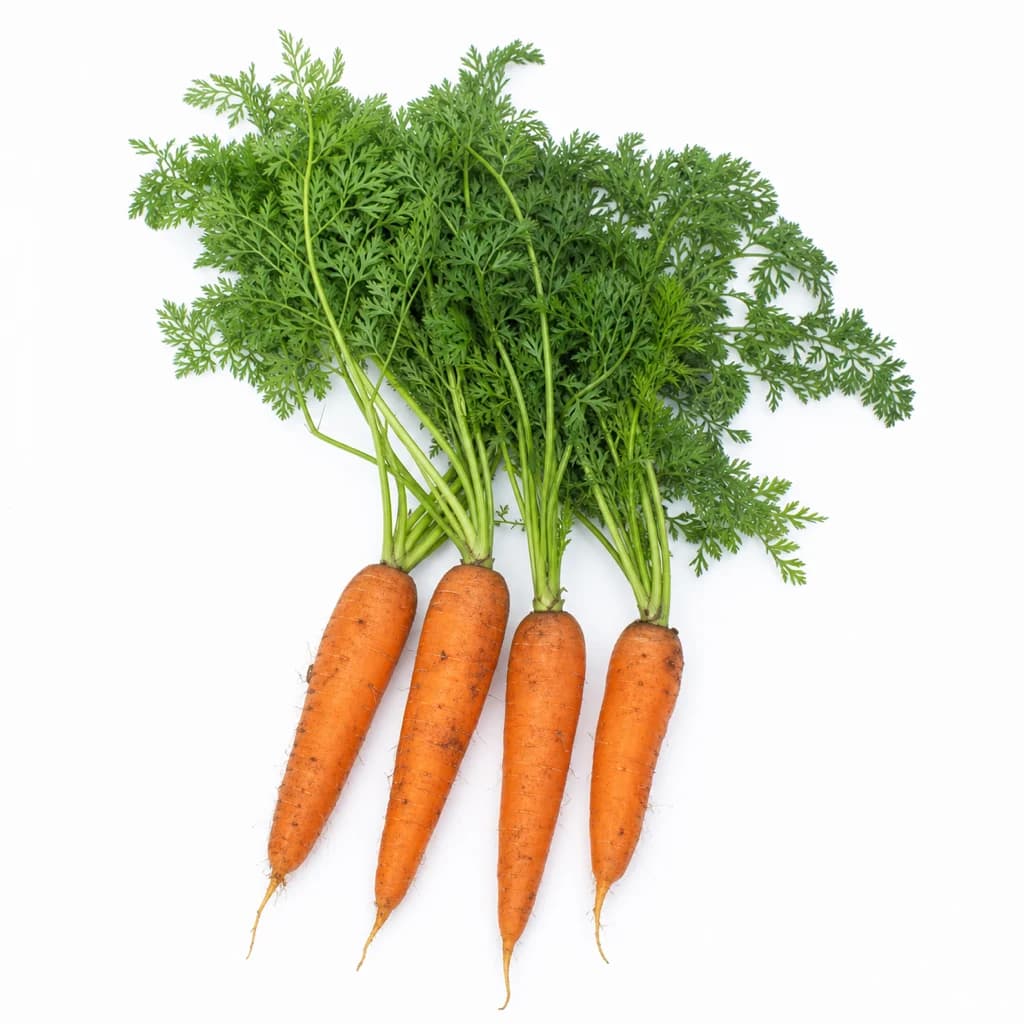
Carrot
Sweet, crunchy root — raw, roasted, or the base of a sofrito
Cucumber
Cool, crisp, and watery — for salads, pickles, and tzatziki

Lettuce
Crisp leaves for salads, wraps, and a fresh crunch