Proteins
Reindeer (Poro)
Lean, dark, gamey northern game meat central to Sámi and Nordic cooking, sautéed or braised.
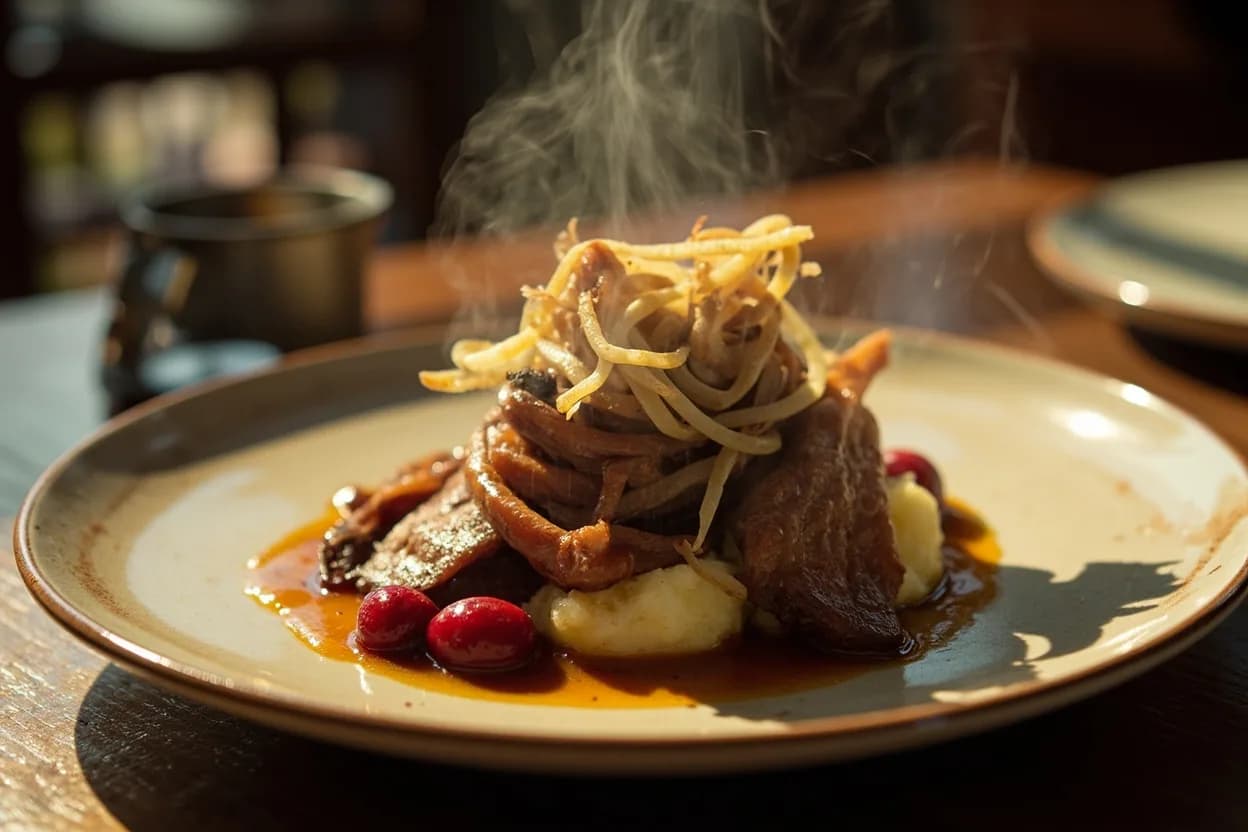
Reindeer (poro in Finnish) is the meat of semi-domesticated reindeer, a staple of Sámi and far-northern Nordic cuisine. It is very lean, dark, and tender with a clean, mildly gamey flavor, classically thin-sliced and sautéed for poronkäristys (sautéed reindeer) served with mashed potato and lingonberry. It is also smoked, dried, or made into sausage.
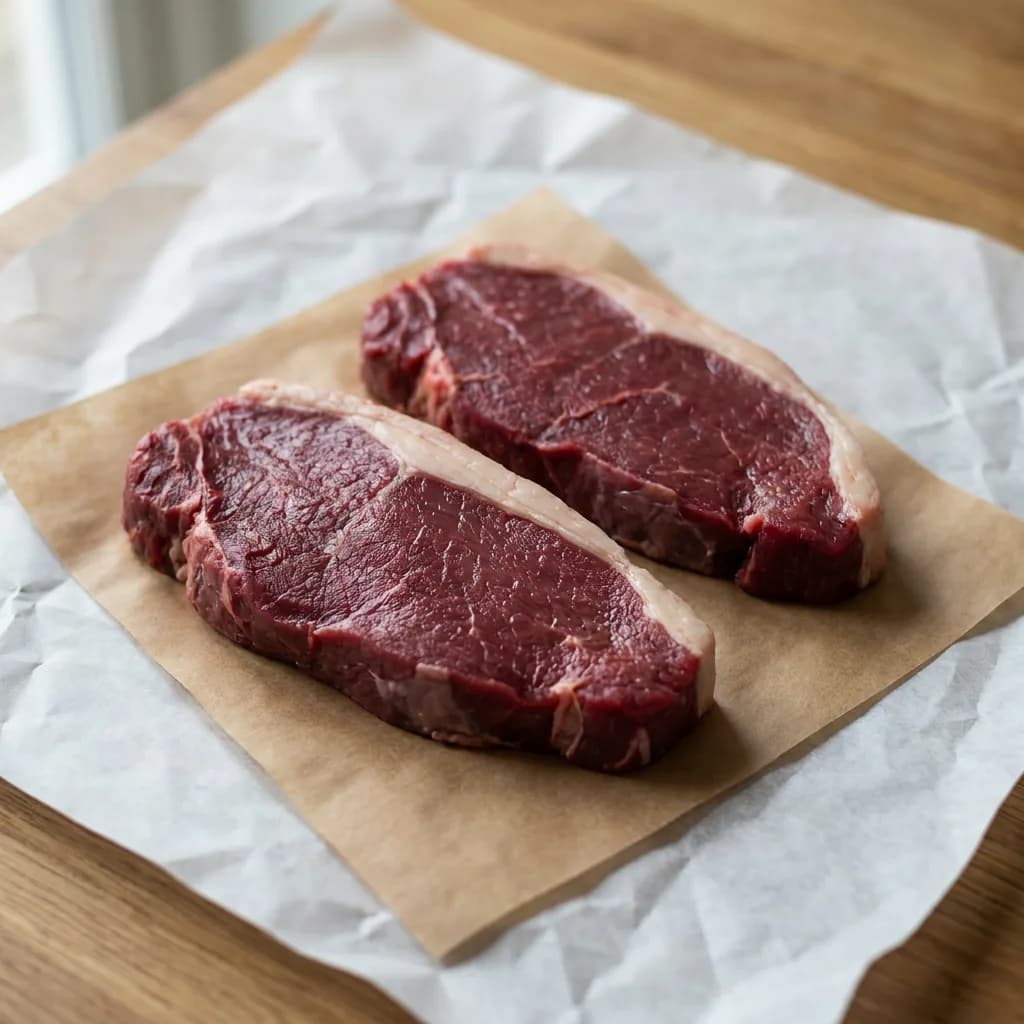
Reindeer (known as poro in Finnish; boazu in North Sámi) is a cervid game meat central to the culinary traditions of Sápmi—the ancestral Sámi territories spanning northern Norway, Sweden, Finland, and Russia—and to broader Nordic food culture. The meat comes from semi-domesticated herds raised under controlled conditions in Scandinavia or from wild herds hunted in Arctic and subarctic regions. Reindeer is exceptionally lean—comparable to skinless chicken breast—with only 3–5% intramuscular fat, making it far leaner than beef or pork. Its deep red-to-purple color reflects high myoglobin content, and the flavor is rich and savory with distinctly wild notes that are gamey without being overpowering, unlike venison from larger deer. The fine-grained, firm texture is tender when cooked correctly but turns chewy if overcooked. Beyond its culinary appeal, reindeer is nutritionally dense: high in iron, vitamin B12, and zinc with lower saturated fat than conventional red meats. In Finland, reindeer husbandry is a regulated industry harvesting around 200,000 animals annually, and the meat appears in everything from quick weeknight preparations to preserved traditional foods.
The lean character of reindeer is both a virtue and a challenge. Because there is little internal fat to baste the meat during cooking, the key techniques are adding external fat (butter, lard, bacon fat), cooking to precise internal temperatures, and allowing adequate rest time. The lean meat seasons generously and benefits from bold companions—lingonberries, juniper, mustard, and dark rye are canonical pairings. Reindeer is sold in various forms: fresh cuts (loins, steaks, shoulder, ground), dried and cured for charcuterie, smoked over birch, and as ready-to-heat preparations like Finnish poronkäristys. When purchasing fresh reindeer, seek deep red color with minimal surface moisture; greyish-brown discoloration indicates age. The meat's versatility spans quick sautéing, low-and-slow braising, high-heat searing, grinding into burgers or meatballs, and serving cured as part of a cold cuts plate.
Reindeer's role in Sámi cuisine extends beyond fresh meat. Traditional preparations include immellett (air-dried reindeer strips that concentrate flavor and keep without refrigeration), which can be eaten raw as a protein-rich snack or reconstituted in soups. This preservation heritage reflects the practical wisdom of Arctic communities: the meat keeps when fresh keeping is impossible. Today, reindeer moves comfortably between traditional contexts—Sámi firikkalous stews, Finnish open-faced sandwiches—and contemporary preparations like carpaccio, pasta ragù, and grilled sausages. The cook's primary task is respecting the leanness: prevent sticking, add richness through sauce or finishing fat, and never overcook.
- Measured in
- g
- Storage
- Fridge
Types & varieties
Hunted in Arctic and subarctic regions; slightly leaner, more intense flavor; seasonal availability limited to hunt periods
Raised extensively in Finland, Norway, Sweden; controlled diet gives more consistent quality year-round; mildly gamey flavor
Air-dried in cold climates; sliced thin for jerky-style eating; intensely concentrated flavor; keeps weeks without refrigeration
Cold-smoked over birch; sliced for charcuterie; rich, lightly smoky character pairs well with dark bread
Salt-cured and sometimes peppered; similar to cured beef; used in sandwiches, salads, and cold plates
Ground reindeer with pork back fat and spices; popular throughout Scandinavia; casings stuffed and link-formed for grilling or pan-frying
Coarsely or finely ground; sold fresh or frozen; versatile for burgers, meatballs, and sauces
Buying and Selecting Fresh Reindeer
When purchasing fresh reindeer cuts, look for deep ruby-red to purple coloration with minimal surface moisture. The meat should feel firm with no signs of greyness or browning at the edges. Reindeer loin and tenderloin are the most prized cuts—small, compact muscles that stay tender. Shoulder and chuck are tougher but ideal for braising and benefit from slow cooking. Steaks are typically cut 150–250g each from the loin or leg. In Scandinavia, look for poronkäristys packs (pre-sliced sauté strips ready to heat) at Nordic markets—a convenient weeknight shortcut. Outside Scandinavia, specialty game suppliers and some butchers can order reindeer on request.
- Look for deep red-to-purple color; avoid any greyish-brown discoloration indicating age
- Firm texture with minimal surface moisture; wet or weepy meat suggests poor handling
- Ask your butcher to cut to order if possible—pre-packaged cuts may have been frozen and thawed
- For braising, buy bone-in shoulder or chuck; for quick cooking, specify loin steaks or tenderloin medallions
- If buying ground reindeer, check the fat content label—some producers add pork fat for moisture and flavor
Understanding Reindeer's Lean Character
Reindeer's leanness—3–5% intramuscular fat—is its defining nutritional advantage and its primary cooking challenge. Unlike marbled beef, reindeer has no internal fat to baste itself during cooking, so the meat can easily stick to hot pans and dry out. The practical implications are straightforward: add external fat, cook to precise temperatures, and finish with richness. Butter is the classic choice—its milk solids caramelize at high heat and its emulsified water content creates the classic Nordic finish when basting. Lard or bacon fat work equally well. For braises and stews, incorporating the fat into the cooking liquid or building a roux-based sauce adds necessary body. The lean meat also benefits from bold seasoning; without fat to carry flavor, undersalted reindeer tastes flat.
- Never cook reindeer in a dry pan—use enough fat to coat the surface
- The lean meat carries seasoning poorly; be generous with salt and pepper
- Fatty companions—cream sauces, butter basting, bacon—improve the finished dish significantly
- Marinades with oil help somewhat, but the meat's low fat content means it won't absorb much
Traditional Sámi Preparations
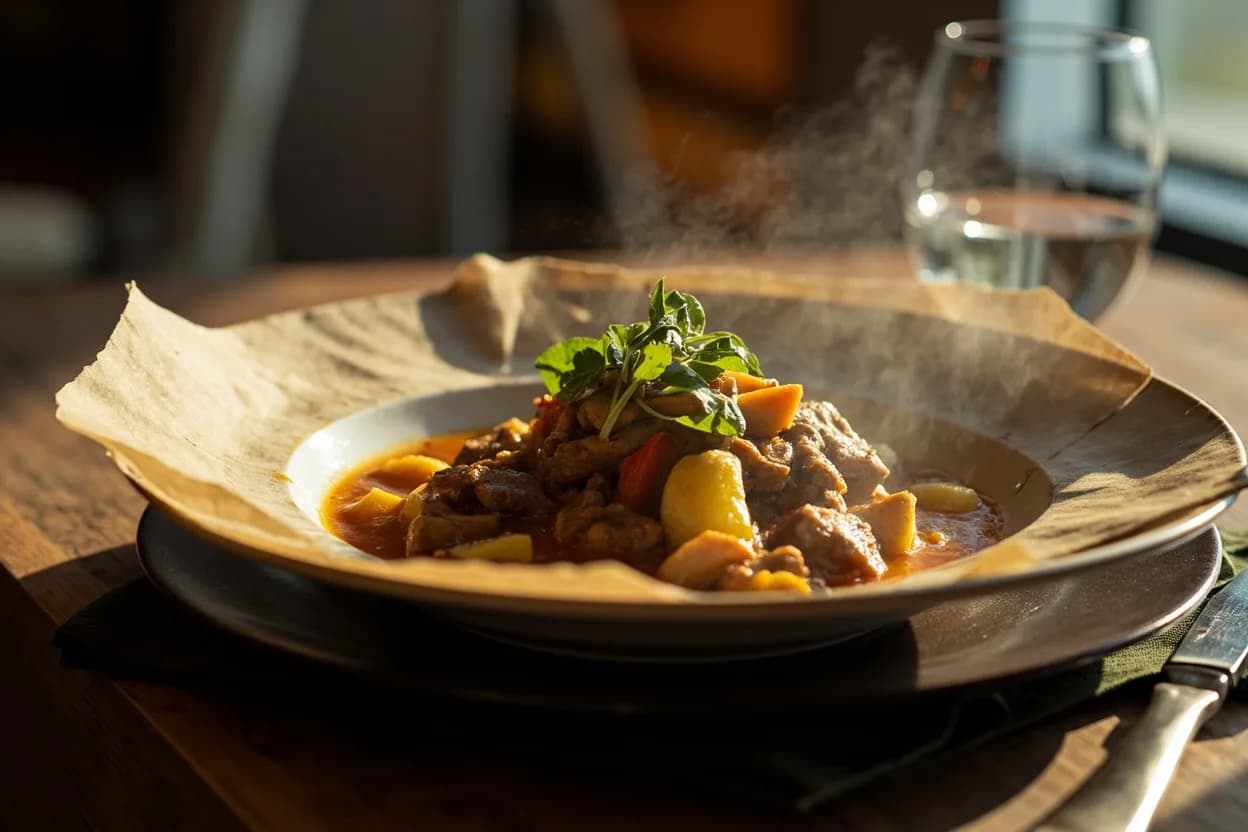
Sámi cuisine offers the deepest understanding of reindeer cookery. The traditional firikkalous (reindeer stew) uses tough shoulder or chuck, browned hard and then braised for hours in stock with root vegetables until fork-tender. Dried reindeer (immellett) represents another pillar: strips of lean meat air-dried in the cold Arctic climate develop an intensely savory, chewy character that can be eaten raw as trail food or reconstituted in soups. In Finland, poronkäristys—thin strips of reindeer sautéed quickly in butter with onion and served over mashed rutabaga—is the quintessential home-cooking preparation, now also sold as a ready-heat product. These traditional methods are not quaint relics; they are precisely calibrated to the meat's lean character. The long braise breaks down collagen in tough cuts; the quick sauté respects the tenderness of loin cuts; the drying concentrates flavor in a lean meat that needs amplification.
- Firikkalous (stew) rewards patience—low heat, long time, and generous fat in the broth
Reindeer as Charcuterie
Reindeer's lean character makes it excellent for charcuterie when properly handled. The meat cures quickly due to low fat content and takes smoke well. Smoked reindeer sliced thin over dark rye with butter and mustard is a classic open-faced sandwich foundation. Cured reindeer loin—salted and sometimes peppered—parallels cured beef in texture and use. Reindeer sausage, seasoned with allspice, pepper, and often containing pork back fat for moisture, is widely available in Scandinavia and excellent grilled or pan-fried. The fat content in sausage solves the leanness problem naturally; the pork fat keeps the meat moist and adds richness that pure reindeer lacks. When buying reindeer charcuterie, look for firm texture, vibrant color, and clean smoky or cured aroma without staleness.
- Smoked and cured reindeer keep refrigerated 2–4 weeks; freeze for longer storage
- Reindeer sausage fat content varies—check labels if you want leaner or fattier product
Common uses
Tips & pitfalls
- Use a meat thermometer and pull reindeer from heat at 52–55°C for rare, 57–60°C for medium-rare. Carryover cooking raises internal temp 2–3°C after removal—plan accordingly.
- Rest the meat 5–10 minutes loosely tented with foil before slicing against the grain. This allows juices to redistribute; slicing too soon loses moisture.
- Add fat during cooking—butter, lard, or bacon fat—prevents sticking and adds moisture to this lean meat. A cold butter baste (nappe) at the end enriches the finish significantly.
- Braising is foolproof for reindeer: sear the meat hard in a heavy Dutch oven, then cook covered in liquid at 160–175°C for 2–3 hours until fork-tender. The low fat makes long cooking forgiving.
- Do not pound or mechanically tenderize reindeer—the fibers are already tender and physical impact turns the texture mushy.
- When sautéing, keep the pan hot and cook in batches if necessary—crowding steams rather than sears and causes the meat to release juices into the pan instead of caramelizing.
- Marinate briefly (30 minutes to 2 hours) in acid only if braising; long acid marinades toughen lean cuts. Enzyme marinades (kiwi, pineapple) are even riskier and can turn meat to paste.
- Dried reindeer is intensely flavored—thin slices go far. Reconstitute in warm water for 20 minutes for soups, or eat as-is as a savory snack.
- Season generously—lean meat needs salt to develop flavor. A crust of crushed black pepper or juniper berries works well with the wild character.
- For stews, brown meat in batches, build a roux or tomato base, then add liquid. The lean meat benefits from the extra fat and body these additions provide.
Nutrition
Energy
1301 kJ · per 100 g
Where the calories come from
Protein
41.7g
83% DV
Carbs
34.7g
13% DV
Fat
3g
4% DV
Fiber
17.5g
63% DV
Sodium
10mg
0% DV
Source · USDA FoodData Central · approx. Meat extender
View on FDC →In the shops
Matched grocery products
No matched grocery products for Reindeer (Poro) yet.
Good to know
- Category
- Game meat (cervid)
- Origin
- Sápmi (Sámi territories of Norway, Sweden, Finland, Russia); central to indigenous Sámi and Nordic cuisine for centuries
- Fat Content
- 3–5% intramuscular fat—comparable to skinless chicken breast, far leaner than beef or pork
- Flavor
- Rich, dark, distinctly gamey without being overpowering; savory with wild forest notes
- Color
- Deep red to purple when raw, darker than beef; high myoglobin content
- Texture
- Fine-grained, firm; tender when cooked correctly, chewy when overcooked
- Season
- Peak September–March when animals have fed on protein-rich summer browse
- Yield
- Boneless cuts: ~70% cooked yield; bone-in: ~50–55%
- Difficulty
- Intermediate; forgiving cuts (chuck, shoulder) are beginner-friendly; loin and filet require attention to avoid overcooking
- Equipment
- Heavy-bottom skillet or cast iron; meat thermometer essential; Dutch oven for braising
- Typical Size
- Entire sides can weigh 40–80 kg; individual steaks 150–250 g; portions often sold in 500 g–1 kg cuts
- Storage
- Refrigerate fresh 2–3 days; freeze up to 6 months at −18°C; dried and cured keep weeks to months refrigerated
Substitutes
- Venison (deer) — Most direct substitute; comparable leanness and gamey flavor. Use same cooking times and methods; adjust for cut size differences.
- Elk — Larger game animal; slightly richer flavor, comparable leanness. Cook slightly longer due to larger muscle fibers.
- Lean beef (sirloin or eye of round) — Not gamey; acceptable weeknight substitute when seared or braised. Use with robust seasonings to compensate for milder flavor.
- Bison — Comparable leanness and deep red color; milder flavor. Good for stews and braises where reindeer's gaminess is not essential.
- Porcini or shiitake mushrooms — For vegetarian dishes, sautéed mushrooms in butter echo the earthy, umami depth. Not a true protein substitute—clearly a different category.
Pairs with
Also called
Reindeer (Poro) · Poro · Reindeer Meat
Appears in these dishes
Related

Egg
The kitchen's everything ingredient — bind, leaven, enrich, or fry

Chicken Breast
Lean, quick-cooking white meat for everyday dinners

Ground Beef
Versatile minced beef for burgers, ragù, tacos, and meatballs

Pork Loin
Lean, tender roasting cut that stays juicy with care

Salmon
Rich, rosy fish that roasts, grills, or cures beautifully

Egg White
Pure protein that whips to airy peaks for meringue and more

Egg Yolk
Rich, golden yolk for custards, mayonnaise, and pasta

Quail Egg
Tiny, speckled eggs for garnishing and elegant bites