Southeast Asia
Filipino
Also: Philippine cuisine, Pilipino cuisine, Lutong Pilipino
A bold, sour-sweet-salty hybrid born of Malay, Spanish, Chinese, and American layers across 7,000 islands.
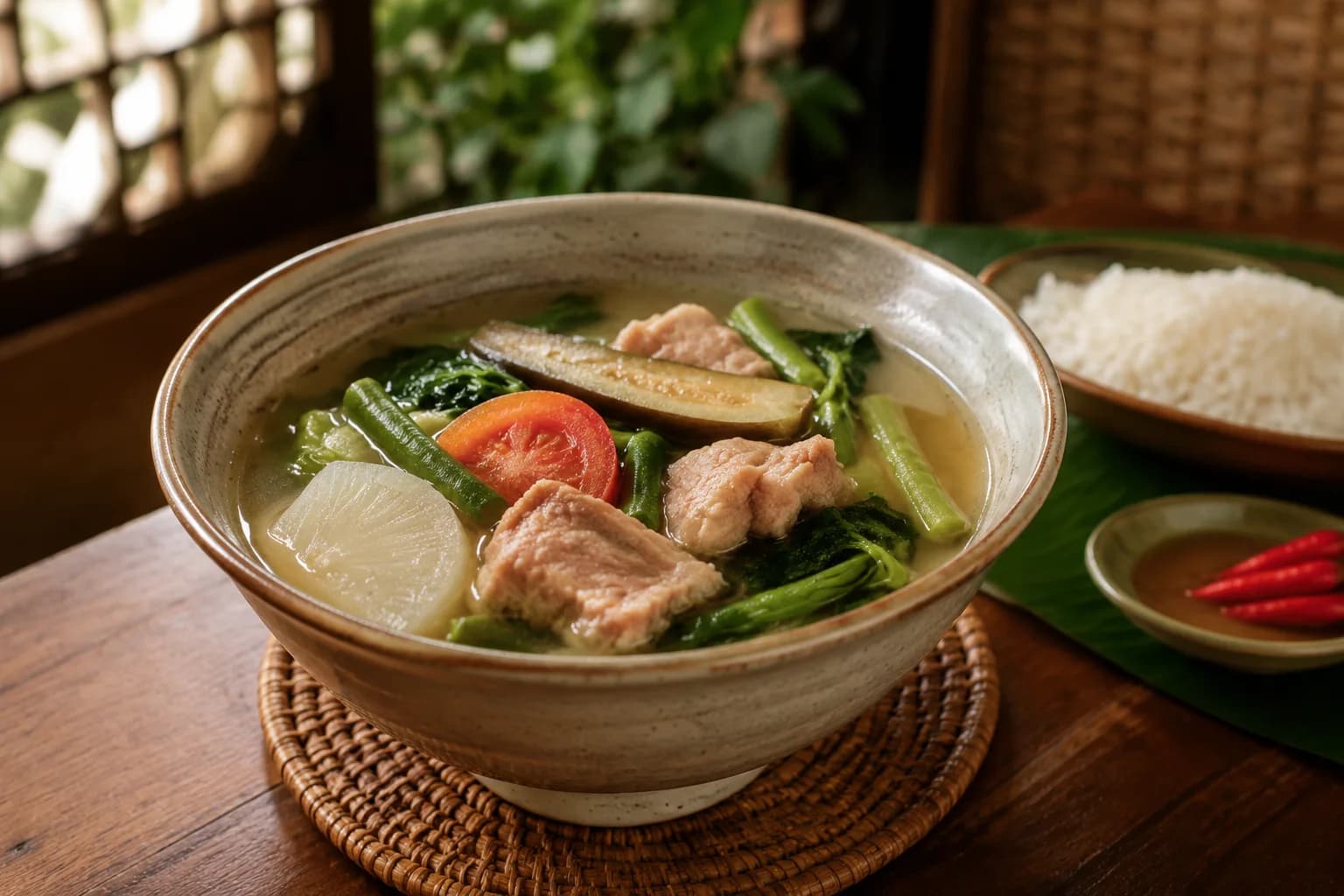
Filipino cuisine is defined by a fearless use of acidity — cane vinegar, tamarind, calamansi — balanced against fat and salt, often from fermented shrimp paste (bagoong) or fish sauce (patis). Spanish colonial rule introduced tomato-based braises and the concept of the comida; Chinese traders brought noodles, soy, and tofu; American occupation added canned goods and a love of fried food. The result is a cuisine that layers all of these without fully resolving them, producing a distinctive sweet-sour-umami character with no direct analogue elsewhere in Southeast Asia.
The flavour base
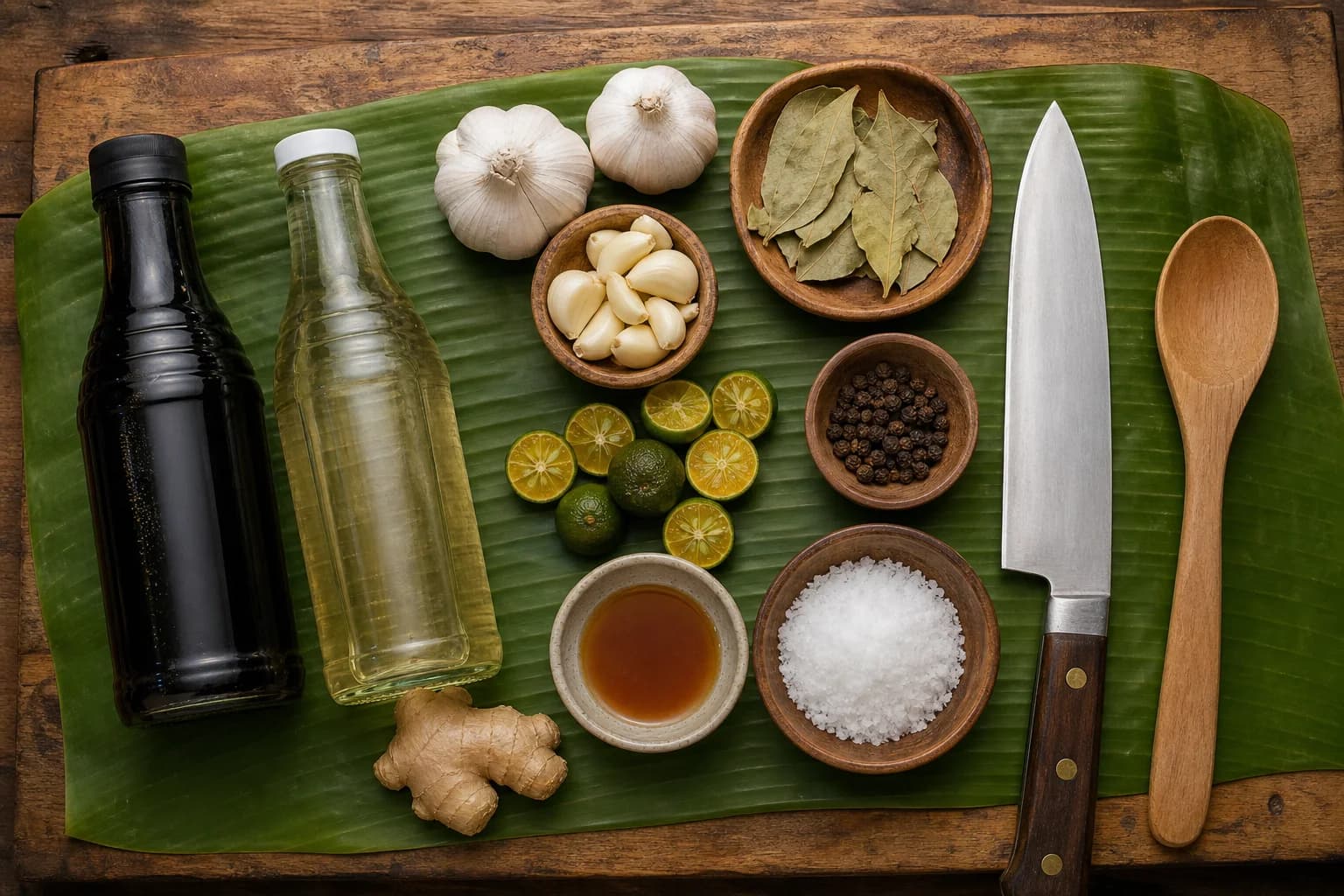
Vinegar (sukang maasim), garlic, bay leaf, and peppercorns form the braising backbone; tamarind and sampaloc anchor sour soups; sautéed garlic-onion-tomato (ginisa) opens most savory dishes.
Pantry staples
Key ingredients
Signature techniques
Signature dishes
Filipino on the table
At the table
Meals are communal and rice-centric. Multiple viands (ulam) are placed at the center of the table and shared. No strict coursing — soup, protein, and vegetables arrive together. Kamayan (eating with hands from banana leaves) remains culturally significant at gatherings. Merienda (midday and afternoon snacks) is a formal part of the day.
History & context
Pre-colonial Filipino cooking was rooted in trade with Malay kingdoms, Chinese merchants, and Indian-influenced Indianized states — evidenced in shared ingredients like pandan, coconut, and vinegar preservation. Spain arrived in 1565 and ruled for 333 years, introducing olive oil (replaced by lard), tomatoes, chorizos, and the fiesta tradition of lechon. Chinese migrants (Sangley) integrated soy and noodle culture so thoroughly that many dishes are now considered quintessentially Filipino. American occupation from 1898 added canned sardines, Spam, and fast food infrastructure. The result is a cuisine with the most colonial layers in Southeast Asia, yet with a genuinely indigenous sour-fermented core that predates all of it.
Regional variations
- Ilocano (Northern Luzon)
Deeply fermented flavors — bagnet (twice-fried pork), dinengdeng (vegetable-and-fermented-fish stew), and pinakbet define a lean, intensely savory cooking style.
- Pampangan (Central Luzon)
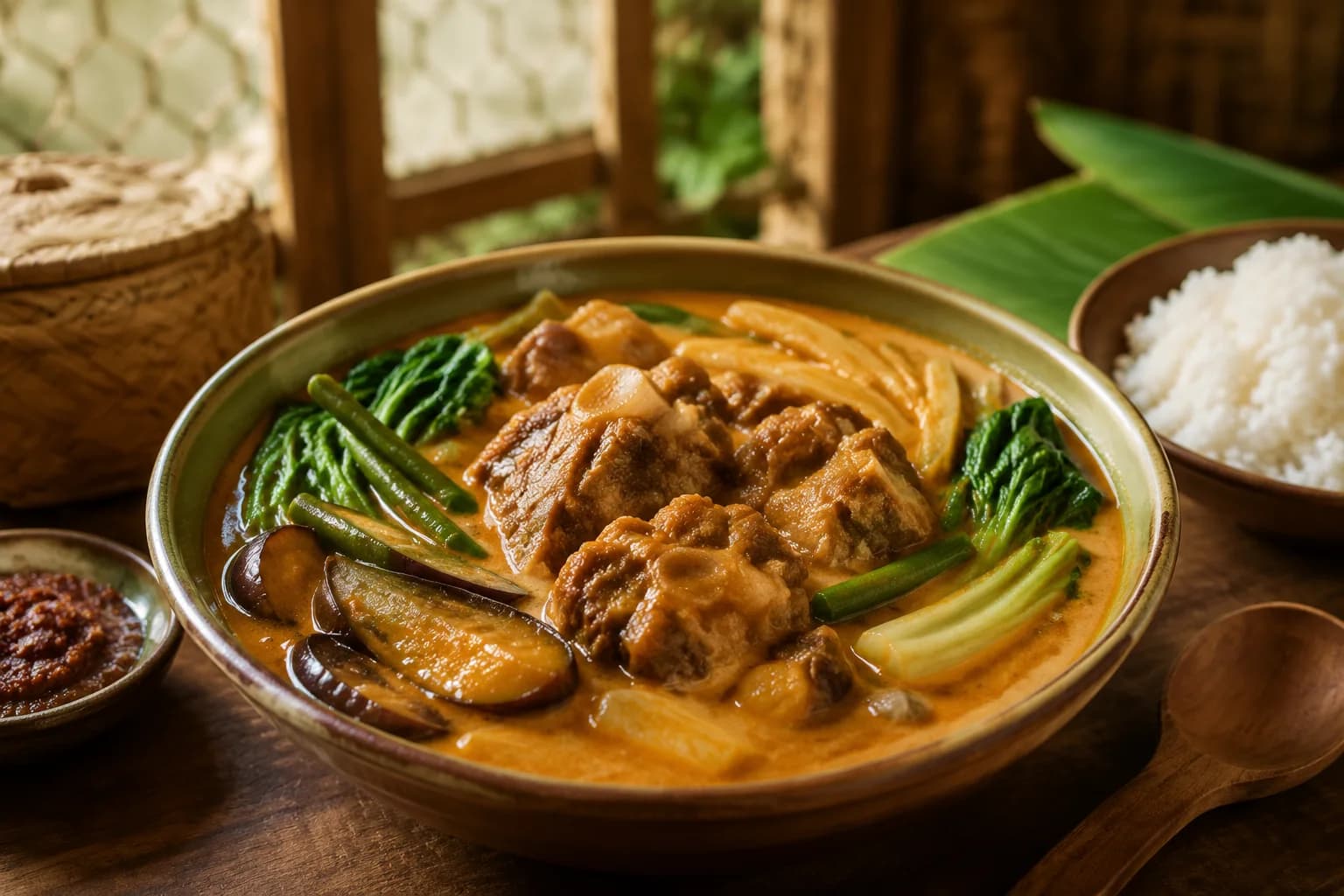
Considered the culinary capital of the Philippines; birthplace of sisig (chopped pig's face), morcon (beef roulade), and the richest versions of kare-kare.
- Bicolano (Bicol Region)
The most coconut-milk-heavy and chili-forward of the major regional styles; Bicol express (pork, shrimp paste, coconut milk, sili labuyo chili) is its emblem.
- Visayan (Central Philippines)
Emphasizes fresh, lightly cooked seafood and the sour-vinegar notes of kinilaw (ceviche); less soy, more citrus and vinegar.
- Mindanaoan (Maranao/Tausug)
Halal-observant Muslim cooking influenced by Malay and Brunei trade: maranao cuisine features palapa (coconut-shallot-ginger-chili paste) and pyanggang (charred coconut chicken).
Related cuisines
Shared base of coconut milk, pandan, and fermented fish from pre-colonial Austronesian exchange.
- Spanish
Colonial legacy of tomato braises, chorizo, and the comida structure.
- Hokkien Chinese
Noodle culture, soy sauce, tofu, and the pansit tradition derive directly from Hokkien traders.
- Indonesian
Parallel fermentation traditions (bagoong/terasi), coconut milk usage, and adobo-like vinegar preserves.
Canonical recipes
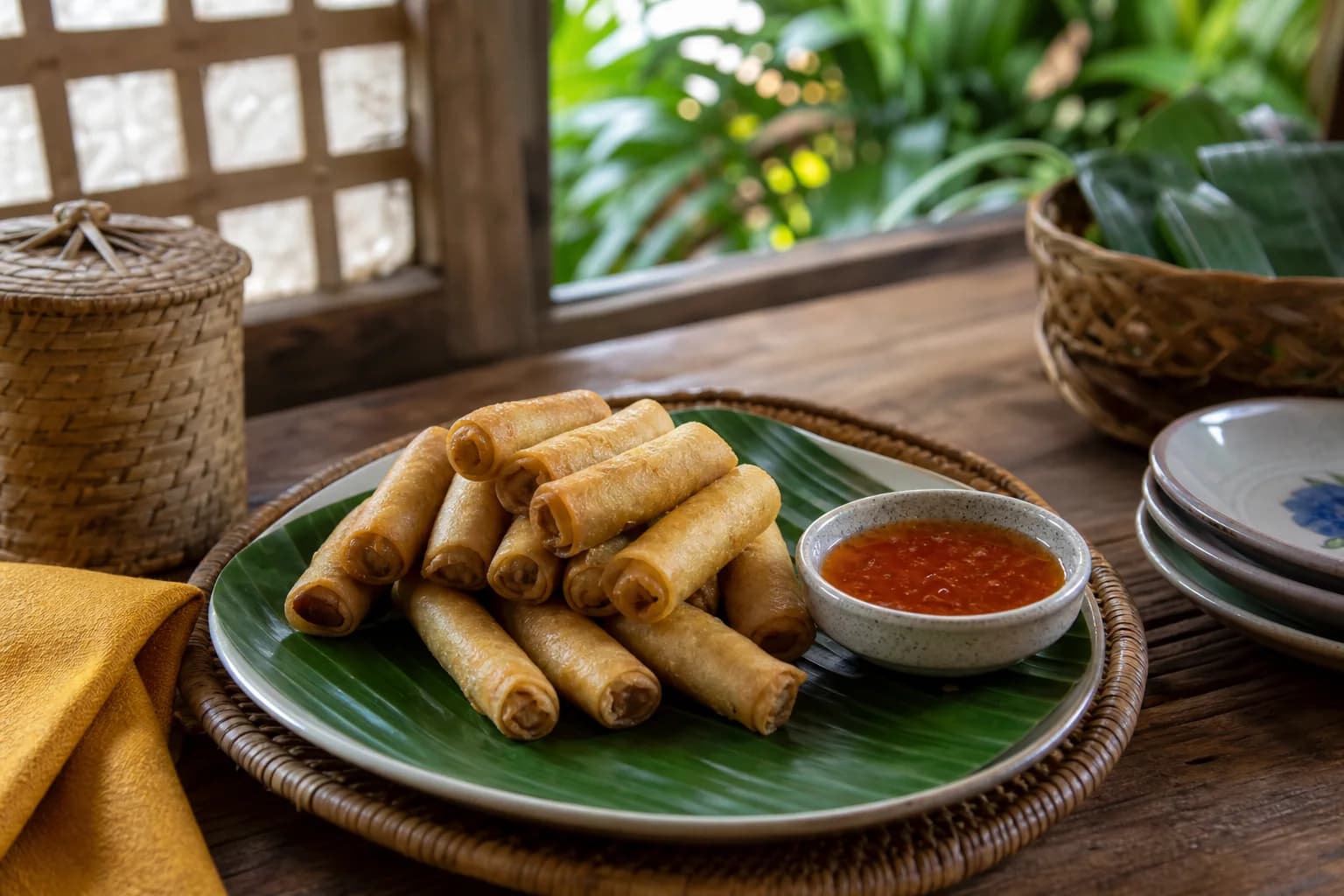
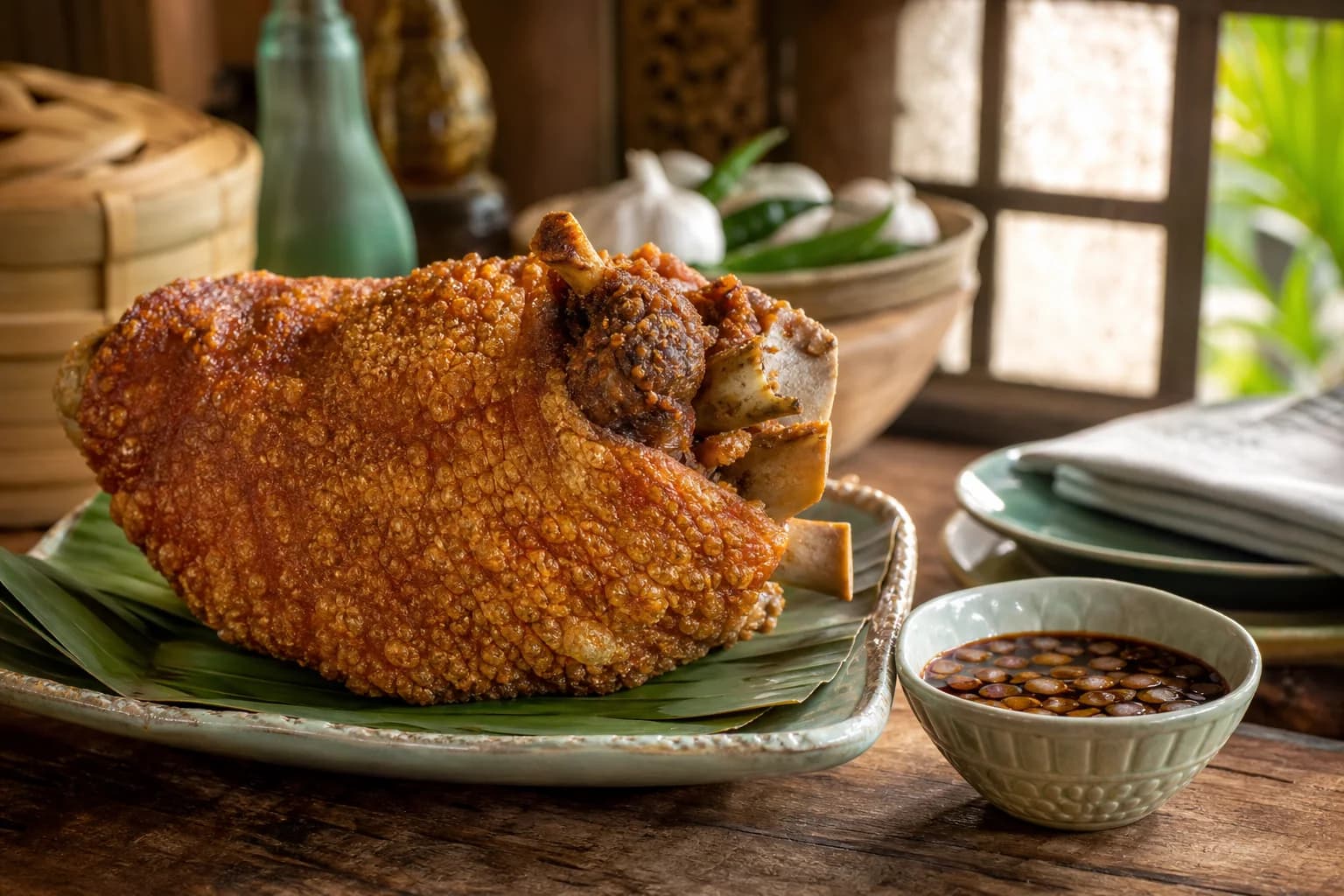
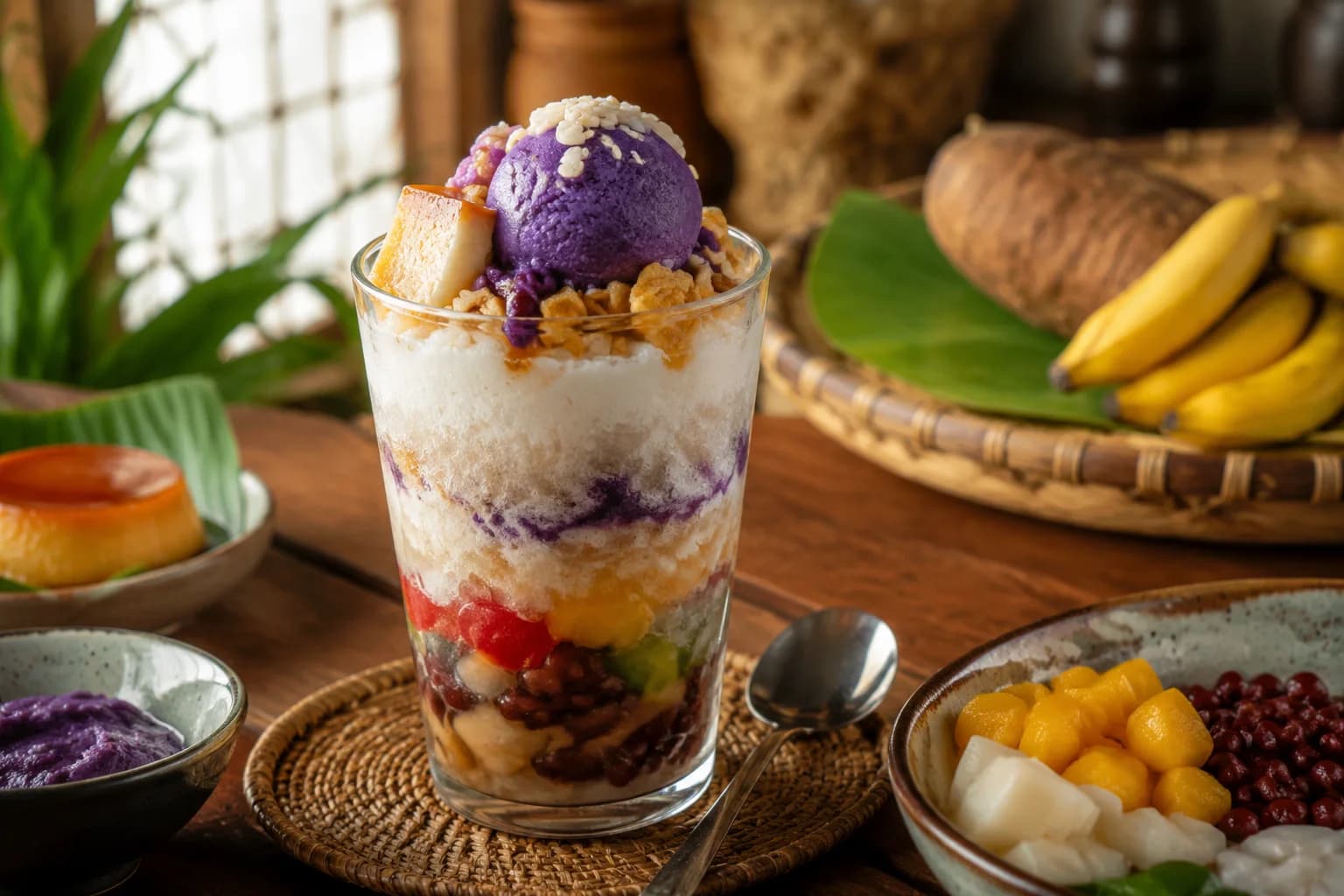
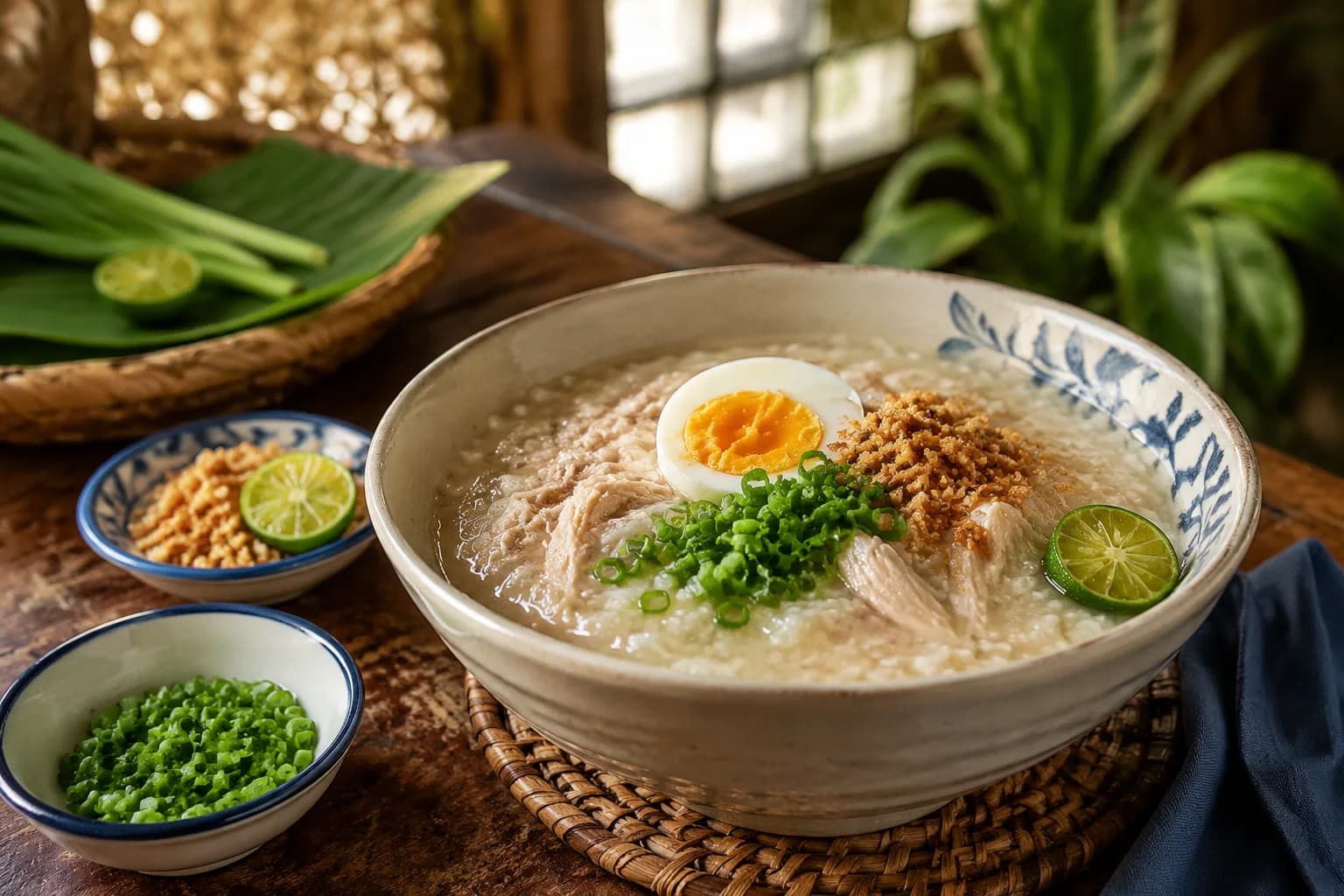
The dishes that define Filipino, documented in the Canon.
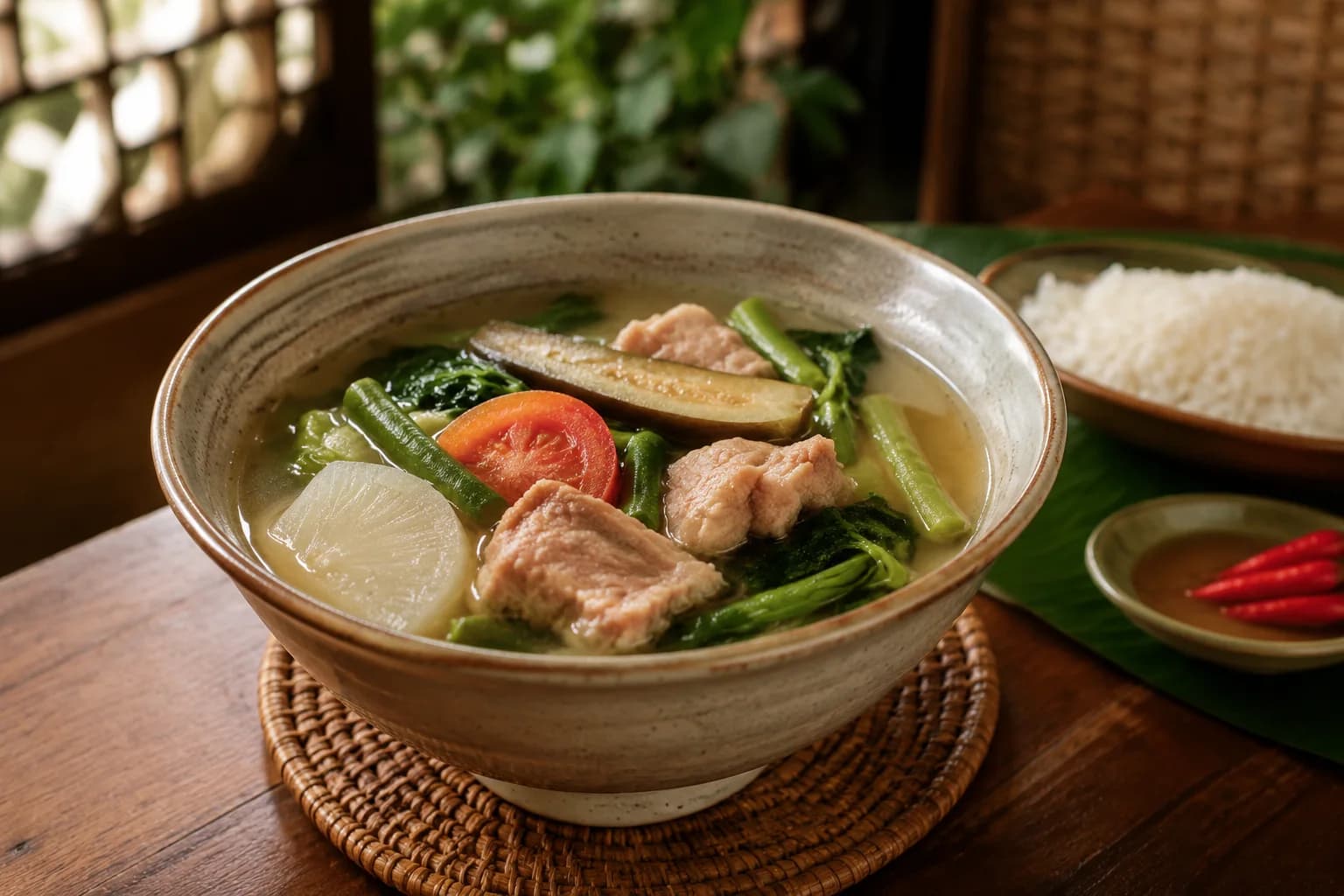
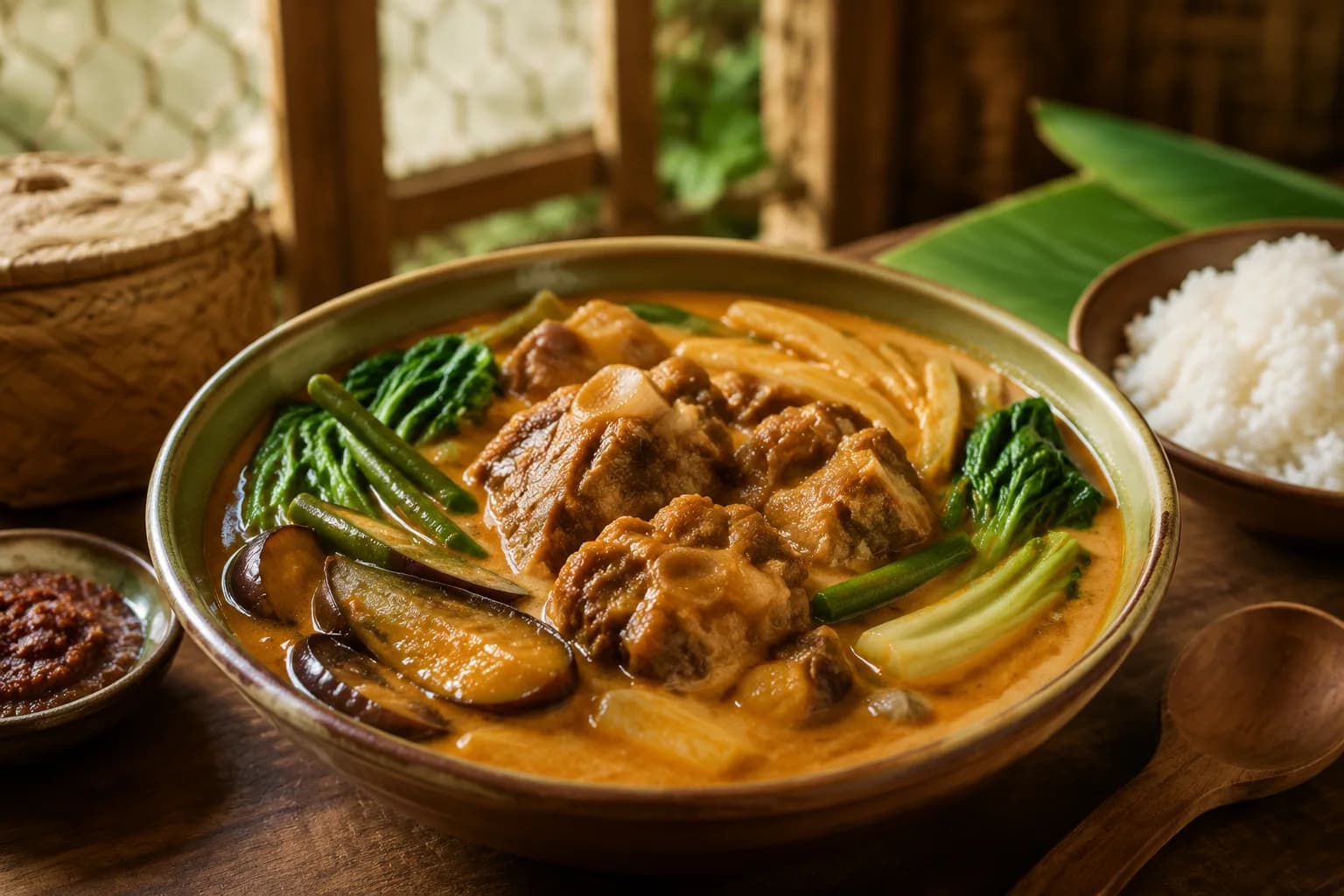
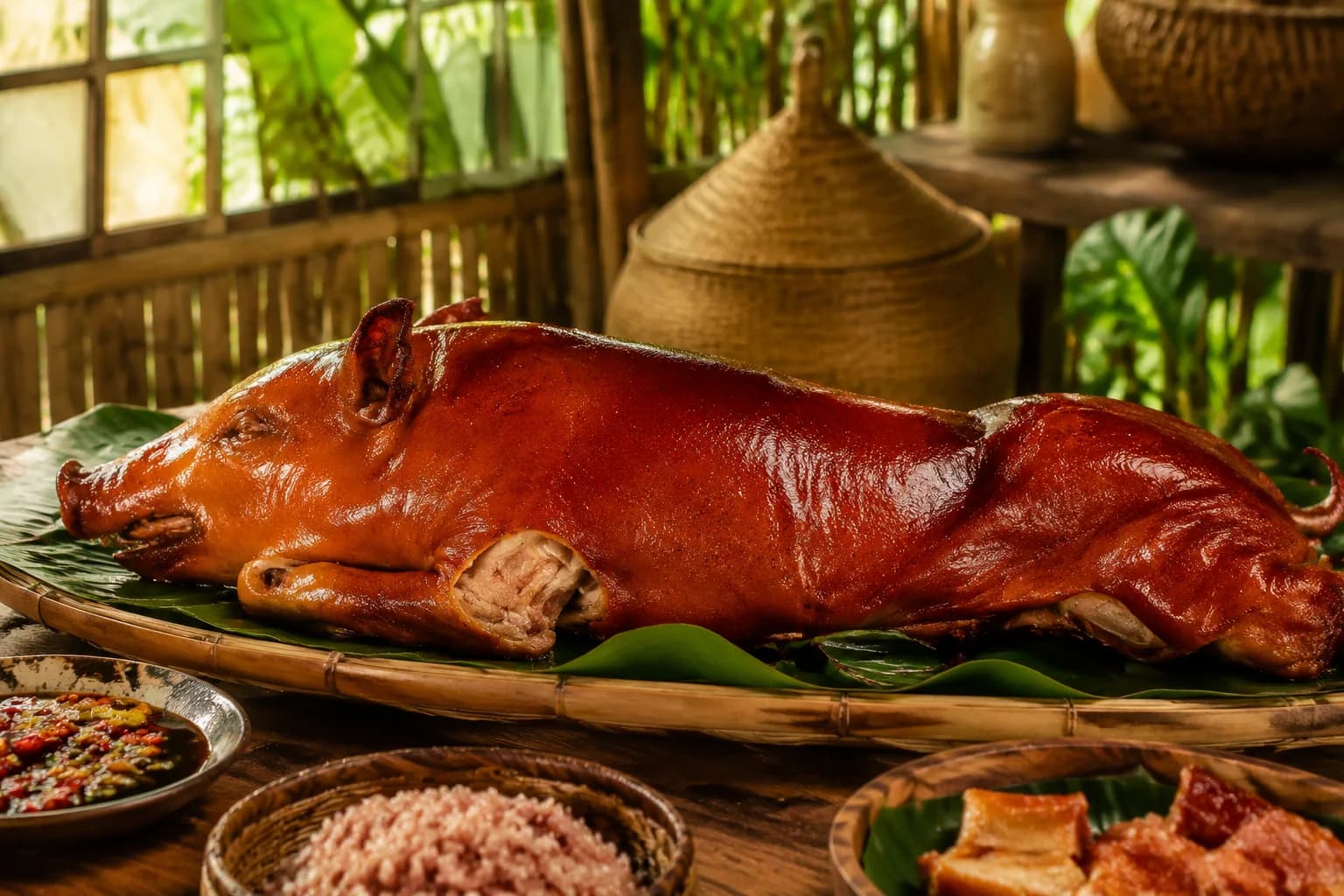
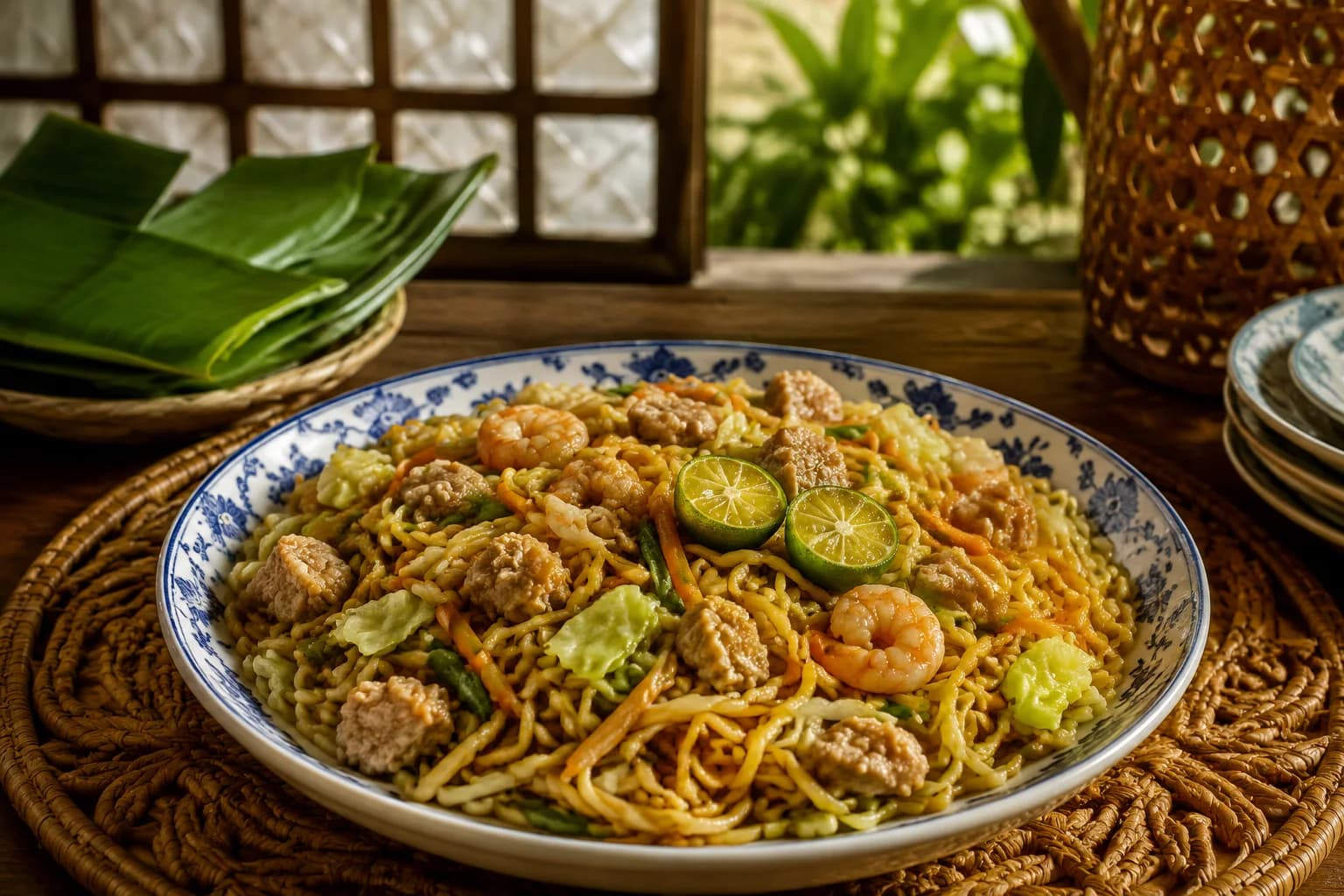
References
- 1.Philippine Food, Life, and Customs — Gilda Cordero-Fernando
- 2.The Adobo Road Cookbook — Marvin Gapultos
- 3.Memories of Philippine Kitchens — Amy Besa & Romy Dorotan
- 4.Kulinarya: A Guidebook to Philippine Cuisine — Glenda Barretto et al.
Confidence: high
Notes
Adobo as a method, not a dish
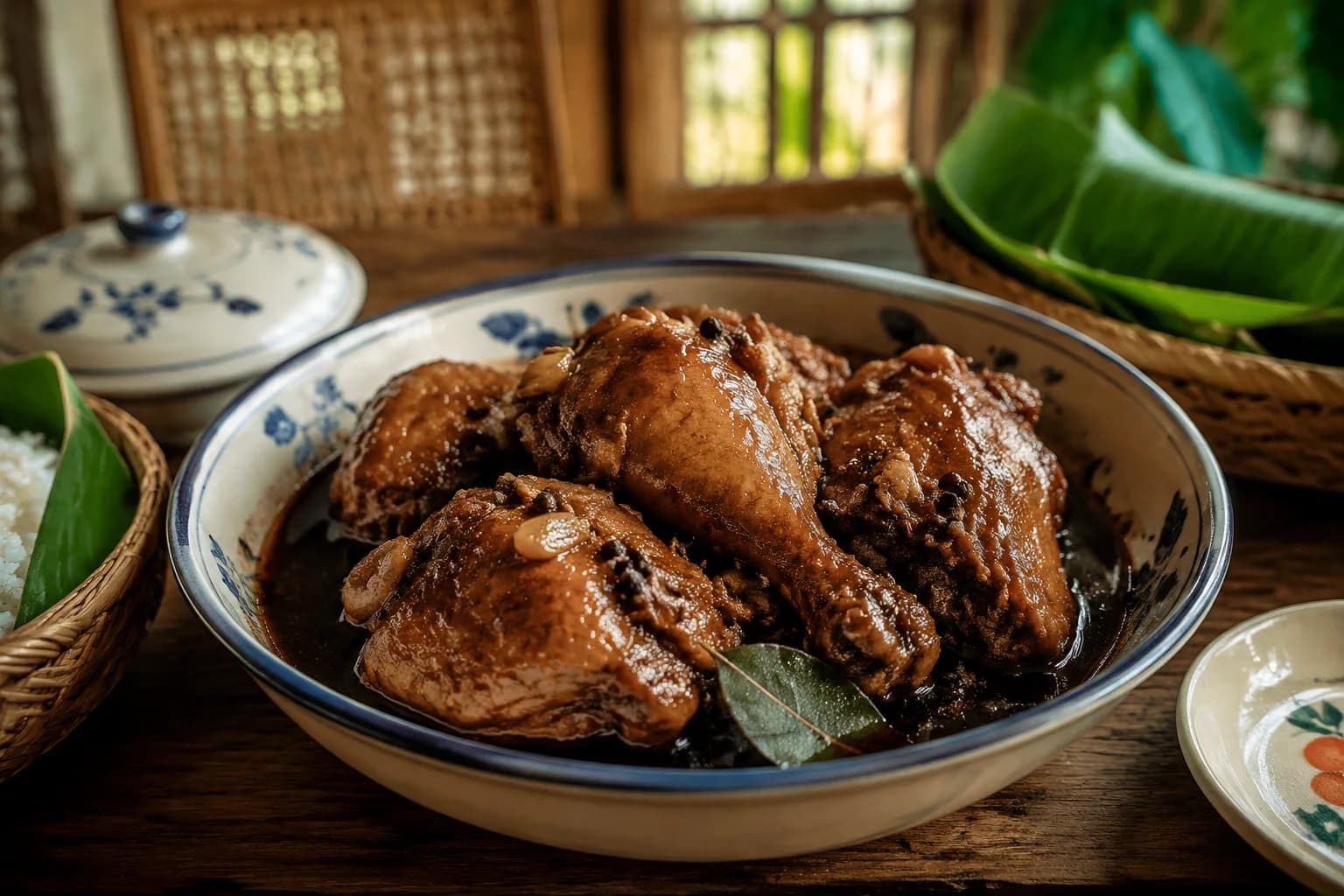
Adobo predates Spanish naming — the term was applied by Spanish colonizers to an existing indigenous technique of preserving meat in vinegar and salt. Its variations across the archipelago (white adobo in Cavite, yellow adobo with turmeric in some Visayan islands) reveal how old the technique is and how much it predates its Spanish-sounding name.
Fermentation as a foundation
Bagoong (fermented shrimp paste), patis (fish sauce), burong isda (fermented rice-and-fish), and buro (fermented rice with fish or shrimp) represent a pre-colonial fermentation culture that survived every wave of colonialism and remains the deepest flavoring layer in the cuisine.