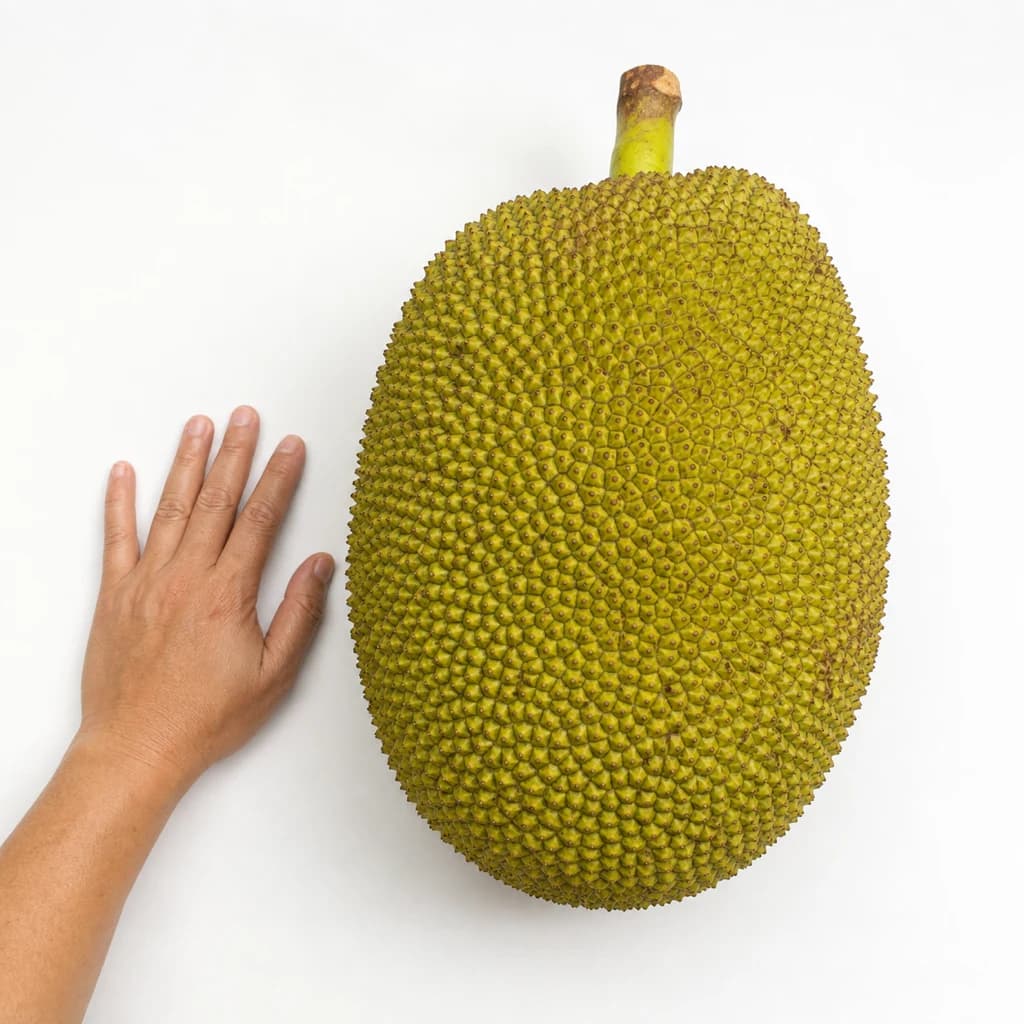
Natural form
A whole jackfruit showing its distinctive spiky green exterior and enormous size.
Teaches size scale, surface texture, and the bumpy green rind that makes jackfruit unmistakable among tree fruits.
Produce
Jackfruit
Giant tropical fruit; young green pods cook into a meaty texture, ripe ones are sweet and fragrant.
Jackfruit is the largest tree-borne fruit, with fibrous flesh that behaves very differently by ripeness. Young, green jackfruit is neutral and shreds into a meaty texture used in curries and as a vegan pulled-pork substitute, while ripe jackfruit is sweet, golden, and eaten as fruit. It is a staple across South and Southeast Asia and is often sold canned in brine or syrup.
Jackfruit (Artocarpus heterophyllus) is the largest tree-borne fruit in the world, capable of reaching up to 80 pounds, though most specimens fall between 10 and 50 pounds. Native to the Western Ghats of India, it has been a staple across South and Southeast Asia for millennia, earning the distinction of Bangladesh's national fruit. What makes jackfruit extraordinary in the kitchen is not merely its size but its duality: the same tree produces two entirely different culinary ingredients depending on harvest timing. Young, green jackfruit is savory and structurally remarkable—the flesh develops a meaty, stringy texture when cooked that absorbs bold seasonings with remarkable facility, making it one of the most convincing plant-based substitutes for pulled pork or brisket. Ripe jackfruit, by contrast, turns sweet and fragrant with tropical notes of banana, mango, and pineapple, eaten fresh or incorporated into desserts ranging from Indian payasam to Filipino halo-halo. Beyond the pods, the seeds—often discarded—are entirely edible, nutritious (high in protein and fiber), and can be boiled, roasted, or ground into flour. The accessibility revolution came with canned young jackfruit in brine, which eliminated the considerable challenge of navigating the fruit's sticky latex sap and massive size, bringing this versatile ingredient into home kitchens far from tropical growing regions.
- Measured in
- g
- Storage
- Fridge
Types & varieties
Soft-fleshed type; more fibrosity, higher seed count; common in South India cooking
Firm flesh type; popular in Odisha and Bengal
Sweet, soft-fleshed variety prized for eating fresh
Named for yielding fruit once per year; grown in Rajasthan and Deccan
Smaller, sweet cultivar sometimes found in specialty markets
Compact trees bred for container or garden growing; earlier fruiting
The Canned Jackfruit Advantage
Canned young jackfruit in brine or water has democratized this ingredient for home cooks outside Asia. Two to three 20-ounce cans yield approximately one pound of cooked pulled-texture jackfruit. The canning process pre-softens the fibers and eliminates the notorious latex sap that makes fresh whole fruit so challenging to work with. Look for cans labeled 'young' or 'green' jackfruit in water or brine—not syrup, which is for sweet applications. Drain the liquid, rinse thoroughly, and squeeze out excess moisture before cooking. Frozen young jackfruit is a viable alternative but tends toward a softer final texture; pat completely dry before searing or frying to achieve better browning.
- Two to three 20-oz cans ≈ 1 lb pulled-texture yield
- Avoid cans in syrup—those are for sweet preparations
- Rinse and squeeze out liquid before cooking for better browning
- Frozen works but yields softer texture; pat dry before high-heat cooking
Working with Fresh Whole Jackfruit
When fresh whole jackfruit is available, choose green, unblemished pods for savory applications or yellowing, fragrant pods for sweet ones. The primary obstacle is the sticky white latex sap that exudes from cut surfaces. Before cutting, coat your knife blade, cutting board, and hands generously with neutral oil or wipe with rubbing alcohol—this prevents the sap from adhering and makes cleanup significantly easier. Work quickly; the sap oxidizes and becomes more difficult to remove over time. Alternatively, commercial latex removers are available at some Asian grocery stores. Once cut, the inner pods, seeds, and seed arils are all edible. Roast or boil the seeds like chestnuts for a starchy snack with a mild, nutty flavor.
- Coat tools and hands with oil or alcohol before cutting
- Work quickly—sap becomes stickier as it oxidizes
- Inner core and seeds are edible—don't discard them automatically
- Seeds roast or boil like chestnuts; can also be ground into flour
Common uses
Tips & pitfalls
- Start with young jackfruit canned in brine or water—it requires no peeling and has minimal sticky sap versus fresh whole fruit
- Oil your knife, cutting board, and hands before working with fresh jackfruit; the latex sap is extremely sticky and difficult to remove
- For pulled-pork texture, slow-cook green jackfruit at least 45–60 minutes simmering or 8+ hours in a slow cooker to break down fibers fully
- Don't over-process young jackfruit in a food processor if seeking shredded texture—hand-pulling cooked pieces gives more authentic stringiness
- Season aggressively; green jackfruit has neutral flavor and tastes bland without bold spices, acids, and aromatics
- Drain and rinse canned jackfruit thoroughly, then squeeze out excess liquid before cooking for better browning and texture
- Ripe jackfruit should smell intensely fragrant—almost floral—if it has no aroma, it's likely underripe
- Store fresh ripe jackfruit in the refrigerator only after it begins to soften; cold air stops the ripening process entirely
- The inner core and seeds of fresh jackfruit are edible—roast or boil the seeds like chestnuts for a starchy, nutritious snack
- Avoid confusing young with ripe when substituting—both have completely different culinary applications and flavor profiles
- Refrigerate opened canned jackfruit submerged in fresh water to prevent browning if not using immediately
- Frozen young jackfruit works well but may be slightly softer than fresh-cooked; pat completely dry before searing or frying
Nutrition
Energy
397 kJ · per 100 g
Where the calories come from
Protein
1.7g
3% DV
Carbs
23.3g
8% DV
Fat
0.6g
1% DV
Fiber
1.5g
5% DV
Sugars
19.1g
of which
Sodium
2mg
0% DV
Source · USDA FoodData Central · Jackfruit, raw
View on FDC →In the shops
Matched grocery products
No matched grocery products for Jackfruit yet.
Good to know
- Scientific name
- Artocarpus heterophyllus
- Family
- Moraceae (same as breadfruit, figs, mulberries)
- Origin
- Western Ghats of India; national fruit of Bangladesh
- Largest tree fruit
- Can weigh up to 80 lbs (36 kg); common range 10–50 lbs
- Ripeness types
- Green/young (savory, neutral flavor) and ripe (sweet, fragrant)
- Flavor ripe
- Sweet, fruity; notes of banana, mango, pineapple
- Flavor unripe
- Neutral, absorbs seasonings; mild vegetable taste
- Edible parts
- Flesh (pericarp), seed arils, and seeds themselves all edible
- Primary growing regions
- India, Bangladesh, Thailand, Indonesia, Philippines, Brazil
- Peak season
- Year-round in tropics; May–August in US markets
- Available forms
- Fresh whole (rare, large), canned young in brine (most common), frozen
- Key nutrients
- Fiber, potassium, vitamin C, B vitamins; protein in seeds
Substitutes
- Hearts of palm — Similar stringy, neutral base texture; holds marinades comparably in salads and tacos
- Young plantain — Cooks to a similarly fibrous, meat-like consistency in savory preparations
- Green banana — Comparable toothsome texture in stews and curries when cooked long enough
- Chickpeas — For fried applications; won't replicate stringy texture but provides bulk and protein
- Artichoke hearts — For lighter applications where a meaty bite is less critical
Pairs with
Also called
Kathal · Young Jackfruit · Nangka Muda · Nangka
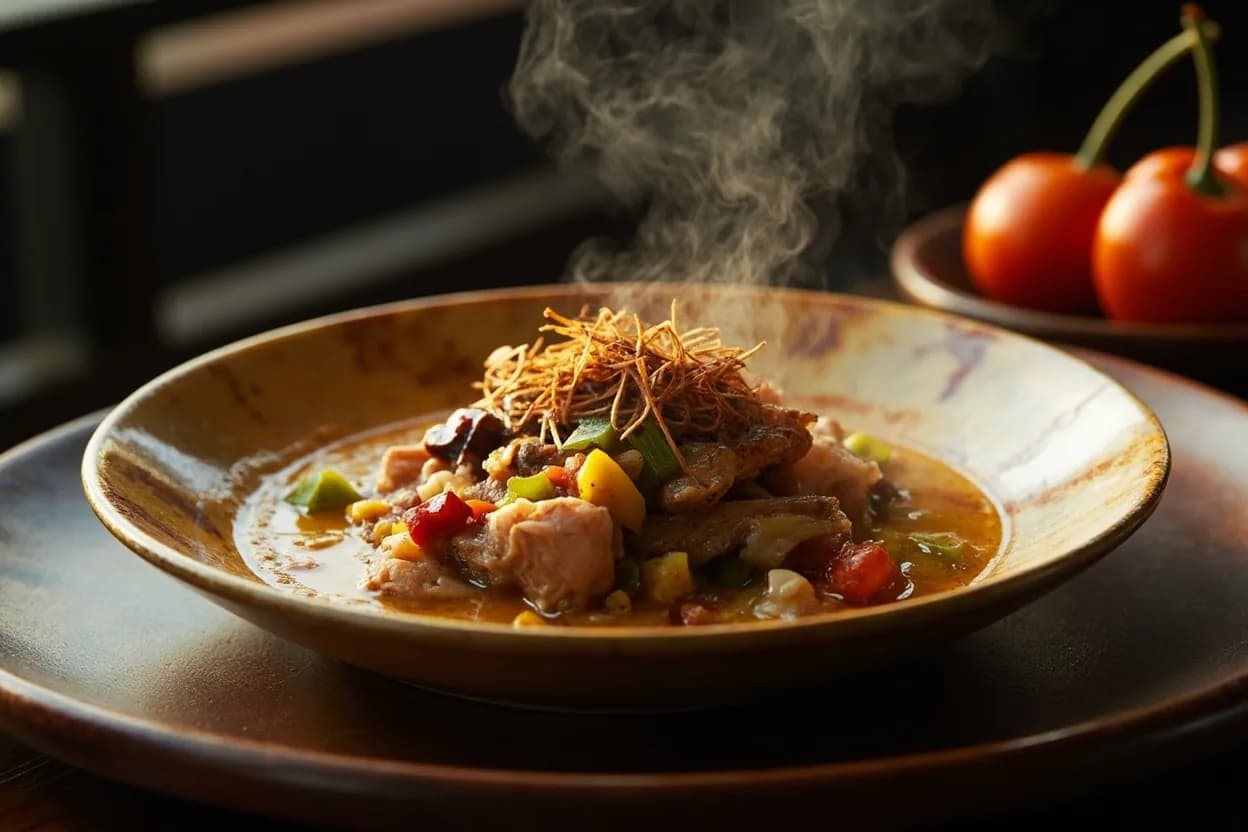
Appears in these dishes
Related
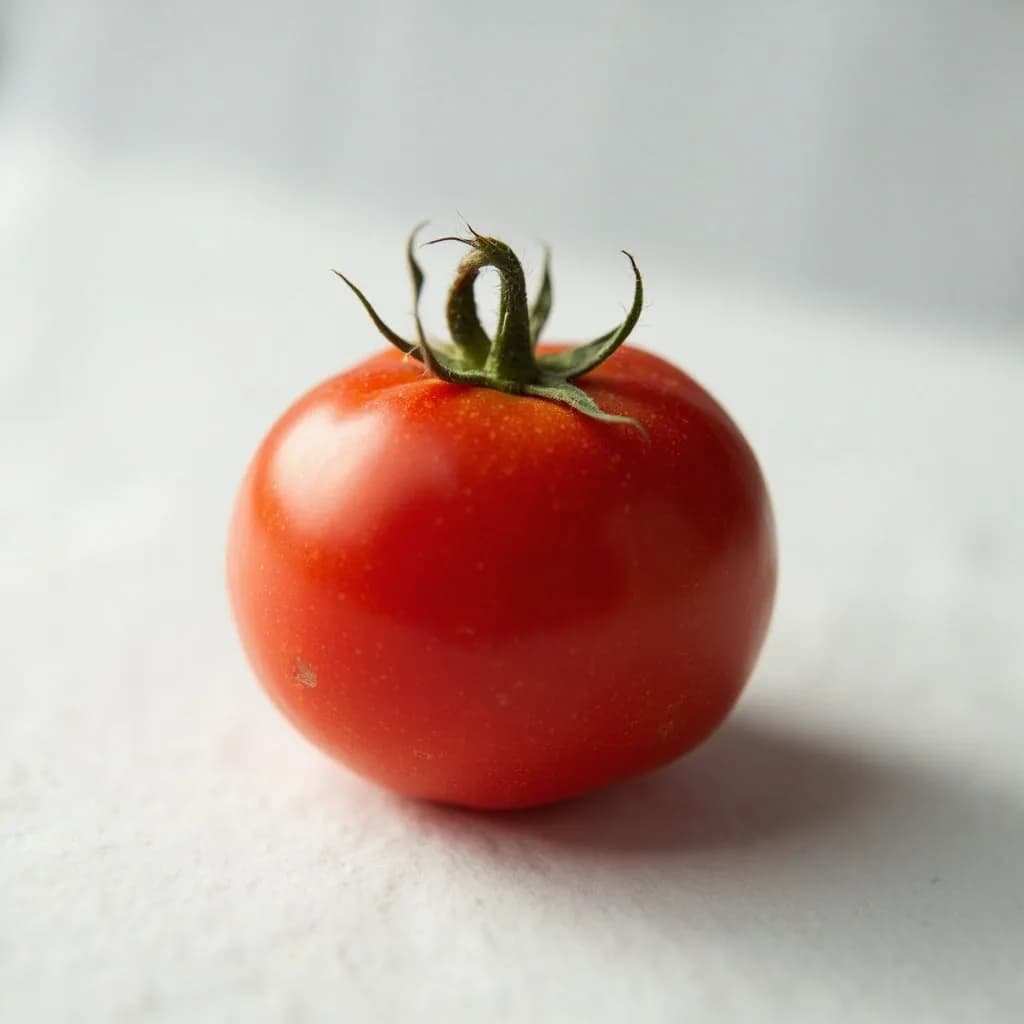
Tomato
Juicy, sun-sweet fruit for sauces, salads, and slow-cooked depth
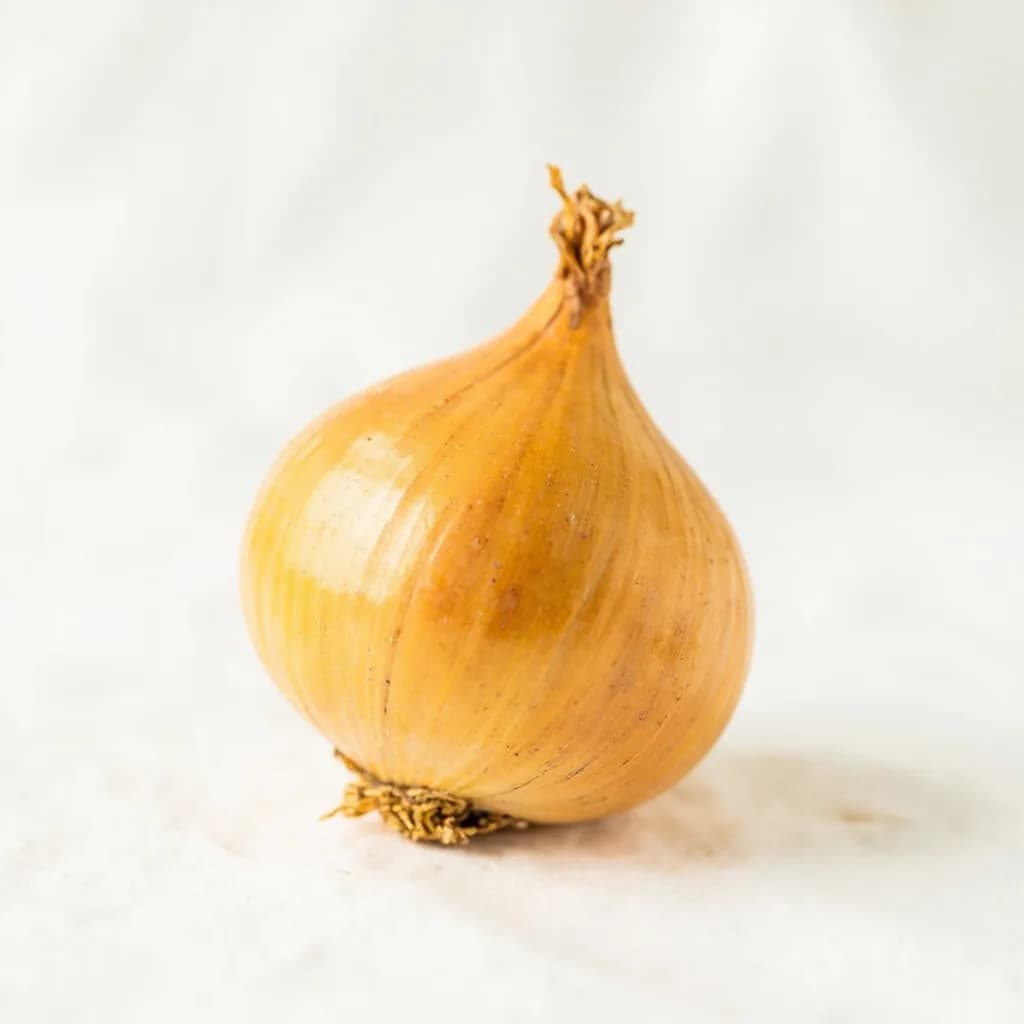
Yellow Onion
The aromatic backbone of soups, sofritos, and braises
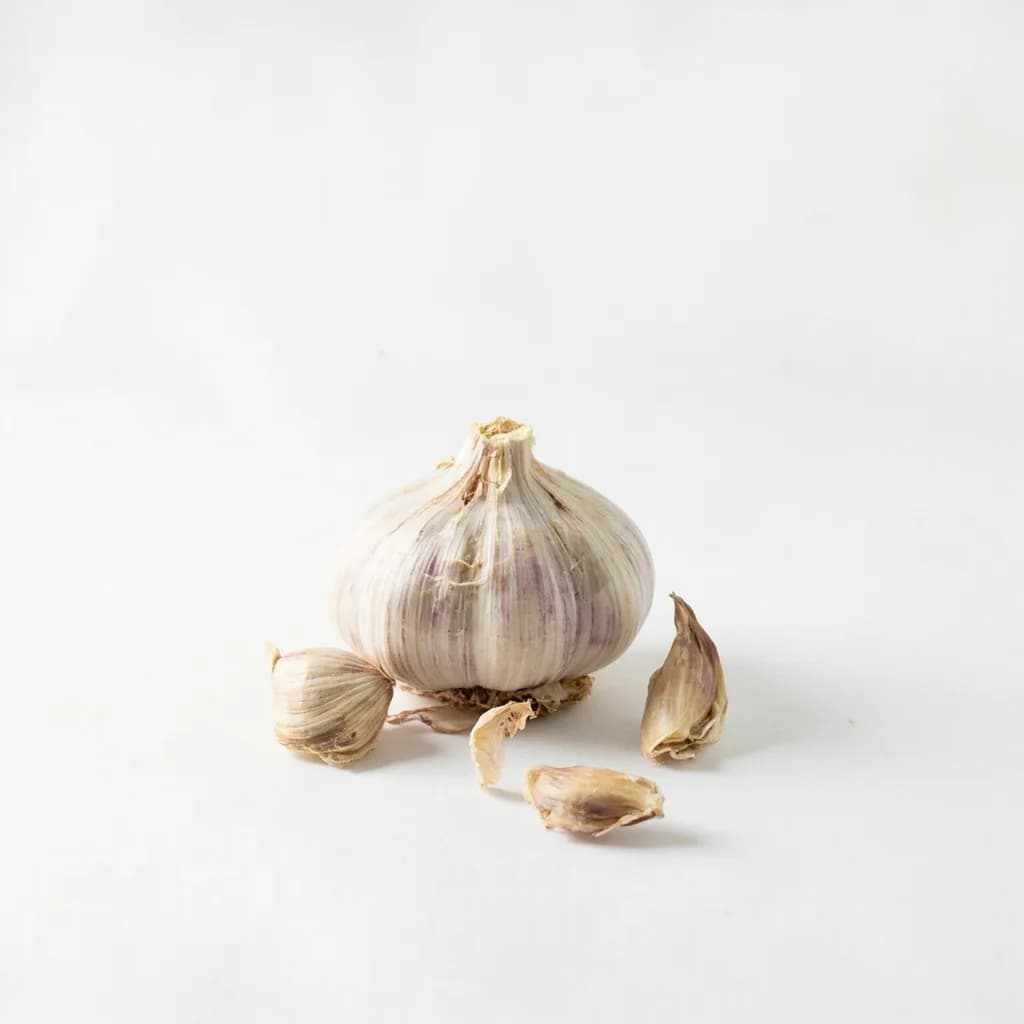
Garlic
Pungent cloves that perfume nearly every savory dish
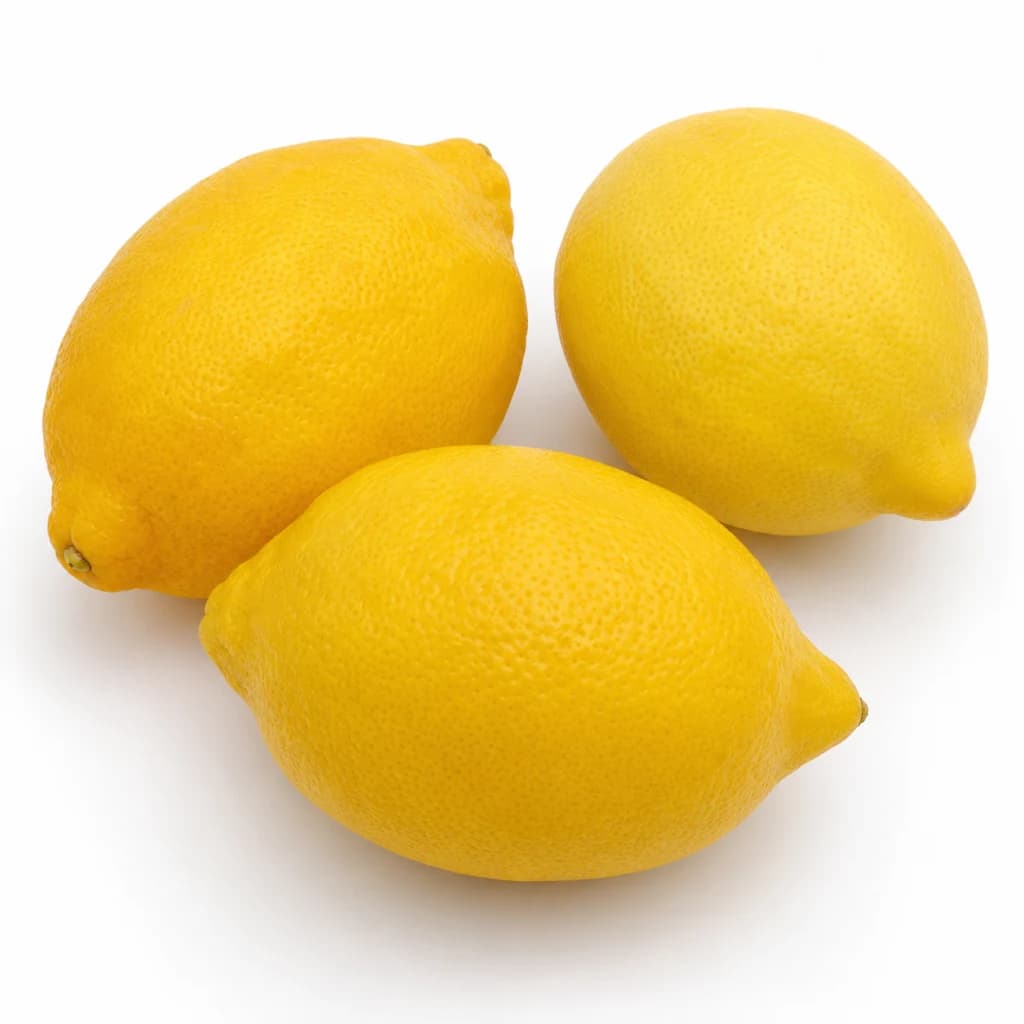
Lemon
Bright, acidic citrus that wakes up almost any dish
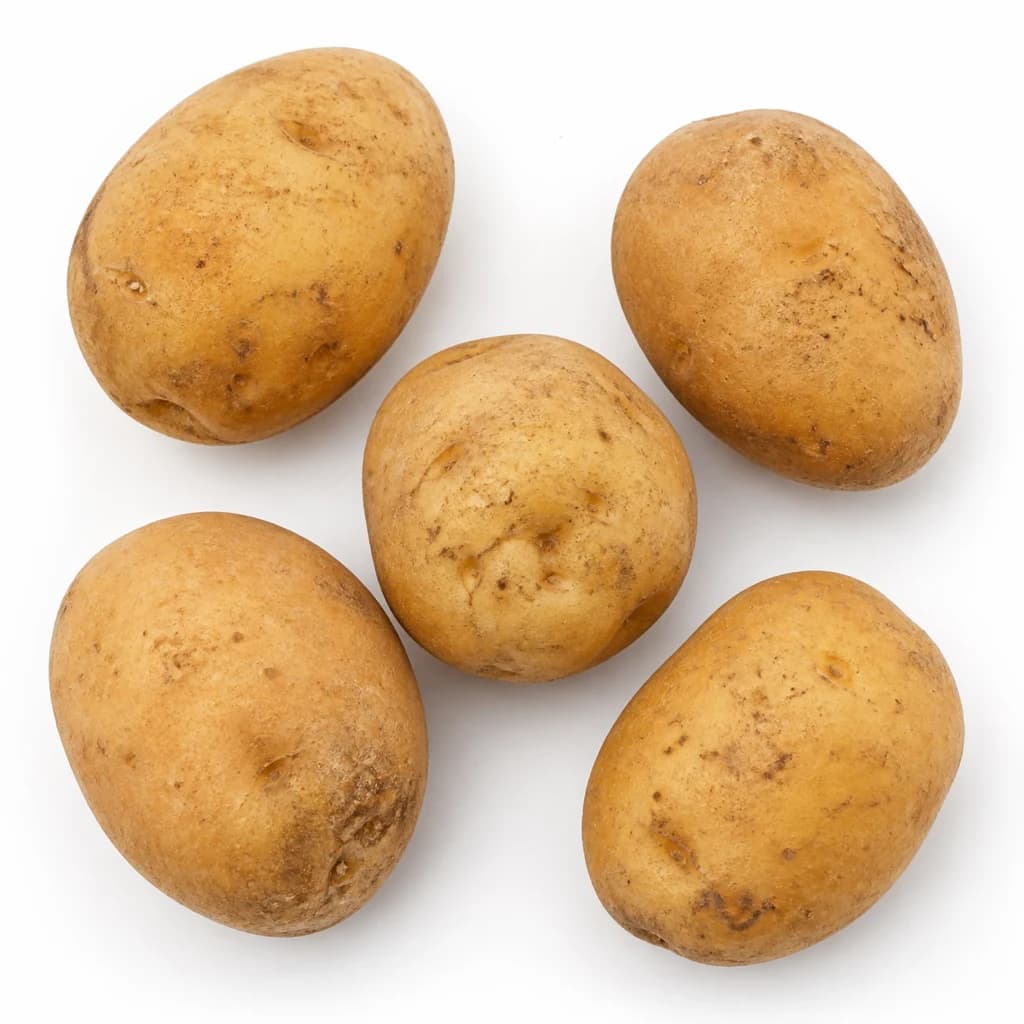
Potato
Humble, hearty staple — roast, mash, fry, or boil
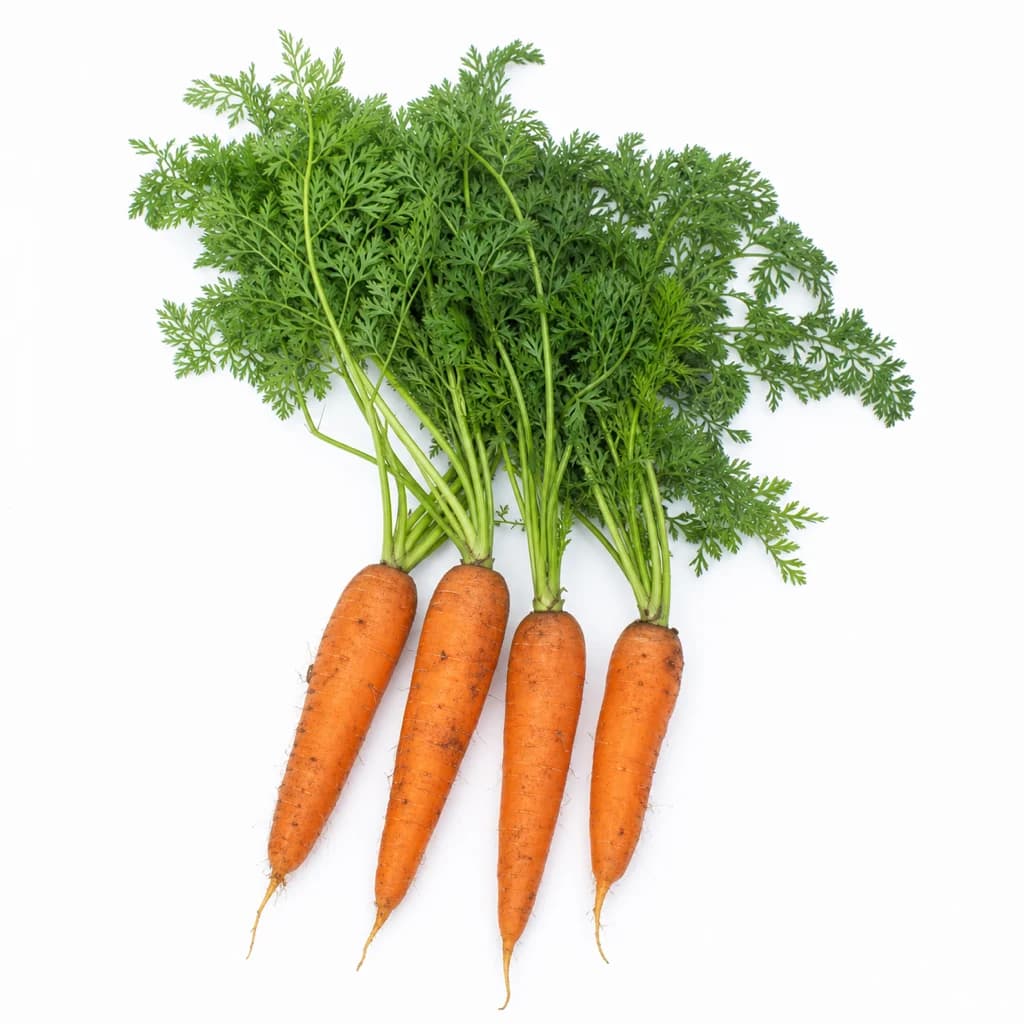
Carrot
Sweet, crunchy root — raw, roasted, or the base of a sofrito
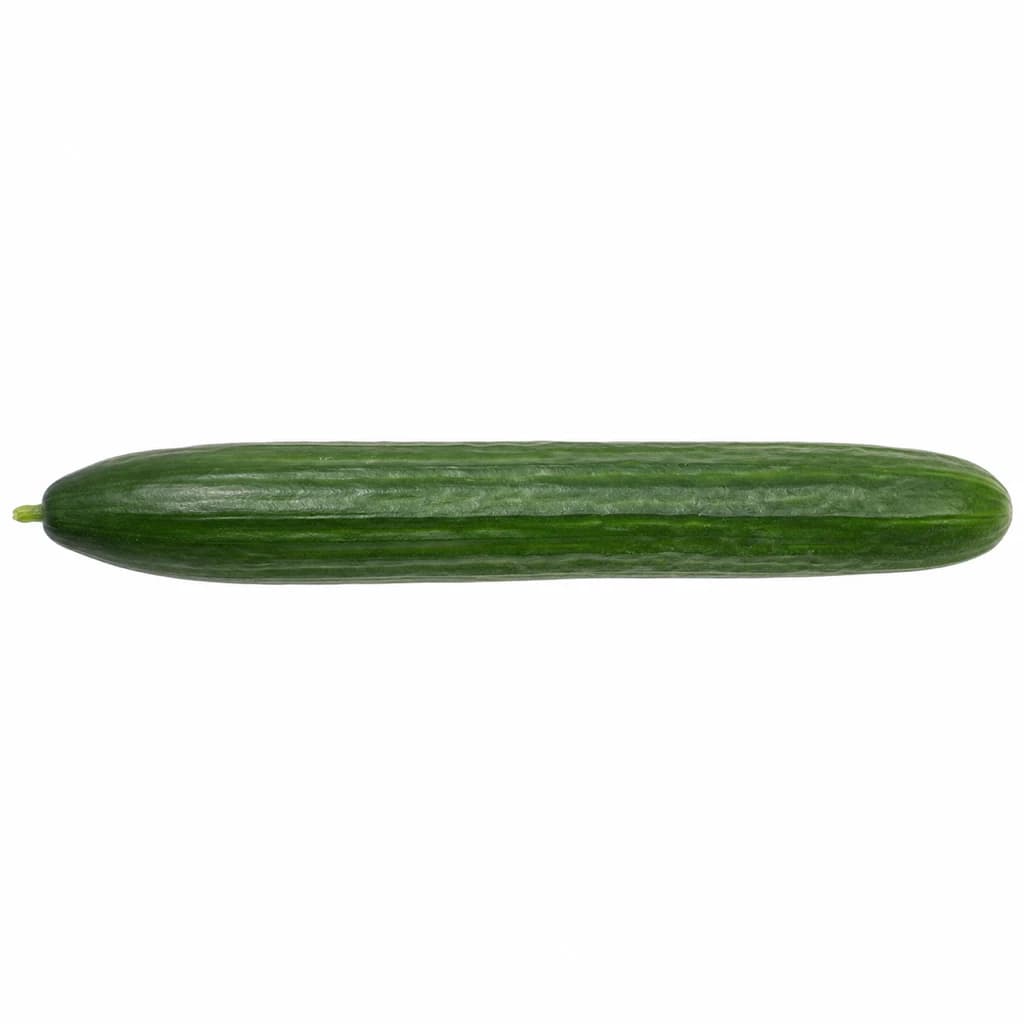
Cucumber
Cool, crisp, and watery — for salads, pickles, and tzatziki

Lettuce
Crisp leaves for salads, wraps, and a fresh crunch